Central Gifu · NagarabashiNo.769★★★Open in map →
Nagara River Cormorant Fishing
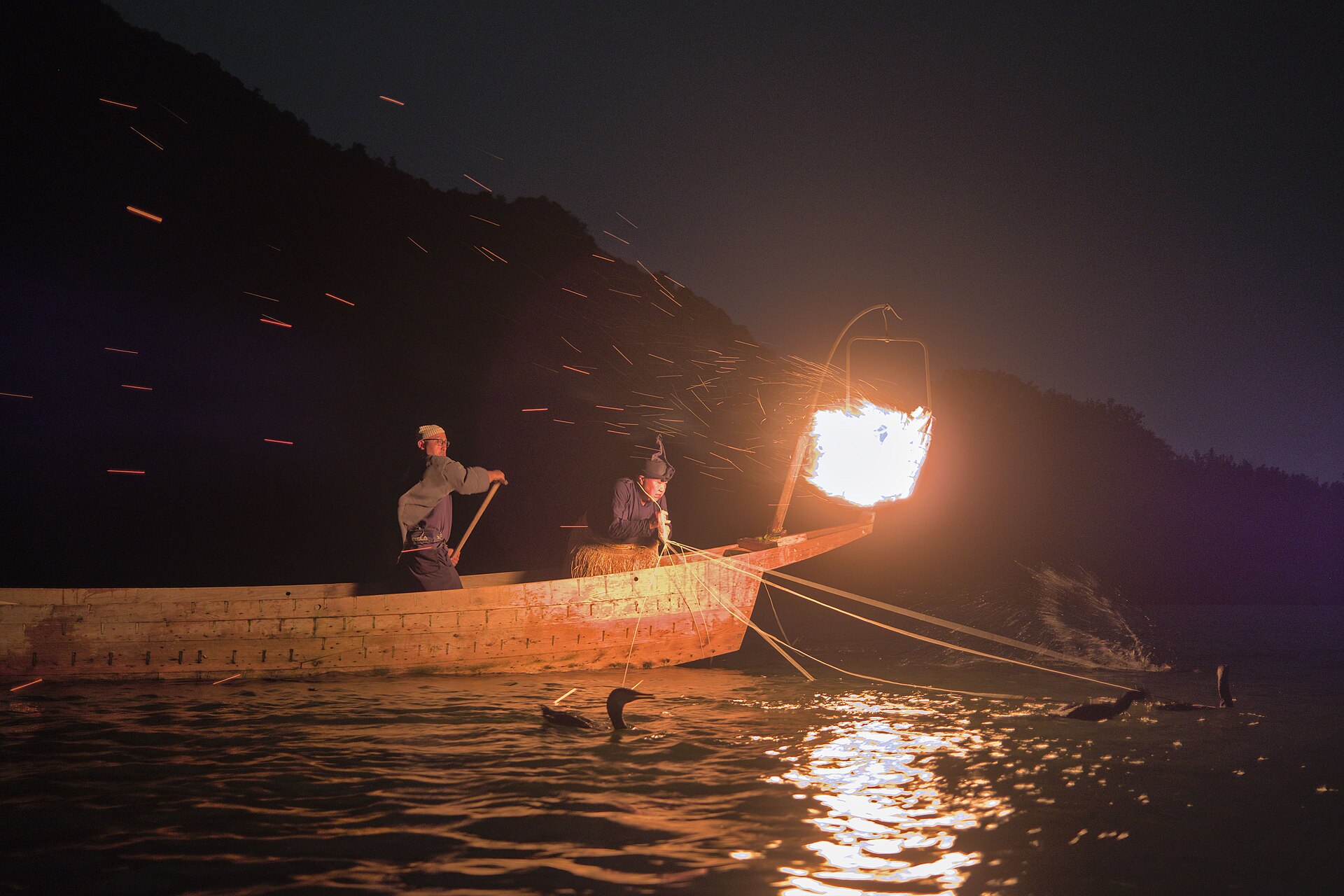
On the Nagara River in central Gifu, a master works trained cormorants for sweetfish from a wooden boat, under a hanging basket of fire. Visitors watch from flat-bottomed boats put out on the water for the evening.
- FromJR Gifu Station
- ~15 minGifu Bus, then 1 min walk
- Get off atNagarabashi-minami / Kawaramachi (Gifu Bus)
- From there
- Nagara River Cormorant Fishing
Where it is
18 more notes in Gifu · open the map →What to look for — in walking order
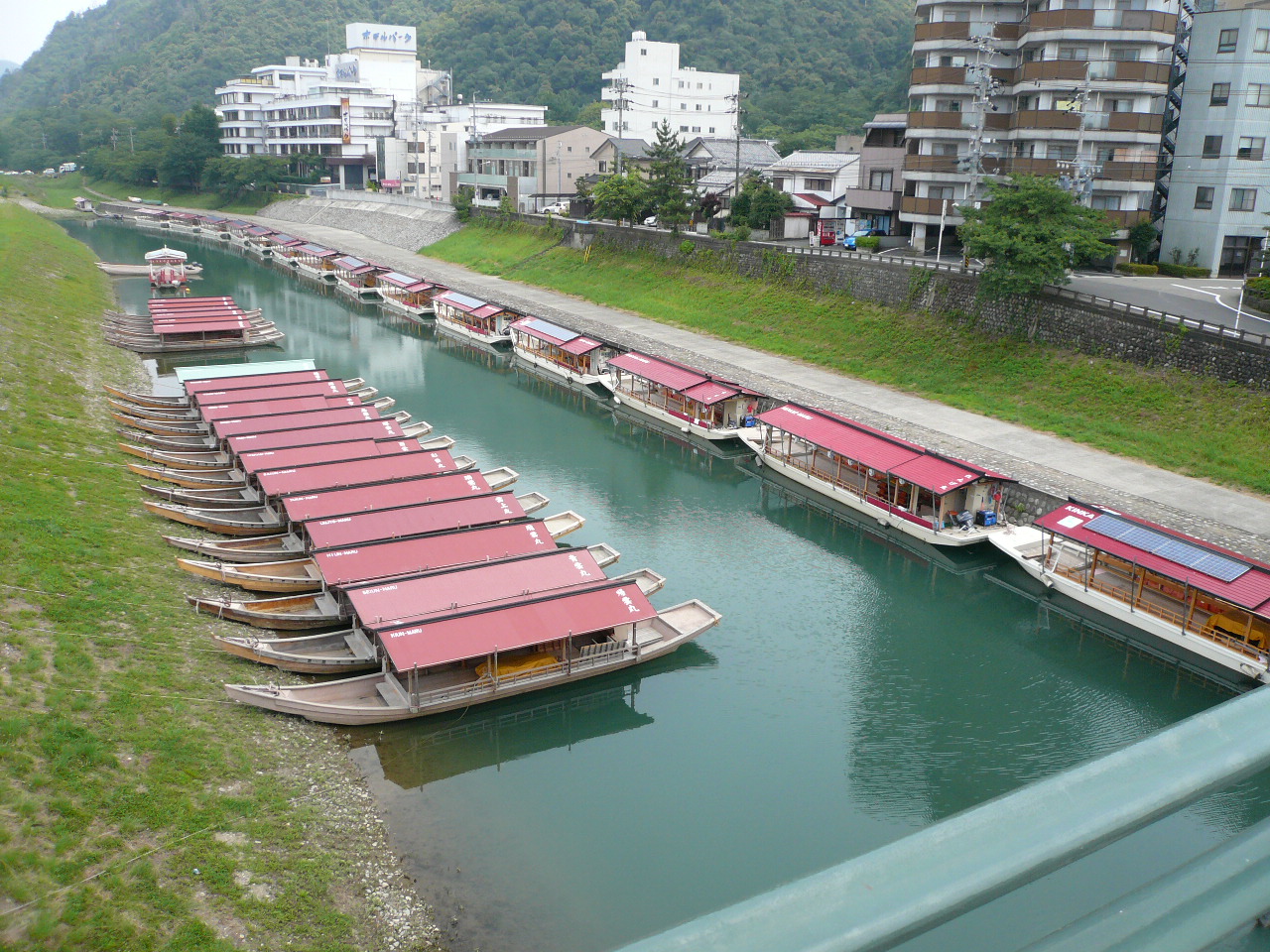
- Ukai Viewing Boat landingthe riverside boarding place at Minatomachi, where you check in and are given a numbered boat
- Nagarabashi bridgethe bridge over the fishing reach, with Gifu Castle on the wooded hill upstream
- The usho's hand ropesup to twelve cords gathered in one left hand, each of them running to a working cormorant
- Kagaribi fire basketsiron baskets of burning pine hung from the bows, the only light the birds work by
- Sogaramithe closing move, when the boats line up across the full width of the river and drive the fish into the shallows
How to actually get there
- JR Gifu Station → Nagarabashi-minami / Kawaramachi (Gifu Bus, about 15 min).
- Bus stop → Ukai Viewing Boat landing at Minatomachi (walk ~1 min); check in before your sailing time.
- Board the shared boat at 18:15, 18:45 or 19:15 and drift down to the fishing reach.
- Watch the fires and the closing sogarami sweep, then come back to the same landing.
- Gifu Bus from JR Gifu Station
- JR Gifu Station or Meitetsu Gifu Station →(Gifu Bus, Takatomi-bound or the city loop, about 15 minutes)→ Nagarabashi-minami / Kawaramachi, then a minute on foot down to the landing. The fare is a few hundred yen paid on the bus, and the loop line takes a little longer than the direct service.
- Getting away after the boats land
- The viewing boats come back to the landing late in the evening. Read the last-bus time off the stop pole on your way in, and decide then whether to arrange a taxi back to the station rather than find out afterwards.
About the place
Ukai is fishing with birds. On the Nagara River in central Gifu, a fisherman called an usho stands in the bow of a wooden boat, gathers a bundle of cords in his left hand and works trained cormorants in the dark, under a basket of burning pine slung from the prow. The birds dive for ayu, the river's sweetfish, and carry them back to the boat. None of this is a re-enactment. The masters here hold an appointment in the Imperial Household Agency's ceremonial bureau, and part of the catch goes to the palace. Visitors follow from flat-bottomed viewing boats put out on the river for the evening.
How to enjoy it
The season runs from 11 May to 15 October, and the shared boats leave at 18:15, 18:45 and 19:15 — the later sailings spend less time waiting before the fires appear. There is no fishing on the night of the harvest moon, and high water after rain cancels the run. Bring your own supper and something warm; the river cools quickly once the sun is down.
Background & history
Cormorant fishing on the Nagara has been recorded for more than 1,300 years; documents kept at the Shosoin point to households working with cormorants in Mino province by the early eighth century. Oda Nobunaga, whose castle stood on the wooded hill above the river, granted the fishermen the title of usho and treated them on a level with his falconers. Tokugawa Ieyasu liked the grilled ayu enough to have it sent to Edo every year. Matsuo Basho watched the boats and left a verse that turns from delight to sadness once the fires have passed.
Before you go
- Cash
- A seat on a shared boat was 4,200 yen for an adult at the last check, and more on the busiest dates. The fare is paid at the time of booking — cash or credit card, at the office or through the online system. Nothing is sold on board.
- Good to know
- The season is fixed and short, and there is no sailing when the river runs high after rain. The boats are roofed but open at the sides, so rain gear works better than an umbrella.
- Another way
- From Nagoya, take the Meitetsu line to Meitetsu Gifu and pick up the same bus there. Drivers can use the Gifu Park car park across the road from the landing.
- After you get off
- From Nagarabashi-minami / Kawaramachi, cross to the river side and walk down to the boat landing at Minatomachi — under two minutes.
Nearby notes
 Asturio Cantabrio / CC BY-SA 4.0
Craft · Gifu★★
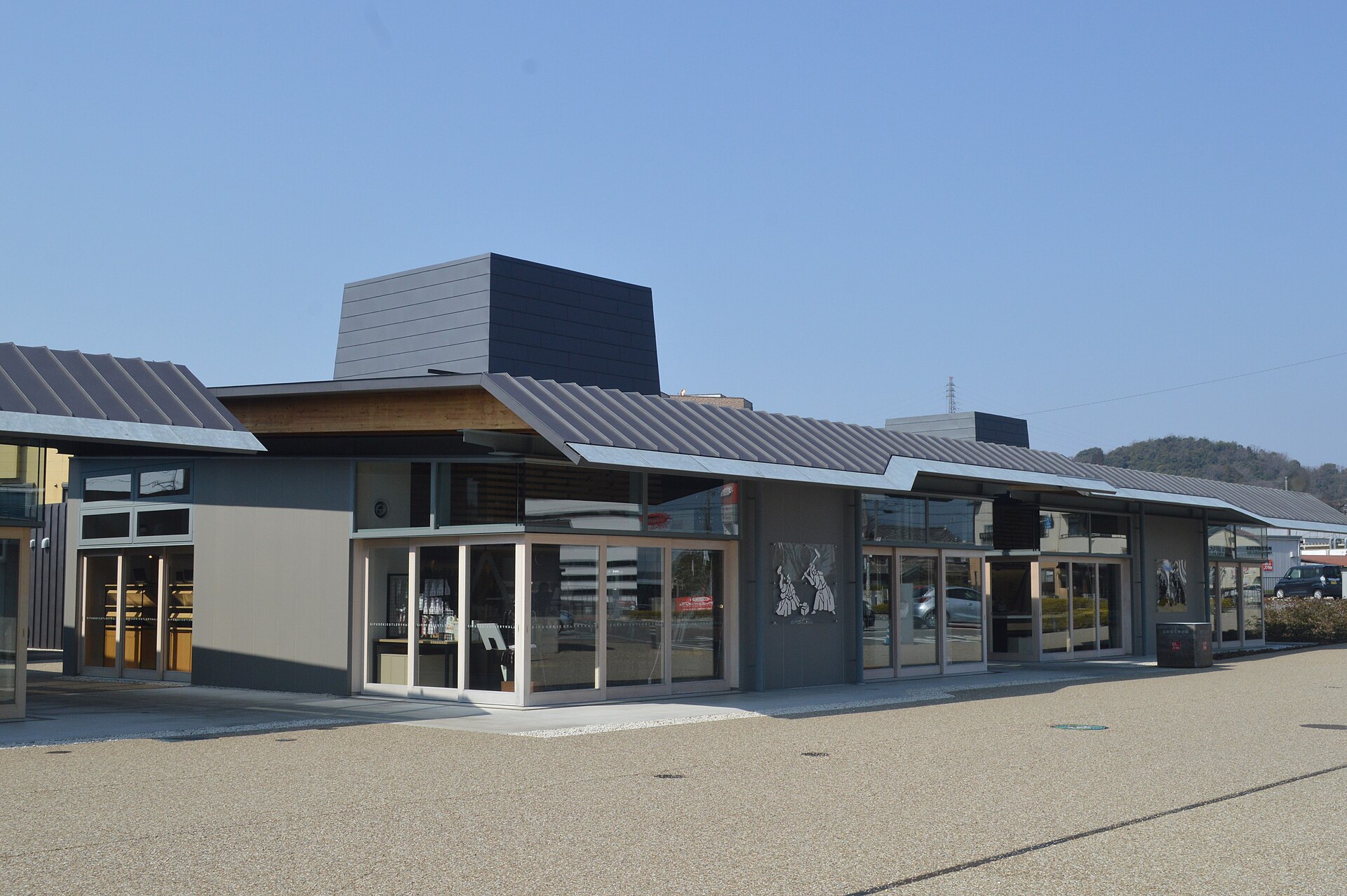
Seki Cutlery
13.8 km · straight line
 Suicasmo / CC BY-SA 4.0
History · Aichi★★★
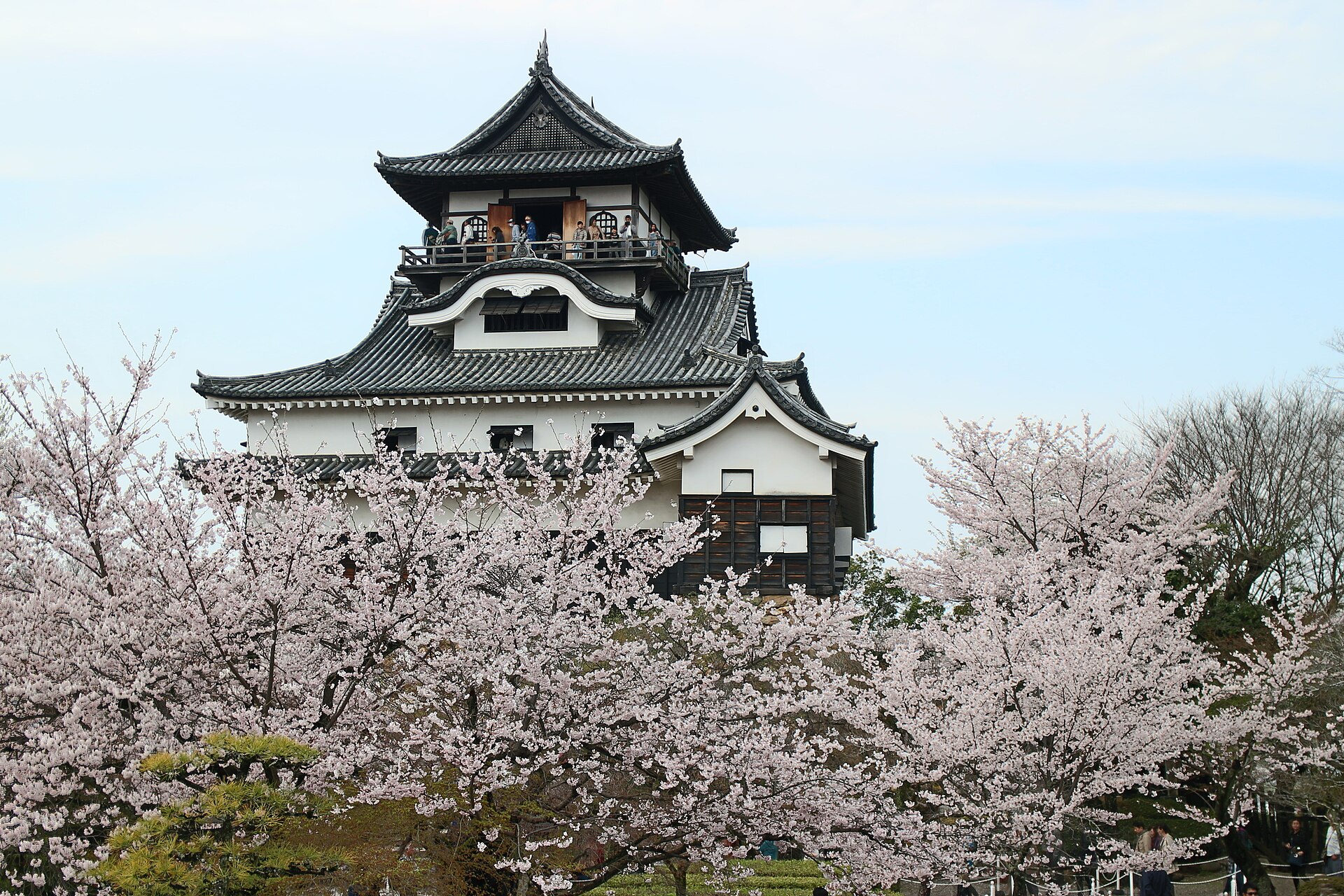
Inuyama Castle
16.1 km · straight line
 杉山宣嗣 / CC BY-SA 4.0
History · Gifu★★
Mino Udatsu Townscape
17.5 km · straight line
 Alpsdake / CC BY-SA 4.0
Craft · Gifu★★★
Mino Washi
18.7 km · straight line
Distances are straight lines on the map, not travel times.