Ibaraki · TsukubaNo.371★★Open in map →
Mount Tsukuba
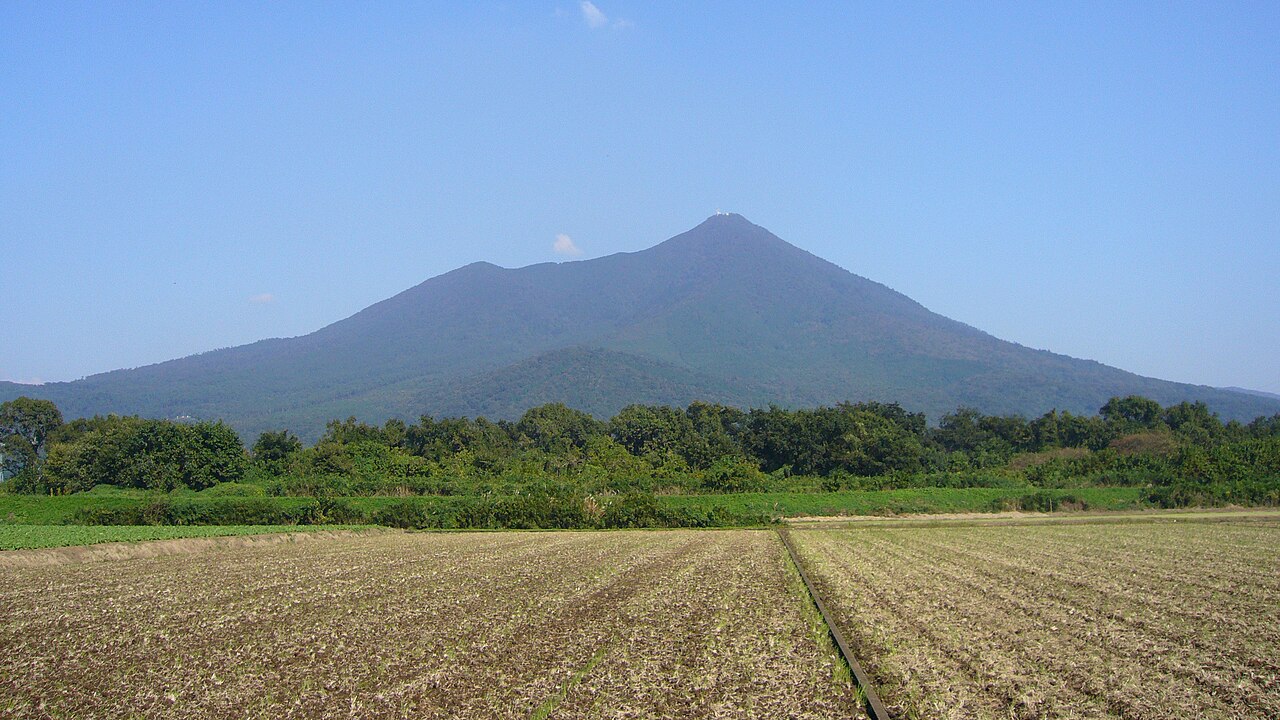
A double-summited sacred mountain in Ibaraki: Nantai-san at 871 m and Nyotai-san at 877 m. The whole mountain is the object of worship at Tsukuba-san Shrine, and a cable car and a ropeway carry visitors to the ridge between the two peaks.
- FromAkihabara Stn
- ~1 hr 30 mincable car and ropeway to the tops
- Get off atTsukuba-san Jinja-iriguchi bus stop (Tsukuba shuttle)
- From there
- Mount Tsukuba
The sweet spot
Foreign visitors take mountain trips from Tokyo to Takao or to Fuji and almost never east, so a mountain that Japanese schoolchildren can name sits ninety minutes from Akihabara essentially unvisited by overseas travellers. It is also unusually forgiving: the summits are reachable by lift, so it delivers a sacred-mountain experience without a climb, and the view is of the plain rather than of more mountains — a landscape most visitors never see from above.
Where it is
13 more notes in Ibaraki · open the map →What to look for — in walking order
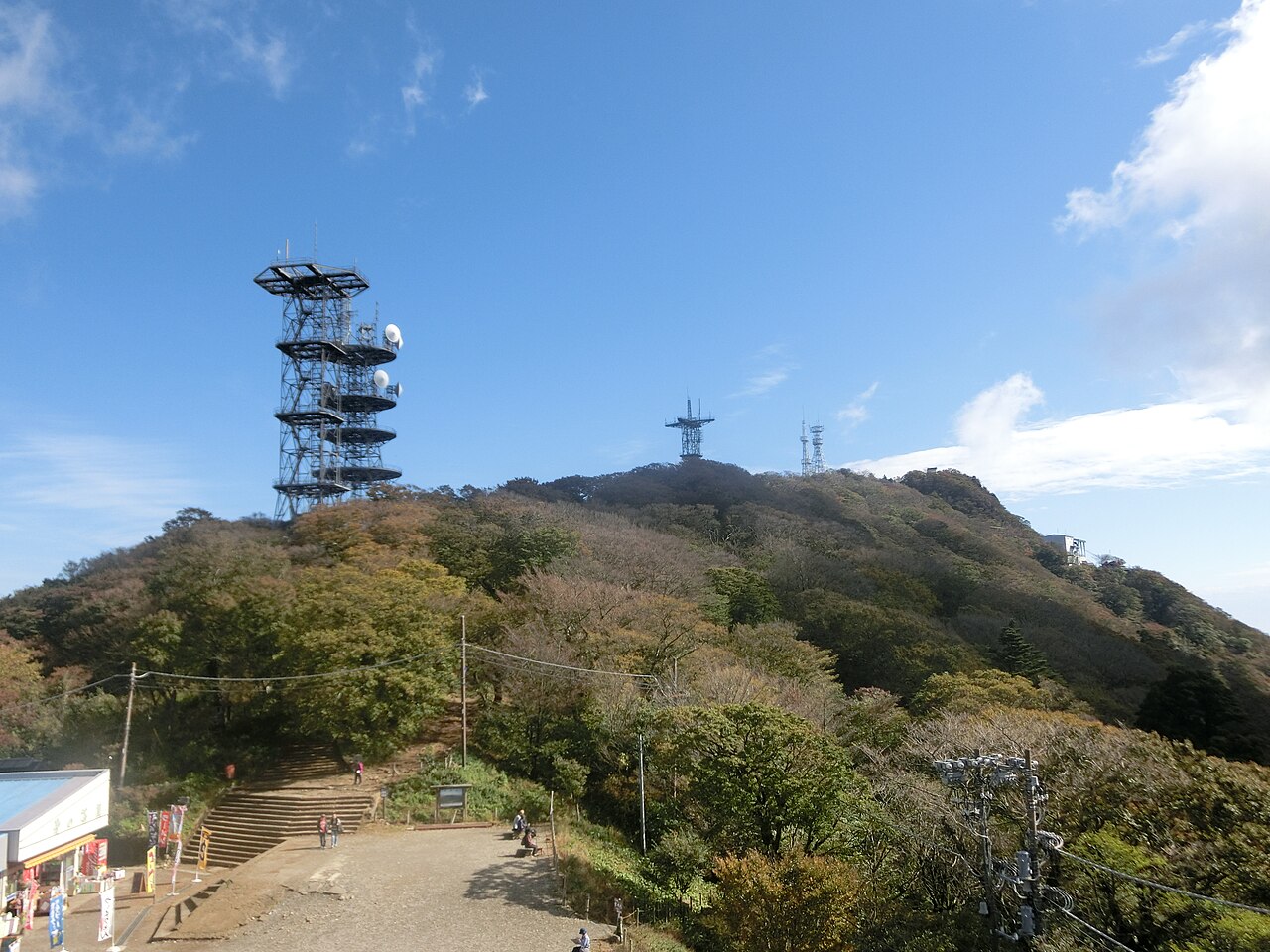
- Nyotai-san, 877 mthe higher of the two peaks, a bare rock summit with an unbroken view over the whole Kanto plain
- Tsukuba-san Shrineat the foot of the mountain, enshrining Izanagi and Izanami, with the mountain itself as the object of worship
- The Shirakumo-bashi trail rockssplit and stacked boulders with names along the path to the female peak, including Benkei's Seven Retreats
- The ridge walk between the peaksabout 15 minutes each way along the saddle, with azalea and seasonal wildflowers on the slopes
How to actually get there
- Akihabara Station → Tsukuba Station (Tsukuba Express rapid, ~45 min).
- Tsukuba Station → Tsukuba-san Jinja-iriguchi (Tsukuba-san shuttle bus, ~40 min).
- Tsukuba-san Shrine → the ridge (cable car from Miyawaki, ~8 min).
- Walk the ridge to Nyotai-san, then take the ropeway down to Tsutsujigaoka (~6 min).
- Tsukuba Express, then the shuttle bus
- Akihabara Station →(Tsukuba Express rapid, ~45 min)→ Tsukuba Station. From the bus terminal outside exit A3, take the Tsukuba-san shuttle bus about 40 minutes to Tsukuba-san Jinja-iriguchi for the shrine and cable car, or stay on to Tsutsujigaoka for the ropeway. The shrine and the cable car base station are a few minutes' walk uphill from the bus stop.
- Down the other side and back to Akihabara
- Take the ropeway down to Tsutsujigaoka →(Tsukuba-san shuttle bus, ~50 min)→ Tsukuba Station →(Tsukuba Express, ~45 min)→ Akihabara Station. Shuttle buses thin out in the late afternoon, so confirm the last departure from Tsutsujigaoka before you go up.
About the place
The Kanto plain is enormous and almost entirely flat, so a mountain that rises out of it on its own is visible from a very long way off — which is why an old saying pairs this one with the country's most famous: Fuji in the west, Tsukuba in the east. It is not high. The two peaks reach 871 and 877 metres, making it one of the lowest entries on the classic list of Japan's hundred famous mountains, and it is called the purple peak for the colour the slopes take on at dusk. What it has instead of altitude is the plain. From the ridge the land runs away to the horizon in every direction with nothing to interrupt it, and on a clear winter morning Fuji itself appears on the far edge. The mountain is worshipped as a pair — Nantai, the male body, and Nyotai, the female body — and Tsukuba-san Shrine at its foot enshrines Izanagi and Izanami, the couple of the creation myth, with the mountain itself as the object of worship rather than a building. A cable car climbs from beside the shrine to the saddle between the peaks in about eight minutes, and a ropeway comes up the eastern side from Tsutsujigaoka in about six, so the summits are reachable without a climb; the walking route between them takes around fifteen minutes. The path up from the shrine to the female peak passes a run of strange split boulders with names attached — one is called Benkei's Seven Retreats, for the warrior monk who supposedly balked at walking under it.
How to enjoy it
Ride up one side and down the other rather than doubling back: cable car from the shrine, walk the ridge, ropeway down to Tsutsujigaoka, or the reverse. Both services run at roughly twenty-minute intervals and stop in the early evening, so check the last departure before you start walking. Winter is the best season for the view — the air over the plain is clearest and Fuji is most likely to be visible — but the summit rocks are exposed and cold. If you want to walk it, the climb from the shrine gains about 600 metres and takes roughly two hours, which is a real hike rather than a stroll.
Background & history
Tsukuba-san Shrine enshrines Izanagi and Izanami and treats the mountain itself as the body of the deity, a form of worship older than the shrine buildings at its foot. The mountain appears in the Manyoshu, the eighth-century poetry anthology, in connection with kagai — seasonal gatherings on the slopes where men and women exchanged poems — and it has been a pilgrimage destination throughout the historical period. In the Edo period the mountain became associated with gama-no-abura, a medicinal toad ointment sold by street performers whose patter is still performed as a local tradition. The cable car on the western side and the ropeway on the eastern side opened in the twentieth century and made the ridge accessible to visitors who do not climb, and the mountain now sits within Suigo-Tsukuba Quasi-National Park.
Before you go
- Cash
- The Tsukuba Express takes IC cards. The shuttle bus and the cable car / ropeway are charged separately; a combined mountain pass covering the bus and both lifts is usually the cheapest option if you are crossing the ridge, and is sold at Tsukuba Station. The shrine is free.
- Good to know
- The cable car and ropeway run roughly every 20 minutes and stop in the early evening, with seasonal variations and occasional maintenance closures — check before planning a late descent. Both can suspend service in high wind. The summit is exposed; in winter the temperature at the top is well below the plain.
- Another way
- Tsuchiura Station on the JR Joban Line also has a bus to the mountain, useful if you are coming from Ueno without the Tsukuba Express. By car the shrine and Tsutsujigaoka both have paid car parks, about 40 minutes from the Tsuchiura-Kita interchange on the Joban Expressway.
- After you get off
- From Tsukuba-san Jinja-iriguchi walk up through the shrine approach to the main hall; the cable car base station, Miyawaki, is directly behind it. The ropeway is on the opposite side of the mountain and is not walkable from here except over the ridge.
Nearby notes
 皓月旗 / CC BY-SA 4.0
History · Ibaraki★★
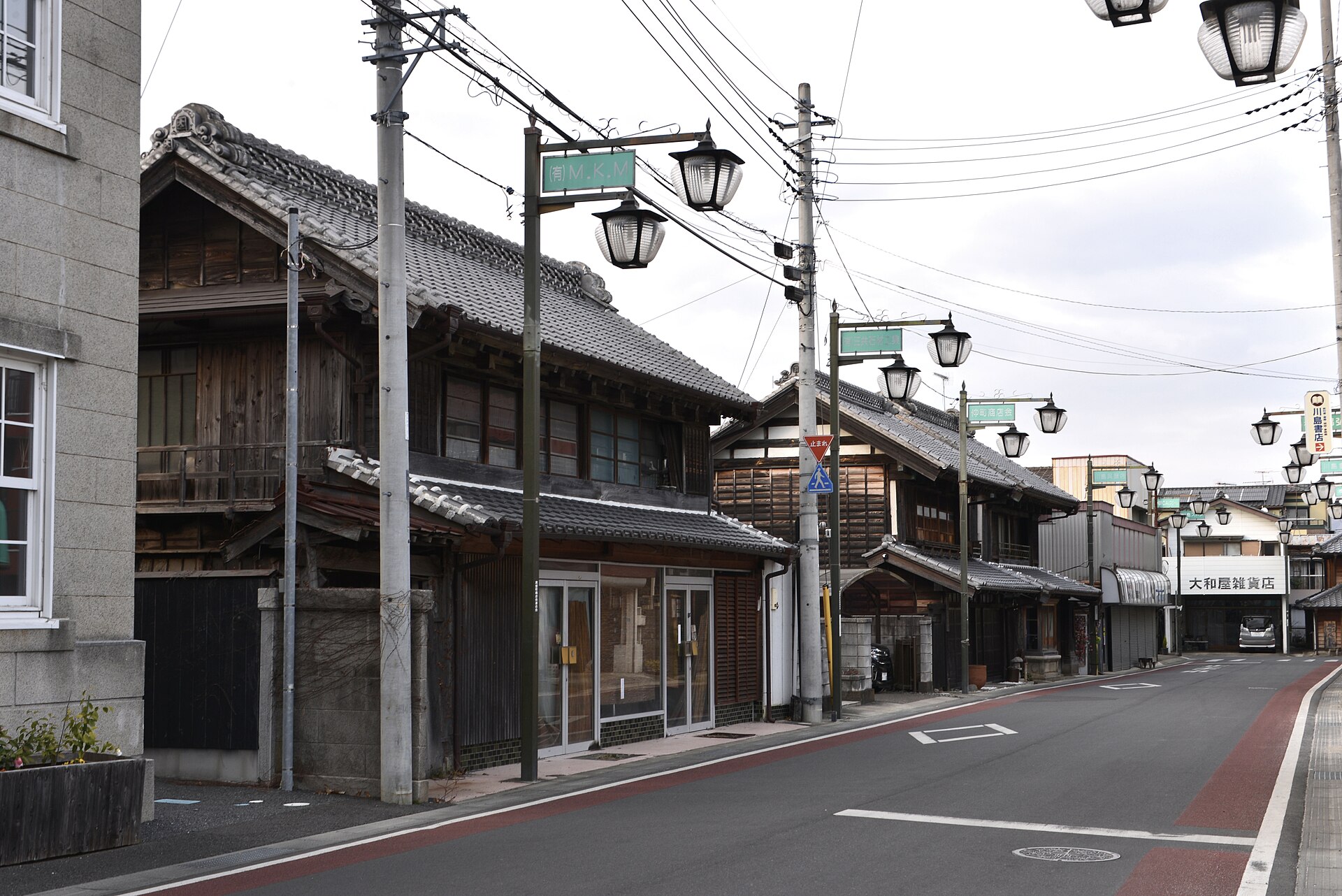
Makabe Historic Townscape
5.8 km · straight line
 Niccolò Caranti / CC BY-SA 4.0
Culture · Ibaraki★★★
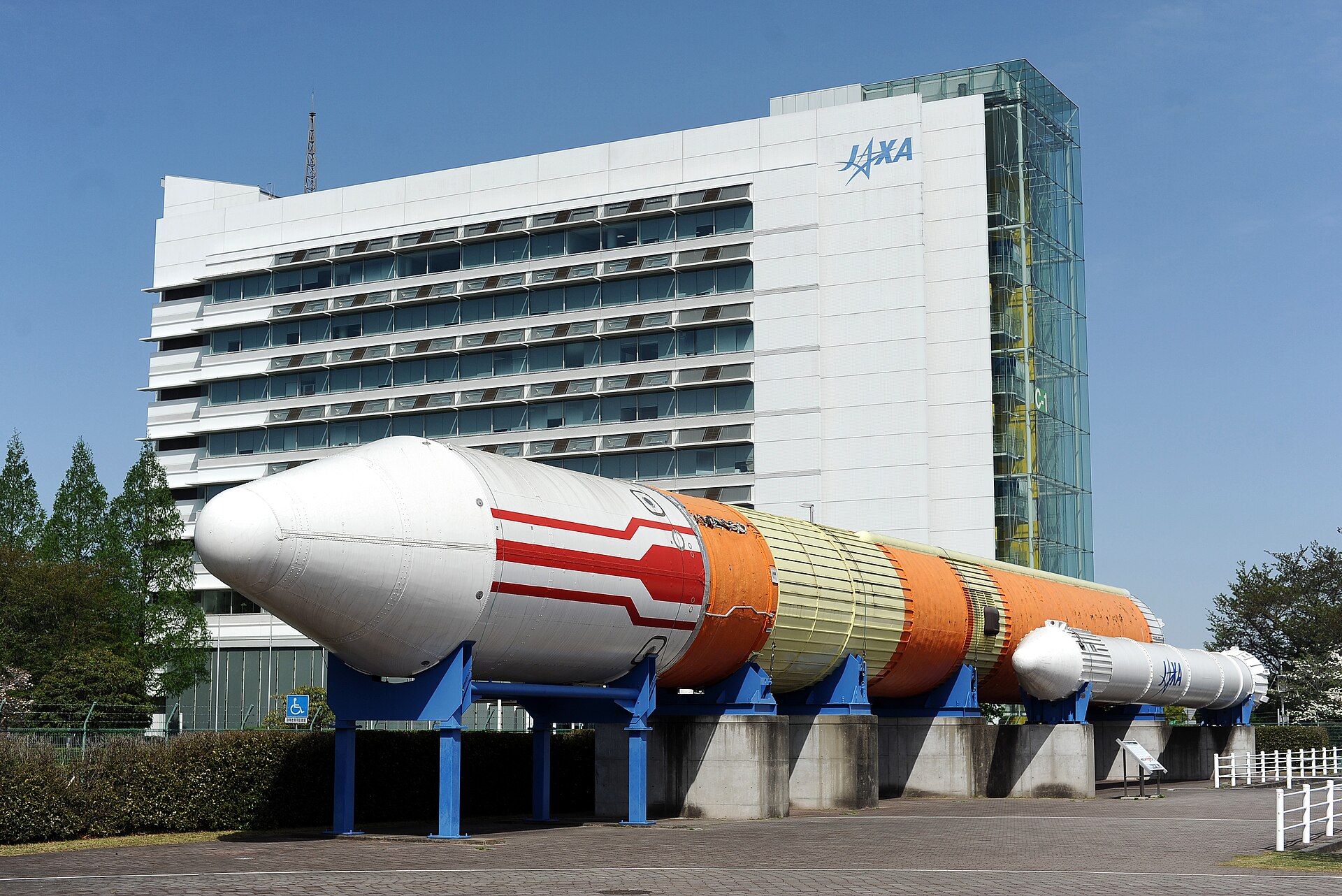
Tsukuba Space Center
17.6 km · straight line
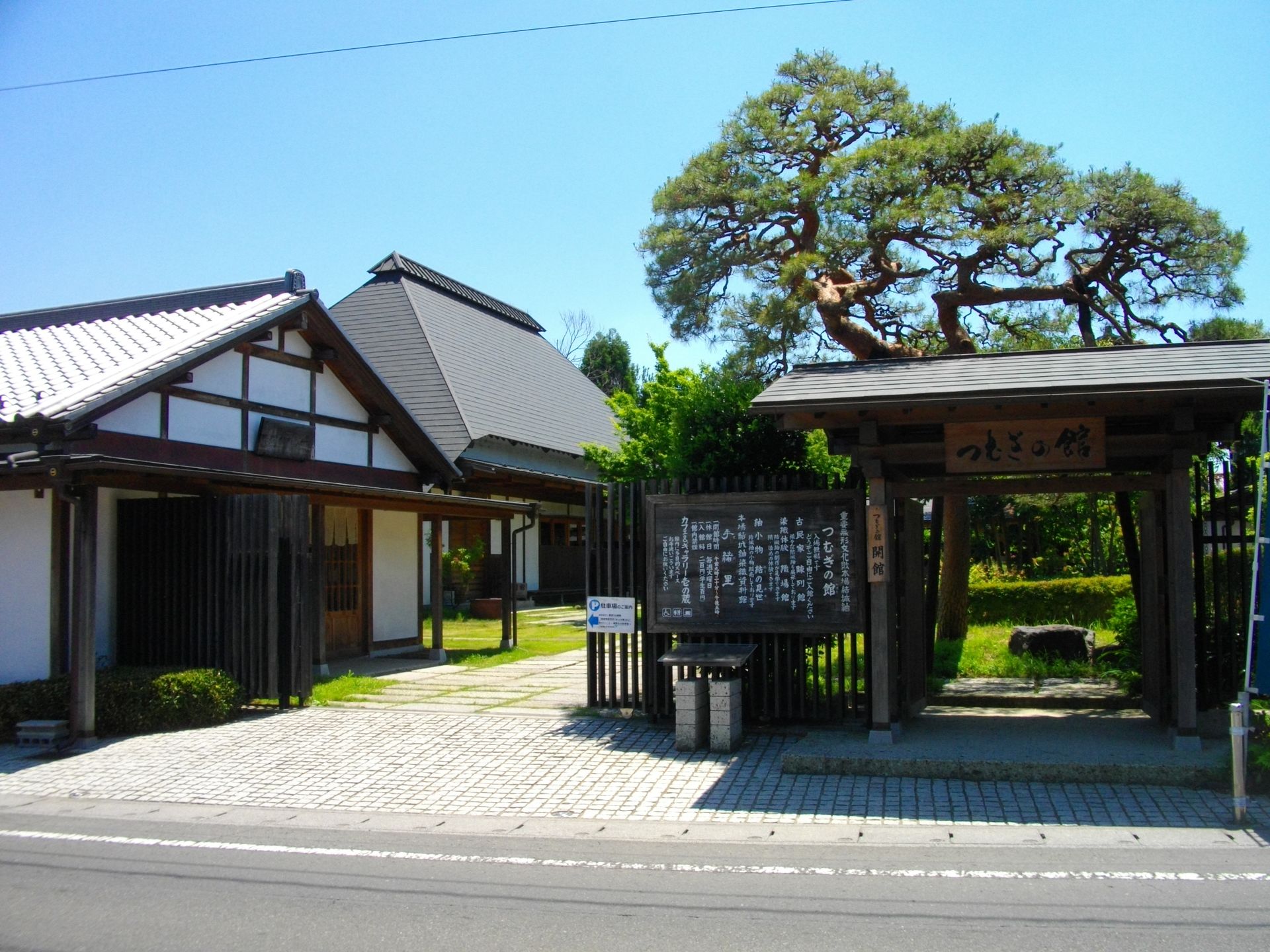 Abasaa / Public domain
Craft · Ibaraki★★
Yuki-tsumugi Silk
22.3 km · straight line
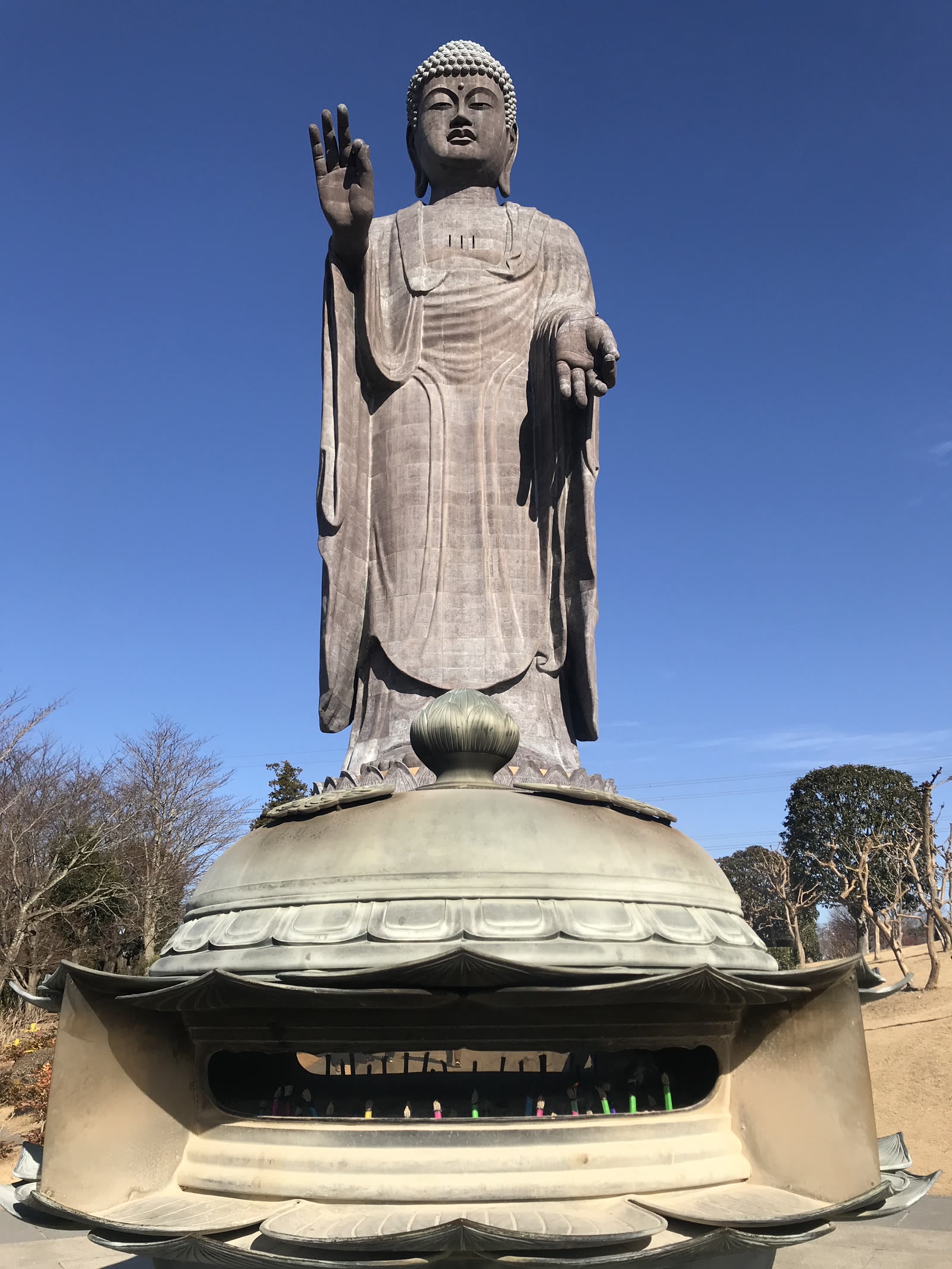 Manish Prabhune / CC BY 4.0
History · Ibaraki★★★
Ushiku Daibutsu
28.8 km · straight line
Distances are straight lines on the map, not travel times.