South Hokkaido · MuroranNo.1141★★Open in map →
Muroran Yakitori
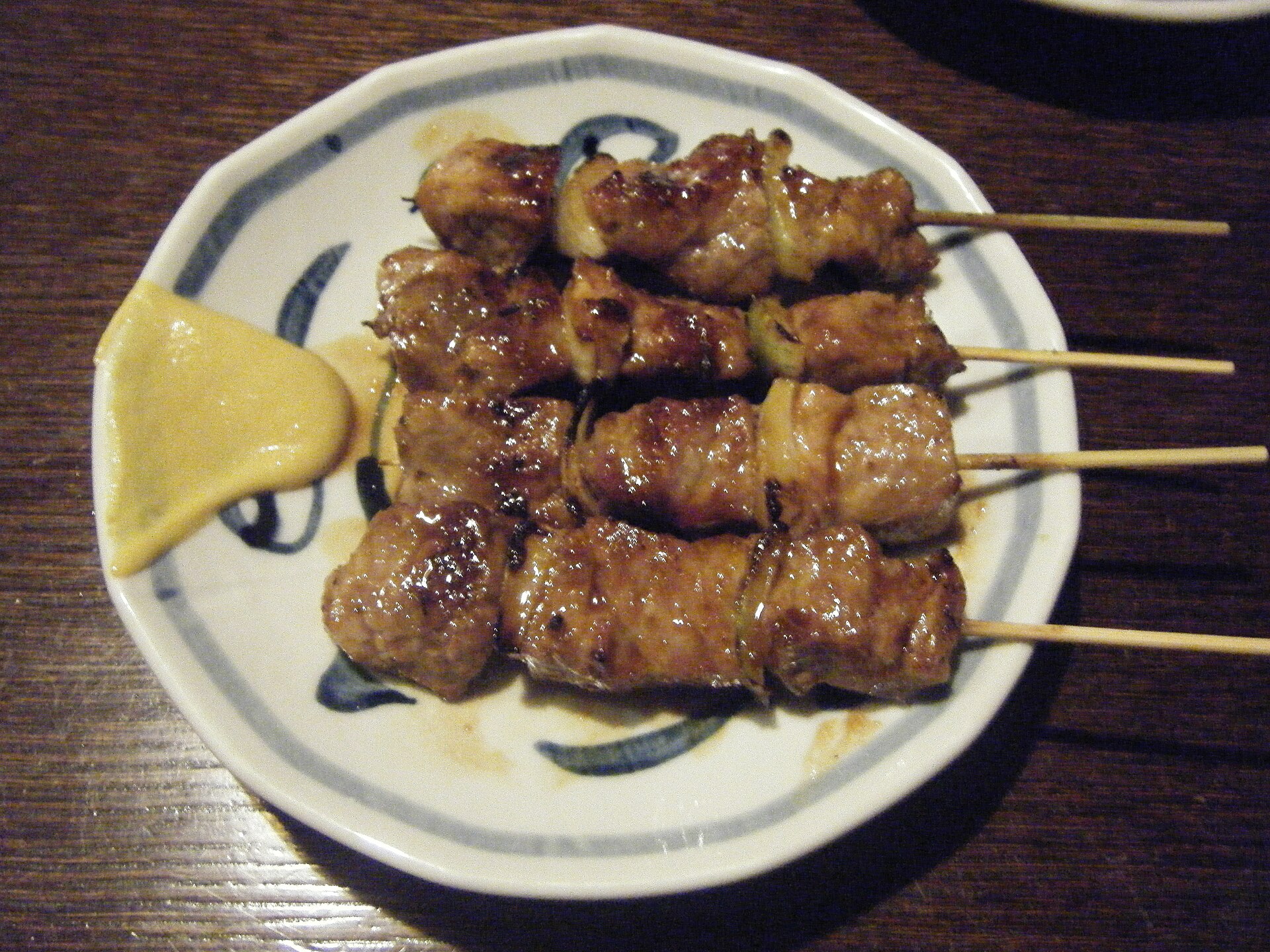
— Pork and onion skewers served with mustard
Skewers of pork shoulder and onion, brushed with a sweet sauce and eaten with a dab of Western mustard — Muroran's own reading of yakitori. The roadside station beneath the Hakucho Bridge is the public counter for it.
- FromMuroran Station
- ~10 minDonan Bus, then a short walk
- Get off atMitara-Suizokukan-mae (Donan Bus)
- On foot
- Muroran Yakitori
The sweet spot
Muroran yakitori is not obscure — it is the city's signature, with a trade association and a festival behind it. The difficulty for a visitor is that most of it lives inside small izakaya that fill with regulars in the evening. The roadside station answers that: a public building, free to enter, open in daylight, with the same skewers coming off the grill.
Where it is
102 more notes in Hokkaido · open the map →What to look for — in walking order
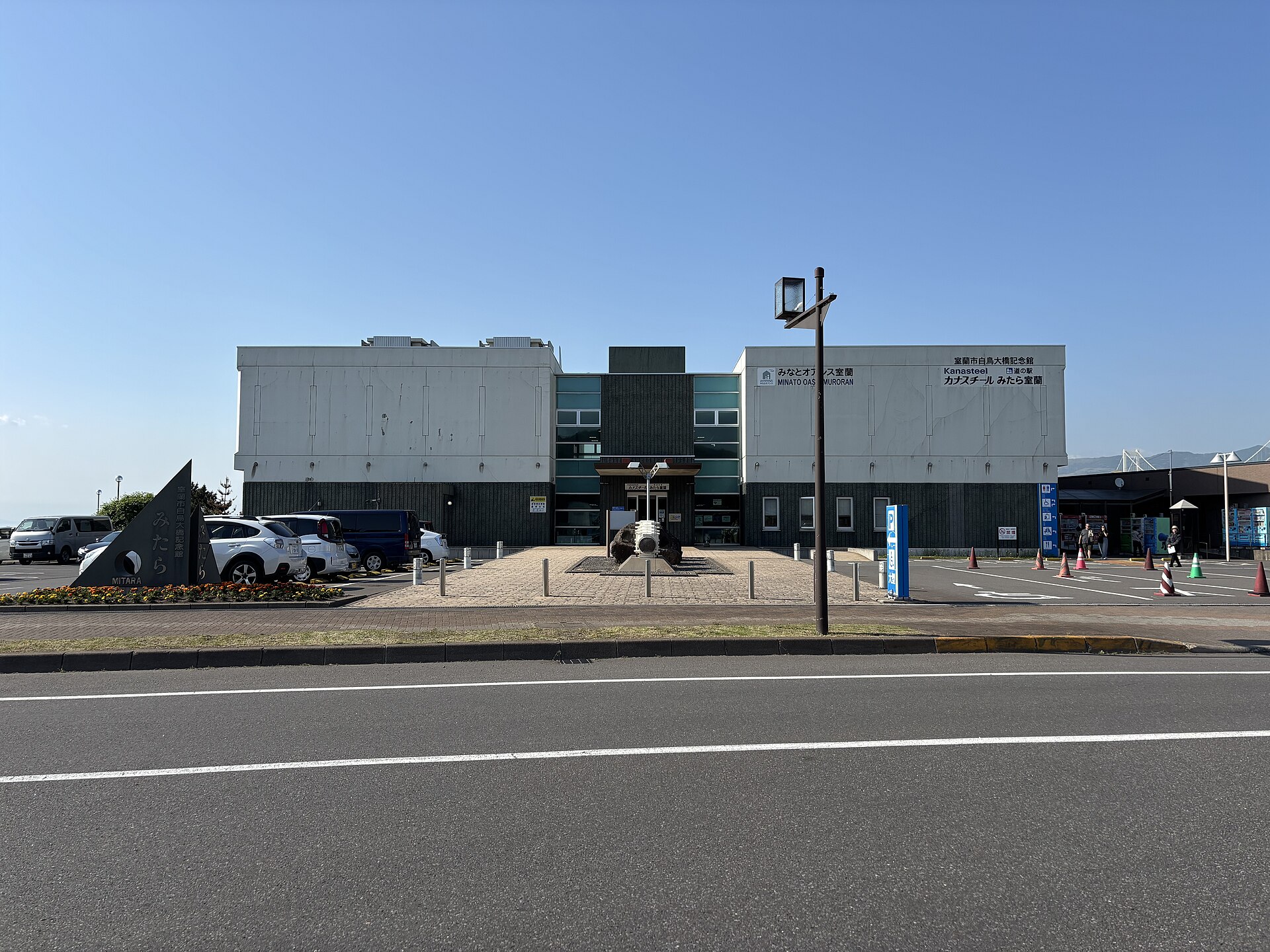
- The lounge and its food tenantsthe ground-floor eating space where the skewers are served, offered in a set with the town's curry ramen
- The shop counterproduce from Muroran and the towns around it, including soft serve made with local quail eggs and milk
- The second-floor exhibition roommaterial from the building of the Hakucho Bridge and the working port below it
- The observation deckthe bridge, Daikoku Island and the Enrum Marina laid out across the water
- The municipal aquariuma small city-run aquarium a few minutes further along the shore
How to actually get there
- Muroran Station → Mitara-Suizokukan-mae (Donan Bus toward the Etomo peninsula).
- Mitara-Suizokukan-mae → the roadside station (about five minutes on foot toward the water).
- Order the skewers at a food tenant in the ground-floor lounge and use the mustard on the table.
- Take the stairs up to the exhibition room and the deck facing the Hakucho Bridge.
- Donan Bus from Muroran Station
- Muroran Station is the nearest JR stop, and Donan Bus runs from there toward the Etomo peninsula; get off at Mitara-Suizokukan-mae. Muroran City puts the roadside station about ten minutes from the station by car, and about five minutes on foot from that bus stop. From Higashi-Muroran Station the Etomo loop services call at the same stop.
- Return from Mitara-Suizokukan-mae
- The same stop serves the way back, either toward Muroran Station or round the Etomo loop to the east exit of Higashi-Muroran Station, which is the junction for trains along the main line. Donan Bus publishes a timetable for this stop on its own site, and it is worth deciding which loop service you want before setting out.
About the place
Muroran is a steel town on a hooked peninsula, and its yakitori grew out of that. Pork shoulder is cut to a bite and threaded alternately with onion rather than the long green negi used elsewhere, grilled over charcoal, then painted with a sweet sauce; the mustard is added by the eater. Almost none of it is made at home, and the trade lives in small izakaya. The roadside station stands at the foot of the Hakucho Bridge, a 1,380-metre suspension span across the mouth of the harbour, and its food tenants put the skewers on the counter beside the town's curry ramen.
How to enjoy it
Ask for the set that pairs the skewers with the town's curry ramen if you want both Muroran dishes in one sitting, and use the mustard — it is not a garnish here but part of the seasoning. Daytime is the practical window, since the izakaya where locals eat the same thing open in the evening. Leave time for the exhibition room and the deck rather than treating the stop as a pause between buses.
Background & history
The pork came from wartime policy rather than taste. Farmers were pushed into pig-rearing from 1937, and in 1939 the state encouraged it nationwide so that hides could be turned into military boots; the meat and offal left in Muroran went onto the stalls of the steelworkers' district. Onion replaced the long green onion because Hokkaido grew it cheaply and it suited pork better. The mustard is said to have come across from the oden pot. The Agency for Cultural Affairs added the dish to its 100-Year Food list in 2026.
Before you go
- Cash
- Entry to the roadside station is free and the car park costs nothing. The food tenants, the shop and the café inside are run as separate businesses, so you settle at each counter — carry cash as well as a card.
- Good to know
- Hours and closing days change with the season: the building stays open later from spring through autumn and shuts earlier in winter, when there is also a weekly closing day. Check the official page before a winter visit. The deck is outdoors and takes the wind off the harbour.
- Another way
- By car it is Route 37, with the roadside station signed a couple of minutes off the Hakucho Bridge on the harbour side, and free parking at the door. Drivers can pair it with the Etomo peninsula lookouts, which are awkward to reach on a bus timetable.
- After you get off
- From Mitara-Suizokukan-mae walk toward the water for about five minutes. The roadside station is the long low building beneath the bridge, with the aquarium a little further along the shore.
Nearby notes
 663highland / CC BY 2.5
Nature · Hokkaido★★
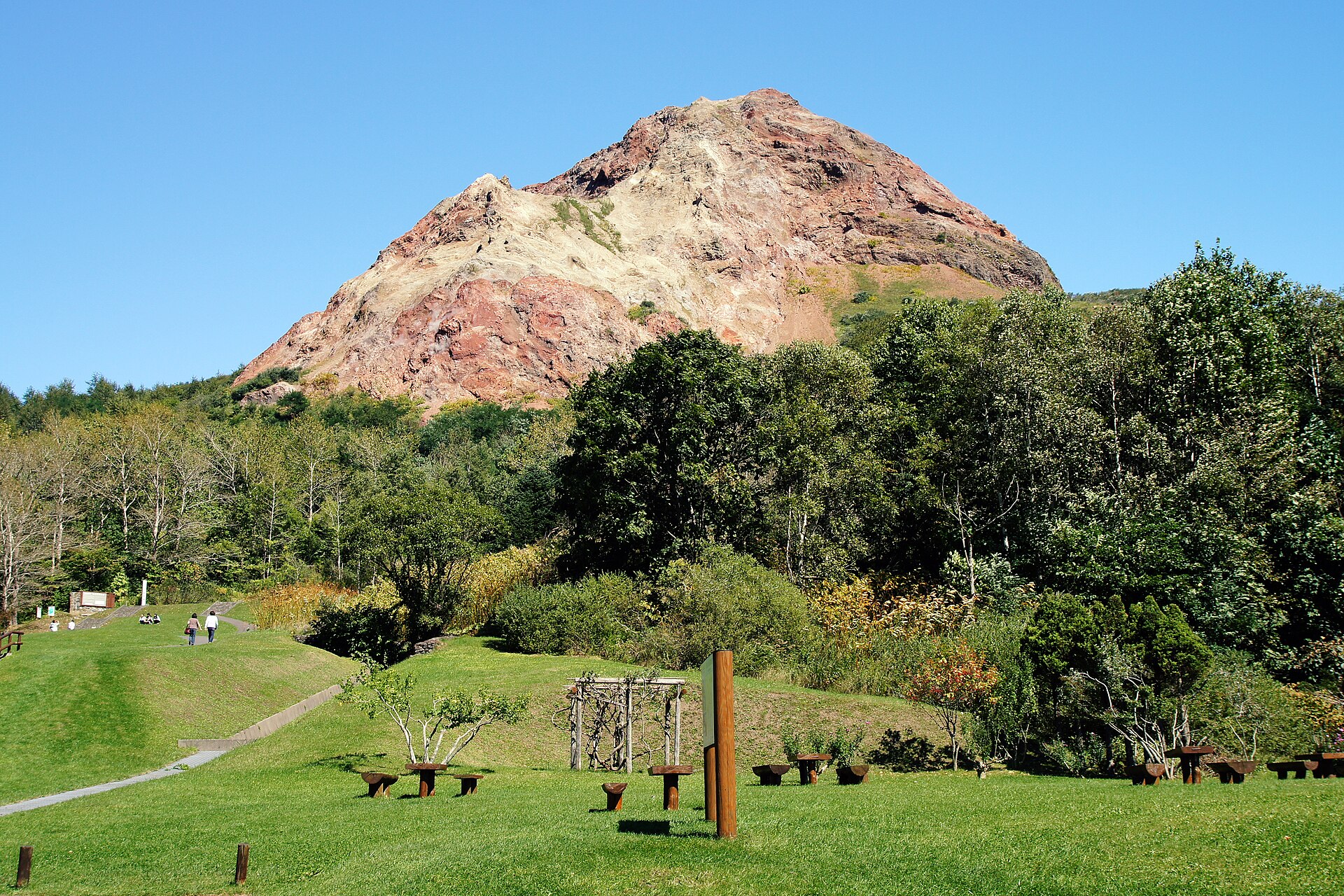
Mount Showa-Shinzan
23.3 km · straight line
 Calistemon / CC BY-SA 4.0
Onsen · Hokkaido★★★
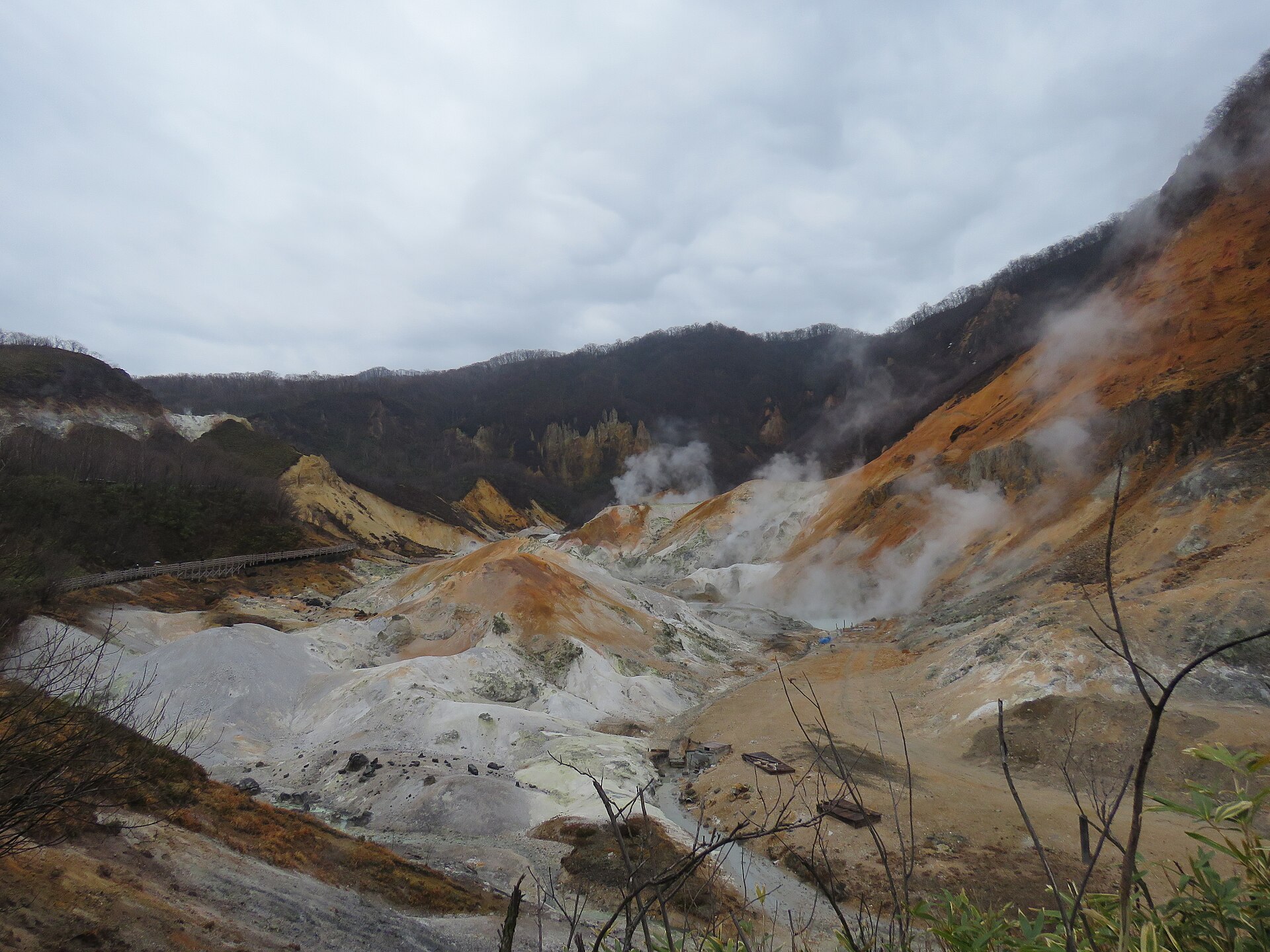
Noboribetsu Jigokudani
24.1 km · straight line
 663highland / CC BY 2.5
Nature · Hokkaido★★★
Lake Toya
26.8 km · straight line
Distances are straight lines on the map, not travel times.