Yamanashi · AokigaharaNo.369★★Open in map →
Narusawa Ice Cave & Fugaku Wind Cave
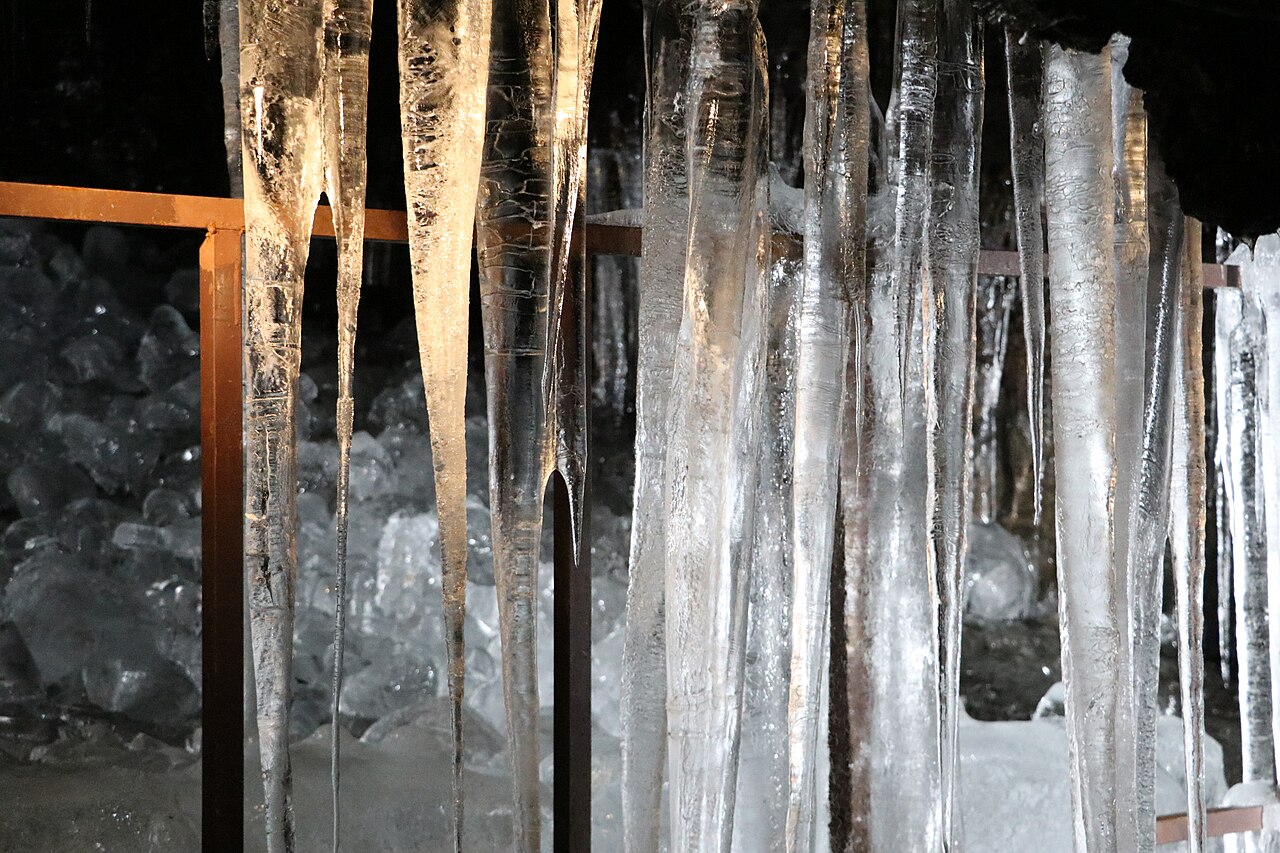
A pair of caves formed by a lava flow from Mount Fuji and designated national natural monuments. Fugaku Wind Cave is a horizontal tunnel, Narusawa Ice Cave a vertical one with ice columns, and both hold an average temperature of about 3°C year-round.
- FromShinjuku Stn
- ~2 hr 30 min3°C inside, all year
- Get off atFugaku Wind Cave bus stop (Kawaguchiko sightseeing bus)
- On foot
- Narusawa Ice Cave & Fugaku Wind Cave
The sweet spot
Almost every foreign visitor to the Fuji Five Lakes comes for the view of the mountain from outside it, and few go into the thing the mountain actually made. The caves also give a rare concrete date — an eruption in 864 — for a landscape that otherwise reads as timeless, and they are one of the few Fuji-area sights that works in bad weather, when the mountain is invisible anyway.
Where it is
18 more notes in Yamanashi · open the map →What to look for — in walking order
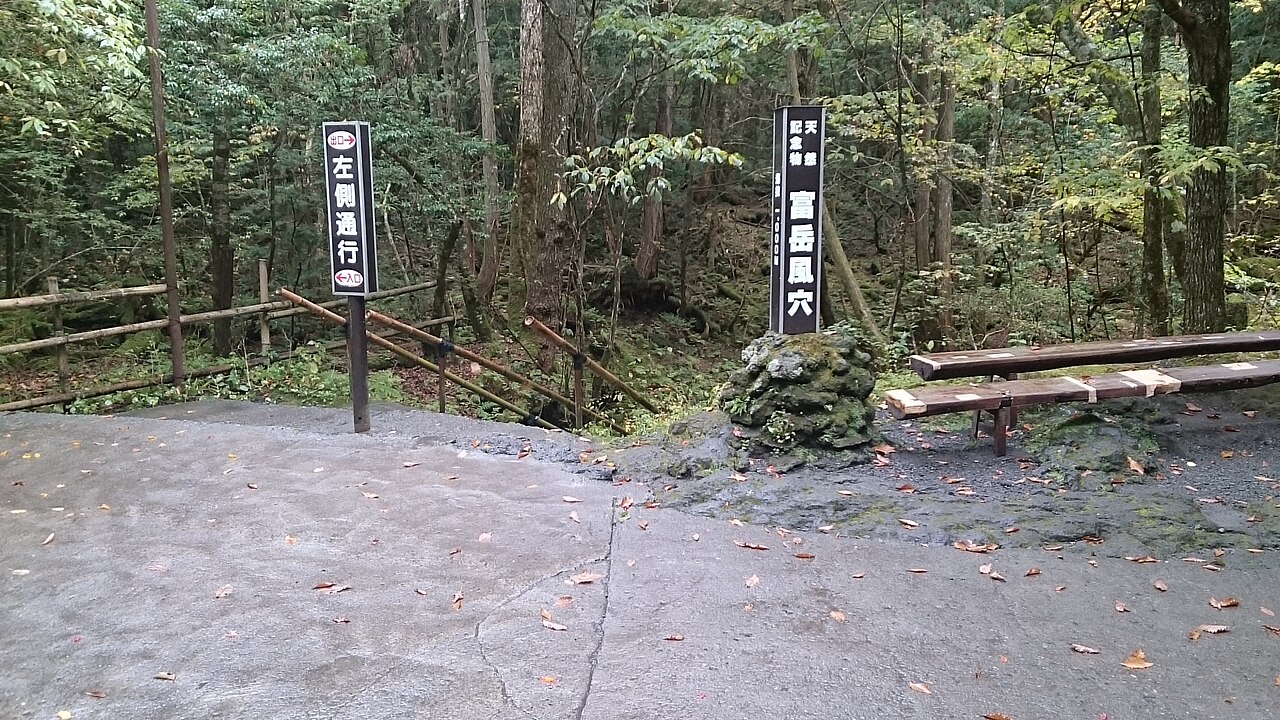
- Fugaku Wind Cavethe horizontal cave, a tunnel of about 200 m with basalt walls that deaden sound, and the old cold-storage racks along the route
- Narusawa Ice Cavethe vertical one, a circuit of roughly 150 m with ice columns and one low passage you have to crouch through
- The Aokigahara footpatha little over a kilometre of trail between the two caves across the lava field, about 15–20 minutes on foot
- Trees rooted on bare lavathe forest here grows on rock with almost no soil, so root systems spread sideways over the surface instead of down
How to actually get there
- Shinjuku (Busta) → Kawaguchiko Station (Fujikyu highway bus, ~1 hr 45 min).
- Kawaguchiko Station → Fugaku Wind Cave (sightseeing bus toward Saiko, ~30 min).
- Fugaku Wind Cave → Narusawa Ice Cave (Aokigahara footpath, ~15–20 min on foot).
- Narusawa Ice Cave → Kawaguchiko Station (same sightseeing bus route).
- To Kawaguchiko, then the sightseeing bus
- Shinjuku (Busta Shinjuku) →(Fujikyu highway bus, ~1 hr 45 min)→ Kawaguchiko Station. From the station take the Saiko-bound sightseeing bus (Green Line) toward Aokigahara; Fugaku Wind Cave is roughly 30 minutes out. Narusawa Ice Cave has its own stop a little further along the same route, so you can walk one way and ride the other.
- Same bus back to Kawaguchiko
- Pick up the sightseeing bus at either cave stop back to Kawaguchiko Station (~30 min), then the highway bus to Shinjuku (~1 hr 45 min) or the Fujikyu Railway to Otsuki and the JR Chuo Line. Buses on this route are not frequent — photograph the timetable at the stop when you arrive so you know your last return.
About the place
In 864 a flank vent of Mount Fuji called Nagaoyama erupted, and the lava that poured north ran over the older ground and set into the field now called Aokigahara. Where the surface of a flow cools into a crust while molten rock keeps moving underneath, the drained channel leaves a tube — and that is what these two caves are. Fugaku Wind Cave runs sideways, a low horizontal tunnel with basalt walls that absorb sound almost completely; Narusawa Ice Cave drops instead, a tight vertical circuit where the ceiling in one stretch is low enough that you go through bent almost double, and where ice columns stand through the summer. The rock keeps the interior at an average of about three degrees all year, which is why they were not simply curiosities: before mechanical refrigeration these caves were used as cold storage, for silkworm eggs and for tree seeds, and the wooden racks of that trade are part of what you walk past. Above ground the two are linked by a footpath of a little over a kilometre through Aokigahara, which is the other half of the visit — a forest floor of lava with almost no soil, where the trees root sideways across bare rock.
How to enjoy it
Do both, and walk between them rather than moving the car or catching the bus twice — the forest path is the part people skip and the part that explains the caves. Dress for three degrees: whatever the season above ground, the inside is cold and wet, and the floor is uneven. Helmets are handed out at the entrance and you should wear them, because the ceilings are genuinely low in places. This is not suitable for anyone who cannot crouch or manage steep steps, especially in the ice cave. Combine with Lake Saiko or Kawaguchiko for a full day on the north side of Fuji.
Background & history
Both caves were formed by the lava flow of the Jogan eruption, dated to 864, from the parasitic cone of Nagaoyama on Mount Fuji's northern flank; the same flow created the Aokigahara lava field and split the older lake at its foot into the smaller lakes seen today. The caves were designated national natural monuments in the twentieth century. Their constant low temperature made them commercially useful long before they were tourist sites: they served as natural refrigerators, notably for storing silkworm eggs to control the timing of the sericulture season, and for seed storage. Both are now operated as paid visitor caves with fixed walking routes, lighting and helmets provided at the entrance.
Before you go
- Cash
- Each cave charges admission separately, with a discounted combination ticket usually available if you are doing both. Card acceptance is limited at the cave entrances, so carry cash. The sightseeing bus takes IC cards, and a day pass for the Kawaguchiko–Saiko routes is usually the cheaper option.
- Good to know
- Opening hours are roughly 9:00 to 17:00 and shorten in winter; both caves close in bad weather and for maintenance, so check before travelling. The ice inside the ice cave is largest in the warm months. Wet, uneven floors and low ceilings mean neither cave is step-free, and large bags are awkward inside.
- Another way
- By car both caves sit just off National Route 139 with their own car parks, about 15 minutes from the Kawaguchiko interchange on the Chuo Expressway. From the Fuji Five Lakes side you can also reach them from Lake Saiko, which is closer than Kawaguchiko.
- After you get off
- The Fugaku Wind Cave stop is at the cave's car park and shop; the footpath to the ice cave leaves from the same area and is signposted through the forest. Do not leave the marked trail in Aokigahara — the lava ground is uneven and the forest disorients quickly.
Nearby notes
 Subramaniam K V / CC BY 3.0
Nature · Yamanashi★★★
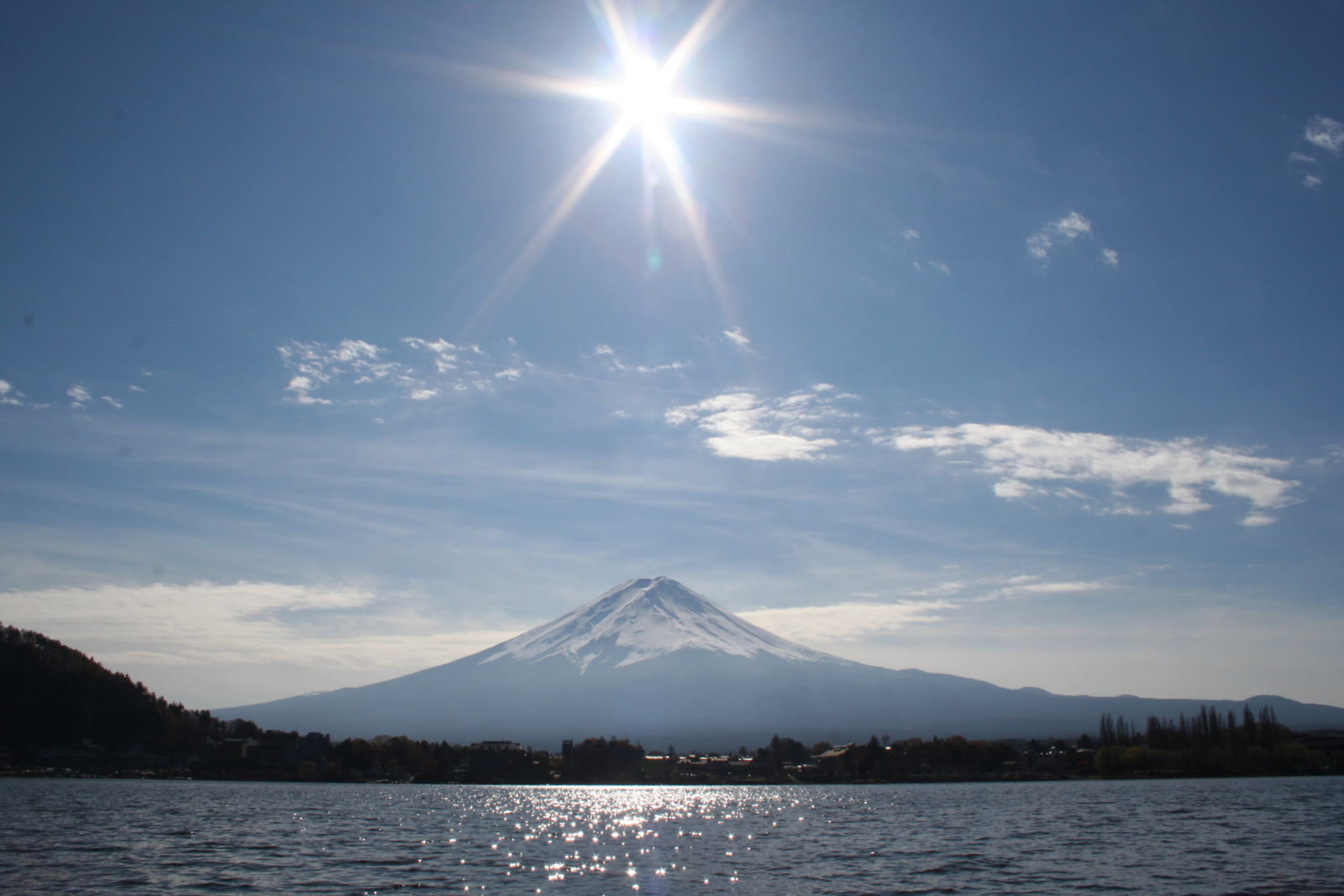
Lake Kawaguchiko
9.5 km · straight line
 No machine-readable author provided. Geomr~commonswiki assumed (based on copyright claims). / CC BY-SA 3.0
Entertainment · Yamanashi★★★
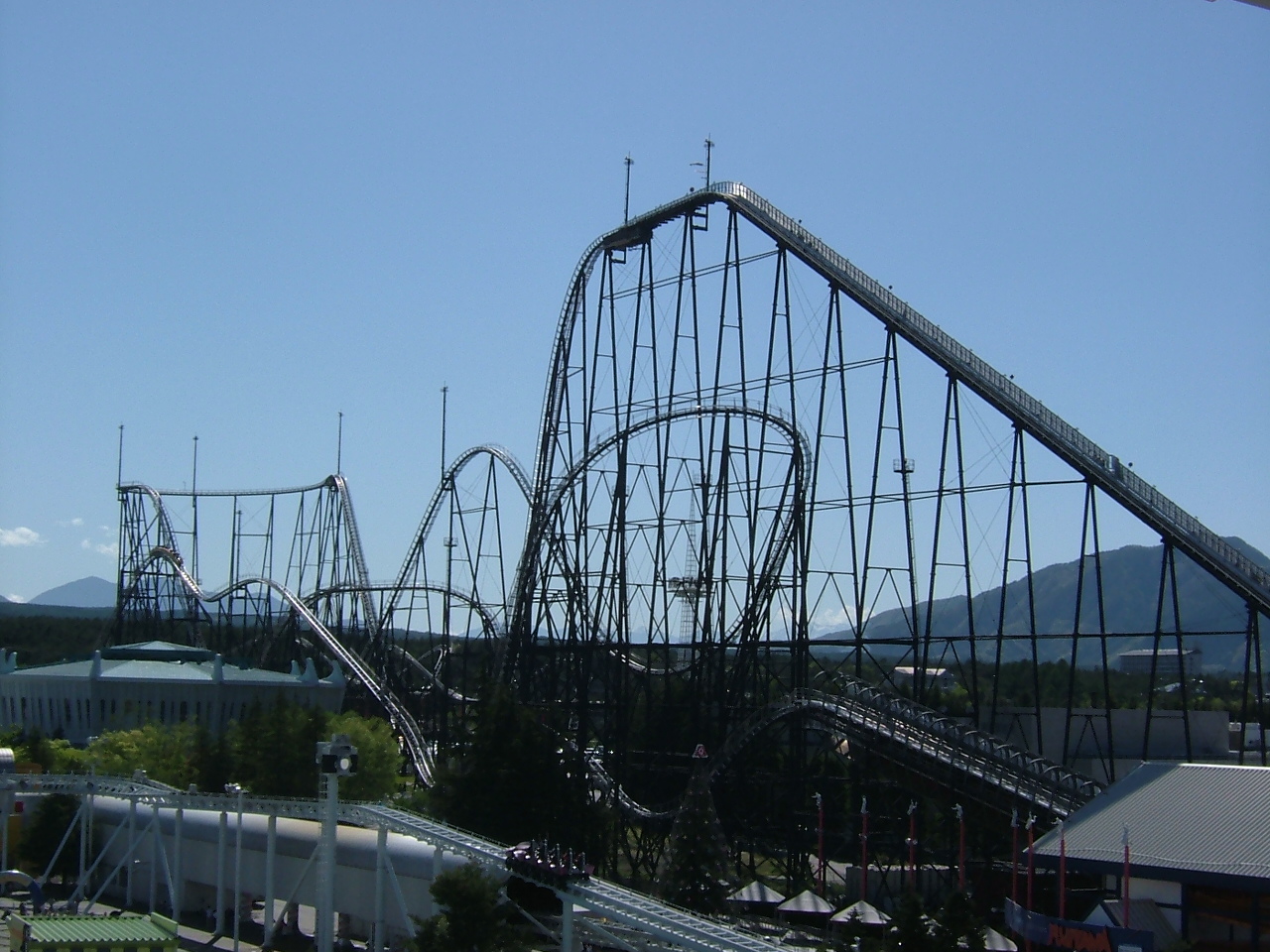
Fuji-Q Highland
11.2 km · straight line
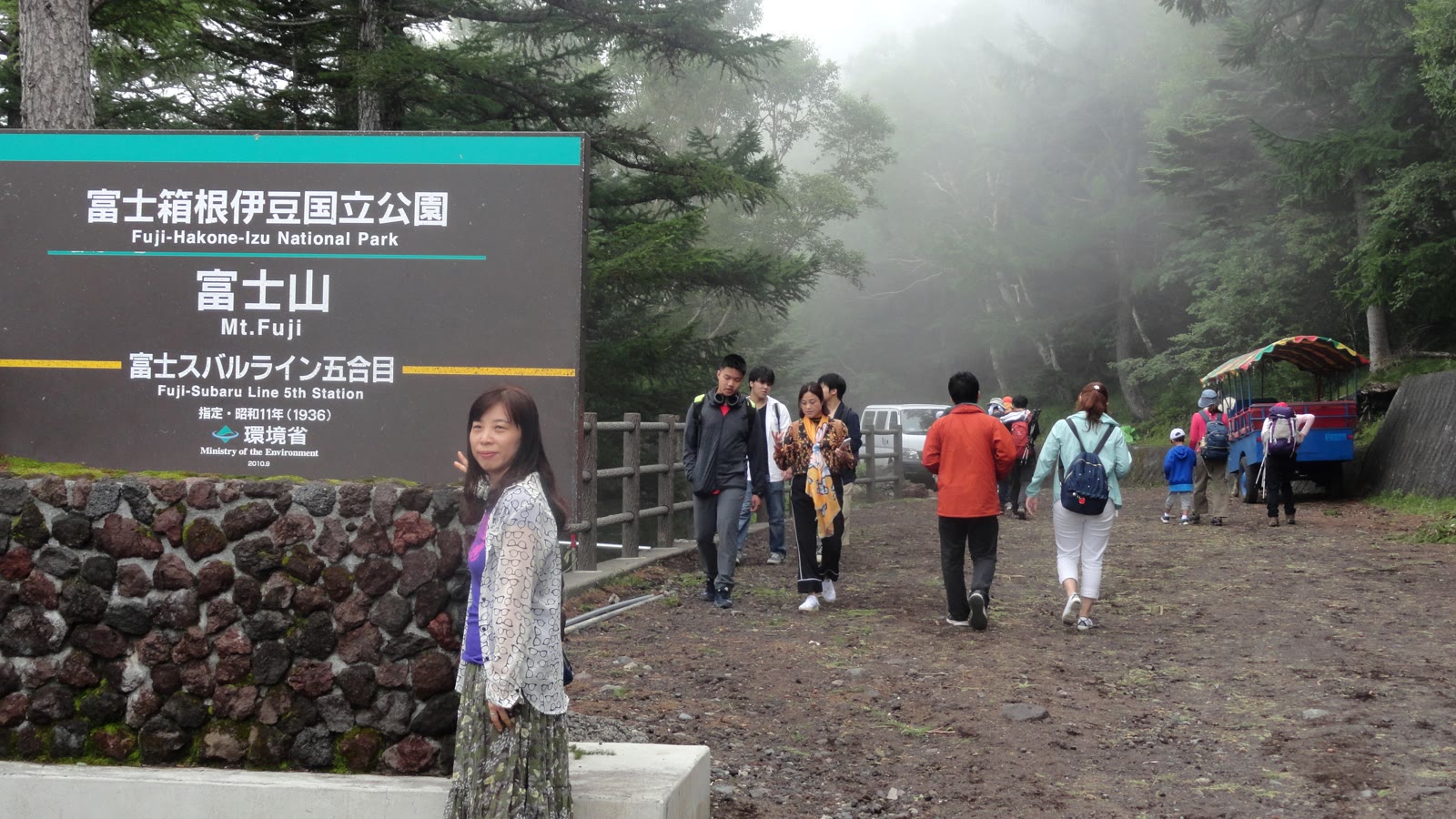 Fabio Achilli from Milano, Italy / CC BY 2.0
Nature · Yamanashi★★★
Mount Fuji
11.5 km · straight line
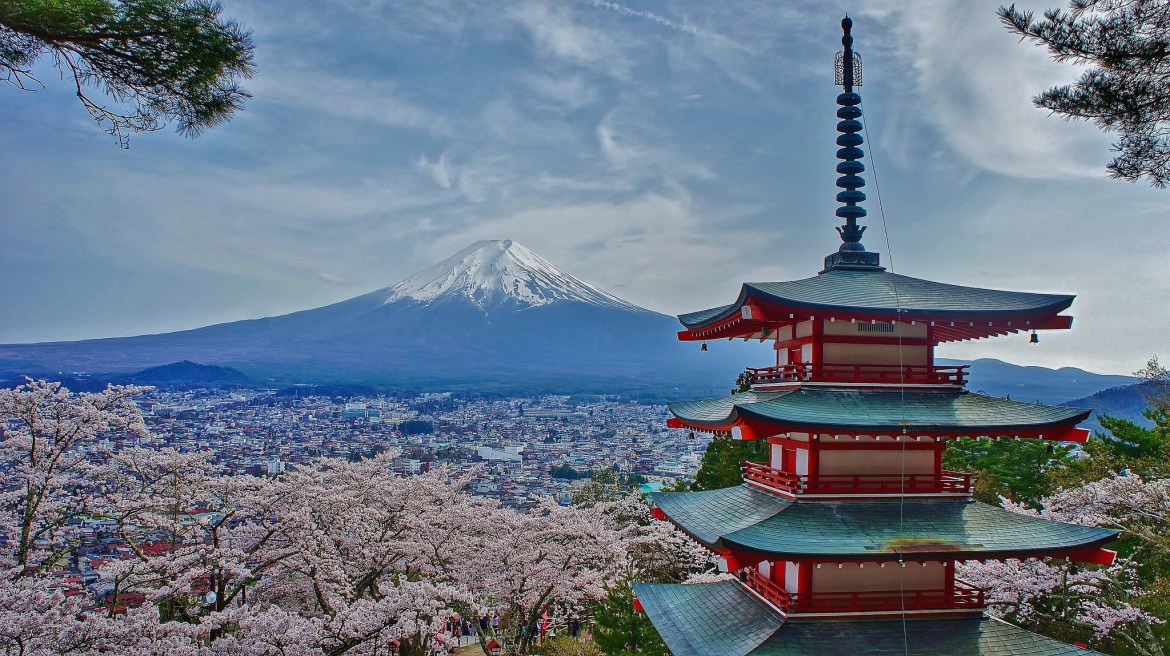 Manishprabhune / CC BY-SA 4.0
History · Yamanashi★★★
Arakurayama Sengen Park
13.3 km · straight line
Distances are straight lines on the map, not travel times.