Tochigi central · UtsunomiyaNo.271★Open in map →
Oya History Museum
A vast former Oya stone quarry beneath Utsunomiya — about 20,000 square metres of underground space reaching 30 metres down, worked from 1919 to 1986 and now open to visitors.
- FromUtsunomiya Stn
- ~30 min by busbus (1–2 per hour)
- Get off atShiryokan-iriguchi bus stop
- On foot
- Oya History Museum
The sweet spot
Oya stone is a soft volcanic tuff that made Utsunomiya's building trade — Frank Lloyd Wright chose it for the old Imperial Hotel in Tokyo — but almost no foreign visitor knows the quarry it came out of is open, an hour from Nikko and 30 minutes by bus from Utsunomiya Station.
Where it is
16 more notes in Tochigi · open the map →What to look for
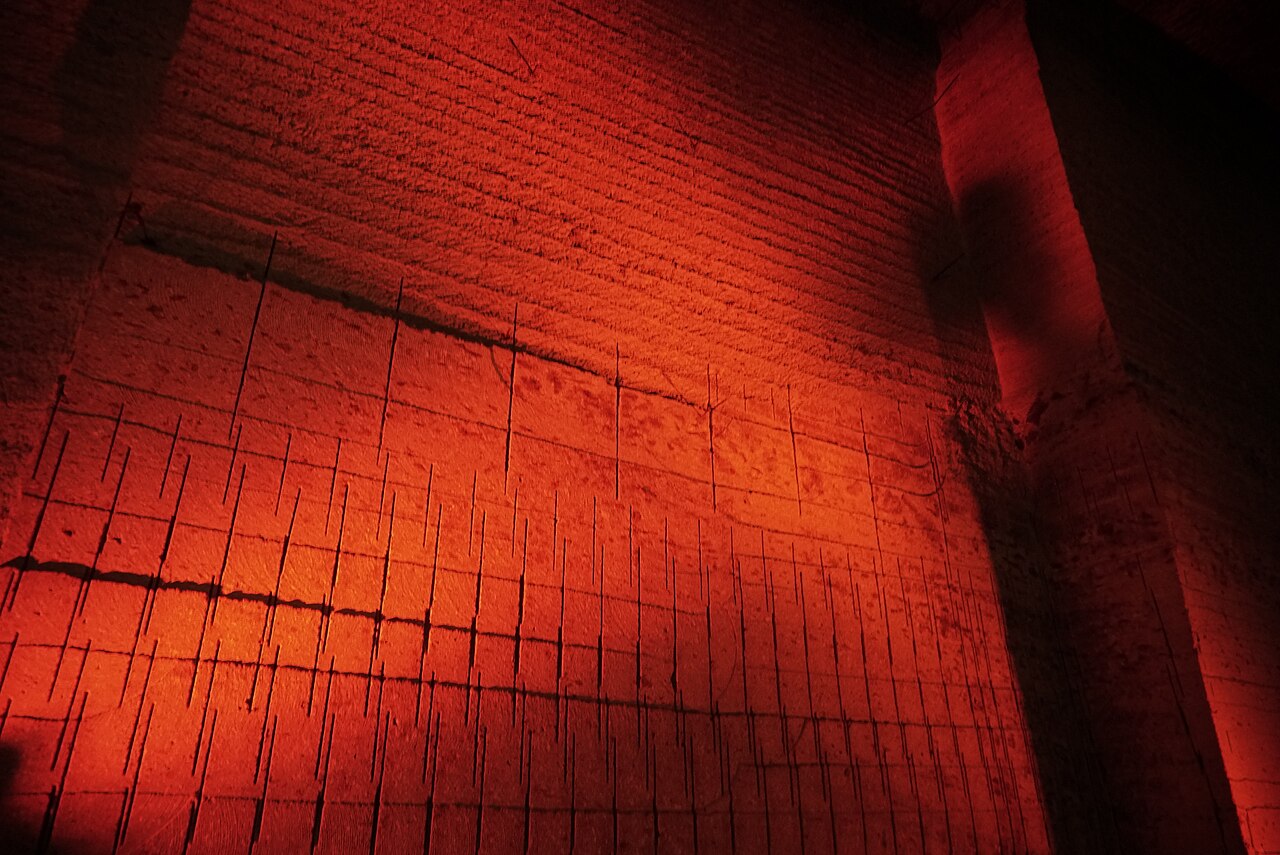
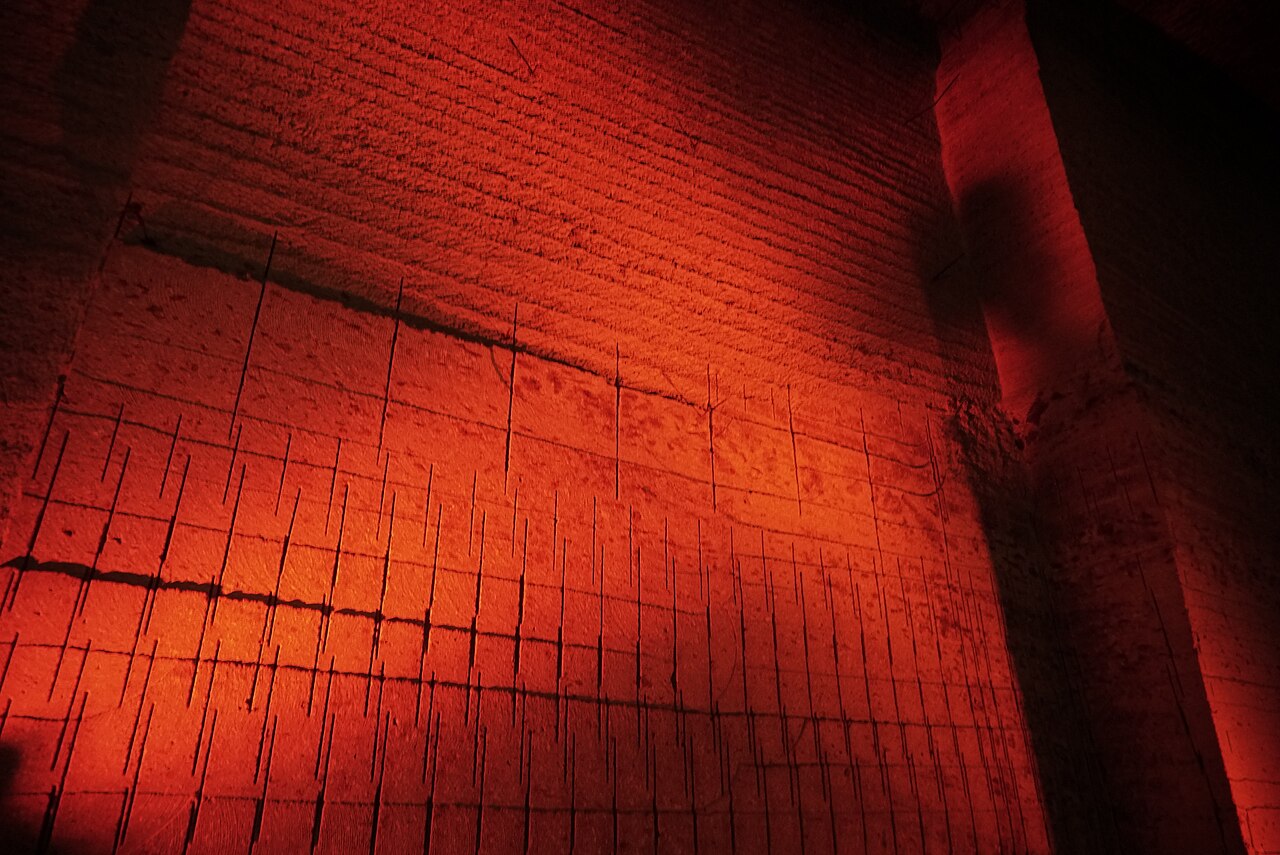
- The main hallthe largest connected chamber, lit so the squared pillars and the 30-metre depth register at once — the shot every film crew comes for
- Tool marks on the wallshand-cut scoring from the early decades sits alongside machine-cut faces from later years, a legible record of how the work changed
- Ishi-no-hana, the stone flowerin winter only, white salt crystals bloom across the rock surfaces — a phenomenon that appears nowhere else in the year
- The temperature line at the stairwaythe drop from surface air to around 8°C happens within a few steps down; it is the most physical thing about the visit
How to actually get there
- Tokyo → Utsunomiya Station (JR Tohoku Shinkansen, or the JR Utsunomiya Line).
- Utsunomiya Station west exit → Shiryokan-iriguchi (Kanto Bus toward Oya / Tateiwa, ~30 min, ~460 yen).
- Shiryokan-iriguchi → the museum entrance (~5 min on foot), then down the stairway into the quarry.
- Bus from Utsunomiya Station west exit
- From the JR Utsunomiya Station west exit bus terminal, take the Kanto Bus bound for Oya / Tateiwa and ride about 30 minutes to the Shiryokan-iriguchi stop (about 460 yen one way). The museum entrance is about 5 minutes on foot from there. Buses run roughly one to two per hour, so check the return times before you go down.
- Return by bus to Utsunomiya Station
- Take the same Kanto Bus line from Shiryokan-iriguchi back to the Utsunomiya Station west exit (~30 min). With only one or two departures an hour, note the return times posted at the stop when you arrive — the last useful bus is earlier than you would expect.
About the place
Everything you stand in at Oya is negative space: the hall exists because roughly 70 years of quarrymen cut Oya stone out of it, block by block, from 1919 until the site closed in 1986. What they left behind measures about 20,000 square metres — roughly 140 by 150 metres — and reaches 30 metres below the surface, with squared pillars and tool-scored walls rising into the dark on every side. The air holds around 8°C the whole year, so the place is a natural refrigerator in August and genuinely cold in February. Since the quarry stopped working, the space has been used for film shoots, concerts and weddings, and the scale is the reason: there is no built room in the region that comes close to it.
How to enjoy it
Allow an hour underground and dress for 8°C regardless of the season — visitors underestimate this constantly. Opening hours differ by season: 9:00–17:00 from April to November (last entry 16:30) and 9:30–16:30 from December to March (last entry 16:00), with a Tuesday closure through the winter months. Pair the quarry with Oyaji temple and its cliff-carved Buddha a short walk away, and buy the Oya one-day pass at Utsunomiya Station if you are doing both. Utsunomiya is also Japan's gyoza town, which makes an obvious end to the day back at the station.
Background & history
Oya stone, the soft volcanic tuff quarried around this district, is light and easy to cut, which made it the working building stone of the Utsunomiya region and carried its name far beyond Tochigi — Frank Lloyd Wright used it for the old Imperial Hotel in Tokyo. The underground workings here were driven from 1919 and continued for roughly 70 years, until quarrying ended in 1986. Cutting downward and outward rather than open-cast left a single connected void of about 20,000 square metres reaching 30 metres below ground, its pillars and walls still carrying the marks of the tools that made them. The site reopened as a museum showing both the history of the stone and the space its extraction produced, and the hall has since become a fixture as a film and concert location.
Before you go
- Cash
- Admission is 1,000 yen for adults and 400 yen for elementary and junior high students, with a group discount from 20 people. The Oya sightseeing one-day pass bundles unlimited local buses from Utsunomiya Station with admission here and to Oyaji temple, and is the cheaper option if you are seeing both.
- Good to know
- The underground temperature averages 8°C and stays around 13°C even at the height of summer — a jacket is not optional, whatever the weather at street level. The floor is uneven stone and damp in places, so wear shoes with grip.
- Another way
- By car it is roughly 20–30 minutes from central Utsunomiya, with parking on site; a taxi from Utsunomiya Station is a straightforward alternative if you miss the bus.
- After you get off
- From the Shiryokan-iriguchi bus stop, follow the lane signposted toward the museum for about 5 minutes; the ticket building sits above the stairway down into the quarry.
Nearby notes
 Tatsuo Yamashita / CC BY 4.0
Food · Tochigi★★★
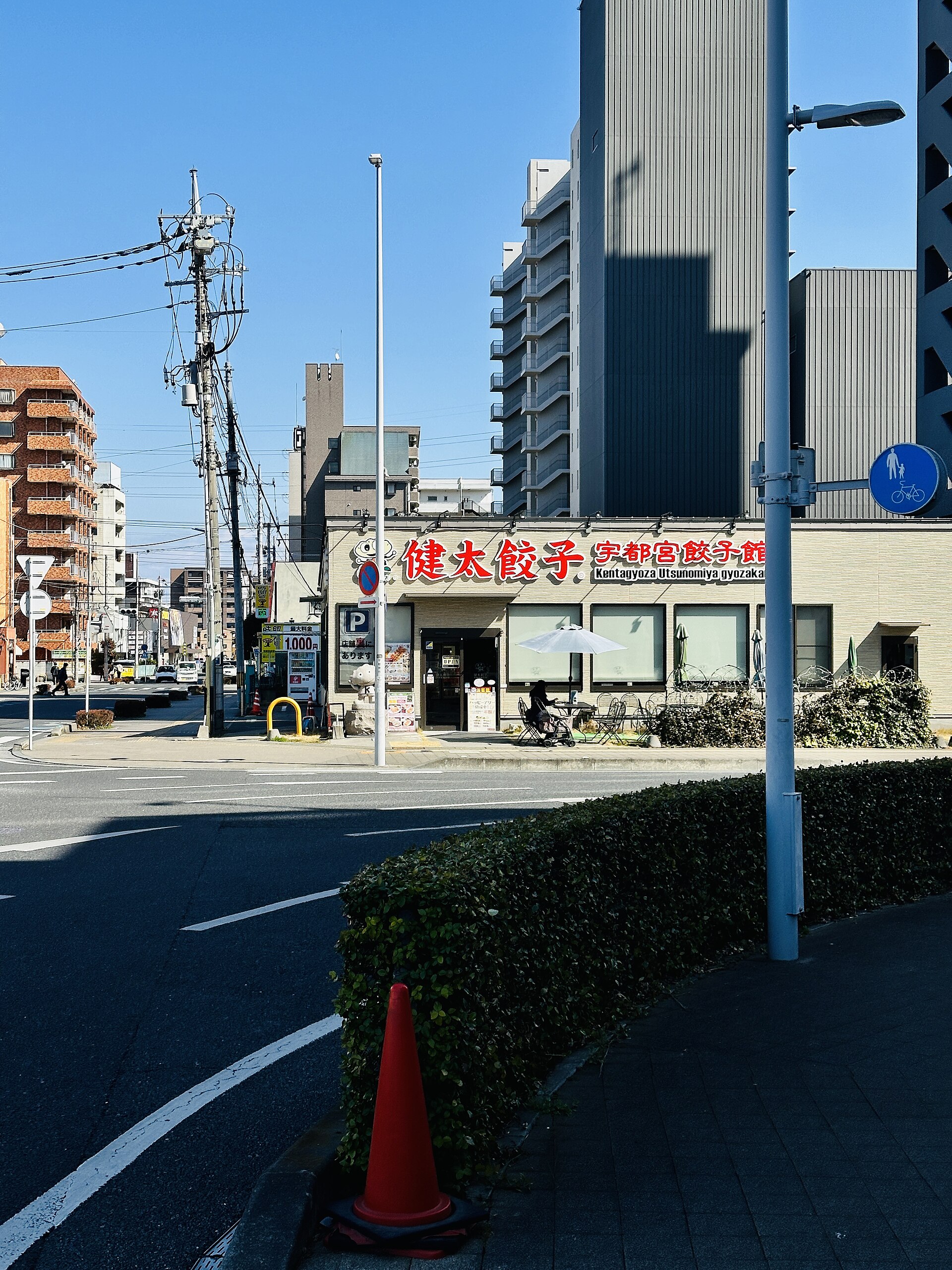
Utsunomiya Gyoza
6.9 km · straight line
 Abasaa / Public domain
Entertainment · Tochigi★★
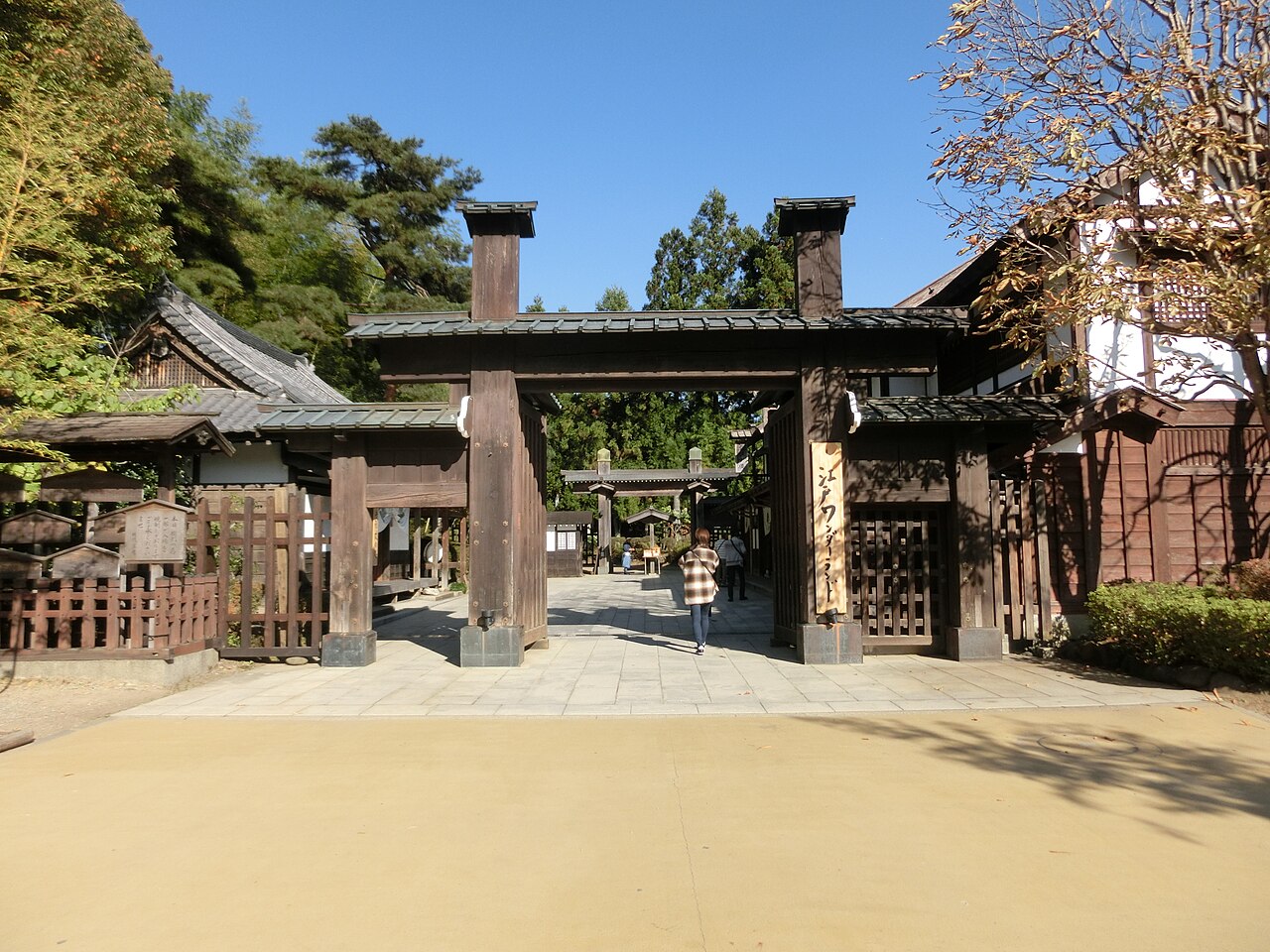
Edo Wonderland Nikko Edomura
24.3 km · straight line
 掬茶 / CC BY-SA 3.0
Entertainment · Tochigi★★
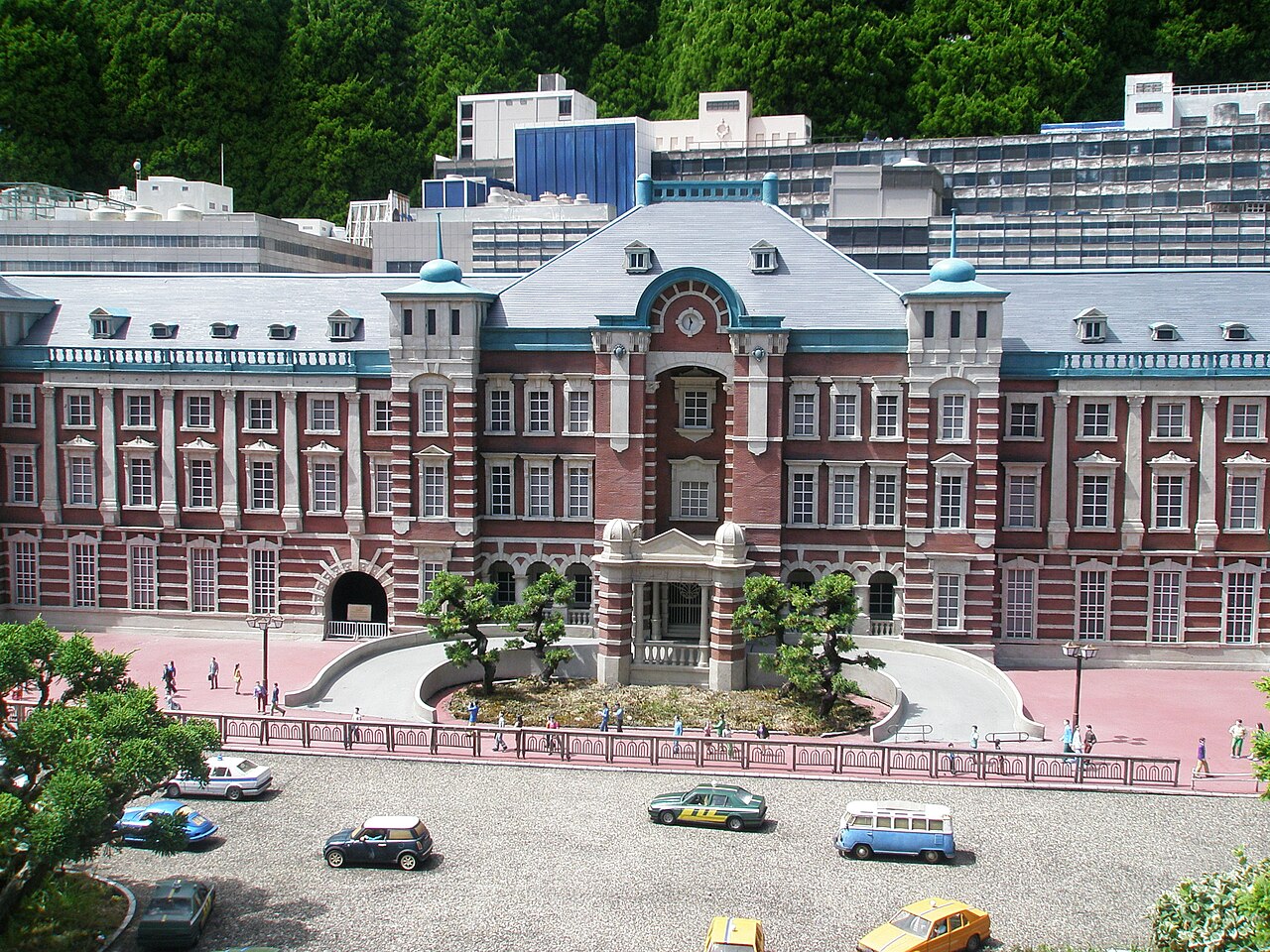
Tobu World Square
25.2 km · straight line
 Joli Rumi / CC BY-SA 4.0
History · Tochigi★★★
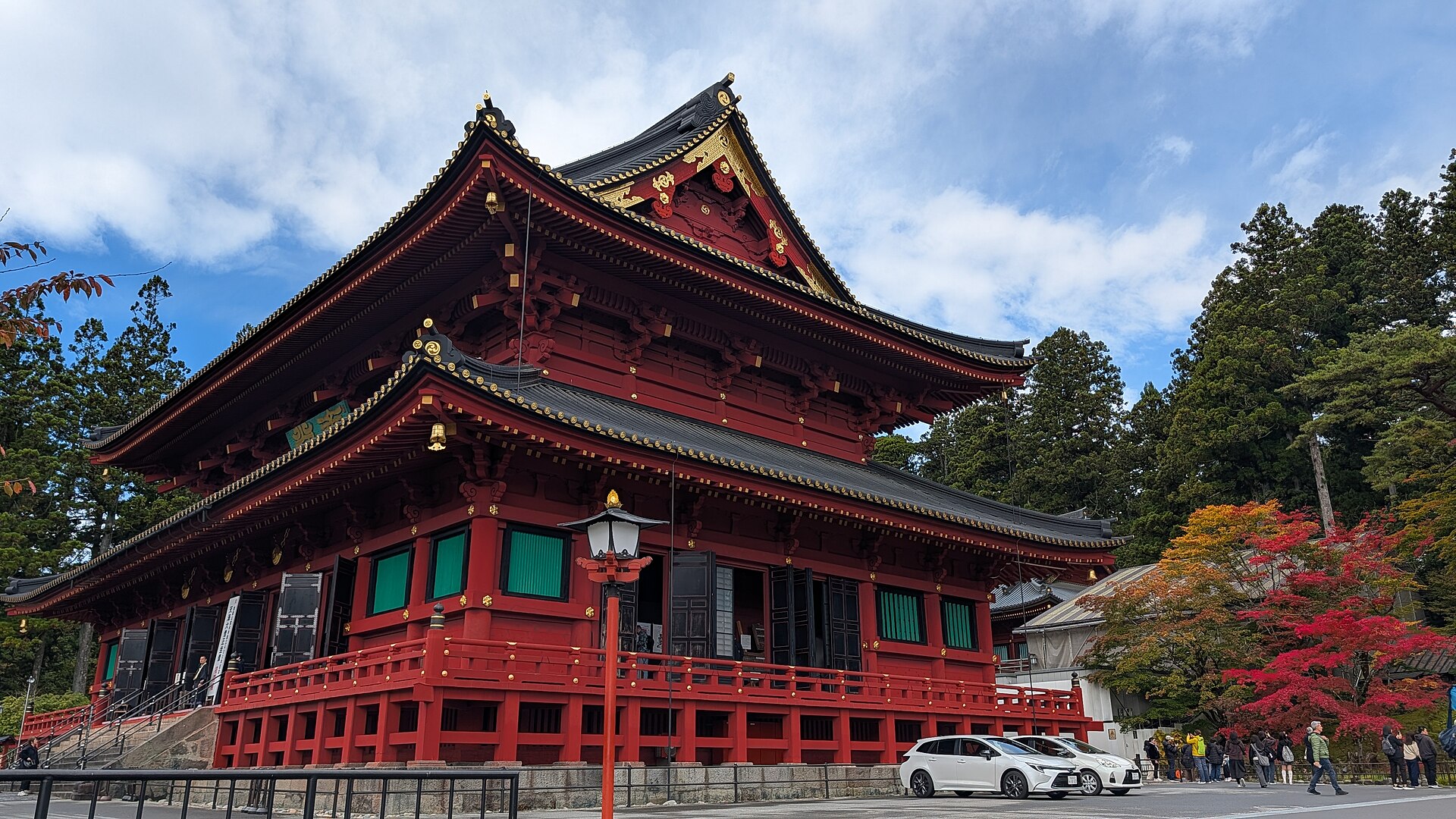
Nikkozan Rinnoji and Taiyuin
26.3 km · straight line
Distances are straight lines on the map, not travel times.