Chiba south · Kamogawa hillsNo.104★Open in map →
Oyama Senmaida
— rain-fed rice terraces near Tokyo
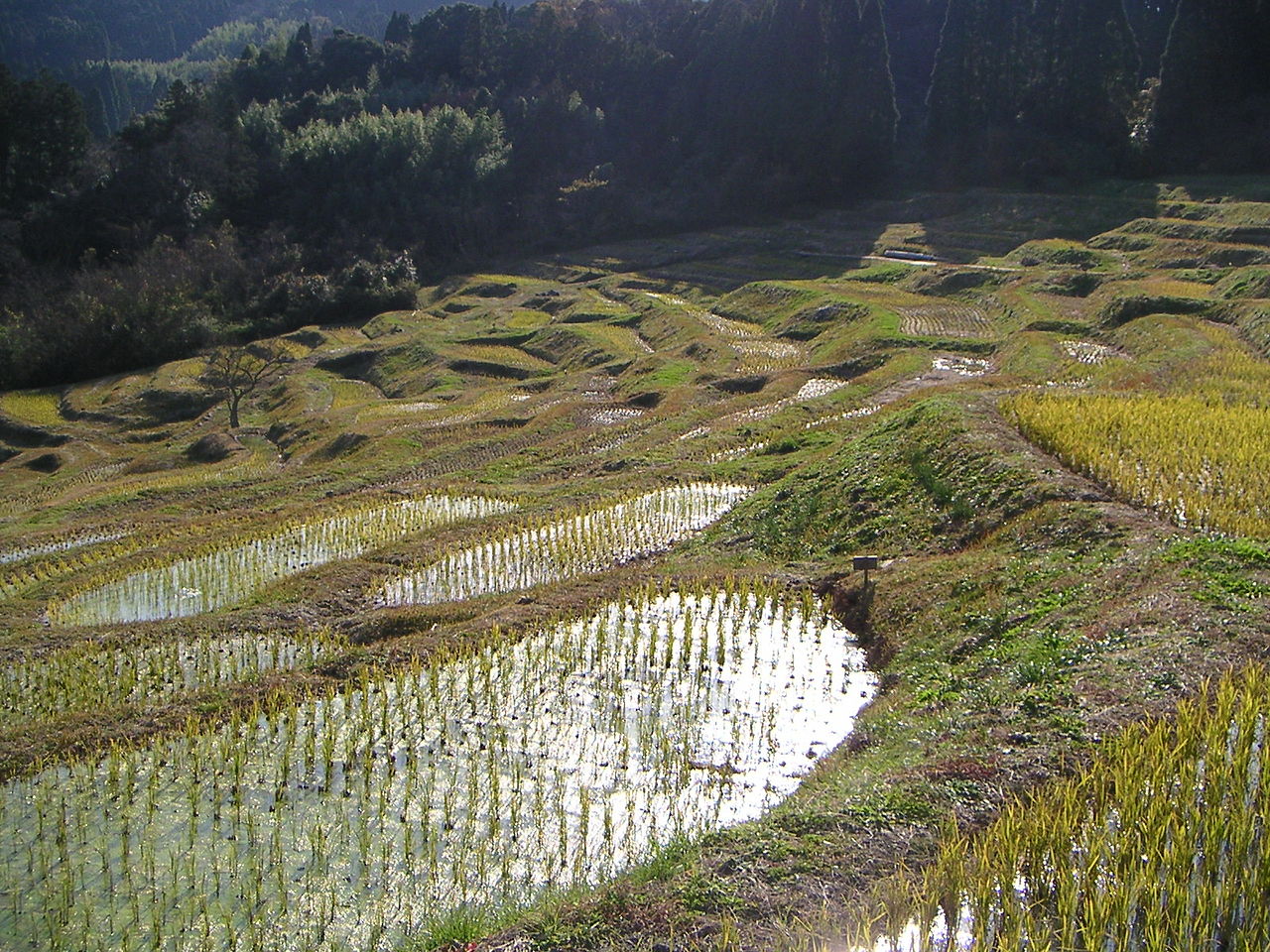
A hillside of 375 curved paddies in Kamogawa, Chiba, watered by rainfall alone — widely cited as the terraced field nearest to Tokyo.
- FromTokyo Stn
- ~2.5 hrbus (infrequent)
- Get off atOyama-Senmaida-iriguchi bus stop
- On foot
- Oyama Senmaida
The sweet spot
It is about 90 minutes from Tokyo, yet most day-trippers pick the nearby seaside towns instead, so the hill stays quiet on weekday mornings. There is little English-language information about it, the bus that serves it runs only a few times a day, and it sits off the main tourist route.
Where it is
50 more notes in Chiba · open the map →What to look for — in walking order
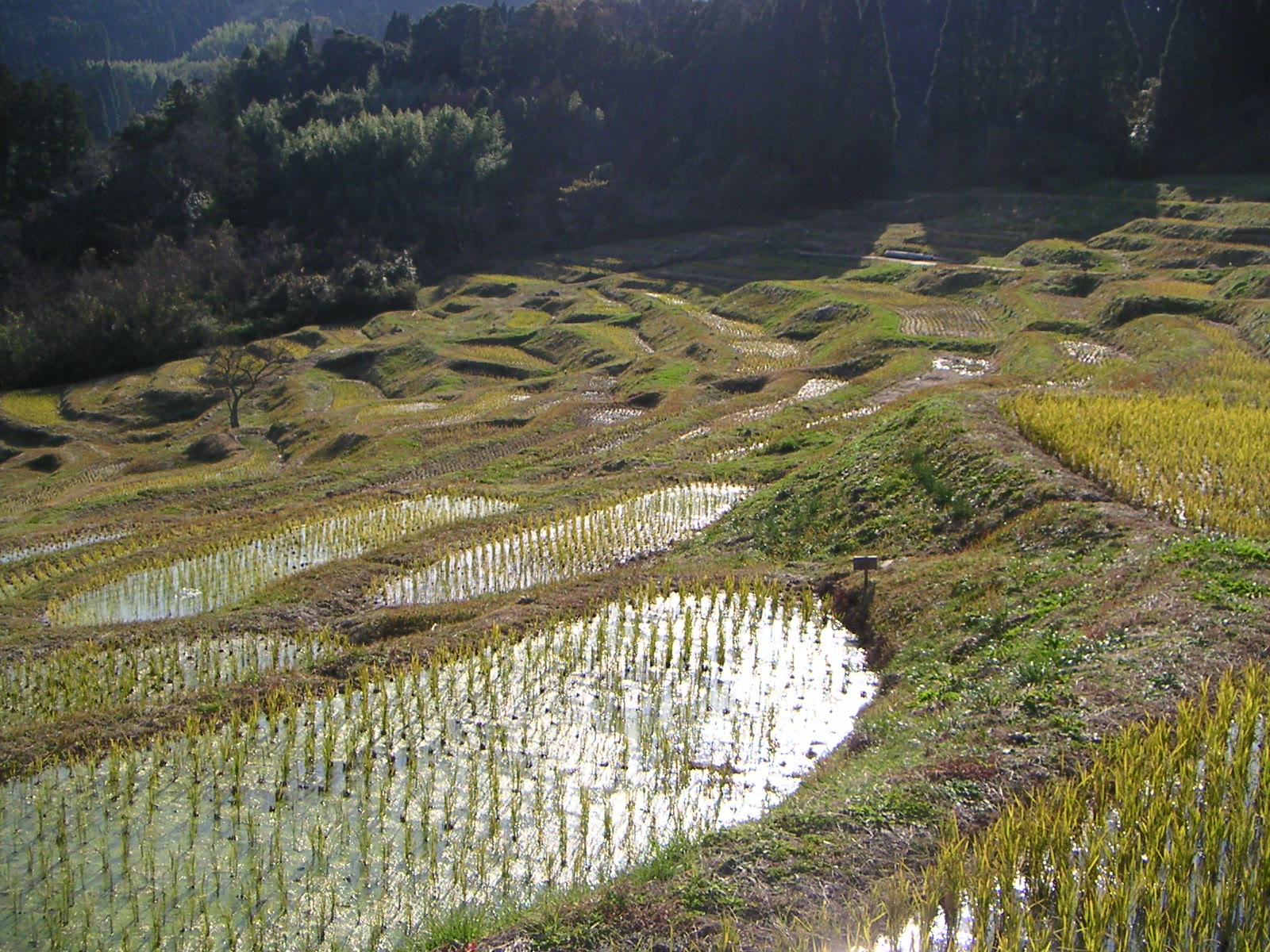
- Rain-fed paddies375 small fields fed by rainwater alone, with no river source
- Spring water mirrorsflooded paddies reflecting the sky in the planting weeks from around April
- Tanada no Akari lightsroughly 10,000 LED lights illuminating the terraces on evenings from late October to early January
- Terrace-owner schemea programme letting members farm one plot and help preserve the landscape
How to actually get there
- Tokyo Stn → Awa-Kamogawa Stn (Limited Express Wakashio, ~2 hr)
- Awa-Kamogawa Stn → Oyama-Senmaida-iriguchi stop (Nagasao-line bus, ~15 min)
- Oyama-Senmaida-iriguchi stop → the terraces (uphill walk, ~20-25 min)
- Wakashio express + Nagasao-line bus
- Tokyo Stn →(Limited Express Wakashio, ~2 hr)→ Awa-Kamogawa Stn →(Nagasao-line bus, ~15 min)→ Oyama-Senmaida-iriguchi stop →(uphill walk, ~20-25 min)→ the terraces. Total about 2.5 hr. The bus runs only a few times a day, so check the day's timetable before you leave.
- Return the same way
- The Nagasao-line bus is infrequent and services end in the evening. When you arrive, check the return times posted at the stop before you walk up, and allow time for the last bus.
About the place
On the southeastern foot of Mt. Atago, the highest peak in Chiba, about 375 small paddies step across a steep 3.2-hectare slope in gentle curves. What sets them apart is that no river reaches here: the fields depend entirely on rainwater, held by clay-rich soil. The terraces run roughly 90 to 150 metres in elevation and stretch 600 metres east to west. Their look shifts by season — flooded paddies mirroring the sky in spring, deep green in summer, golden ears in autumn — and photographers tend to favour the hour before sunrise or the hour before sunset.
How to enjoy it
Spring, during the flooding and planting weeks, is the classic time to see the paddies mirror the sky. From late autumn into January the terraces are lit for the evening illumination event. The rest house at the site sells drinks and local rice.
Background & history
The terraces were named one of Japan's Top 100 Terraced Rice Fields by the Ministry of Agriculture in 1999, and recognised as a 'Connecting Terrace Heritage' site in 2022. A local preservation society formed in 1997 — later incorporated as an NPO — sustains the farming through a terrace-owner scheme, in which members tend a single plot through the growing year.
Before you go
- Cash
- The terrace rest house sells drinks and rice; rural buses are often cash-only, so carry coins and small notes.
- Good to know
- These are working paddies. Stay on the marked lanes and do not step onto the narrow earth ridges between the water panes.
- Another way
- If the bus times do not fit, a taxi from Awa-Kamogawa Station is the practical backup.
- After you get off
- From the stop, follow the signed lane uphill for about 20-25 minutes to reach the terraces.
Nearby notes
 Tetsuji Sakakibara / CC BY-SA 2.0
Nature · Chiba★★
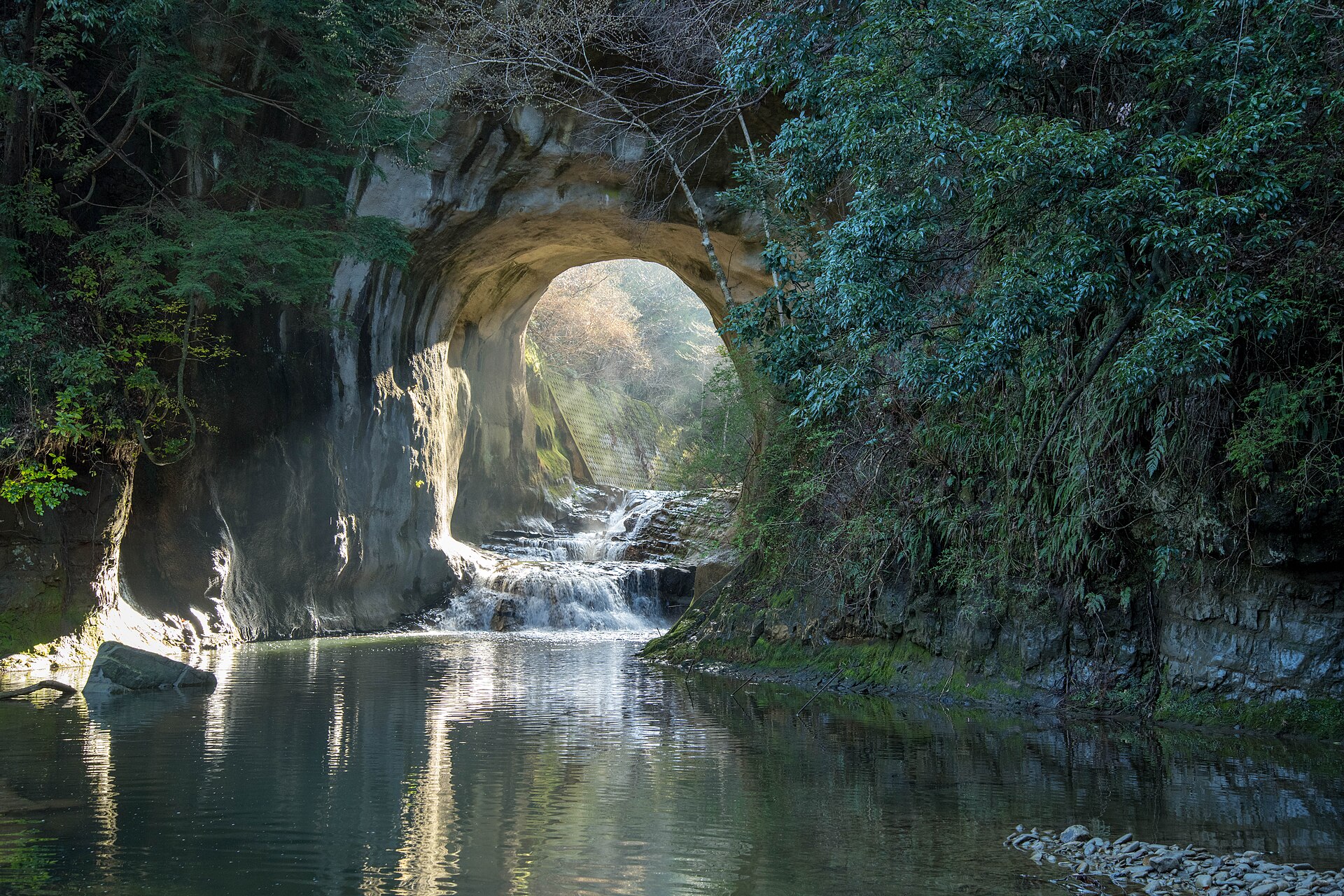
Kameiwa Cave and Nomizo Falls
10.0 km · straight line
 くろふね / CC BY-SA 4.0
Nature · Chiba★
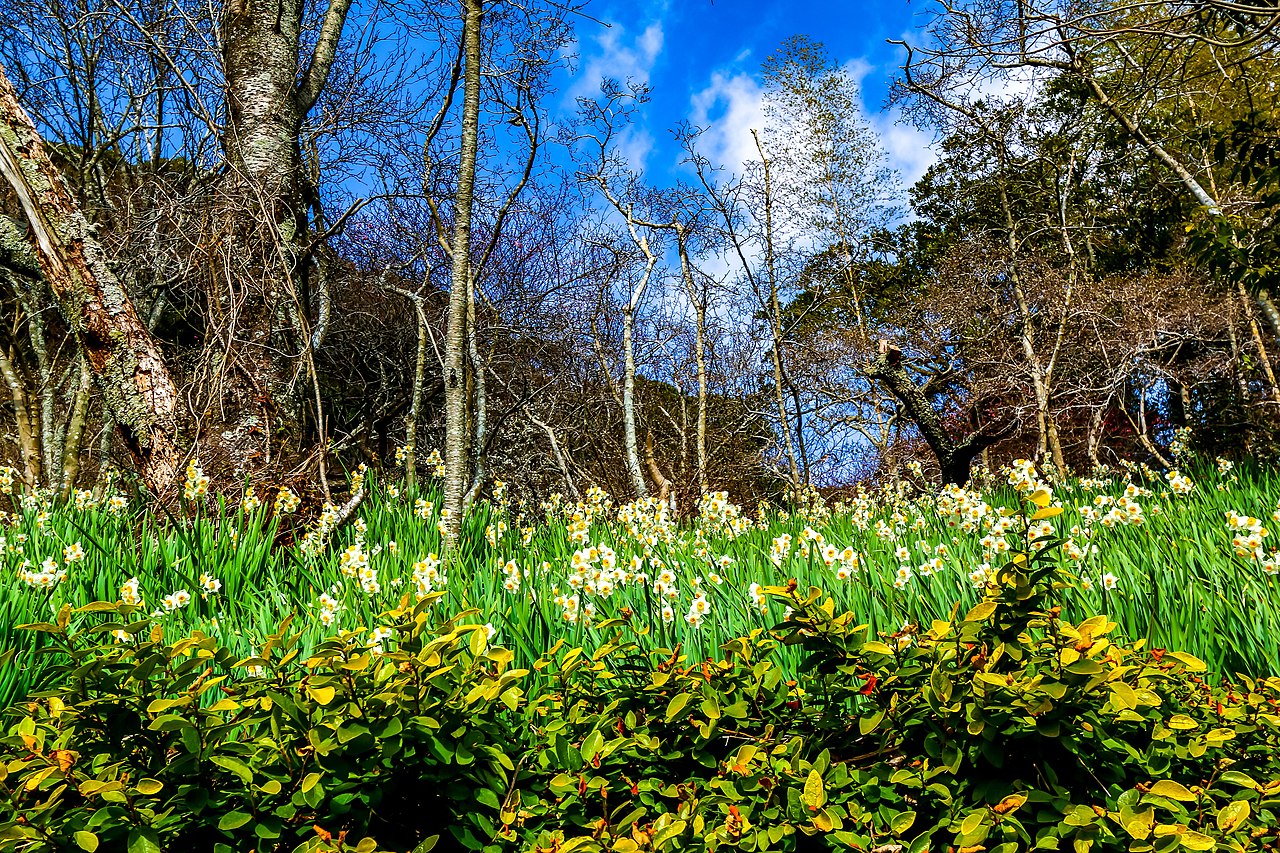
Ezuki Narcissus Road
11.9 km · straight line
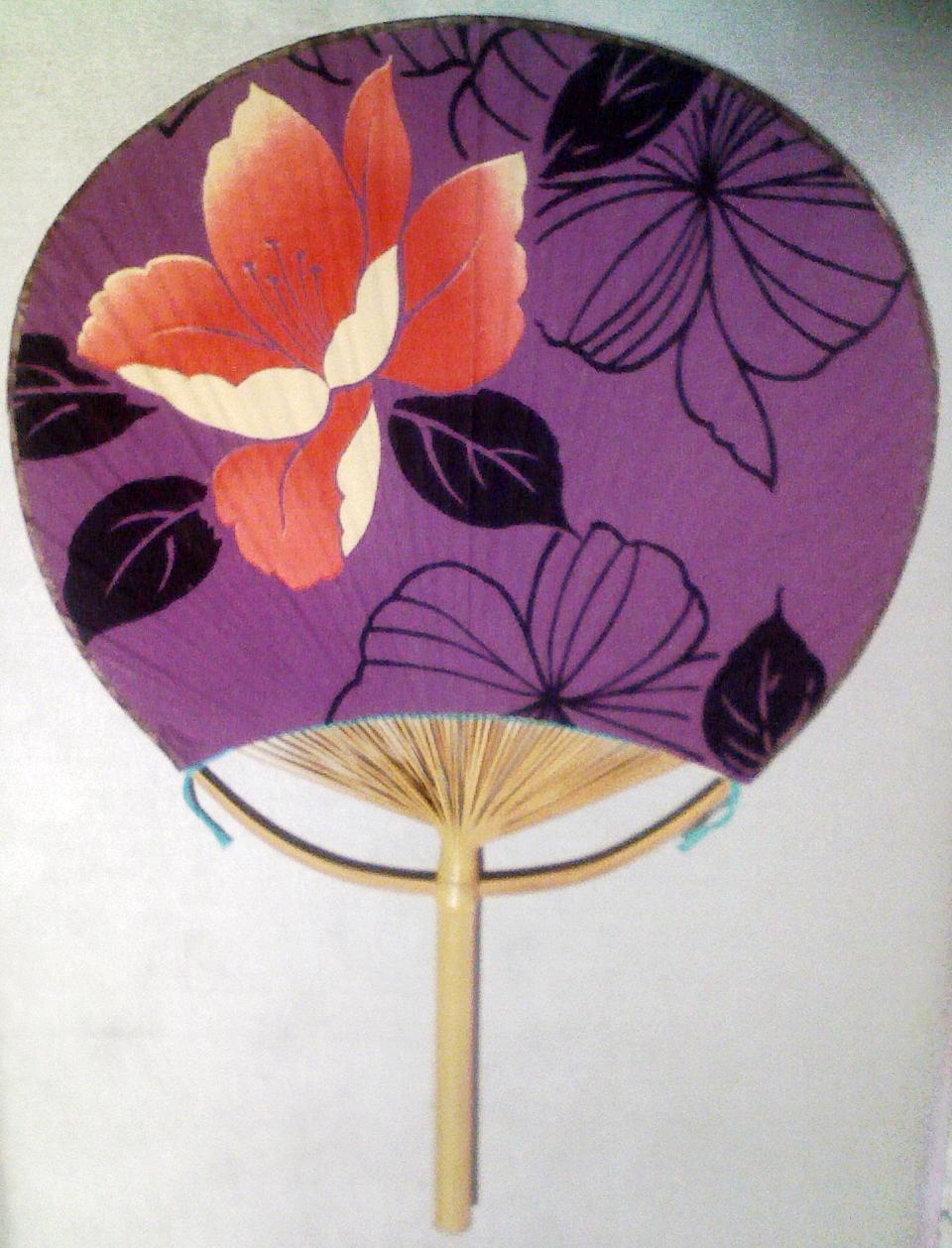 zenkota / CC BY-SA 3.0
Craft · Chiba★★
Boshu Uchiwa Fans
12.0 km · straight line
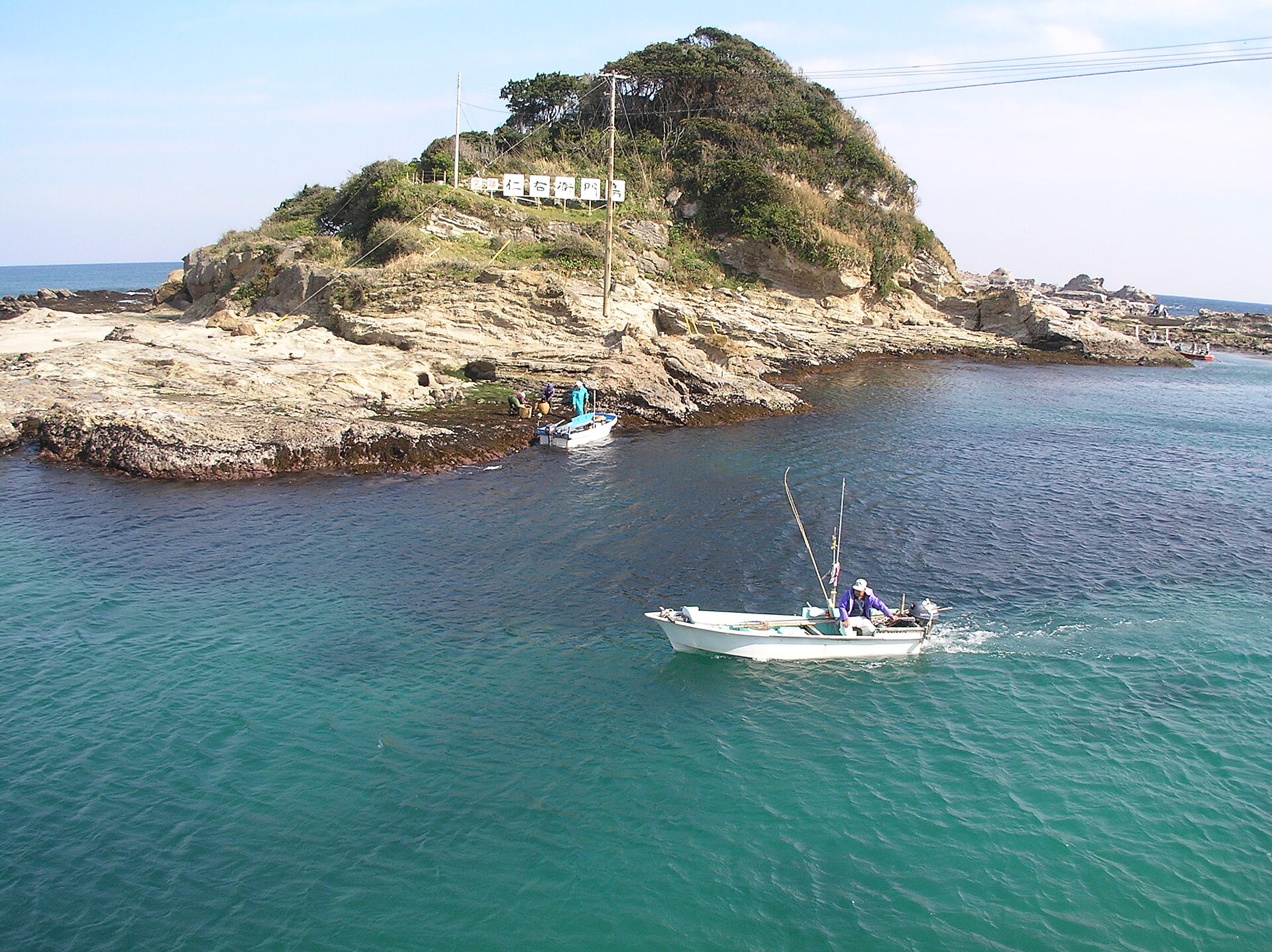 Autumn Snake (おぉたむすねィく探検隊) / CC BY-SA 3.0
History · Chiba★★
Niemonjima
13.1 km · straight line
Distances are straight lines on the map, not travel times.