South Akita · MisatoNo.937★Open in map →
Rokugo Springs
— a town of named spring pools in inland Akita
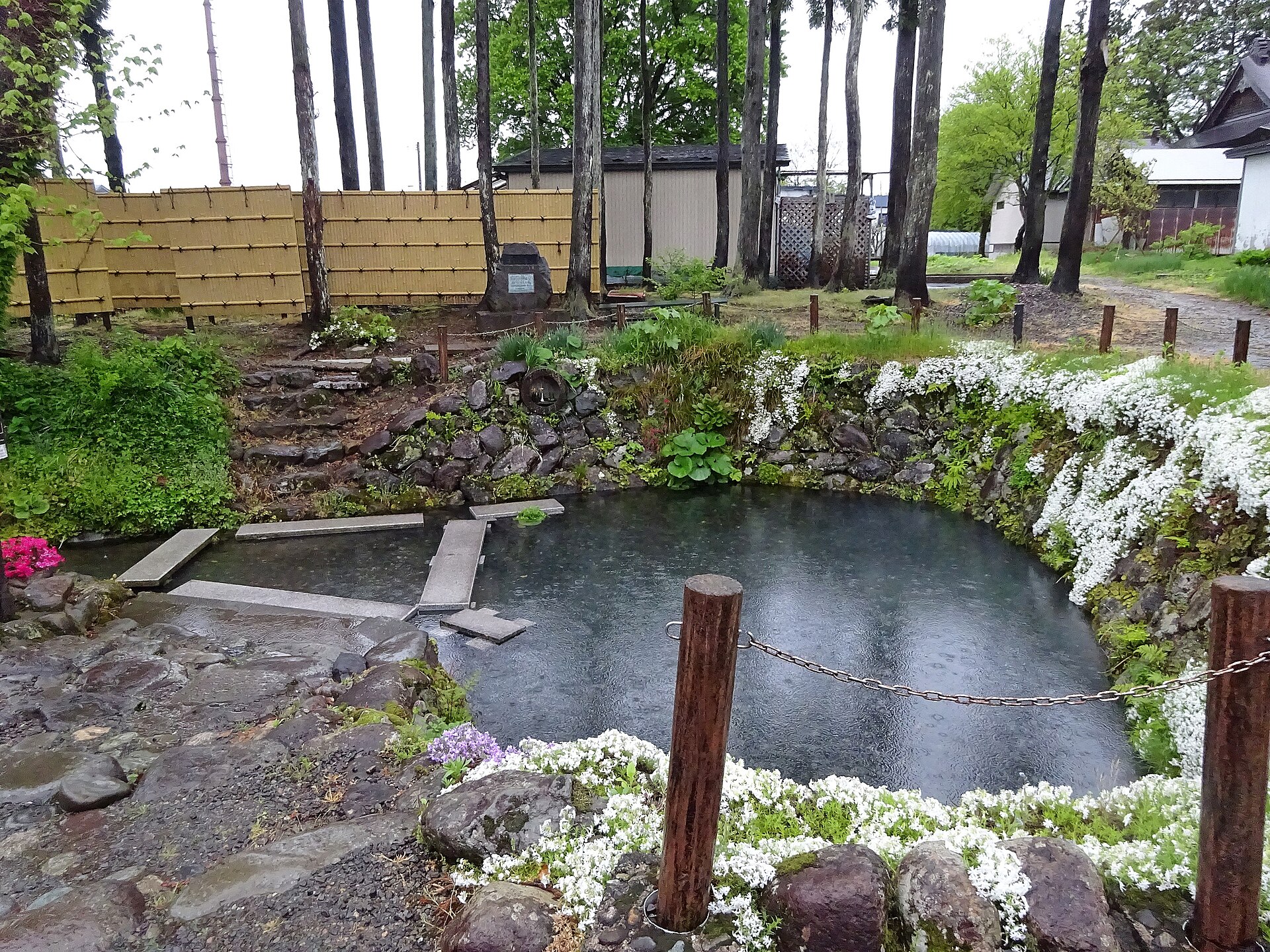
An old town in inland Akita where groundwater surfaces in pools between the houses, each with its own name and its own stone steps. The Ministry of the Environment put the group on the national list of 100 Exquisite Waters.
- FromOmagari Station
- ~35 minBus from Omagari Station
- Get off atRokugo Yonemachi bus stop (Ugo Kotsu Yokote–Omagari line)
- On foot
- Rokugo Springs
The sweet spot
This is a working town rather than a sight, so nothing is gated or ticketed and the pools sit among houses and parked cars. It stays little known because Misato is small and inland, and because the appeal is the walk from one spring to the next rather than any single view.
Where it is
34 more notes in Akita · open the map →What to look for — in walking order
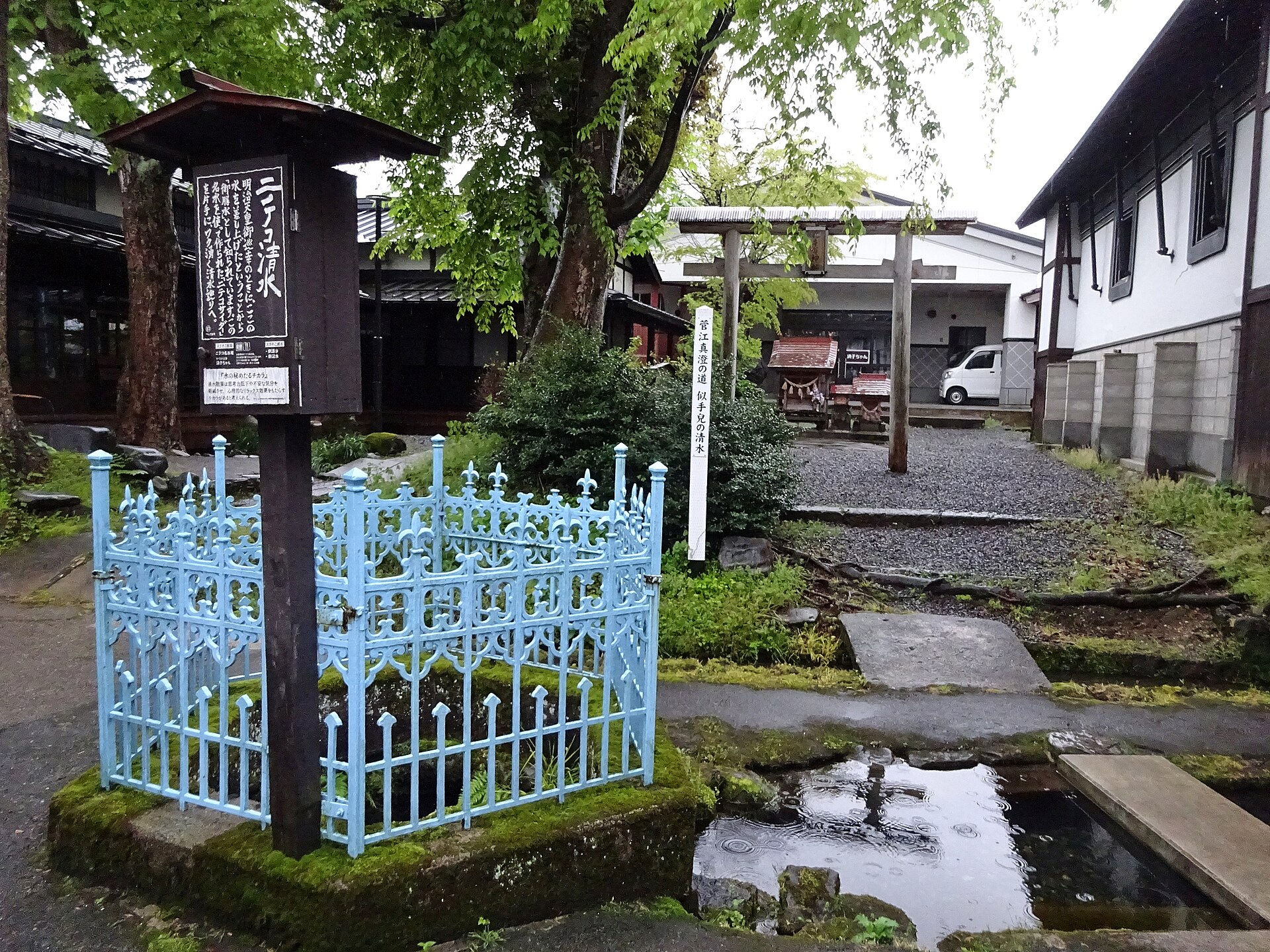
- Homon-shimizua fenced pool in the district that shares its name, the first spring north of the bus stop
- Takasho-shimizua smaller pool one block west, carrying a name that means falconer
- Odaidokoro-shimizua wide, cedar-shaded pool used as the representative photograph on the national water list
- Mizu no Yasumibathe converted rest house, with a ground-floor room explaining the springs and an upstairs sitting room
- Niteko-shimizuthe roadside spring on Route 13 whose water is bottled as the local Niteko cider
How to actually get there
- Omagari Station → Omagari Bus Terminal (walk a few minutes).
- Omagari Bus Terminal → Rokugo Yonemachi (Ugo Kotsu Yokote–Omagari line, about 23 minutes; 500 yen on the published fare table).
- Rokugo Yonemachi → Homon-shimizu (walk about 7 minutes north-west).
- Follow the pools west to Niteko-shimizu, then return to the same stop for the bus back.
- Ugo Kotsu bus from Omagari Bus Terminal
- Omagari Station is a stop on the Akita Shinkansen. Ugo Kotsu's Yokote–Omagari line leaves from Omagari Bus Terminal, a few minutes' walk from the station, and reaches Rokugo Yonemachi in about 23 minutes on the operator's 2026 timetable. The published fare table lists this section at 500 yen. Departures cluster in the early morning and the late afternoon, with long midday gaps.
- Return from Rokugo Yonemachi
- Buses back to Omagari Bus Terminal use the same stop area and take about 21 minutes. Services continue into the evening, but several runs are marked on the timetable as not operating on Saturdays, Sundays, holidays, the Obon period and the new year. Check the board at the stop before you start walking.
About the place
Rokugo is the old town centre of Misato, laid out on an alluvial fan below the Ou mountains of inland Akita. Water that soaks into the slopes returns to the surface here at street level, filling pools in gardens, beside temples and at road junctions. The town counts 114 confirmed springs across its area, and the ones in the old quarter stand close enough to walk between in a morning. Most are fenced, named on a board and fitted with stone steps, and residents still draw from them. A rare stickleback known locally as harizakko lives in the coldest of the water.
How to enjoy it
Buses from Omagari are frequent before 09:00 and then thin out to roughly one every two hours, so a mid-morning arrival leaves time for the full walk and an unhurried return. The pools stand close together on flat streets, and a circuit with a stop at the information room fills about an hour. Mid-February is the other date to plan around, when the town holds its Kamakura fire festival.
Background & history
The springs shaped the town long before they drew any visitors. Odaidokoro-shimizu, the kitchen spring, is tied by the old gazetteer Tsuki no Dewaji to Satake Yoshitaka, second lord of the Kubota domain, whose rest house is recorded as having stood beside it. The Environment Agency added the group to Japan's list of 100 Exquisite Waters in 1985. Rokugo also keeps a midwinter fire festival, Rokugo no Kamakura, designated an important intangible folk cultural property of Japan, which ends with young men fighting a battle of green bamboo.
Before you go
- Cash
- The pools stand on open streets rather than inside a paid site. Ugo Kotsu route buses run on distance-based fares: take a numbered ticket as you board, then pay in cash into the box as you leave. The on-board changer handles coins and 1,000-yen notes only, so break larger notes before you travel.
- Good to know
- Southern Akita is deep-snow country from December through March, and the streets between the pools are cleared but narrow then. The learning and information room is listed as open from morning to late afternoon between April and November, so the walk is easiest in daylight in the warmer half of the year.
- Another way
- By car the town is about 20 minutes from the Omagari interchange on the Akita Expressway, along Route 13 towards Yokote. Coming from the Tazawako side, Ugo Kotsu's Kakunodate–Rokugo line also reaches Rokugo.
- After you get off
- From Rokugo Yonemachi the walk to the first pool runs north-west through the old grid of streets and takes about seven minutes. Each spring has its own marker post in Japanese, and the learning and information room sits roughly halfway along the route.
Nearby notes
 KANSEI / CC BY-SA 4.0
Culture · Akita★★
Omagari Fireworks
7.7 km · straight line
 Rarisan / CC0
Culture · Akita★★
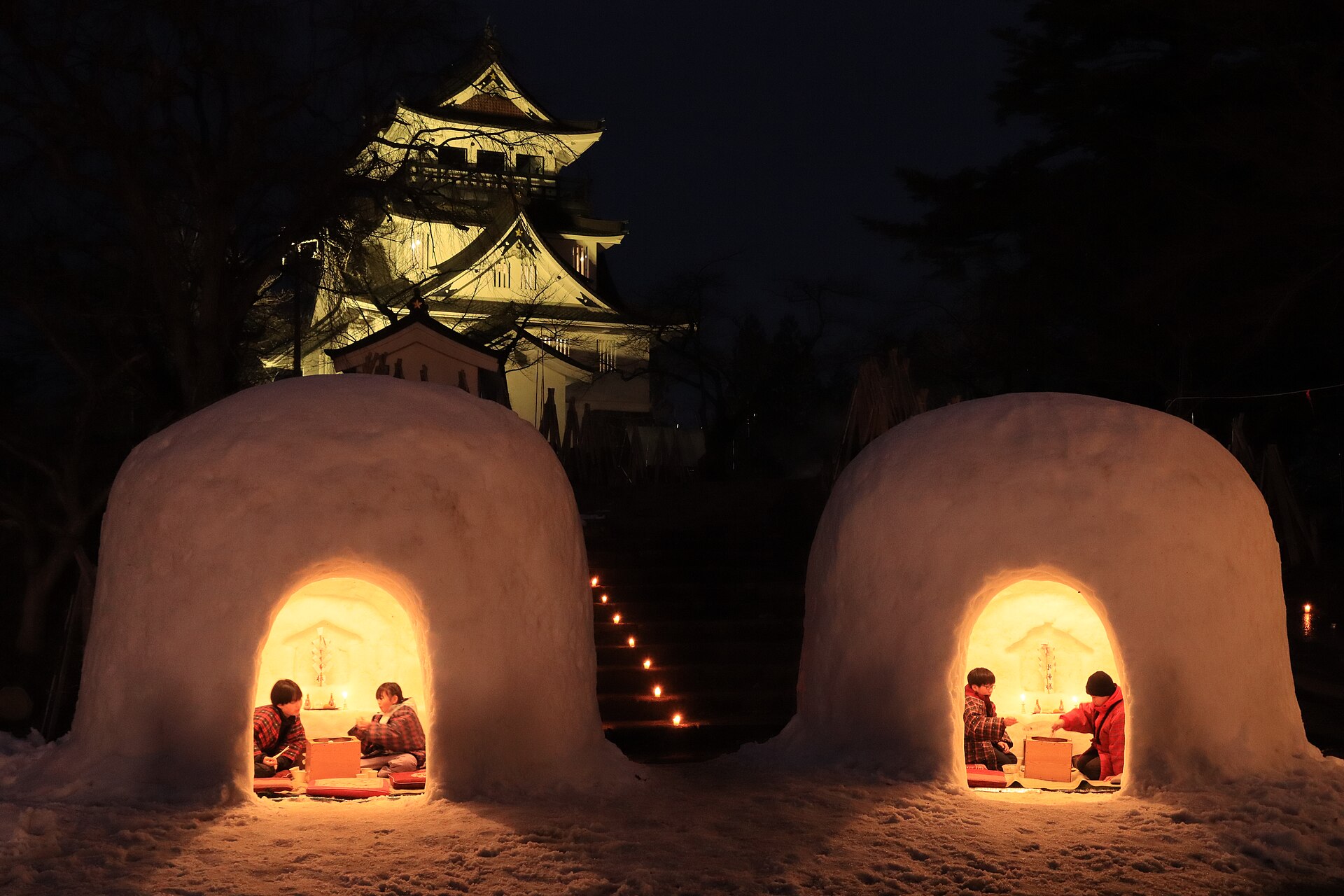
Yokote Kamakura Snow Festival
12.4 km · straight line
 Asamboi / CC BY-SA 4.0
Food · Akita★★
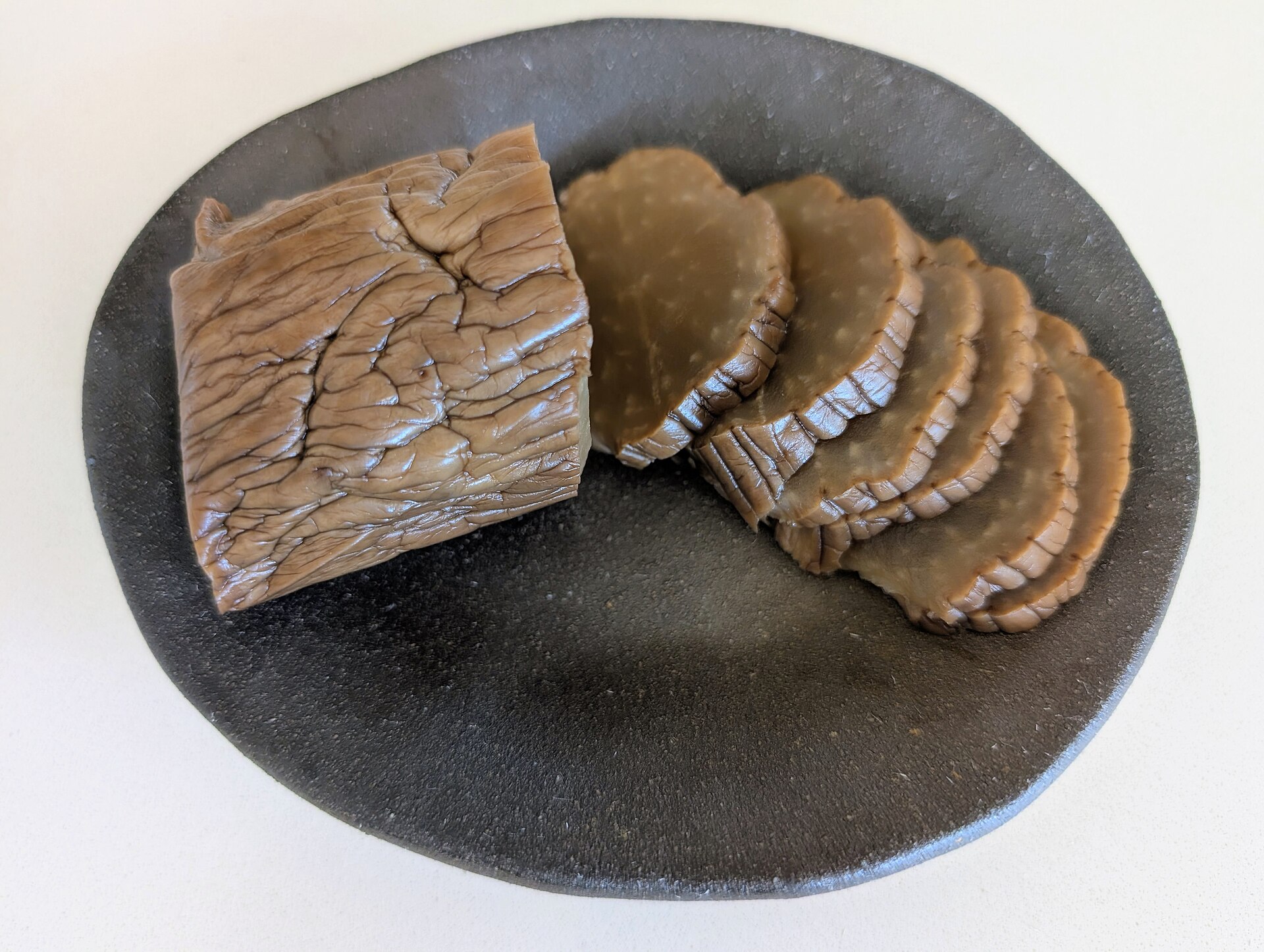
Iburigakko
14.5 km · straight line
 Soica2001 / Public domain
Culture · Akita★★
Kakunodate Festival
18.3 km · straight line
Distances are straight lines on the map, not travel times.