Akita · YokoteNo.1067★★Open in map →
Iburigakko
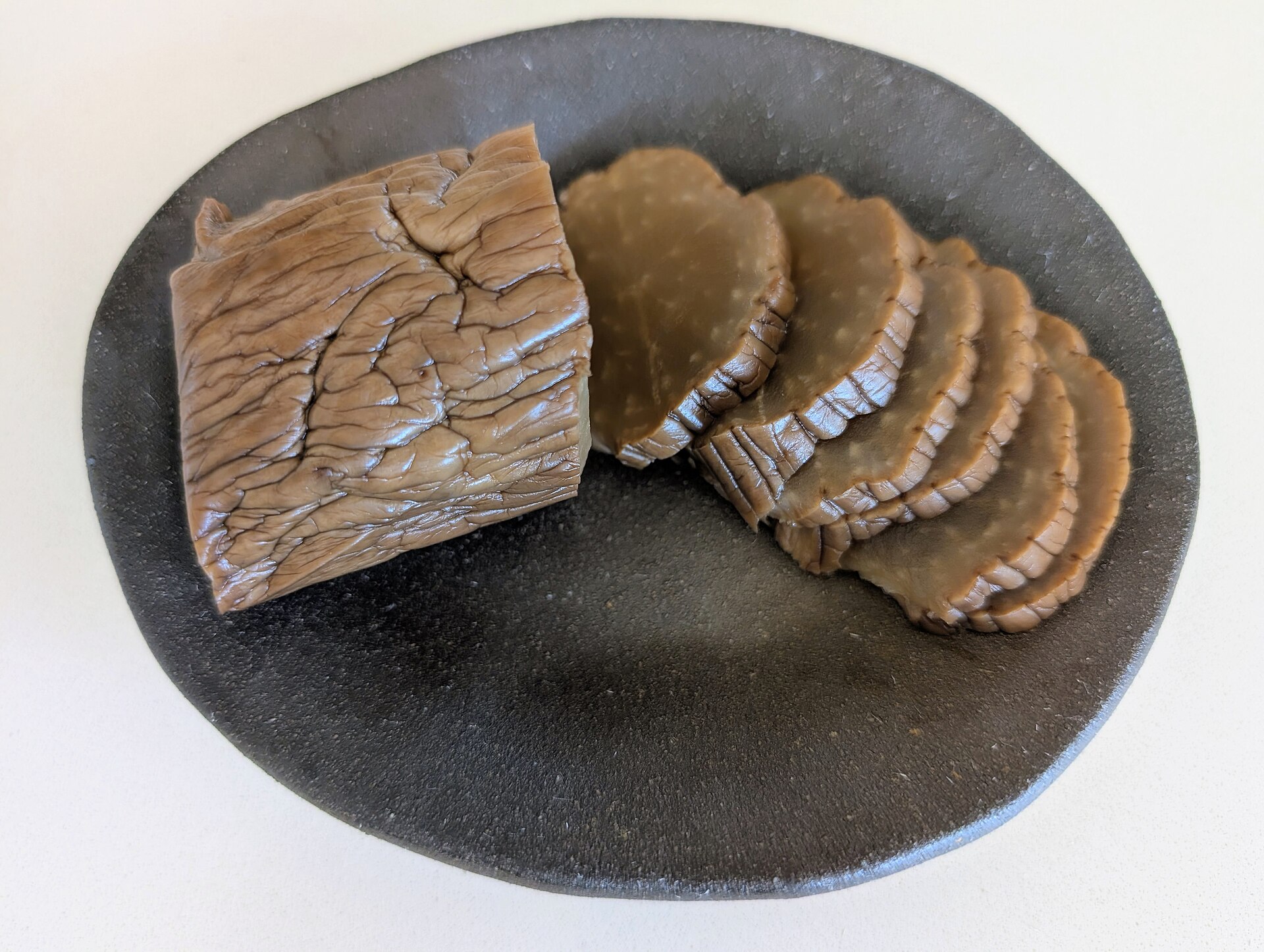
— Akita's daikon, smoked before it is pickled
Daikon dried in hardwood smoke, then fermented in rice bran: the pickle of an Akita valley where winter beat the drying season. Akita Furusato-mura, a prefectural complex outside Yokote that charges nothing to enter, ranges it beside the rest of the province's food.
- FromYokote Station
- ~15 minLocal bus, ~15 min from Yokote
- Get off atAkita Furusato-mura bus stop (Ugo Kotsu)
- On foot
- Iburigakko
The sweet spot
Iburigakko now sits on every souvenir shelf in the prefecture, so it is not a find. What gets lost is that it is not a flavouring idea but an answer to weather. The inland south takes snow before the drying season opens, and the smoke hut exists because the sun was never on offer. Seeing it lined up beside the rest of the province's pickles is what makes that legible.
Where it is
34 more notes in Akita · open the map →What to look for — in walking order
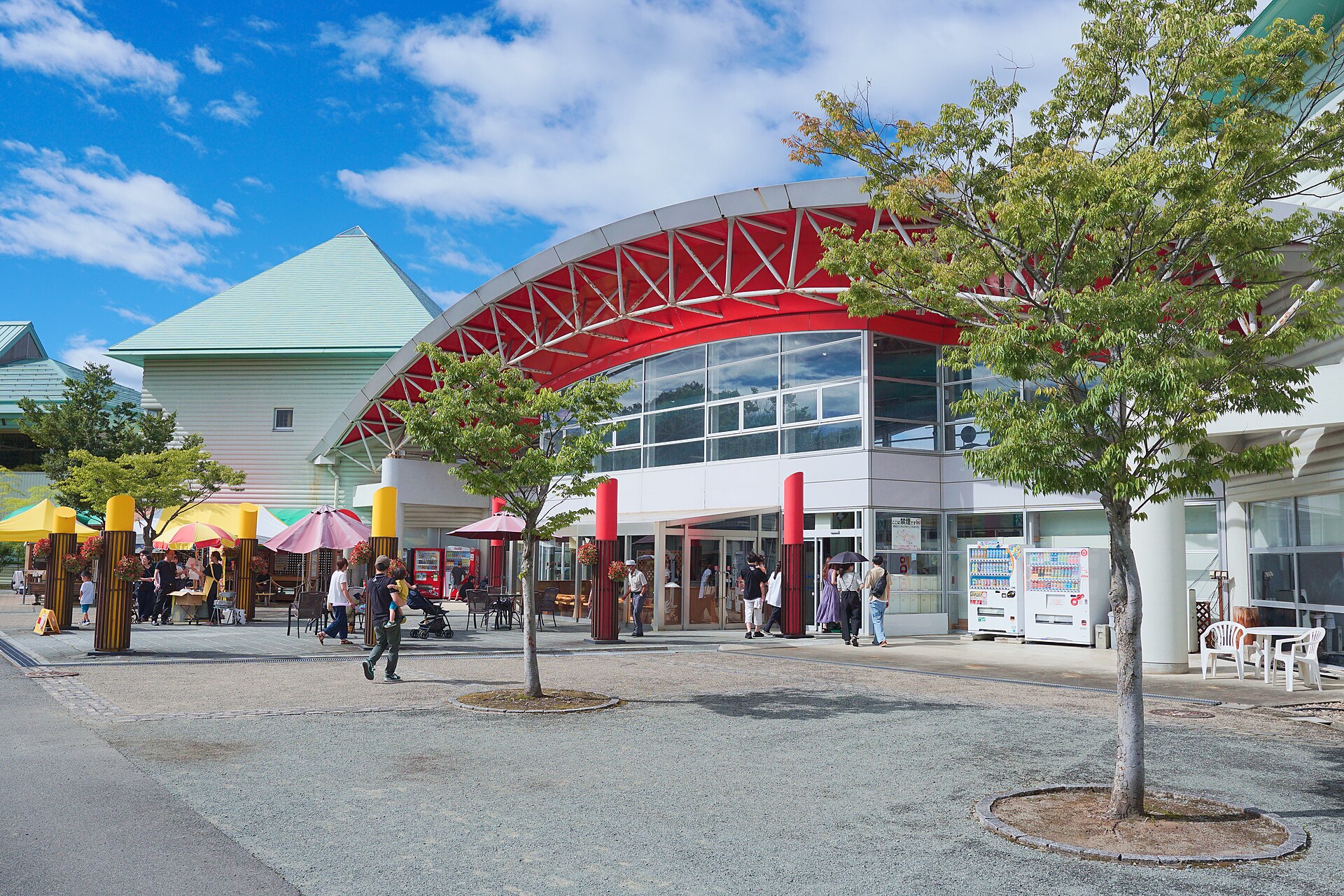
- Furusato Hirobathe open plaza the halls face, and the first thing past the gate
- Akita Ichiba-kanthe market hall, where iburigakko sits alongside prefecture sake, dried goods and sweets
- The crafts hallAkita woodwork, lacquer and pottery, shown and worked on the floor
- The dome theatrethe covered hall on the grounds, used for shows and events through the year
- Akita Museum of Modern Artthe prefectural art museum on the same grounds, strong on Akita ranga and painters of the province
How to actually get there
- Tokyo → Omagari (Akita Shinkansen Komachi), then the JR Ou Line to Yokote Station.
- Yokote Station → Akita Furusato-mura (Ugo Kotsu local bus, about 15 minutes).
- Work the grounds from the plaza: the market hall first, then the crafts hall and the dome.
- Finish at the prefectural art museum on the same grounds before taking the bus back.
- Local bus from Yokote Station
- Yokote Station → Akita Furusato-mura on an Ugo Kotsu local bus, about 15 minutes. Yokote is on the JR Ou Line, reached from Akita in the north or from Omagari, where the Akita Shinkansen stops. Fares on this village line are quoted differently in different places, so check the operator rather than trusting a printed figure.
- Back to Yokote Station
- The same line returns to Yokote Station. A local route like this thins out long before the last train, so the bus timetable rather than the railway decides when the visit ends. If the gap falls awkwardly, the run back into town is short enough for a taxi.
About the place
Iburigakko starts with whole daikon, washed and strung up inside a smoking hut. A hardwood fire of oak or cherry burns below them, and the smoke does the drying that sunlight would do elsewhere. Under the protected standard the smoking runs at least two days, and the radishes then go into a rice-bran bed with salt and sugar for at least forty days at low temperature. What comes out is dark brown, firm enough to snap between the teeth, and smells of the fire rather than of vinegar. Growers in Yokote have long raised their own radishes and run their own huts, which is why the smoke rather than the shop is what people picture.
How to enjoy it
The bus from Yokote takes about fifteen minutes, which makes this a half day rather than a trip of its own. November and December are when the smoke huts of the Yamauchi district are actually running, and that is the season the food belongs to. Vacuum-packed iburigakko travels, so the buying can wait until the end rather than be carried around all afternoon.
Background & history
Gakko is the Akita word for pickles and iburi means smoked. The inland south of the prefecture sits where damp westerlies off the Sea of Japan bank up against the Ou mountains, so snow comes early and daylight is short — the conditions that rule out drying a radish outdoors. Farmhouses hung them indoors over the hearth instead, and the smoke became the method rather than a workaround. The name was entered on Japan's geographical indication register on 8 May 2019, which fixed what may be sold under it.
Before you go
- Cash
- Entering the grounds costs nothing. The halls that charge — the trick-art castle, the planetarium, the art museum — take their fees separately at their own counters, and combination tickets exist. Those rates change, so read the official page for the day you go rather than a guidebook.
- Good to know
- The complex runs on daytime hours and shuts in the late afternoon, with individual halls setting their own last admission inside that. Maintenance closures are announced ahead of time on the official site. Yokote is deep snow country, so in winter the variable is the road and the bus rather than the village.
- Another way
- By car the grounds sit immediately off the Yokote interchange of the Akita Expressway, which makes this an easy break on a drive between Akita city and the Tohoku Expressway rather than a destination in itself.
- After you get off
- The bus stop is at the entrance to the grounds, not out on the highway. From it the gate and the plaza are straight ahead, and the halls stand around that plaza.
Nearby notes
 Rarisan / CC0
Culture · Akita★★
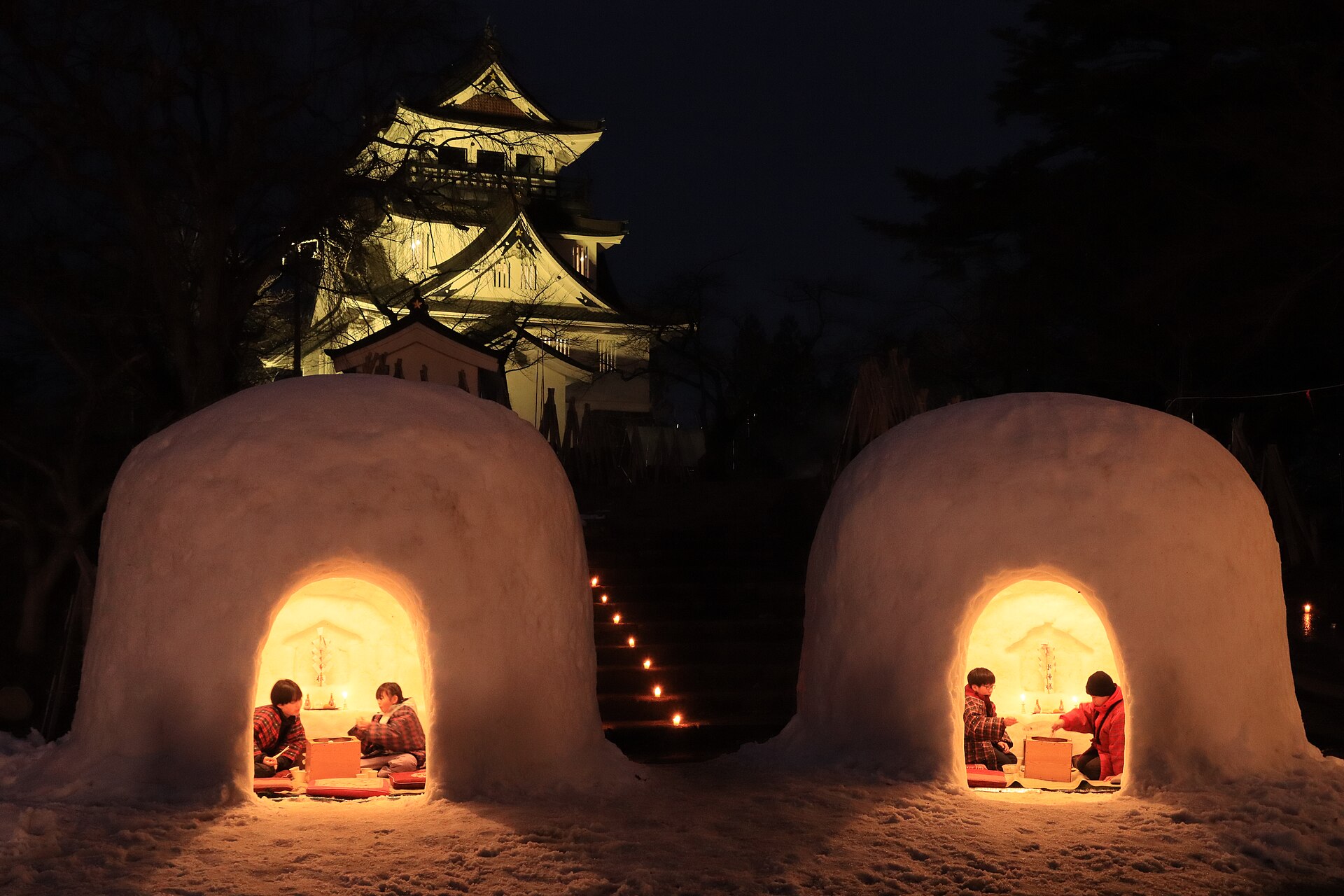
Yokote Kamakura Snow Festival
2.9 km · straight line
 Totti / CC BY-SA 4.0
Food · Akita★★
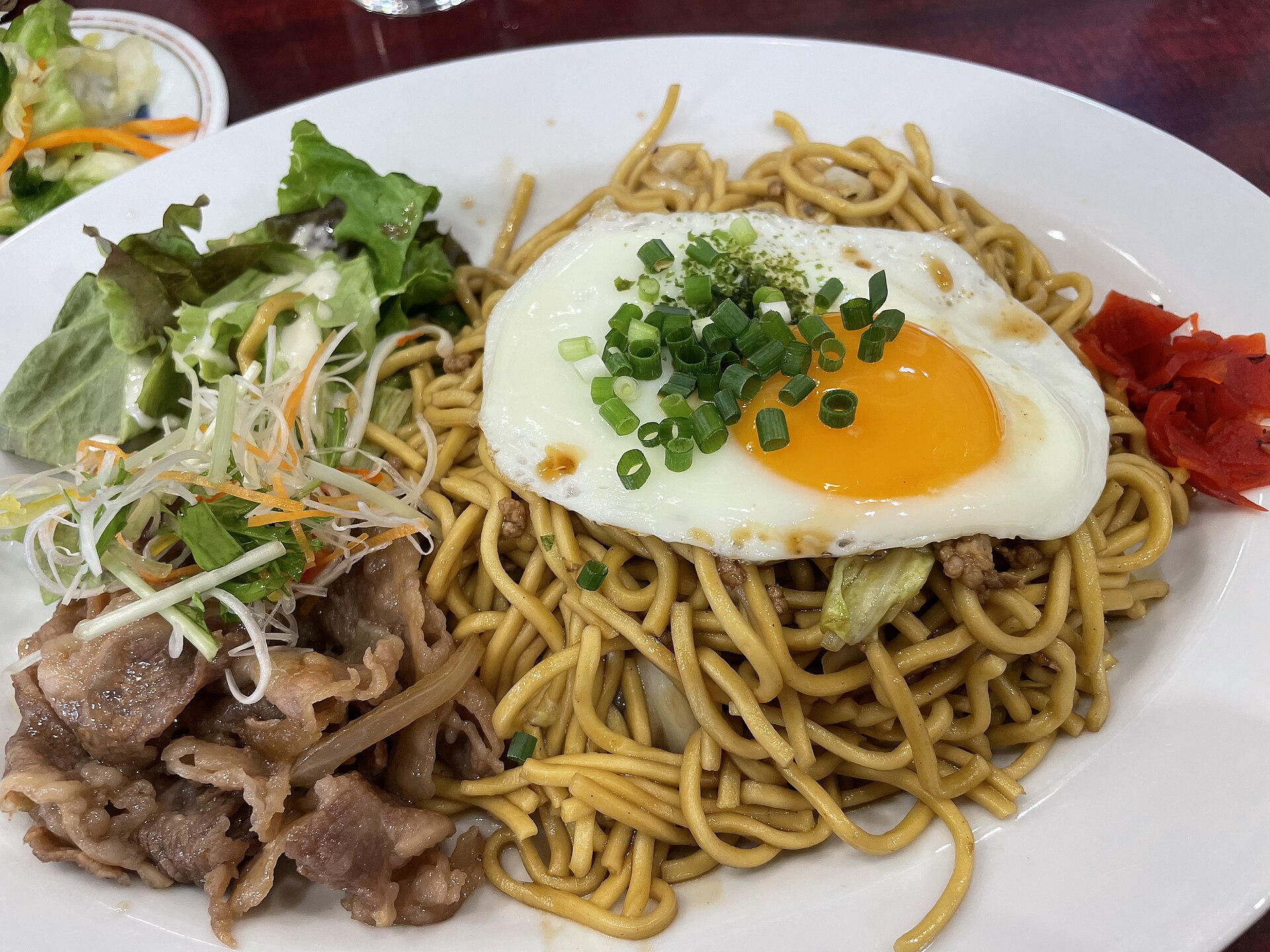
Yokote Yakisoba
7.8 km · straight line
 天然芝 / CC BY-SA 3.0
History · Akita★★
Masuda Uchigura Storehouses
10.0 km · straight line
 ブルーノ・プラス / CC BY-SA 4.0
Local life · Akita★
Rokugo Springs
14.5 km · straight line
Distances are straight lines on the map, not travel times.