Akita · Yokote, JumonjiNo.1098★★Open in map →
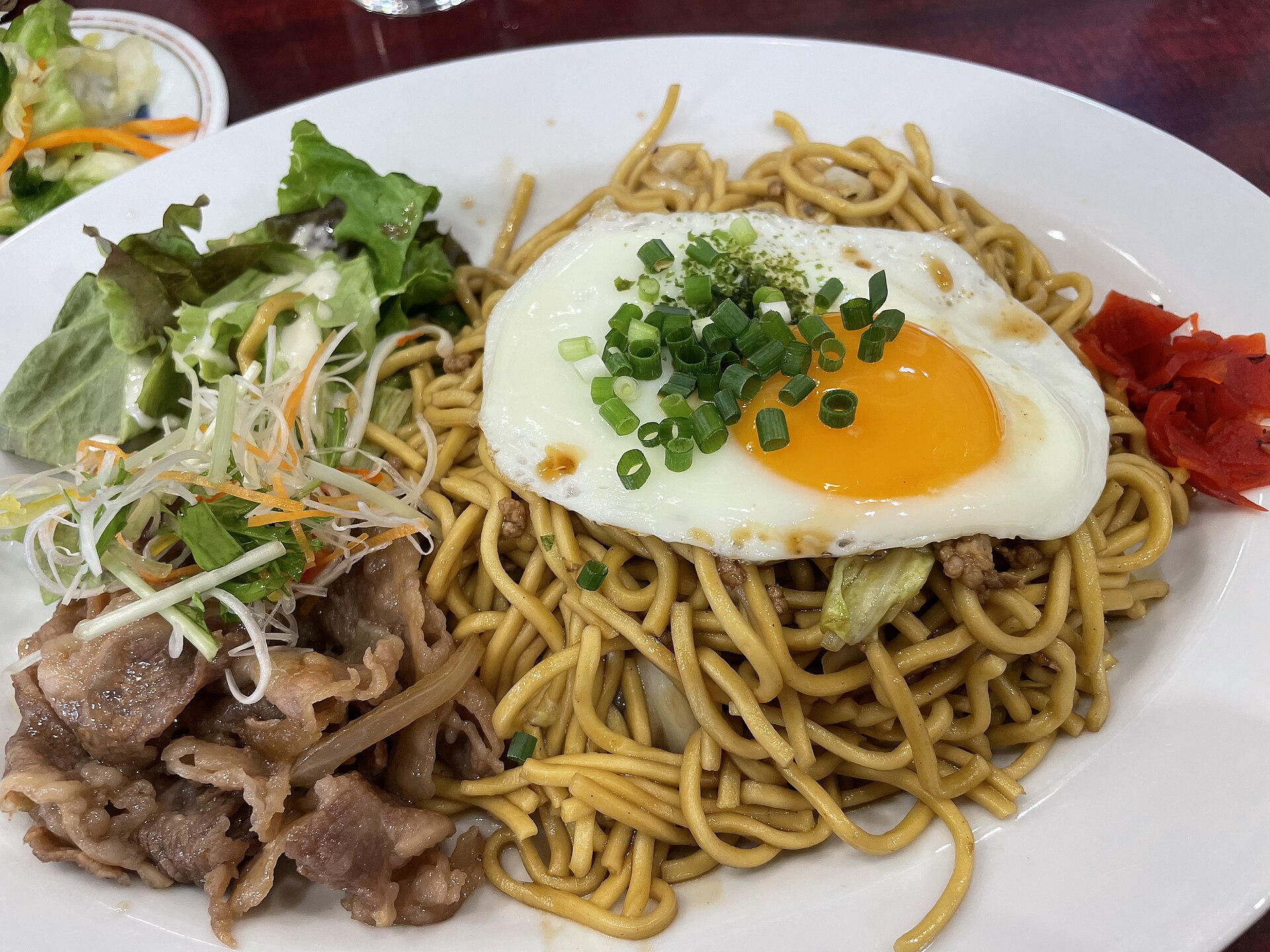
Yokote Yakisoba
— Akita's fried noodles under a soft fried egg
Thick boiled noodles fried with cabbage and pork, finished with a soft fried egg to break over them. A roadside station on Route 13, out at the Jumonji crossroads, serves it beside the produce and pickles of the same valley.
- FromJumonji Station (JR Ou Line)
- ~15 minJR Ou Line, then 15 min on foot
- Yokote Yakisoba
The sweet spot
This is not a find. Yokote's noodle won a national street-food contest on its own ground and has been on every Akita food list since. What is easy to miss is that it began as a griddle experiment in a town with no restaurant trade to speak of, and that the fried egg is the whole idea: it is not a garnish but the sauce, broken over the noodles at the table.
Where it is
34 more notes in Akita · open the map →What to look for — in walking order
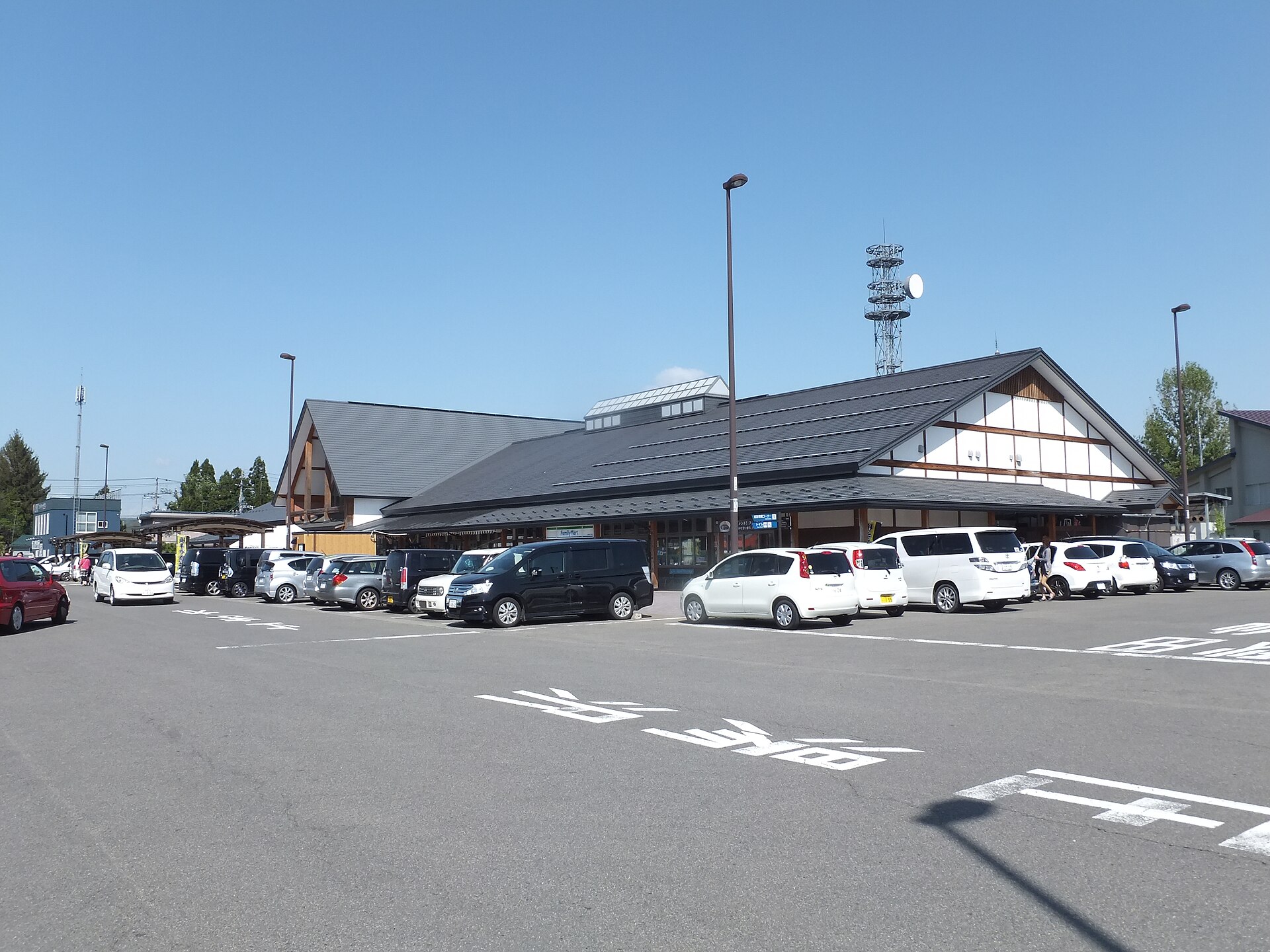
- Michi-no-Eki Jumonjithe roadside station on Route 13, at the crossroads town south of Yokote
- The Fureai farm standthe produce hall, with the valley's vegetables, fruit and smoked-pickle goods
- The sake and gift cornerprefecture sake and packaged local goods, at the back of the same hall
- Mamederayathe canteen on the grounds, where the yakisoba is served at midday
- The rest and exchange hallthe covered hall used for events, with washrooms open around the clock
How to actually get there
- Tokyo → Omagari (Akita Shinkansen Komachi), then the JR Ou Line south through Yokote to Jumonji Station.
- Jumonji Station → Michi-no-Eki Jumonji, about fifteen minutes on foot along the road to Route 13.
- Eat first at the canteen, while its midday window is open.
- Then work the produce hall and the sake corner before walking back to the station.
- From Jumonji Station on foot
- Jumonji is a stop on the JR Ou Line south of Yokote, which is itself reached from Omagari, where the Akita Shinkansen calls. From the station the roadside station is about fifteen minutes on foot, or three minutes by car. Services on this stretch are thin outside the commuting hours, so build the visit around the train rather than the other way round.
- Back to Jumonji Station
- The walk reverses along the same road. Trains here run at wide intervals through the middle of the day, and the last of them leaves well before the night is over, so check the departure board on the way out rather than after lunch. Yokote is deep snow country, and in winter the pavement rather than the timetable is what slows the return.
About the place
The noodle comes first. Yokote uses a thick, straight, square-cut boiled noodle, made locally and supplied by the mills that belong to the trade association, which is why the texture holds steady from shop to shop while the taste does not. Cabbage and minced pork go in with it. The sauce starts from Worcestershire and each kitchen adds its own, so the edge is soft rather than sharp. On top goes a fried egg left soft, meant to be broken and pulled through the noodles, and a heap of fukujinzuke sits beside the plate instead of the red ginger used elsewhere.
How to enjoy it
The canteen runs a short midday window rather than all day, so this is a lunch stop and not an evening one — read the board at the door before you settle in. The produce hall keeps longer hours, which makes the order simple: eat first, shop after. Spring brings mountain vegetables to the stand and June brings cherries, so what is beside the noodles changes with the month.
Background & history
The dish traces to the years just after the war, when a man running an okonomiyaki stall in Yokote looked for something else to put on the same iron griddle. He worked with local noodle makers until the noodle itself was settled around 1953, and it spread first as a cheap thing to eat rather than as a restaurant dish, sold from sweet shops and house fronts. Recognition came much later: at the fourth B-1 Grand Prix, held in Yokote in 2009, the town's noodle took the gold.
Before you go
- Cash
- Entering the grounds costs nothing. You pay at the canteen counter and at the produce hall separately, and each posts its own prices. Payment methods vary between the tenants, so carrying cash is the safe assumption at a stop this size.
- Good to know
- The halls and the canteen set their own hours and rest days, and the canteen closes earliest of them. Washrooms and the rest hall stay open around the clock. This is a snow region, so in winter the road and the walk from the station are the variables, not the building.
- Another way
- By car the grounds sit about three minutes from the Jumonji interchange of the Yuzawa-Yokote road, directly on Route 13, which makes this a natural break on a drive between Akita city and the south rather than a destination of its own.
- After you get off
- From Jumonji Station, walk out and follow the road north-west towards Route 13. The roadside station stands on the highway itself, with the parking apron in front and the halls set behind it.
Nearby notes
 天然芝 / CC BY-SA 3.0
History · Akita★★
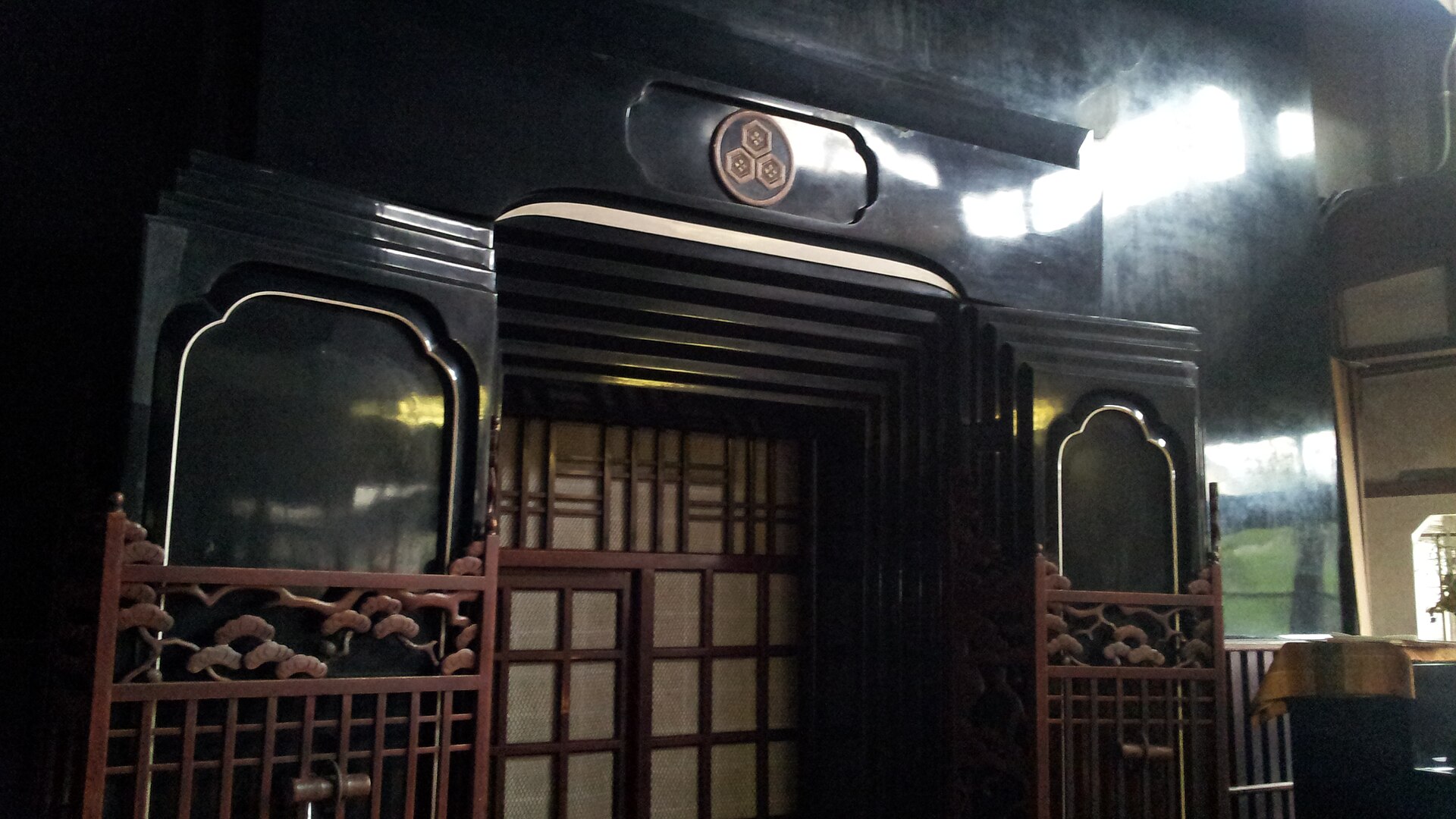
Masuda Uchigura Storehouses
3.3 km · straight line
 Asamboi / CC BY-SA 4.0
Food · Akita★★
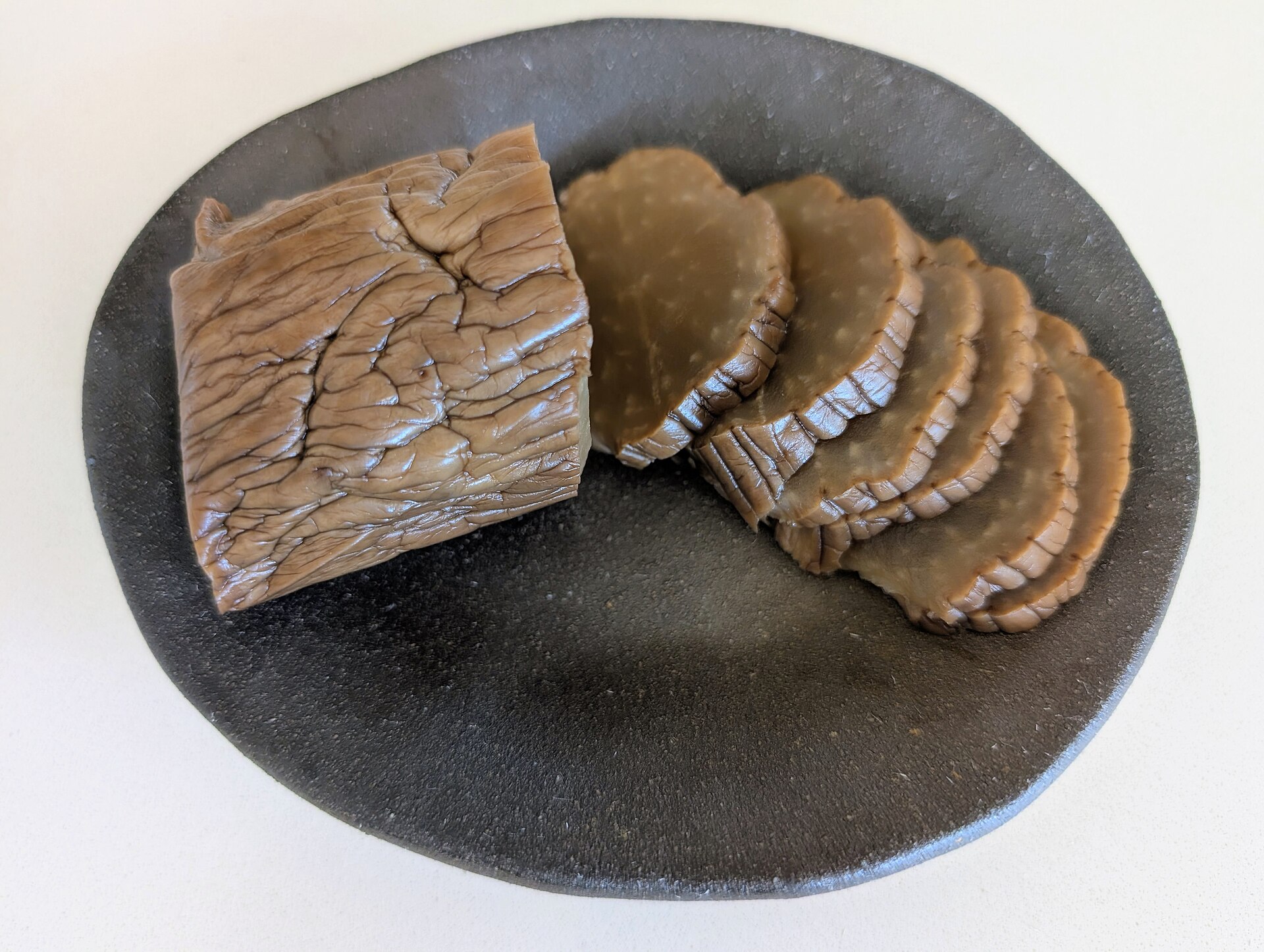
Iburigakko
7.8 km · straight line
 掬茶 / CC BY-SA 4.0
Craft · Akita★★
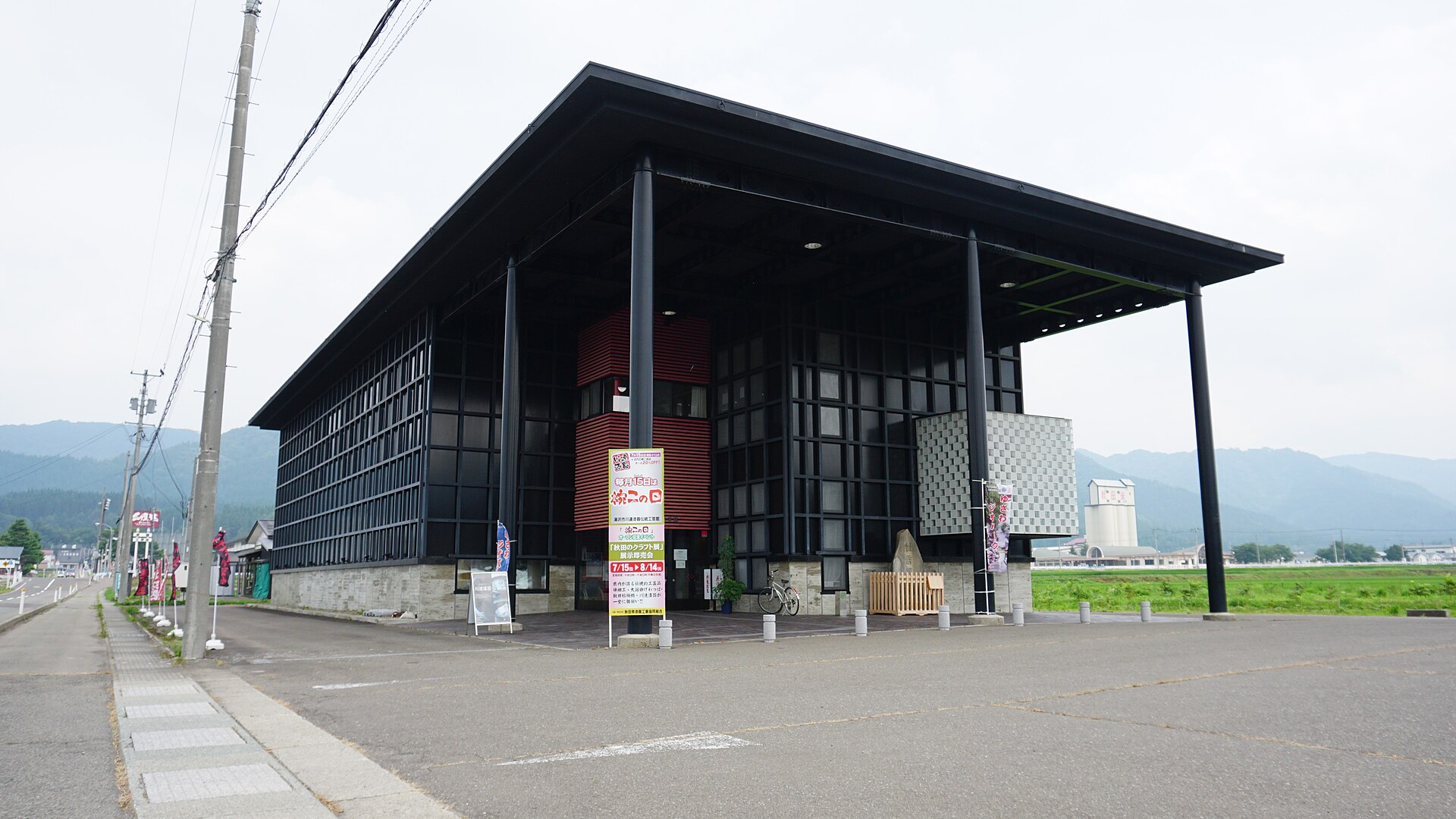
Kawatsura Lacquerware
9.9 km · straight line
 Rufiyaa / CC BY-SA 4.0
Culture · Akita★★
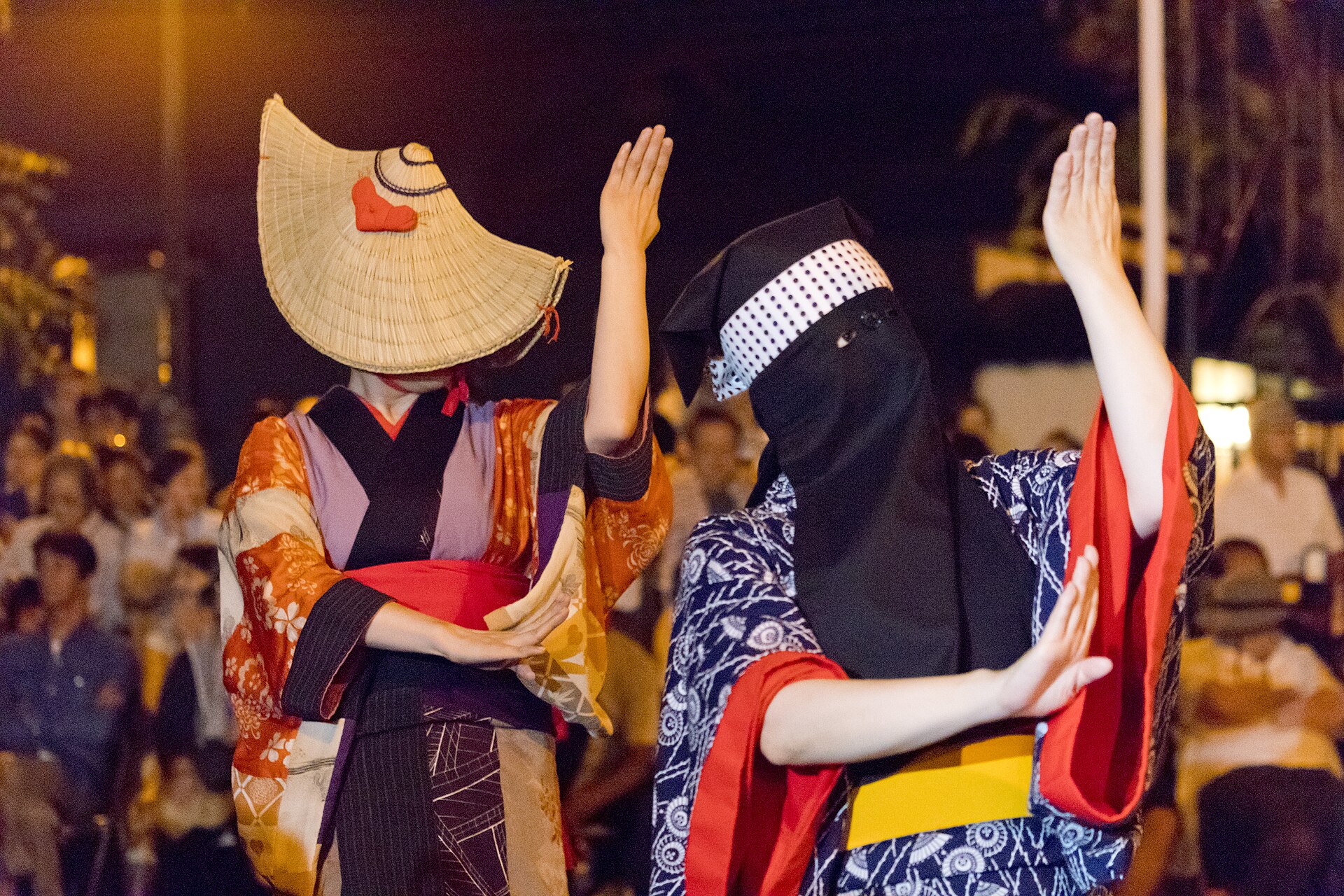
Nishimonai Bon Odori
10.5 km · straight line
Distances are straight lines on the map, not travel times.