Ugo, Akita · NishimonaiNo.1266★★Open in map →
Nishimonai Bon Odori
— Three August nights of hooded dancers by firelight
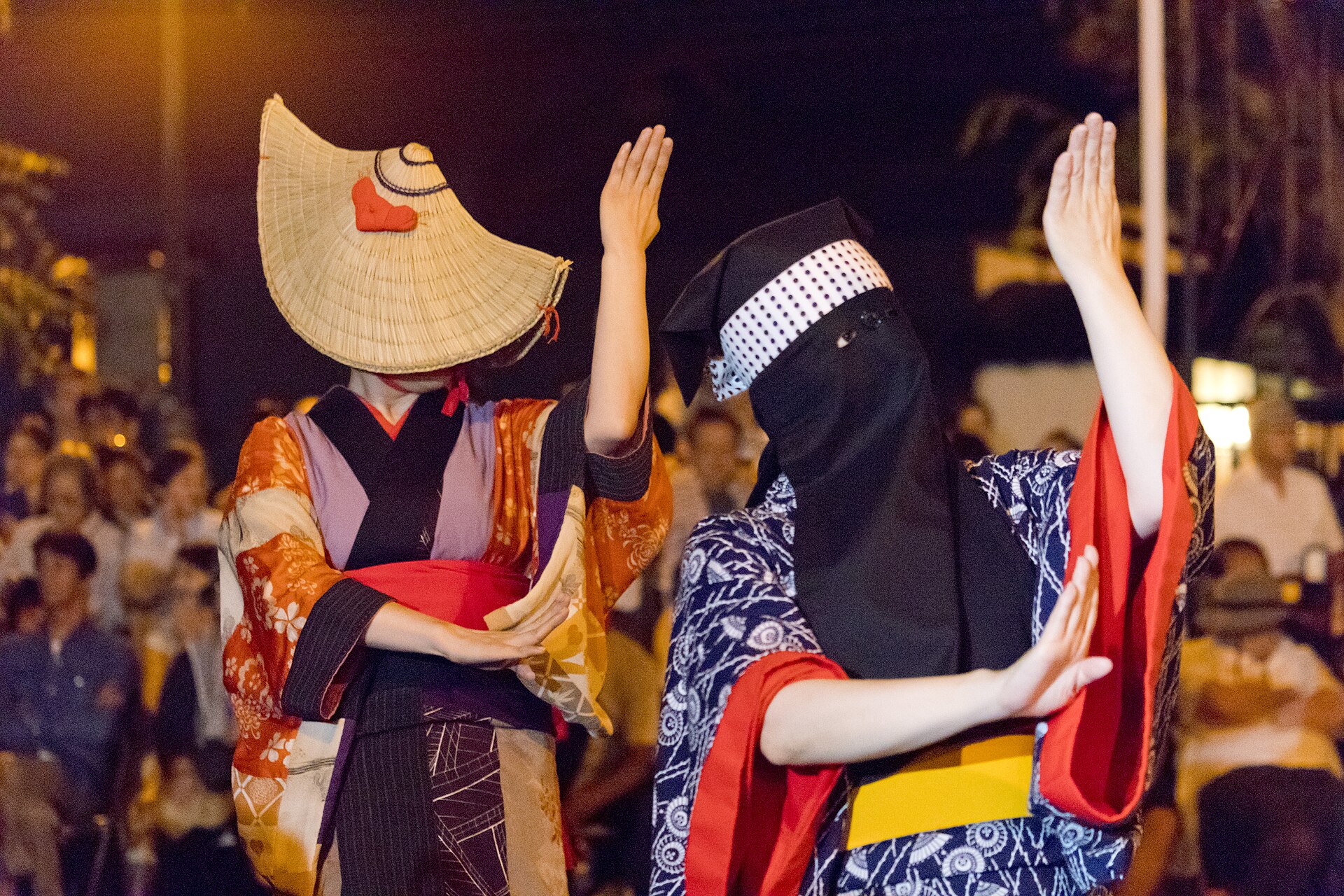
From 16 to 18 August, the town of Ugo in southern Akita lights bonfires along Nishimonai's main street and dances late into the night. The dancers hide their faces, and the dance is inscribed by UNESCO as one of Japan's furyu-odori.
- FromYuzawa Station (JR Ou Line)
- ~15 min by carTaxi or local bus from Yuzawa
- Nishimonai Bon Odori
The sweet spot
Nobody would call this hidden. It is a nationally designated folk property, and paid seats along the street are sold ahead of time. What visitors tend to miss is timing, and the rest of the year. The dancing opens with children, and the adult dancers fill the street later in the evening. On an ordinary day, a hall in the same district keeps the costumes and the footage.
Where it is
34 more notes in Akita · open the map →What to look for
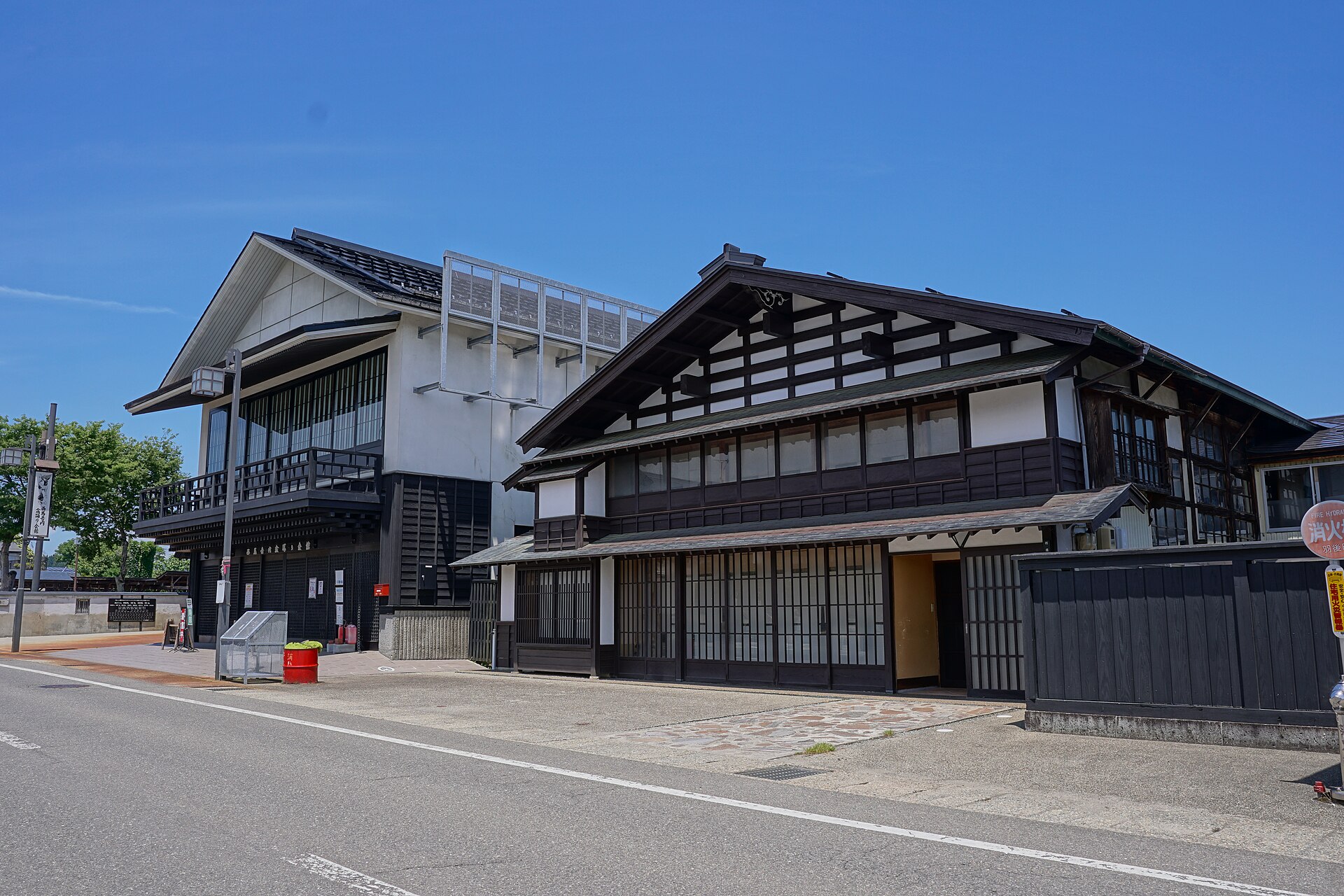
- Nishimonai Bon Odori Kaikanhall in the Honcho district, with old costumes, dancer dioramas and a 200-inch screen of festival footage
- Honcho-dorithe street the dance fills, lined with bonfires after dark on festival nights
- The musicians' yaguraraised stage built in the street, where the flute, drums and singers play
- Hosenji templetemple in Nishimonai's temple quarter, tied by tradition to the dance's memorial roots
- Nishimonai Mitake Shrineshrine once dedicated to Zao Gongen, named by tradition as the dance's first ground
How to actually get there
- Tokyo → Omagari Station (Akita Shinkansen Komachi), then change to the JR Ou Line for Yuzawa Station.
- Yuzawa Station → Nishimonai (taxi, about 15 min; or the Ugo Kotsu Nishimonai Line bus to Hashiba).
- Start at the Nishimonai Bon Odori Kaikan in Honcho.
- On festival nights, stay until the adult dancers arrive, then take the shuttle or a pre-booked taxi back to Yuzawa.
- Taxi or local bus from Yuzawa Station
- Yuzawa Station on the JR Ou Line is the nearest station. From Tokyo, take the Akita Shinkansen to Omagari and change to the Ou Line for Yuzawa. From Yuzawa, a taxi takes about 15 minutes. By day, the Ugo Kotsu Nishimonai Line bus runs from the station forecourt to Hashiba (Nishimonai) in roughly 20–25 minutes, but only a handful of times a day and fewer at weekends and over Obon.
- Getting back after the dancing
- Route buses finish by late afternoon, long before the dancing starts, so plan the return in advance. On festival nights the tourism association has run a shuttle bus for rail travellers to JR Yuzawa Station; check that year's notice. Otherwise, book a taxi or stay in the area.
About the place
Nishimonai is the centre of Ugo, an inland town in the south of Akita Prefecture. On dance nights its main street, Honcho-dori, is closed to cars and lined with bonfires. Musicians play from a raised yagura stage in the street, with flute, drums, shamisen, hand drum and gongs. Women dancers wear hanui, robes pieced together from many scraps of silk, or indigo-dyed yukata. Their faces stay hidden, either under a half-moon straw hat or inside a black hikosa hood open only at the eyes. The hidden face is said to represent the dead. Two dances share the night: the slow, flowing ondo, and the quicker, more mournful ganke that follows it.
How to enjoy it
The dancing runs 19:30–22:30 on the first two nights and until 23:00 on the last. The early part of each evening is danced mostly by children, so stay on to see the adult dancers fill the street. By day, the Kaikan shows the costumes up close from 9:00 to 17:00, and a demonstration is held there on the second Saturday of each month, by reservation.
Background & history
No written record of the dance's beginnings survives, so its origins rest on local tradition. The story goes that a travelling monk had people dance for a good harvest at a Zao Gongen shrine, now Nishimonai's Mitake Shrine, in the Shoo era (1288–93). A memorial dance for the Onodera clan, lords of Nishimonai Castle who fell in 1601, is said to have been held at Hosenji temple and later merged with it. Ahead of a national folk-dance festival in Tokyo in 1935, the town refined the steps and costumes into today's form. The state designated it an Important Intangible Folk Cultural Property in 1981, and UNESCO inscribed it in 2022.
Before you go
- Cash
- The Kaikan was free to enter when checked. Festival parking and the seats along the street are paid, and seats sold on the day are cash only. Ugo Kotsu buses take cash and some QR-code payments.
- Good to know
- If rain rules out the street, the dance moves indoors to the Ugo Town General Gymnasium, and the decision is announced on the day. The Kaikan closes on Mondays (the following day when Monday is a holiday) and over the New Year.
- Another way
- Flying in, take the limousine bus from Akita Airport to Akita Station, then ride the JR Ou Line south to Yuzawa. By car, leave the Yuzawa-Yokote Road at Yuzawa IC and take Route 398 north.
- After you get off
- From Yuzawa Station, take a taxi or the bus into Nishimonai. The Kaikan stands in Honcho, the same district as the dance street, and on festival days the same-day seats are sold inside it.
Nearby notes
 Totti / CC BY-SA 4.0
Food · Akita★★
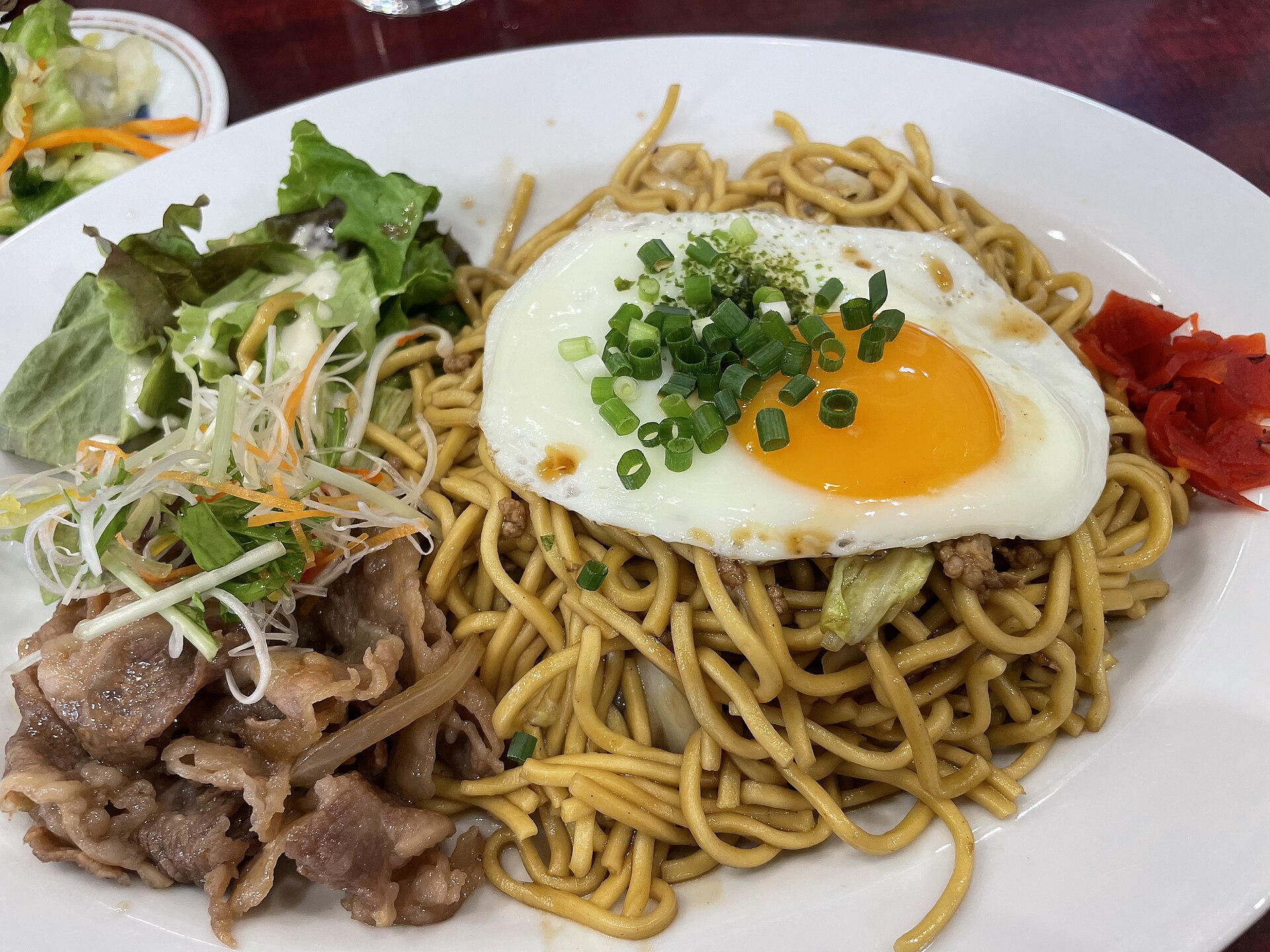
Yokote Yakisoba
10.5 km · straight line
 天然芝 / CC BY-SA 3.0
History · Akita★★
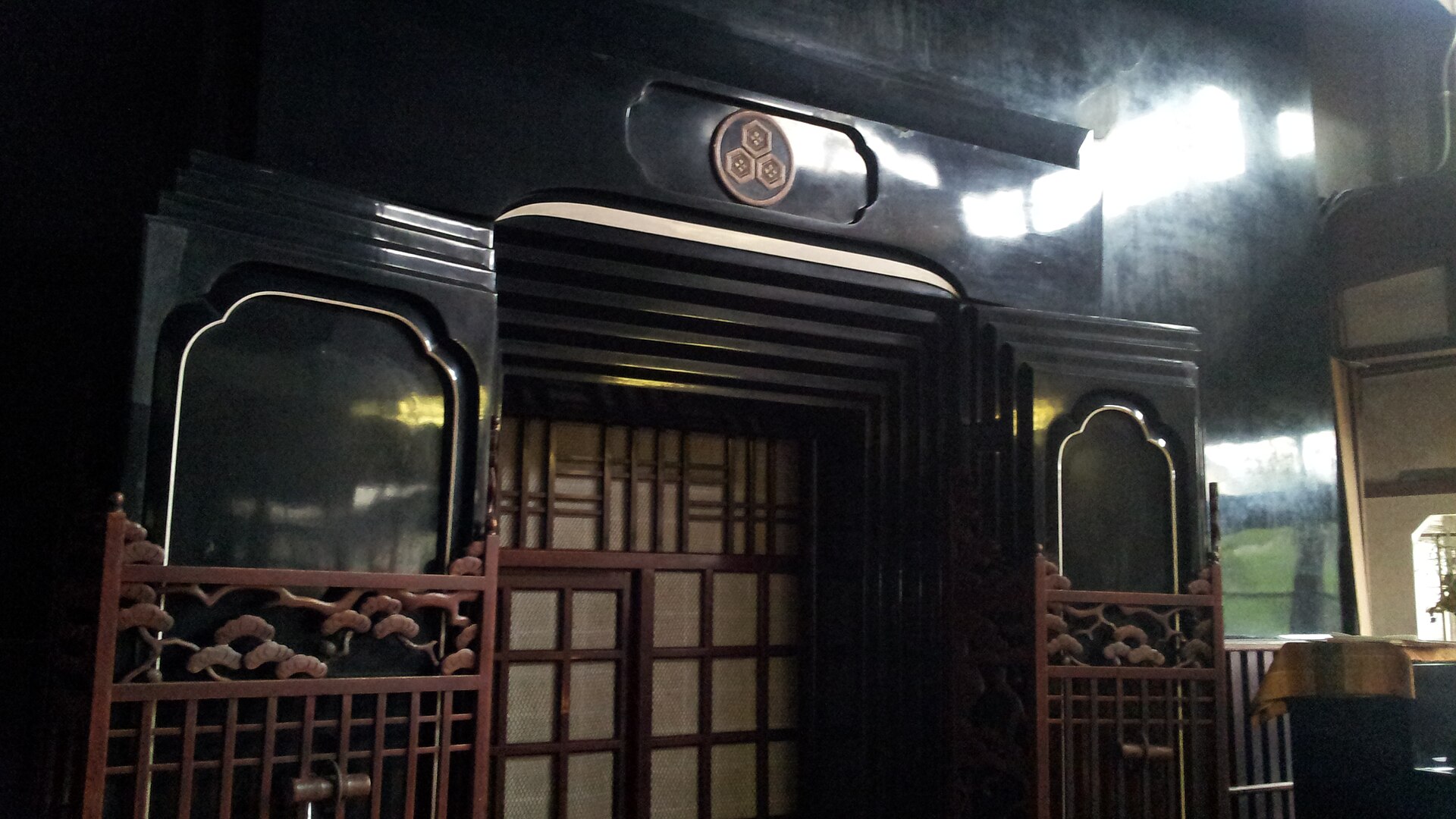
Masuda Uchigura Storehouses
12.2 km · straight line
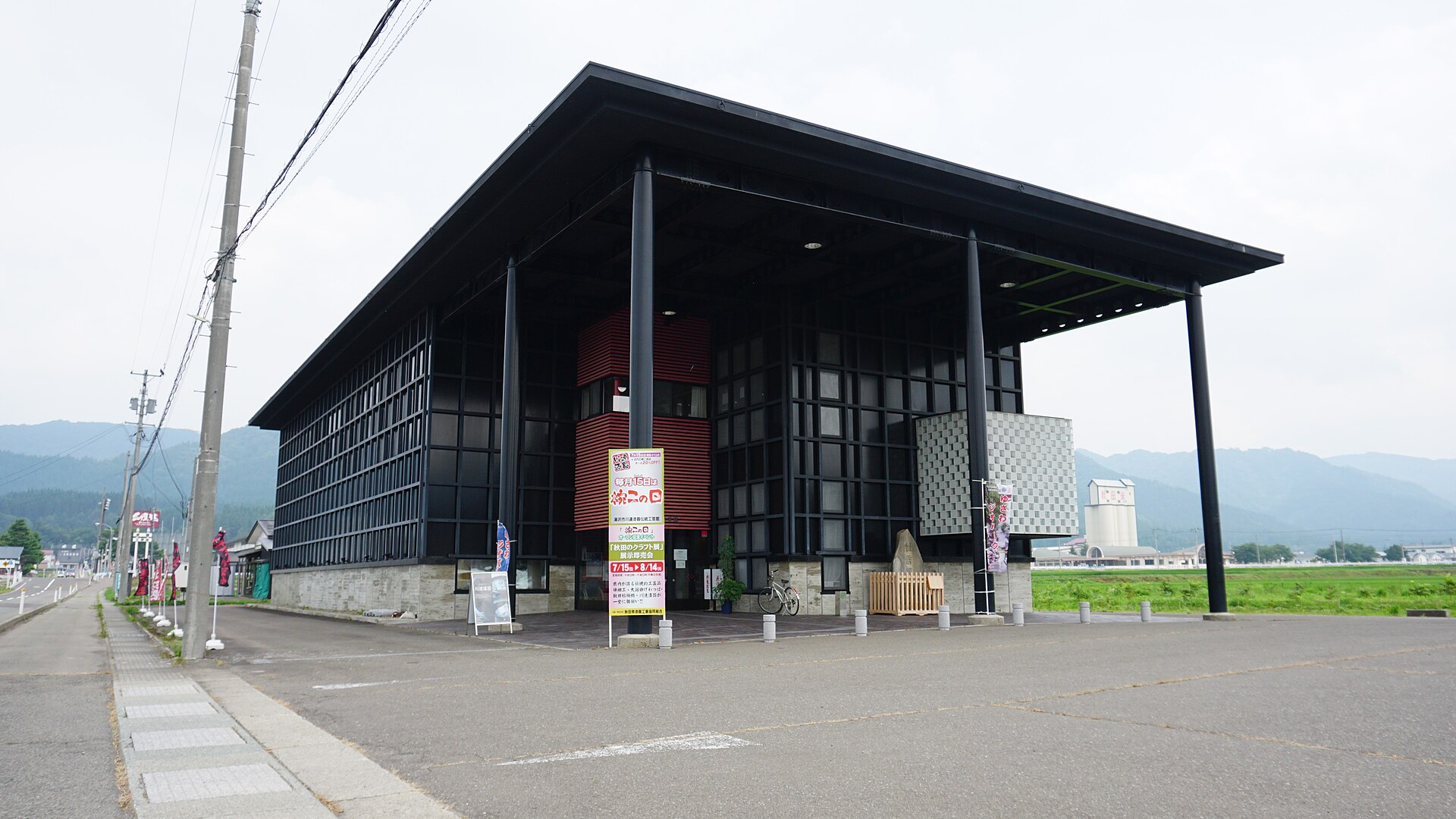 掬茶 / CC BY-SA 4.0
Craft · Akita★★
Kawatsura Lacquerware
15.4 km · straight line
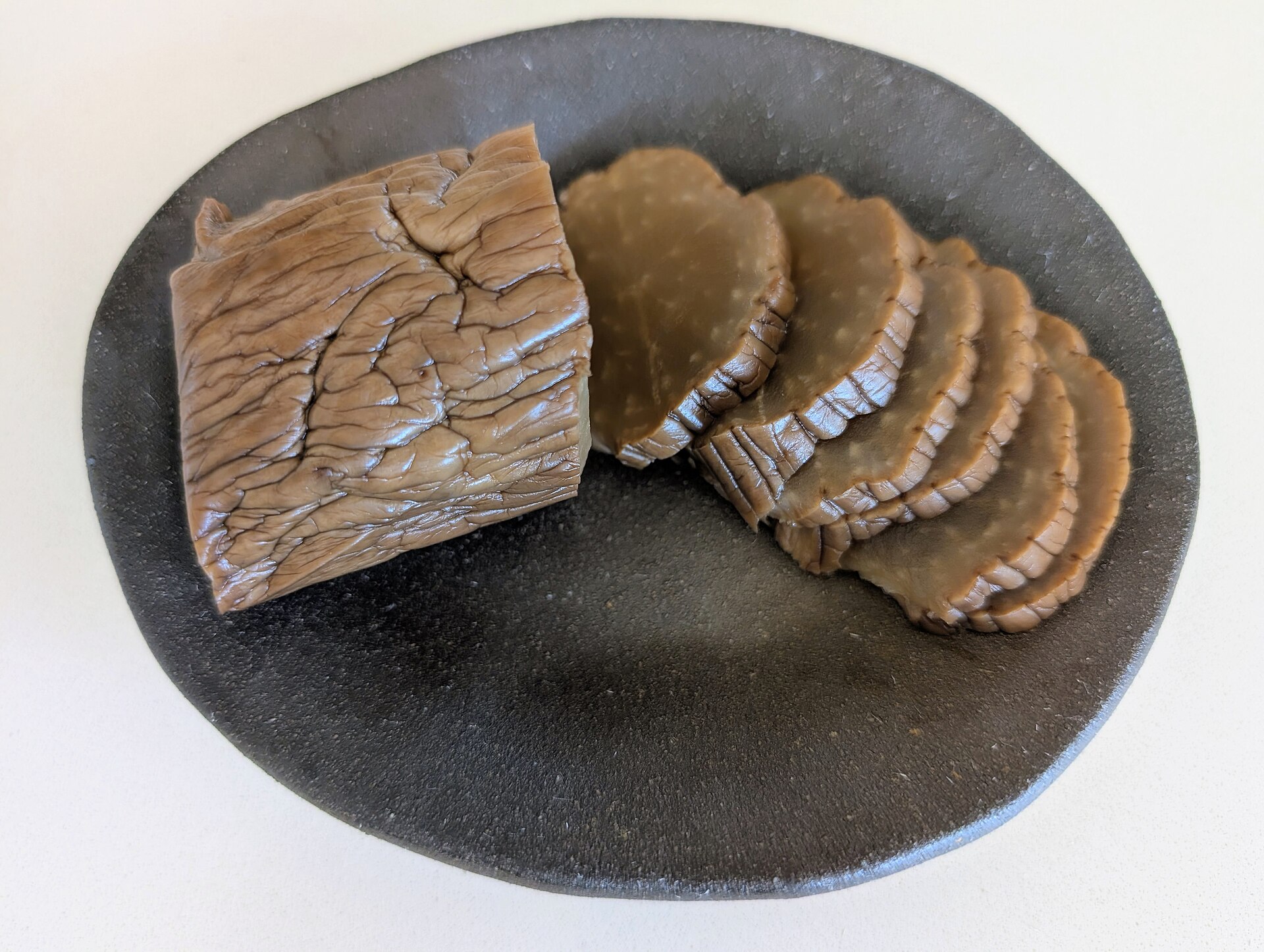 Asamboi / CC BY-SA 4.0
Food · Akita★★
Iburigakko
16.1 km · straight line
Distances are straight lines on the map, not travel times.