Yuzawa · KawatsuraNo.1259★★Open in map →
Kawatsura Lacquerware
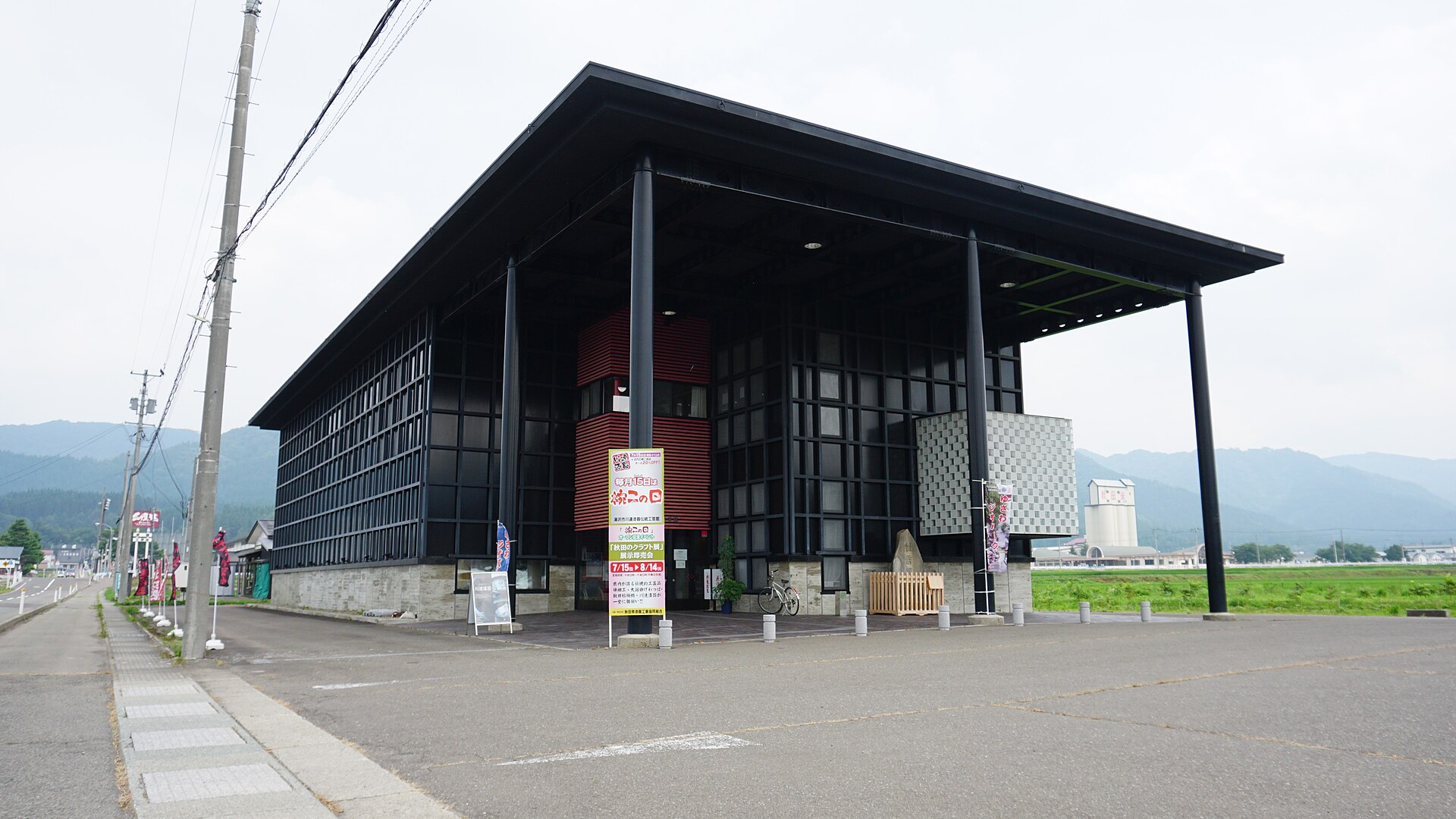
East of central Yuzawa, the Kawatsura district has made lacquerware for centuries. Its cooperative's craft hall sets out pieces from chopsticks to furniture on the ground floor, while the floor above traces the trade through its tools and records.
- FromYuzawa Station
- ~15 min by busLocal bus, few departures a day
- Get off atInakawa Chugakko-mae (Ugo Kotsu bus)
- From there
- Kawatsura Lacquerware
The sweet spot
Kawatsura lacquerware is a nationally designated traditional craft, so the name is not hidden. What gets missed is the place that makes it. The cooperative's hall stands in Kawatsura, east of central Yuzawa, and the bus that serves it runs only a few times a day.
Where it is
34 more notes in Akita · open the map →What to look for — in walking order
- Information hallground-floor counter for local products and tourist information
- Sales floorground-floor displays running from chopsticks and accessories to tables and chests
- History museumupstairs collection of documents, records and the actual tools of the trade
- Experience roomupstairs room where the chinkin and maki-e workshops are held by reservation
How to actually get there
- JR Ou Line to Yuzawa Station.
- Yuzawa Ekimae → Inakawa Chugakko-mae (Ugo Kotsu bus, Yuzawa-Oyasu line, about 15 min).
- Walk about 600 m west to the Kawatsura Lacquerware Traditional Craft Hall.
- Browse the ground floor first, then go up to the history museum and the experience room.
- Ugo Kotsu bus from Yuzawa Station
- Yuzawa Station is on the JR Ou Line. From the Yuzawa Ekimae stop, take an Ugo Kotsu bus on the Yuzawa-Oyasu line and get off at Inakawa Chugakko-mae. The ride is about 15 minutes. Departures are few, so check the current timetable before you set out.
- Note the return bus first
- Return on the same line to Yuzawa Ekimae. Only a handful of buses run each day, so write down the return times before you go in, and allow for the walk back to the stop.
About the place
Kawatsura ware is made to be used. Bowls, dining trays and stacked boxes are its core, meant for the everyday table. Its strength starts underneath the colour. Persimmon tannin mixed with charcoal powder is brushed on and sanded back, then more tannin and raw lacquer follow to harden the base. The top coat is hana-nuri: brushed on and left to dry without polishing, so the surface keeps a soft sheen. Decoration comes in two forms. In chinkin, a design is carved, rubbed with lacquer and laid with gold leaf. In maki-e, gold powder is sprinkled onto a lacquer drawing. Every stage, from groundwork to decoration, is completed within the district.
How to enjoy it
The hall is open from 9:00 to 17:00. Start on the sales floor to see what the district makes today, then go upstairs to the tools and records behind it. The chinkin and maki-e workshops need an advance reservation, so book once your travel date is fixed.
Background & history
The craft is said to date from the Kamakura period, some eight hundred years ago. A younger brother of the Onodera lord of Inaniwa Castle had his retainers lacquer scabbards, bows and armour. In the Edo period the work turned to tableware, and bowls, dining trays and stacked boxes were made in wide variety. Chinkin and maki-e decoration were added in the same era. The national government designated Kawatsura lacquerware a traditional craft in 1976.
Before you go
- Cash
- Entry to the hall is free. The chinkin and maki-e workshops are charged: at the time of checking, 2,750 yen per person for groups of three or more, with a different rate for one or two people. Carry cash for the bus fare.
- Good to know
- The hall closes only over the new year, from 31 December to 5 January. The workshops run by reservation, so a walk-in visit covers the sales floor and the history museum.
- Another way
- By car, the hall is about 15 minutes from the Yuzawa interchange on the Tohoku-Chuo Expressway, and it has its own car park.
- After you get off
- The hall is roughly 600 m west-southwest of the Inakawa Chugakko-mae stop. Check the route on a map when you step off the bus.
Nearby notes
 天然芝 / CC BY-SA 3.0
History · Akita★★
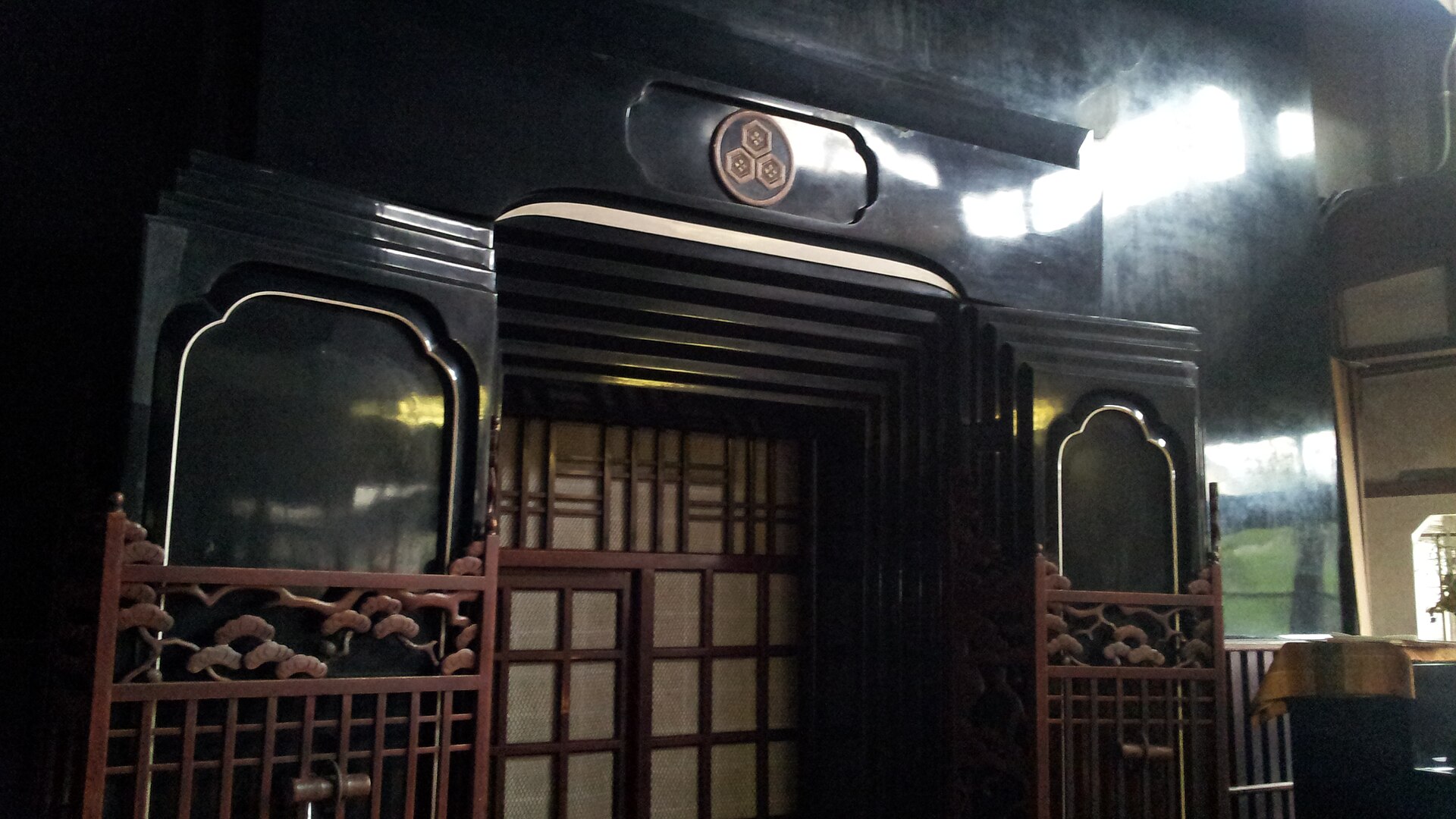
Masuda Uchigura Storehouses
6.8 km · straight line
 Totti / CC BY-SA 4.0
Food · Akita★★
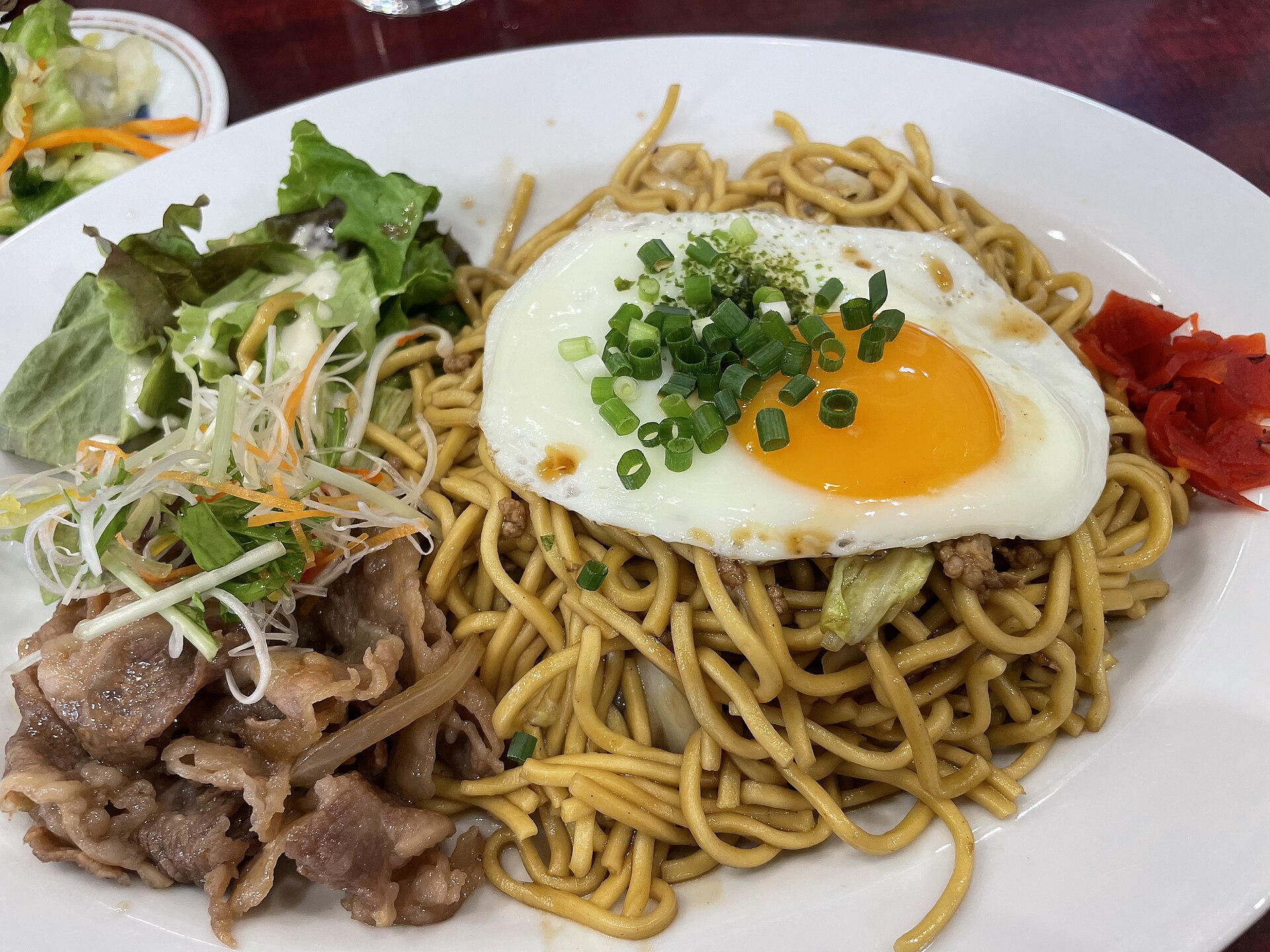
Yokote Yakisoba
9.9 km · straight line
 Rufiyaa / CC BY-SA 4.0
Culture · Akita★★
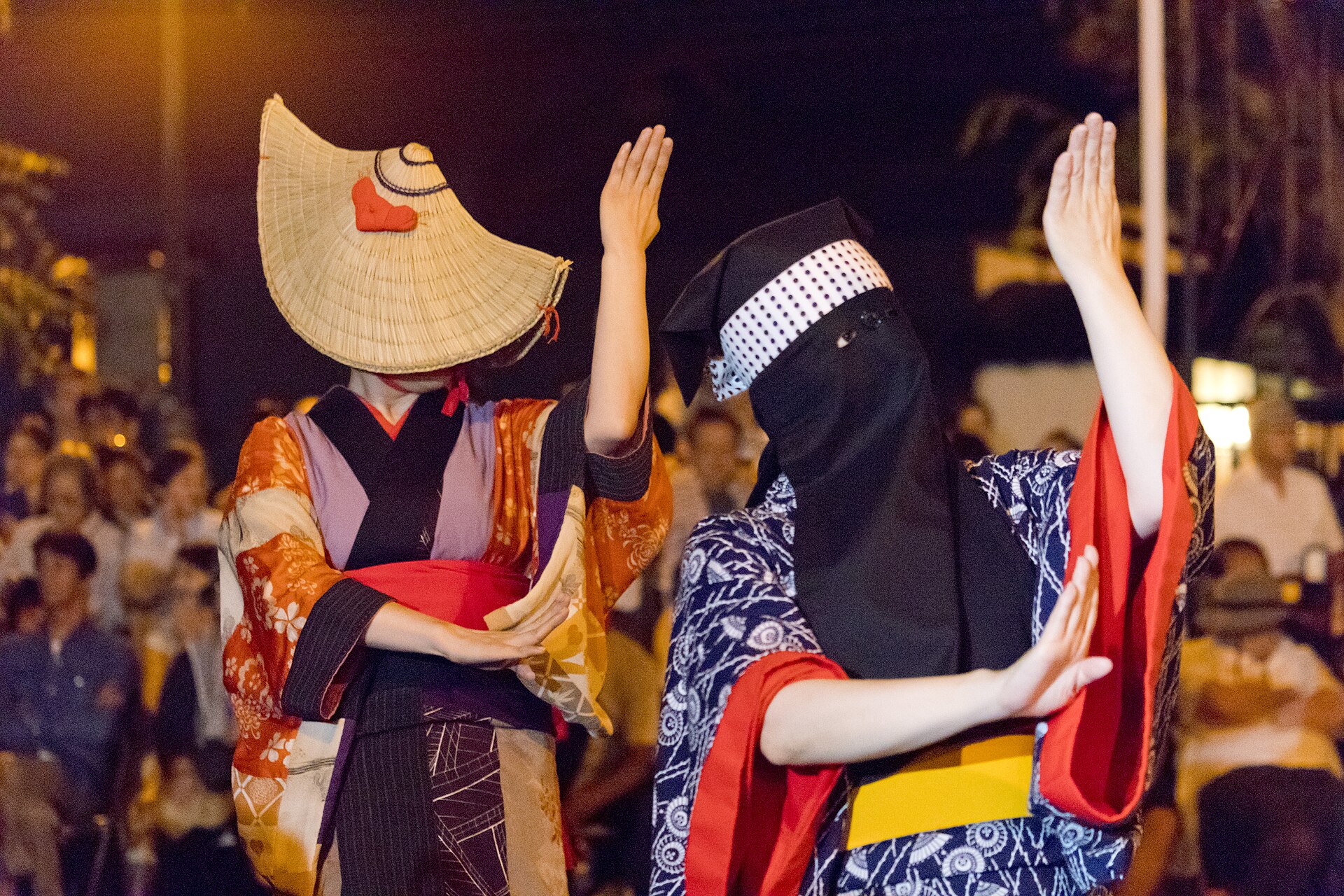
Nishimonai Bon Odori
15.4 km · straight line
 Asamboi / CC BY-SA 4.0
Food · Akita★★
Iburigakko
16.6 km · straight line
Distances are straight lines on the map, not travel times.