Nagoya · Kinjo FutoNo.1050★★Open in map →
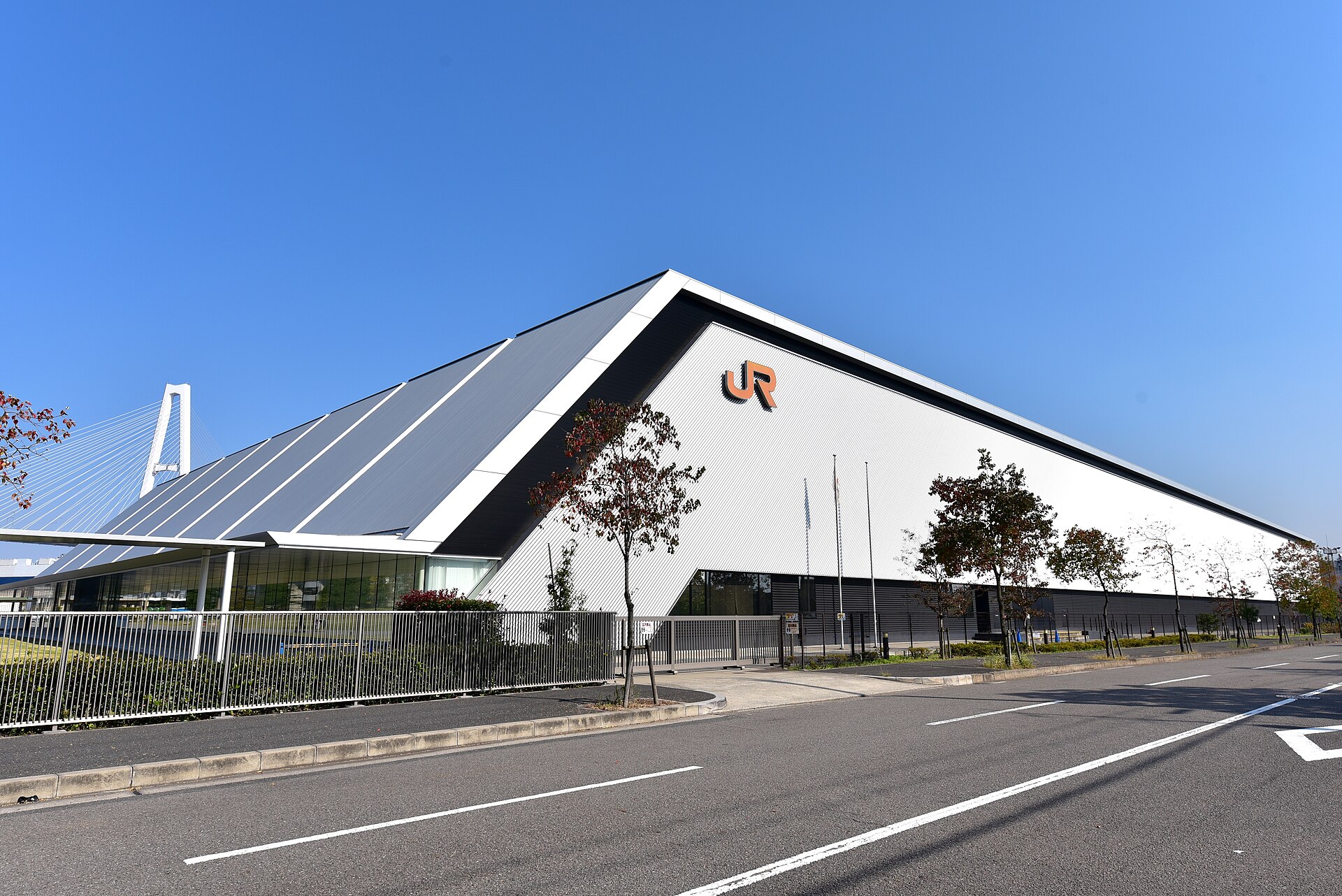
SCMaglev and Railway Park
— JR Central's railway museum at Kinjo Futo
JR Central's railway museum at the end of the Aonami Line in Nagoya. Three vehicles that once held world speed records stand at the entrance, and the halls behind them run from steam locomotives to the superconducting maglev.
- FromNagoya Station
- 24 min + 2 min walkAonami Line, direct from Nagoya
- Get off atKinjo-futo Station (Aonami Line)
- On foot
- SCMaglev and Railway Park
The sweet spot
This is a well-known family destination that fills up on holidays, so it is not a quiet find. The part that gets underrated is the front room: the three vehicles standing there are the record holders themselves, not replicas, and reading them in order turns the rest of the museum into a single argument about speed.
Where it is
27 more notes in Aichi · open the map →What to look for — in walking order
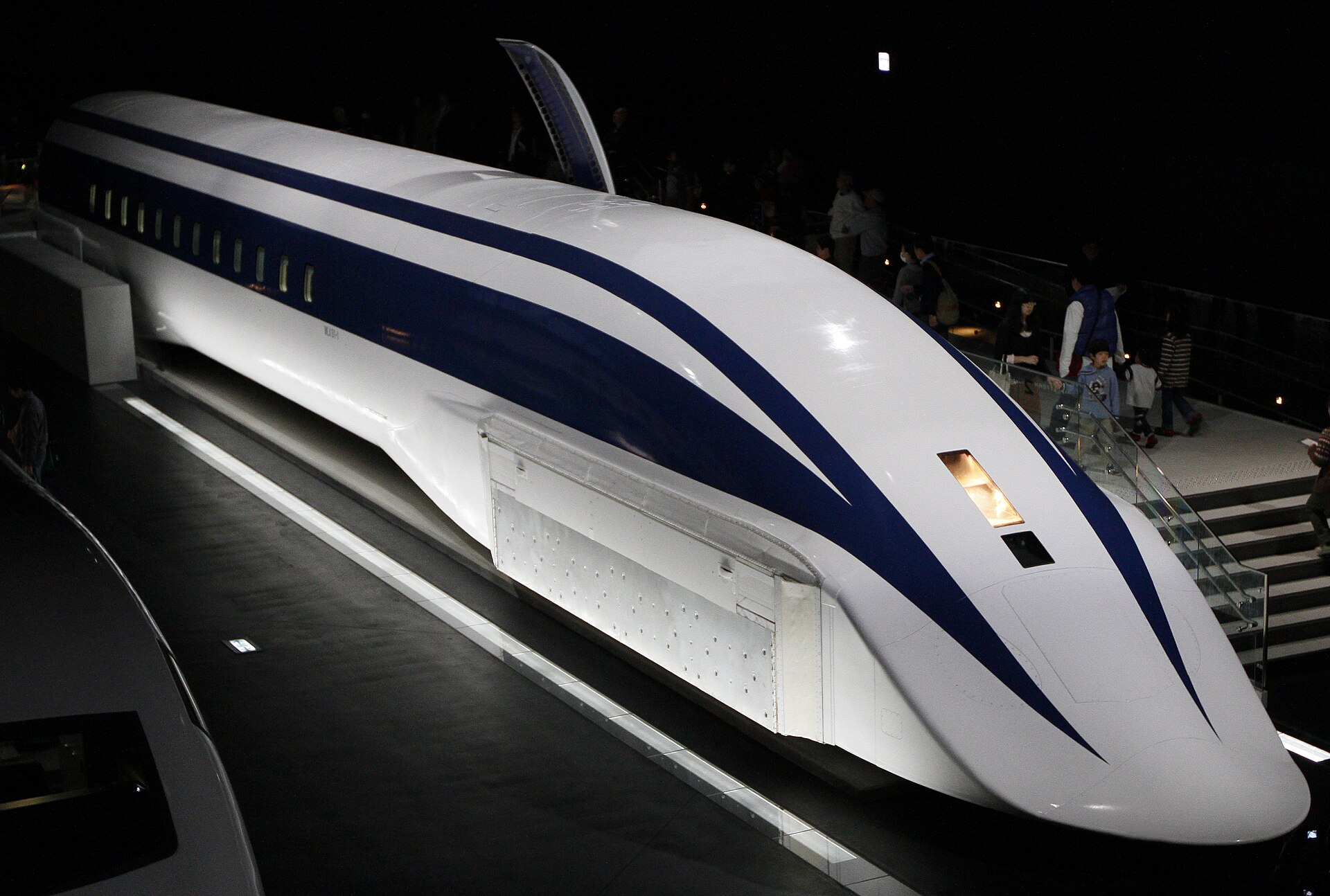
- Symbol Exhibitthe three record-setting vehicles, standing alone in a darkened room at the entrance
- Rolling Stock Hallshinkansen and conventional cars in one large hall, several of them open to board
- Superconducting Maglev Exhibition Roomthe maglev system explained, with a simulated ride at 500 km/h
- How Railways Worktrack, power and signalling shown through real parts and working models
- Railway Dioramaan HO-gauge layout of the Tokaido corridor, among the largest in Japan
How to actually get there
- Nagoya Station → Aonami Line ticket gates (the line has its own platforms there).
- Nagoya → Kinjo-futo (Aonami Line, the terminus).
- Kinjo-futo Station → museum entrance (walk about 2 minutes).
- Symbol Exhibit → Rolling Stock Hall → maglev room → diorama, with simulator tickets bought on arrival.
- Aonami Line to the last stop
- The Aonami Line has its own platforms at Nagoya Station and runs to Kinjo-futo, the terminus, in 24 minutes. From the exit the museum is about two minutes on foot. IC cards are accepted on the line.
- Return from Kinjo-futo Station
- Kinjo-futo is the end of the line, so every train goes back toward Nagoya Station. The museum shuts in the early evening while services are still frequent, so the return needs no planning.
About the place
The museum sits on Kinjo Futo, reclaimed land at the southern end of the Aonami Line, and is run by JR Central. Thirty-nine actual vehicles are kept here, indoors and under cover. The first room holds three of them on their own: a steam locomotive, an experimental shinkansen and a maglev test car, each of which set a world speed record in its own class. Beyond it a single large hall lines up shinkansen and conventional stock, with several cars open to walk through. Smaller rooms explain how high-speed track and power systems work, and a maglev room runs a simulated ride.
How to enjoy it
Doors open at 10:00 and last admission is 17:00, so a morning arrival leaves time for the halls and a session in the diorama room. Simulator tickets cost extra and are sold inside on a first-come basis — at the information desk for the shinkansen simulator, at the machines for the conventional-line ones — so buy them before walking the exhibits. Online admission tickets carry a QR code that skips the entrance queue.
Background & history
The park opened in March 2011 on reclaimed land at Kinjo Futo. Its three record-holders come from three eras of the same pursuit. A C62 steam locomotive reached 129 km/h on narrow gauge in 1954. The 300X experimental shinkansen reached 443 km/h in 1996, then the highest recorded for an electric train. The MLX01 maglev car reached 581 km/h in 2003 on the Yamanashi test line.
Before you go
- Cash
- Admission at the time of checking was 1,200 yen for adults, 500 yen for primary, junior high and high school students, and 200 yen for children aged three and over. Simulators are charged separately and sold inside the building. Online admission tickets are issued as a QR code that can be shown instead of queueing at the counter or the machines.
- Good to know
- The museum closes on Tuesdays, moving to the following day when a public holiday falls on a Tuesday, and it stays open through Golden Week and the other holiday peaks. It also closes from 28 December to 1 January. Everything is indoors or under cover, so the weather makes little difference.
- Another way
- There is no car park attached to the museum. The nearest is the municipal Kinjo Futo lot, and no parking discount is offered to visitors, which is why the official site steers people onto the train.
- After you get off
- Kinjo-futo is a terminus, so everyone leaves by the same exit. The museum is about two minutes away on foot and is signposted from the station.
Nearby notes
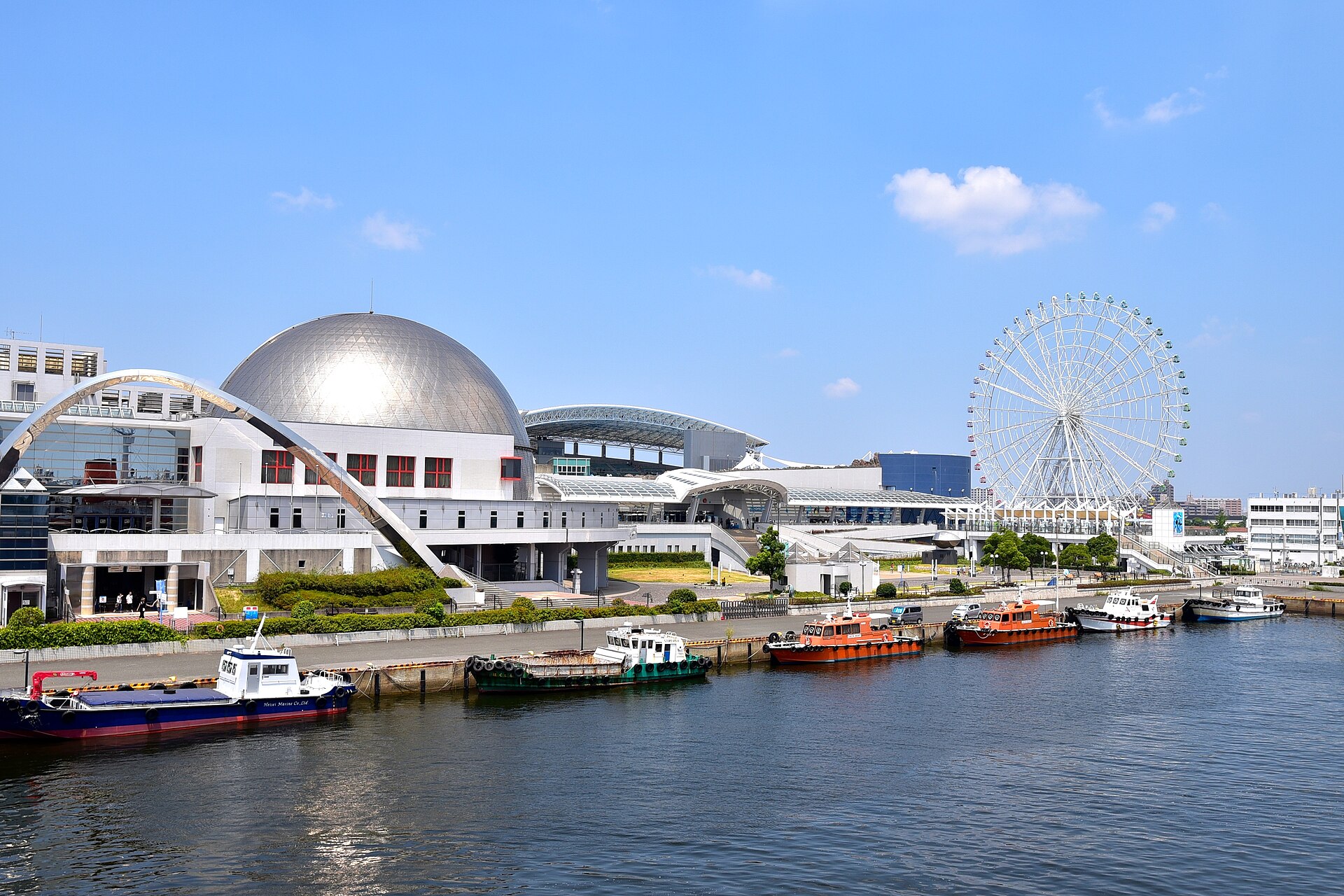 Bariston / CC BY-SA 4.0
Nature · Aichi★★
Port of Nagoya Public Aquarium
5.3 km · straight line
 Kanesue / CC BY 2.0
Food · Aichi★★
Hitsumabushi
9.2 km · straight line
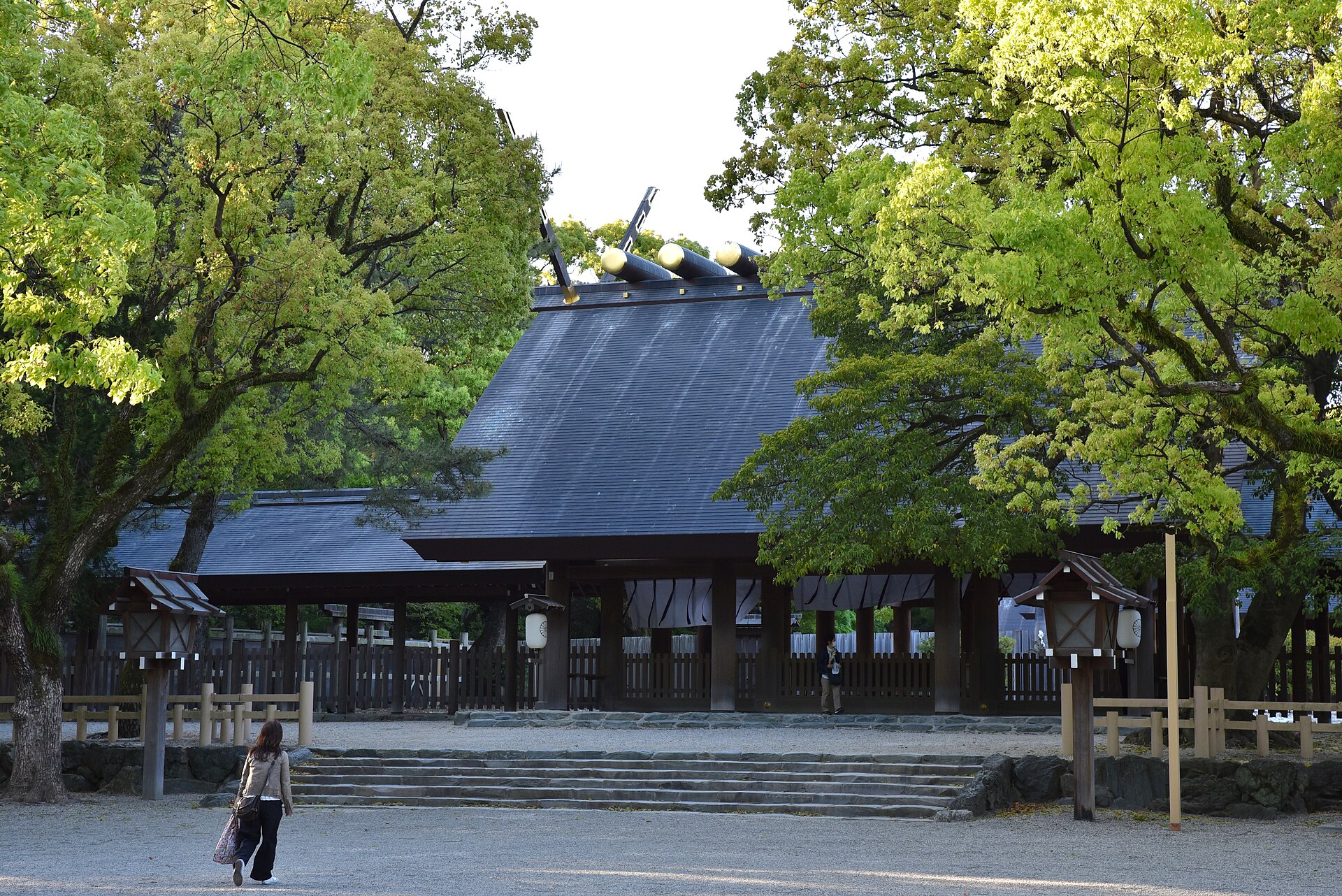 Bariston / CC BY-SA 4.0
Culture · Aichi★★★
Atsuta Jingu
10.2 km · straight line
 Tomio344456 / CC BY-SA 4.0
Craft · Aichi★★
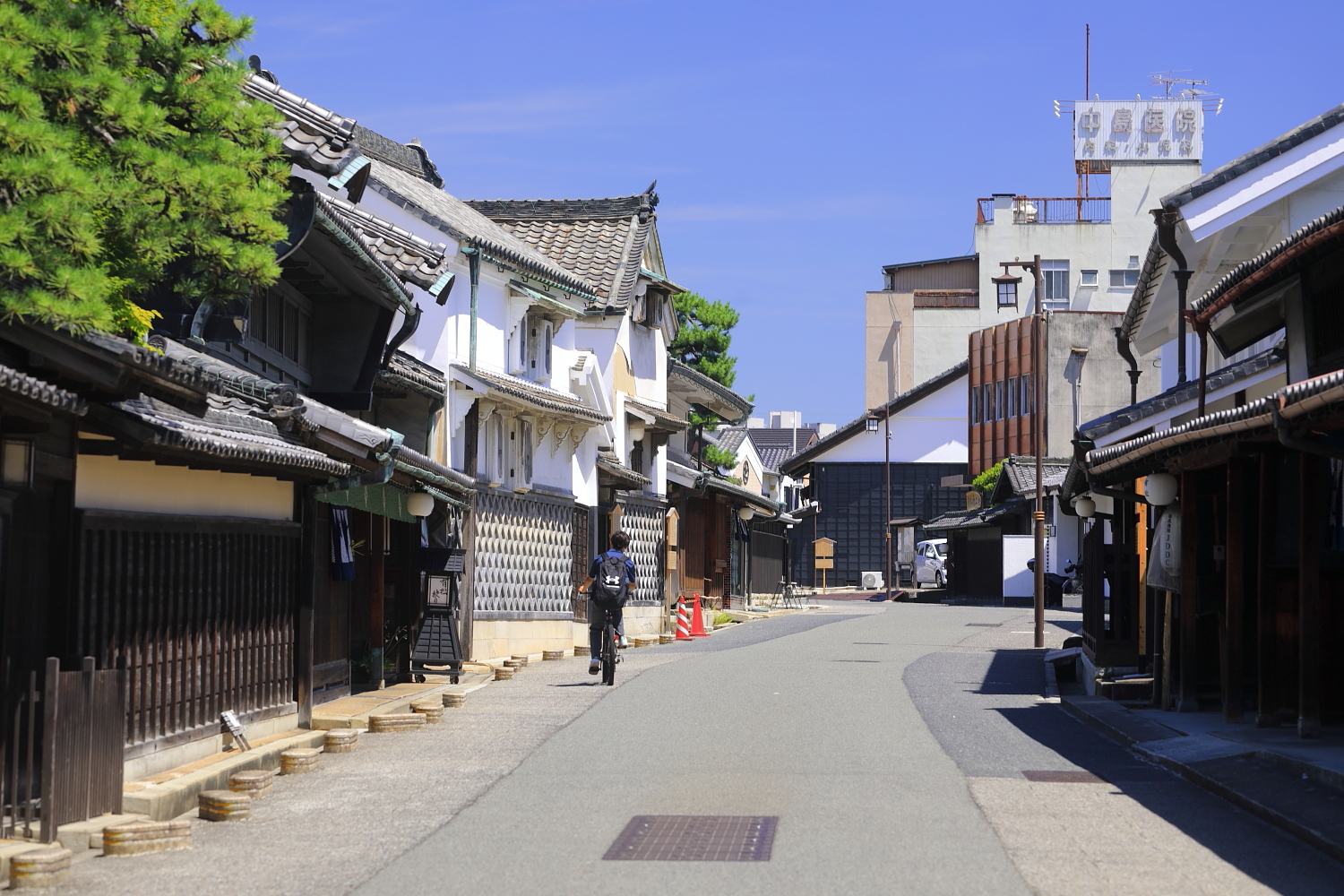
Arimatsu Shibori Townscape
11.1 km · straight line
Distances are straight lines on the map, not travel times.