Nagasaki · Shimabara PeninsulaNo.779★Open in map →
Shimabara Spring Water Town
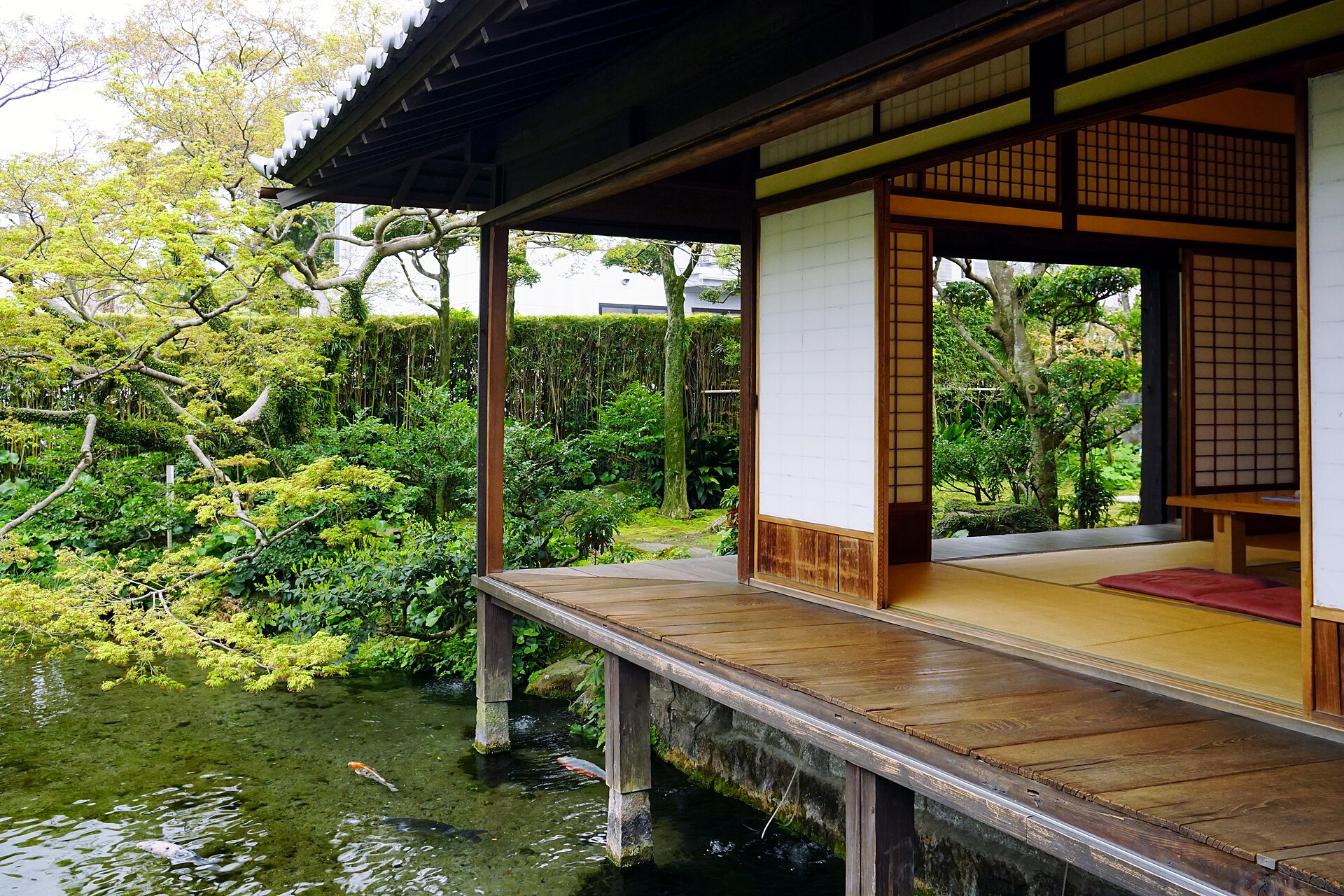
A castle town on the Shimabara Peninsula where volcanic groundwater surfaces inside the streets themselves. The same springs feed a garden pond, an open channel down the old samurai lane, and a lake beside the harbour.
- FromIsahaya Station
- ~1 h 10 minShimabara Railway from Isahaya
- Get off atShimabara Station (Shimabara Railway)
- On foot
- Shimabara Spring Water Town
The sweet spot
Shimabara is a nationally designated site and the city signposts it thoroughly, so it is not undiscovered. What thins the crowds is position — the town is on the far side of the peninsula, reached by a local railway rather than a JR line, which puts it outside most Nagasaki day trips. The reward for the detour is density: the garden, the lane and the lake all sit inside one flat walk.
Where it is
20 more notes in Nagasaki · open the map →What to look for — in walking order
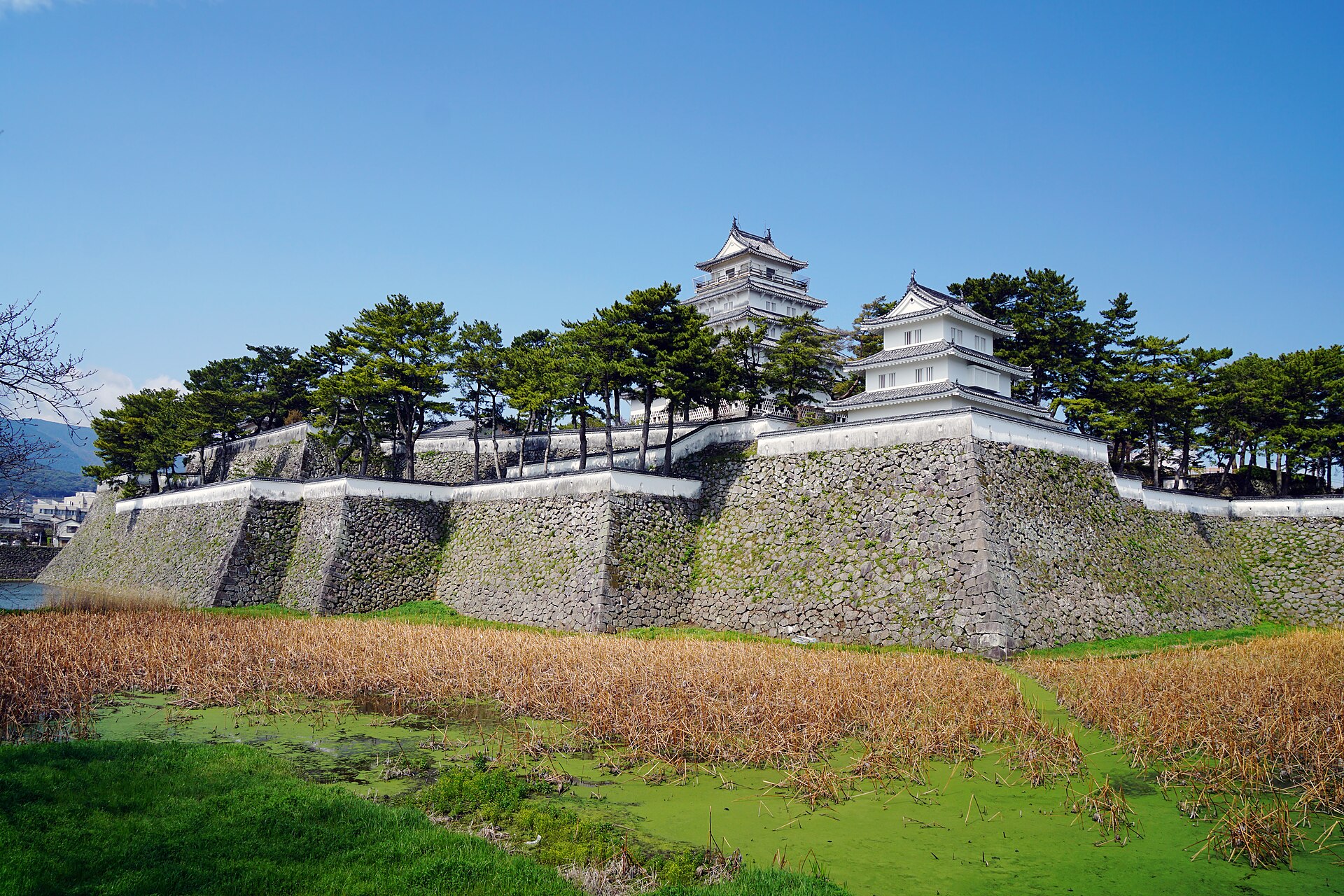
- Shimabara Castlea reconstructed keep on the old castle grounds, now holding the city's history museums
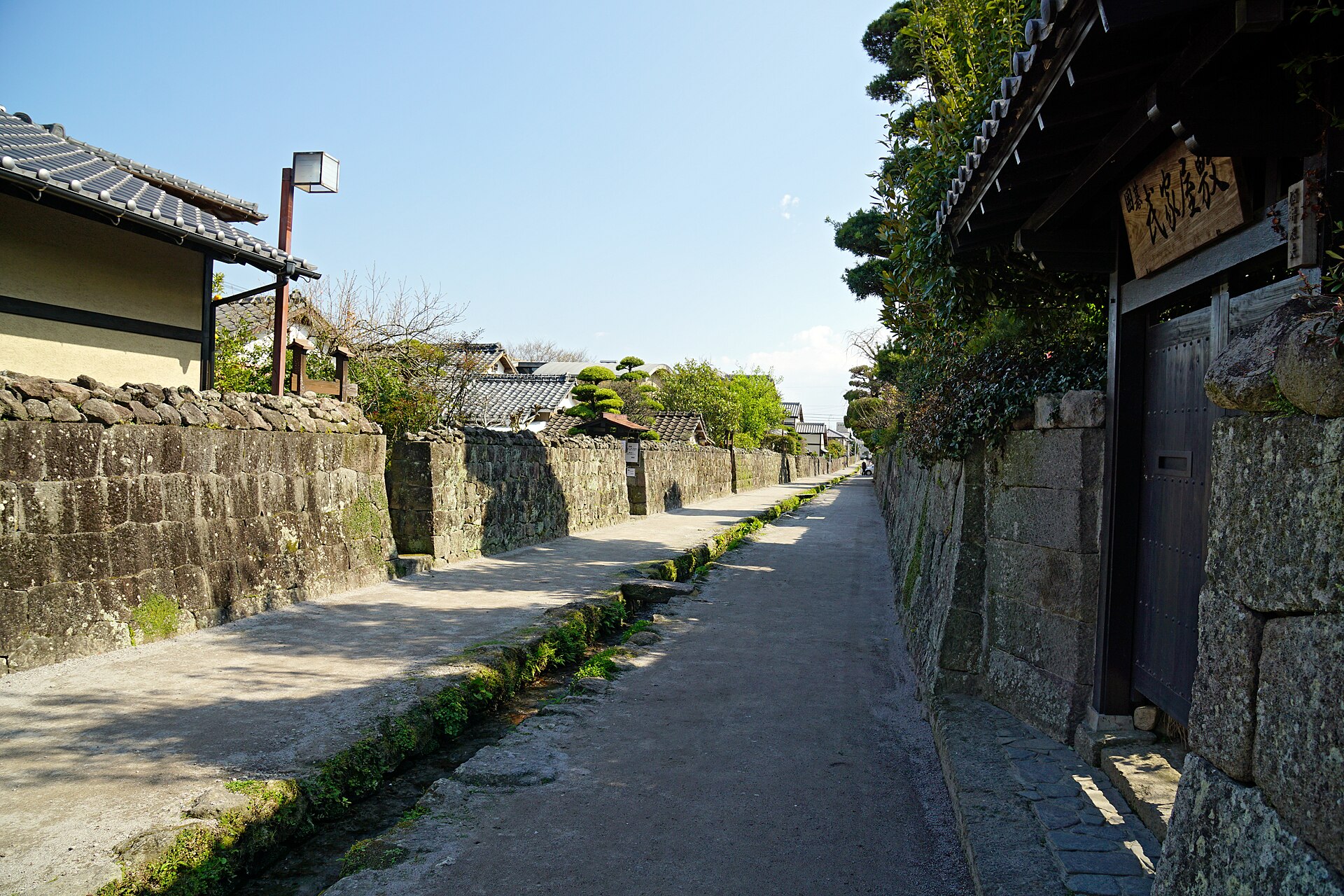
- The samurai lane in Shimo-no-choa stone-walled lane with an open channel down its centre and three houses open free
- Shirachiko Lakethe lake the mountain collapse left behind, drained by the slow Otonashi river
- The carp lane in Shinmachia residential street where carp swim in the channel at your feet
- Shimeiso spring gardena former villa garden whose veranda sits directly over the spring-fed pond
How to actually get there
- Isahaya Station → Shimabara Station (Shimabara Railway).
- Walk west from the station to Shimabara Castle, then on to the samurai lane in Shimo-no-cho.
- Cut back east and south, passing Shirachiko Lake, into Shinmachi.
- Follow the carp channel to the Shimeiso garden, then head north to the station.
- Shimabara Railway from Isahaya
- Isahaya is the junction for the peninsula — JR services from Nagasaki and Hakata meet there, and the Shimabara Railway takes over for the last stretch. The line runs 43.2 km down the coast to Shimabara Port, and Shimabara Station is two stops before the end. Allow about an hour and ten minutes.
- Returning to Isahaya
- The same line runs back, but a rural timetable finishes earlier than a city one, and the last through service to Isahaya leaves during the evening. Settle your return before you start walking rather than after, because once the trains stop there is no later alternative.
About the place
Shimabara is a castle town on the east coast of the Shimabara Peninsula, with Mount Mayuyama standing immediately behind it. Rain that falls on the volcanic ground inland travels underground and comes back up inside the built-up part of the town, so the water here is in the streets rather than out in the countryside. At the Shimeiso garden in Shinmachi, about 3,000 tonnes a day rises into a pond that the house's veranda hangs directly over. A few minutes away the same water is doing plain work instead, running in an open channel down the middle of a lane of stone-walled samurai plots. One source, two completely different settings.
How to enjoy it
The open samurai houses run from 9:00 to 17:00 and cost nothing, so they set the shape of the day — take the castle and the lane first, then work back down to the water. The lanes and the lakeside are public streets and stay walkable outside those hours. Trains from Isahaya come at roughly one an hour through the middle of the day, which makes a late-morning arrival and an early-evening departure the easy pairing.
Background & history
Matsukura Shigemasa began building Shimabara Castle in 1618, and the samurai quarter laid out west of it housed the domain's foot soldiers — which is why it was also called Teppo-cho, the gun town. The springs arrived later, and by accident. When Mount Mayuyama collapsed in 1792 during an eruption of the Unzen volcano, the shifting ground pushed the water table up and springs began rising across the lower town. The Environment Agency placed the resulting Shimabara spring group on the national list of a hundred famous waters in 1985.
Before you go
- Cash
- The samurai lane, the carp channel and the lakeside are public and free to walk. The Shimeiso garden and the castle museums are each ticketed at their own entrance, so carry cash as well as a card.
- Good to know
- The open houses and the museums keep daytime hours only. The streets themselves stay open, but these are residential lanes with little lighting once the shops close, and the channels sit flush with the paving — worth watching your footing after dark.
- Another way
- From Kumamoto the approach is by sea: two operators run ferries across the bay to Shimabara Port, which is also where the railway begins and carries you up into the town. By car, Shimabara is reached on the coast road around the peninsula.
- After you get off
- From Shimabara Station the castle grounds are a short walk west, with the samurai lane immediately beyond them. The water district in Shinmachi lies south of the station, about ten minutes away and flat the whole way.
Nearby notes
 663highland / CC BY 2.5
History · Nagasaki★★
Shimabara Castle
0.6 km · straight line
 Asturio Cantabrio / CC BY-SA 4.0
Food · Nagasaki★★
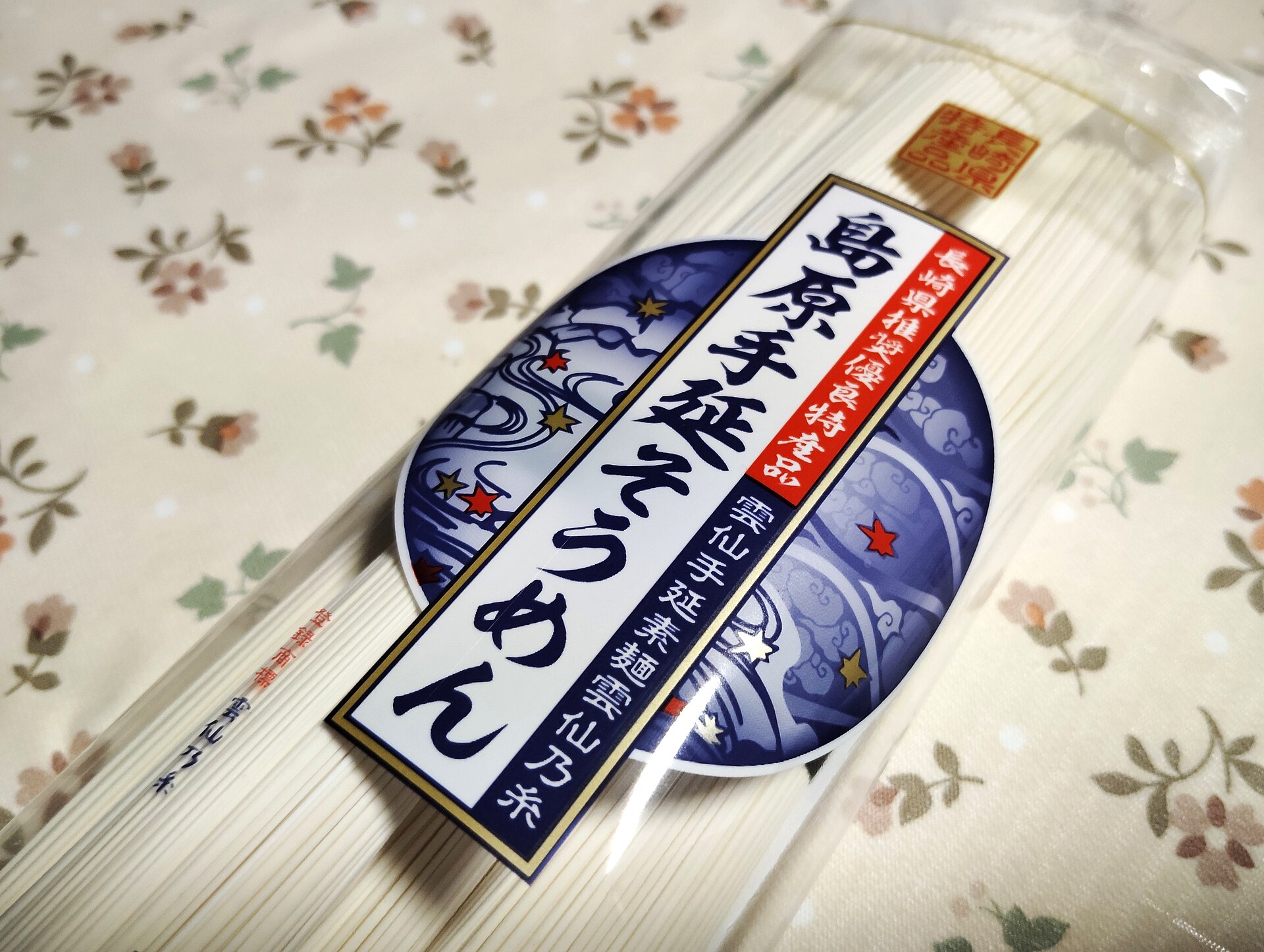
Shimabara Hand-Stretched Somen
5.0 km · straight line
 663highland / CC BY 2.5
Nature · Nagasaki★★
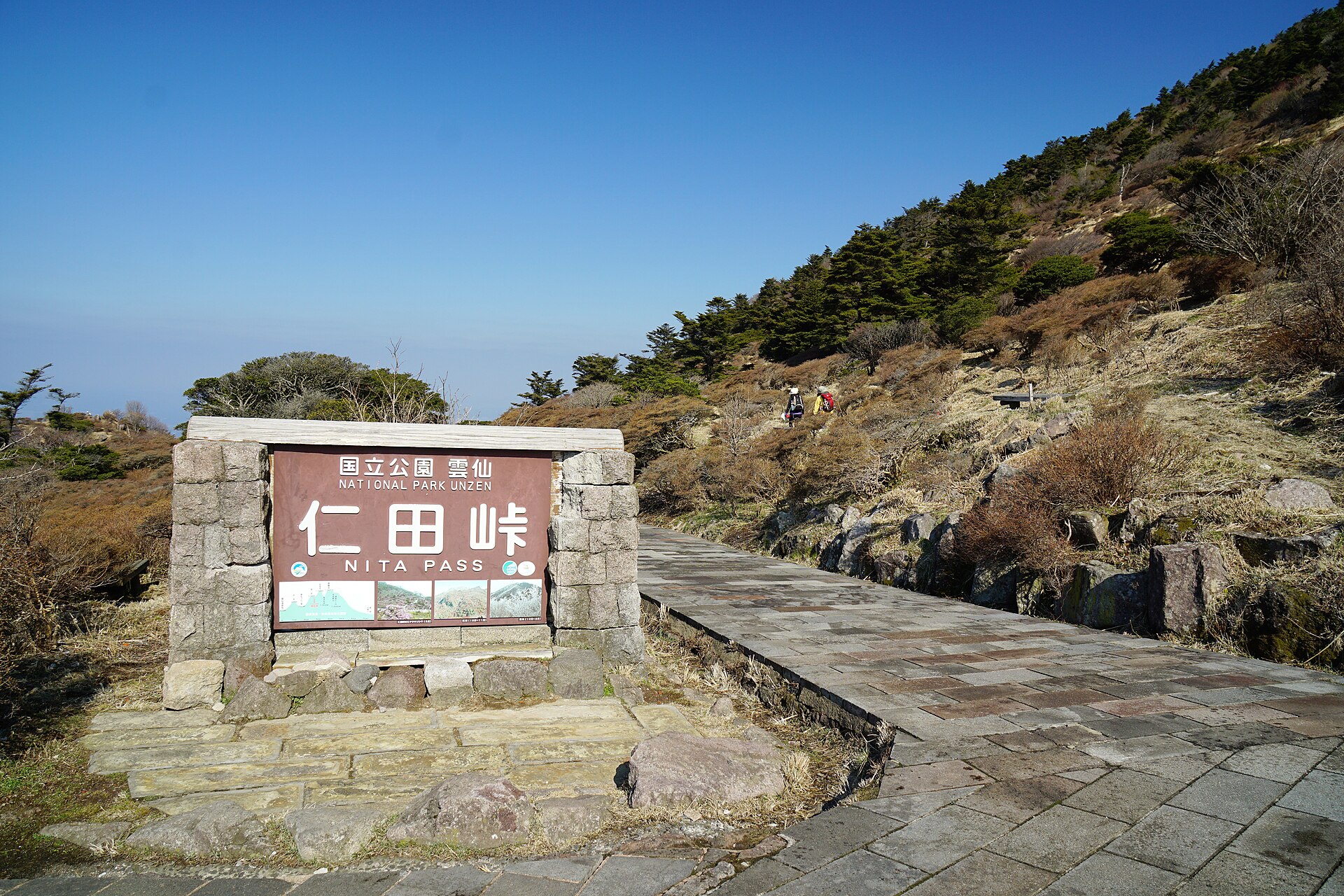
Nita Pass
8.8 km · straight line
 663highland / CC BY 2.5
Onsen · Nagasaki★★★
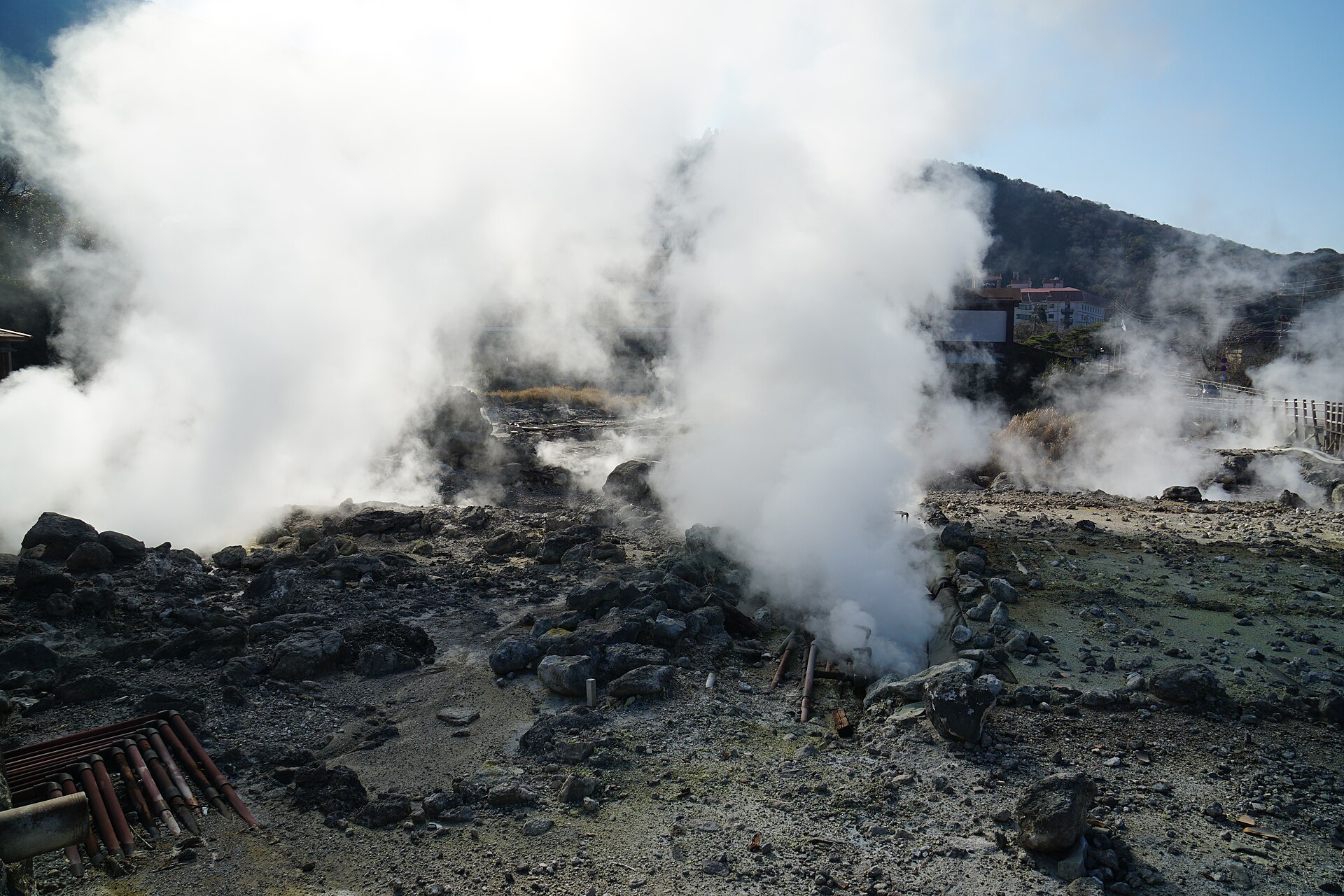
Unzen Jigoku
11.2 km · straight line
Distances are straight lines on the map, not travel times.