Kumamoto · KamitoriNo.1214★★Open in map →
Taipien
— Kumamoto's Chinese-style glass noodle soup
Glass noodles in a light Chinese broth, a stir-fry of vegetables and seafood over the top, and a deep-fried boiled egg. Kumamoto's own bowl, and the arcades north of the tram line are where the restaurants that claim it still stand.
- FromKumamoto Station
- ~20 minCity tram, then a covered walk
- Get off atToricho-suji tram stop (Kumamoto City Tram)
- On foot
- Taipien
The sweet spot
Nothing here is hidden. Taipien is on the prefecture's own list of local foods and in the school lunch rotation, and half the city grew up on it. The gap is where it is sold. It lives on Chinese-restaurant menus, not in the shops and lanes a visitor searches for when they type Kumamoto local cuisine, so it is genuinely possible to spend two days in the city without meeting it.
Where it is
18 more notes in Kumamoto · open the map →What to look for — in walking order
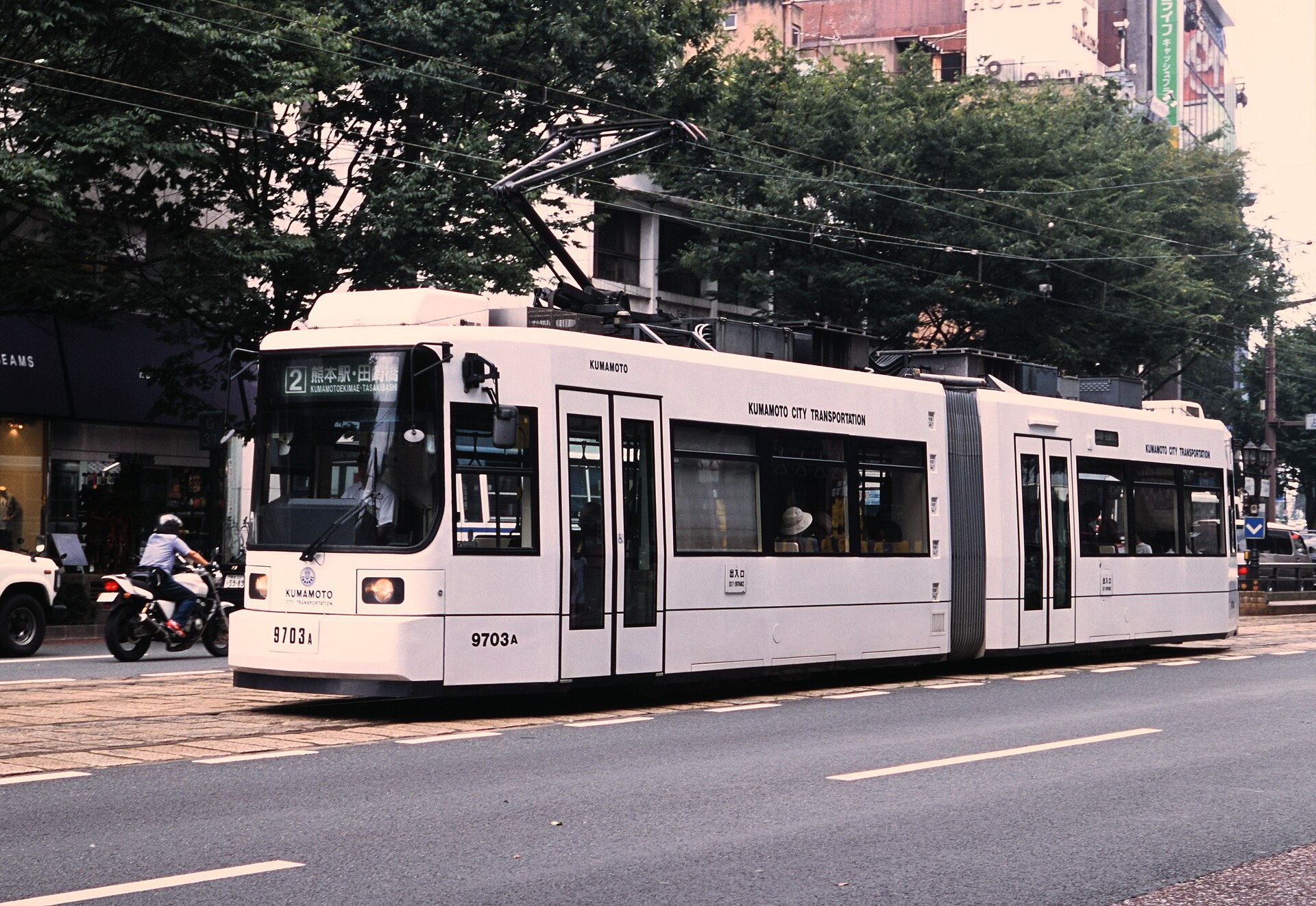
- Toricho-suji tram stopan island platform in the middle of the road, at the point where the two arcades face each other across the tracks
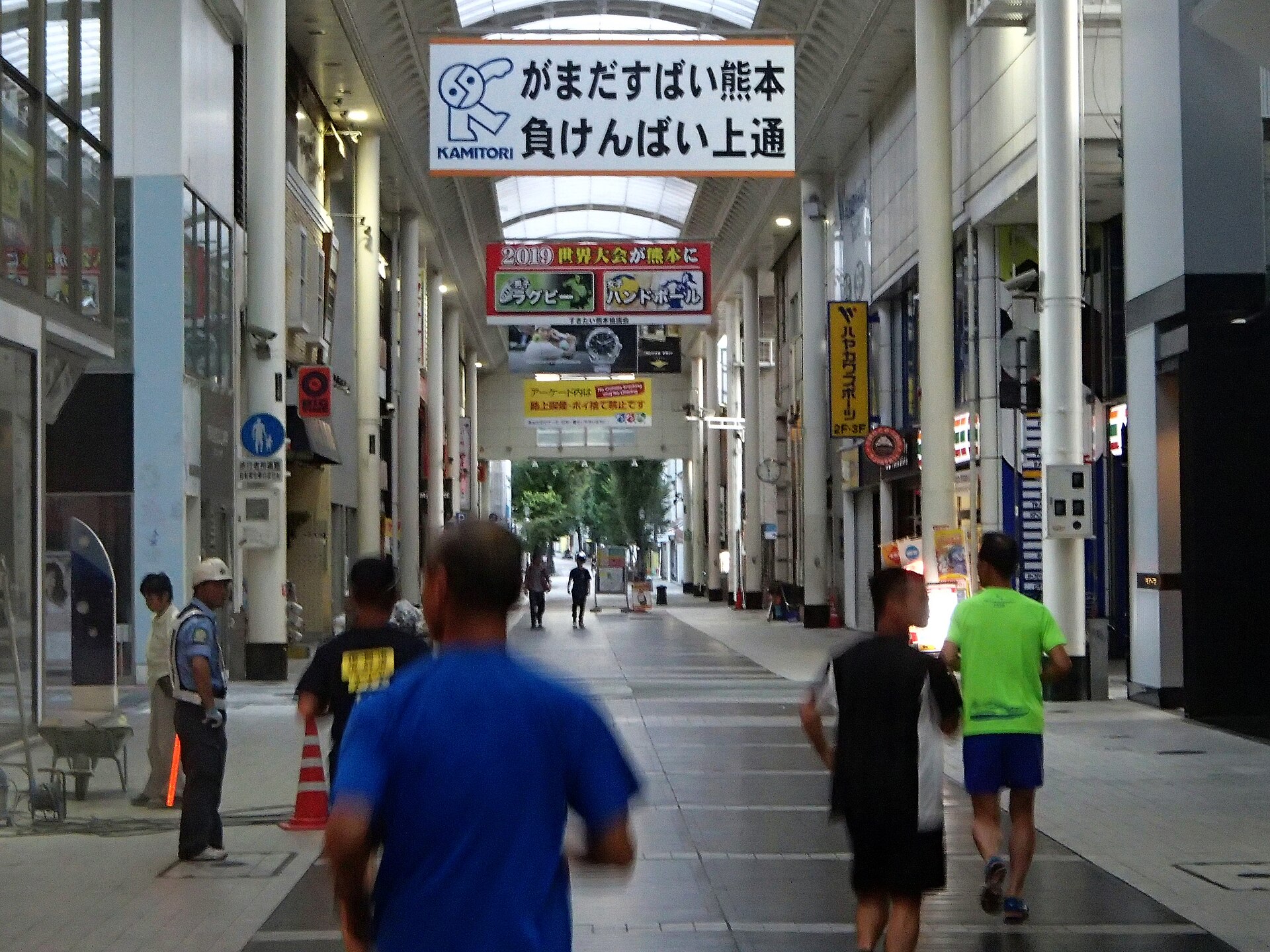
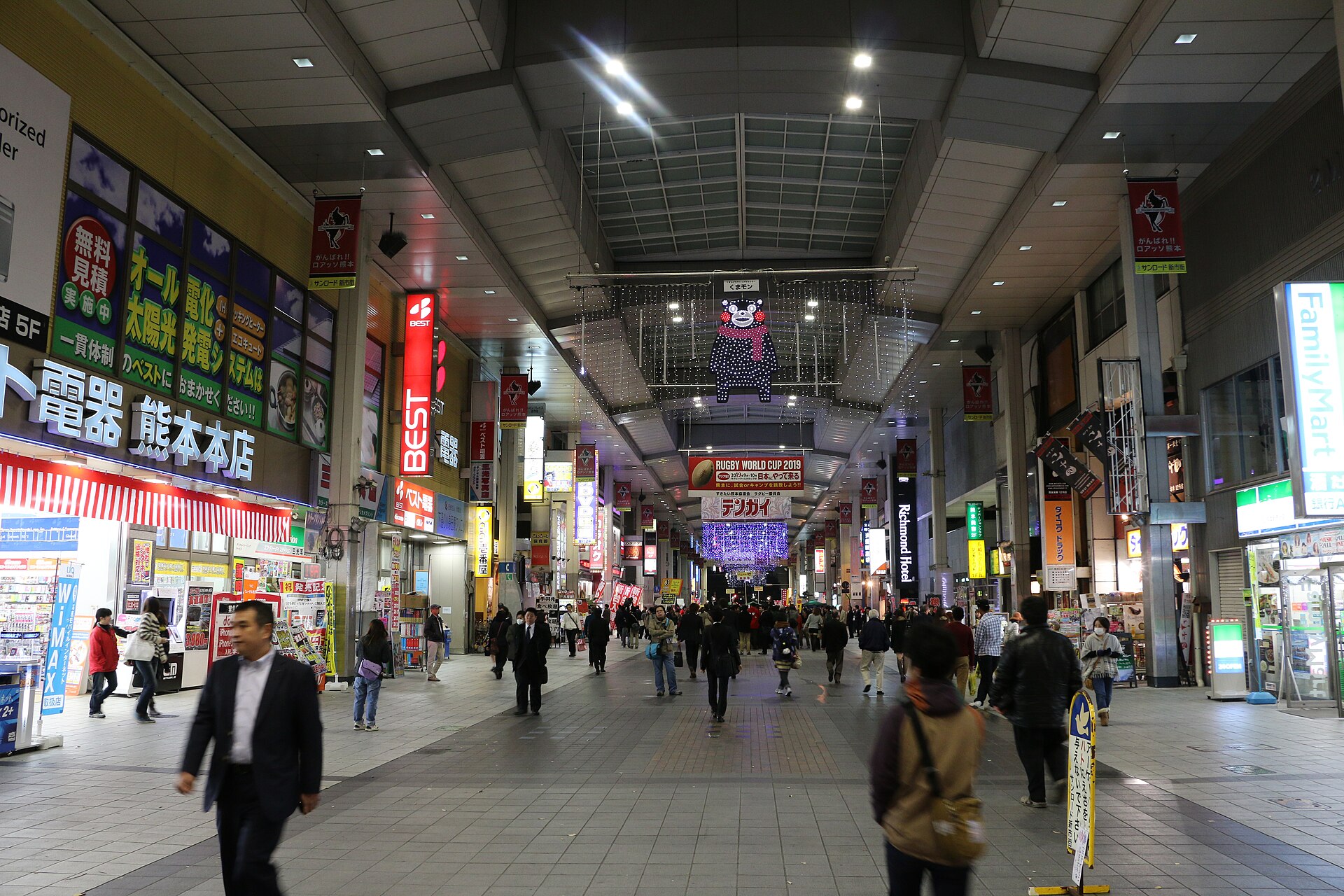
- The Kamitori entrancethe north side of the crossing, where the covered street begins and the shop canopies close overhead
- Contemporary Art Museum Kumamotoupstairs in a building on the arcade itself, a few doors in from the tram crossing
- The Kamitori arcadethe quieter of the city's two covered streets, with a Chinese restaurant that dates itself to 1934 among the shopfronts
- Namikizakathe arcade's northern continuation, roofless and lined with trees, a quieter run of small shopfronts
How to actually get there
- Kumamoto Station → Toricho-suji (Kumamoto City Tram, around 20 minutes on one line).
- Cross to the north side of the tracks and enter the Kamitori arcade.
- Eat in the arcade; the Chinese restaurants here are where taipien is on the menu, not the regional-cuisine shops.
- Carry on north out of the roof into Namikizaka, or turn back for the tram.
- Kumamoto City Tram to Toricho-suji
- Kumamoto Station tram stop →(Kumamoto City Tram, around 20 minutes)→ Toricho-suji, then straight into the arcade on the north side. The tram runs on a single trunk line through the city with no changes, so there is nothing to plan around beyond which side of the road you get off on.
- Return from Toricho-suji or Kumamotojo-Shiyakushomae
- Both stops sit within a few minutes of the arcade and both run back to Kumamoto Station on the same line. Trams keep going into the evening, but the arcade's kitchens shut earlier than the last car, so lunch or an early dinner is the sensible shape of the visit.
About the place
Taipien is harusame glass noodles in a clear Chinese-style broth. The topping is a stir-fry — Chinese leaf, carrot, onion, wood ear, bamboo shoot, pork, prawn and squid — tipped over the noodles while it is still spitting. On top sits a whole boiled egg, deep fried until the white wrinkles into a dark skin; Kumamoto kitchens call that fuhitan, tiger-skin egg. Some counters send it out with a plain boiled egg or a quail's egg instead. It reads as champon at a glance, and it is not: there is no wheat noodle anywhere in the bowl. The prefecture lists it among its defining foods, and the city's primary schools put it on the lunch rota.
How to enjoy it
Come for lunch rather than dinner. Taipien is what Kumamoto eats in the middle of the day, and the whole architecture of the dish — glass noodles instead of wheat, broth instead of fat — is built so that it does not end your appetite, which is what makes it a good first meal in a city you intend to keep eating in. Cut the fried egg open and let the wrinkled skin take up broth; it is boiled before it is fried, so the yolk is firm rather than running. The arcade is roofed from end to end, so rain changes nothing.
Background & history
The dish came from Fuzhou in Fujian, carried to Nagasaki and then Kumamoto by Chinese merchant families in the late Meiji era. The Fuzhou original is a celebration soup built on duck-egg dumplings; the ingredients were not to hand in Japan, so the dumplings became glass noodles and the duck egg became a fried hen's egg. The Kumamoto Chinese restaurants that each claim the invention opened in the city in the early 1930s, one of them dating its founding to 1934 and still keeping a branch in these arcades. Which of them was first is argued to this day.
Before you go
- Cash
- The arcade costs nothing to walk. Cards are normal in city-centre restaurants, though smaller counters can still be cash only. On the tram you pay when you get off, and the accepted payment methods in Kumamoto have been changed more than once in recent years — the city publishes a current guide, and carrying some cash removes the question.
- Good to know
- Everything from the tram crossing north is under roof as far as Namikizaka, which makes this the reliable option in rain or on a day when Aso is shut in cloud. Restaurant hours vary shop by shop; lunch service is the safe assumption and some kitchens close between lunch and dinner.
- Another way
- From Kumamoto Castle it is a flat walk south-east through the Hanabata area into the arcades. Buses from Kumamoto Station and the airport limousine both reach Sakuramachi Bus Terminal, about a kilometre to the south-west of the arcade.
- After you get off
- From the island platform at Toricho-suji, cross to the north pavement — the arcade mouth is directly in front of you. The stretch described here runs north from there, about three minutes on the flat and entirely under cover.
Nearby notes
 Suicasmo / CC BY-SA 4.0
History · Kumamoto★★★
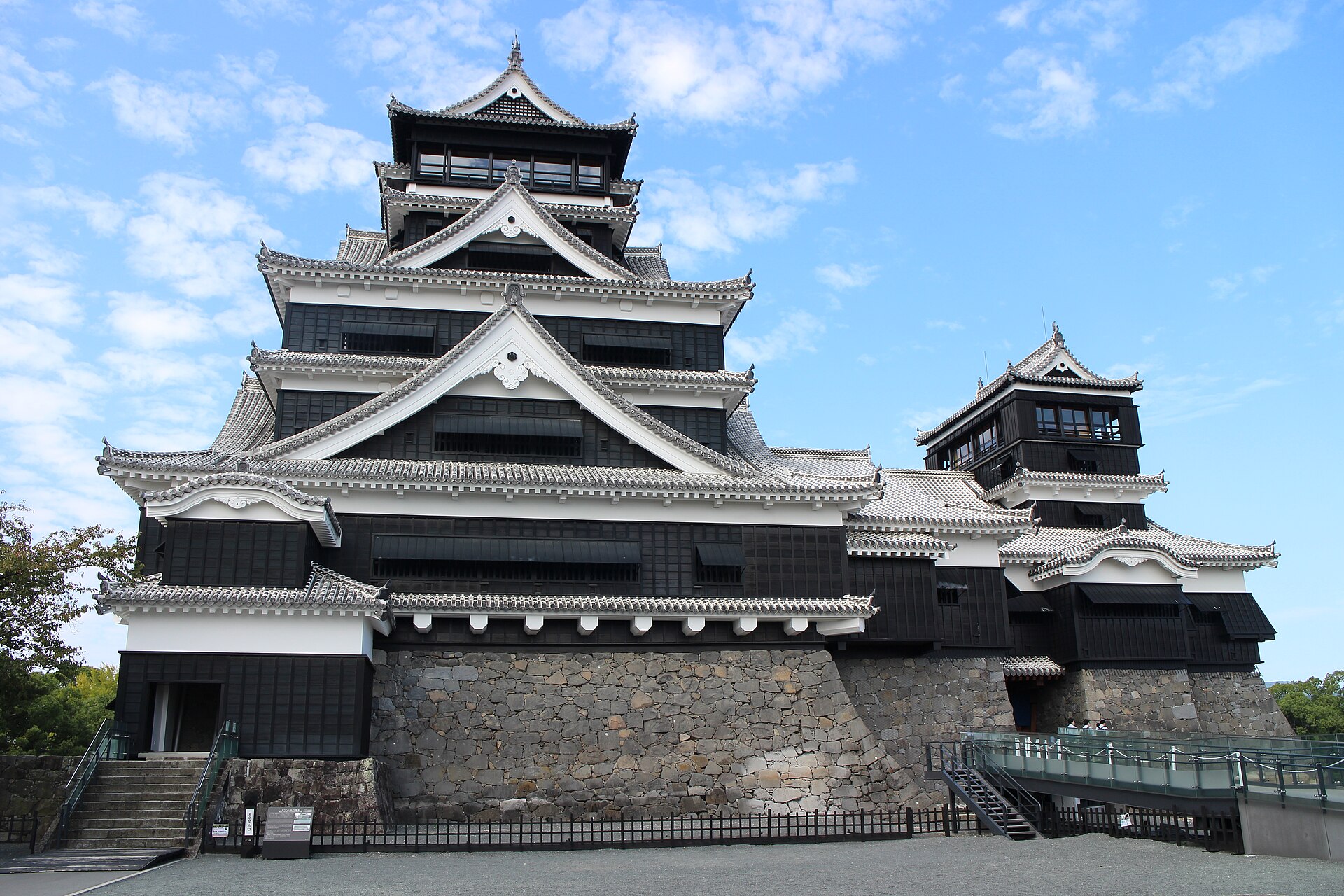
Kumamoto Castle
0.5 km · straight line
 Jdjuice / CC BY-SA 4.0
Food · Kumamoto★★★
Kumamoto Basashi
0.7 km · straight line
 Fabimaru / CC BY-SA 3.0
Food · Kumamoto★★
Karashi Renkon
0.7 km · straight line
 皇翔 / CC0
Food · Kumamoto★★
Kumamoto Ramen
2.7 km · straight line
Distances are straight lines on the map, not travel times.