Hyogo · AsagoNo.181★★★Open in map →
Takeda Castle Ruins
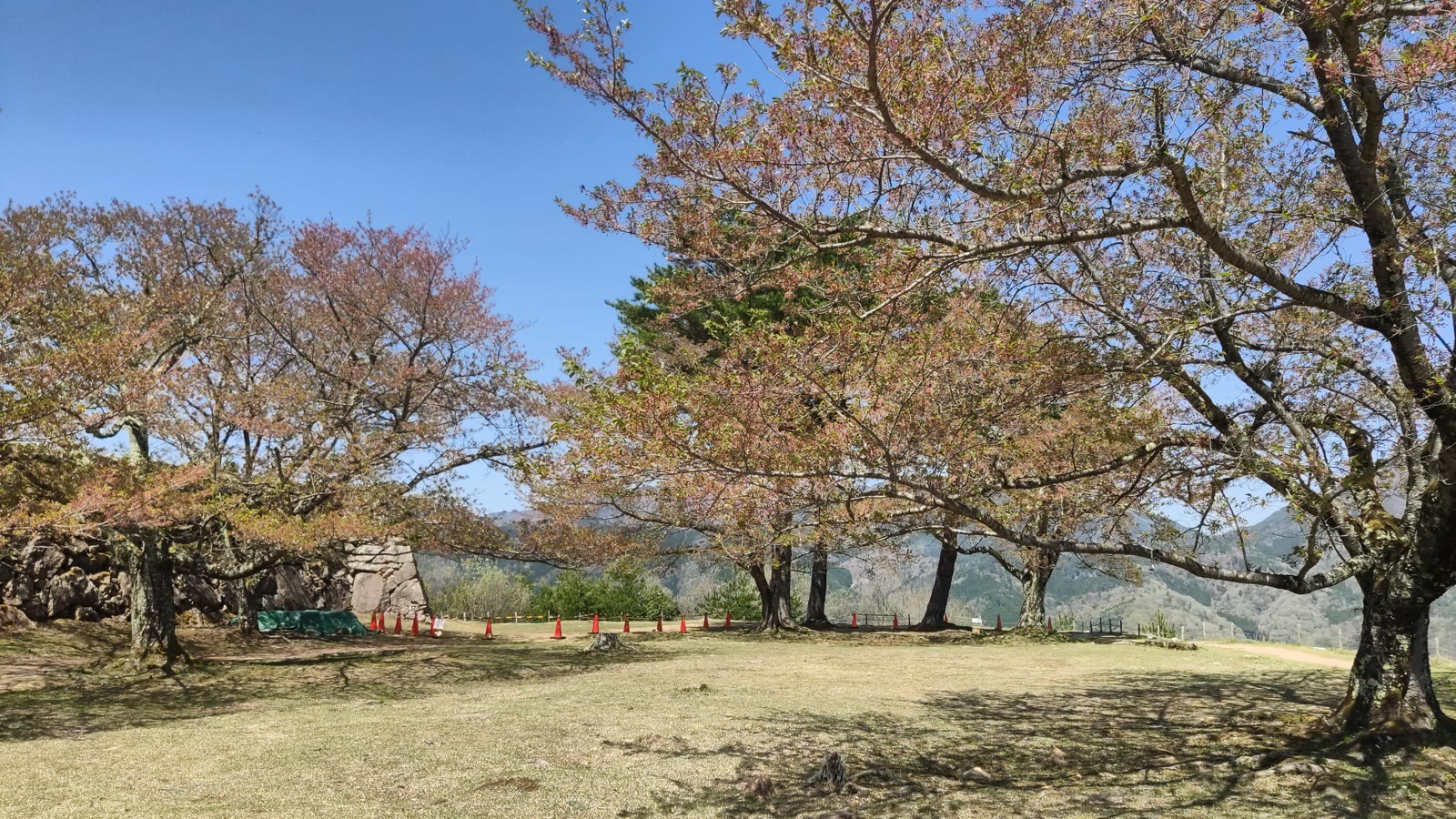
A ruined hilltop castle in Asago City, Hyogo, sitting atop a 353-metre ridge. In autumn and early winter, the Maruyama River valley below fills with morning fog, lifting the stone ruins above a white sea of cloud — an image that has made these ruins famous across Japan.
- FromOsaka Stn
- ~150 minJR (limited trains, transfer required)
- Get off atTakeda Station (JR Bantan Line)
- From there
- Takeda Castle Ruins
Where it is
30 more notes in Hyogo · open the map →What to look for — in walking order
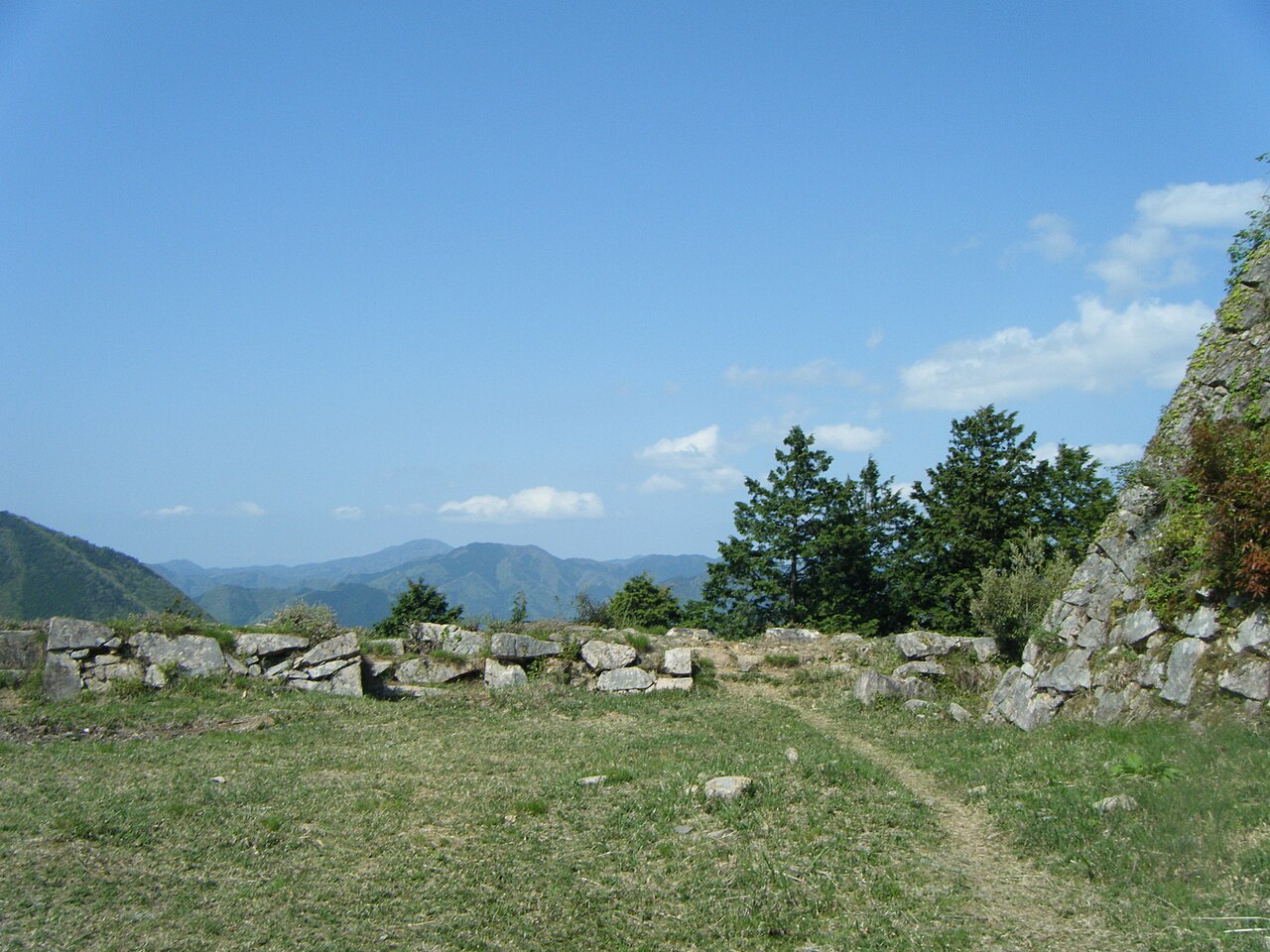
- Main baileys and stone wallsthe north, central, and south compounds, their stone-laid platforms and retaining walls visible in near-complete form
- North compound keep platformthe highest point of the ruins, where the main tower once stood, with wide views across the Maruyama River valley
- Cloud-sea viewpoint (Ritsuunkyo)on the Kodani ridge across the valley from the castle — the classic spot to photograph the ruins floating above the morning fog
- Castle approach traila walking path up the ridge from Takeda Station, about 40 minutes' climb through forested hillside
How to actually get there
- Osaka → Himeji (JR Kobe/Sanyo Line Special Rapid, ~60 min) → Teramae Station (JR Bantan Line, ~60 min). Transfer at Teramae for the infrequent service toward Wadayama. Check the timetable in advance at jr-odekake.net.
- Teramae → Takeda Station (JR Bantan Line, ~30 min). From Takeda Station, climb the signed mountain path to the castle entrance (steep climb on foot).
- For the sea-of-cloud viewpoint, go to Ritsuunkyo on the opposite ridge — a separate detour best arranged before sunrise.
- JR Bantan Line from Osaka via Himeji (transfer at Teramae)
- Osaka Station →(JR Kobe/Sanyo Line Special Rapid, ~60 min)→ Himeji Station →(JR Bantan Line local to Teramae, ~60 min)→ Teramae Station →(transfer to JR Bantan Line for Wadayama, ~30 min)→ Takeda Station. Total about 150 minutes from Osaka. The Bantan Line requires a transfer at Teramae; no through local trains run from Himeji to Takeda without changing. Trains on the Bantan Line north of Teramae are very infrequent — check the timetable in advance at jr-odekake.net and allow time for the connection. From Takeda Station, the ruins are a steep climb on foot up the mountain path (signed from the station; times vary by route).
- Return from Takeda Station on the JR Bantan Line
- Return the same way: Takeda Station →(JR Bantan Line)→ Teramae (transfer) →(JR Bantan Line)→ Himeji →(Special Rapid)→ Osaka. Because trains north of Teramae run very infrequently, check your return train times on arrival. The last departures from Takeda in the evening are limited.
About the place
Takeda Castle Ruins are the stone foundations of a mountain castle built on the summit of Toragaoyama ridge in northern Hyogo Prefecture, at an elevation of 353 metres. The castle grounds stretch about 400 metres north to south, with stone-laid baileys, walls, and gate bases surviving in good condition — unusually complete for a castle of this era. The ruins are a nationally designated Historic Site. What draws visitors from across Japan is a specific atmospheric event: on still autumn and early-winter mornings, the Maruyama River valley below fills with dense valley fog. From the nearby Ritsuunkyo viewpoint on the opposite ridge, the castle ruins appear to rise above the white fog as if floating — an effect likened to cloud-wreathed castles in classical Chinese painting. Clear fog conditions occur on calm mornings from roughly late September to late November, most reliably between about 6:00 and 8:00 before the sun burns off the mist.
How to enjoy it
To see the sea-of-cloud effect, aim to be at the Ritsuunkyo viewpoint by about 6:00 on a clear, calm autumn morning. The castle itself (on the summit) opens from 6:00 in the peak autumn season; admission is charged then. The fog forms in the valley and typically dissipates by mid-morning, so early arrival is essential. The castle grounds close from late January to late February for winter maintenance. Confirm current opening hours on the Asago City official page before travelling, as seasonal schedules vary.
Background & history
Takeda Castle was built in the mid-15th century, with construction attributed to the Yamana clan, who were regional lords of this area during the Muromachi period. The castle reached its final form and greatest extent under Akamatsu Hirohide, who held it in the late 16th century. After Hirohide was ordered to commit ritual suicide in 1600 — in the aftermath of the battle of Sekigahara — the castle was abandoned. Because it was never dismantled or modified after abandonment, the stone foundations remain unusually intact. It was designated a National Historic Site in 1943.
Before you go
- Cash
- Castle admission is charged during the open season (typically 500 yen for adults; confirm current fee at city.asago.hyogo.jp). JR trains accept IC cards (Suica, ICOCA). The mountain approach path is free to walk. Bring cash for the gate on arrival.
- Good to know
- The castle grounds close from approximately late January to late February for winter maintenance. Access to the ruins is closed during this period. The cloud-sea effect requires a clear, windless morning in the September–November window — a cloudy or windy day produces no fog. The mountain path can be slippery after rain.
- Another way
- From Kyoto or Osaka, some travellers combine Takeda with Himeji Castle in a single day: visit Takeda at dawn for the fog, then continue to Himeji. Himeji Castle is about 90 minutes southwest of Takeda on the JR Bantan Line. The seasonal Limited Express Hamazakaze (Osaka–Takeda–Tottori) runs without changing trains and cuts journey time significantly; confirm the seasonal timetable at jr-odekake.net.
- After you get off
- Takeda Station (JR Bantan Line): from the station exit, follow the signed mountain path uphill to the castle entrance. The Ritsuunkyo (cloud viewpoint) is accessed from the road on the opposite ridge — a separate 20-minute drive or bus ride from Takeda.
Nearby notes
Distances are straight lines on the map, not travel times.