Gunma · Minakami / TanigawadakeNo.360★★Open in map →
Mt. Tanigawa
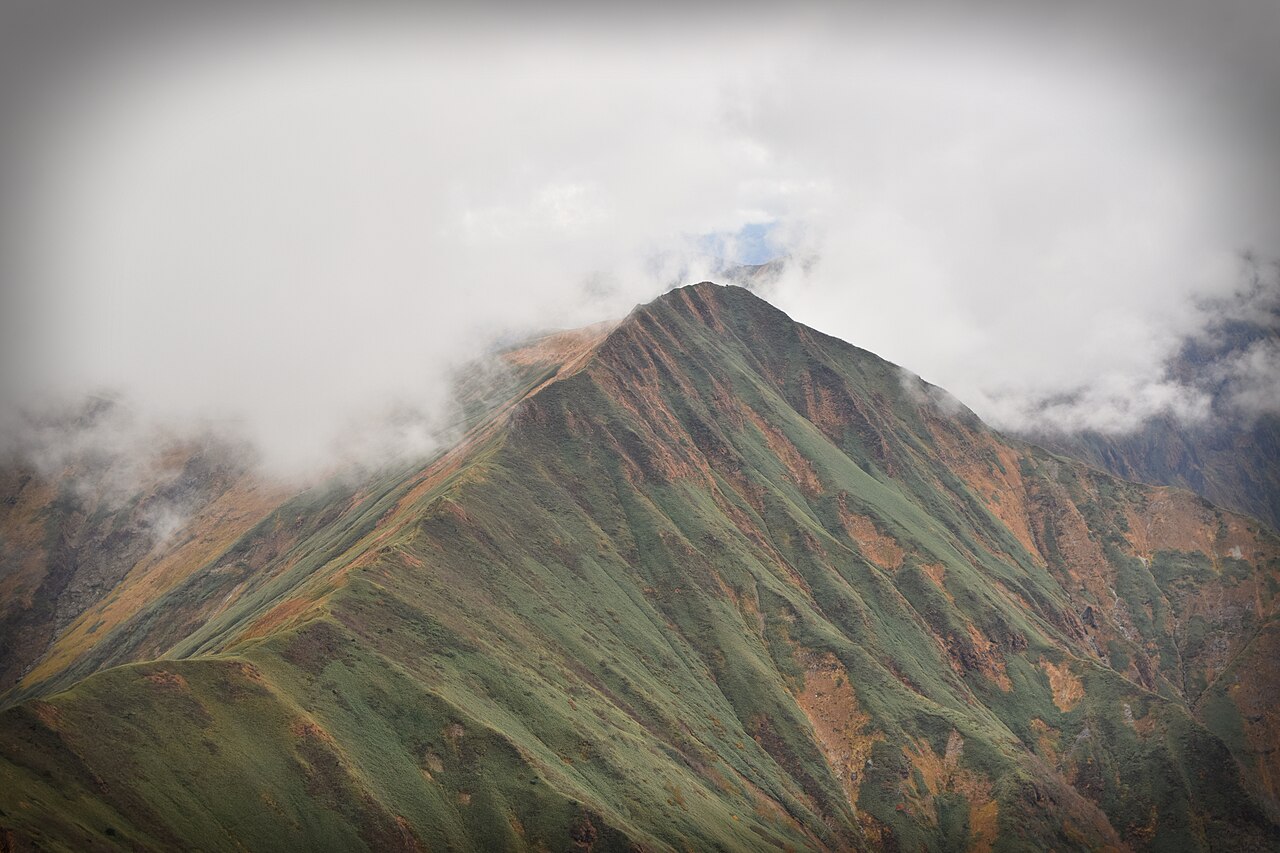
One of Japan's hundred famous mountains, standing at 1,977 metres on the Gunma-Niigata border. A ropeway lifts you from the valley floor to Tenjindaira at 1,319 metres in about 15 minutes, and a chairlift continues to a viewpoint near 1,500 metres.
- FromTokyo Stn
- ~150 minshinkansen + bus + ropeway
- Get off atTanigawadake Ropeway (Doaiguchi) bus stop
- From there
- Mt. Tanigawa
The sweet spot
This is the shortest path from central Tokyo to genuine alpine ground — shinkansen, bus, gondola, and you are at 1,319 metres before noon with no hiking required. What makes it worth the fare rather than just convenient is the contrast: the ropeway is a tourist ride, and it drops you at the foot of a ridge that is properly, unmistakably a mountain, with climbers walking past you toward the summit trail.
Where it is
20 more notes in Gunma · open the map →What to look for — in walking order
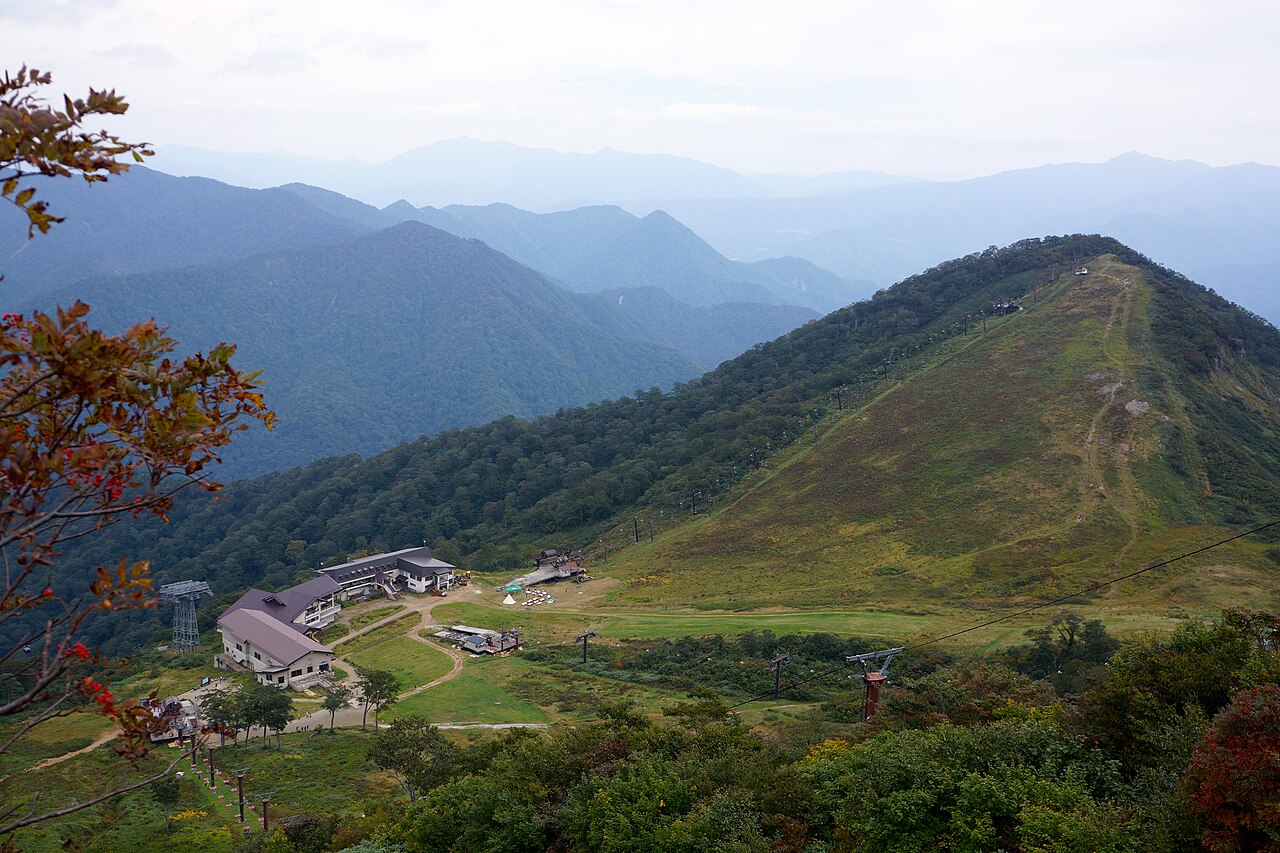
- Tenjindaira at 1,319 mthe alpine bowl at the top of the ropeway, where the terrain opens out under the summit ridge
- The Tenjin-toge observation deckone chairlift stage higher, near 1,500 m, with the full Tanigawa massif and its twin peaks in front of you
- Snow in the gulliesthe ridge holds snow well into summer, so even a July visit has white in the view
- October foliagethe autumn colour line moves down the slope week by week, and the gondola crosses it on the way up
How to actually get there
- Tokyo Station → Jomo-Kogen Station (Joetsu Shinkansen, ~70 min).
- Jomo-Kogen Station → Tanigawadake Ropeway (Doaiguchi) stop (Kan-Etsu Kotsu bus, ~50 min; ~25 min from Minakami Station).
- Doaiguchi → Tenjindaira (ropeway, ~15 min; the express run about 7 min, cabins roughly every 3 min).
- Tenjindaira → Tenjin-toge observation deck (chairlift, optional; the combined ticket covers it).
- Joetsu Shinkansen + Kan-Etsu Kotsu bus
- Tokyo Station →(Joetsu Shinkansen, ~70 min)→ Jomo-Kogen Station →(Kan-Etsu Kotsu bus toward Tanigawadake Ropeway, ~50 min)→ Tanigawadake Ropeway (Doaiguchi) stop, which is the base station itself. Total about 2 hours 15 minutes, plus the 15-minute ropeway ride. From Minakami Station the same bus takes about 25 minutes.
- Ropeway down, then the same bus
- The last uphill ropeway departure is around 16:30 and the last chairlift around 16:00, so the mountain sets your turnaround time before the bus does. Come down with margin, then take the bus back to Jomo-Kogen for the shinkansen or to Minakami if you are staying in the onsen town. Check the posted bus departures at the base station when you arrive.
About the place
Mt. Tanigawa sits on the spine of Honshu, straddling the Gunma and Niigata border at 1,977 metres, and it is one of the more serious mountains in Japan — the Ichinokura-sawa rock face on its far side is among the country's hardest climbing walls, and the weather here turns without much warning because this ridge is exactly where the snow clouds off the Sea of Japan pile up. None of which you need to deal with. From Doaiguchi at the valley floor, a gondola climbs the flank to Tenjindaira at 1,319 metres in about 15 minutes, with cabins leaving roughly every three minutes; a faster run does it in about seven. At the top the terrain opens into an alpine bowl below the summit ridge, and a chairlift carries you a further stage up to the Tenjin-toge observation deck near 1,500 metres. From there the whole Tanigawa massif is in front of you: the twin peaks locally called the cat's ears, the snow that lingers in the gullies well into summer, and in October a foliage line that moves visibly down the slope week by week. The operation was taken over by Hoshino Resorts and renamed Tanigawadake Joch.
How to enjoy it
Buy the combined ropeway-and-lift ticket rather than the ropeway alone — the extra chairlift stage to Tenjin-toge is short and it is the stage that opens up the view of the massif. Go up in the morning: the ridge tends to cloud over in the afternoon, and the last ropeway down is earlier than most people assume. Take a proper layer even in midsummer. If you are staying overnight, Minakami Onsen is 25 minutes away by the same bus and makes the obvious base.
Background & history
Mt. Tanigawa is counted among Japan's hundred famous mountains and is one of the most climbed peaks in the country, partly because the ropeway removes the first thousand metres of ascent. It also has a hard reputation: the Ichinokura-sawa face is a training ground for serious alpinists, and this stretch of the Gunma-Niigata border is where winter storms off the Sea of Japan hit the ridge and dump snow. The ropeway to Tenjindaira has long been the main way up for day visitors; the operation is now run by Hoshino Resorts under the name Tanigawadake Joch.
Before you go
- Cash
- Fares as posted since December 2025: the ropeway alone is 3,000 yen return for adults and 1,500 yen for children, or 1,800 / 900 yen one way. The combined ropeway-and-lift ticket up to the Tenjin observation deck is 3,600 yen for adults and 2,000 yen for children. Buy at the base station; carry some cash for the bus and the mountain-top cafe.
- Good to know
- The ropeway runs roughly from mid-April to mid-November — the posted 2026 season is 18 April to 15 November, subject to change — with suspensions for maintenance and bad weather. Hours are 8:00-17:00 on weekdays and 7:00-17:00 on weekends and holidays. The mountain road between Doaiguchi and Ichinokura-sawa is closed from mid-November to late May. Even in August it is cold and exposed at the top; take a windproof layer and check the forecast, because this ridge changes weather fast.
- Another way
- By car it is about 25 minutes from Minakami IC on the Kan-Etsu Expressway to the base station car park. If you want the mountain without the gondola, the Tenjin ridge trail from Tenjindaira toward the summit is the standard walking route, but it is a real mountain hike and needs proper gear and an early start.
- After you get off
- The bus terminates at the base station building at Doaiguchi, so there is no walk — ticket counters, lockers and the boarding platform are all in the same building.
Nearby notes
 Qurren / CC BY-SA 4.0
Onsen · Gunma★★
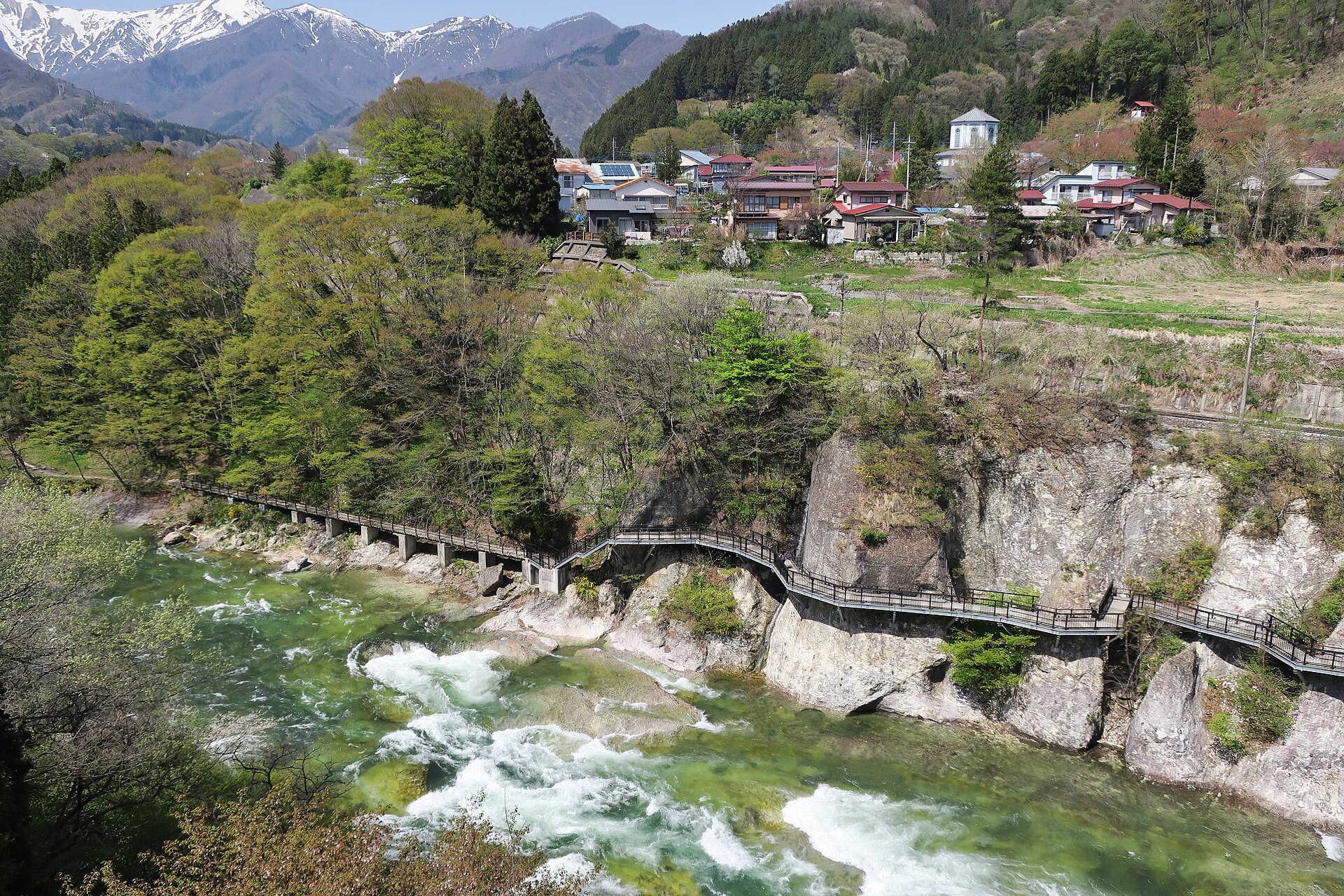
Minakami Onsen
5.8 km · straight line
 SLIMHANNYA / CC BY-SA 4.0
Food · Niigata★★★
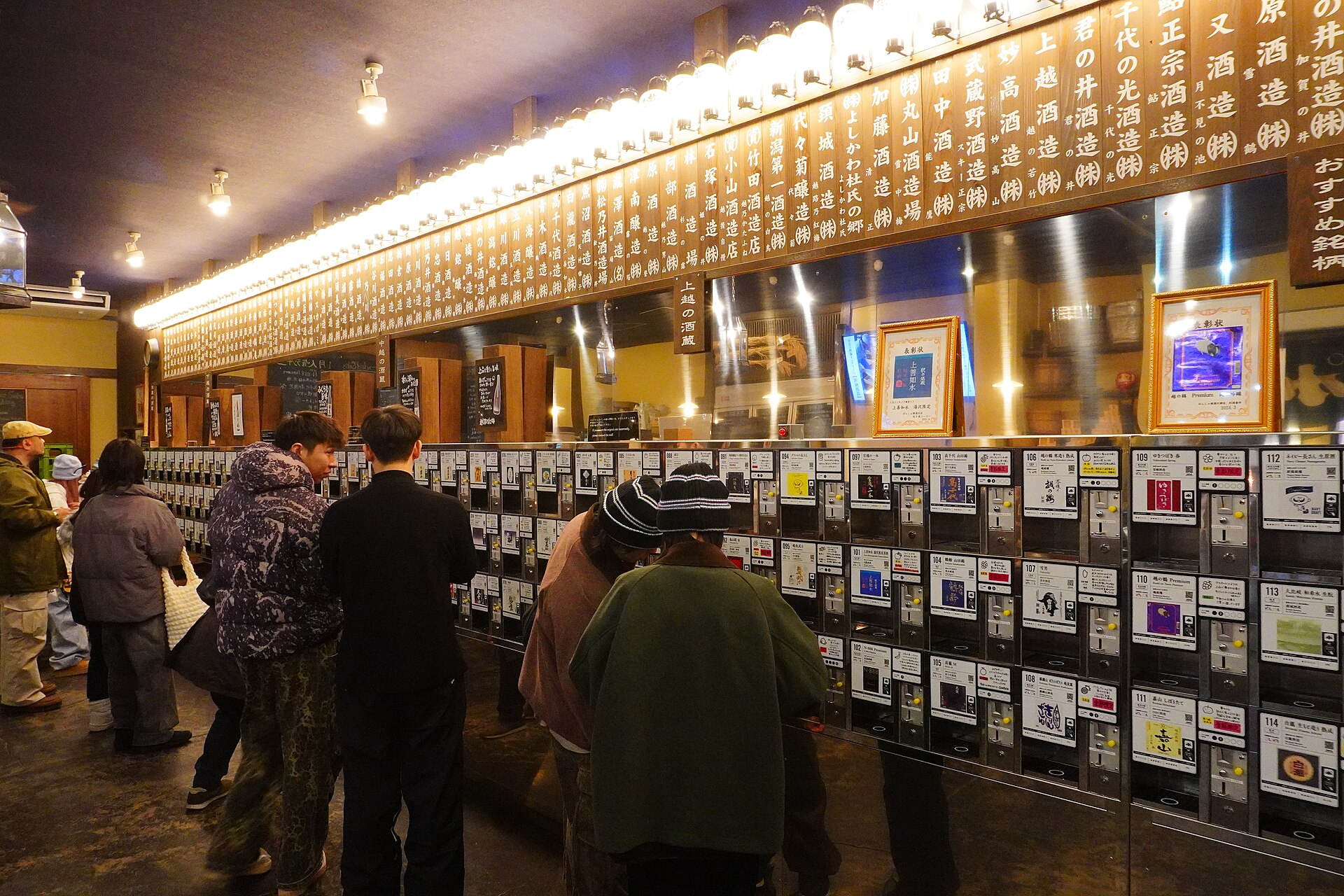
Niigata Sake
18.0 km · straight line
 ウィキ太郎 / Public domain
Onsen · Niigata★★
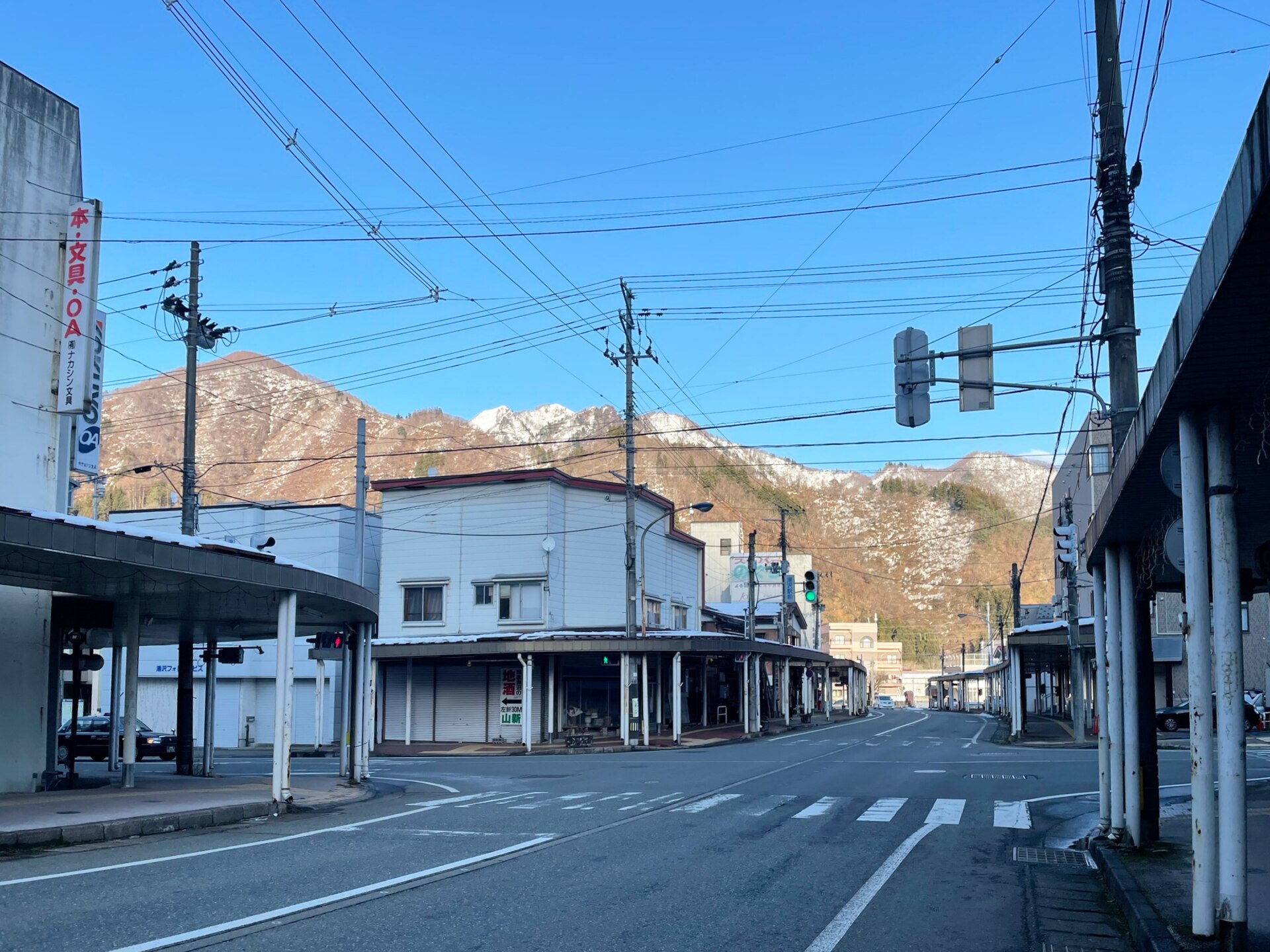
Echigo-Yuzawa Onsen
18.5 km · straight line
 DJ Quietstorm / CC BY 2.0
Onsen · Gunma★
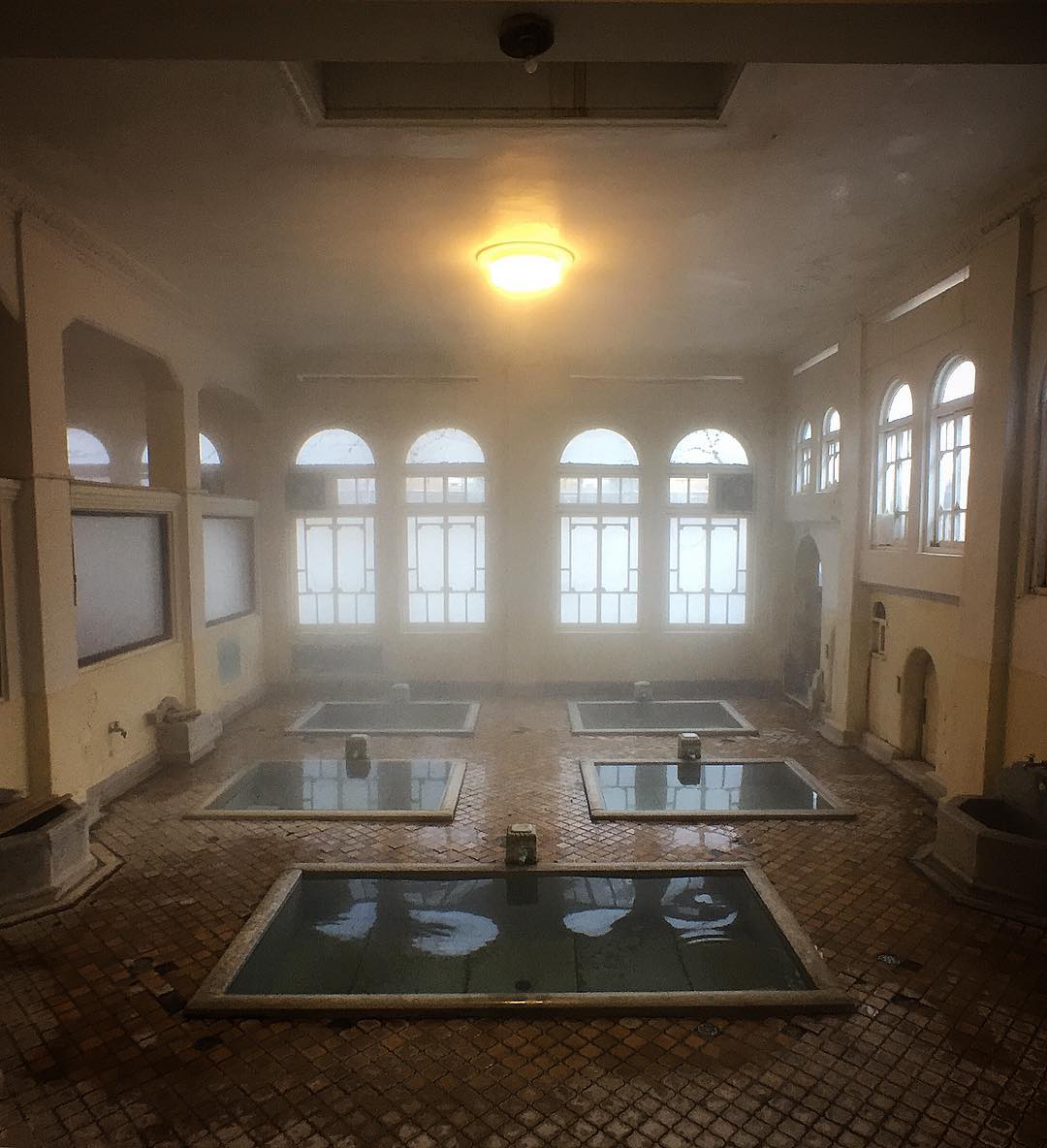
Shima Onsen
21.4 km · straight line
Distances are straight lines on the map, not travel times.