
Gunma · TomiokaNo.212★★★Open in map →
Tomioka Silk Mill
A UNESCO World Heritage Site in Tomioka, Gunma, built in 1872 as Japan's first state-run modern silk reeling factory. Designed with French technical guidance, the mill operated for 115 years and was preserved nearly complete because its buildings were never sold, rented, or demolished.
- FromTokyo Stn
- ~110 minJR + Joshin Line (limited trains)
- Get off atJoshu-Tomioka Station (Joshin Dentetsu)
- On foot
- Tomioka Silk Mill
Where it is
20 more notes in Gunma · open the map →What to look for — in walking order
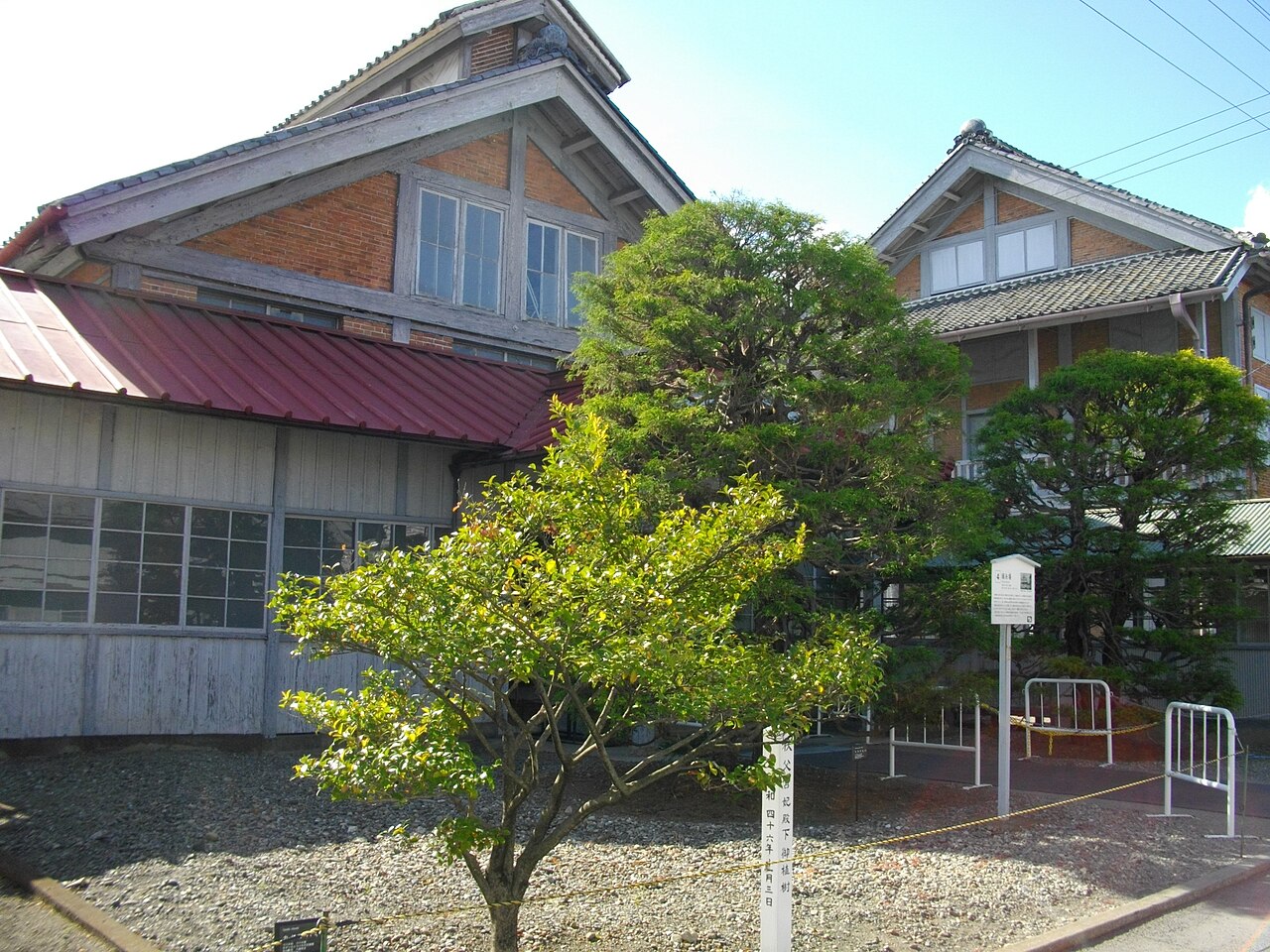
- East Silk Reeling Hall (Higashi-Zaguri-jo)the main production building, 140 metres long; its iron-frame brick structure and high clerestory windows are characteristic of the 1872 design
- East and West Cocoon Warehousesbrick-clad storage buildings flanking the entrance; their facades define the first view of the mill from the gate
- Brunat Housethe wood-framed residential building where Paul Brunat, the French engineer who designed the mill, lived during construction and operation
- Mill gate and main compoundthe entrance gate and the open yard inside, giving a sense of the mill's scale as a complete planned factory complex
How to actually get there
- Tokyo Station → Takasaki Station (JR Shonan-Shinjuku Line or Ueno-Tokyo Line / Takasaki Line, ~50 min). Check the Joshin Dentetsu connection timetable.
- Takasaki → Joshu-Tomioka Station (Joshin Dentetsu Joshin Line, ~35 min, about every 30 min).
- Joshu-Tomioka Station → Tomioka Silk Mill entrance (walk southwest ~10 min, flat, signed).
- JR Takasaki Line from Tokyo + Joshin Dentetsu
- Tokyo Station →(JR Shonan-Shinjuku Line or Ueno-Tokyo Line / Takasaki Line, ~50 min)→ Takasaki Station →(Joshin Dentetsu Joshin Line, ~35 min, direct to Joshu-Tomioka Station). From Joshu-Tomioka Station, walk about 10 minutes to the mill entrance. Total about 100–110 minutes from Tokyo. Trains from Tokyo to Takasaki are frequent; the Joshin Dentetsu line runs roughly every 30 minutes, so plan the connection at Takasaki in advance.
- Return from Joshu-Tomioka Station the same way
- Walk back to Joshu-Tomioka Station and take the Joshin Dentetsu line to Takasaki, then JR back to Tokyo. The Joshin Dentetsu line runs about every 30 minutes; check the timetable at joshin-rail.co.jp to plan your return. Last connections from Tomioka in the evening are limited.
About the place
Tomioka Silk Mill stands at the heart of Tomioka City in Gunma Prefecture, about 120 km northwest of Tokyo. It was built in 1872 by the Meiji government as a showcase factory for modern machine silk reeling, at a time when silk was Japan's primary export earner. The mill's design brought together French engineering — the blueprint was drawn by French engineer Paul Brunat, and initial equipment and technical expertise came from France — and traditional Japanese building material: the large reeling hall (Higashi-Zaguri-jo) and the cocoon warehouses are built with a structural iron frame clad in hand-laid brick, a combination novel to Japan in 1872. The buildings have been continuously maintained but not modernised: they look today almost exactly as they did when they opened. The factory operated as a silk reeling facility from 1872 until 1987, when the final operator, Katakura Kogyo, ceased production. The company's decision to follow a strict policy — 'do not sell, do not rent, do not demolish' — throughout its 115 years of operation is the reason the buildings survive in such complete condition. UNESCO added the mill and three associated silk-industry sites to the World Heritage List in 2014.
How to enjoy it
Allow 90 minutes to two hours to tour the main buildings with the audio guide. The Higashi-Zaguri-jo (East Reeling Hall) is the centrepiece and takes longest to walk through. Guided tours in Japanese run several times daily; an audio guide in English covers the main buildings. Tomioka City's silk-related museum, the Silk Japan Silkwave Museum, is a short walk from the mill gate and provides additional context on the industry's history.
Background & history
Japan's Meiji government established the mill in 1872 as part of a programme to modernise industry and establish silk as a reliable export. French engineer Paul Brunat designed the facilities and sourced the machinery. French female workers were initially brought over to train Japanese women in machine reeling techniques. The mill passed through several private operators before Katakura Kogyo assumed management in 1939. After Katakura ceased production in 1987, Tomioka City acquired the property and opened it to the public. In 2014 'Tomioka Silk Mill and Related Sites' was inscribed on the UNESCO World Heritage List as a group of four sites representing Japan's silk industry heritage.
Before you go
- Cash
- Admission to the Tomioka Silk Mill complex is 1,000 yen for adults (confirm current fee at tomioka-silk.jp). The Joshin Dentetsu line does not accept IC cards — buy a cash ticket at Takasaki or Joshu-Tomioka Station. JR trains to Takasaki accept IC cards (Suica, etc.).
- Good to know
- The mill is closed on Wednesdays (and the following Thursday if Wednesday falls on a public holiday) and on 29–31 December. The main reeling hall interior has limited natural light; overcast days can make photography inside challenging.
- Another way
- Driving from Tokyo (about 2 hours via the Kansai-Etsu Expressway) gives more flexibility for combining Tomioka with the Shimonita area or the Akagi highlands. Rental cars are available at Takasaki Station.
- After you get off
- Joshu-Tomioka Station exit: walk southwest through the town centre for about 10 minutes to the mill entrance gate. The route is flat and signed.
Nearby notes
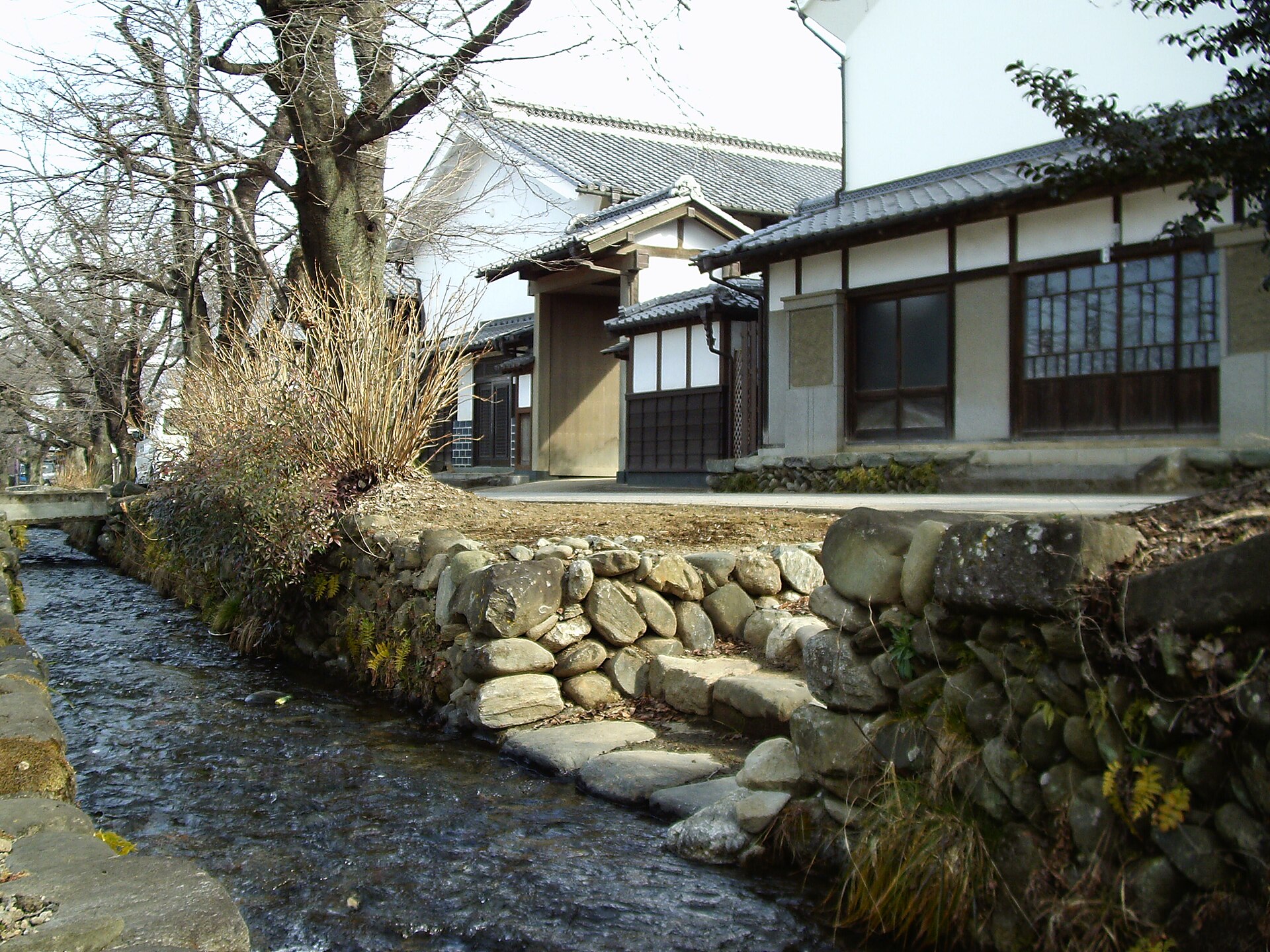 Indiana jo / CC BY-SA 4.0
Local life · Gunma★
Obata Castle Town
3.8 km · straight line
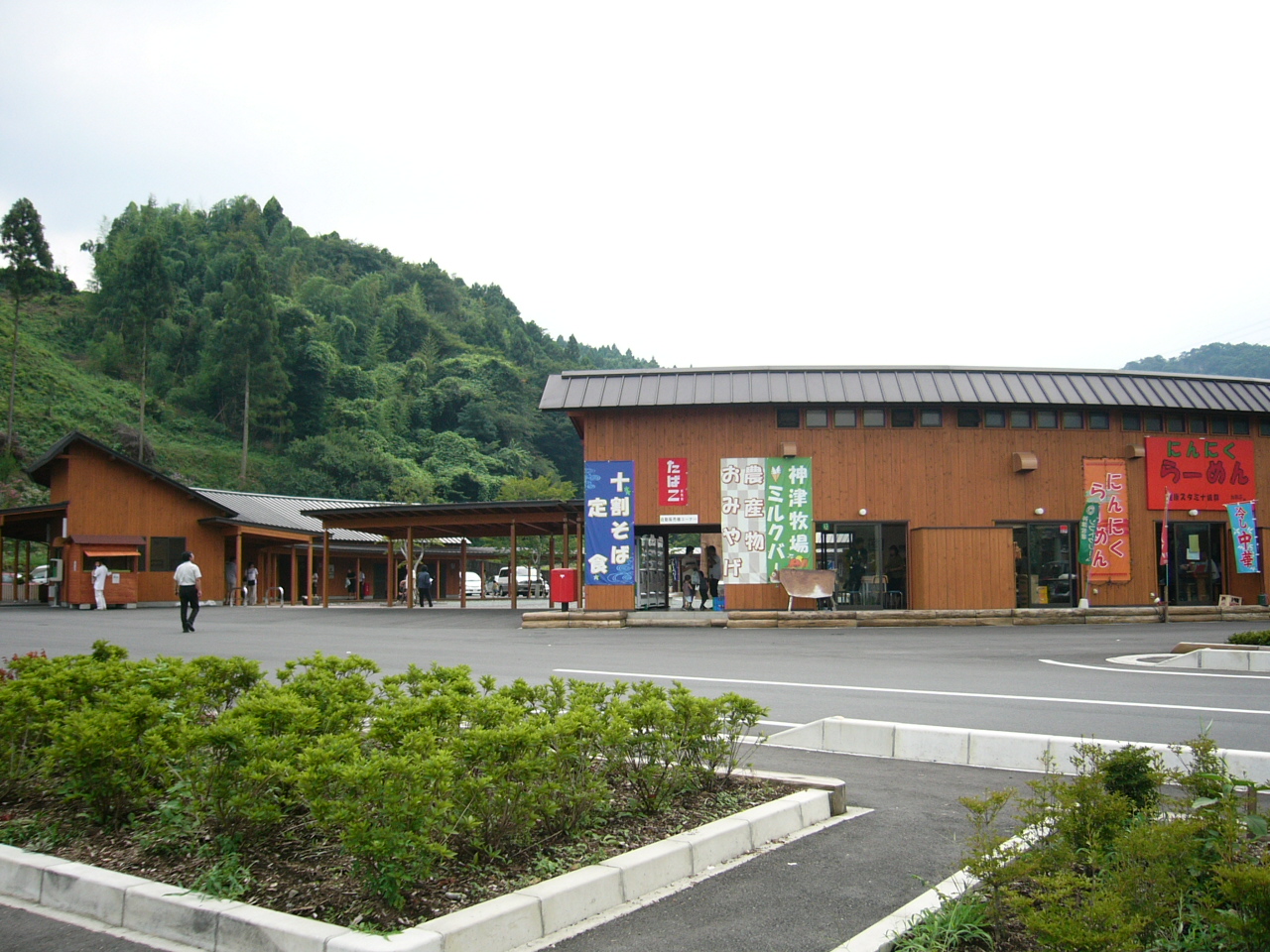 Filler / CC BY-SA 3.0
Food · Gunma★
Shimonita Konjac
8.4 km · straight line
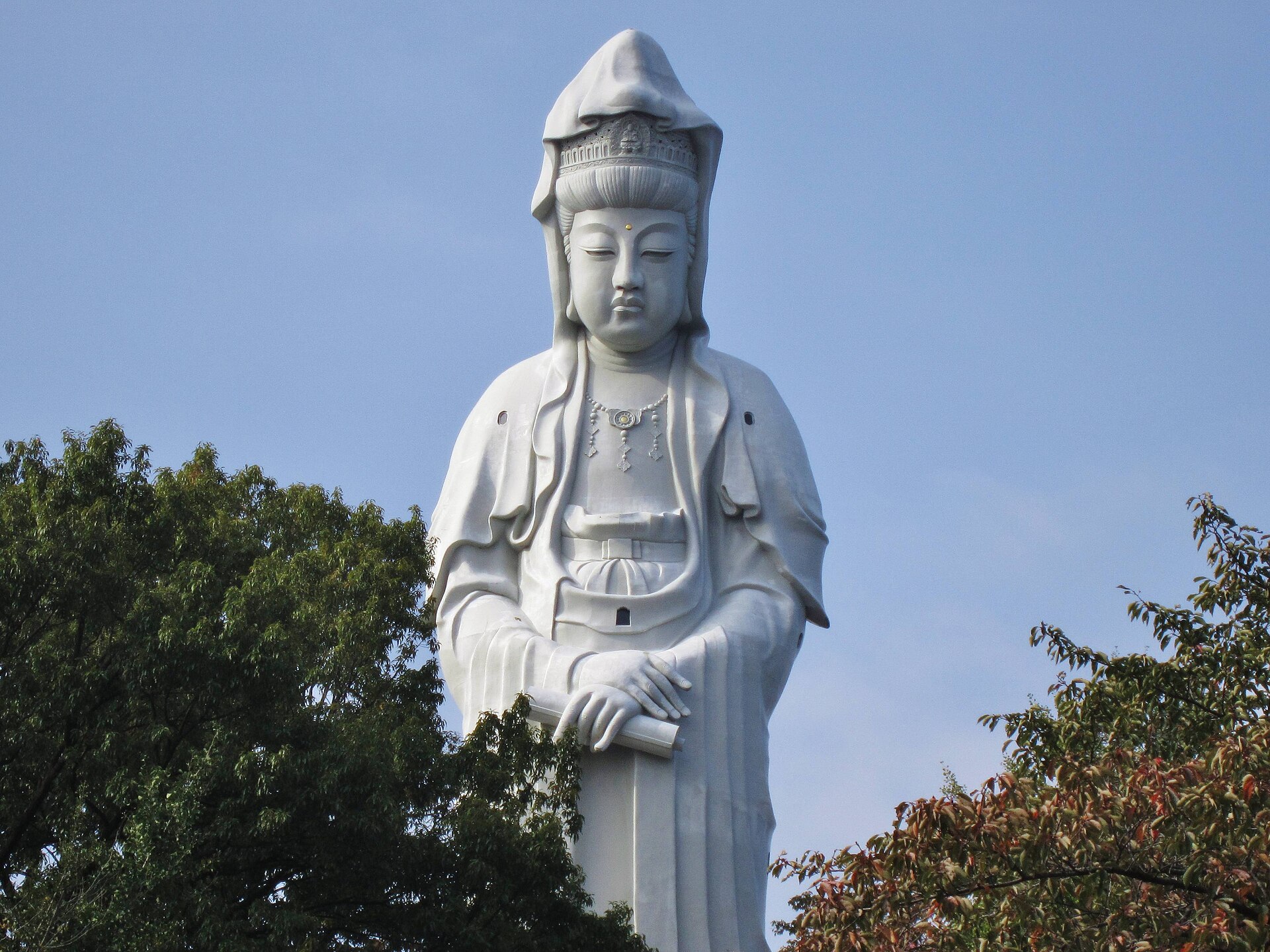 Qurren / CC BY-SA 3.0
History · Gunma★★
Takasaki Byakue Dai-Kannon
10.4 km · straight line
 Asturio Cantabrio / CC BY-SA 4.0
Food · Gunma★★★
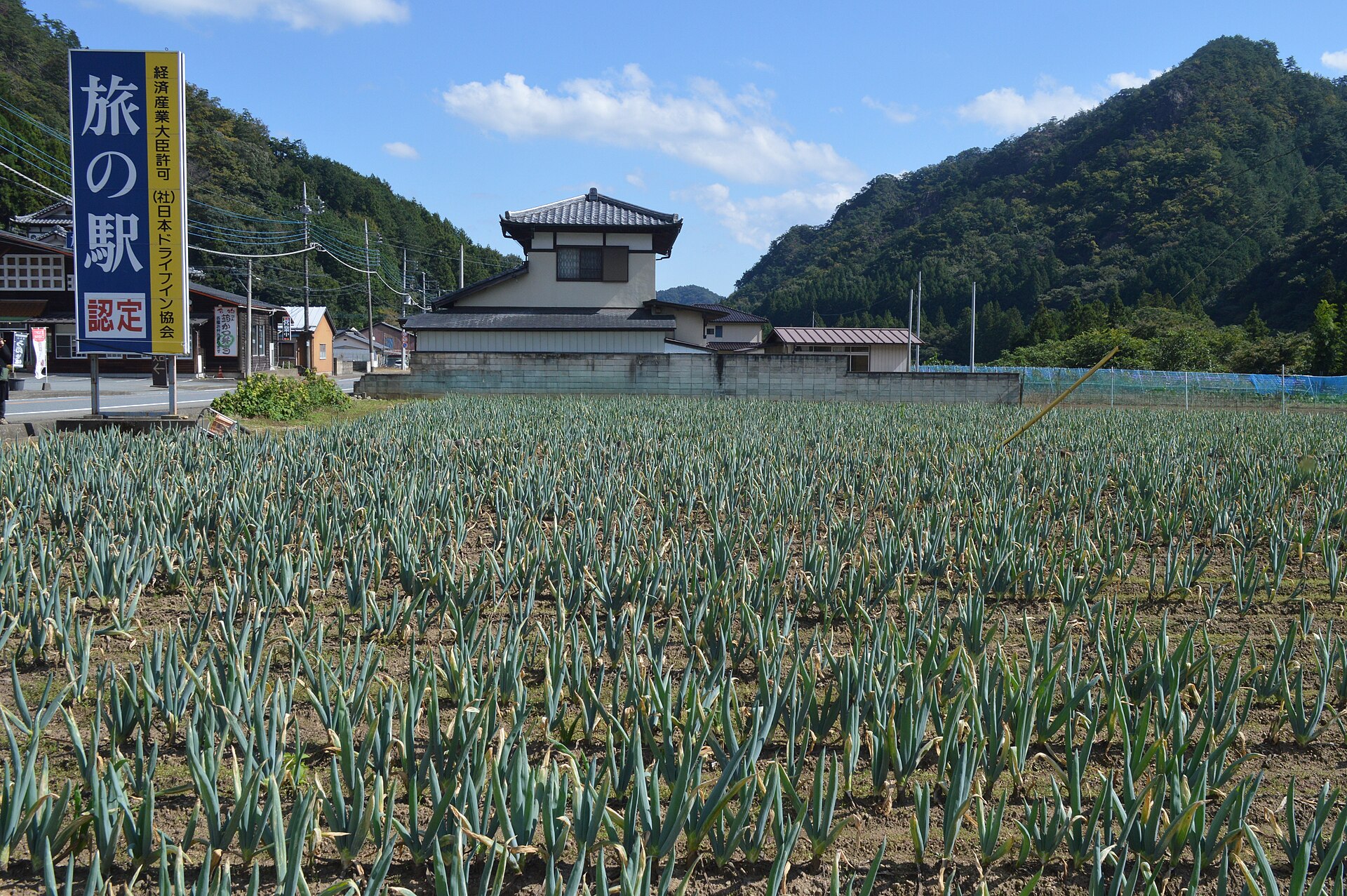
Shimonita Negi
10.4 km · straight line
Distances are straight lines on the map, not travel times.