Niigata · Tsubame-SanjoNo.1035★★★Open in map →
Tsubame-Sanjo Jibasan Center
— The showroom of Japan's cutlery and blade country
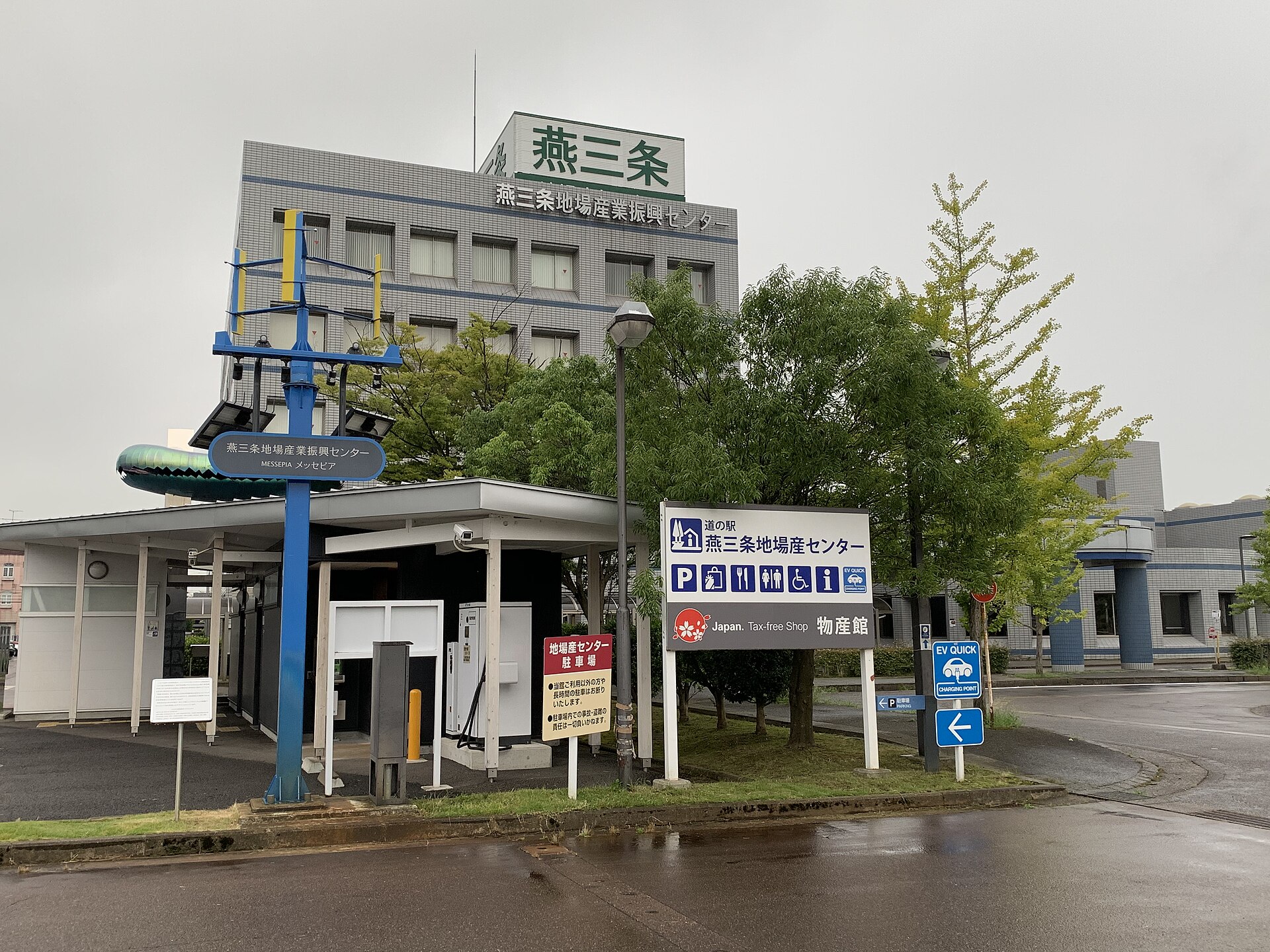
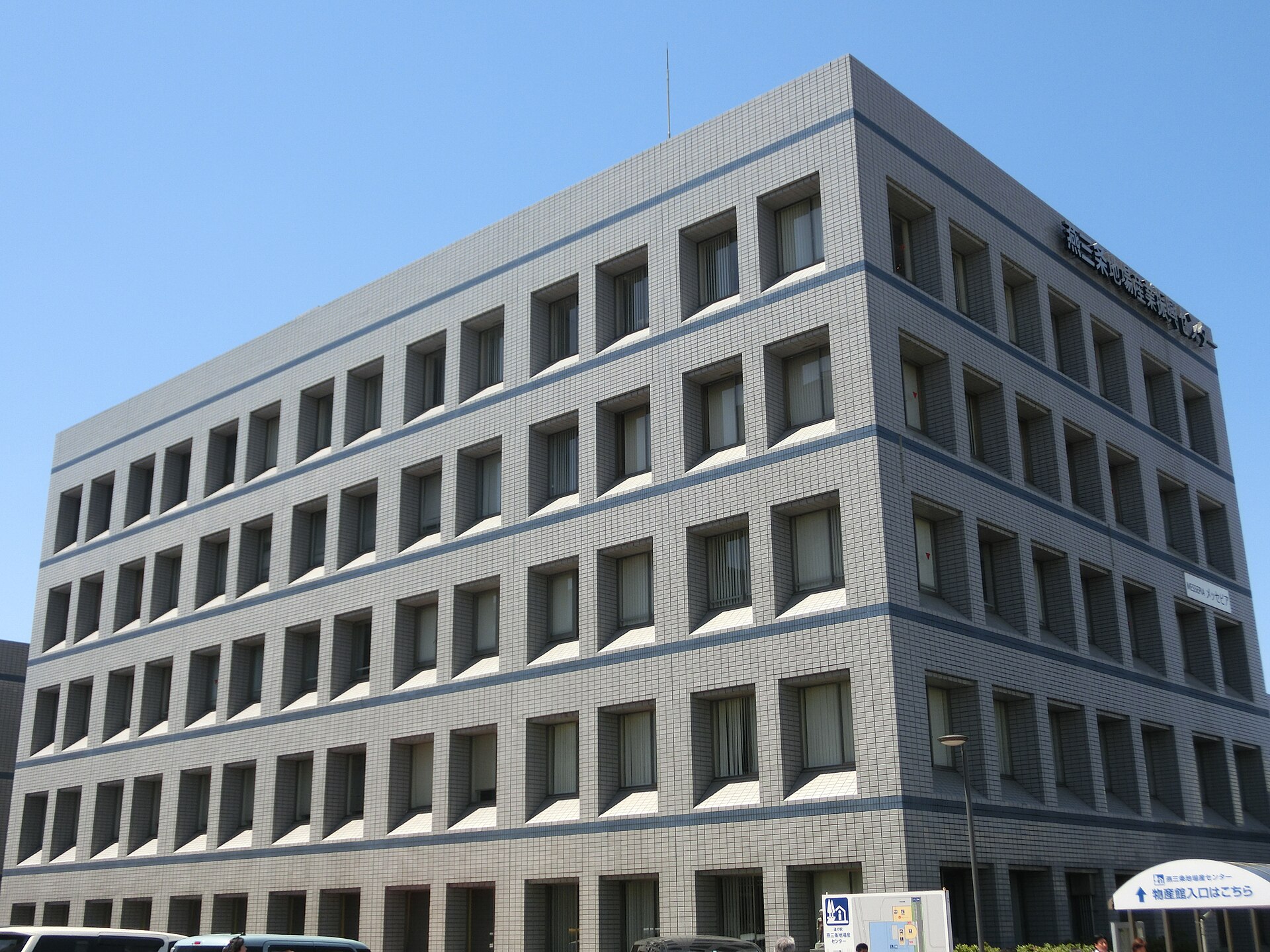
The public showroom of Tsubame-Sanjo, Japan's biggest producer of metal cutlery and a long-standing centre for forged blades. It stands within walking distance of the shinkansen station and is registered as a roadside station as well.
- FromTokyo Station
- ~100 minJoetsu Shinkansen, direct
- Get off atTsubame-Sanjo Station (Joetsu Shinkansen)
- On foot
- Tsubame-Sanjo Jibasan Center
Where it is
12 more notes in Niigata · open the map →What to look for — in walking order
- Tsubamesanjo Wingthe tourist and product centre on the second floor of the station, by the Yahiko Line gates
- Tsubame-side exitthe exit for the centre, on the opposite side of the tracks from the Sanjo one
- Bussankan sales hallone open floor of knives, cutlery, pans and copperware from the region's makers
- Hands-on cornerspoon polishing, titanium colouring and knife sharpening, run inside the hall
- Messepiathe exhibition and event wing of the same complex, beside the sales hall
How to actually get there
- Tokyo Station → Tsubame-Sanjo Station (Joetsu Shinkansen Toki, about 100 minutes at the fastest).
- Before leaving the station, look in at Tsubamesanjo Wing.
- Take the Tsubame-side exit and walk about five minutes west to the Jibasan Center.
- Work through the sales hall, then cross to the Messepia wing next door.
- Joetsu Shinkansen, direct from Tokyo
- Tokyo Station →(Joetsu Shinkansen Toki, about 100 minutes at the fastest)→ Tsubame-Sanjo Station. Take the Tsubame-side exit and walk about five minutes. Toki services run from early morning to evening, so there is no need to plan around a single departure. You need a base ticket and a limited-express ticket; both are sold at the station.
- Return from Tsubame-Sanjo Station
- Walk back to the Tsubame-side exit and take the Joetsu Shinkansen south to Tokyo, or continue north on the same line toward Niigata. Services thin out late in the evening, so check the last departure on the platform board if you plan to stay for dinner.
About the place
Tsubame and Sanjo are adjoining towns on the Shinano river plain, and together they form one of Japan's densest concentrations of metalworking. Tsubame specialises in cutlery and metal housewares. Sanjo specialises in forged blades and hand tools. Spoons and forks made in Tsubame account for more than 90 percent of national output. The Jibasan Center is the region's public showroom, and its sales hall carries roughly 10,000 items: kitchen knives, cutlery, pans, hammered copperware, titanium tumblers. The building is also registered as a michi-no-eki roadside station, so drivers and rail passengers walk in through the same doors.
How to enjoy it
The sales hall runs from 9:30 to 17:30, which fits either side of a shinkansen connection. Come in the morning if you want the spoon-polishing or knife-sharpening corner, since those are worth allowing time for. Knife name-engraving is demonstrated in the same hall.
Background & history
Metalworking here began as relief work. In 1625 an official named Otani Seibei brought nail smiths from Edo to Sanjo and encouraged farming households to forge Japanese nails as a sideline, after repeated flooding had ruined their harvests. In 1661 methods for saws and hatchets arrived from the Aizu region, and Sanjo turned toward blades. Tsubame took a different path through hammered copperware, tobacco pipes and files. When imported wire nails displaced the handmade kind, its workshops moved to spoons and forks.
Before you go
- Cash
- There is no admission charge for the building or for the sales hall. The hall offers tax-free service to overseas visitors, so bring your passport if you intend to use it.
- Good to know
- The hall is closed on the first Wednesday of each month and over the new year period, from 29 December to 3 January. Everything is indoors, so weather does not change the visit. If you buy a knife here, pack it into checked baggage rather than hand luggage.
- Another way
- From Niigata Station the Joetsu Shinkansen runs south to Tsubame-Sanjo in a short hop. The local Yahiko Line also stops at the station. By car, the Hokuriku Expressway's Sanjo-Tsubame interchange is close by, and the site takes vehicles as a roadside station.
- After you get off
- At Tsubame-Sanjo Station take the Tsubame-side exit, on the west of the tracks, and walk about five minutes on level streets to the centre.
Nearby notes
 Kakidai / CC BY-SA 4.0
History · Niigata★★
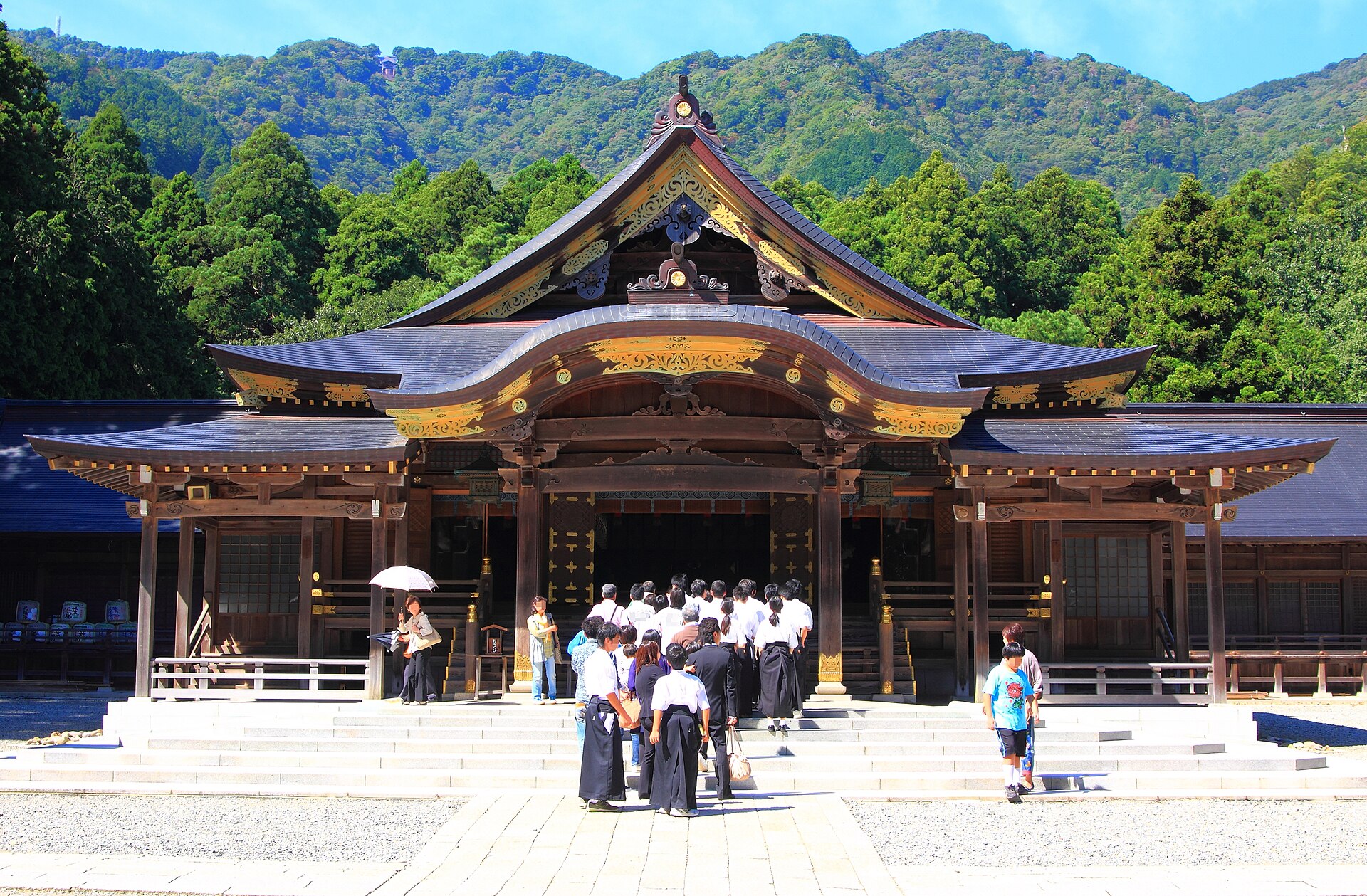
Yahiko Shrine
11.4 km · straight line
 Nihongo1234 / CC BY-SA 4.0
Local life · Niigata★
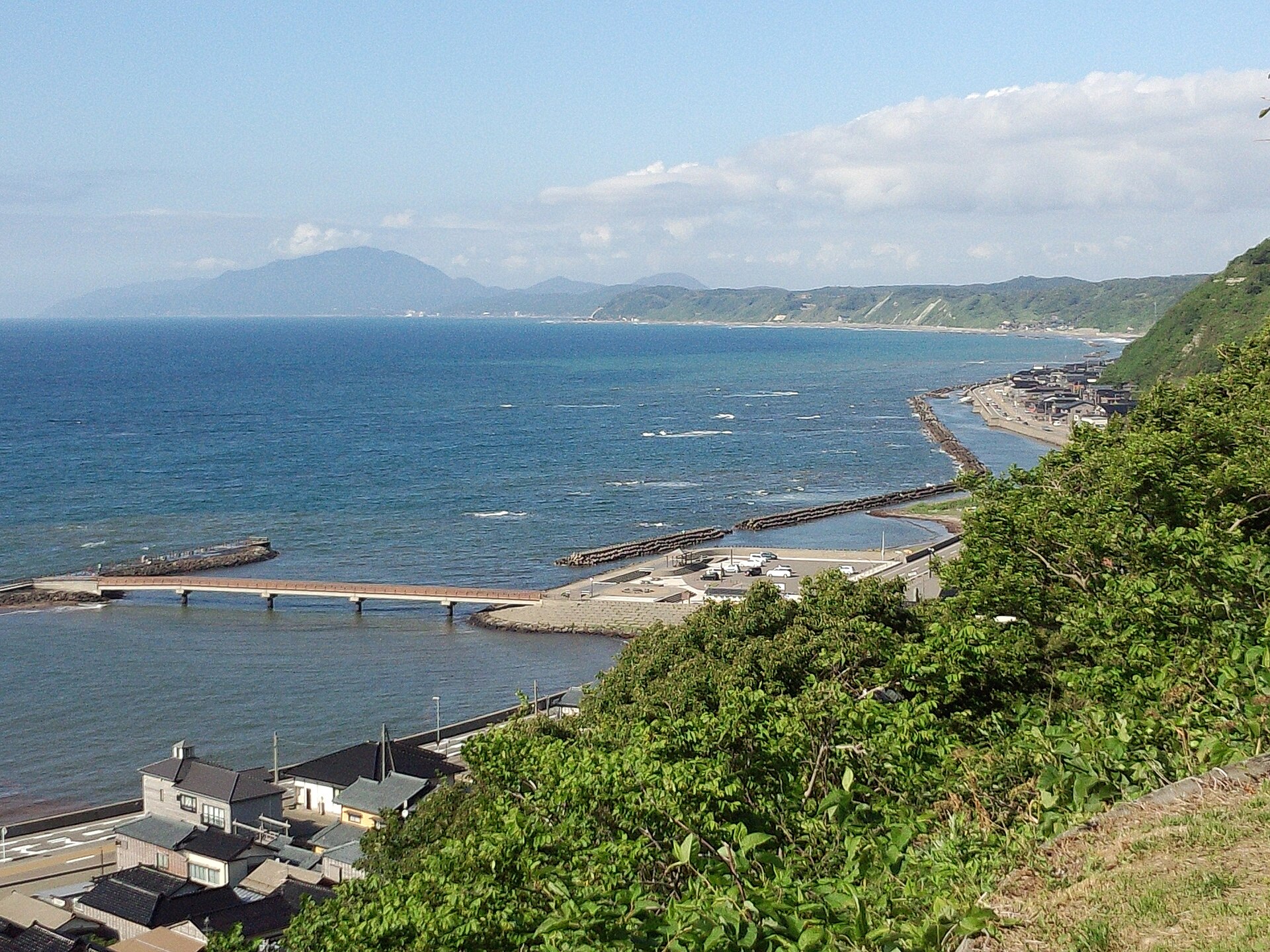
Izumozaki
25.6 km · straight line
Distances are straight lines on the map, not travel times.