Aomori · HirosakiNo.1078★★Open in map →
Tsugaru Lacquerware
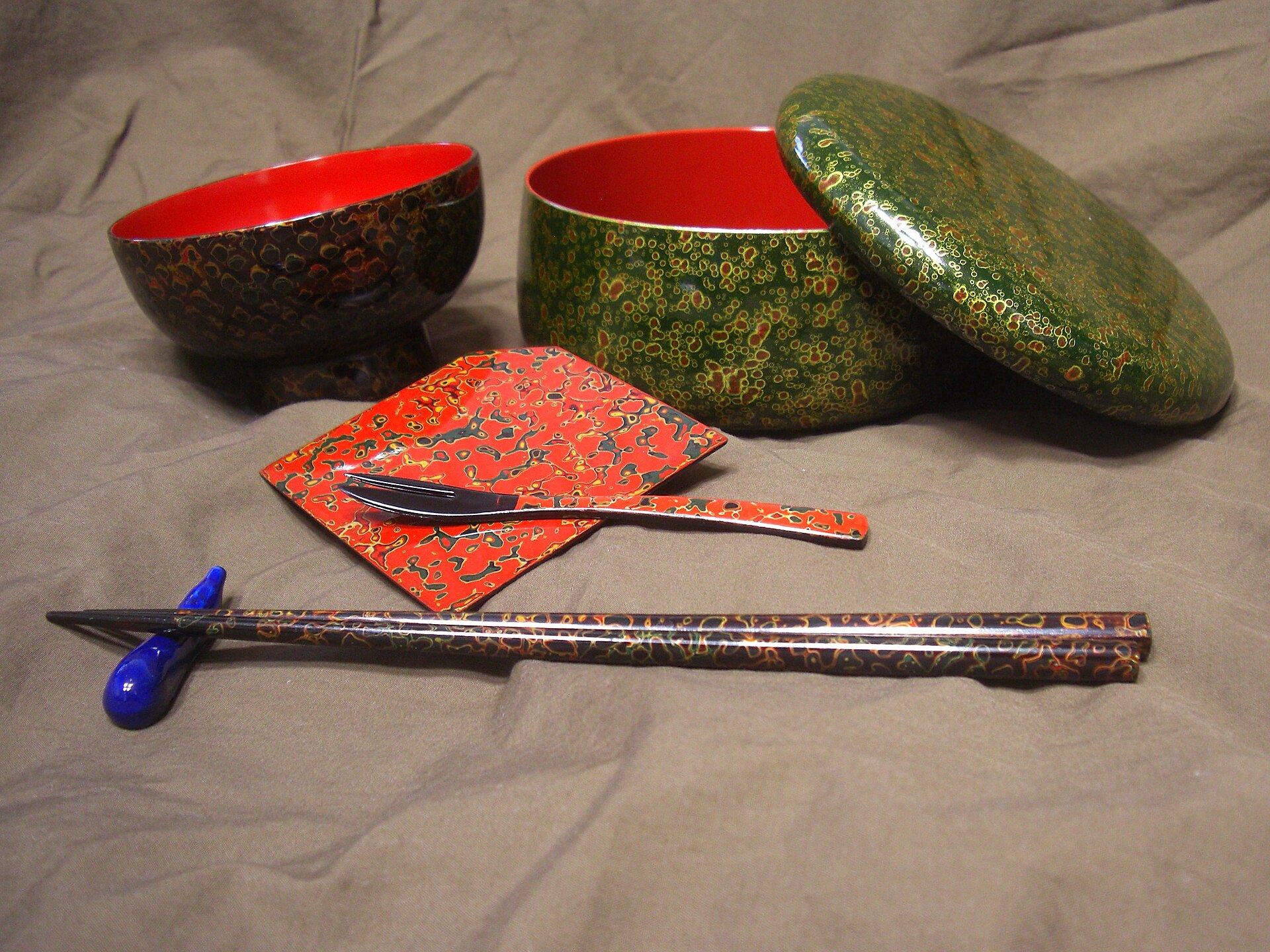
Tsugaru lacquer is built up in layer after layer and then ground back until the buried colours surface. Hirosaki's municipal tourist centre keeps a permanent display of that sequence upstairs, free to walk into, at the south gate of the park.
- FromHirosaki Station
- ~30 minDotemachi loop bus, ~15 min
- Get off atShiyakusho-mae (Konan Bus, Dotemachi loop)
- On foot
- Tsugaru Lacquerware
The sweet spot
This is not a hidden place. It stands at the busiest corner of Hirosaki's sightseeing route, and in blossom season a steady stream goes past the door. What gets skipped is the staircase. People collect a map at the entrance and walk straight back out toward the park, and the room that explains the craft sits above them, unvisited.
Where it is
34 more notes in Aomori · open the map →What to look for — in walking order
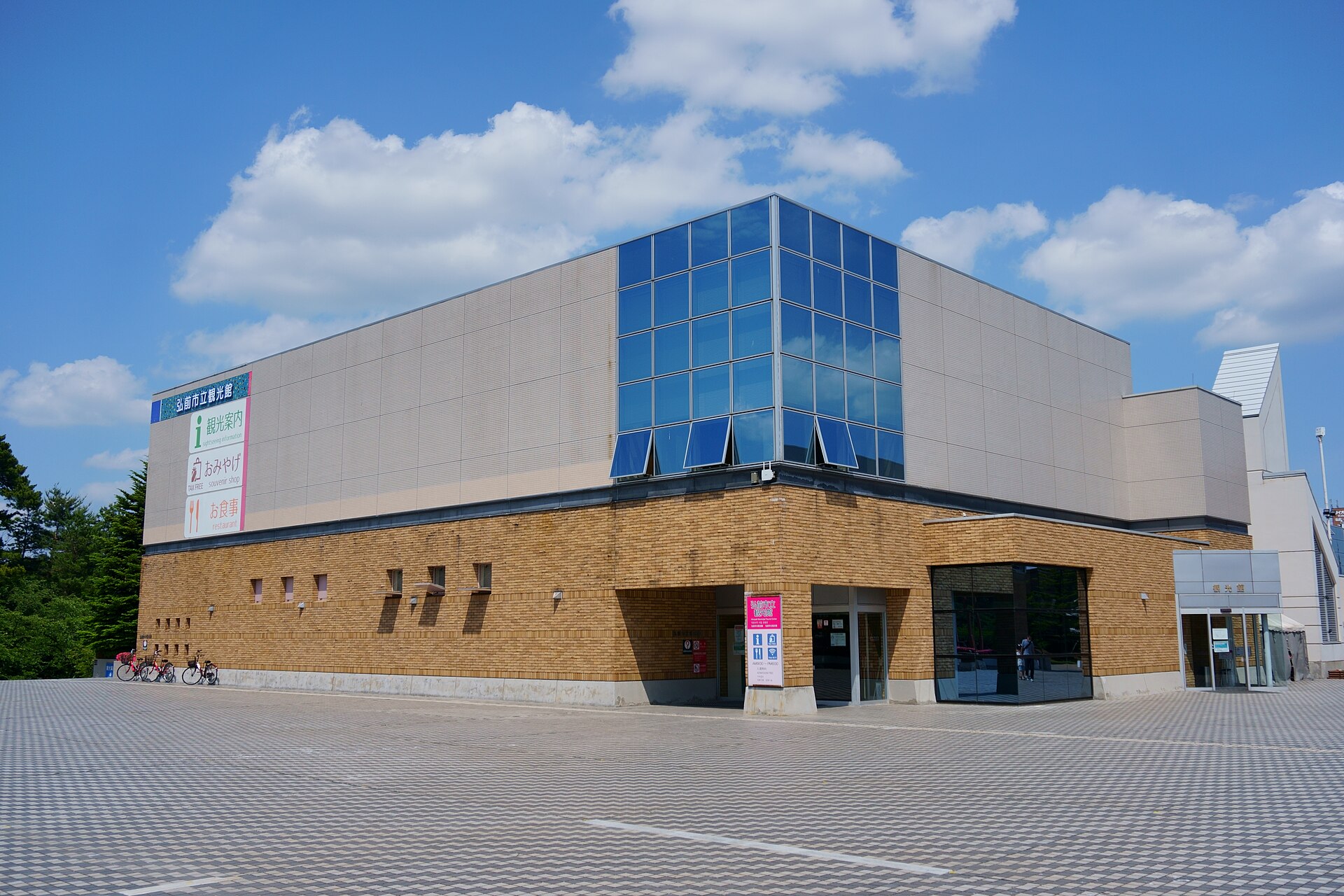
- Ground-floor sales floorlacquered bowls, trays and chopsticks set out beside other goods from the Tsugaru district
- Tsugaru lacquer cornerthe permanent upstairs display, running from bare ground coat through to finished surface
- Folk-craft cornerkogin embroidery and other Tsugaru handwork, shown on the same upper floor
- Float exhibition hallthe adjoining building, holding festival floats and a large drum from the Hachiman shrine rites
- Otemon Plazathe open square outside, at the south entrance to the castle park
How to actually get there
- Hirosaki Station → Shiyakusho-mae on the Konan Bus Dotemachi loop line (flat 100 yen when checked).
- Cross into Otemon Plaza and go in through the plaza-facing entrance of the tourist centre.
- Take the stairs to the lacquer corner and the folk-craft room above.
- Come back down for the float hall next door, then walk on to the park gate.
- Konan Bus, Dotemachi loop, from Hirosaki Station
- Hirosaki Station →(Konan Bus, Dotemachi loop line, about 15 min)→ Shiyakusho-mae. The loop is a flat 100 yen when checked and comes round through the day, so there is no timetable to work out. The centre is the low building facing the plaza, on the park side of the road.
- Back to Hirosaki Station
- The same loop returns to the station in roughly a quarter of an hour. Services thin out through the evening and finish well before the last trains, so if you stay on into the night, plan on the walk down Dotemachi or a taxi from the city hall rank.
About the place
The technique is a build-up, not a coating. Lacquer is laid on, left to harden and then ground down again, and the pattern only appears once the buried layers have been cut through. Kara-nuri, the best known of the Tsugaru finishes, runs to forty-eight separate steps before a piece leaves the workshop, which is where the local nickname baka-nuri, the fool's lacquer, comes from. Nanako-nuri raises small rings like fish roe. Monsha-nuri holds a matt figure under charcoal powder. Nishiki-nuri draws scrollwork across a nanako ground. Underneath all of them is hiba cypress, cut in Aomori and turned or planed before the first coat goes on.
How to enjoy it
Doors open at nine in the morning and the building stays open until six when checked, with longer hours in festival weeks. Half an hour covers the lacquer corner and the folk-craft room without hurrying, which makes it a sensible first stop rather than a last one: the park gate is the next thing you walk to, and you go in already knowing what the shop windows inside are showing you.
Background & history
Lacquer work took root in Hirosaki under Tsugaru Nobumasa, the fourth lord of the domain, who took a lacquerer named Ikeda Genbee into his service; the prefecture dates the craft from roughly 300 years ago. It stayed domain work until the Meiji years, when the workshops began selling outward as an industry. The state designated Tsugaru lacquer a traditional craft industry in 1975. In 2017 the technique itself was listed as an important intangible cultural property, the first such listing in Aomori.
Before you go
- Cash
- There is no admission charge for the building or for the display rooms. The sales floor and the underground car park take cash; the car park is charged by time after a free initial period, so read the rates at the gate. Carry some cash for the craft counter.
- Good to know
- The centre closes over the new year period, and hours run longer during festival weeks. Hirosaki has heavy snow from December into March: the plaza is cleared but freezes, and the slope down to the road is slippery in the thaw.
- Another way
- From Hirosaki Station it is about 30 minutes on foot, straight along the Dotemachi shopping street, which is a decent walk in its own right. Taxis wait at the station rank if the weather turns.
- After you get off
- Shiyakusho-mae sits on the road below the plaza, opposite the city hall. The centre is about a minute away on foot; its entrance faces the plaza, not the street, so go through the gap between the buildings rather than looking for a door on the roadside.
Nearby notes
 掬茶 / CC BY-SA 4.0
History · Aomori★★★
Hirosaki Castle
0.6 km · straight line
 Kaburamata / CC0
Culture · Aomori★★
Hirosaki Neputa Festival
0.8 km · straight line
 皓月旗 / CC BY-SA 4.0
History · Aomori★★
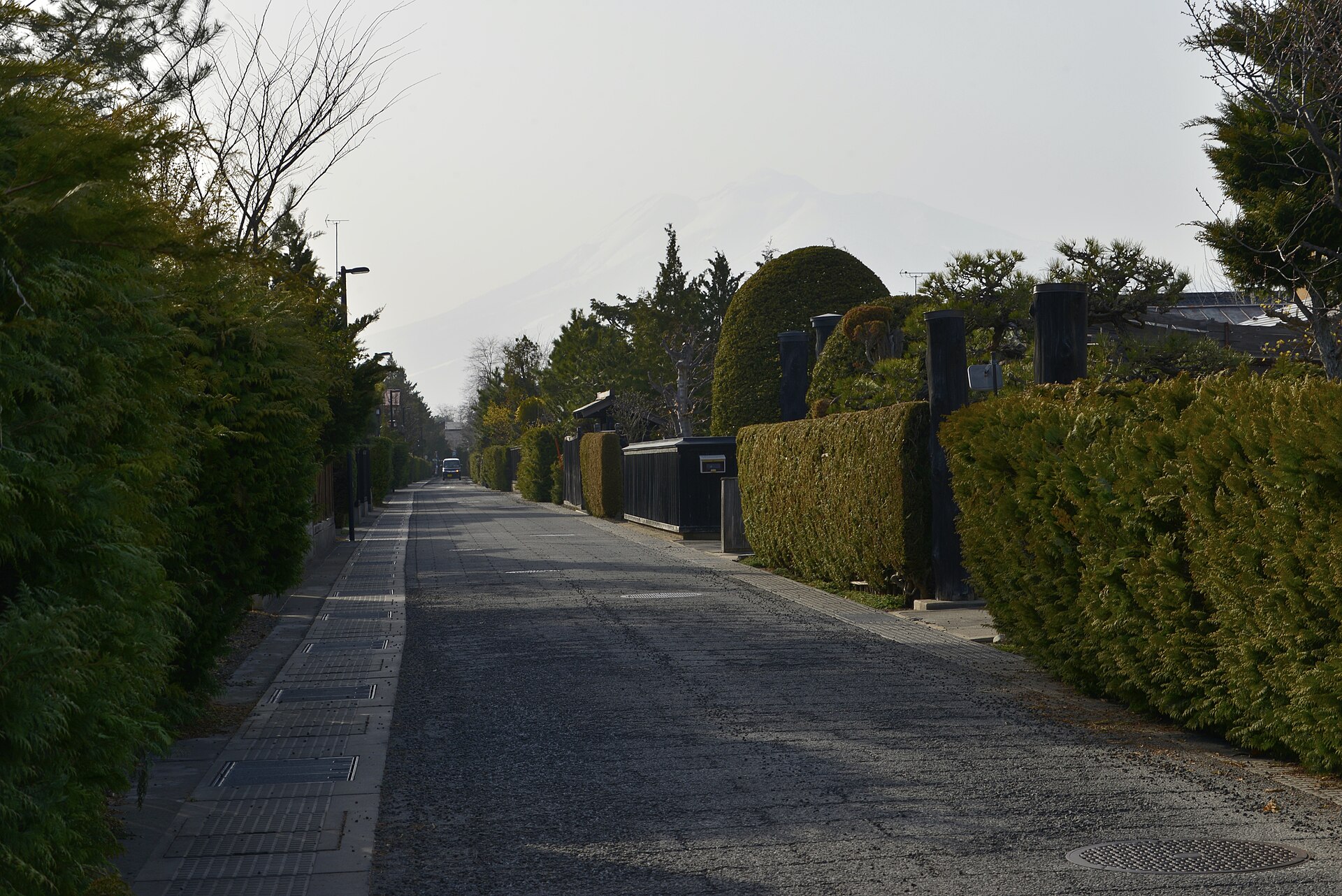
Hirosaki Nakacho Samurai District
1.1 km · straight line
 掬茶 / CC BY-SA 4.0
Food · Aomori★★★
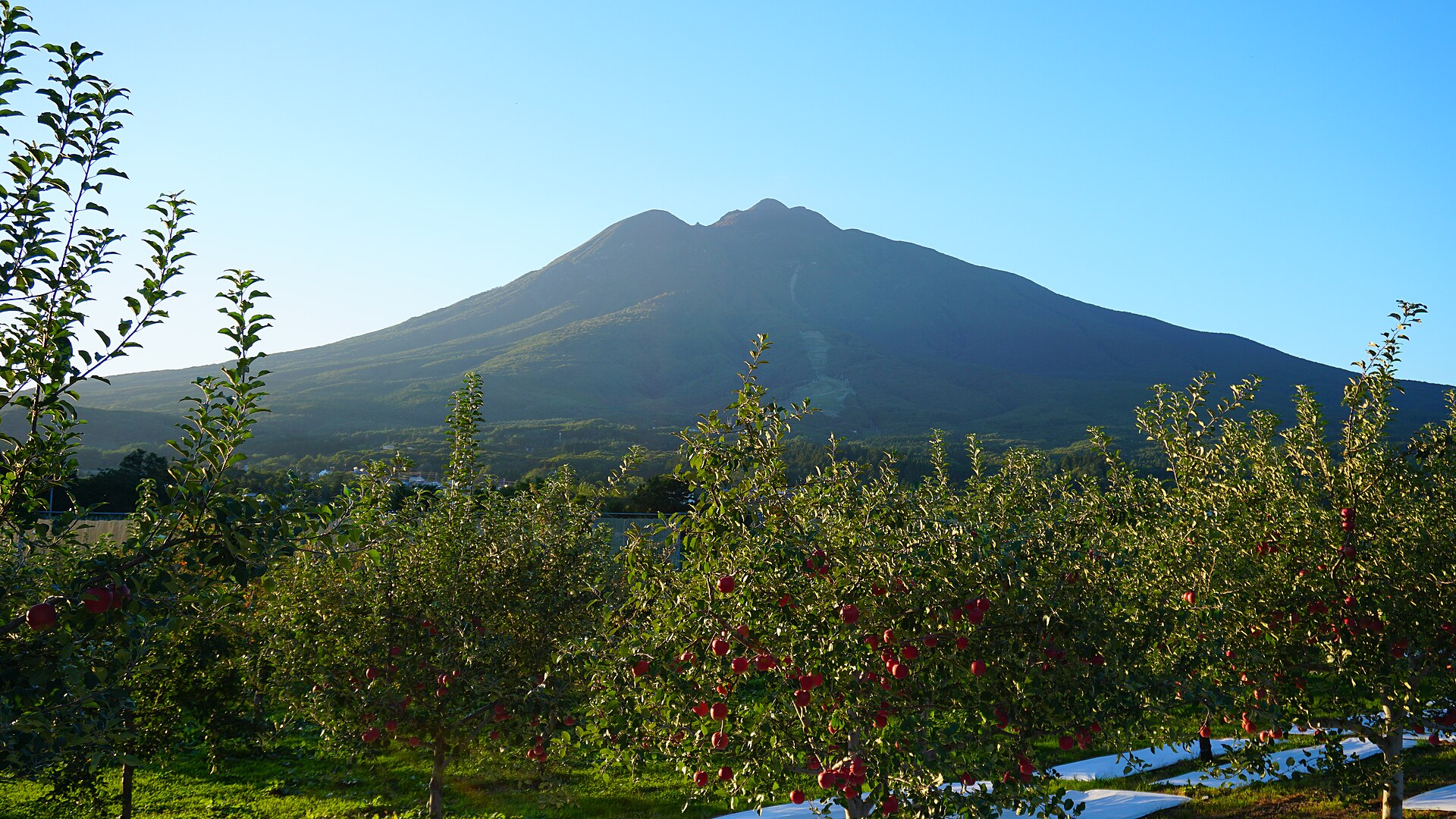
Tsugaru Apples
2.5 km · straight line
Distances are straight lines on the map, not travel times.