South Fukuoka · YameNo.930★★Open in map →
Yame Fukushima Historic Merchant Town
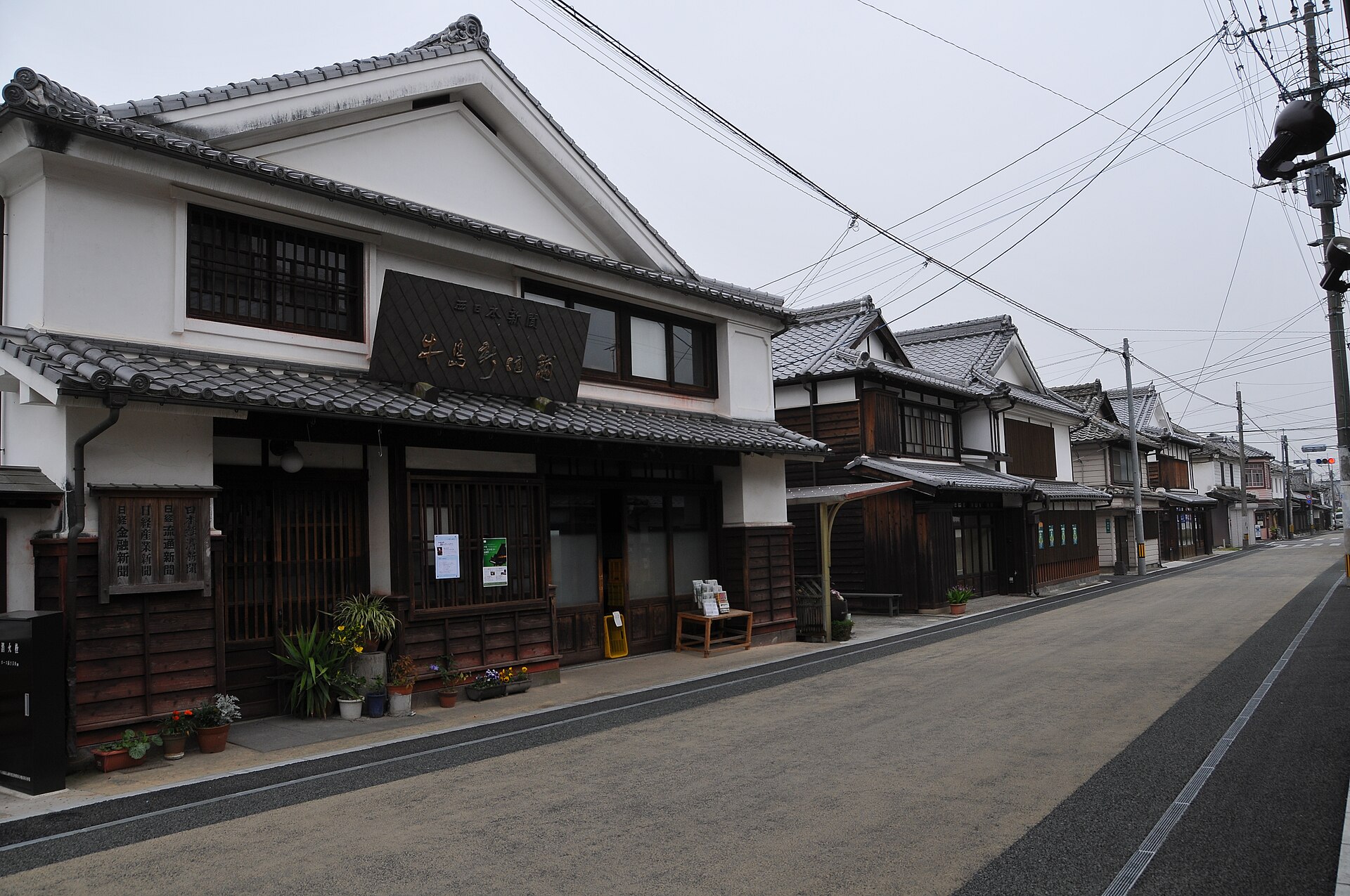
A nationally designated preservation district in southern Fukuoka, where white-plastered merchant houses stand shoulder to shoulder along the old highway road. Public halls on the same street are free to enter, so the walk doubles as a small museum circuit.
- FromNishitetsu Fukuoka (Tenjin) Station
- ~90 minTrain + local bus
- Get off atFukushima bus stop (Nishitetsu / Horikawa Bus)
- On foot
- Yame Fukushima Historic Merchant Town
The sweet spot
This is a nationally listed district, not a secret. It stays quiet because it is off the rail network — the old branch line here closed decades ago, and buses do the work instead. The exception is late September, when the puppet festival fills the shrine grounds.
Where it is
28 more notes in Fukuoka · open the map →What to look for — in walking order
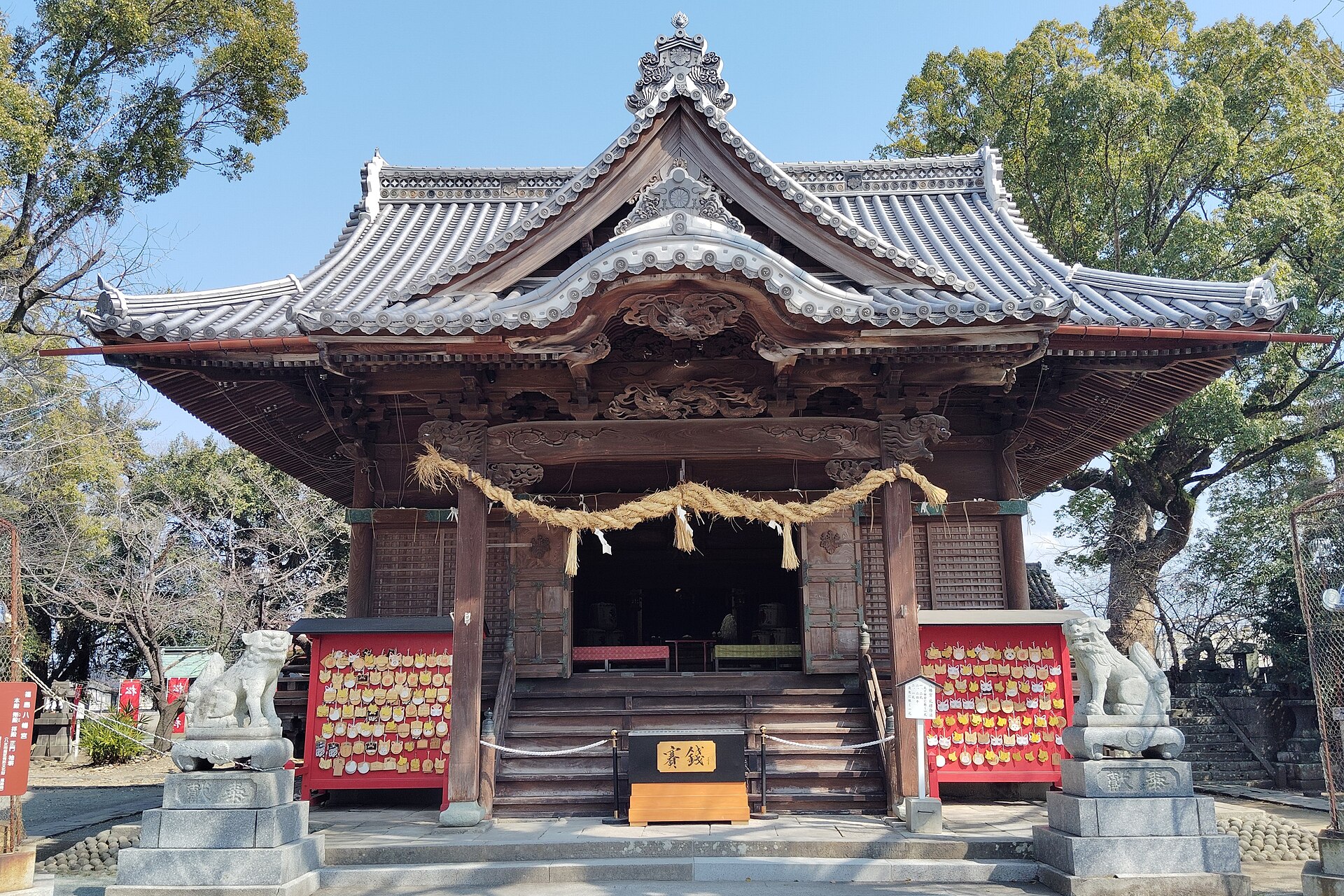
- Fukushima Hachimanguthe shrine at the east end of the street, where the lantern puppet stage is built each autumn
- Yokomachi Machiya Koryukana former sake brewery from the late Edo period, now a free information hall with a tea room
- Sakaiya, the former Kinoshita residencea sake merchant's house with a detached guest wing designated a city cultural property
- Yame Traditional Crafts Hallfree displays of Buddhist altars, paper lanterns, hand-made paper, stone lanterns and bamboo work
- Yame Folklore Museuma full-size replica of the puppet stage, an 8-metre nailless structure in three tiers
How to actually get there
- Nishitetsu Fukuoka (Tenjin) Station → Nishitetsu Kurume Station (Nishitetsu Tenjin Omuta Line).
- Nishitetsu Kurume bus centre → Fukushima stop (Horikawa Bus, Kurume route).
- Fukushima stop → the preservation district (on foot).
- Walk west from Fukushima Hachimangu, past the exchange hall and Sakaiya, to the crafts hall and the folklore museum.
- Nishitetsu train to Kurume, then Horikawa Bus
- Nishitetsu Fukuoka (Tenjin) Station →(Nishitetsu Tenjin Omuta Line, about 30 min)→ Nishitetsu Kurume Station. Change to the Horikawa Bus Kurume route at the bus centre beside the station and ride about 40 min to the Fukushima stop. The bus does not run as often as the train, so leave slack for the transfer.
- Back from the Fukushima stop
- The same Kurume route runs in reverse from the Fukushima stop to the bus centre at Nishitetsu Kurume, then the train back to Tenjin. Departures thin out in the evening, so read the posted timetable when you arrive rather than at the end of the day. The ticket office at the Fukushima waiting room keeps shorter hours than the buses and is closed on Sundays.
About the place
Yame Fukushima sits inland from the Chikugo plain, in the southern part of Fukuoka Prefecture. The preservation district covers about 19.8 hectares of the old merchant quarter, laid out in narrow strips between the highway road and the former castle moats. Its houses are built in the igura style, a thick-walled plastered storehouse construction with the gable end facing the street. Fire drove the design: the town burned repeatedly, and owners rebuilt in clay and plaster. Many of the buildings still trade. Tea merchants, miso makers, confectioners, Buddhist altar workshops and lantern shops keep the street in daily use rather than preserving it as a stage set.
How to enjoy it
Start at the shrine end and walk west, dropping into the free halls as you pass. Each is listed as closing at 17:00 and shutting on Mondays, so a weekday morning or an early afternoon gets you the full set. In late September the street changes character entirely, when the puppet theatre is offered at the shrine over the days around the autumn equinox.
Background & history
The town began as the civilian quarter of Fukushima Castle, which the Tanaka lords of Chikugo enlarged into a branch stronghold after the battle of Sekigahara. The castle itself was abandoned within a few decades, but the merchant quarter outlived it and grew into the largest rural merchant town in the Kurume domain. The government selected the district for national preservation in 2002. Its other honour is older: the lantern puppet theatre performed at Fukushima Hachimangu was designated an important intangible folk cultural property in 1977.
Before you go
- Cash
- Walking the street costs nothing, and the exchange hall, Sakaiya and the crafts hall are all listed as admission-free. Bus fares are paid on board when you get off, so carry coins.
- Good to know
- The halls close on Mondays — on a Monday public holiday the crafts hall stays open and shuts the next day instead — and again over the new-year break. The street itself is a public road and always walkable; it is the halls that set the useful window of the day.
- Another way
- From the JR side, take the Kagoshima Main Line to Hainuzuka and pick up the Horikawa Bus route between Hainuzuka and Yabe, which also runs through Fukushima. By car it is about 10 minutes from the Yame interchange on the Kyushu Expressway, and the crafts hall has a large car park.
- After you get off
- From the Fukushima stop it is roughly a ten-minute walk to the preservation district; the city and the prefecture give the same figure for both the exchange hall and the crafts hall. Some services use the Nishi-Tojinmachi stop instead, a similar walk from the tea-country tourist information centre.
Nearby notes
 Asturio Cantabrio / CC BY-SA 4.0
Local life · Fukuoka★★★
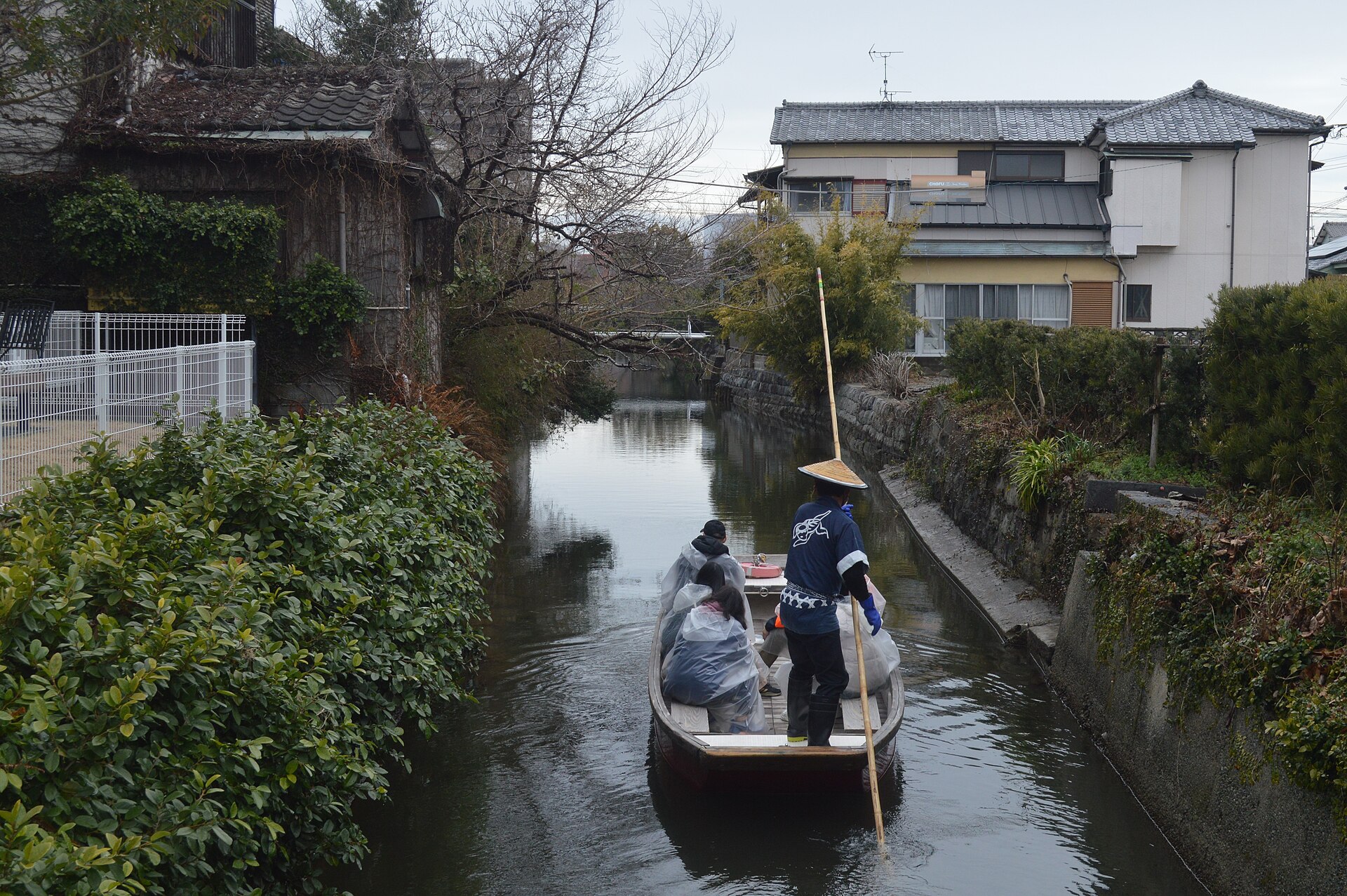
Yanagawa Canal Cruise
14.2 km · straight line
 Saigen Jiro / CC0
History · Saga★★★
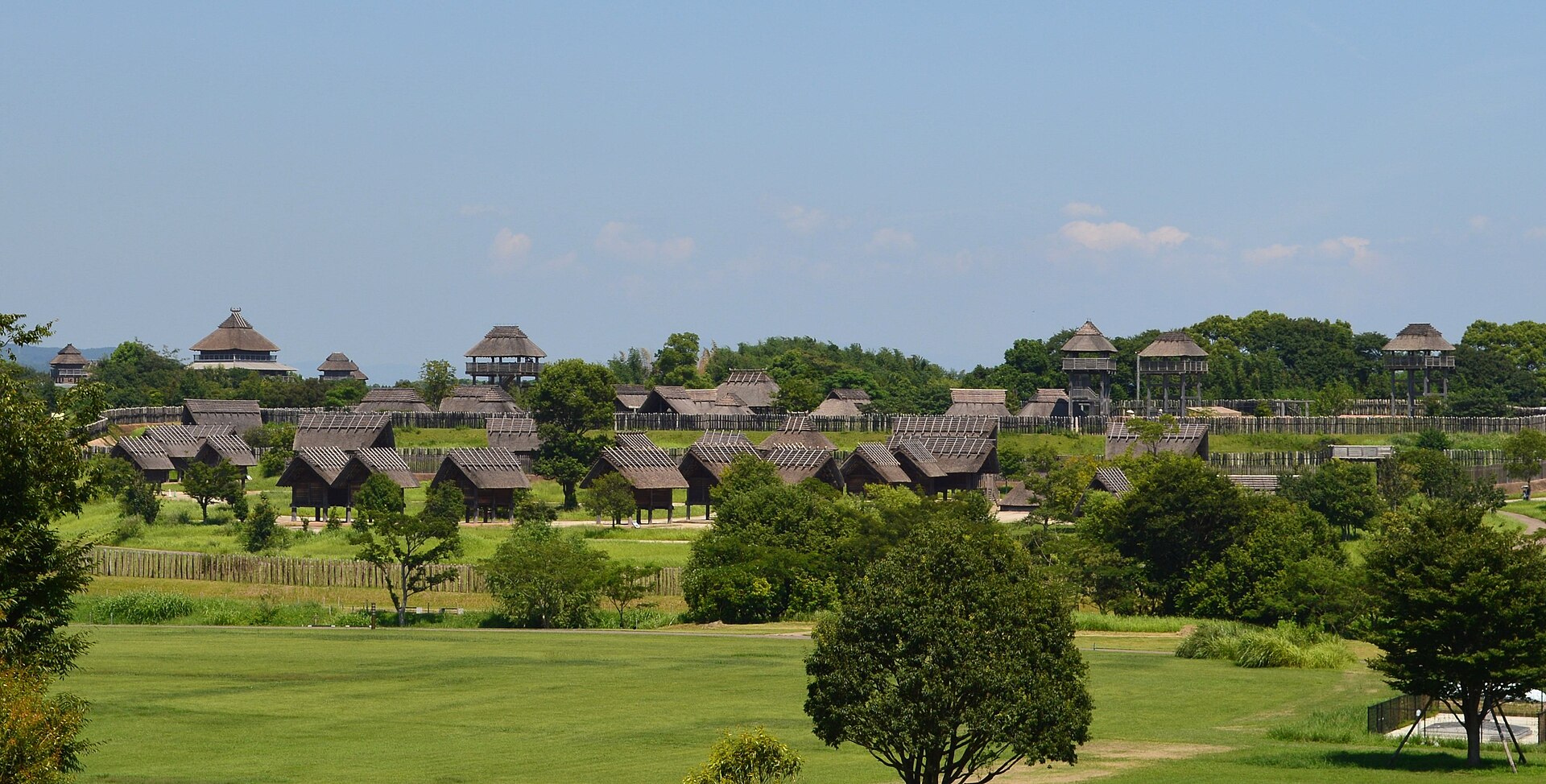
Yoshinogari Historical Park
20.4 km · straight line
 そらみみ / CC BY-SA 4.0
Local life · Fukuoka★★
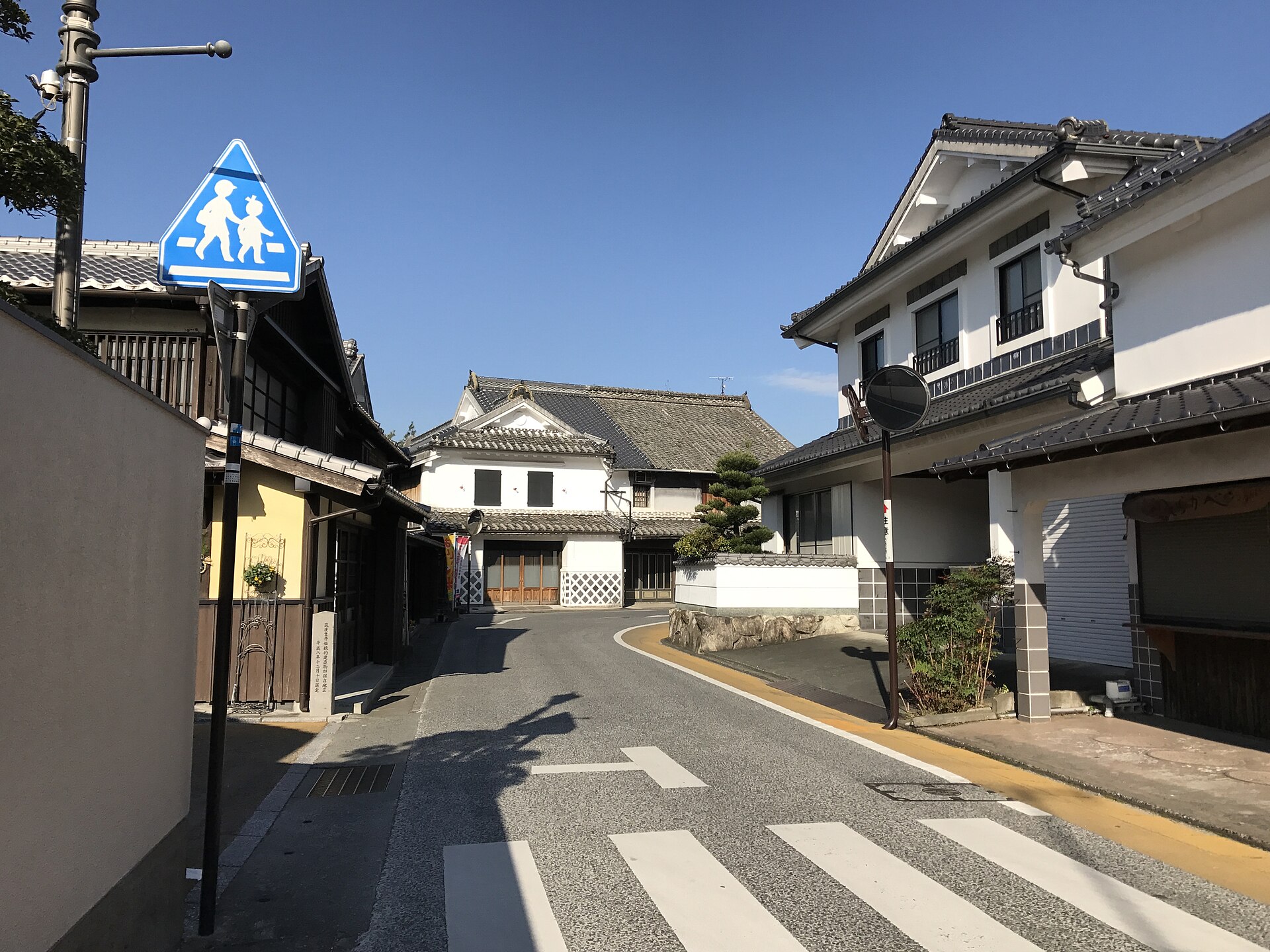
Chikugo-Yoshii Townscape
23.6 km · straight line
 そらみみ (Soramimi) / CC BY-SA 4.0
History · Fukuoka★★
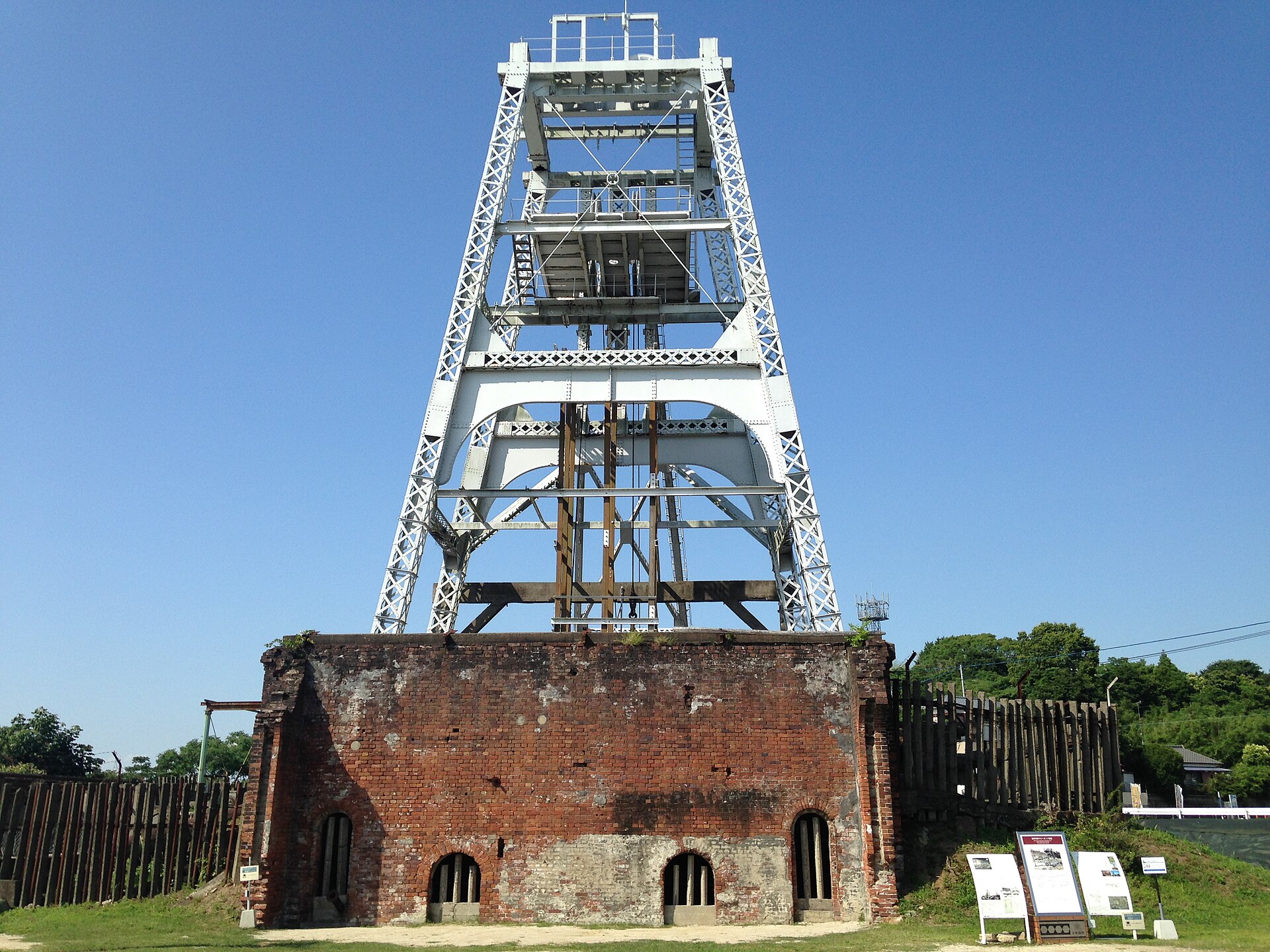
Miyanohara Pit
23.8 km · straight line
Distances are straight lines on the map, not travel times.