Hokkaido · YubariNo.924★★Open in map →
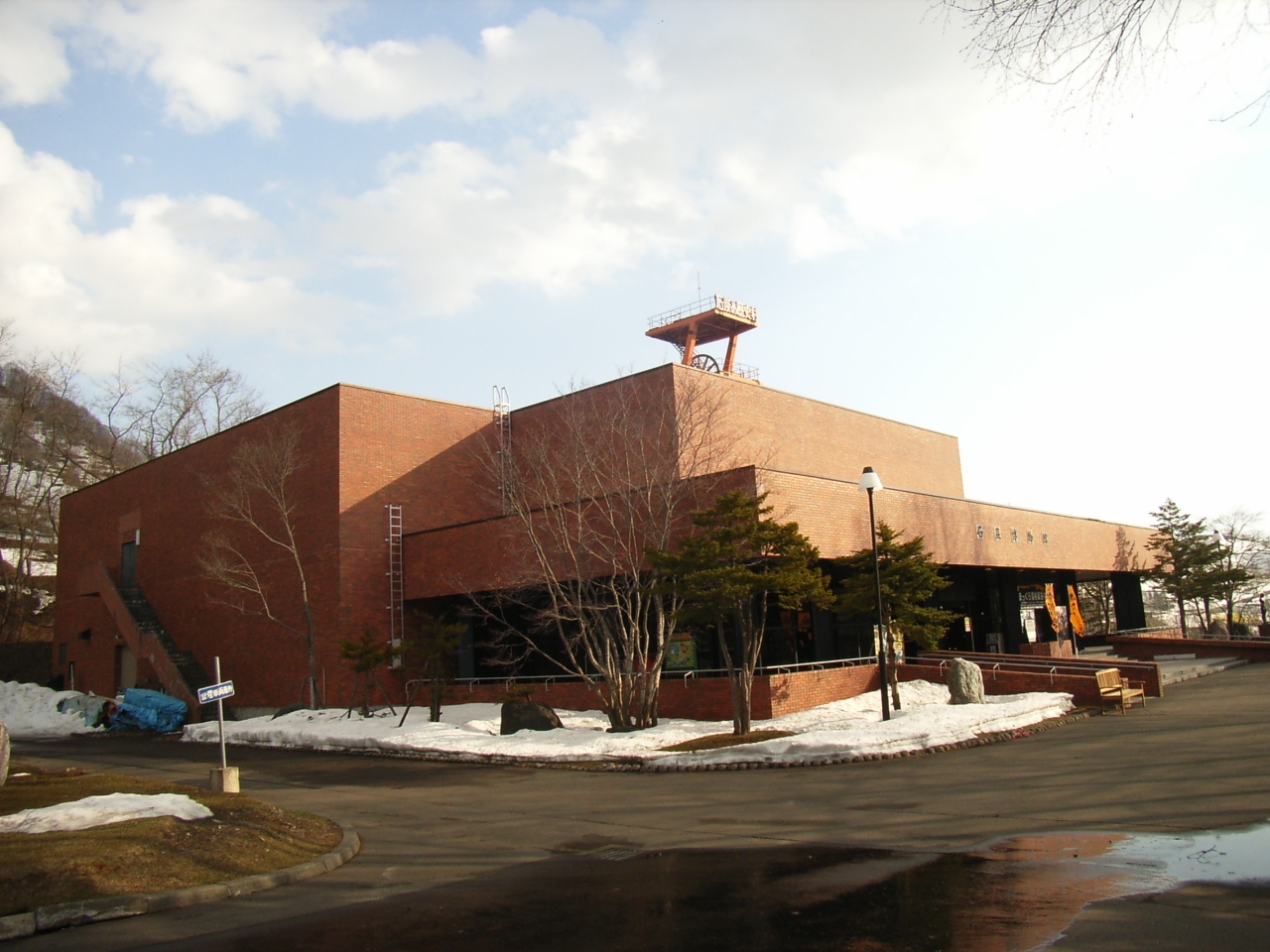
Yubari Coal Mine Museum
A coal museum standing on the ground where Yubari's seams were first found, with a genuine gallery beneath it driven into the coal itself. It runs on a season rather than a calendar year, and closes on Tuesdays through the run.
- FromShin-Yubari Station
- ~45 minYutetsu Bus from Shin-Yubari
- Get off atYubari Coal Mine Museum bus stop (Yutetsu Bus, Yubari city line)
- From there
- Yubari Coal Mine Museum
The sweet spot
Yubari is famous for the wrong things: a melon, a film festival, a municipal bankruptcy. This is the serious part of the record, and it is quiet, because the town it explains has emptied out and the season is short. The gallery was also closed for years after welding work set the coal alight underground, so a good many people still assume it is shut. It is not.
Where it is
102 more notes in Hokkaido · open the map →What to look for — in walking order
- BAN HALLthe free-entry lobby and hall on the entrance floor, rebuilt in the last refit
- The second-floor exhibitionthe main display, following the town from the pits through the tourism years to bankruptcy
- The underground gallerymachinery rooms below the building, with the drum-cutter coal shearer and a film explaining how it cut
- The Hokutan Yubari mock gallerythe registered tunnel itself, brick-lined, with the coal seam standing exposed at the working face
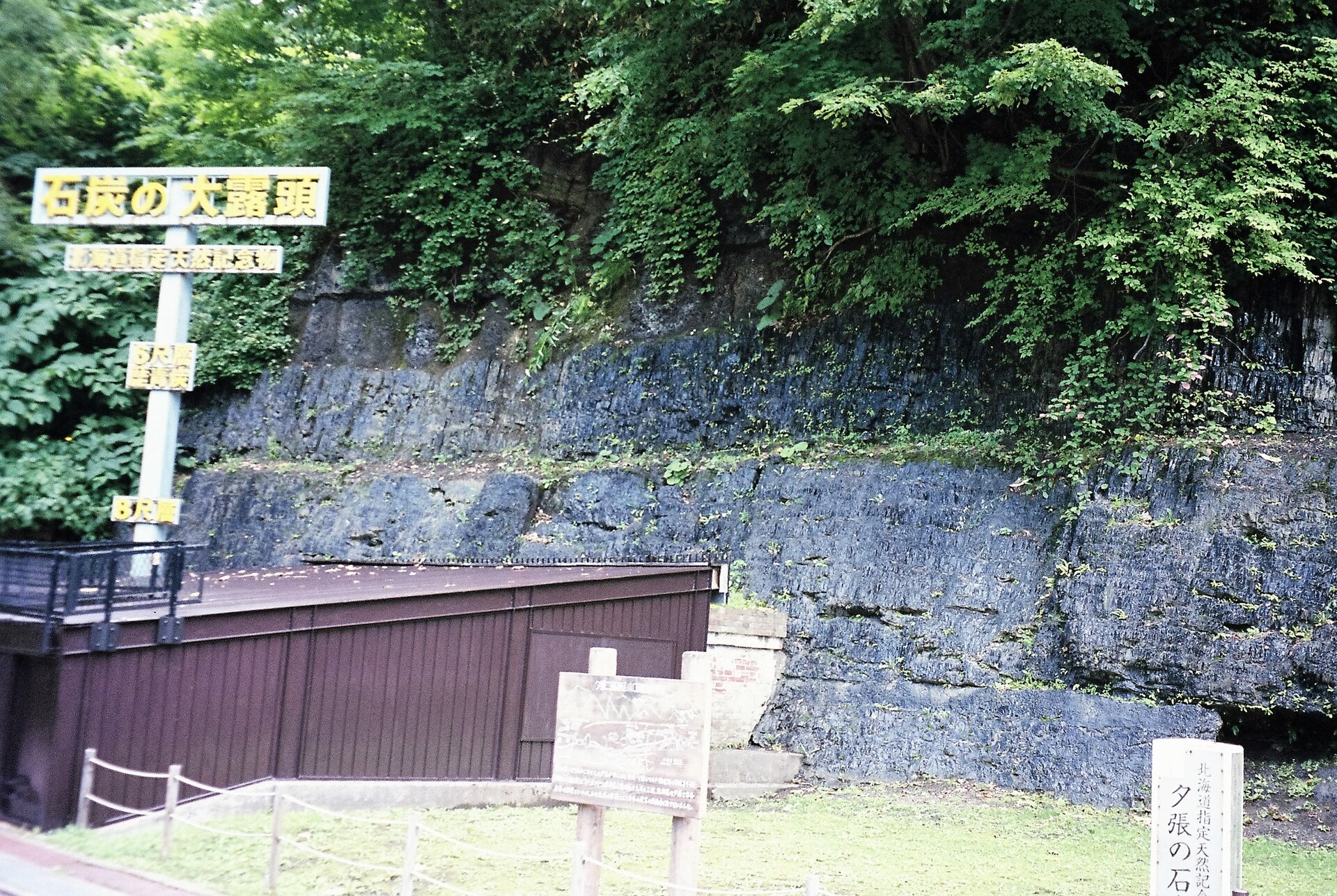
- The coal outcropoutside behind the building, the stacked seams and the surviving mouth of the Tenryu pit
How to actually get there
- JR Sekisho Line to Shin-Yubari Station, where the limited expresses stop.
- Shin-Yubari Station front → Yubari Coal Mine Museum (Yutetsu Bus, Yubari city line, about 45 minutes).
- Entrance floor hall → second-floor exhibition → the underground gallery → the mock tunnel.
- Back up and outside to the coal outcrop and the Tenryu pit head behind the building.
- Shin-Yubari Station to the museum
- Shin-Yubari is the JR Sekisho Line station where limited expresses stop. From the station front the Yutetsu Bus Yubari city line runs to a stop named for the museum, which is where the route ends. The operator's printed table shows roughly ten departures a day, so choose your bus before you set out rather than after.
- Back to Shin-Yubari
- The same city line runs back. Services thin through the evening and the last departures are early by city standards, and the museum shuts in the late afternoon, so settle your return when you arrive rather than when you finish looking.
About the place
The museum stands at Takamatsu, on the ground of the Sekitan no Rekishimura, the coal-history park the city laid out while the pits were still working. Behind the building, out in the open, is the thing everything here grew from: a stacked outcrop of coal seams measuring twenty-four shaku, some seven metres, which Hokkaido protects as a natural monument. Underneath the building runs the gallery. It is not a set built for visitors — it was driven off that outcrop into the seam and later fitted out for people to walk, and it carries a national registration as a tangible cultural property. The city runs the place through a non-profit set up to keep the mining record.
How to enjoy it
The season runs from mid-April to the start of November and Tuesdays are closed through it. Doors open at ten; closing is five in the warmer months and four from October, with last admission half an hour before. Check the day's notices for the gallery guide — the museum has been running a fifteen-minute walk-through on the hour between eleven and four, meeting in front of the drum cutter, and it makes a different place of the underground. Outside the season the whole site is shut, so this trip exists for about half the year.
Background & history
The outcrop was found in 1888, and the Hokkaido Colliery and Steamship Company mined down into the seam from it. In 1939 the company fitted out an auxiliary gallery off its Tenryu pit as a tunnel for a visiting imperial party and for rescue-team training; that is the gallery visitors walk today. The museum itself opened in 1980, as the centrepiece of the coal-history park. In April 2019 welding work set the seam alight underground and the gallery had to be flooded to stop it; it reopened in 2025 after a crowdfunded restoration.
Before you go
- Cash
- Yubari City gives the admission as 1,200 yen for an adult and 400 yen for a primary school child, with a lower rate for parties over twenty. Yutetsu Bus also sells a one-day pass for its Yubari city services, worth a look if you are making more than one hop. Carry cash.
- Good to know
- This is a seasonal museum on a short run, closed on Tuesdays apart from a handful of holiday exceptions the city lists. Individuals need no booking, but parties over twenty, paid guides and the meeting room all have to be arranged ahead. Read the museum's own notices before travelling, because the gallery guide and the machinery demonstrations change from season to season.
- Another way
- By car the approach is Hokkaido Prefectural Route 38, the Yubari to Iwamizawa road, which runs past the site up the valley. The museum has its own visitors' car park below the building.
- After you get off
- The bus route ends at the museum, at the stop that carries its name, and the forecourt is a short walk below the entrance. Remember that the outcrop and the Tenryu pit head are outside and behind the building, so keep time in hand on the way back down.
Nearby notes
 painreef3108 / CC BY 3.0
Food · Hokkaido★★★
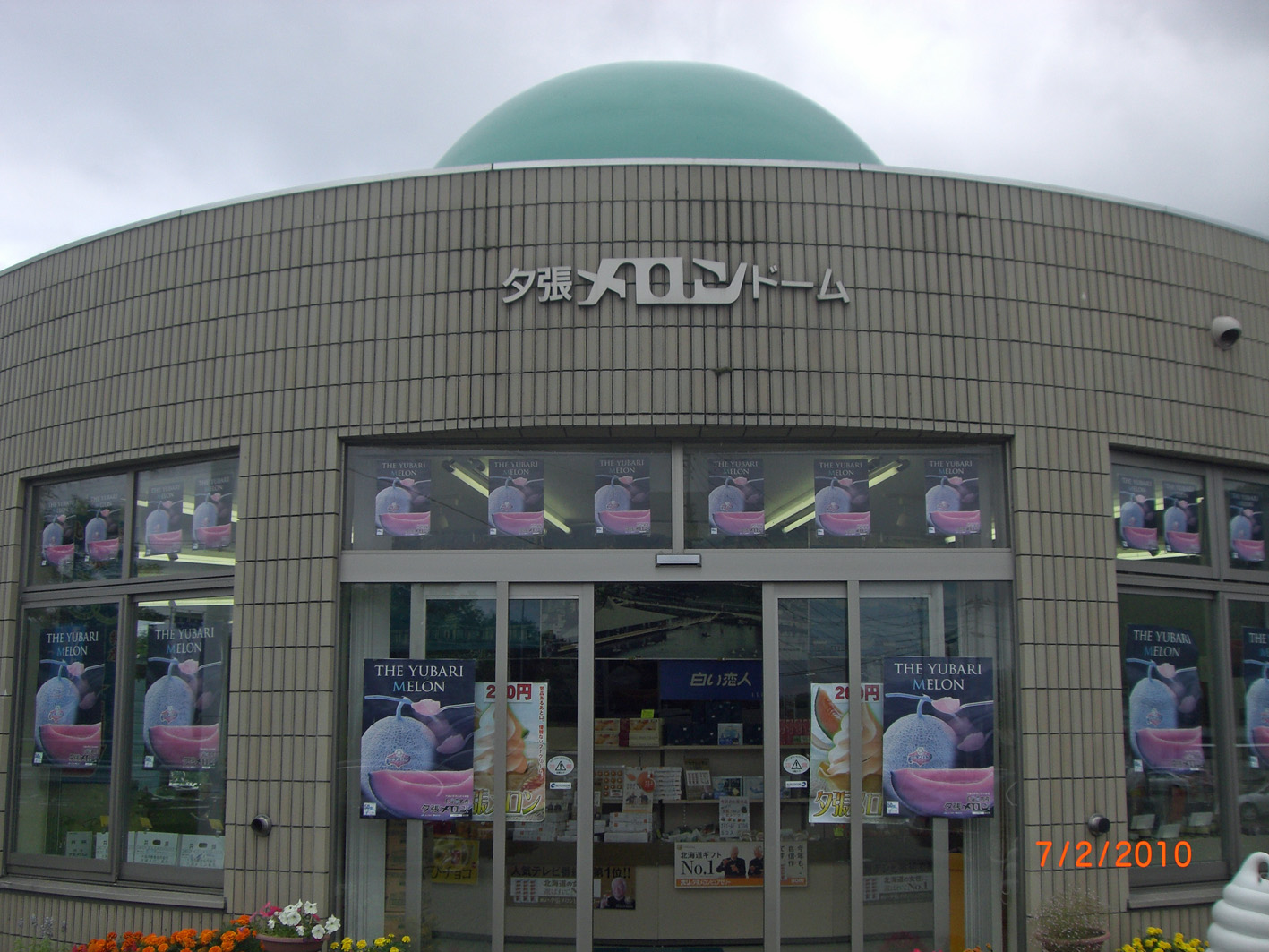
Yubari Melon
12.5 km · straight line
 ノボホショコロトソ / CC BY 4.0
Nature · Hokkaido★★
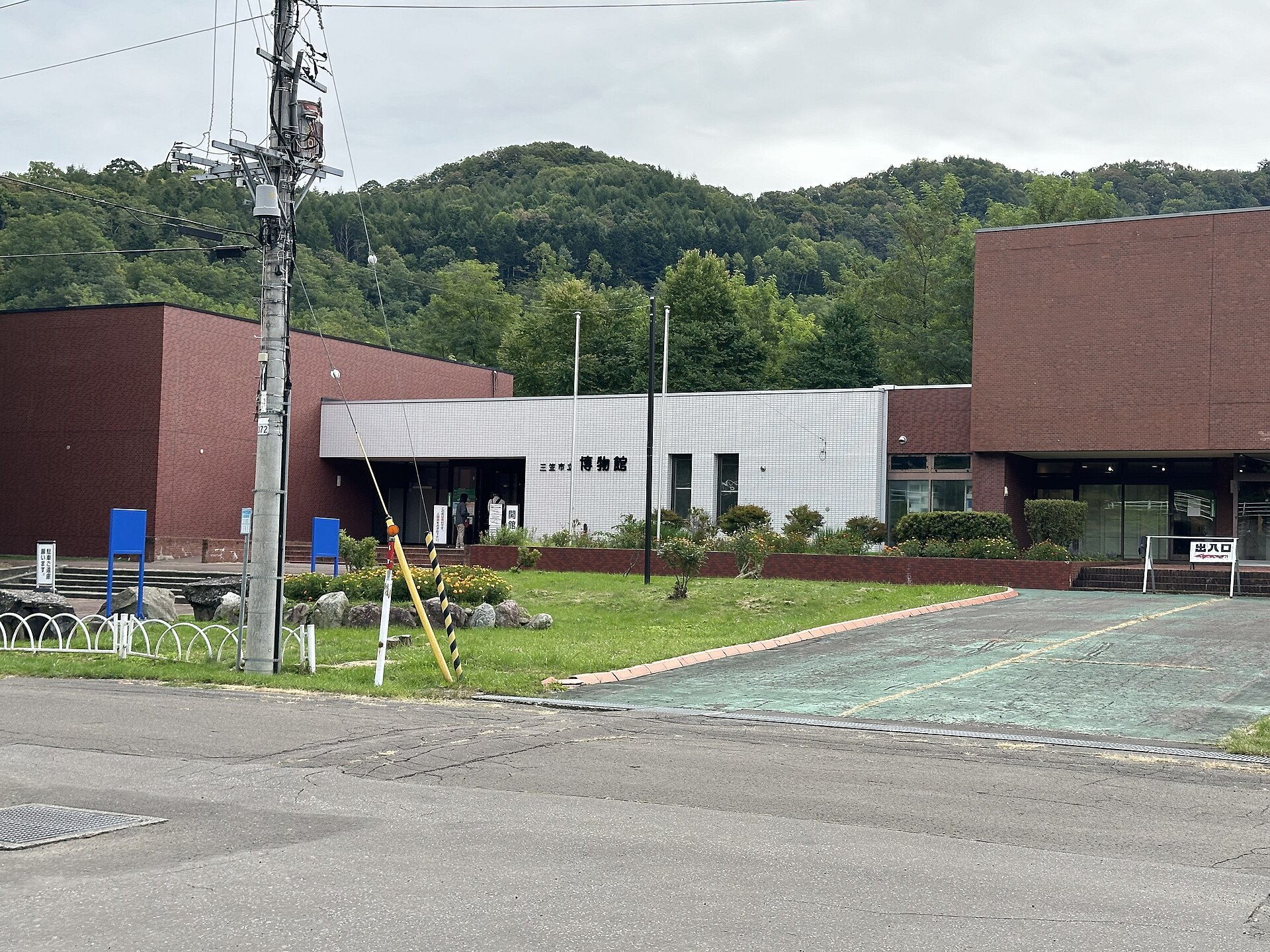
Mikasa Geopark
21.6 km · straight line
Distances are straight lines on the map, not travel times.