Central Hokkaido · MikasaNo.892★★Open in map →
Mikasa Geopark
A Japan Geopark where the designated area is the entire city, and where hundred-million-year-old ammonites and the winding frames of a closed coalfield stand within a few kilometres of one another.
- FromIwamizawa Terminal
- ~25 min to MikasaChuo Bus, Mikasa line
- Get off atIkushunbetsu-cho terminus (Hokkaido Chuo Bus, Mikasa line)
- On foot
- Mikasa Geopark
The sweet spot
Mikasa is not hidden. It is a nationally certified geopark with a museum of its own, and Sapporo is close by road. It is quiet because the railway that once served the mines is gone, buses are the only public way in, and the city has been shrinking since the pits closed.
Where it is
102 more notes in Hokkaido · open the map →What to look for — in walking order
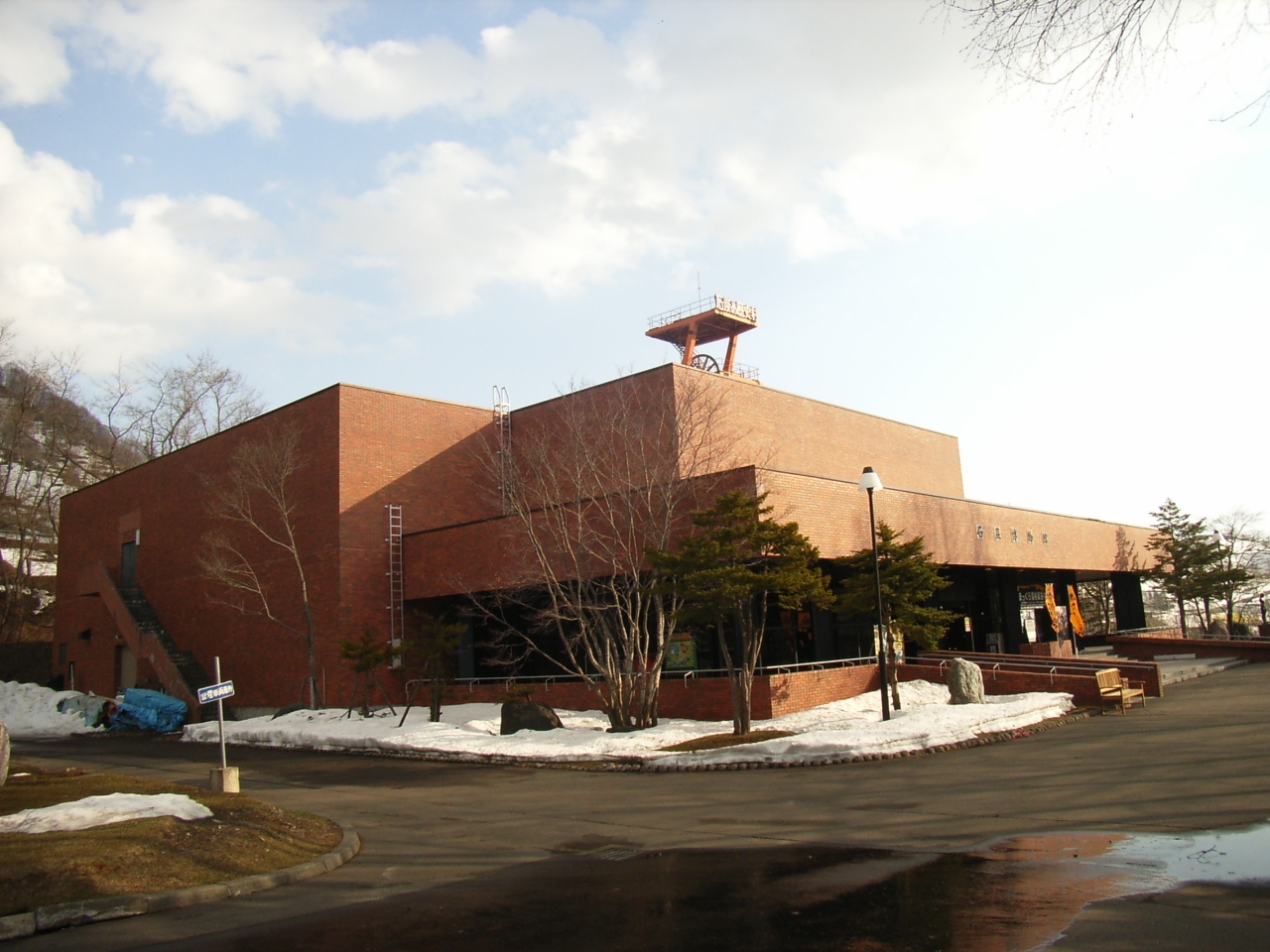
- Mikasa City MuseumCretaceous ammonites from the local rock and a full reconstruction of the Ezo-Mikasa-ryu
- Open-air museum traila signposted path behind the car park past an exposed coal seam and steeply tilted strata
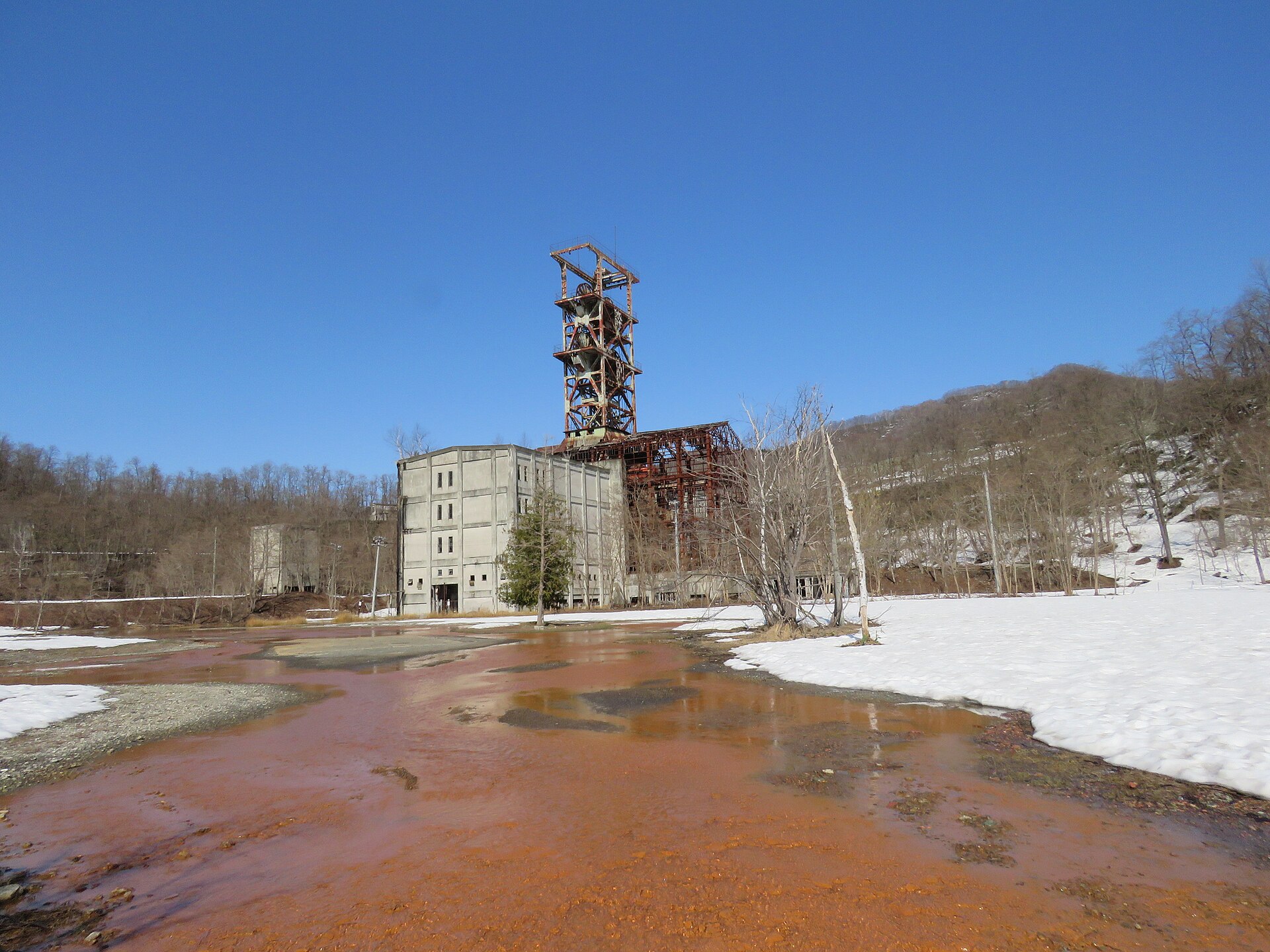
- Nishiki winding frame, former Ikushunbetsu minethe oldest pithead frame still standing in Hokkaido, reached from the same trail
- Former Ponbetsu mine winding framethe tower once called the largest in the East, on private ground and seen from outside the fence
How to actually get there
- Iwamizawa Terminal → Ikushunbetsu-cho terminus (Hokkaido Chuo Bus, Mikasa line, via the Mikasa civic hall).
- Ikushunbetsu-cho → Mikasa City Museum (five minutes east on foot).
- From the museum car park, follow the open-air trail to the exposed coal seam and the Nishiki winding frame.
- Return to Ikushunbetsu-cho for the Iwamizawa bus, or drive on down the valley to the Ponbetsu frame.
- Hokkaido Chuo Bus, Mikasa line, from Iwamizawa
- Iwamizawa Terminal to the Ikushunbetsu-cho terminus on the Mikasa line, by way of the Mikasa civic hall. The tourism association puts Iwamizawa to Mikasa itself at about 25 minutes; the terminus lies further up the valley, so allow more than that and read the posted times before you commit to a return.
- The same line back to Iwamizawa
- Ikushunbetsu-cho is the end of the line, so every return bus starts from here and the departures are posted at the shelter. Note them when you arrive rather than after the walk — the trail behind the museum takes more of the afternoon than it looks.
About the place
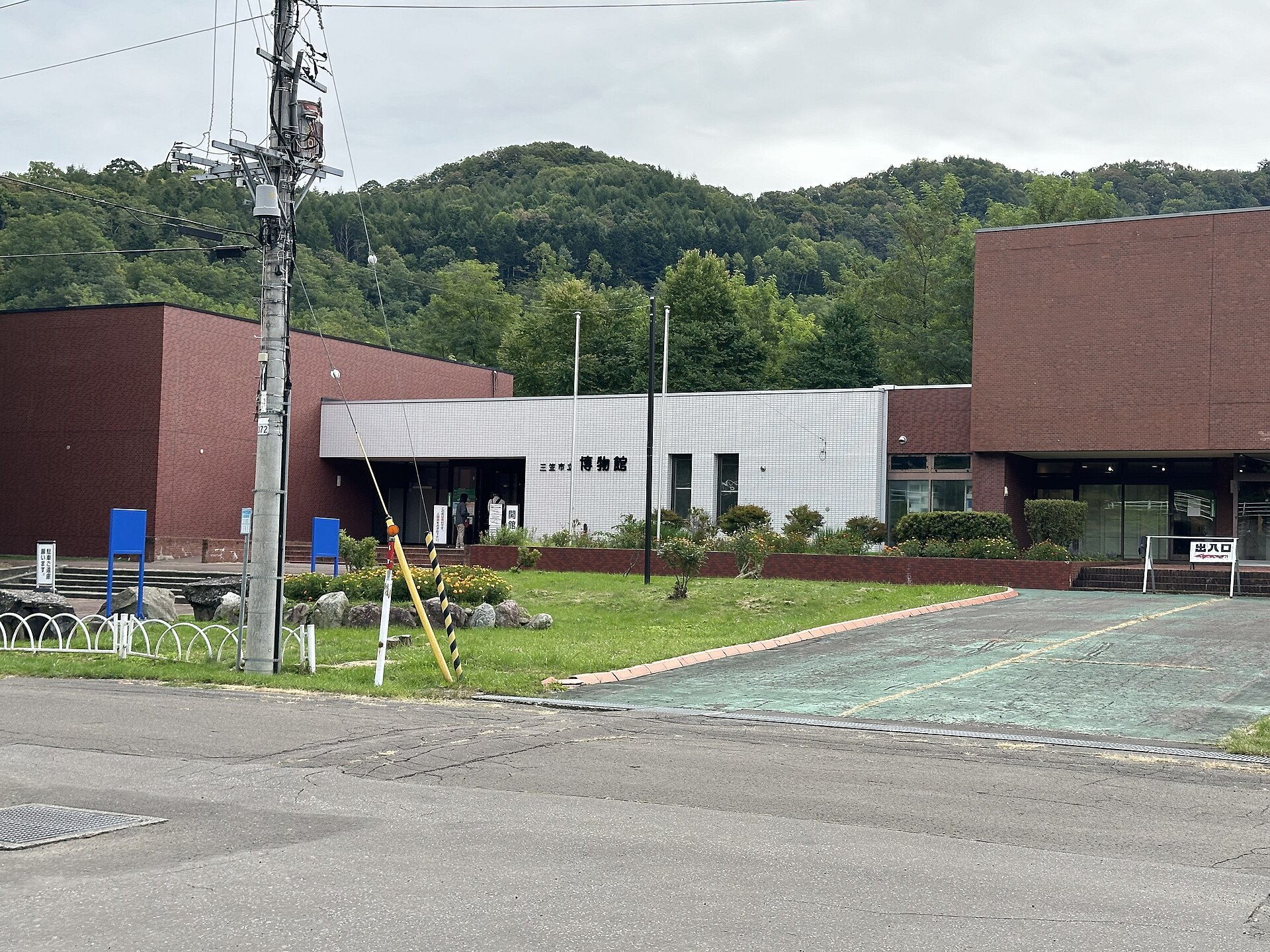
Mikasa sits near the middle of Hokkaido, in a valley running east from the Ishikari plain toward Lake Katsurazawa. The geopark divides the city into six areas, and they read as one story rather than six: marine rock from the age of the dinosaurs, the coal that gathered above it, then the towns the coal built and later emptied. The city museum stands at the far end of the valley, at the mouth of the old Ikushunbetsu coalfield. Behind it a signposted trail runs into an open-air section where the coal seam and the tilted strata are left exposed in the hillside.
How to enjoy it
The museum opens at 9:00 and stops admitting at 16:30. The trail behind it is free, about 1.2 km long and roughly an hour there and back, and it is shut through the snow months from around November to May. Fossil collecting is not allowed anywhere along it, so treat it as a place to read rock faces rather than fill a pocket.
Background & history
Coal was found at Horonai in 1868, the first year of Meiji, and the surveys that followed brought geologists in behind the miners. What they turned up was older by far: ammonites from a Cretaceous sea of about a hundred million years ago, held in nodules that still work loose from the local streambeds. Several of those species carry mikasa in their scientific names. The pits have all closed since, and the city was certified as a Japan Geopark on the strength of both layers at once.
Before you go
- Cash
- Museum admission was 450 yen for high-school age and above and 150 yen for primary and junior-high students at the time of checking, with a group rate for parties of twenty or more. The open-air trail costs nothing.
- Good to know
- The museum closes on Mondays, or the following day when the Monday is a public holiday, and from 30 December to 4 January. The open-air section shuts for winter, roughly November to May. Collecting fossils along the trail is not permitted.
- Another way
- By car it is about 20 minutes east of the Mikasa interchange on the Do-o Expressway, following signs for Lake Katsurazawa. The former Ponbetsu winding frame stands on the same valley road.
- After you get off
- Ikushunbetsu-cho is the last stop on the Mikasa line. From the shelter the museum is five minutes east on foot, and the open-air trail begins from the museum car park rather than from the main entrance.
Nearby notes
Distances are straight lines on the map, not travel times.