Shimane · Iwami, YunotsuNo.845★★Open in map →
Yunotsu Onsen
— A silver-port hot spring on the Sea of Japan
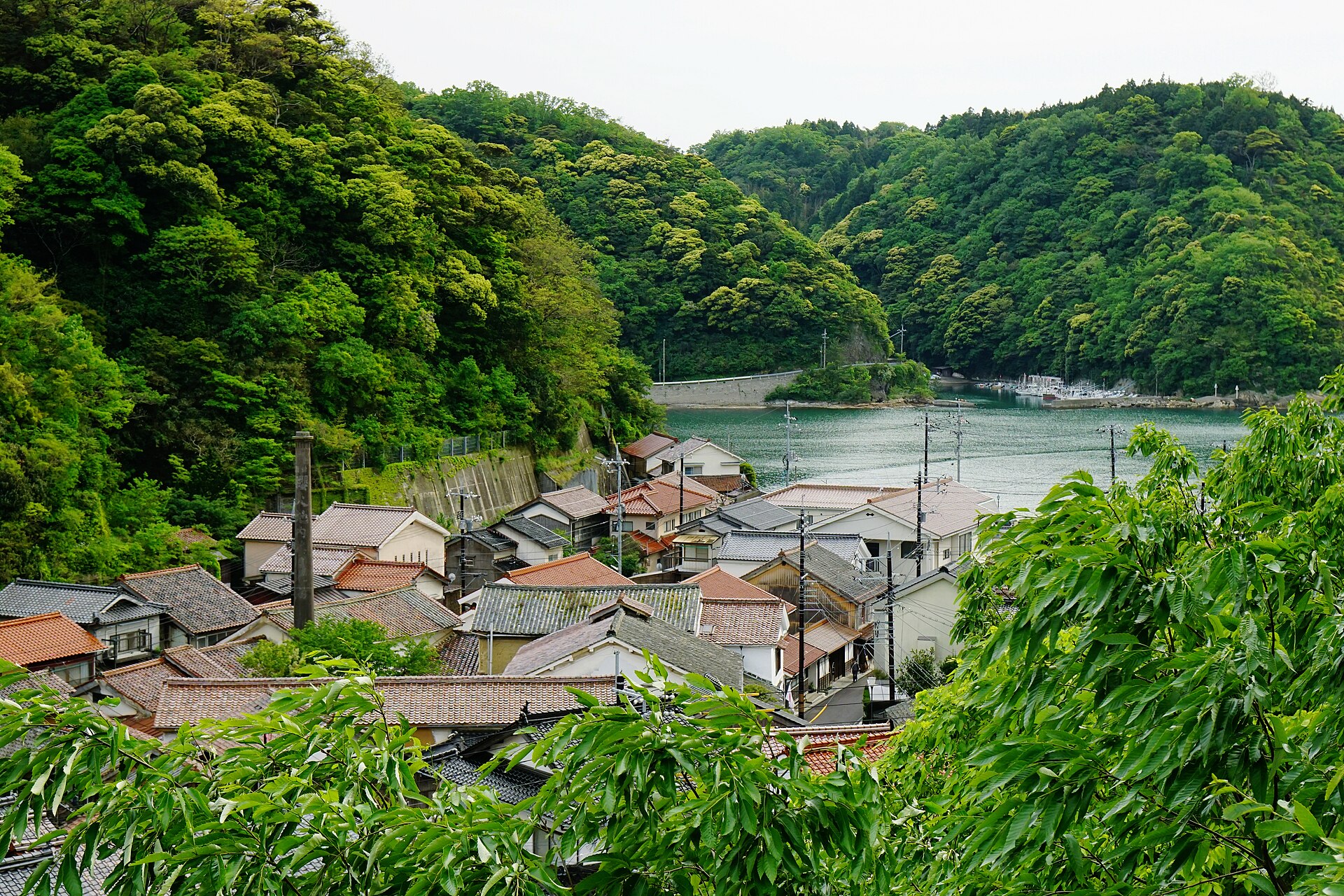
A hot-spring town on the Sea of Japan coast of Shimane, where the bathhouses sit inside a nationally protected townscape. Yunotsu is the only onsen town in Japan given that protection, and the bay behind it shipped silver from the Iwami mine.
- FromIzumo-shi Station
- ~1 hr 40 minJR train, then a 15-min walk
- Get off atYunotsu Station (JR San'in Main Line)
- From there
- Yunotsu Onsen
The sweet spot
This is a working hot-spring town rather than a secret. It never crowds the way a famous onsen resort does, and the reason is plain distance: the best part of two hours from Izumo by local train, on a line the shinkansen does not reach. What the distance buys is a street where the baths are public, the buildings are protected, and there is no resort complex standing behind them.
Where it is
14 more notes in Shimane · open the map →What to look for — in walking order
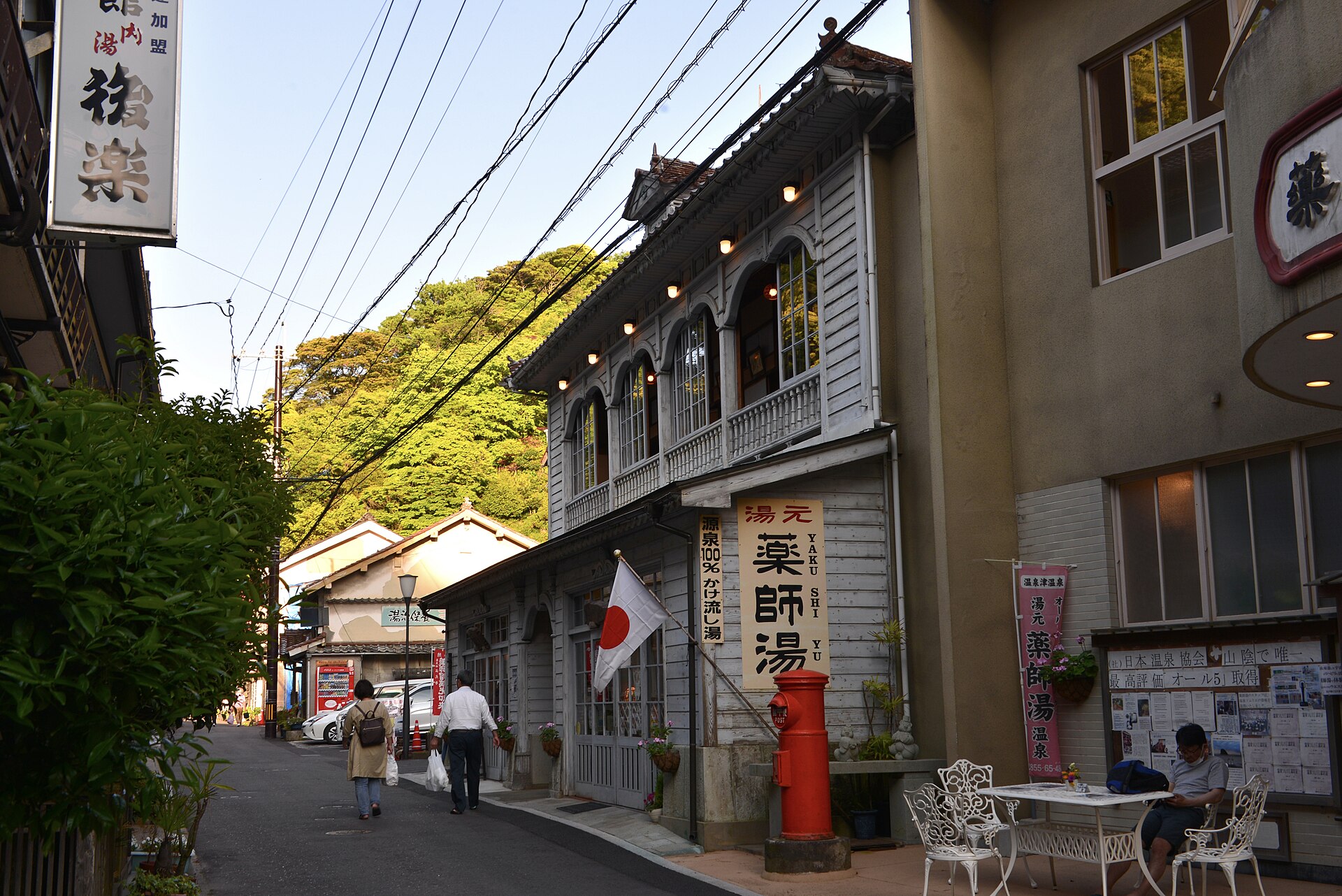
- The preserved streetmerchant houses, inns and temples from the late Edo period to the early Showa era, under red Sekishu tiles
- Yakushiyua public bathhouse fed by a spring rising beside it, run through the tub without being cooled or held
- Motoyu Izumi Yakuyuthe town's other public bath, working the spring the settlement started from
- Tatsu-no-Gozen Shrinethe shrine at the west end of the street, where the town's Iwami kagura nights are staged
- Yunotsu Yakimono no Satothe pottery quarter, with climbing kilns and a hall selling work from local kilns
- Okidomarithe narrow inlet north of the town from which the mine's silver left Japan by sea
How to actually get there
- Izumo-shi Station → Yunotsu Station (JR San'in Main Line, Local, about 1 hr 25 min).
- Yunotsu Station → the hot-spring street (walk about 15 min along the inlet, or take the local bus to Onsen-mae).
- Walk the street from the bathhouses to Tatsu-no-Gozen Shrine at the far end.
- Carry on north to the Okidomari inlet, or turn back to the station for the return train.
- JR San'in Main Line from Izumo-shi
- Izumo-shi Station →(JR San'in Main Line, Local, about 1 hr 25 min)→ Yunotsu Station, then about 15 minutes on foot to the hot-spring street. This is a rural line with long gaps between services, so look the departure up before you set out rather than turning up at the platform.
- Return from Yunotsu Station
- Trains back toward Izumo-shi are infrequent and the last one goes well before the evening ends. Yunotsu is an unstaffed station with no ticket window, so read the printed timetable on the platform when you arrive and fix your return before you get into a bath.
About the place
Yunotsu sits in a narrow valley that opens onto a sheltered bay on the Iwami coast of Shimane. Its main street keeps the plan it was given in the early modern period, lined with merchant houses, inns, temples and shrines put up between the late Edo period and the early Showa era. Red Sekishu roof tiles, fired along this coast, run the length of it. The public bathhouses take water that rises here under its own pressure, piped straight into the tubs and left to run through. The whole street is protected as an Important Preservation District for Groups of Traditional Buildings, the only hot-spring town in the country on that list.
How to enjoy it
Walk in from the station along the inlet and take the street slowly — it is short, and the interest sits in the run of doorways rather than in any single building. Buy a bath early and the rest of the walk is better for it; the water is hot, and the bathhouses do not keep the same hours, so read the boards on the street before deciding the order. Kagura nights at the shrine are booked in advance, so arrange one before you travel rather than on the day.
Background & history
Yunotsu grew as the outer port of the Iwami Ginzan silver mine, and the inlet at Okidomari, just north of the town, is where that silver was loaded onto ships. Both the inlet and the town are named components of the Iwami Ginzan World Heritage Site, which is unusual — the listing covers the harbour and the road as well as the workings. Later the port took kitamaebune coastal traders and sent out Sekishu ware. In 2004 the town was selected as an Important Preservation District for Groups of Traditional Buildings.
Before you go
- Cash
- Walking the street costs nothing. The public bathhouses charge on entry and the small places here are not all set up for cards, so carry cash. Because the station is unstaffed, buy the onward ticket at a staffed station or settle it on the train.
- Good to know
- This is Sea-of-Japan weather: winters are wet and windy, and the valley funnels it straight up the street. The town is residential, and it quietens early in the evening once the bathhouses shut.
- Another way
- By car it is roughly 20 minutes from Omori, the mine town at the centre of the Iwami Ginzan site, which makes it easy to pair the mine and its port in one day. From the inland side it is about an hour from the Oasa interchange on the Hamada Expressway.
- After you get off
- From Yunotsu Station, follow the road along the inlet northwest for about 15 minutes to reach the near end of the hot-spring street. A local bus also covers the stretch and sets down at the Onsen-mae stop on the street.
Nearby notes
 Wakuwaku99 / Public domain
History · Shimane★★★
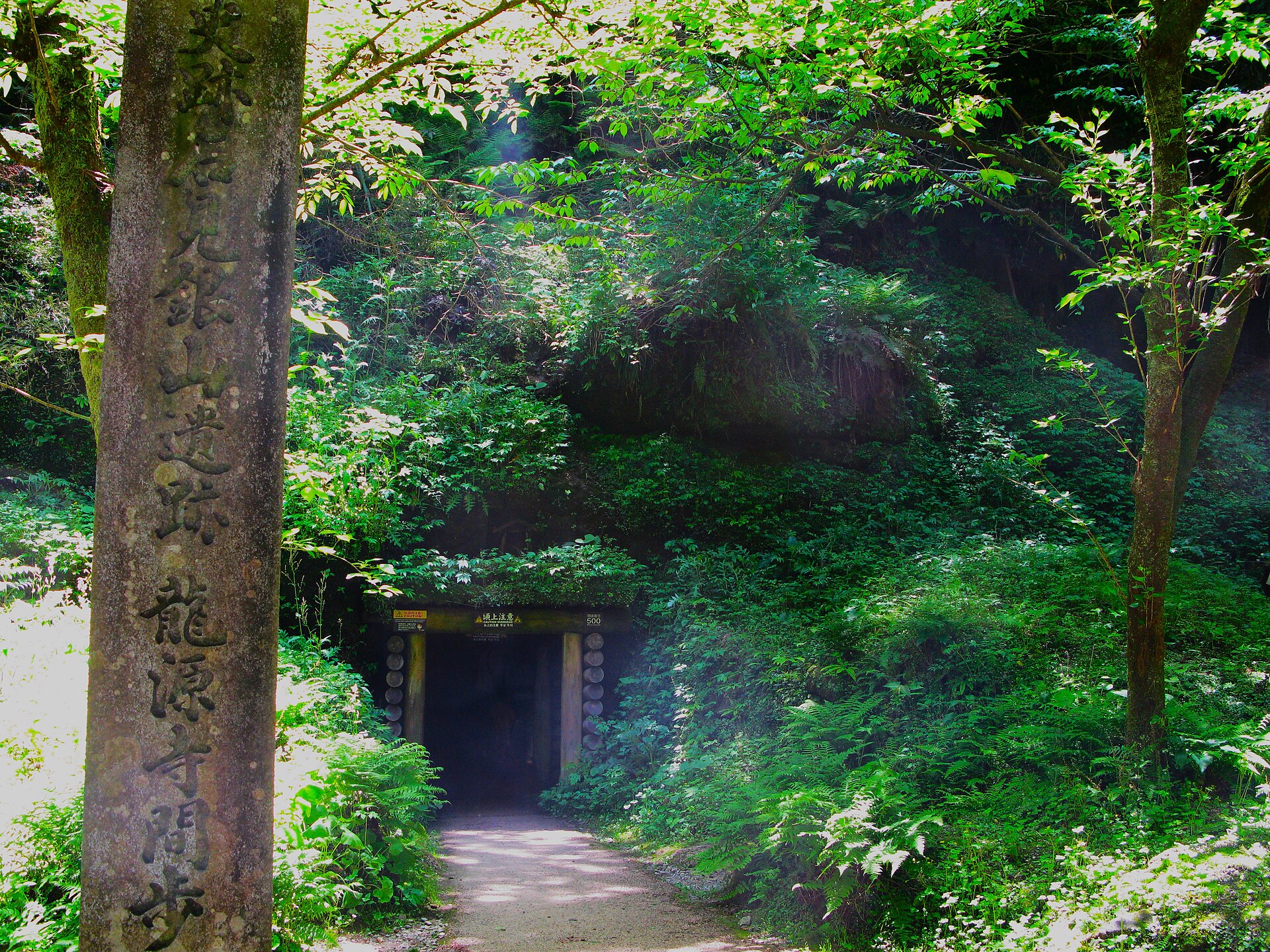
Iwami Ginzan Silver Mine
7.2 km · straight line
 Suikotei / CC BY-SA 4.0
Nature · Shimane★★
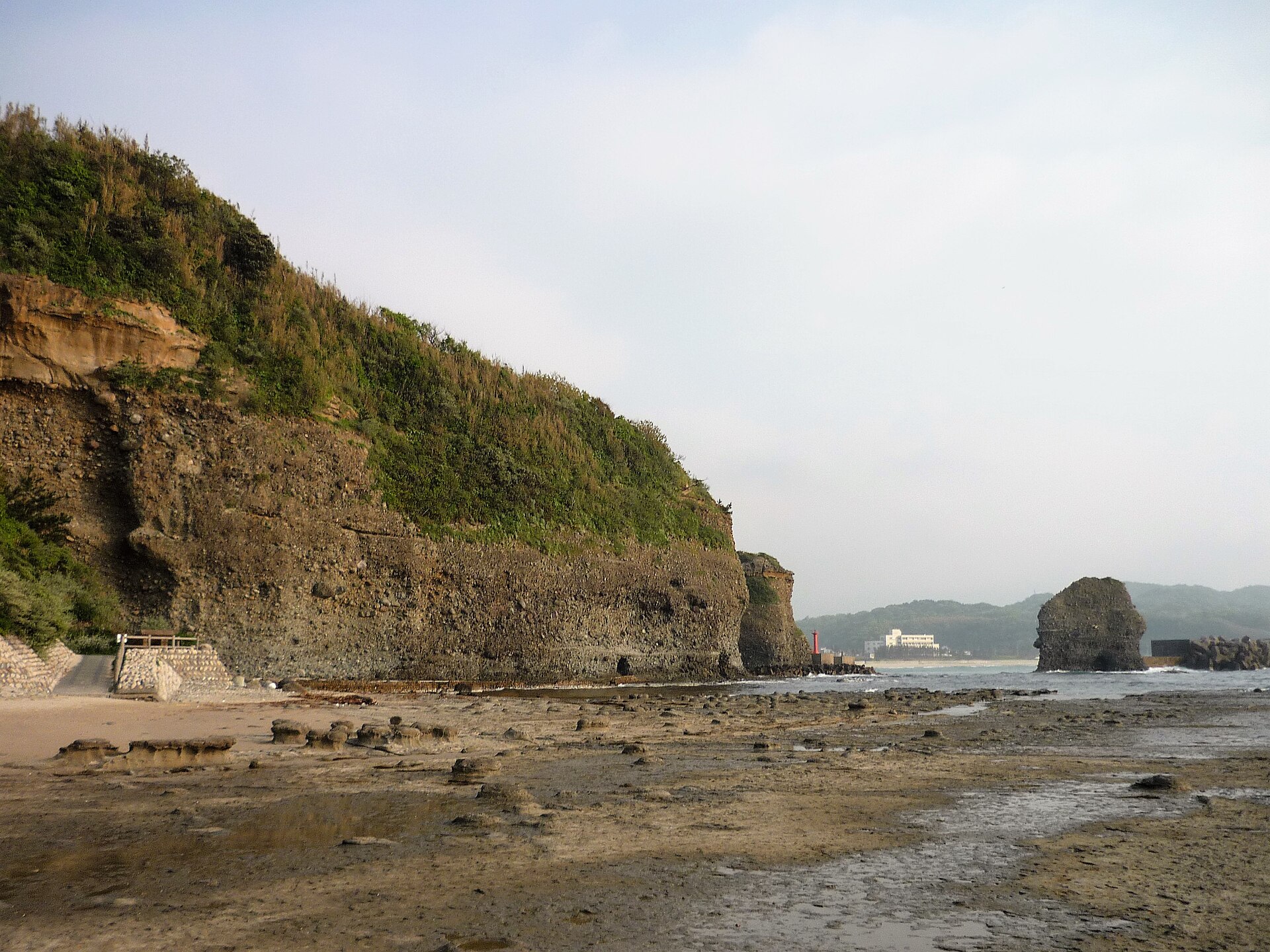
Iwami Tatamigaura
27.9 km · straight line
Distances are straight lines on the map, not travel times.