Miyagi · MatsushimaNo.848★★★Open in map →
Zuiganji Temple
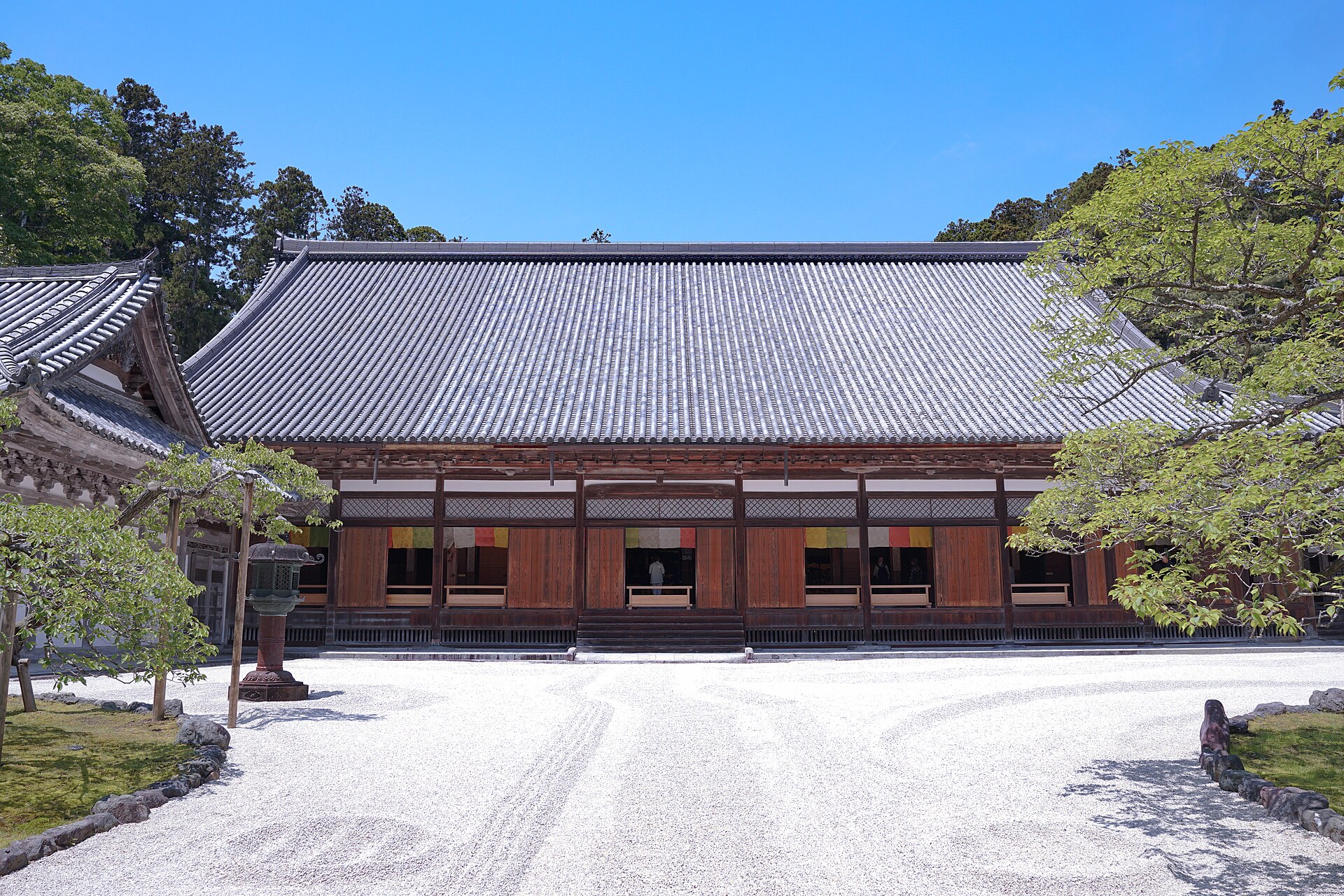
The Zen temple Date Masamune rebuilt beside Matsushima Bay, where the main hall and the monastery kitchen behind it both carry National Treasure status. The approach passes rock-cut caves before it reaches the halls.
- FromSendai Station
- ~40 minJR Senseki Line + 10-min walk
- Get off atMatsushima-Kaigan Station (JR Senseki Line)
- On foot
- Zuiganji Temple
Where it is
23 more notes in Miyagi · open the map →What to look for — in walking order
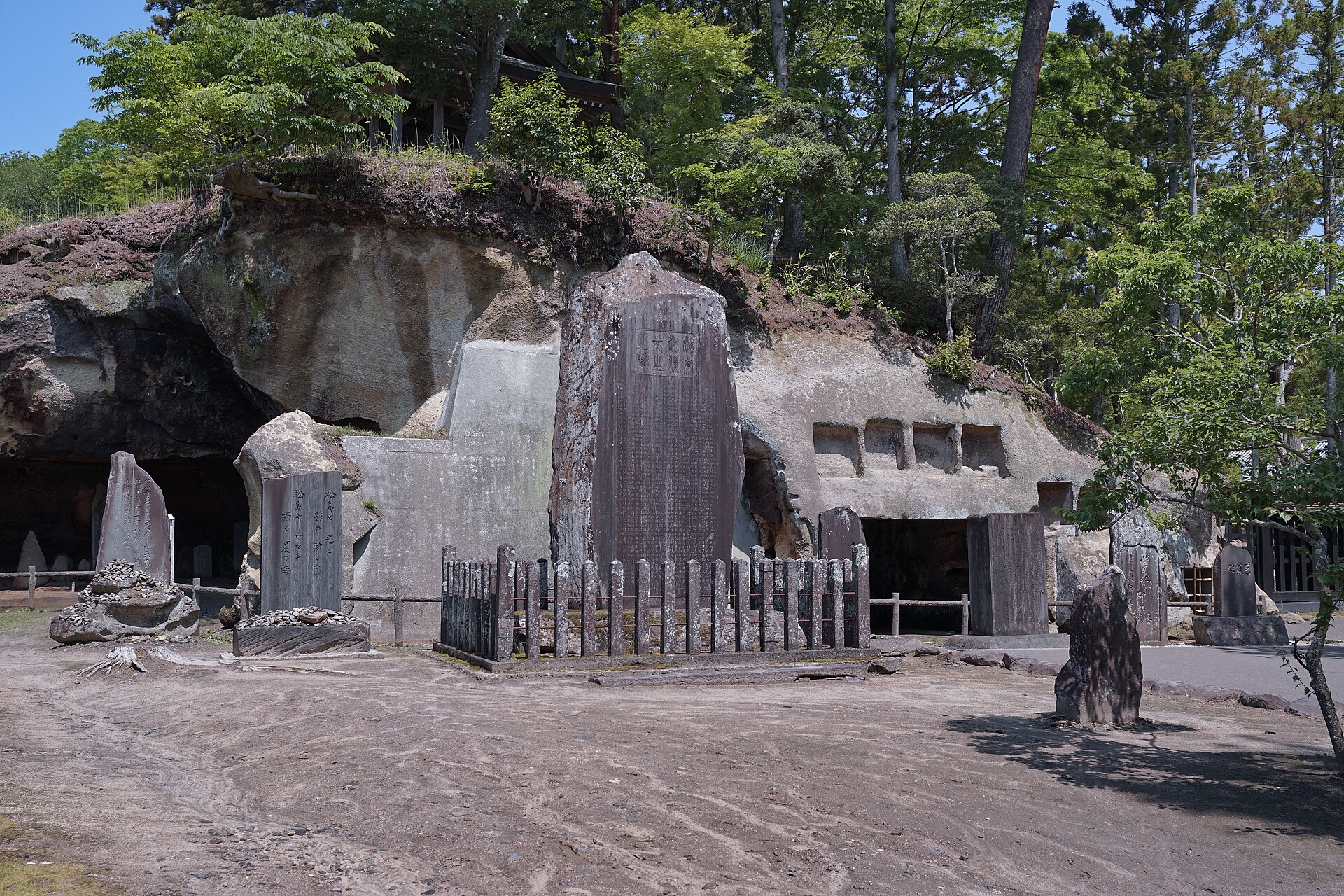
- The cave grottoesrock faces along the approach, hollowed into caves and memorial niches
- Chumon gatethe inner gate standing on the axis of the main hall
- The main hallthe National Treasure hojo, screen-painted room after room
- The kurithe monastery kitchen behind the hall, the temple's second National Treasure
- The treasure hallthe temple museum on the grounds, at the end of the visit
How to actually get there
- Sendai Station → Matsushima-Kaigan Station (JR Senseki Line, about 40 minutes).
- Matsushima-Kaigan Station → the temple approach (walk about 10 minutes).
- Walk the approach past the cave grottoes, through the Chumon gate, to the main hall and the kuri.
- Finish at the treasure hall, then carry on to Godaido and the waterfront.
- JR Senseki Line from Sendai
- Sendai Station →(JR Senseki Line)→ Matsushima-Kaigan Station, about 40 minutes, then roughly a 10-minute walk to the temple approach. Trains run through the day, so this leg needs no timetable planning.
- Return from Matsushima-Kaigan
- Walk back down to Matsushima-Kaigan Station and take the Senseki Line to Sendai. Services thin out in the evening, so read the departure board when you arrive rather than at the end of the day.
About the place
Zuiganji stands a short way inland from Matsushima Bay, at the foot of wooded hills in Matsushima town. Two buildings carry National Treasure status: the main hall and the kuri, the monastery kitchen behind it, linked by a covered corridor. The hall is laid out as ten rooms in a row, the most formal of them finished with gilded screen paintings for the lord's use. Its full name is Matsushima Seiryuzan Zuigan Enpuku Zenji, and it belongs to the Rinzai school of Zen. The approach from the road runs between rock faces hollowed into caves and memorial niches.
How to enjoy it
The gate opens at 8:30 all year and only the closing hour shifts with the season, so the first hour of the day is the quietest — the sightseeing boats on the bay start later. Godaido and the piers are a few minutes away on foot, which makes a natural second half to the morning and keeps the whole visit walkable from one station.
Background & history
A temple was founded on this site in 828, early in the Heian period, by the monk Ennin. It passed to Zen during the medieval centuries and had fallen into decline by the time Date Masamune held the northern domain. Masamune began rebuilding in 1604, and the work took five years, finishing in 1609. What stands today is that Momoyama-period rebuild rather than the ancient foundation.
Before you go
- Cash
- Admission was 1,000 yen for adults and 500 yen for elementary and junior-high pupils when checked. The temple has no car park of its own, so drivers use the paid car parks in the town.
- Good to know
- The closing hour moves with the season: mid-afternoon in December and January, late afternoon from April to September, with the shoulder months in between. Part of the visit is outdoors, and the wind off the bay is cold from late autumn onward.
- Another way
- The Tohoku Main Line also serves Matsushima, from a station of that name on the inland side, but the walk from there is considerably longer than from Matsushima-Kaigan. Drivers leave the expressway at the Matsushima-Kaigan interchange.
- After you get off
- From Matsushima-Kaigan Station the route runs northeast along the bay road, then turns inland where the temple approach opens. It is level ground the whole way.
Nearby notes
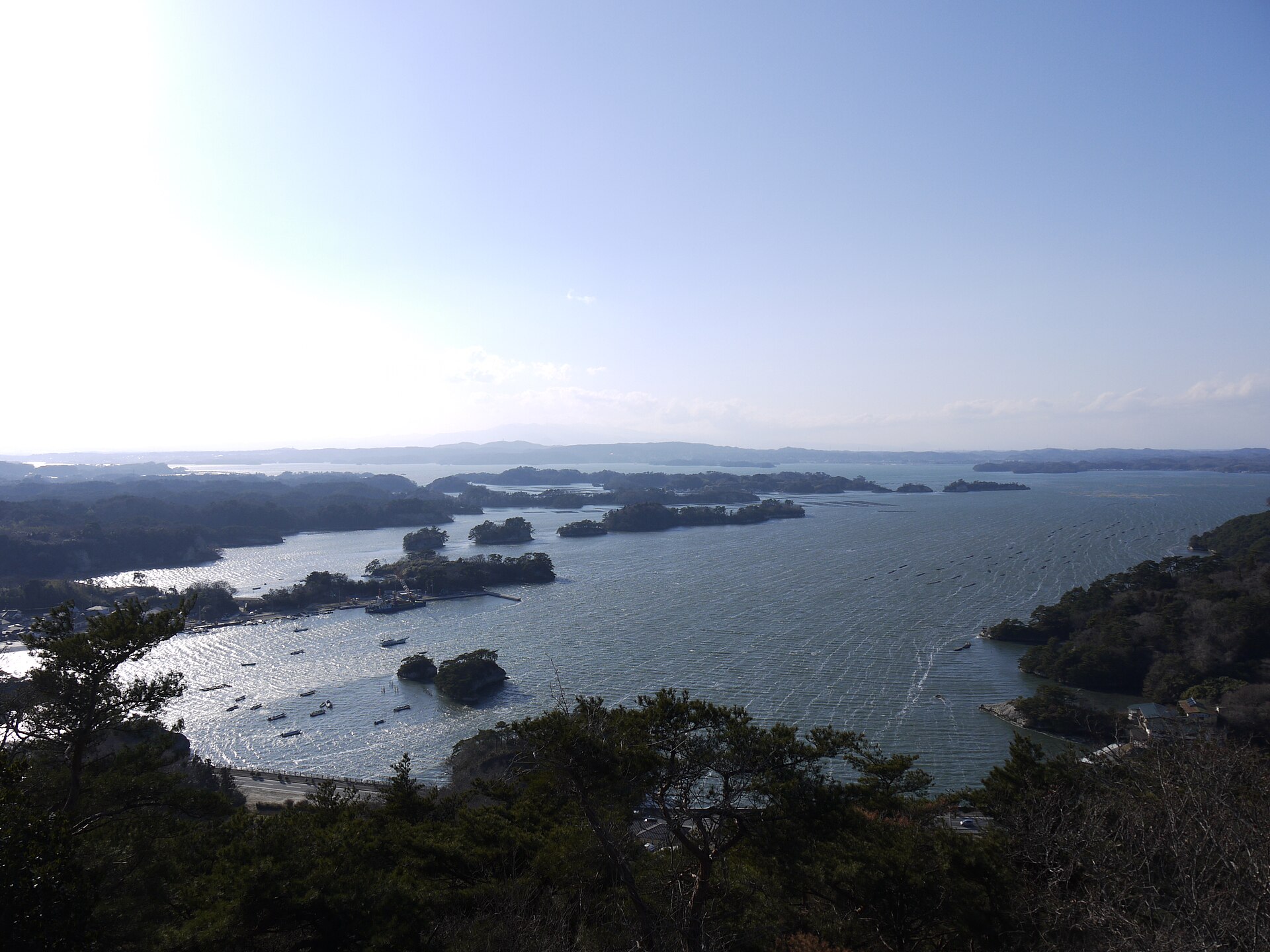
 lumoplank / CC0
Nature · Miyagi★★★
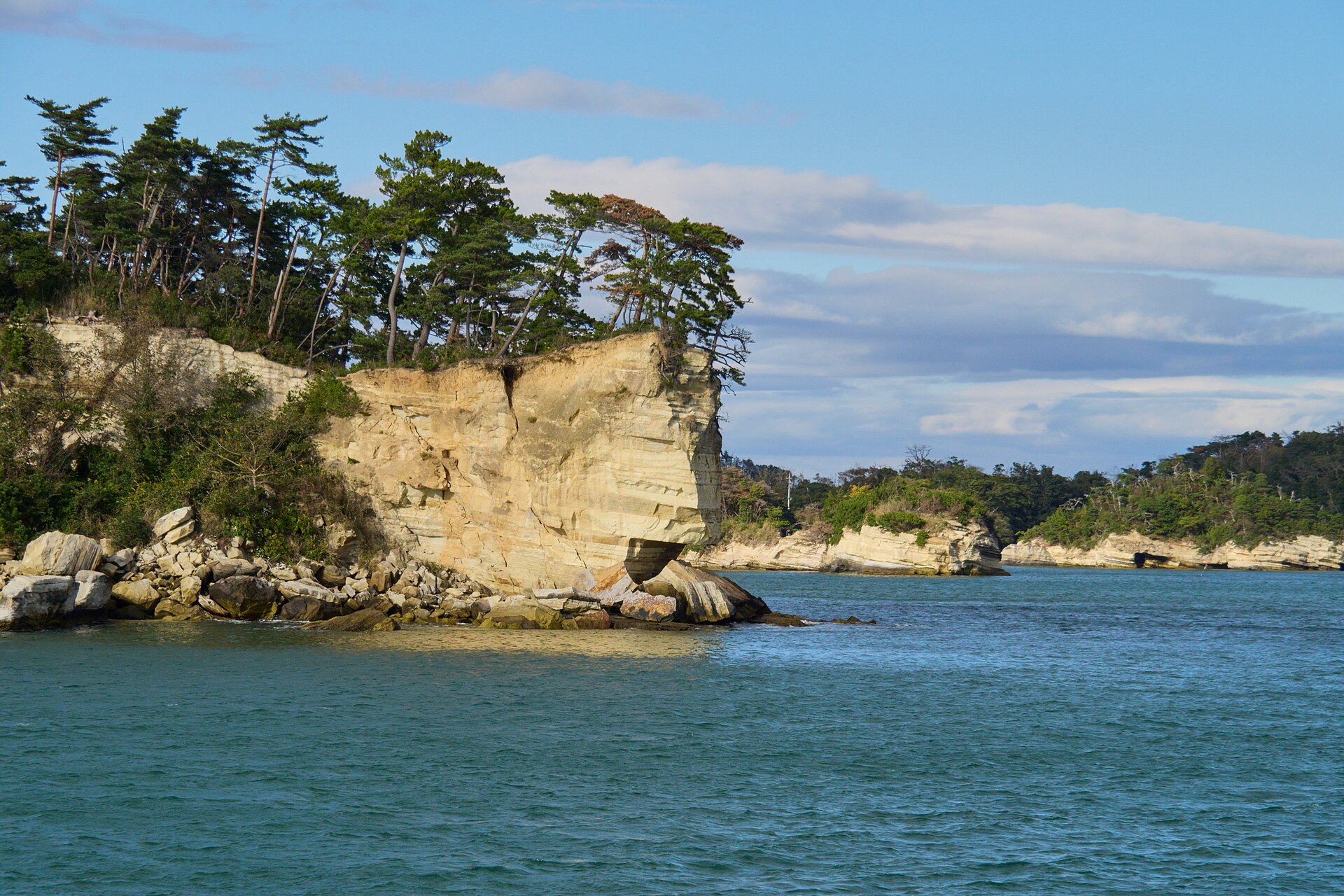
Matsushima Bay
0.5 km · straight line
 Suikotei / CC BY 4.0
History · Miyagi★★
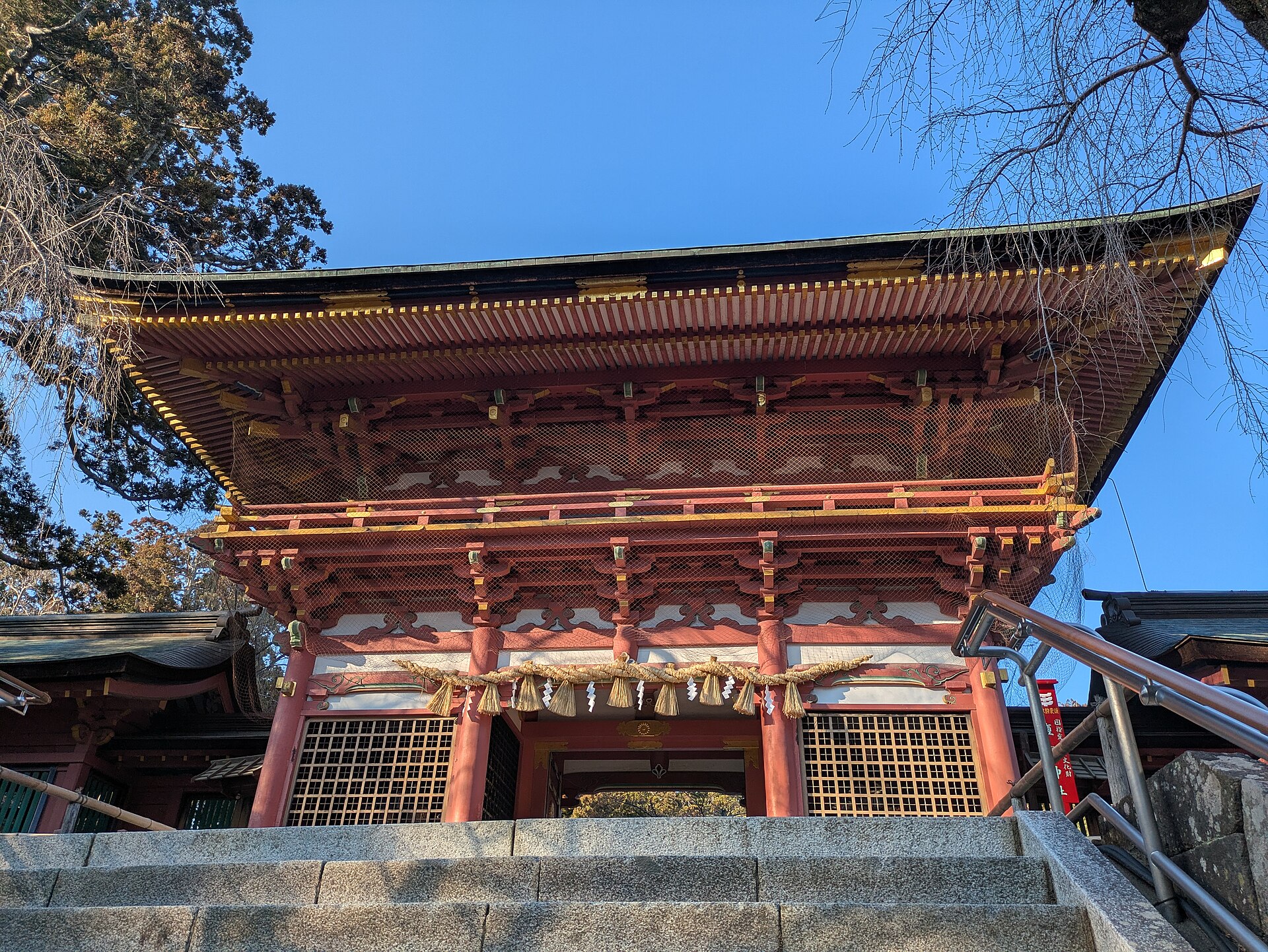
Shiwahiko and Shiogama Shrines
7.2 km · straight line
 Ippukucho / CC BY 3.0
Food · Miyagi★★
Miyagi Oysters
8.5 km · straight line
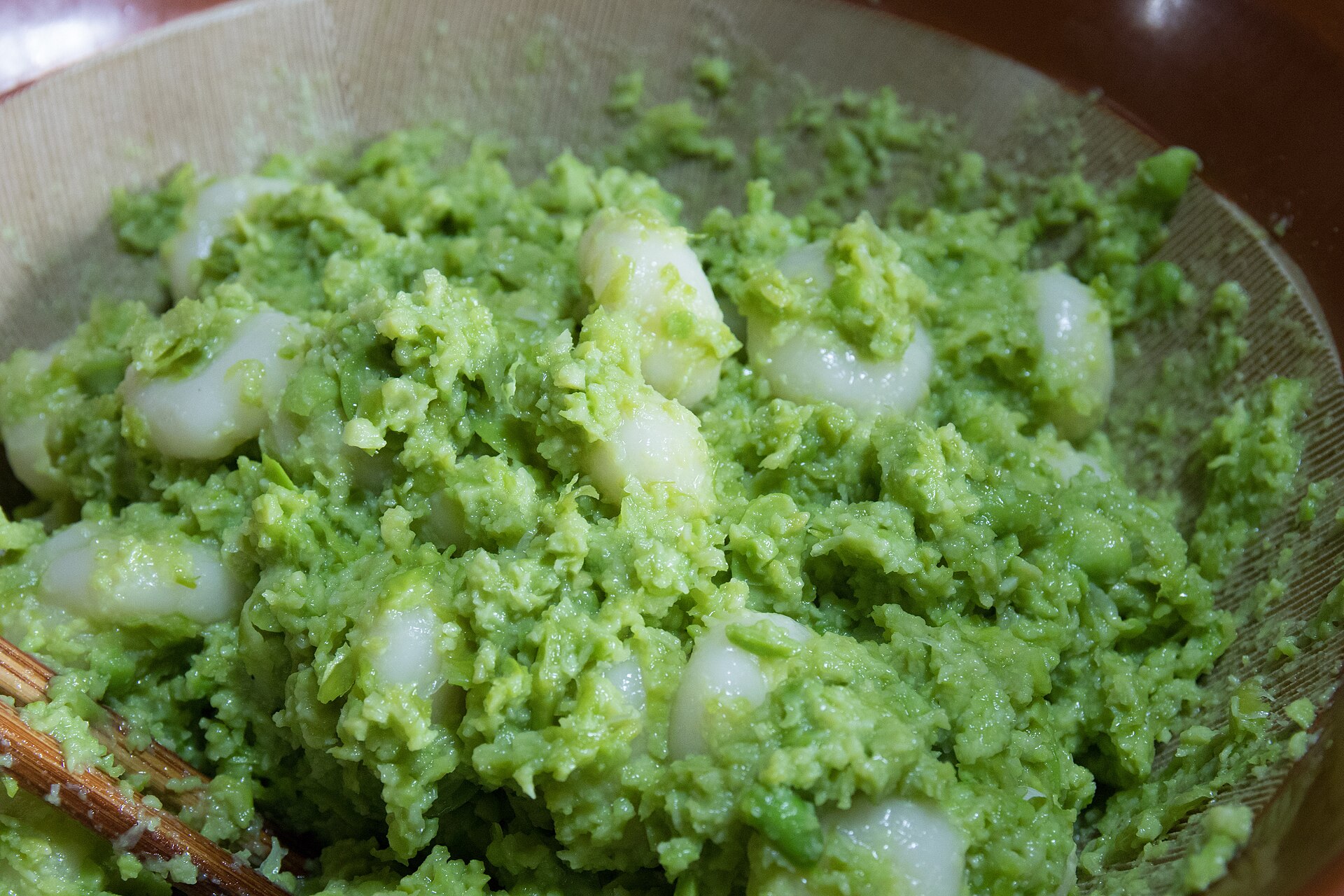 Σ64 / CC BY 4.0
Food · Miyagi★★★
Zunda Mochi
19.9 km · straight line
Distances are straight lines on the map, not travel times.