Mie · YokkaichiNo.1195★★Open in map →
Banko Ware
— Yokkaichi's heat-proof pottery
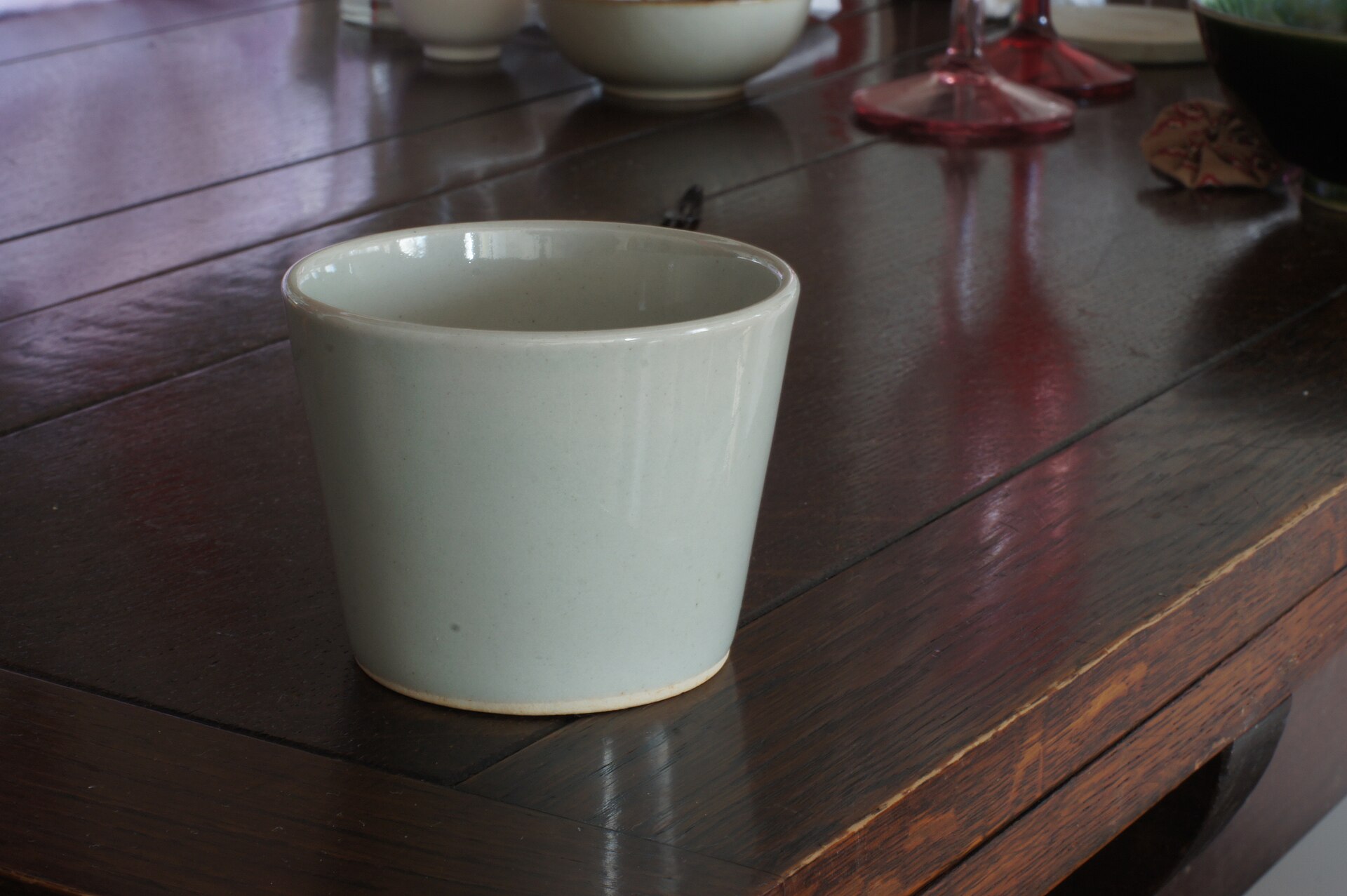
Yokkaichi, in northern Mie, fires most of the donabe clay pots sold in Japan. Banko ware is the local name for them, and one public hall in the kiln quarter gathers the display cases, the potter's wheel and the shop under a single roof.
- FromKintetsu Yokkaichi Station
- ~5 minKintetsu local train, 1 stop
- Get off atKawaramachi Station (Kintetsu Nagoya Line)
- On foot
- Banko Ware
The sweet spot
Banko ware itself is not obscure — its donabe turn up in supermarkets all over Japan. What stays quiet is the place behind them. The kiln quarter is one stop off the main Yokkaichi station, on a stretch of line most travellers ride straight through, and the hall that explains the craft is a plain two-storey building rather than a headline sight.
Where it is
17 more notes in Mie · open the map →What to look for — in walking order
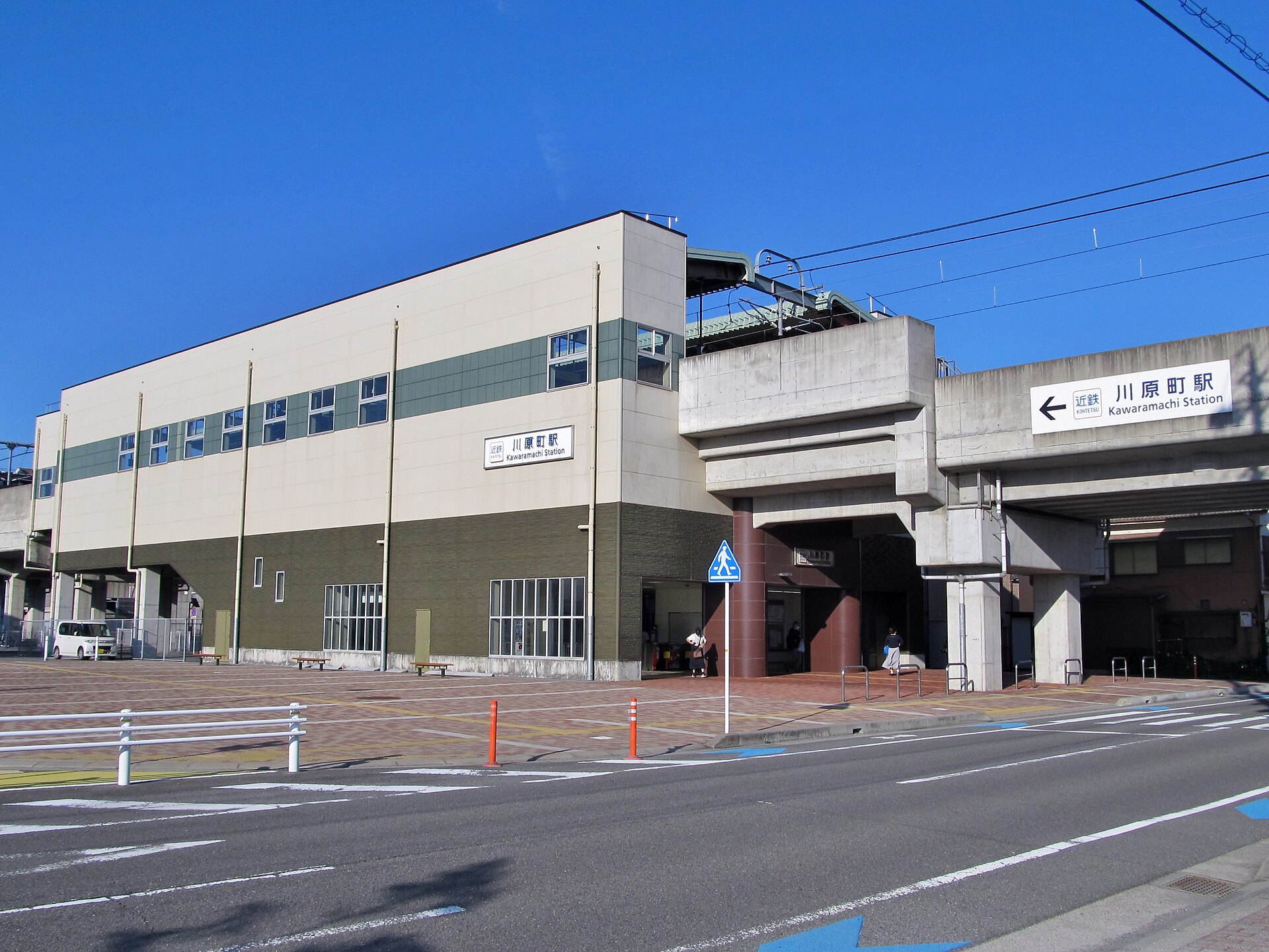
- Kawaramachi Stationthe small Kintetsu stop that serves the Toei-cho pottery quarter
- The display roomcases running from Edo-period Banko ware to current production, plus a changing themed show
- The pottery studiowheel and painting sessions on the ground floor, taken by advance booking
- Utsuwateithe kiln-direct shop upstairs, laying out work from many separate kilns side by side
- Banko Shrinethe pottery trade's own shrine a minute away, with monuments to the men who revived the craft
How to actually get there
- Kintetsu Yokkaichi Station → Kawaramachi Station (Nagoya Line, local or semi-express, one stop).
- Kawaramachi Station → Banko no Sato Kaikan (walk about 5 min into the Toei-cho kiln quarter).
- Ground-floor display room and studio → the kiln-direct shop upstairs.
- Banko no Sato Kaikan → Banko Shrine (walk about 1 min).
- Kintetsu Nagoya Line, one stop from Kintetsu Yokkaichi
- Kintetsu Yokkaichi Station →(Nagoya Line, local or semi-express toward Nagoya, one stop)→ Kawaramachi Station, then about five minutes on foot. Express trains run straight past Kawaramachi, so check the train type on the platform board before boarding.
- Back through Kintetsu Yokkaichi
- Take a local or semi-express one stop back to Kintetsu Yokkaichi, where the Nagoya Line connects on toward Nagoya and the Osaka direction. Kawaramachi is a small station served only by the slower trains, so read the departure board rather than assuming the next train stops there.
About the place
Banko ware is made in and around Yokkaichi, at the northern end of Mie. Its body is blended with petalite, a lithium mineral that lets a pot sit on an open flame without cracking, and that single property turned a regional kiln town into a national supplier. About 80 percent of Japan's domestic clay-pot output now comes from here. More than 100 kilns work across Yokkaichi and neighbouring Komono. Banko no Sato Kaikan, the trade's public hall in the Toei-cho kiln quarter, is where all of it is put in front of a visitor at once: cases of finished work, a studio with wheels, and a shop carrying pieces from many separate kilns.
How to enjoy it
The hall opens at 10:00 and closes on Mondays unless the Monday falls on a public holiday, so a late-morning weekday visit is the safe plan. Book a wheel or painting session in advance if you want to make something yourself. Walk on to the shrine afterwards, where the pottery trade holds its own festival days.
Background & history
The name comes from a seal, banko fueki, stamped by Nunami Rozan, a Kuwana merchant who built a kiln in the 1730s and wanted his work to survive unchanged. The line lapsed after his death and was revived twice, first in the Tempo era and then by Yokkaichi potters at the end of the Edo period. The industry as it stands today dates from 1959, when local makers worked petalite into the clay body and beat the cracking that ruined pots on gas rings. Yokkaichi Banko ware was designated a national traditional craft in 1979.
Before you go
- Cash
- Hands-on pottery sessions at the hall are paid and need to be booked in advance. Kintetsu stations take IC cards, including ICOCA and Suica, as well as cash, and the hall has its own car park if you drive.
- Good to know
- The hall is shut on Mondays, opening the following day when the Monday is a public holiday, and it also closes over the New Year and for a summer break. Hours end in the late afternoon, so this is a daytime stop rather than an evening one.
- Another way
- From Nagoya, local and semi-express services on the Kintetsu Nagoya Line run through to Kawaramachi without a change. If you board an express, ride it to Kintetsu Yokkaichi and take one stop back toward Nagoya.
- After you get off
- From Kawaramachi Station it is about a five-minute walk on flat streets into Toei-cho. Banko no Sato Kaikan is the two-storey building with the car park in front; Banko Shrine stands a minute further on.
Nearby notes
 Alpsdake / CC BY-SA 4.0
Entertainment · Mie★★
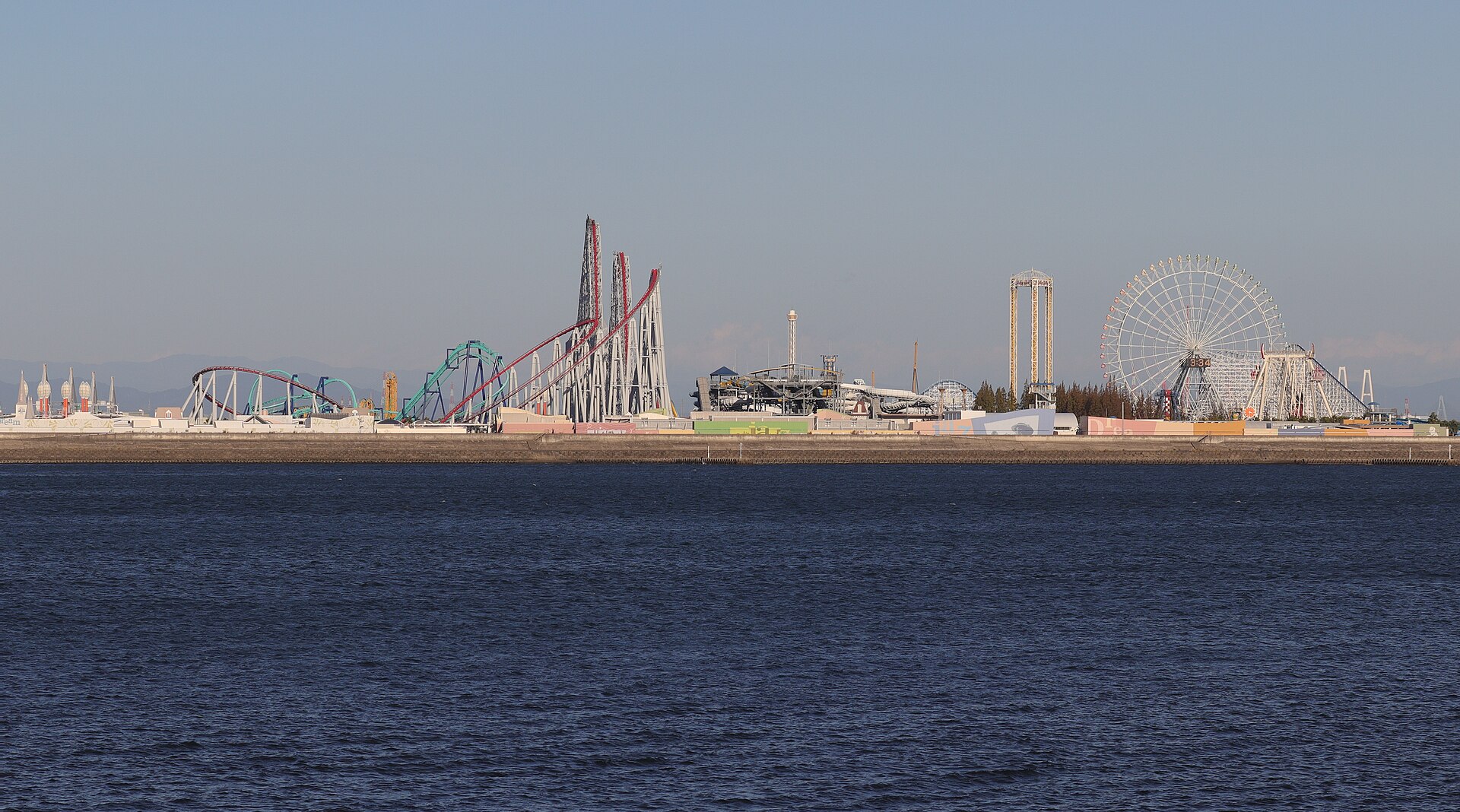
Nagashima Spa Land
11.1 km · straight line
 Hustvedt / CC BY-SA 3.0
Nature · Mie★★
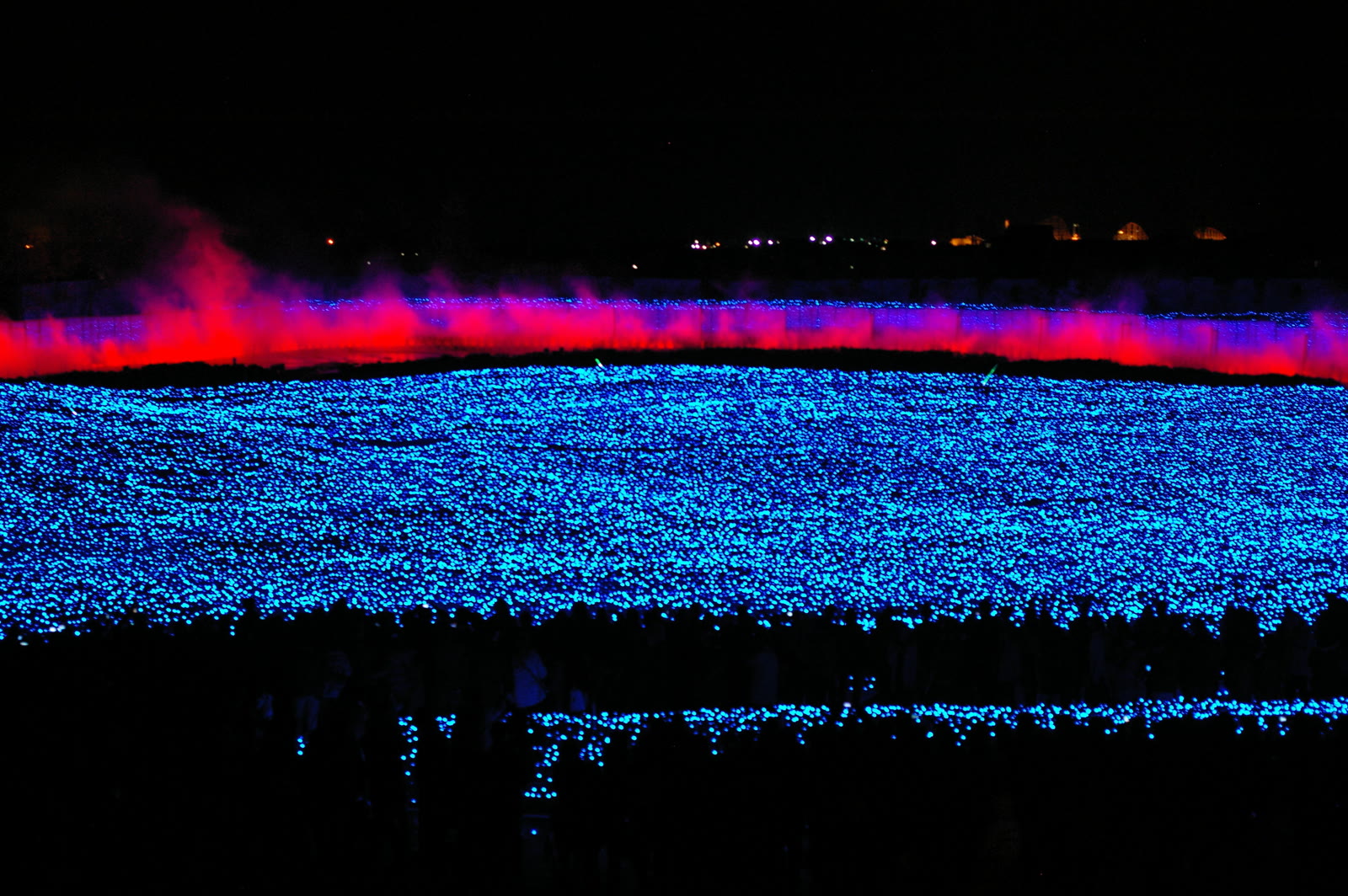
Nabana no Sato
13.4 km · straight line
 carloshonda / CC BY 3.0
Onsen · Mie★★
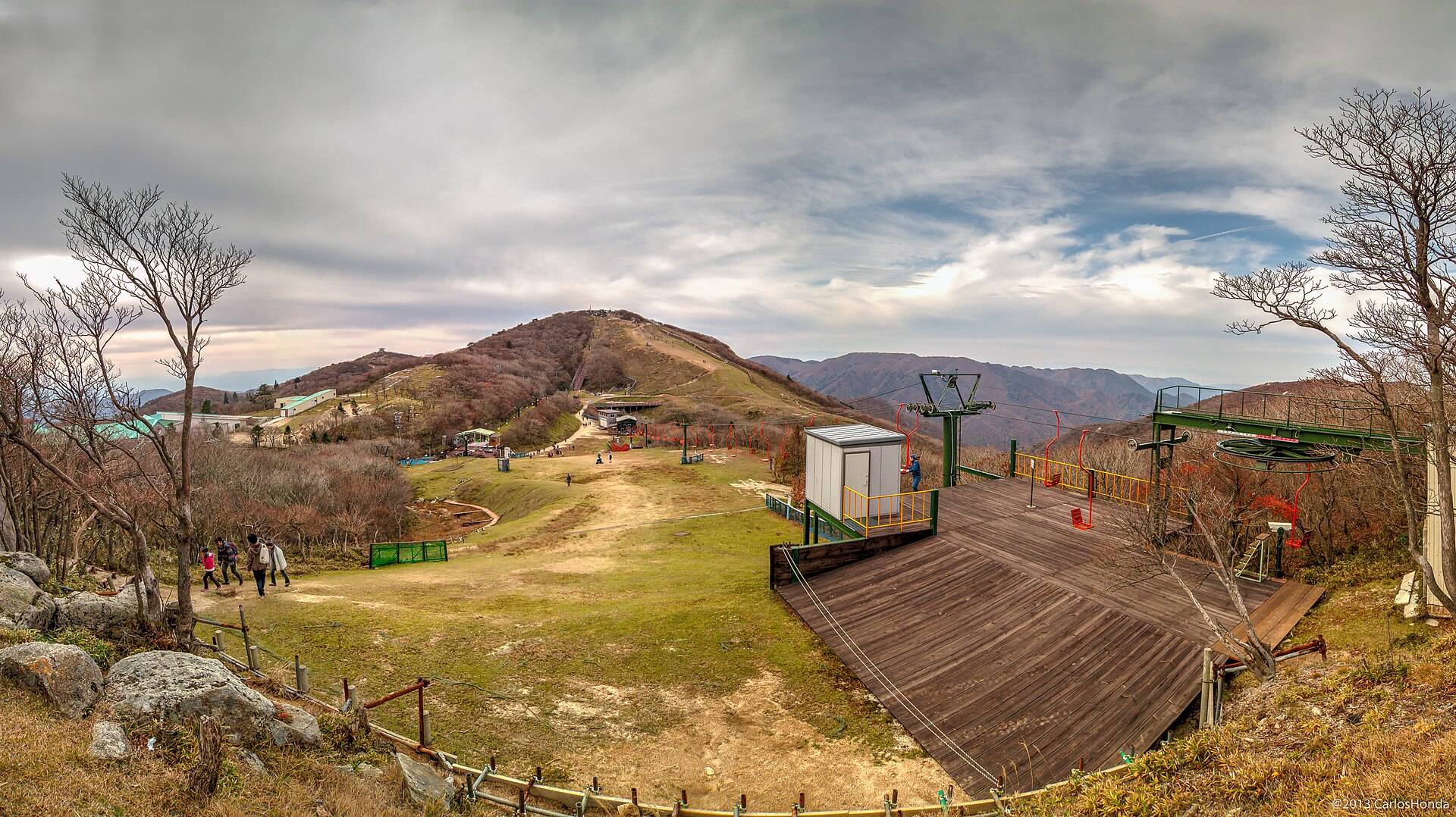
Mount Gozaisho and Yunoyama Onsen
16.8 km · straight line
 Wata0929 / CC BY-SA 4.0
Entertainment · Mie★★
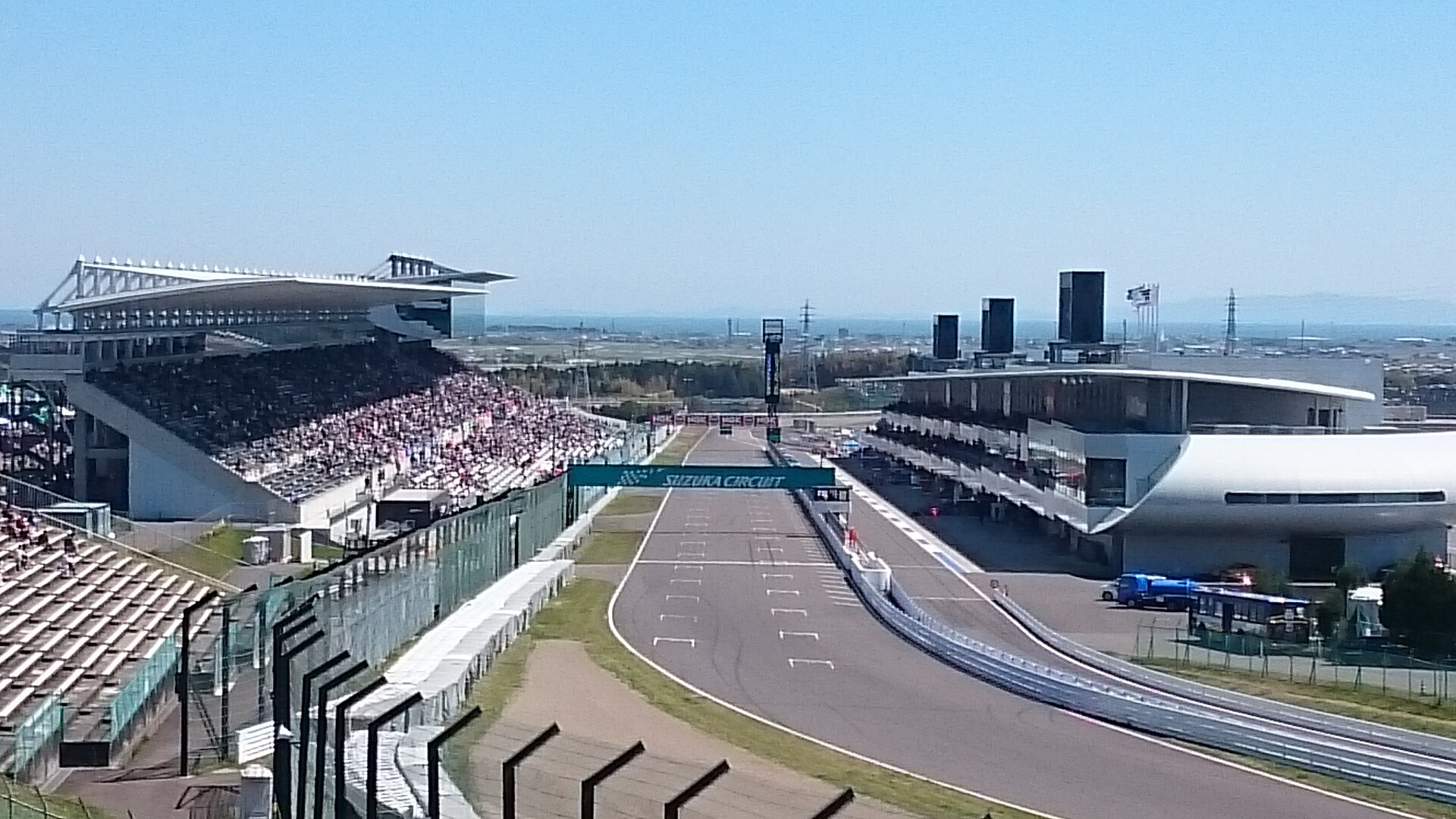
Suzuka Circuit
17.1 km · straight line
Distances are straight lines on the map, not travel times.