North Mie · KomonoNo.1196★★Open in map →
Mount Gozaisho and Yunoyama Onsen
A hot-spring village at the foot of the Suzuka range, and a ropeway that lifts you from its main street to the ridge of the range's highest peak. Two very different halves of a day, stacked directly on top of each other.
- FromKintetsu-Nagoya
- ~1 h 30 minKintetsu train + local bus
- Get off atYunoyama-Onsen Station (Kintetsu Yunoyama Line)
- From there
- Mount Gozaisho and Yunoyama Onsen
The sweet spot
This is not a hidden place — it is a standard day trip out of Nagoya, and the autumn-colour weeks are its busiest. What keeps it off foreign itineraries is the shape of the railway: the Yunoyama line is a dead-end spur, so nobody arrives here on the way to somewhere else. Everyone on that train is coming for this valley.
Where it is
17 more notes in Mie · open the map →What to look for — in walking order
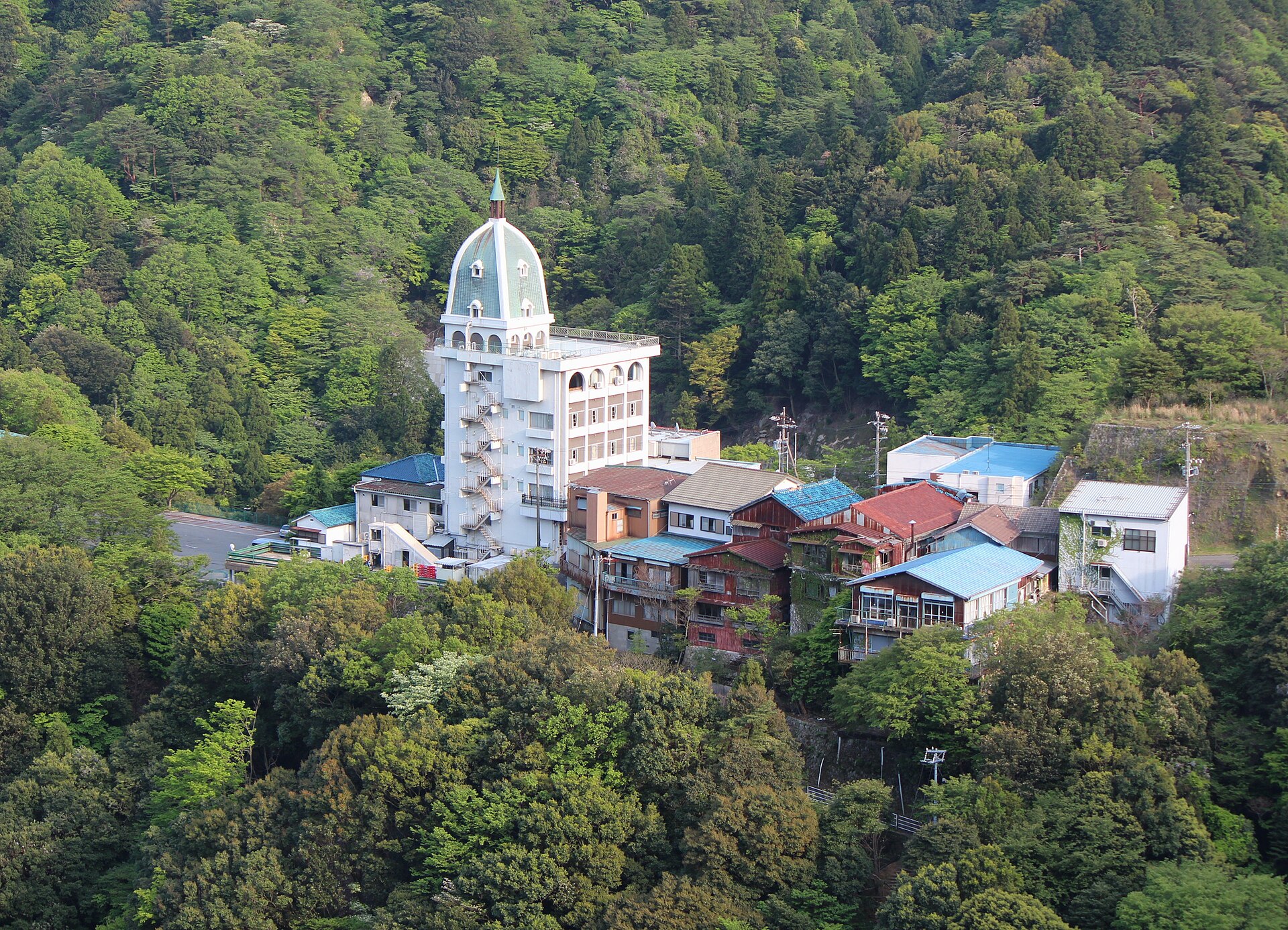
- Yunoyama Onsen villagethe spa street on the valley floor, the starting point and the place to finish the day
- The white towersupport tower No. 6, sixty-one metres tall and the tallest on any ropeway in Japan
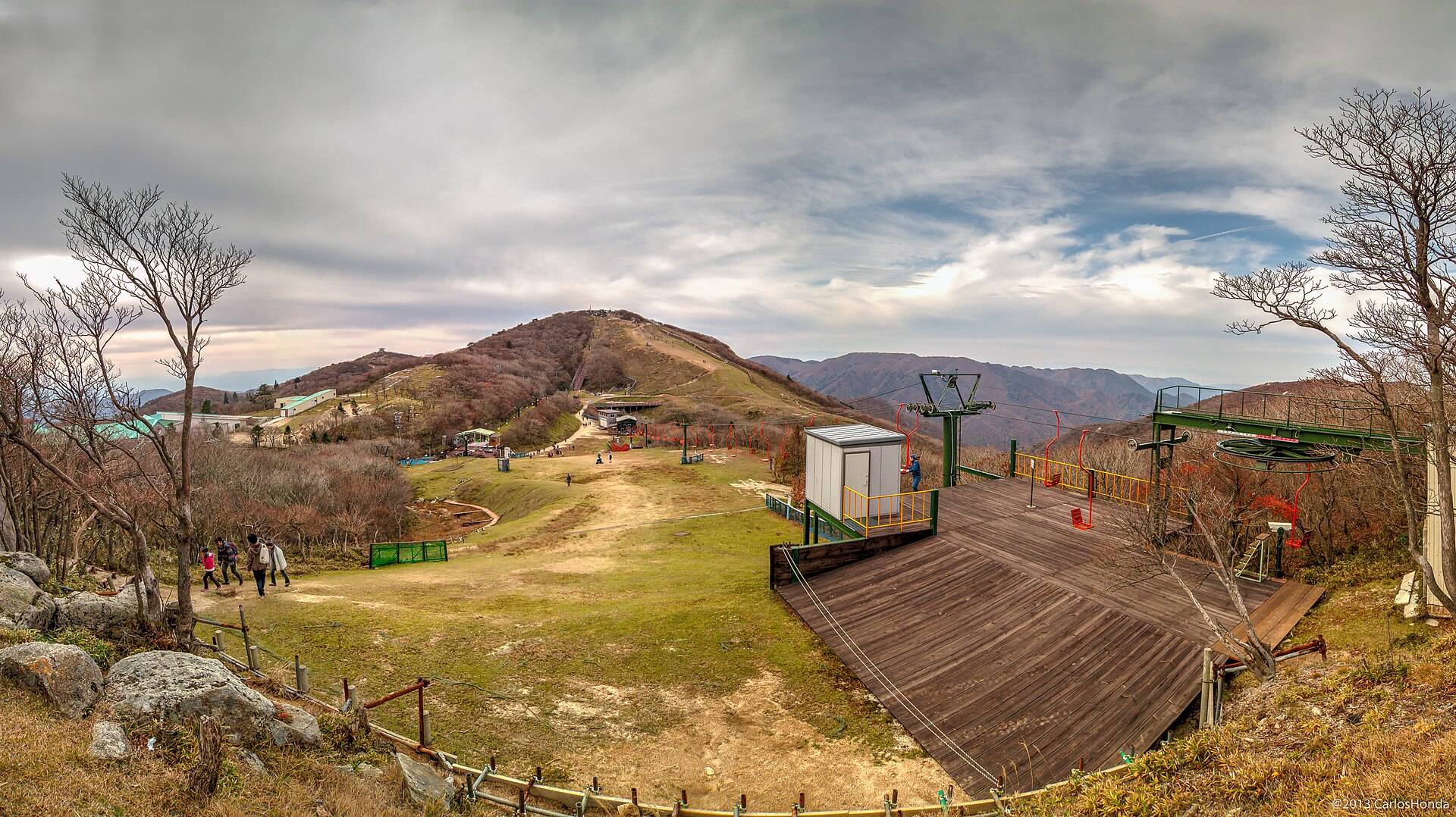
- Sanjo-koen Stationthe upper station, with a ropeway museum inside and terraces facing the Ise plain
- The summit chairlifta short lift carrying you on from the upper station to the top of the mountain
- Bokodai lookoutthe high point of the summit park, looking west toward Lake Biwa
How to actually get there
- Kintetsu-Nagoya → Yunoyama-Onsen Station (Nagoya Line express, change at Kintetsu-Yokkaichi; about 1 hr 14 min, 1,030 yen).
- Yunoyama-Onsen Station → Yunoyama Onsen / Gozaisho Ropeway stop (Mie Kotsu bus, about 10 min).
- Ride the ropeway to the upper station, then take the chairlift and walk out to the lookouts.
- Come back down and spend what is left of the day in the village.
- Kintetsu from Nagoya, then the Yunoyama branch
- Kintetsu-Nagoya →(Nagoya Line express, change at Kintetsu-Yokkaichi, then the Yunoyama Line)→ Yunoyama-Onsen Station, about 1 hr 14 min and 1,030 yen. A Mie Kotsu bus runs from the station to the Yunoyama Onsen / Gozaisho Ropeway stop in about 10 minutes. Allow around 1 hr 30 min door to base station.
- Back from the ropeway base
- Bus down to Yunoyama-Onsen Station, the Yunoyama Line to Kintetsu-Yokkaichi, then the Nagoya Line. The branch is a dead end and its timetable thins out through the evening, so check the return before you ride up rather than after you come down.
About the place
Mount Gozaisho stands 1,212 metres up on the Mie–Shiga border, the main peak of the Suzuka range and the centre of the Suzuka Quasi-National Park. Yunoyama Onsen lies at its eastern foot, a hot-spring village built into the valley floor. A ropeway of 2,161 metres joins the two, lifting 780 metres of vertical from the village to the ridge below the summit. That geometry is what makes the place work as one outing instead of two: arrive in the village, ride up, walk the summit park, come back down to the baths. Up top there is a chairlift, a set of lookouts and a small museum, so the summit end is more than a viewing platform.
How to enjoy it
Go up in the morning and use the village in the afternoon: the ropeway runs on seasonal hours and stops well before dark, while the baths keep going later. Dress for the top rather than the bottom — the summit sits far above the valley and holds cloud when the village is clear. If you want a bath at the end without staying the night, check which of the inns are taking day visitors before you ride up.
Background & history
Yunoyama Onsen dates its opening to 718, when the monk Jokun is said to have found the spring after a vision of Yakushi Nyorai, the healing Buddha. A second local story gives the place its older name, Shika-no-yu, the deer's bath, from a wounded deer that healed itself in the water. The village marked 1,300 years since that opening in 2018. The water is an alkaline radium spring, clear and soft, and is known locally as a bijin-no-yu — a bath that treats the skin well.
Before you go
- Cash
- Kintetsu takes IC cards and paper tickets. Carry cash as well — the bus is a local route, and the smaller shops and inns in the village may not take cards. Ropeway tickets are sold at the base station; the current fare is posted there and on the operator's site.
- Good to know
- The ropeway runs on seasonal hours, does not operate after dark, and can be suspended in bad weather. The operator posts live running status and the weather at the summit station, which is worth reading on the morning you go — the top is in cloud far more often than the valley.
- Another way
- By car it is about ten minutes from Komono interchange on the Shin-Meishin expressway, with paid parking at the base station. Mie Kotsu also runs a highway bus from the Meitetsu Bus Center in Nagoya toward Yunoyama, which removes the change at Yokkaichi.
- After you get off
- Get off at the Yunoyama Onsen / Gozaisho Ropeway stop. The base station, also called Yunoyama-Onsen Station, is a short walk up from the road.
Nearby notes
 uemura / CC BY 2.0
Craft · Mie★★
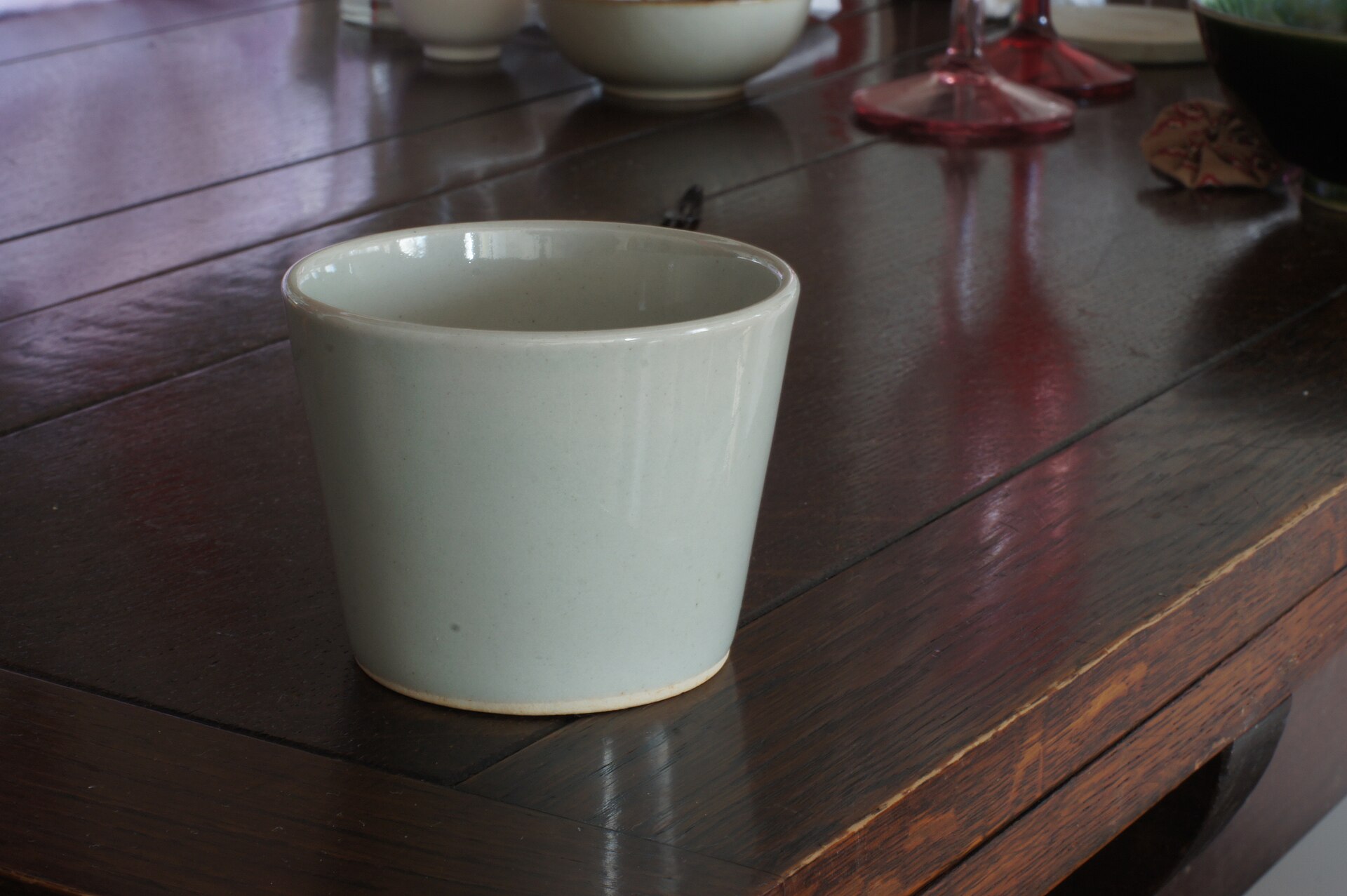
Banko Ware
16.8 km · straight line
 ignis / CC BY-SA 3.0
History · Mie★★
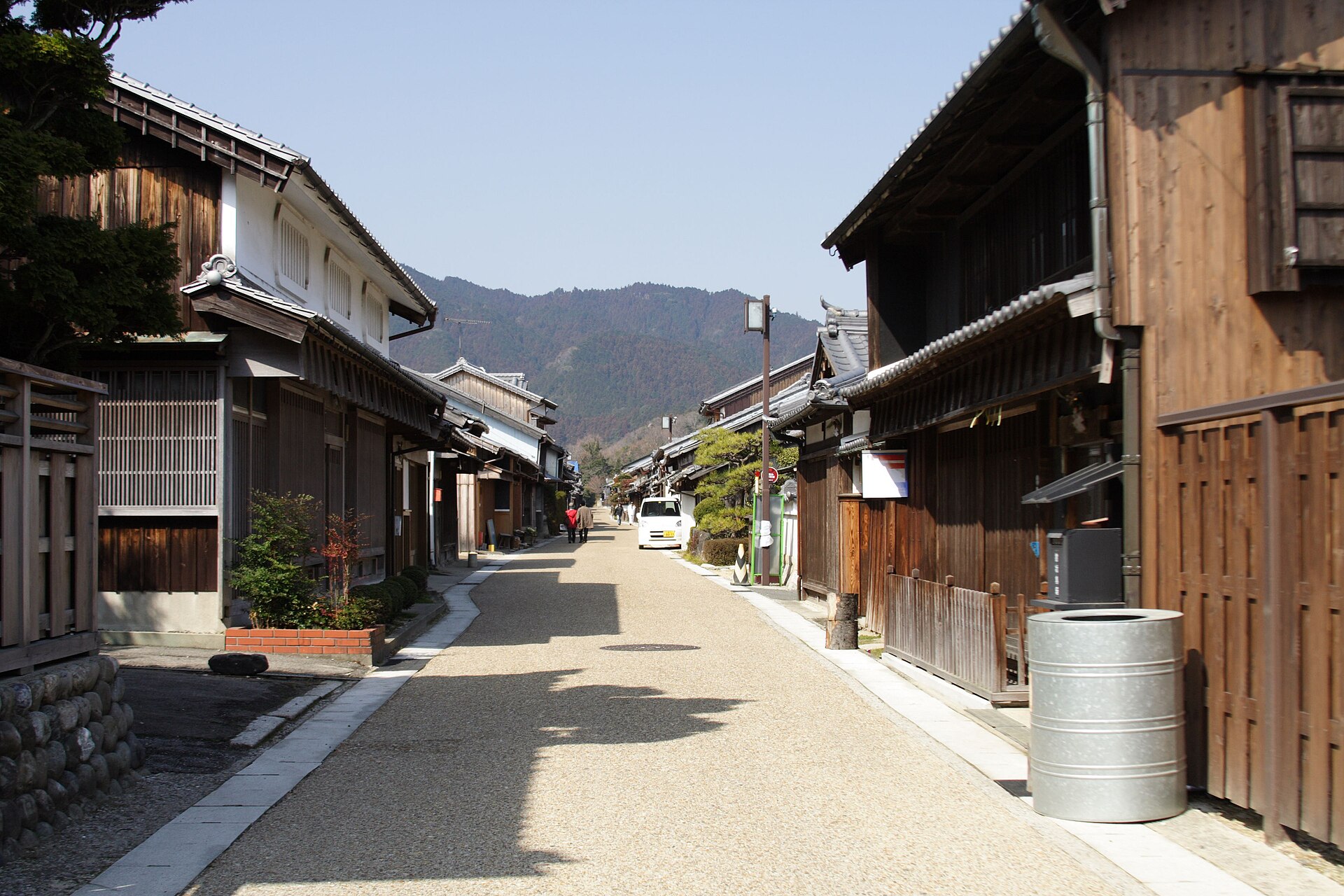
Seki-juku
18.9 km · straight line
 Wata0929 / CC BY-SA 4.0
Entertainment · Mie★★
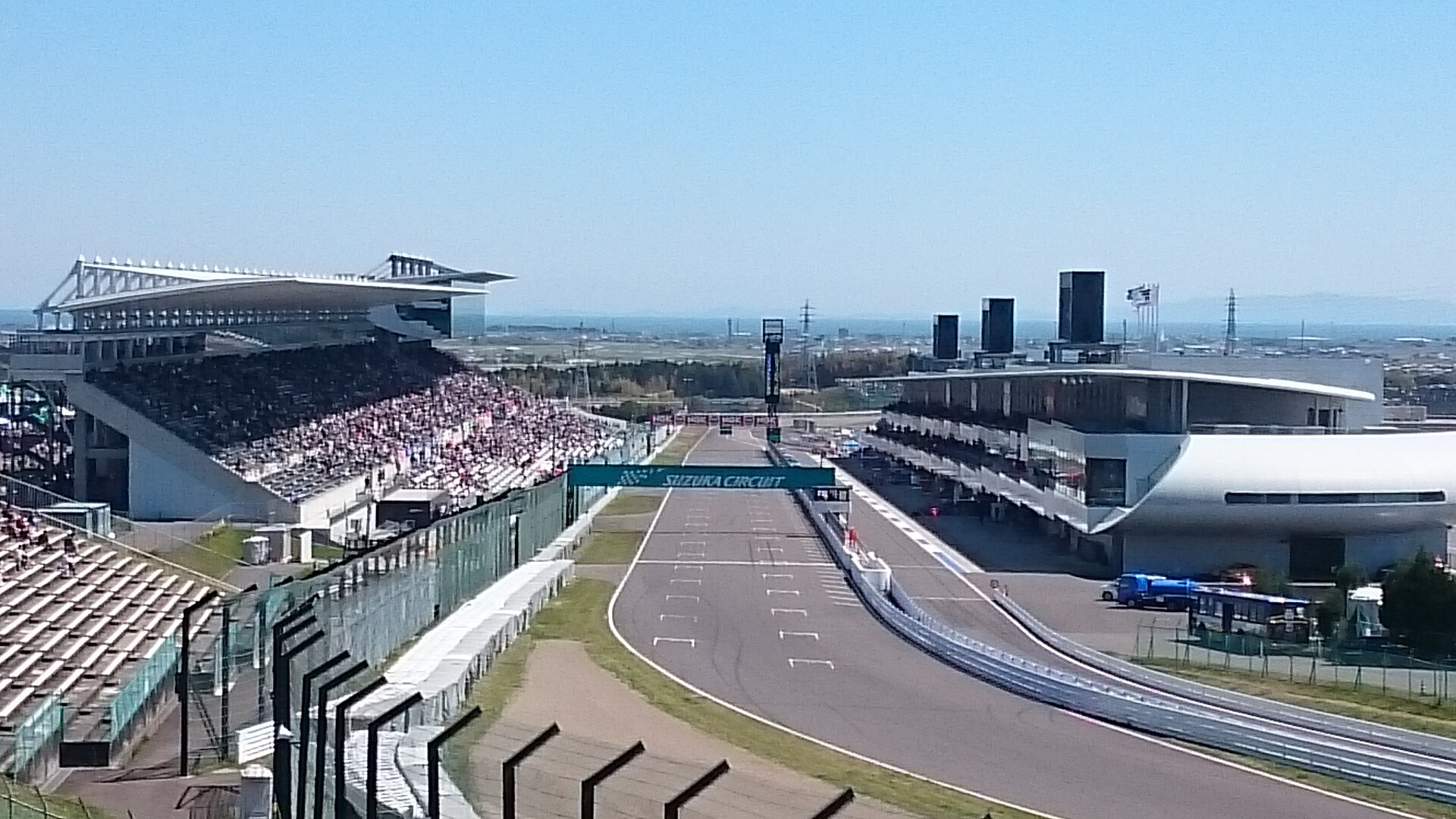
Suzuka Circuit
20.8 km · straight line
 tak1701d / CC BY-SA 3.0
History · Shiga★
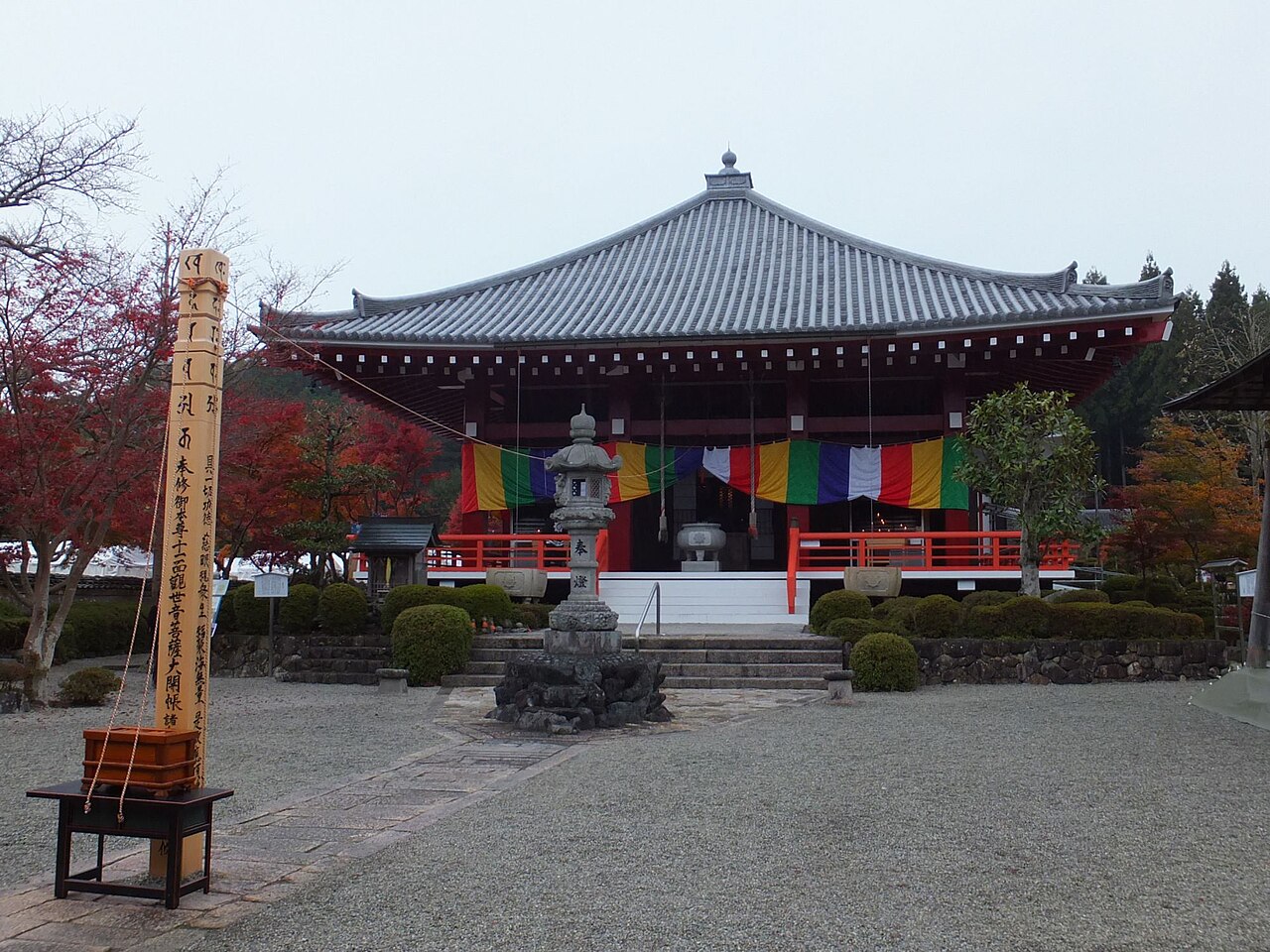
Rakuyaji
22.1 km · straight line
Distances are straight lines on the map, not travel times.