Shiga south · KōkaNo.044★Open in map →
Rakuyaji
— temple of Japan's largest seated Kannon
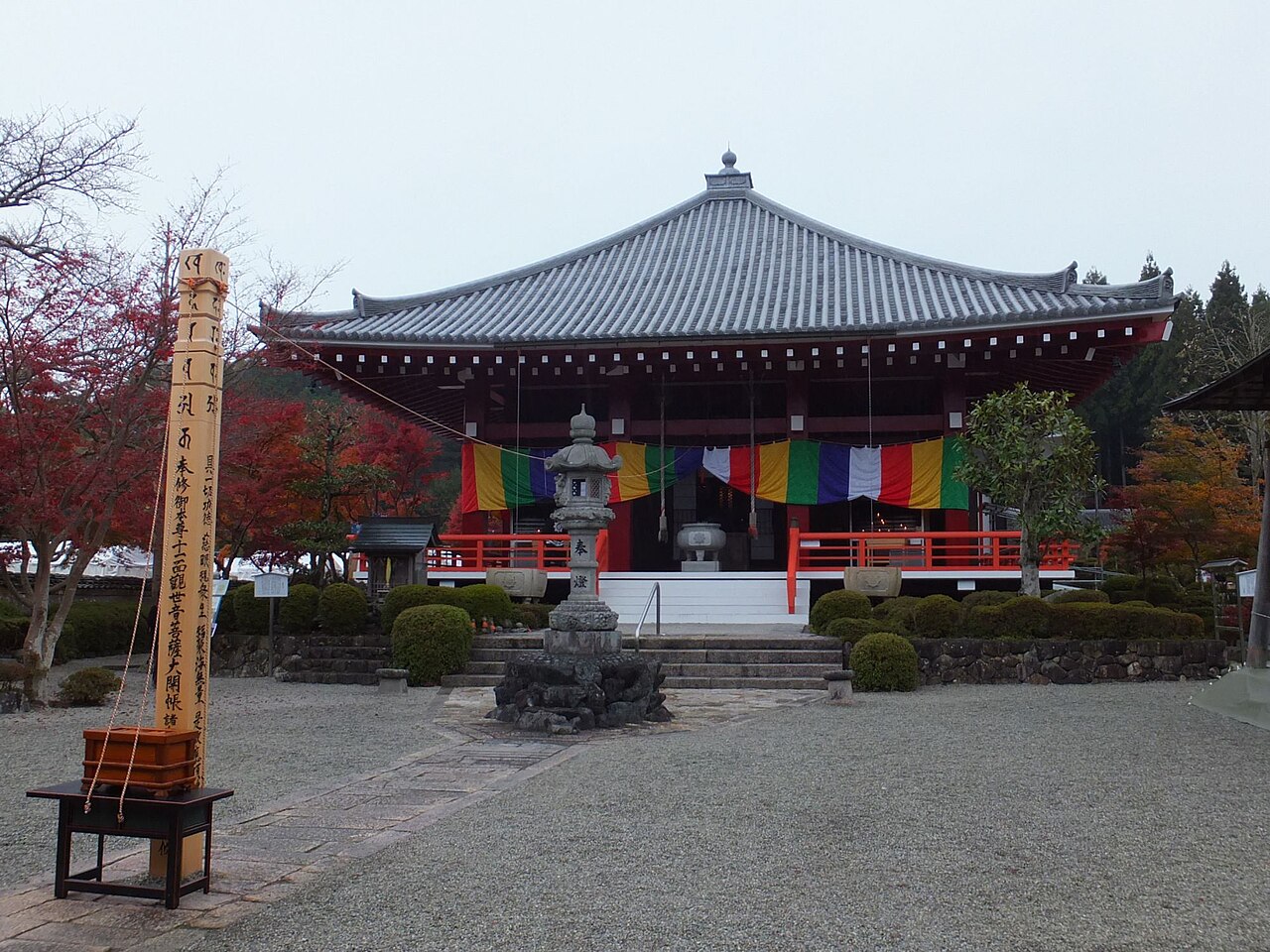
A Tendai temple set among the rice fields of Kōka, southern Shiga, holding a 3.12-metre seated Eleven-Headed Kannon — the largest of its rank among Japan's nationally protected statues — and an unusual group of around twenty Heian-period Buddhist sculptures.
- FromKyoto Stn
- ~90 minbus (weekdays only)
- Get off atRakuya-Kannon-mae bus stop
- From there
- Rakuyaji
The sweet spot
The temple sits off the usual day-trip routes, its buses run only on weekdays and only a few times a day, and there is almost no English information about it, so foreign visitors head instead to the ninja-theme sights nearby.
Where it is
21 more notes in Shiga · open the map →What to look for — in walking order
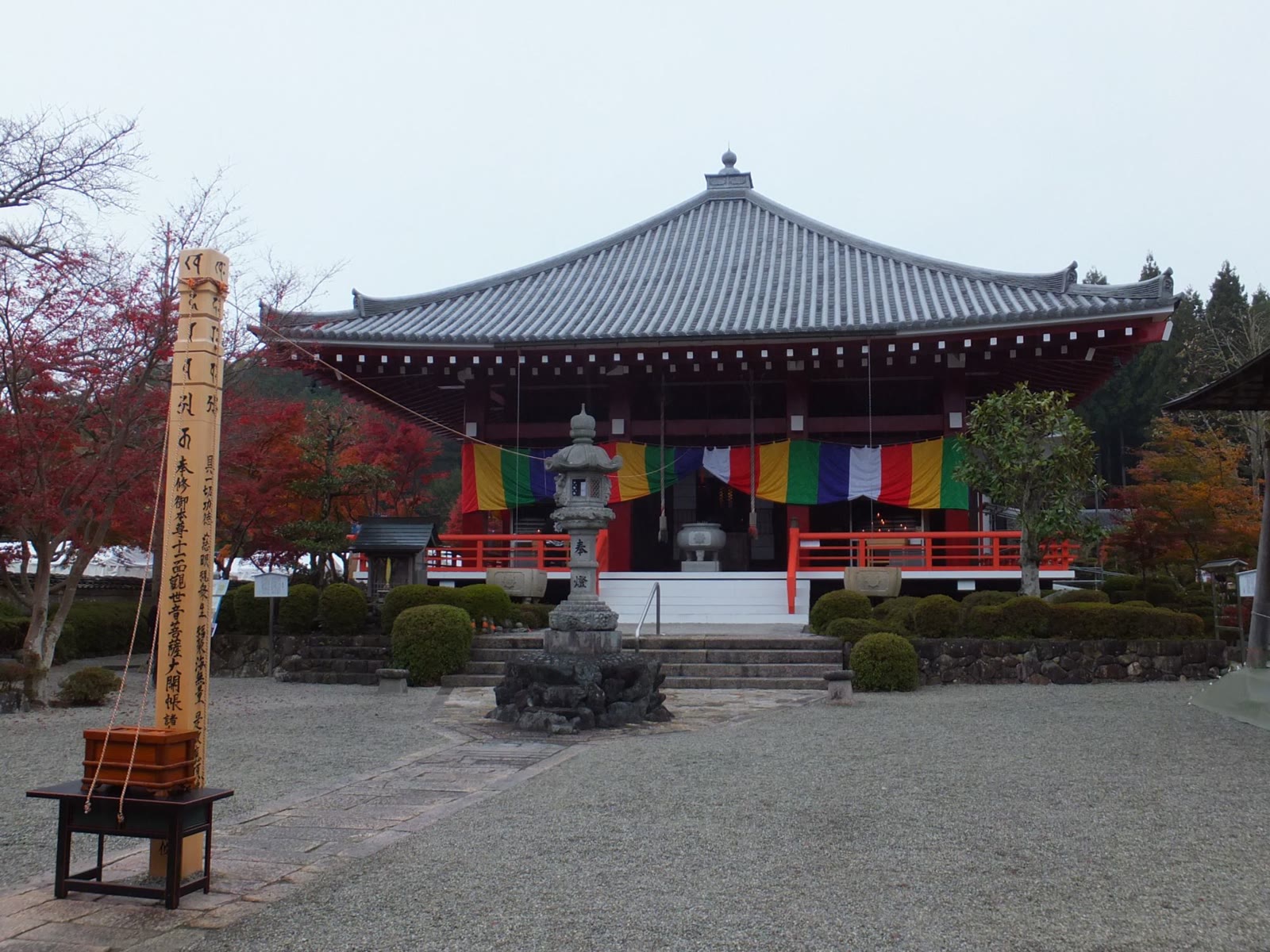
- The main hall (Kannon-do)opened during the special viewing periods to reveal the great seated Kannon
- The great Kannona seated Eleven-Headed Kannon about 3.12 m tall; roughly 5.3 m counting its base and halo
- Twenty Heian statuesaround twenty Important Cultural Property sculptures from the Heian period (794–1185) kept at the temple
- A living-tree legendtradition holds the main statue was carved from a standing oak tree, a story tied to the monk Saichō
How to actually get there
- Kyoto Station → Kusatsu Station (JR Biwako Line, ~22 min).
- Kusatsu Station → Kōka Station (JR Kusatsu Line, ~36 min).
- Kōka Station → Rakuya-Kannon-mae stop (Kōka community bus, Ōhara Line, ~15 min; weekdays only, or a ~10 min taxi).
- Rakuya-Kannon-mae stop → temple gate (on foot).
- JR to Kōka Stn, then a community bus (or taxi)
- Kyoto Station →(JR Biwako Line, ~22 min)→ Kusatsu Station →(JR Kusatsu Line, ~36 min)→ Kōka Station →(Kōka City community bus, Ōhara Line, toward Ichiino Kannon, ~15 min)→ Rakuya-Kannon-mae stop. Total about 75–90 min of travel, plus waiting time. The community bus runs only on weekdays and only a few times a day, and does not run on weekends or public holidays — check the day's timetable before you leave. If the bus does not fit your plans, a taxi from Kōka Station takes about 10 minutes.
- Return via Kōka Station
- Come back the same way, by community bus or taxi to Kōka Station, then JR toward Kusatsu and Kyoto. The community bus finishes in the early evening, so when you arrive, check the return times at the stop; if none suit you, plan on a taxi back to Kōka Station.
About the place
Rakuyaji is a modest Tendai Buddhist temple set among the rice fields and low hills of Kōka in southern Shiga. Its main image is a seated Eleven-Headed Kannon — a form of the Buddhist deity of mercy — about 3.12 metres tall, or roughly 5.3 metres counting its base and its halo, the flat disc set behind it. It is described as the largest seated Eleven-Headed Kannon among the statues Japan designates as Important Cultural Properties. The temple also keeps a group of around twenty Heian-period (794–1185) Buddhist statues, an unusual number to find in one place even in Shiga, a region already rich in old sculptures. For most of the temple's history the main Kannon was a hidden image, shown rarely, so the plain grounds quietly held treasures few outsiders ever saw. Rakuyaji is counted today as one of the 'Three Great Buddha of Kōka,' together with the nearby Daichiji and Jūrakuji temples.
How to enjoy it
The main Kannon hall is opened only during special viewings in spring (mid-April to early May) and autumn (mid-October to early November), so plan your visit around those dates. The temple is open 9:00–16:00. Admission is about 600 yen normally, and about 1,000 yen during special viewings; cash only. Allow time for the journey itself: the community bus runs on weekdays only and a few times a day — or take a taxi from Kōka Station (about 10 minutes).
Background & history
By tradition the temple's founding is linked to Saichō, who is said to have carved the first Kannon here in the late 8th century. The general Sakanoue no Tamuramaro is remembered as a patron in the early 800s. The surviving statues are firmly dated to the Heian period (794–1185), and Rakuyaji remains in the Tendai tradition of Enryaku-ji on Mount Hiei. The main image was historically opened to the public only once every thirty-three years. In 2016 all twenty of its Important Cultural Property statues travelled together to the Tokyo National Museum for a special exhibition.
Before you go
- Cash
- Admission is paid in cash at the gate: about 600 yen normally, and about 1,000 yen during the special viewing periods. Rural buses are also often cash-only, so carry some coins and small bills.
- Good to know
- This is a working temple, open 9:00 to 16:00. The main Kannon hall is opened only during the spring and autumn special viewings, so check the current viewing dates before your trip.
- Another way
- A car or taxi is genuinely easier here, because the community bus runs only a few times a day on weekdays. On weekends and holidays, plan on a taxi from Kōka Station (about 10 minutes).
- After you get off
- From the Rakuya-Kannon-mae bus stop, walk on to the temple gate.
Nearby notes
 ignis / CC BY-SA 3.0
History · Mie★★
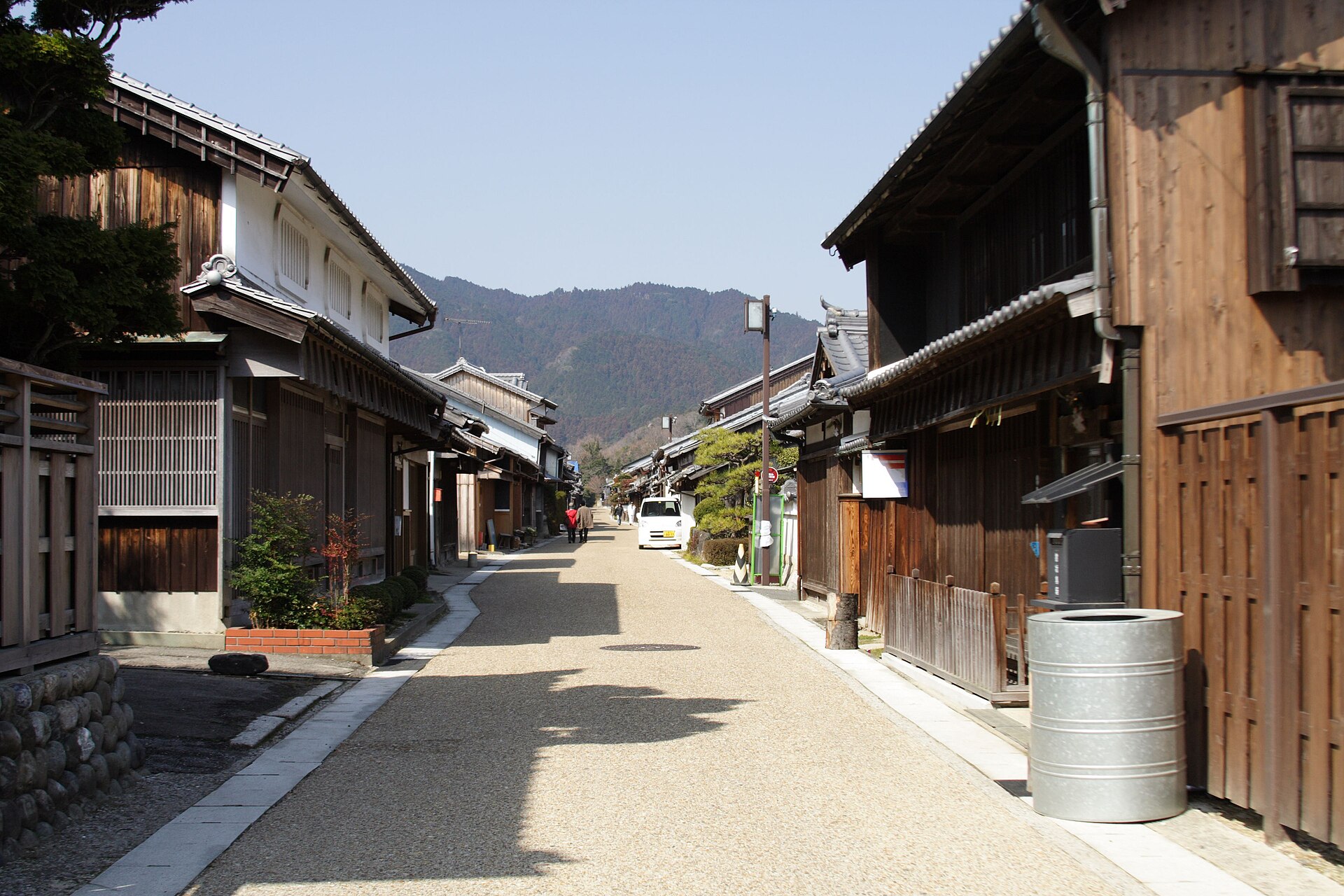
Seki-juku
13.4 km · straight line
 Motokoka / CC BY-SA 4.0
Craft · Shiga★
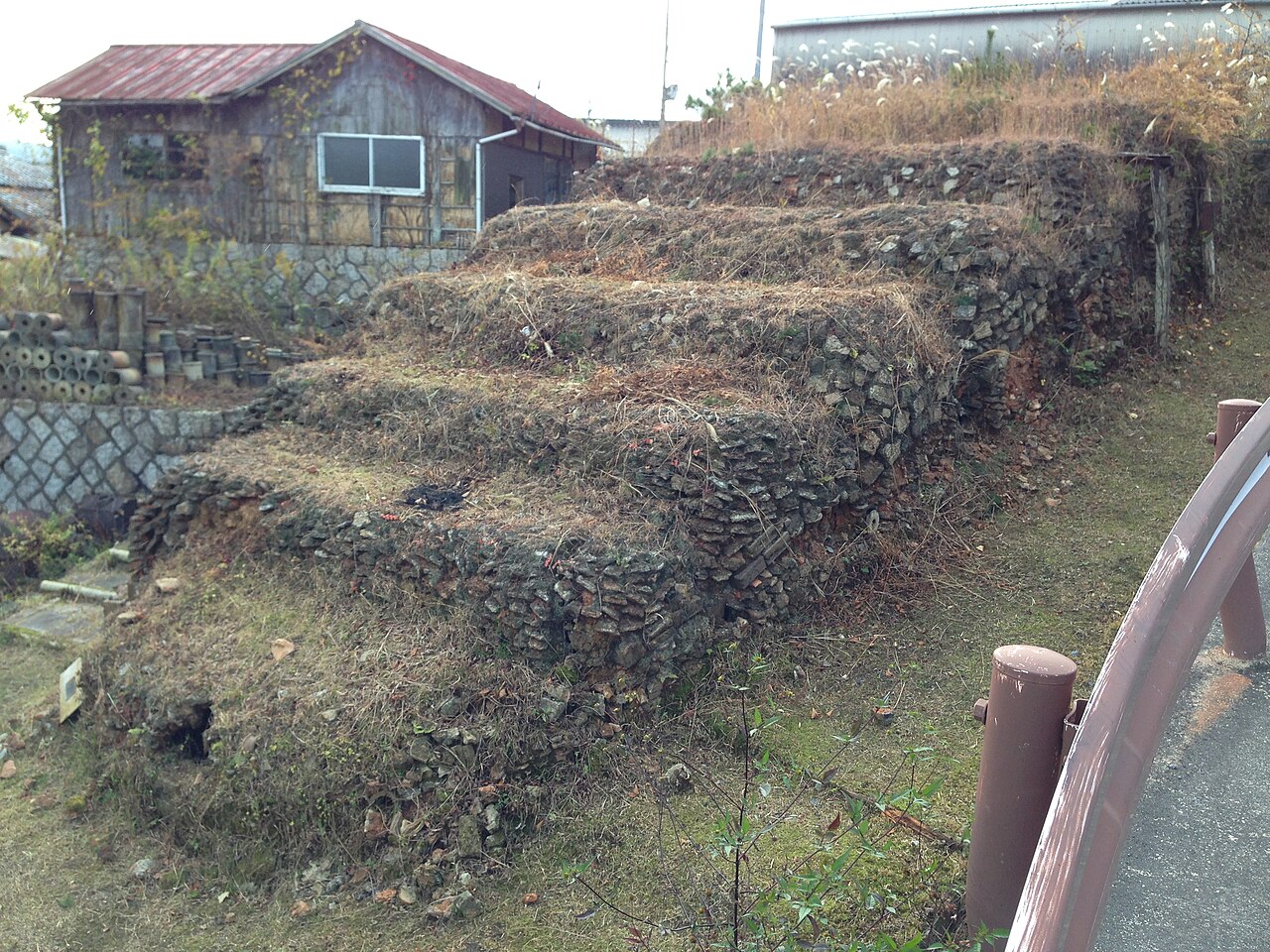
Shigaraki Kiln Walk
17.7 km · straight line
 Asturio Cantabrio / CC BY-SA 4.0
History · Mie★★
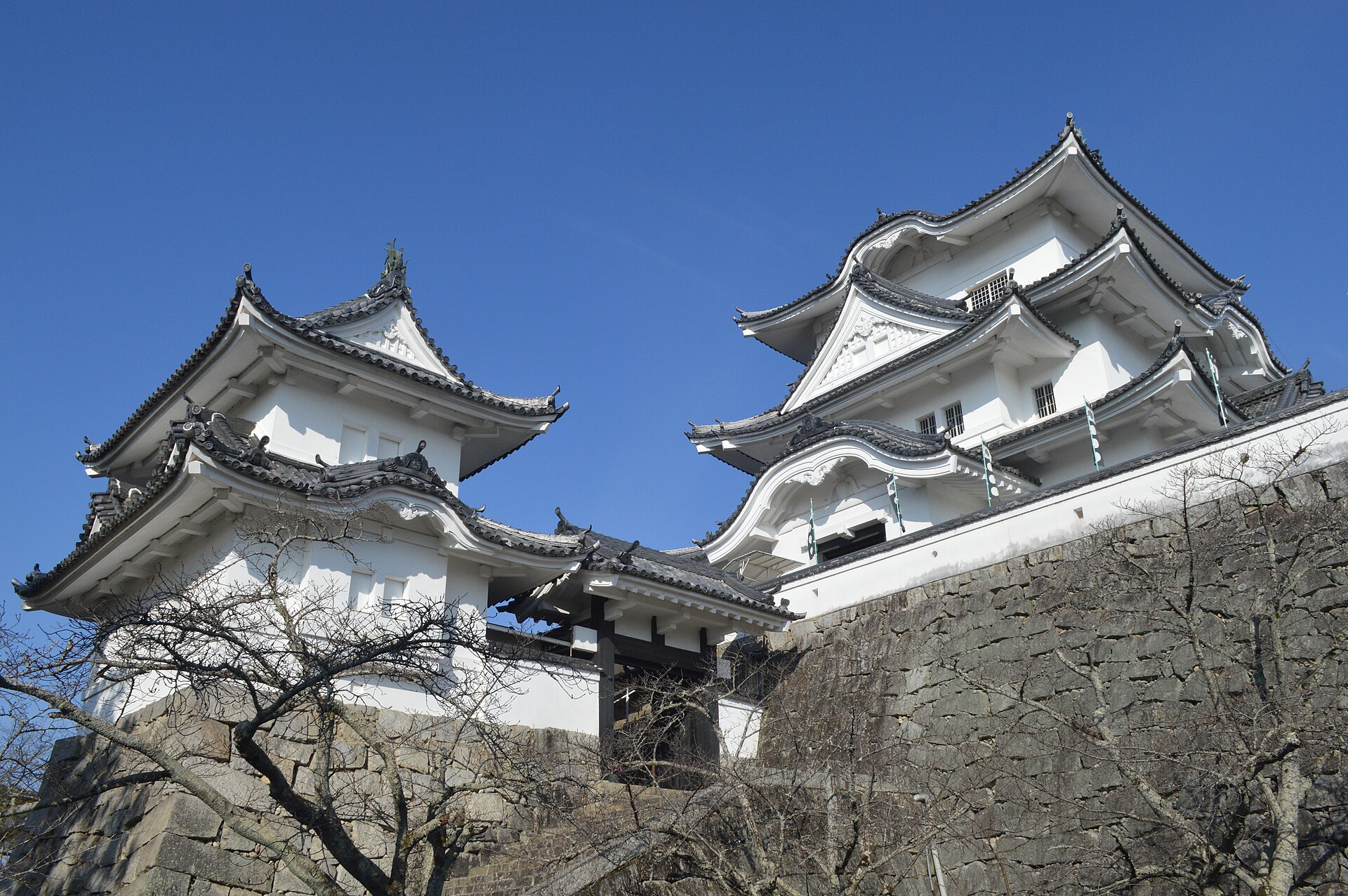
Iga Ueno Castle and the Ninja Museum
18.2 km · straight line
 663highland / CC BY-SA 4.0
Culture · Shiga★★★
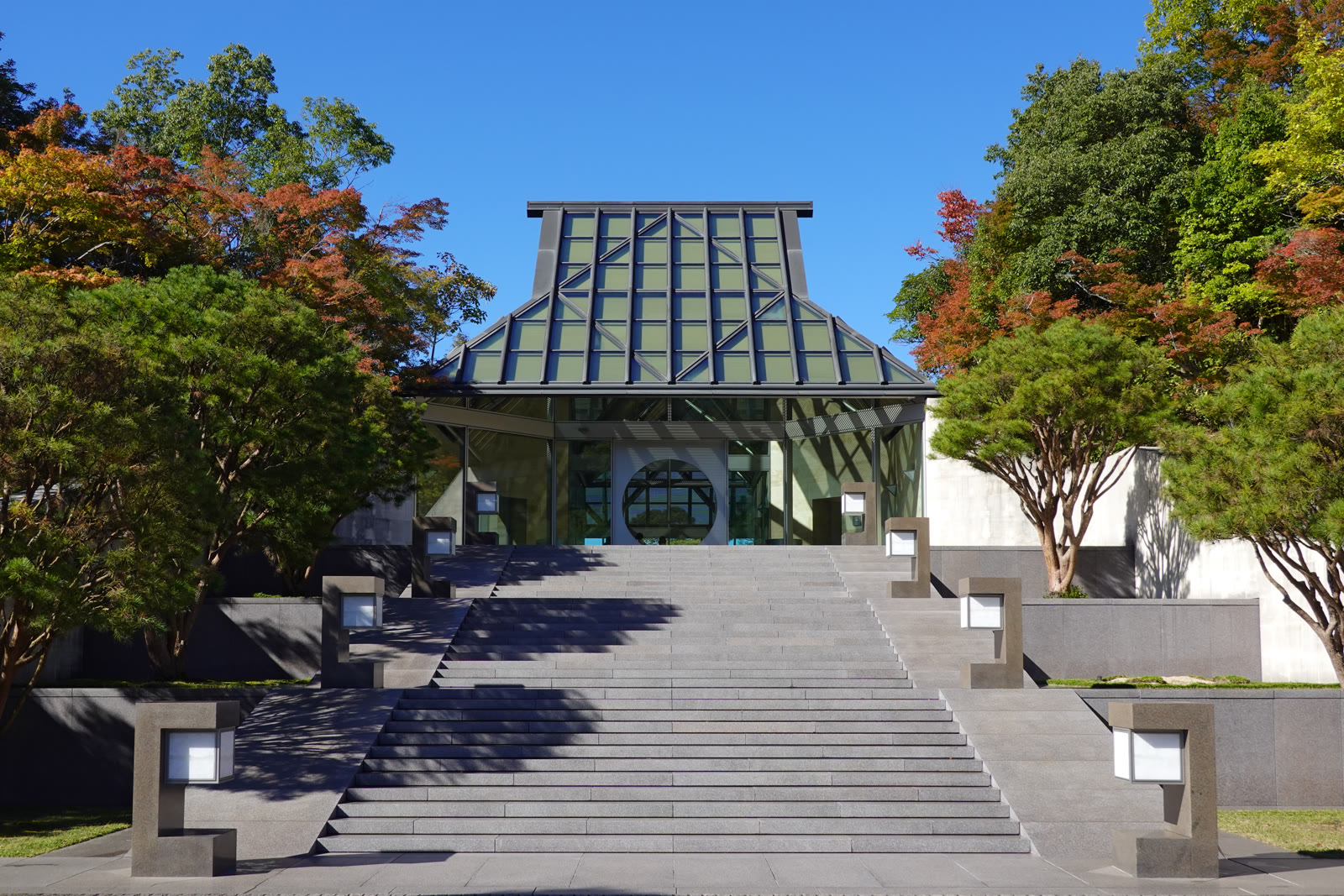
Miho Museum
21.6 km · straight line
Distances are straight lines on the map, not travel times.