Shiga south · ShigarakiNo.043★Open in map →
Shigaraki Kiln Walk
A roughly 2-kilometer signed walking route threads the potters' quarter of Shigaraki, in Koka, Shiga — one of Japan's Six Ancient Kilns, where pottery has been fired continuously since medieval times.
- FromKyoto Stn
- ~90 mintrain (about hourly)
- Get off atShigaraki Stn (Shigaraki Kogen Railway)
- On foot
- Shigaraki Kiln Walk
The sweet spot
Tour groups photograph the tanuki statues and reboard their bus, and the kiln path has no English signs, so most visitors never walk it. It stays quiet because it takes effort on foot and sits just off the main tourist street.
Where it is
21 more notes in Shiga · open the map →What to look for — in walking order
- Ceramic-tiled roadpottery tiles and ceramic signposts set into the pavement mark the route from the station
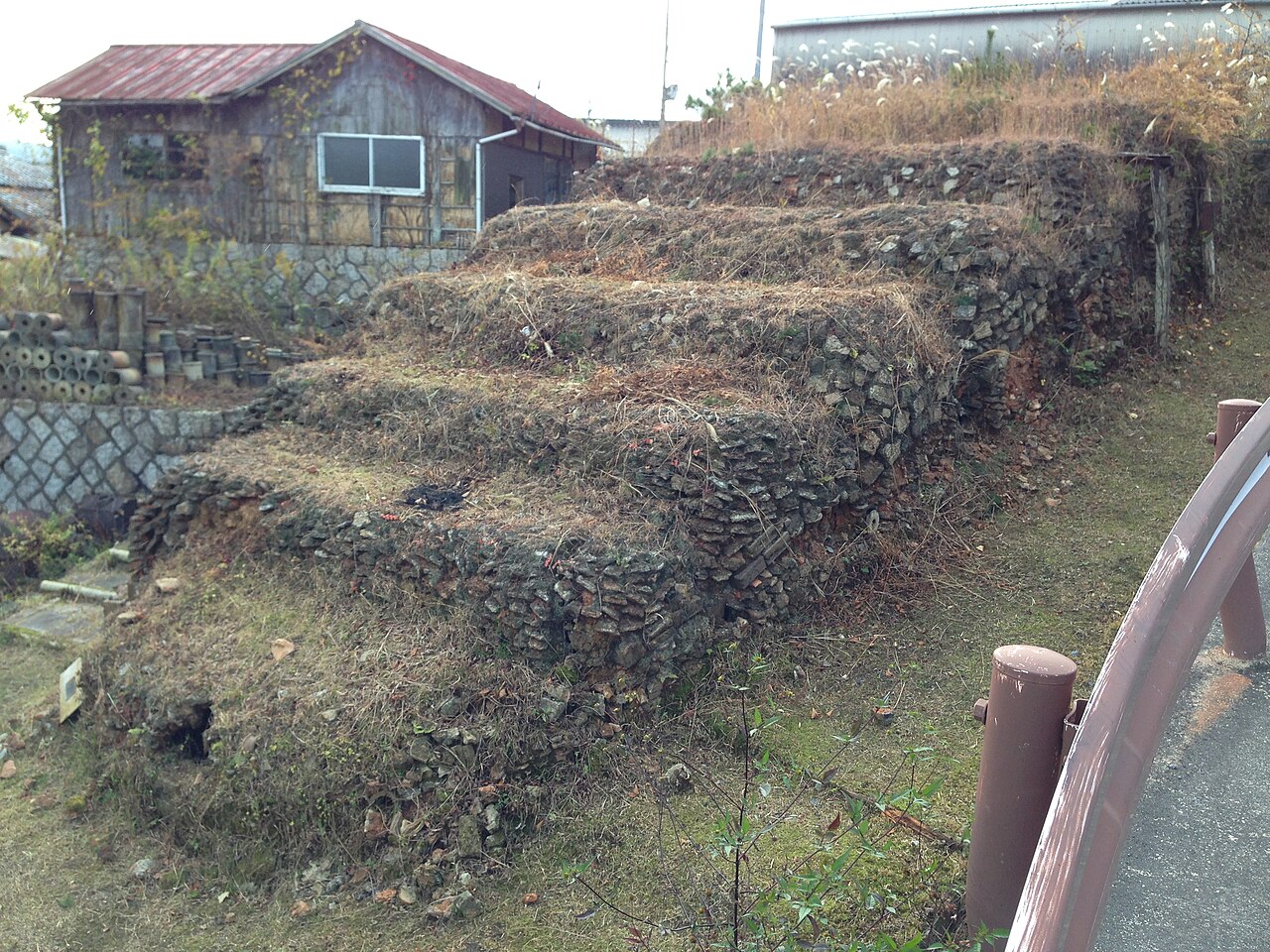
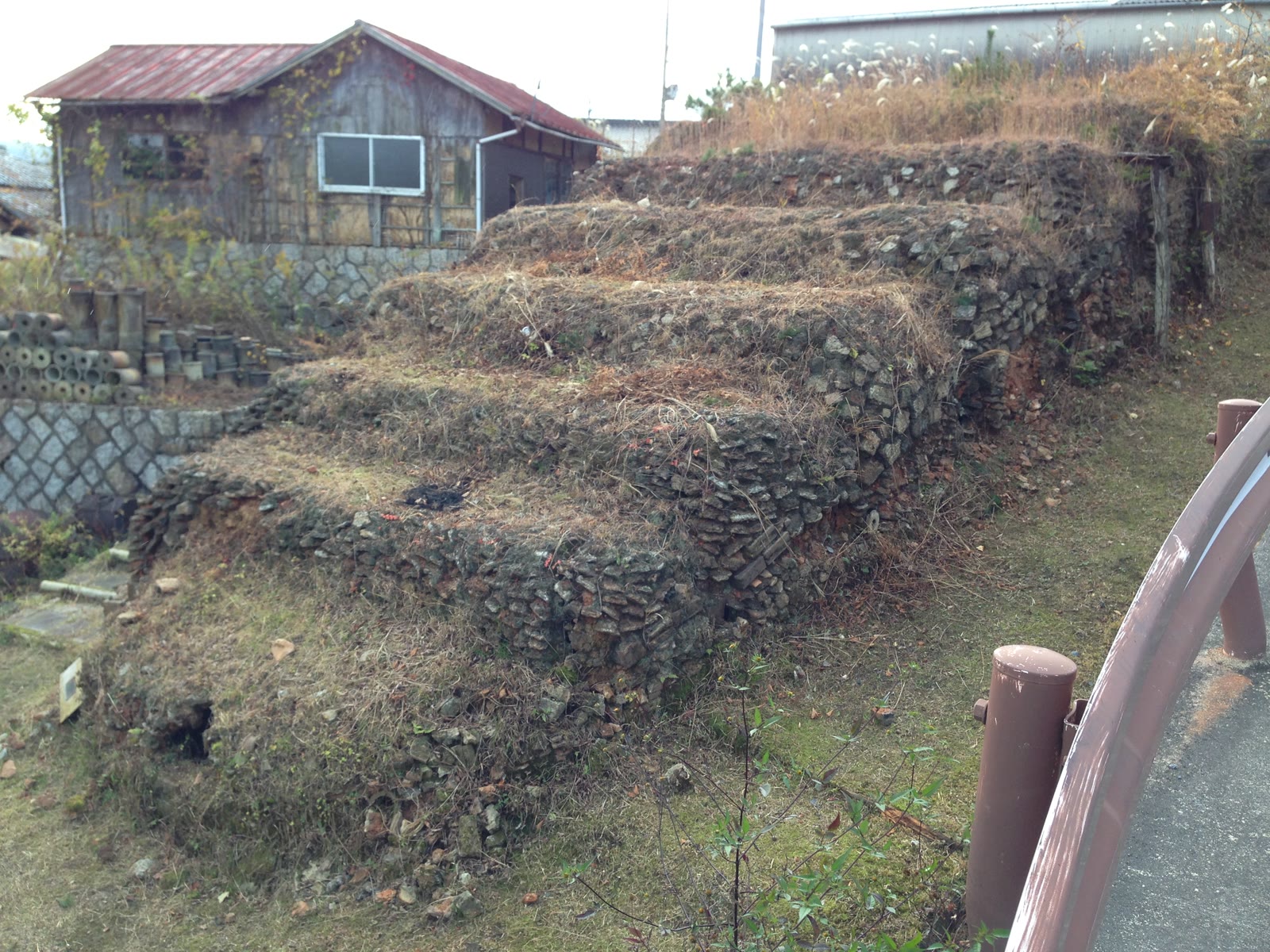
- Noborigama climbing kilnslong kilns with several chambers built up the slope — a hallmark of the Shigaraki district
- Potters' quarter namesneighborhoods called Toseicho and Yakiyacho, named directly for the ceramic trade
- Working studios and shopspottery workshops and shops scattered along the lanes, beyond the tanuki-lined main street
How to actually get there
- Kyoto Stn → Kusatsu Stn (JR Biwako Line rapid, ~20 min)
- Kusatsu Stn → Kibukawa Stn (JR Kusatsu Line, ~24 min)
- Kibukawa Stn → Shigaraki Stn (Shigaraki Kogen Railway, ~24 min)
- Shigaraki Stn → kiln path on foot, following the paving-stone markers
- JR to Kibukawa, then Shigaraki Kogen Railway
- Kyoto Stn →(JR Biwako Line rapid, ~20 min)→ Kusatsu Stn →(JR Kusatsu Line, ~24 min)→ Kibukawa Stn →(Shigaraki Kogen Railway, ~24 min)→ Shigaraki Stn. Total about 90 min plus waits. The Shigaraki Kogen Railway is a single-track line running about once an hour (roughly 14 trains a day) — check the day's timetable before you leave.
- Return by the same three trains
- Retrace the route: Shigaraki Kogen Railway to Kibukawa, then JR back toward Kyoto. The Shigaraki railway runs only about once an hour and service thins out after early evening — check the return times at Shigaraki Station when you arrive, before you wander far.
About the place
Shigaraki is one of the Nihon Rokkoyo, the Six Ancient Kilns of Japan — six pottery towns that have fired ware continuously since medieval times. Its potters' district is threaded by a marked walking route called the Kamamoto Sansakuro ('kiln-workshop walking path'), beginning near Shigaraki Station. The roughly 2-kilometer route winds through old lanes past workshops, kilns, and pottery shops, with several slopes along the way. The road itself is set with ceramic tiles and pottery signposts; it passes through neighborhoods whose names, such as Toseicho and Yakiyacho, come directly from the ceramic trade. Among the highlights are noborigama — long climbing kilns with several chambers built up the hillside — and studios where Shigaraki ware is still made today.
How to enjoy it
Start near Shigaraki Station and allow a couple of hours, as the roughly 2-kilometer route has several slopes and rewards an unhurried pace. Follow the pottery tiles set into the road rather than staying on the souvenir-lined main street. Wear comfortable shoes. The Shigaraki Kogen Railway does not accept IC cards — pay the fare in cash when you board.
Background & history
Shigaraki ware is prized for its coarse, feldspar-rich local clay and for the natural ash glaze that forms during high-temperature wood firing — qualities long valued in the tea ceremony. The town is widely known for its tanuki figures, pottery raccoon-dog statuettes whose popularity spread after a display of them was presented to the Emperor during a 1951 visit. In 2017 Shigaraki was included in a Japan Heritage story titled 'Journey. One thousand years. The Six Ancient Kilns,' shared with the five other kiln towns of Echizen, Seto, Tokoname, Tamba, and Bizen.
Before you go
- Cash
- The Shigaraki Kogen Railway does not accept IC cards such as ICOCA or Suica; you pay the fare in cash when you get off. Carry coins and small notes for the train and for small purchases at shops.
- Good to know
- Some kilns along the way are private studios. Follow only the marked walking path and do not enter workshops that are not open to visitors.
- Another way
- A community bus links Shigaraki Station with the Shigaraki Ceramic Cultural Park on the edge of town.
- After you get off
- From Shigaraki Station, follow the Shigaraki-ware paving stones set into the road, walking uphill into the kiln lanes.
Nearby notes
 663highland / CC BY-SA 4.0
Culture · Shiga★★★
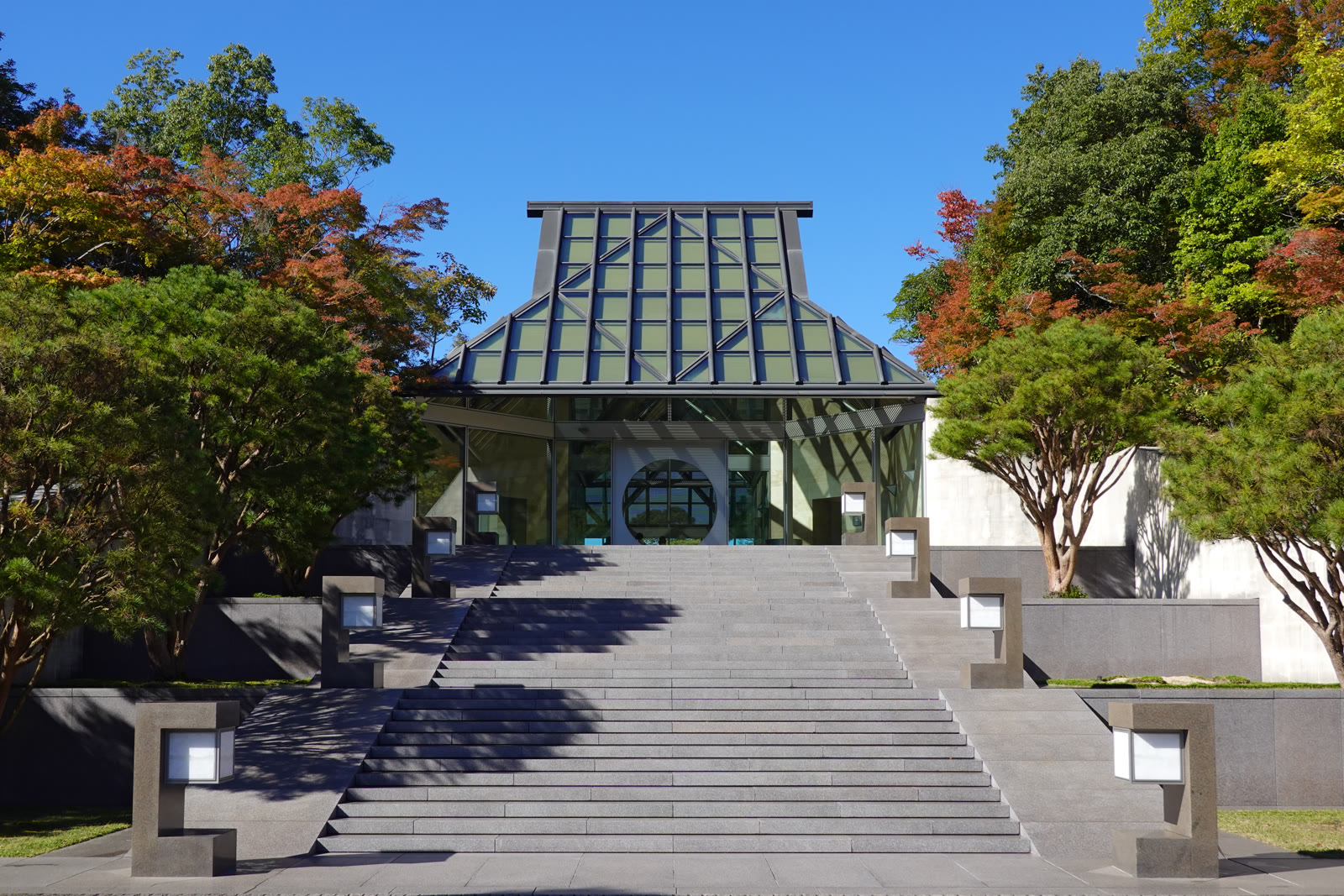
Miho Museum
5.7 km · straight line
 vera46 / CC BY 2.0
Nature · Kyoto★
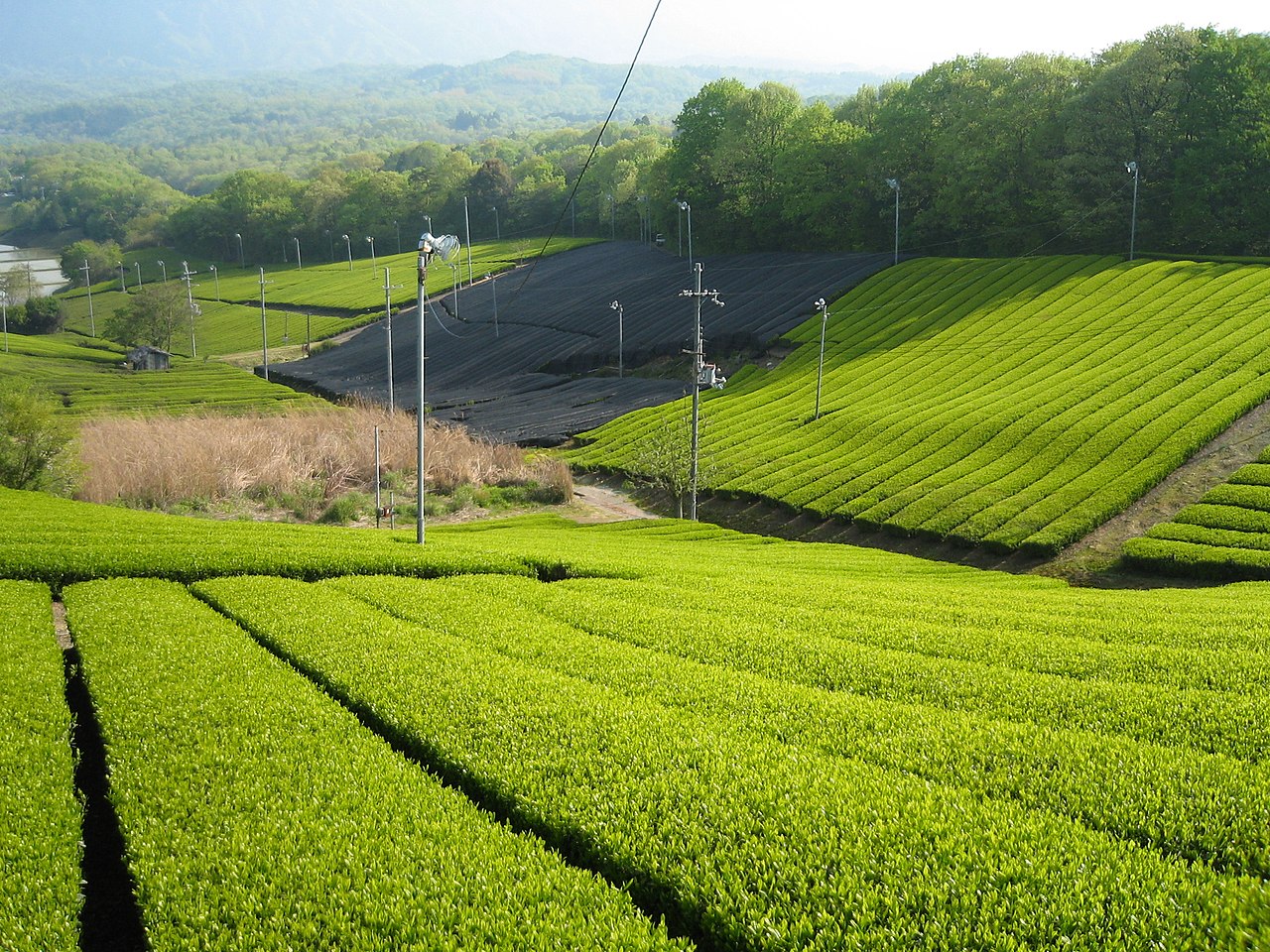
Dosenbo
11.6 km · straight line
 Hunini / CC BY-SA 4.0
History · Kyoto★
Shoju-in
13.0 km · straight line
 Asturio Cantabrio / CC BY-SA 4.0
History · Mie★★
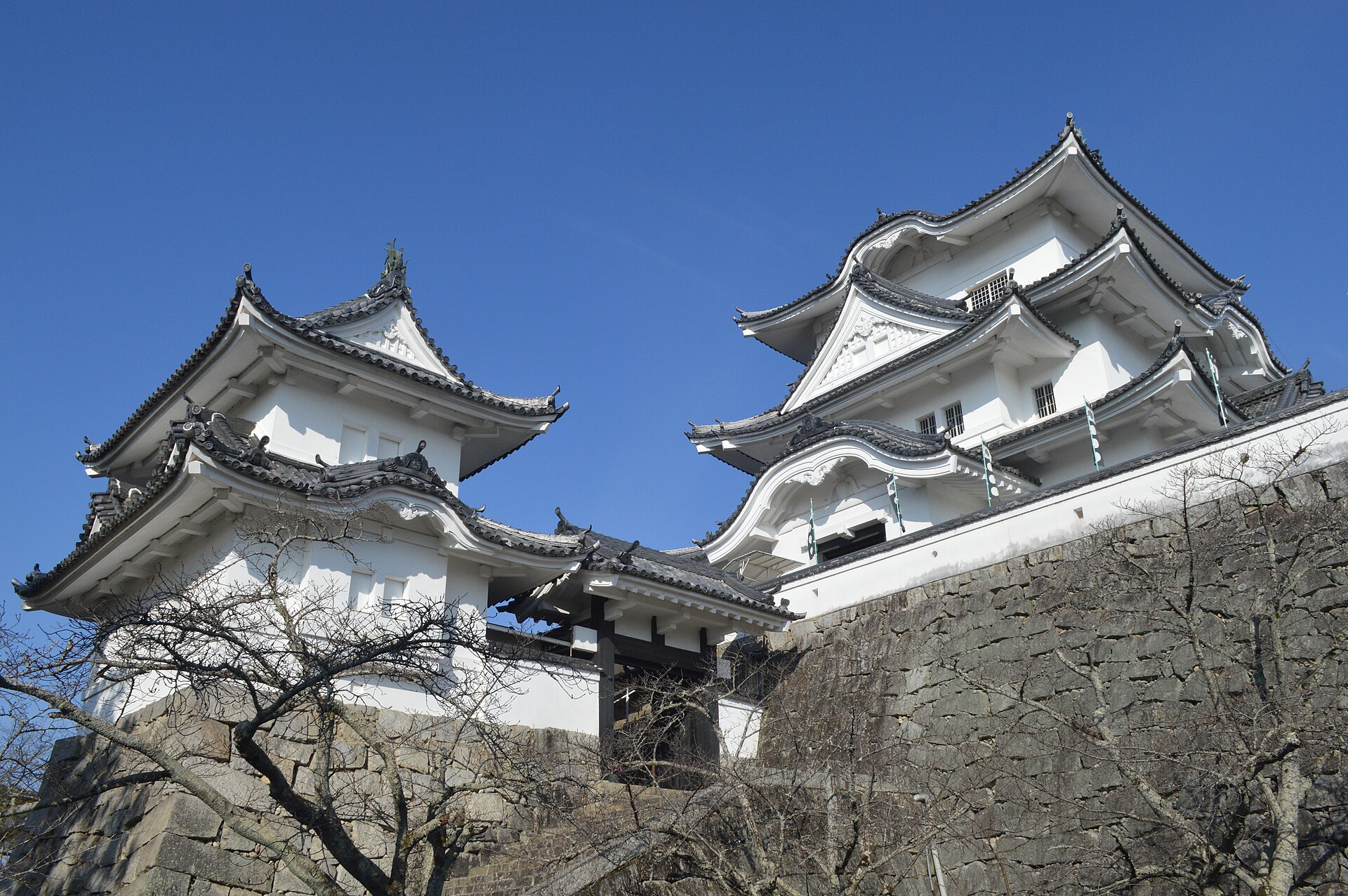
Iga Ueno Castle and the Ninja Museum
13.5 km · straight line
Distances are straight lines on the map, not travel times.