Shiga · ShigarakiNo.238★★★Open in map →
Miho Museum
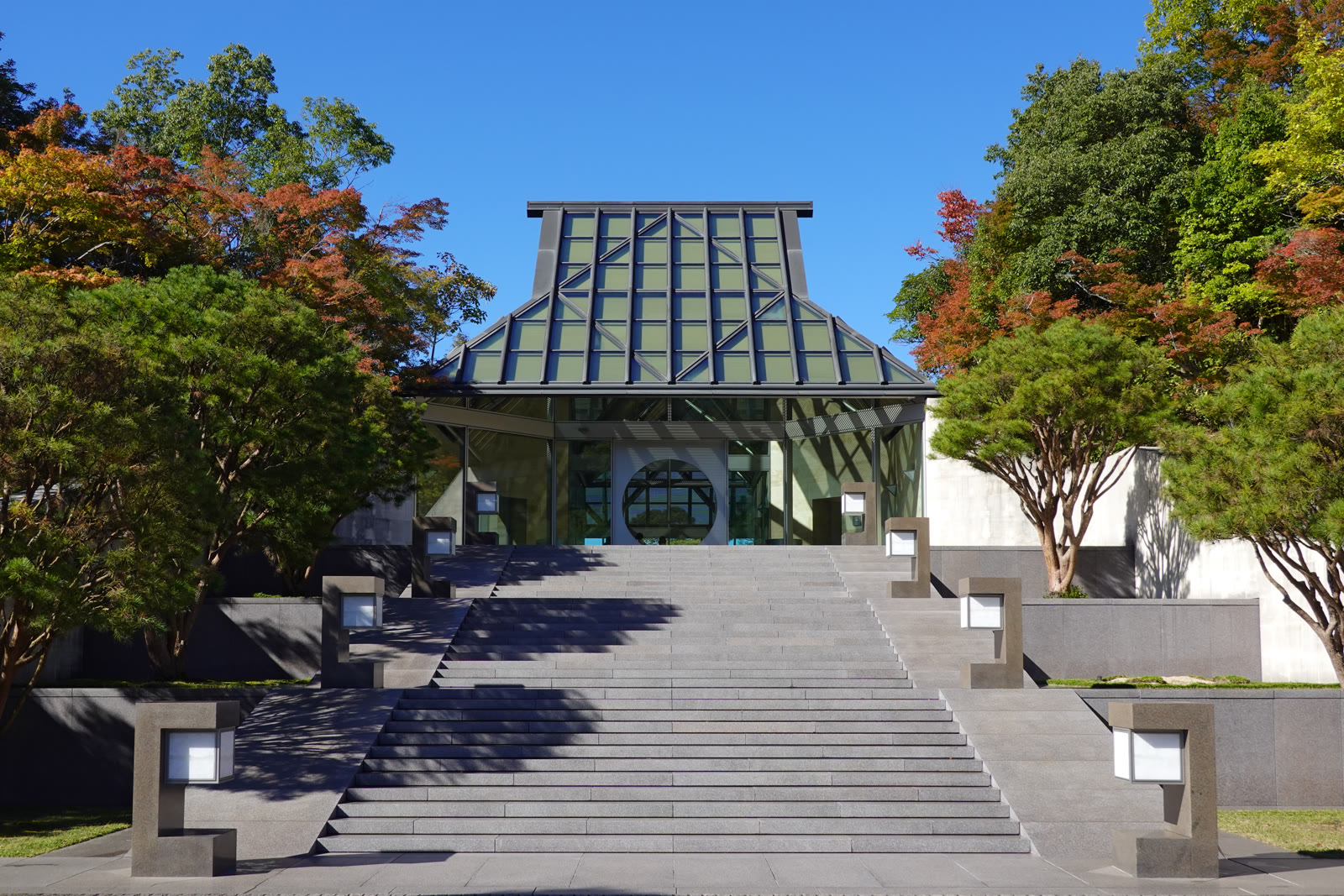
Designed by I.M. Pei and opened in 1997, Miho Museum is buried 80 percent underground in the mountains of Shigaraki, Shiga. The approach — a forested walkway, a silver-walled tunnel, and a suspension bridge — is part of the experience before any art is seen.
- FromKyoto Stn
- ~90 mintrain + bus
- Get off atMIHO MUSEUM bus stop (Teisan Bus from Ishiyama Stn)
- From there
- Miho Museum
Where it is
21 more notes in Shiga · open the map →What to look for — in walking order
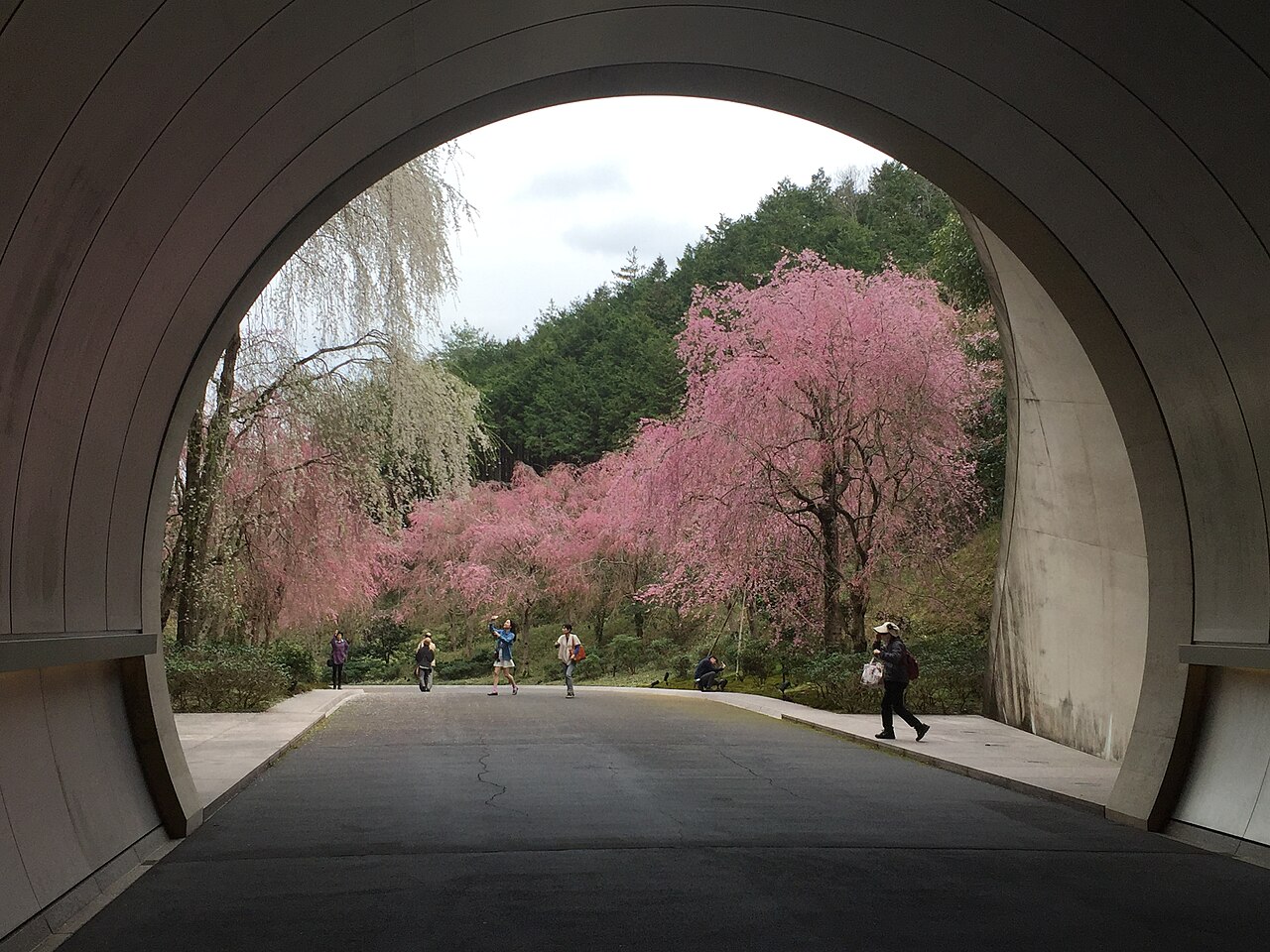
- Cherry-tree approach paththe forested walkway to the tunnel entrance; spectacular in late March to early April blossom season
- Silver tunnel and suspension bridgethe architectural sequence that frames arrival at the museum; the silver walls change hue with the seasons
- Ancient Egypt and Western Asia galleriesthe largest holdings — sculptures, vessels, jewellery from 3,000 to 5,000 years ago
- Japanese art winglacquerware, ceramics, and Buddhist artefacts alongside the international collection
How to actually get there
- Kyoto Stn → Ishiyama Stn (JR Biwako Line, ~15 min).
- Ishiyama Stn South Exit → MIHO MUSEUM (Teisan Bus, ~50 min; timetable varies — pre-check at miho.jp).
- Walk the approach path and tunnel → galleries → return bus to Ishiyama.
- JR to Ishiyama Station, then Teisan Bus direct to Miho Museum
- Kyoto Station → (JR Biwako Line, ~15 min) → Ishiyama Station → (Teisan Bus bound for MIHO MUSEUM, South Exit bus terminal, ~50 min) → Miho Museum bus stop. Total about 70–80 min. Buses to the museum run a limited number of times per day in coordination with museum opening hours — check the timetable at miho.jp/en/access/ before your visit and confirm the return bus time on arrival.
- Museum bus back to Ishiyama, then JR to Kyoto
- Take the Teisan Bus from the museum back to Ishiyama Station (last bus coordinates with closing time — confirm on arrival). JR from Ishiyama to Kyoto (~15 min). The museum's last admission is 16:00 and closing is 17:00 — allow time to catch the return bus.
About the place
To reach Miho Museum, you walk down a cherry-tree-lined path, pass through a silver-walled tunnel, and cross a suspension bridge over a forested valley — all before entering the building. This approach was deliberately designed by architect I.M. Pei, who drew his inspiration from the Taohua Yuan Ji, a classical Chinese poem about a fisherman who stumbles upon a hidden utopia through a narrow cave. The museum itself is almost entirely buried in the Shigaraki hillside to preserve the natural landscape; only the glass-and-steel roof structure is visible above ground. Inside, the collection spans ancient art from Egypt, Greece, Rome, Western Asia, South Asia, China, and Japan — about 3,000 works in total, of which 250 to 500 are on display at any given time.
How to enjoy it
The approach alone justifies the journey in cherry blossom season (late March to early April), when the walkway fills with blossoms and the silver tunnel ends at a view of the flowering trees. The museum closes on Mondays (or the following day if Monday is a holiday) and during some periods between exhibitions — confirm the calendar on the official website before booking transport. The bus from Ishiyama Station is the only public transport option and runs infrequently; time your visit to the bus schedule. Last admission is 16:00 (closing 17:00). Photography inside the galleries is restricted — check the current rules on the official site.
Background & history
Commissioned by Mihoko Koyama (1910–2003), founder of the Shumei organisation, Miho Museum opened in 1997. I.M. Pei designed the approach and building inspired by the Taohua Yuan Ji, a Chinese classical poem about a utopia hidden through a cave. The structure is 80% underground to preserve the surrounding forest under national park regulations.
Before you go
- Cash
- IC cards accepted on JR trains. Teisan Bus to the museum: ¥1,000 adults one way at the time of checking, paid in cash or by ticket from the machine at Ishiyama — IC cards are not accepted on this bus (confirm at miho.jp/en/access/). Museum admission: ¥1,300 adults; ¥1,000 high school and university students; free for elementary and junior high school students. Pay by cash or card at the museum counter.
- Good to know
- Open 10:00–17:00 (last admission 16:00). Closed Mondays (or Tuesday if Monday is a national holiday). Closed during some inter-exhibition periods — always check the official calendar (miho.jp/en/calendar/) before visiting. The museum does not operate year-round; it closes for extended periods in winter. Busiest in late March–April (cherry blossoms) and autumn foliage season.
- Another way
- By car: about 30 min from the Kusatsu-Tanakami interchange (Shin-Meishin Expressway), with a museum car park available. A taxi from Ishiyama Station to the museum takes about 30 minutes and costs approximately ¥5,000–6,000 — practical for groups.
- After you get off
- The Teisan Bus leaves from stand 3 outside Ishiyama Station and terminates at the MIHO MUSEUM stop by the reception building. From there, walk the approach path through the tunnel and across the bridge to the museum building, roughly 600 m.
Nearby notes
 Motokoka / CC BY-SA 4.0
Craft · Shiga★
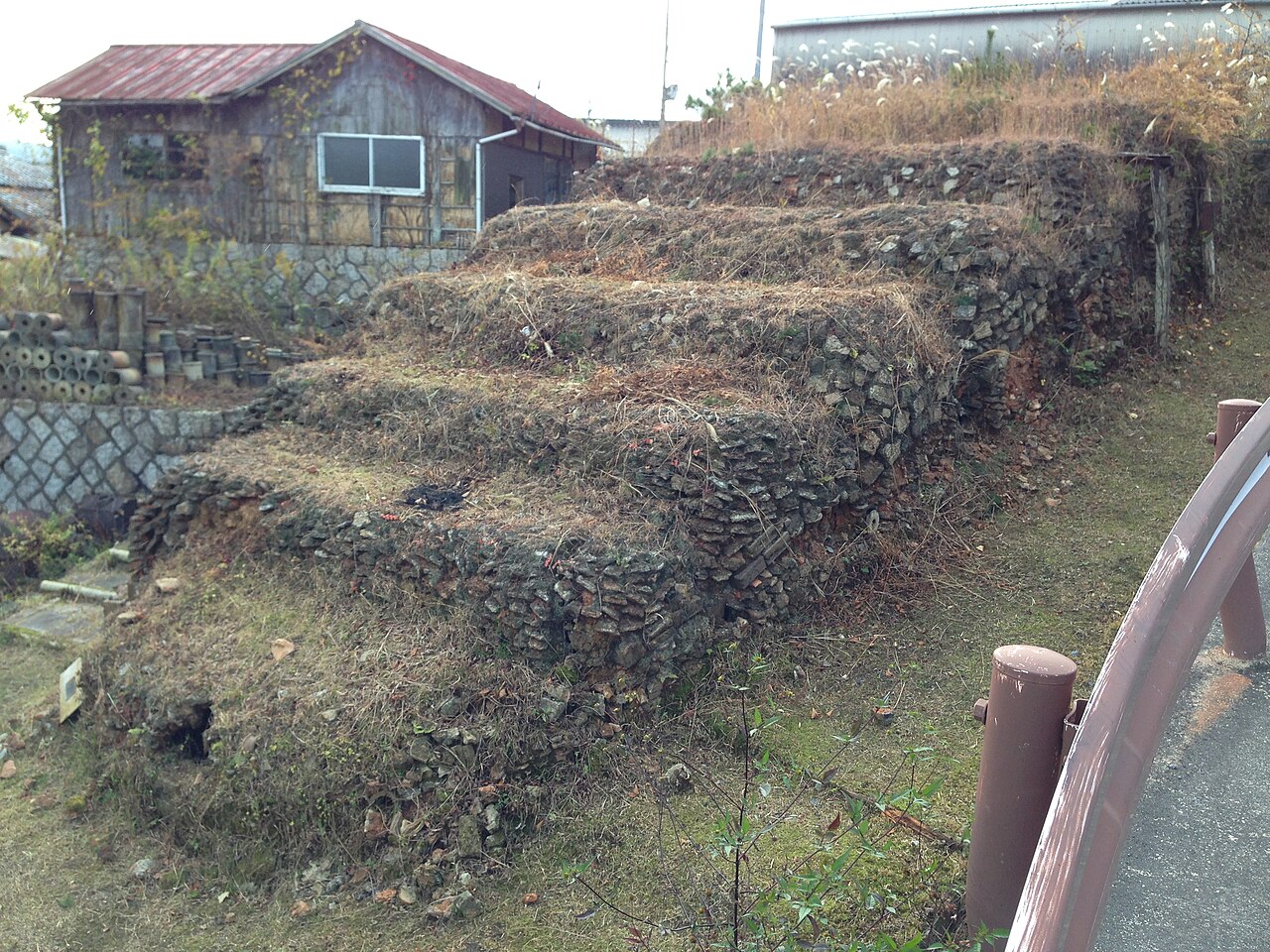
Shigaraki Kiln Walk
5.7 km · straight line
 Hyppolyte de Saint-Rambert / CC BY 4.0
History · Shiga★★
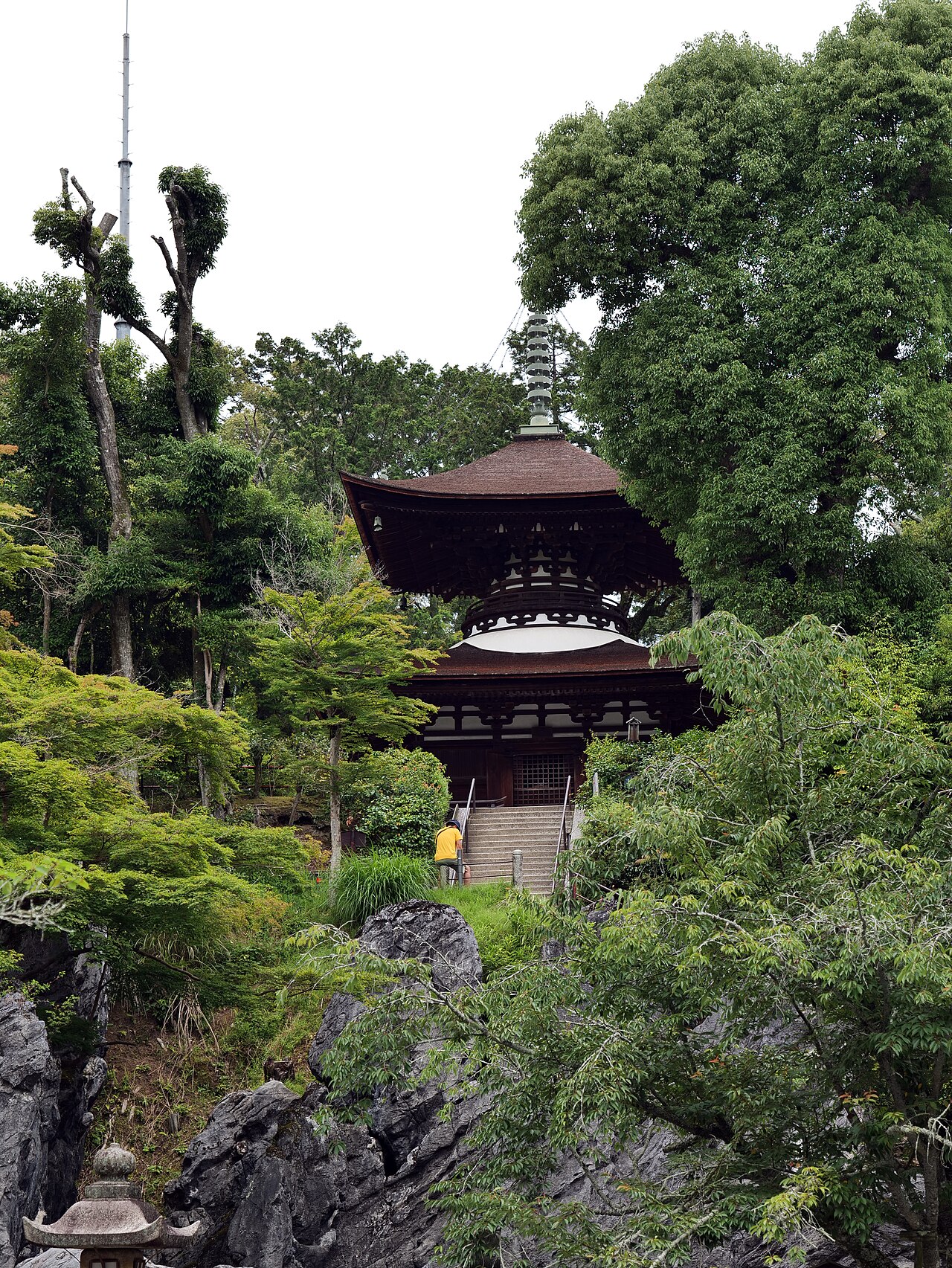
Ishiyamadera
11.2 km · straight line
 Hunini / CC BY-SA 4.0
History · Kyoto★
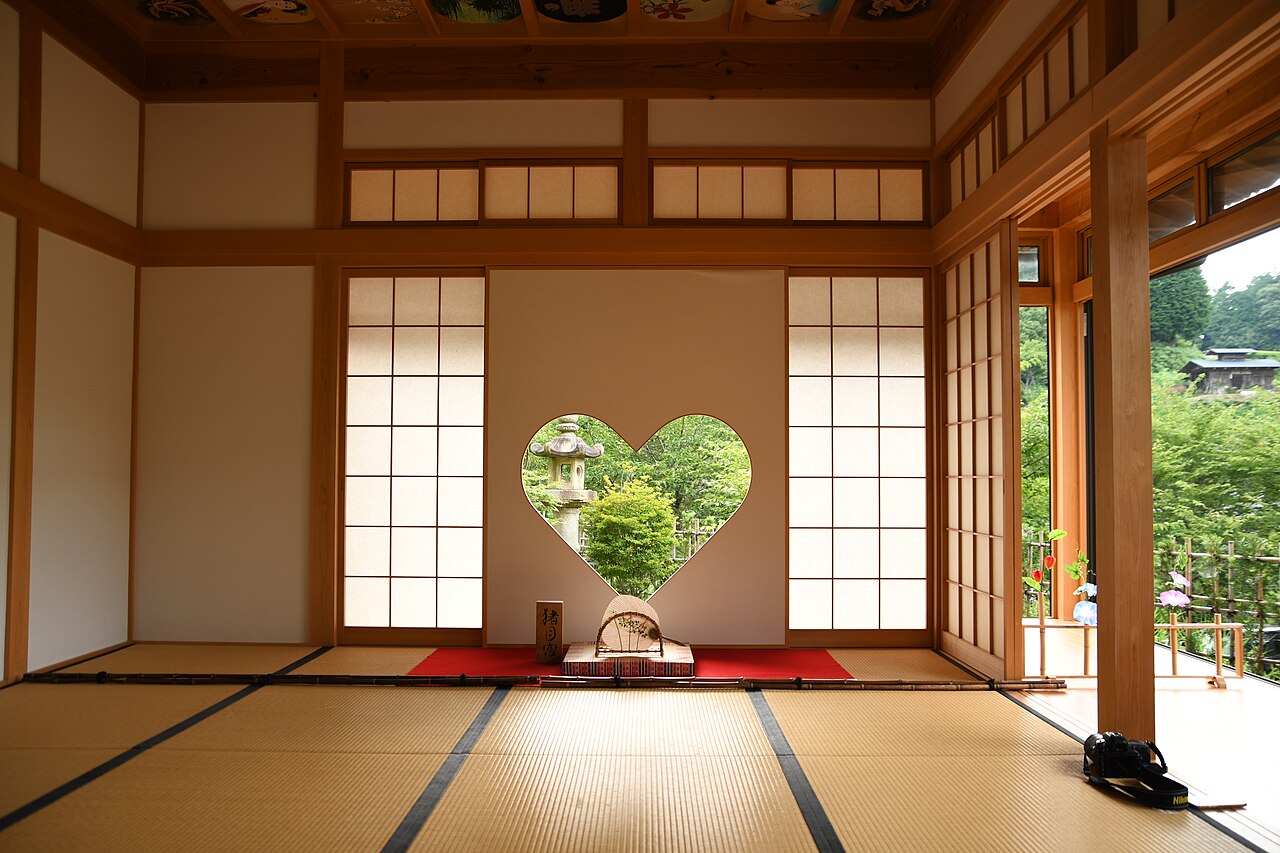
Shoju-in
11.3 km · straight line
 Hunini / CC BY-SA 4.0
Craft · Kyoto★
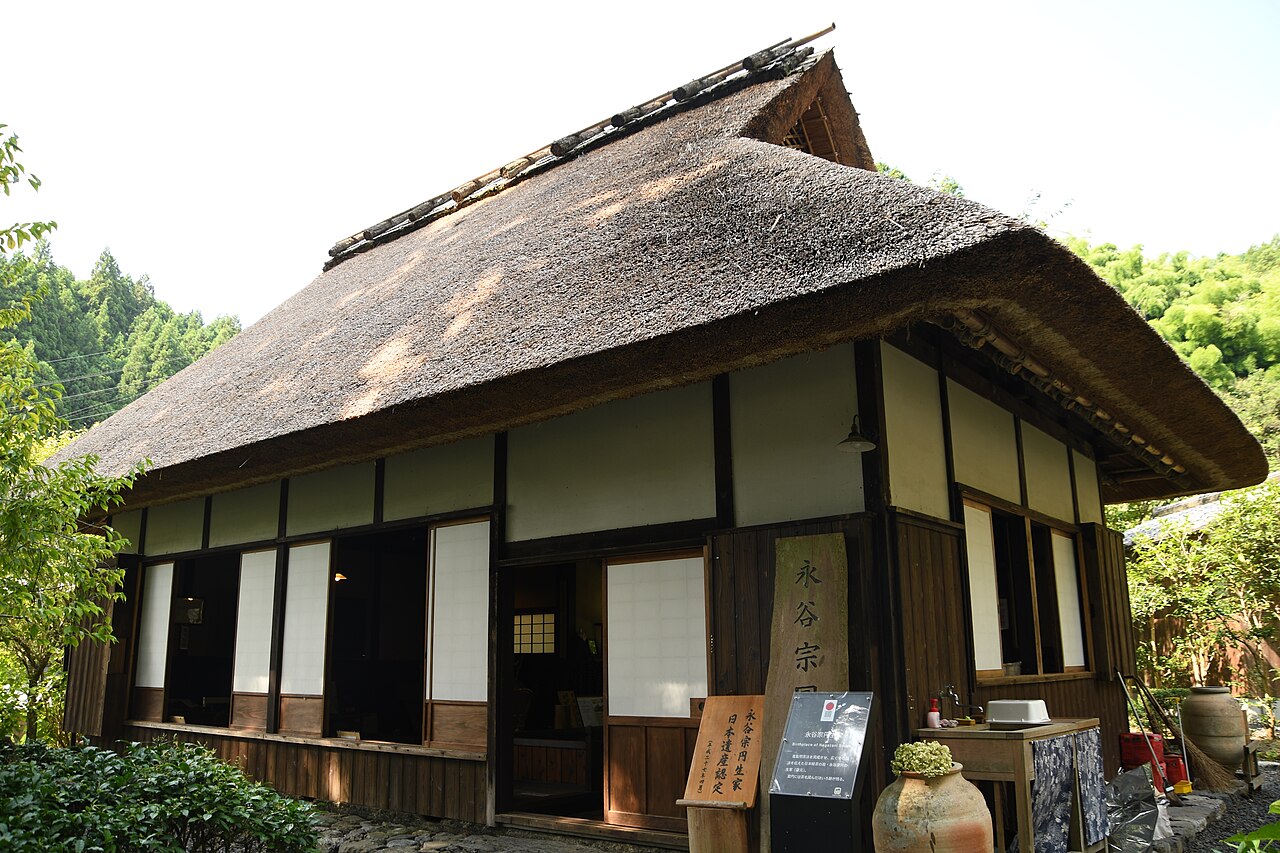
Nagatani Soen's Birthplace
12.7 km · straight line
Distances are straight lines on the map, not travel times.