Shiga · Otsu · Seta RiverNo.343★★Open in map →
Ishiyamadera
— where The Tale of Genji was begun
A Shingon temple founded in 747 on the bank of the Seta River in Otsu, Shiga, built around a great outcrop of pale wollastonite rock — and the place where Murasaki Shikibu is said to have begun The Tale of Genji.
- FromKyoto Stn
- ~10 mintrain + 10 min walk
- Get off atIshiyamadera Stn (Keihan Ishiyama-Sakamoto Line)
- On foot
- Ishiyamadera
The sweet spot
Kyoto's great temples are half an hour away and absorb almost every visitor, which means Ishiyamadera — a National Treasure hall, a National Treasure pagoda, and the birthplace of Japan's most important work of literature — is quiet on an ordinary weekday. Very little of its story is explained in English on site, so the moon-and-Genji connection is easy to walk straight past.
Where it is
21 more notes in Shiga · open the map →What to look for — in walking order
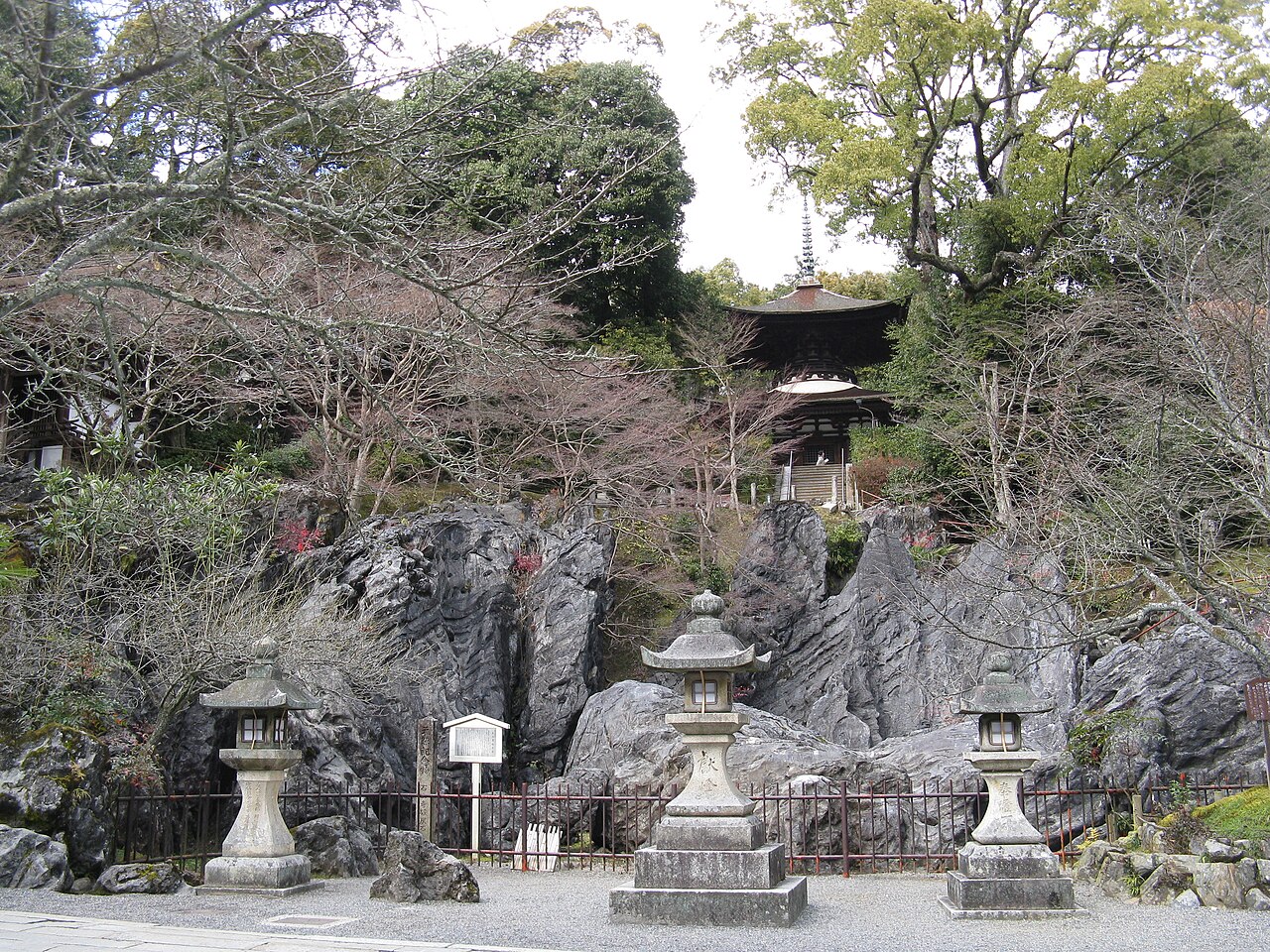
- The wollastonite outcropthe pale grey crystalline rock the temple is built on and named for, protected as a Natural Monument
- The main hall (National Treasure)a wide wooden hall on a stilted platform over the rock, its inner sanctuary dating from the Heian period
- The Genji Roomthe small room off the main hall where Murasaki Shikibu is said to have begun The Tale of Genji, with a figure of her at the writing desk
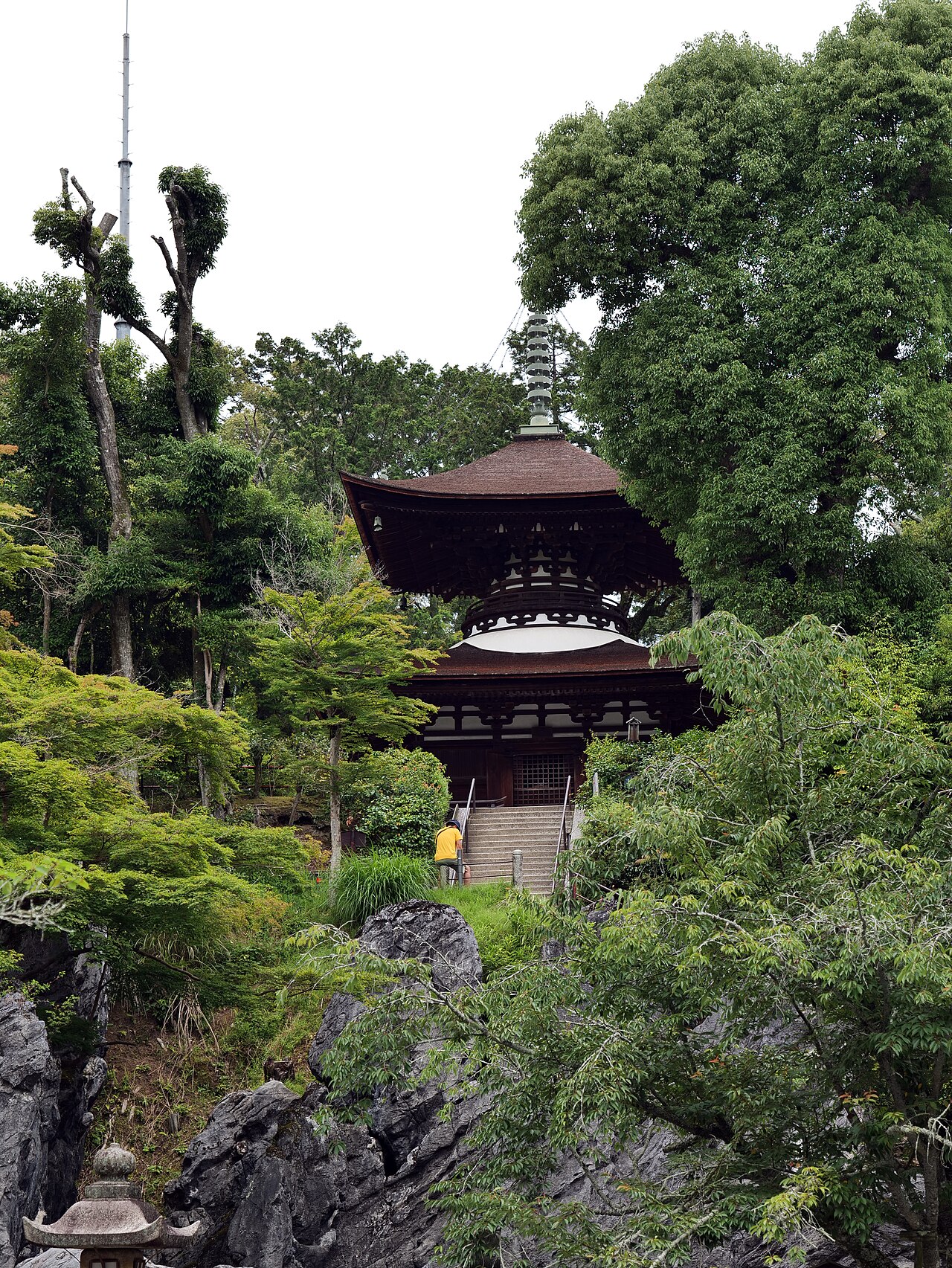
- The tahoto pagoda (1194)a two-storied pagoda on the ridge above the main hall, a National Treasure and among the oldest surviving examples in Japan
How to actually get there
- Kyoto Stn → Ishiyama Stn (JR Biwako Line, ~13 min, several trains an hour).
- Ishiyama Stn → Keihan Ishiyama Stn on foot (~1 min) → Ishiyamadera Stn (Keihan, 2 stops, ~4 min).
- Ishiyamadera Stn → East Gate on foot along the Seta River (~10 min).
- Kyoto Stn → Ishiyamadera Stn (JR + Keihan)
- From Kyoto Station take the JR Biwako Line toward Kusatsu or Maibara to Ishiyama Station (about 13 minutes; trains run several times an hour). Leave the station and walk about a minute to the adjacent Keihan Ishiyama Station, then take the Keihan Ishiyama-Sakamoto Line two stops to Ishiyamadera Station (about 4 minutes). From there it is a level 10-minute walk along the Seta River to the East Gate. Total about 35 minutes.
- Return the same way from Ishiyamadera Stn
- Retrace to Ishiyamadera Station, ride the Keihan line back to Ishiyama, and take the JR Biwako Line to Kyoto. Both lines are frequent into the late evening, so there is no need to plan the return. Kyoto and Osaka are both easy from here.
About the place
Ishiyamadera was founded in 747 by the monk Roben, on the order of Emperor Shomu, and is today a head temple of the Shingon school. Its name — "stone mountain temple" — is literal: the halls are built on and around a great outcrop of wollastonite, a pale grey crystalline rock that erupts out of the hillside in slabs and is protected as a Natural Monument. Walk up from the gate and the rock is simply there, in the middle of the temple, with the buildings arranged around it. The temple's fame, though, rests on a woman. Murasaki Shikibu, a lady of the Heian court, is said to have come here on retreat and, watching the August moon rise over Lake Biwa, begun writing The Tale of Genji — the work often called the world's first novel. The room where she is said to have written it is preserved and shown to visitors, with a figure of her at the desk.
How to enjoy it
Allow about ninety minutes to walk the whole hillside at an unhurried pace. Go up to the pagoda before you look at the main hall — the climb rewards you with the view over the Seta River and toward Lake Biwa, and the descent past the rock is the better way round. The temple is a flower temple as much as a Genji one: plum blossom from late February, cherry in April, irises in June, and maples in mid-November. Weekday mornings are the quietest. If you have longer, the Seta Karahashi bridge downstream and the lake shore at Otsu make an easy afternoon.
Background & history
The temple was founded in 747 by Roben, the monk who also led the founding of Todaiji in Nara, on an imperial order from Emperor Shomu. Through the Heian period it became a favourite destination for pilgrimages by court aristocrats from Kyoto — a journey short enough to make and far enough to feel like a retreat. Murasaki Shikibu's stay belongs to that tradition. The main hall is a National Treasure whose inner sanctuary dates from the Heian period, and the two-storied tahoto pagoda above it, built in 1194, is also a National Treasure and among the oldest of its kind in Japan. The view of the moon from here was famous enough to be fixed as "Autumn Moon at Ishiyama" in the classical Eight Views of Omi.
Before you go
- Cash
- Admission is around 600 yen for adults, paid at the East Gate; the inner sanctuary of the main hall and the temple's museum halls carry a separate charge. IC cards (ICOCA, Suica) work on both the JR and Keihan legs.
- Good to know
- The grounds open at 8:00 and last admission is around 16:00 — arrive by early afternoon. The paths up to the pagoda are stone steps over uneven rock, so wear shoes you can climb in. The temple is busiest in plum season (late February to March), cherry season, and mid-November for the maples.
- Another way
- From Osaka, the JR Special Rapid on the Biwako Line reaches Ishiyama Station in about 40 minutes without a transfer, then the same Keihan connection. In good weather you can also walk the riverside path from Ishiyama Station in about 30 minutes.
- After you get off
- From Ishiyamadera Station, turn toward the river and follow the bank upstream for about 10 minutes; the temple's East Gate stands on the left where the road bends away from the water.
Nearby notes
 / Public domain
History · Kyoto★★★
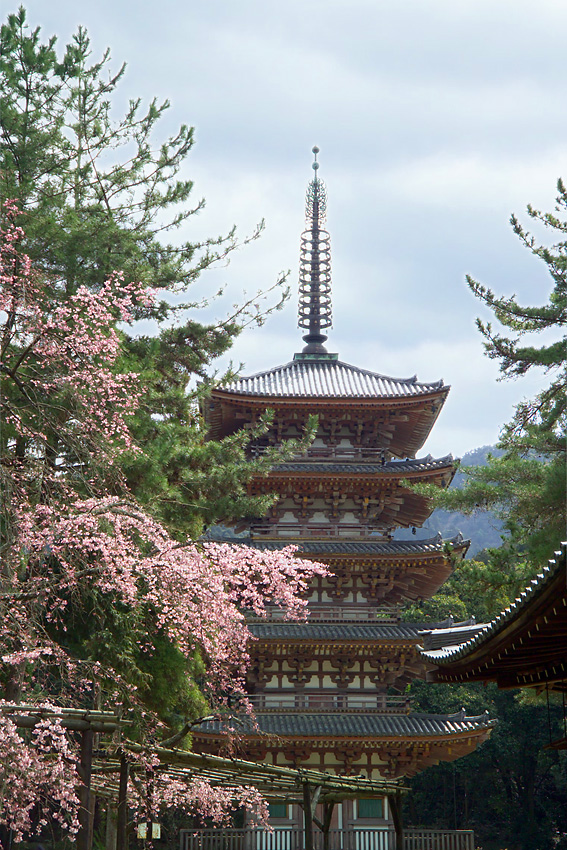
Daigo-ji Temple
7.6 km · straight line
 663highland / CC BY 2.5
History · Shiga★★
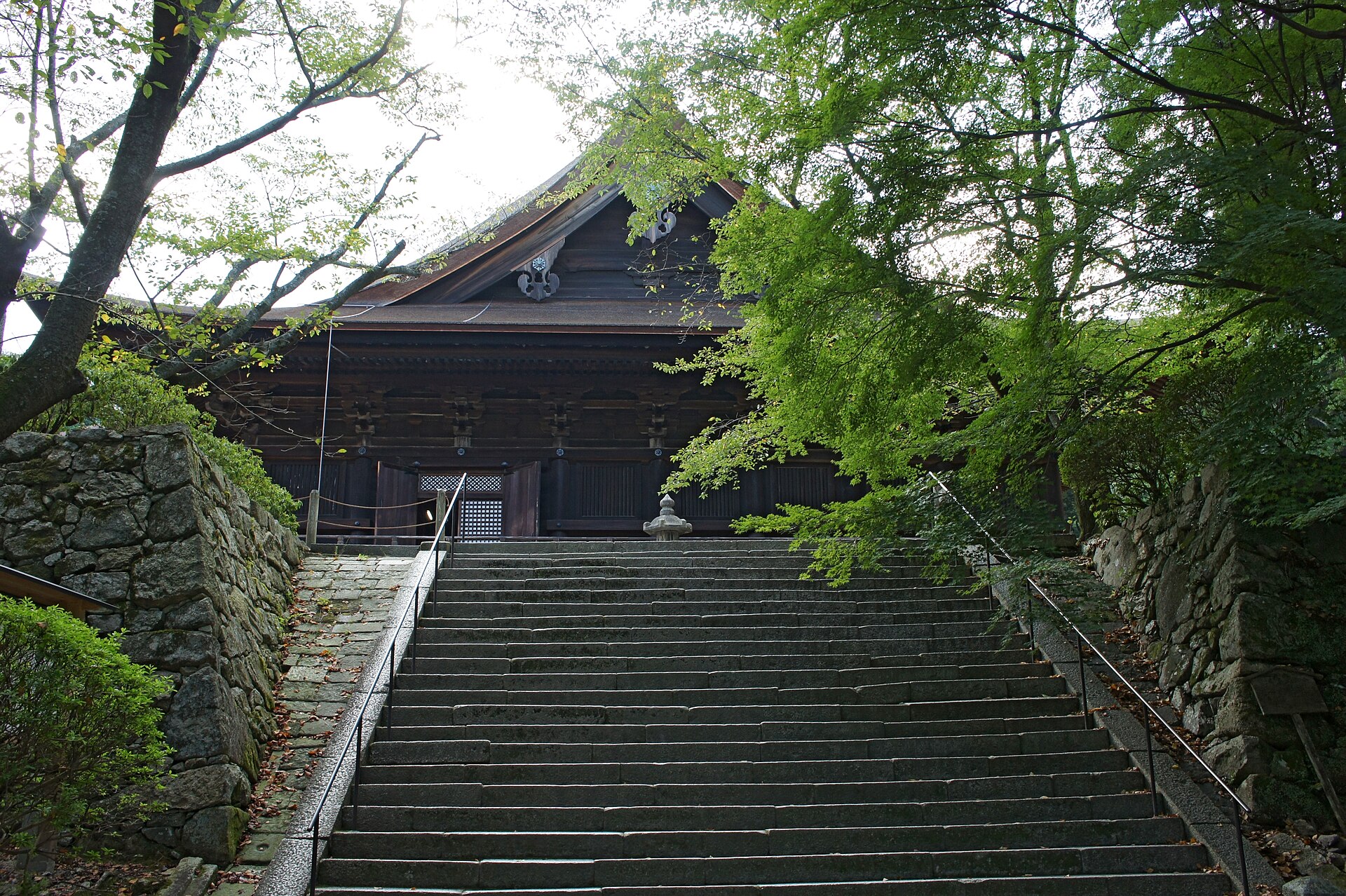
Miidera Temple
7.7 km · straight line
 小池 隆 / CC BY 3.0
History · Kyoto★★
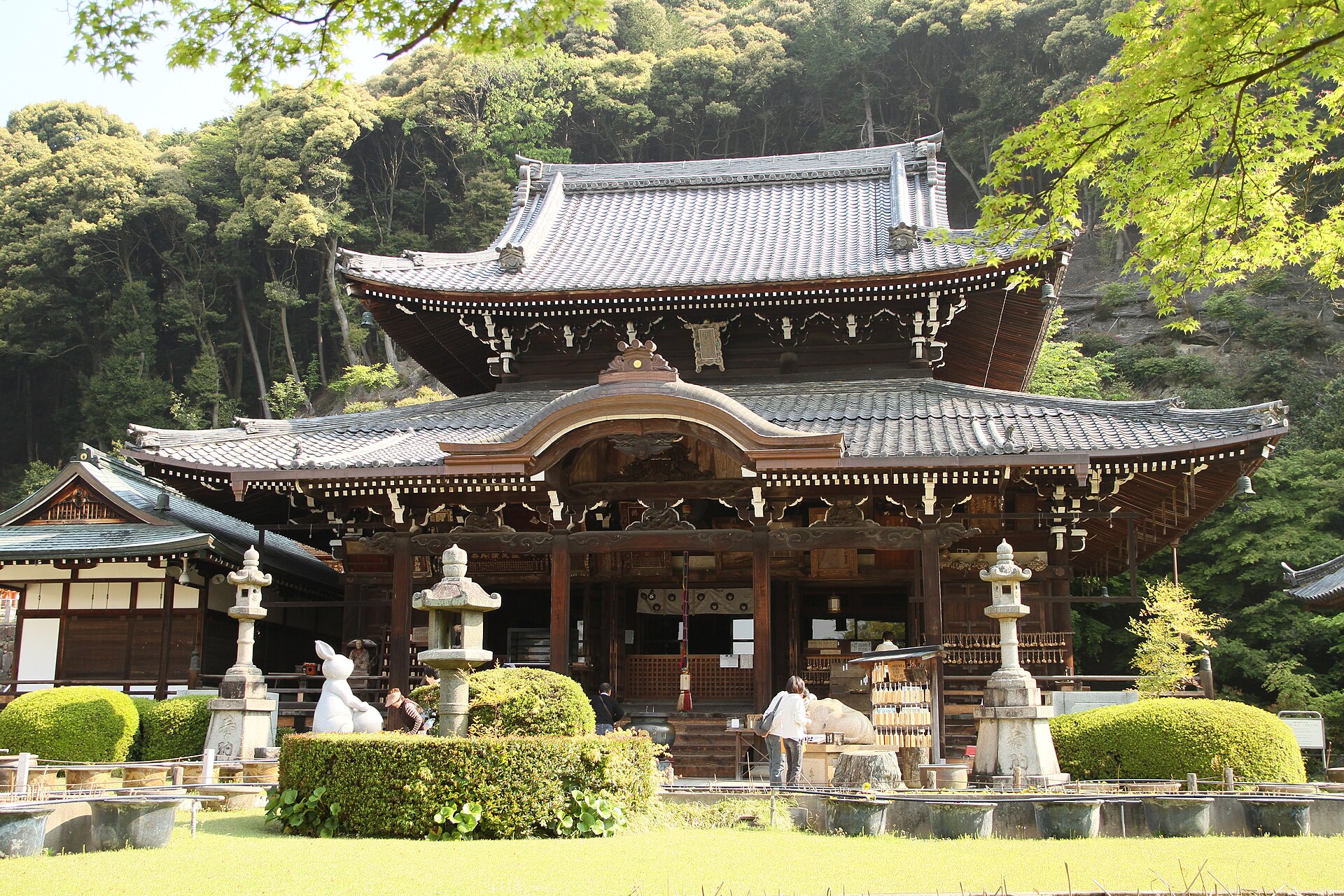
Mimuroto-ji
10.2 km · straight line
 Gryffindor / CC BY-SA 4.0
Craft · Kyoto★★★
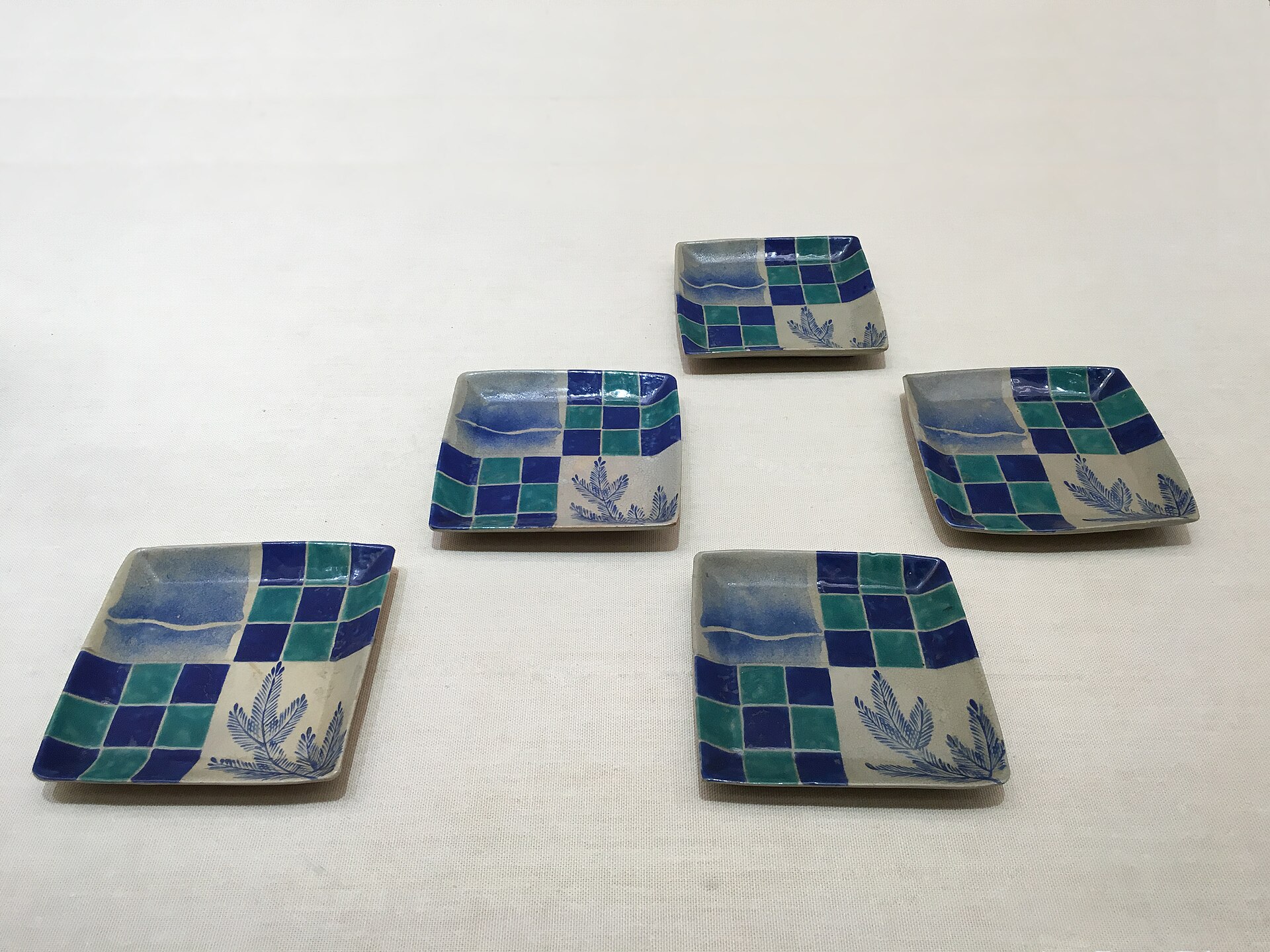
Kyo-yaki and Kiyomizu-yaki
10.4 km · straight line
Distances are straight lines on the map, not travel times.