Uji · MimurotoNo.1207★★Open in map →
Mimuroto-ji
— Uji's hillside temple of seasonal flowers
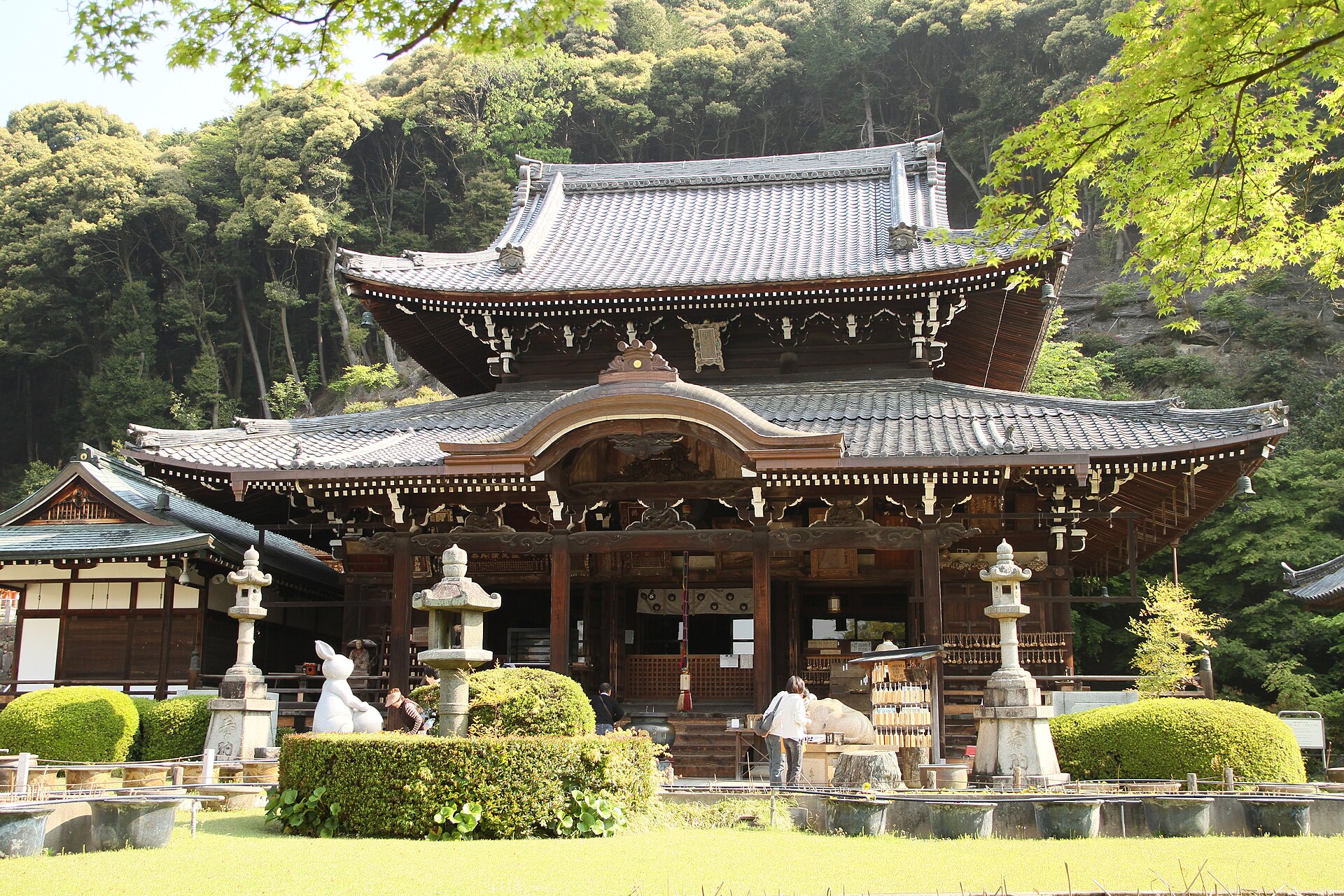
A hillside temple above Uji, the tenth stop on the Saikoku Kannon pilgrimage, with a large garden spread below the main hall. Azalea, hydrangea and lotus each take a turn, and the terrace above holds the hall, the bell tower and a three-storey pagoda.
- FromKyoto Station
- ~45 minJR then Keihan, frequent
- Get off atMimurodo Station (Keihan Uji Line)
- On foot
- Mimuroto-ji
The sweet spot
Uji is usually a half-day for the Phoenix Hall and the tea street, and this temple sits far enough uphill to drop off most itineraries. It is a working pilgrimage stop rather than a quiet one during the flower openings; outside those weeks the garden reads as a plain hillside, and the buildings on the terrace take the attention instead.
Where it is
90 more notes in Kyoto · open the map →What to look for — in walking order
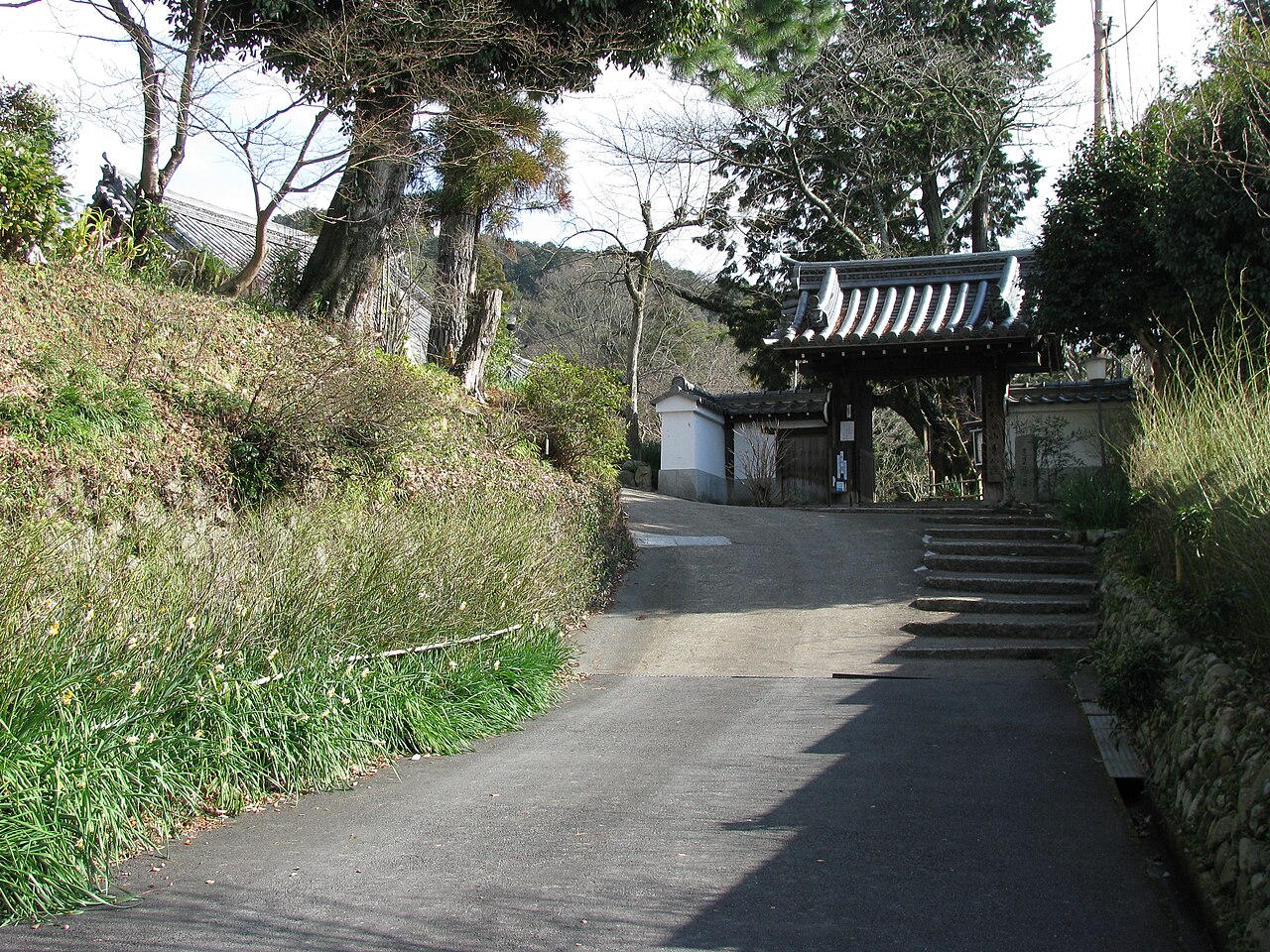
- The approach lanea signposted climb from the street below, ending at the ticket gate
- The azalea and rhododendron banksterraced slopes on the south side, cut through by narrow paths between the shrubs
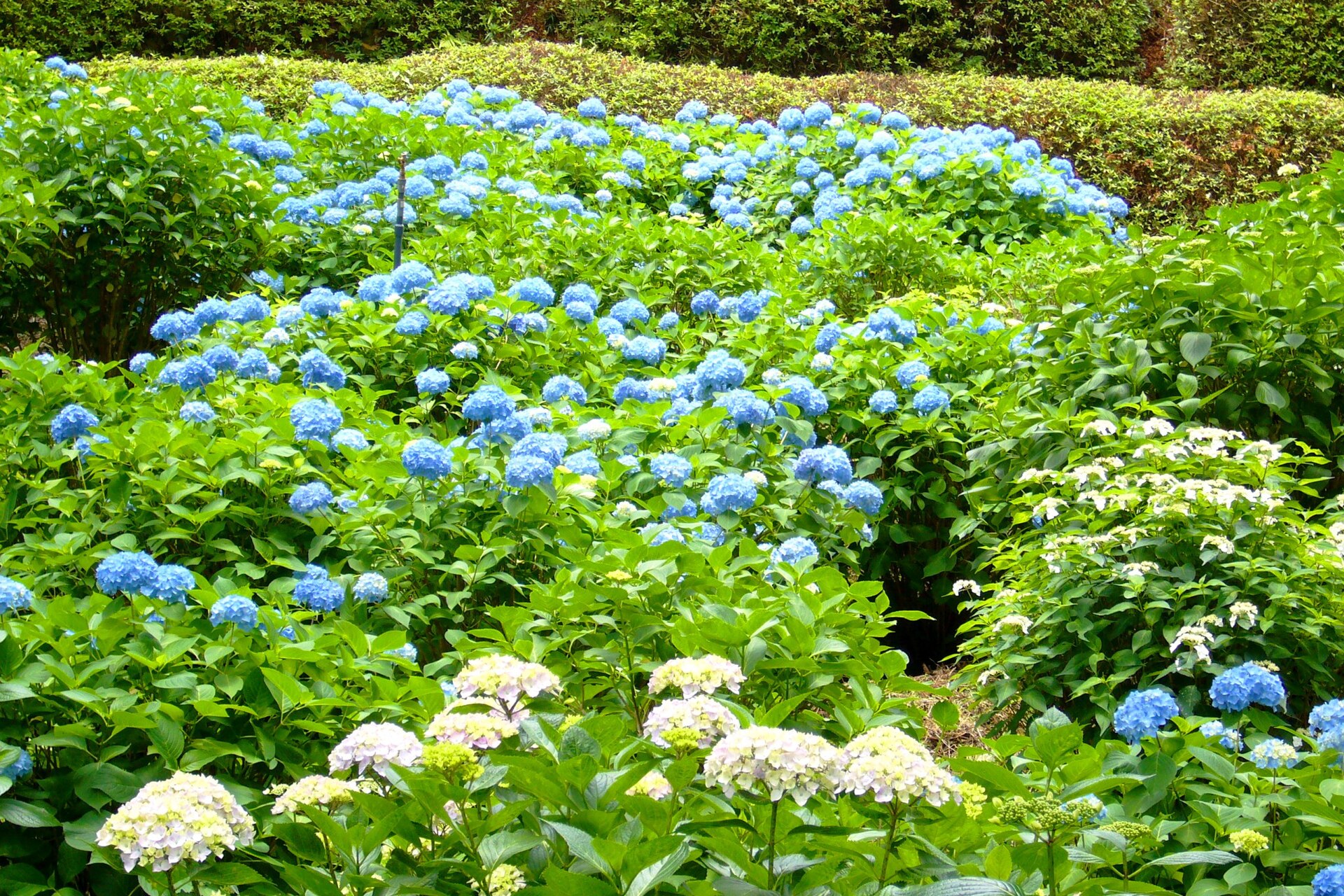
- The hydrangea wooda hollow below the azalea bank where the flowers grow up among standing cedars
- The lotus potsrows of potted lotus set out on the gravel in front of the main hall in summer
- The main hall terracea stone rabbit and a stone bull in front of the hall, with the bell tower and pagoda to the east
How to actually get there
- Kyoto Station → Obaku Station (JR Nara Line, southbound).
- Obaku → Mimurodo (Keihan Uji Line, one stop).
- Mimurodo Station → the temple gate (about 15 minutes on foot, east and uphill).
- Walk the garden on the lower slope first, then climb to the main hall terrace.
- JR to Obaku, then one stop on the Keihan line
- Kyoto Station →(JR Nara Line, southbound)→ Obaku Station. The Keihan station of the same name stands beside it; take the Keihan Uji Line one stop south to Mimurodo, then walk about 15 minutes east and uphill to the gate. Both legs run frequently through the day.
- Return via Uji or back through Obaku
- Mimurodo is one stop from the Keihan terminus at Uji, so you can finish at the Phoenix Hall and take the JR Nara Line home from Uji Station instead. Going back the way you came, change at Obaku for the JR Nara Line to Kyoto Station. Services thin out in the evening, so check the last Uji Line departure if you stay late.
About the place
Mimuroto-ji stands partway up Myojo-zan, the wooded ridge that rises north of the Uji River. The precinct works in two levels. The lower slope holds a garden of about 5,000 tsubo, laid out as dry landscape, stroll pond and open lawn; above it a terrace carries the main hall, the bell tower and a three-storey pagoda. The flowers are all in the garden — roughly twenty thousand azalea banked across the upper terraces, a hydrangea wood in the hollow below, and potted lotus lined up in front of the hall through the summer. The same slope turns to maple in autumn.
How to enjoy it
Take the garden first and the hall afterwards — the paths run downhill from the gate, and the hydrangea hollow is easy to miss entirely on the way up. Late spring to early summer is when the successive plantings peak, and the treasure house opens to visitors on one set day a month. Uji itself is a single stop away, so the temple fits either before or after the Phoenix Hall.
Background & history
Temple tradition puts the founding at 770, when Emperor Konin sent a retainer upstream to trace a light seen from the palace and a Kannon image was recovered from a pool. Three emperors later kept detached villas here, and the name shifted from Muroto-ji to Mimuroto-ji. Fire took the halls in the fifteenth century and Oda Nobunaga stripped the temple's land in the sixteenth; the present main hall dates from the Edo period. The garden below it is recent — the work of the landscape designer Nakane Kinsaku, finished in 1989.
Before you go
- Cash
- Admission is charged at the gate and set by the temple, with a different rate while the flower gardens are open; the current figures are on the temple's site. There is a paid car park, but the temple asks visitors to come by train on the busiest June weekends.
- Good to know
- The temple closes for a stretch in mid-August and again at the end of the year, and admission ends well before dark, so this is not an evening visit. Hydrangea evenings are lit separately and run on their own schedule.
- Another way
- From central Kyoto on the Keihan main line, ride south to Chushojima and change there for the Uji Line to Mimurodo. From JR Uji Station, a bus or a taxi also reaches the temple, and extra buses are put on while the hydrangea garden is open.
- After you get off
- From Mimurodo Station, cross east away from the river and follow the signposted lane as it climbs. The approach ends at the ticket gate, with the garden opening out below the buildings.
Nearby notes
 Vitalie Ciubotaru (talk) 16:39, 4 March / CC BY-SA 3.0
History · Kyoto★
Eshin-in
1.1 km · straight line
 Saigen Jiro / CC0
History · Kyoto★★★
Ujigami Shrine
1.4 km · straight line
 bethom33 / CC BY-SA 2.0
Food · Kyoto★
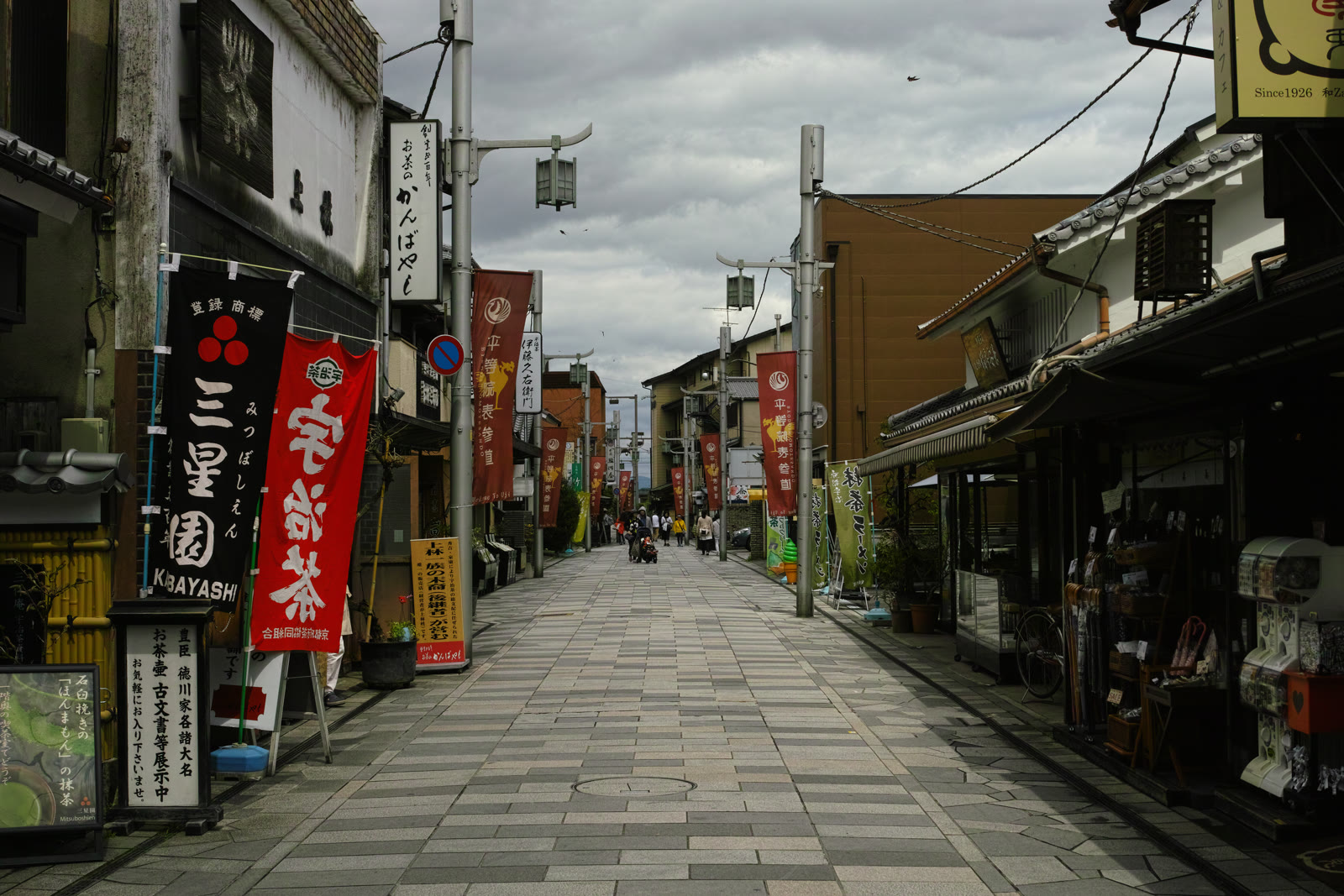
Uji's matcha street
1.6 km · straight line
 Oilstreet (talk) / CC BY-SA 3.0
History · Kyoto★★★
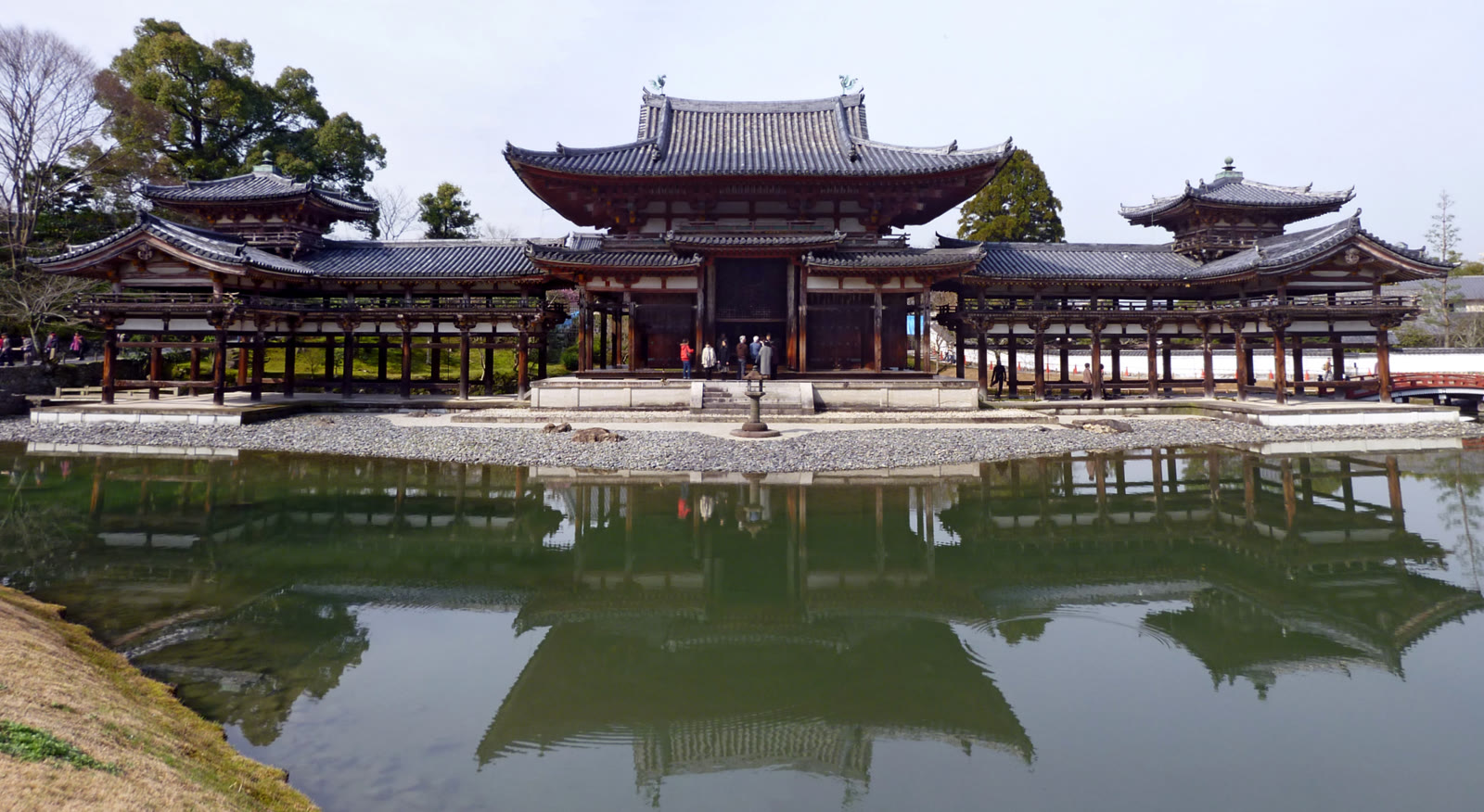
Byodo-in
1.8 km · straight line
Distances are straight lines on the map, not travel times.