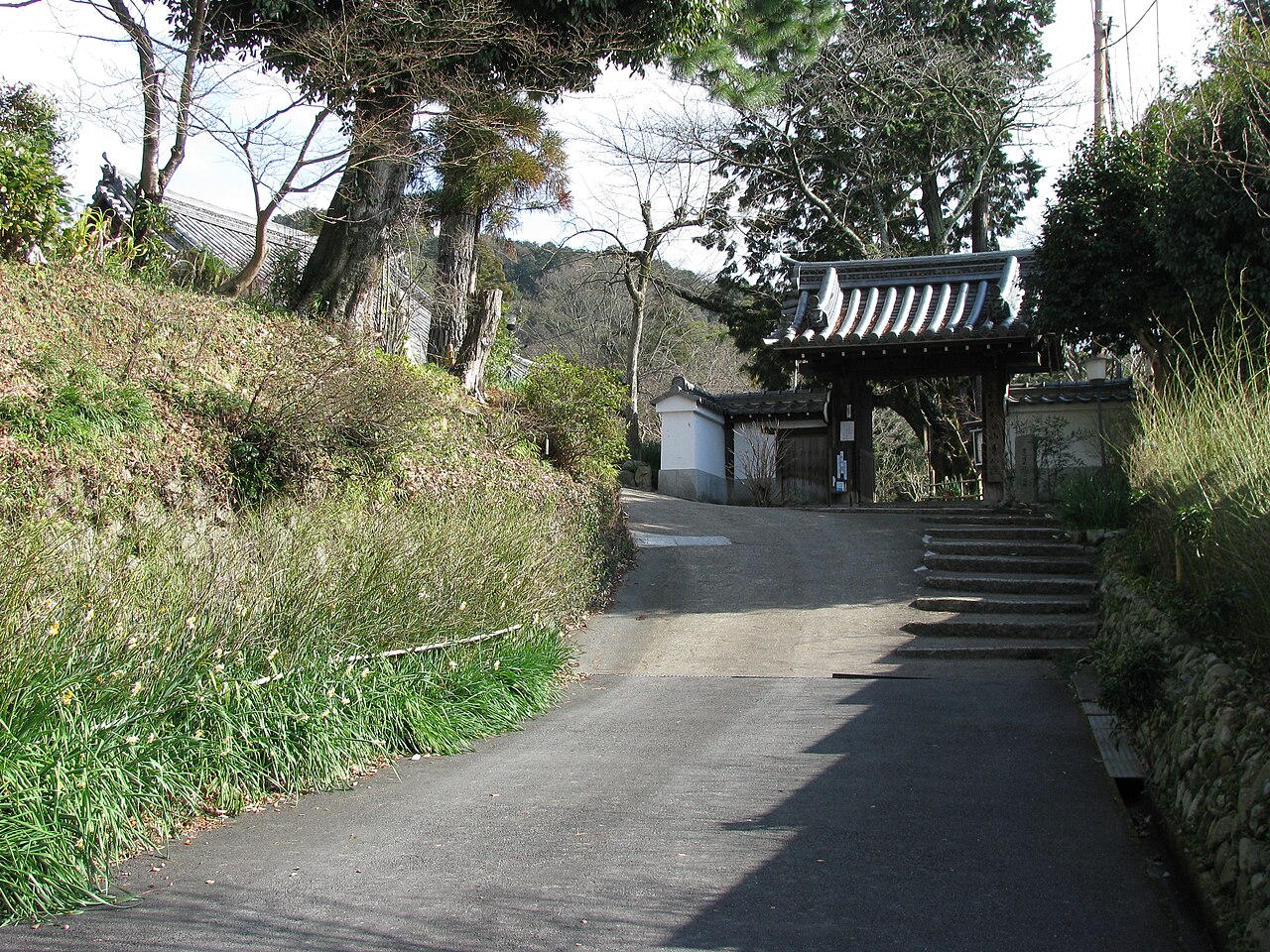
Kyoto south · UjiNo.017★Open in map →
Eshin-in
— the free flower garden beside Byodoin
A small Shingon Buddhist temple on the Uji riverbank, planted so that some flower is in bloom through most of the year. Entry is free.
- FromKyoto Stn
- ~35 mintrain + walk
- Get off atJR Uji Stn
- On foot
- Eshin-in
The sweet spot
It sits minutes from one of Japan's most photographed temples, but almost no visitor crosses the river to reach it. There is little English information about it, and it is off the main tourist path between the station and Byodoin, so it stays quiet.
Where it is
90 more notes in Kyoto · open the map →What to look for — in walking order
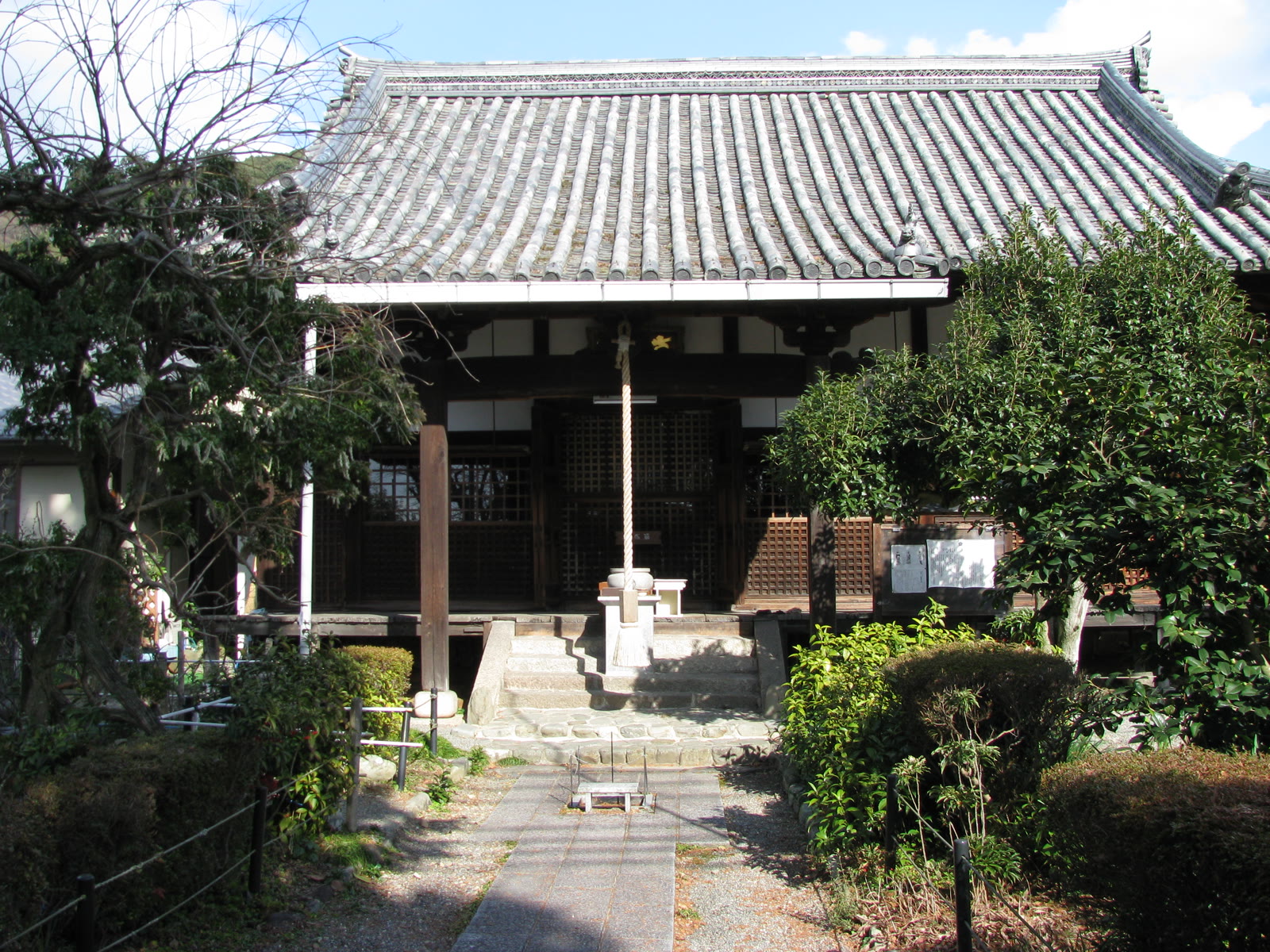
- Temple approach and gatethe short slope leading up from the riverbank to the temple entrance
- Seasonal flower gardengrounds planted for bloom through most of the year — kerria, hydrangea, trumpet vine
- Uji riverside settinga quiet hillside by the Uji River, with Byodoin within easy walking reach
- Tale of Genji connectionthe monk Genshin, who revived this temple, is said to be the model for the monk who saves Ukifune
How to actually get there
- Kyoto Stn → JR Uji Stn (JR Nara Line rapid, ~20 min).
- JR Uji Stn → the Uji riverbank, walking upstream away from the crowds (~10 min).
- Up the short lane on the slope to Eshin-in, the flower temple (~5 min).
- JR Nara Line to Uji, then a short walk
- Kyoto Stn →(JR Nara Line rapid, ~20 min)→ JR Uji Stn →(walk, ~15 min along the river)→ Eshin-in. Total about 35 min. JR Nara Line rapid trains run often through the day, so no need to plan around a timetable.
- Frequent trains back to Kyoto
- Trains from JR Uji Station back to Kyoto Station run often through the day, so there is no fixed last-connection to plan around. The temple garden itself closes at 17:00.
About the place
Eshin-in stands on the Uji riverbank, a short walk upstream from Byodoin's famous Phoenix Hall. The reason to come is the garden: the grounds are planted so that some flower is in bloom through most of the year, and admission is free. In early summer the main blooms are kerria, hydrangea, and trumpet vine — the hydrangea draws visitors in particular in June. The main hall is not open to the public, so what you see is the well-kept flower garden and the river setting.
How to enjoy it
Come in early summer, when the hydrangea and kerria are at their best. Pair the visit with nearby Byodoin temple and walk back along the riverbank for a fuller picture of the Uji riverside.
Background & history
Temple tradition traces the site to an older temple called Ryuzen-ji, said to have been founded by Kobo Daishi, the monk who established Shingon Buddhism in Japan. It was revived in 1005 by the monk Genshin — also known as Eshin Sozu — who wrote the influential Pure Land text Ojoyoshu and gave the temple its present name. Genshin is often cited as the model for the monk of Yokawa, the character who rescues the heroine Ukifune in the Uji chapters of The Tale of Genji, giving this small garden an outsized place in Japanese literary history.
Before you go
- Cash
- Entry to the garden is free. There is a small donation box inside; a few coins is a kind gesture, not a fee.
- Good to know
- Garden open 9:00–17:00, every day. It is a working neighbourhood temple, so keep your voice low and stay on the paths.
- Another way
- Pair it with a walk along the Uji riverbank rather than the crowded tea-shop street, and combine it with nearby Byodoin temple.
- After you get off
- From JR Uji Station, walk toward the river and follow the bank upstream past Byodoin; the temple lane climbs the slope on the far side — about 15 min on paved streets.
Nearby notes
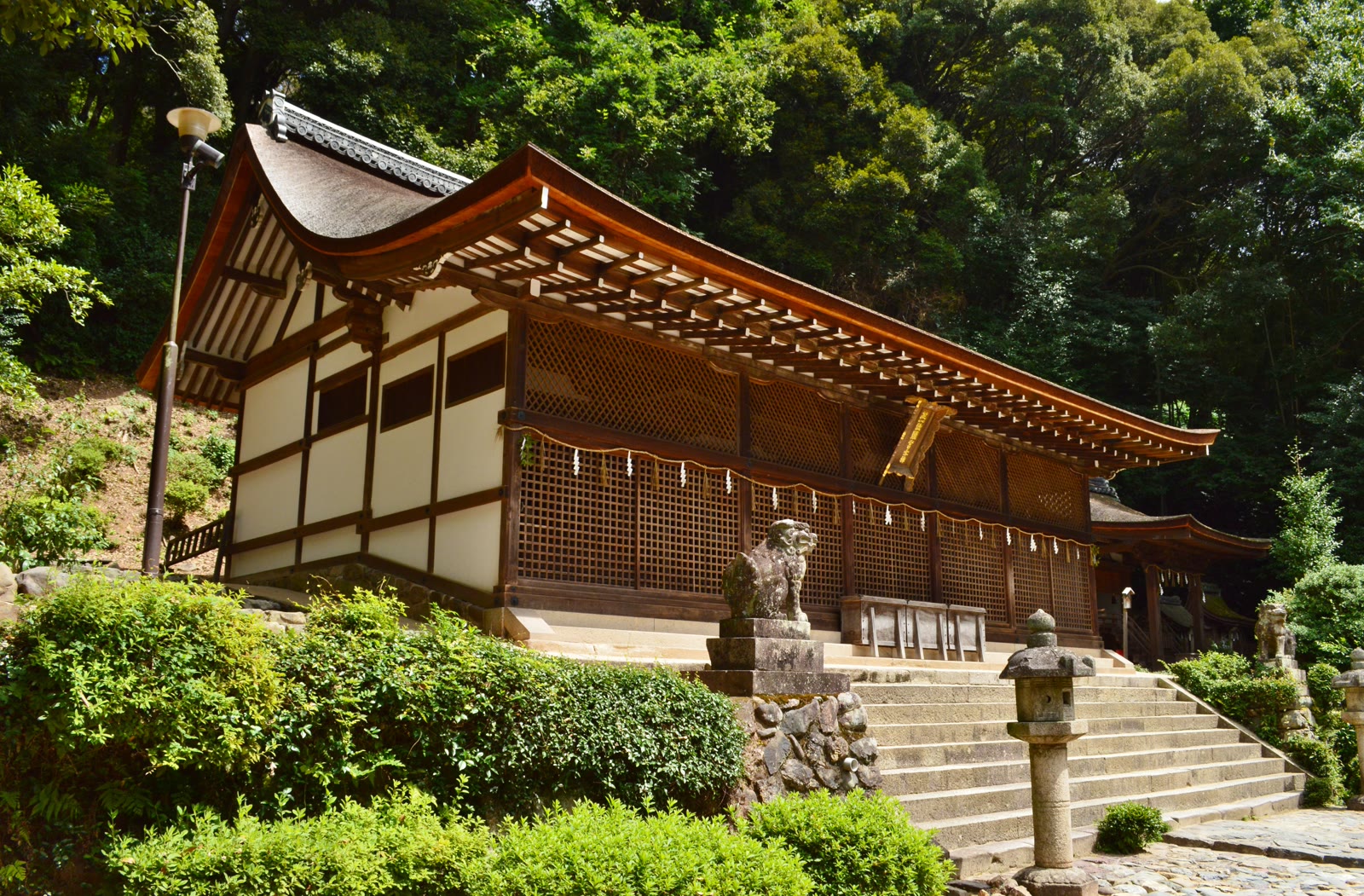 Saigen Jiro / CC0
History · Kyoto★★★
Ujigami Shrine
0.3 km · straight line
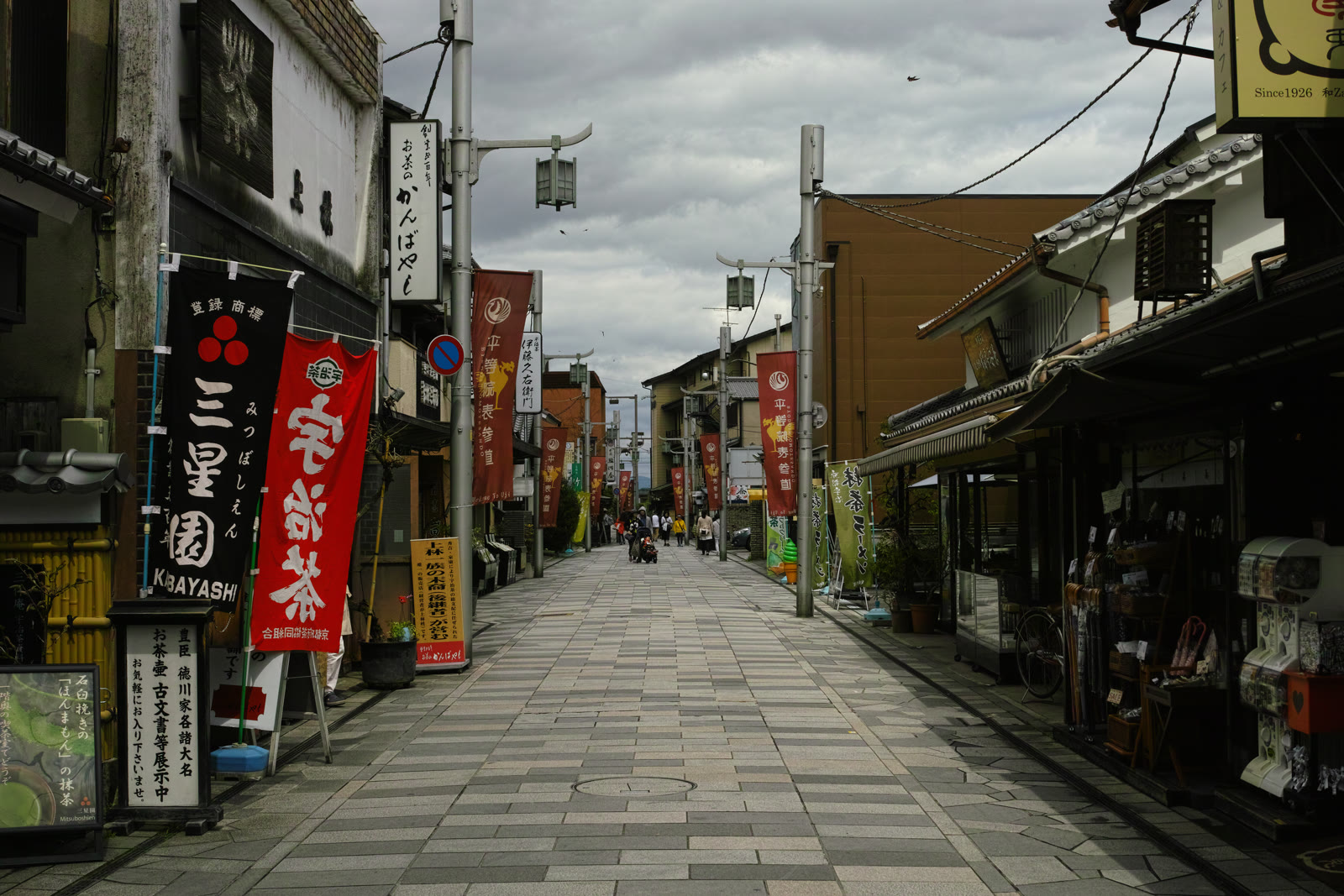 bethom33 / CC BY-SA 2.0
Food · Kyoto★
Uji's matcha street
0.5 km · straight line
 Oilstreet (talk) / CC BY-SA 3.0
History · Kyoto★★★
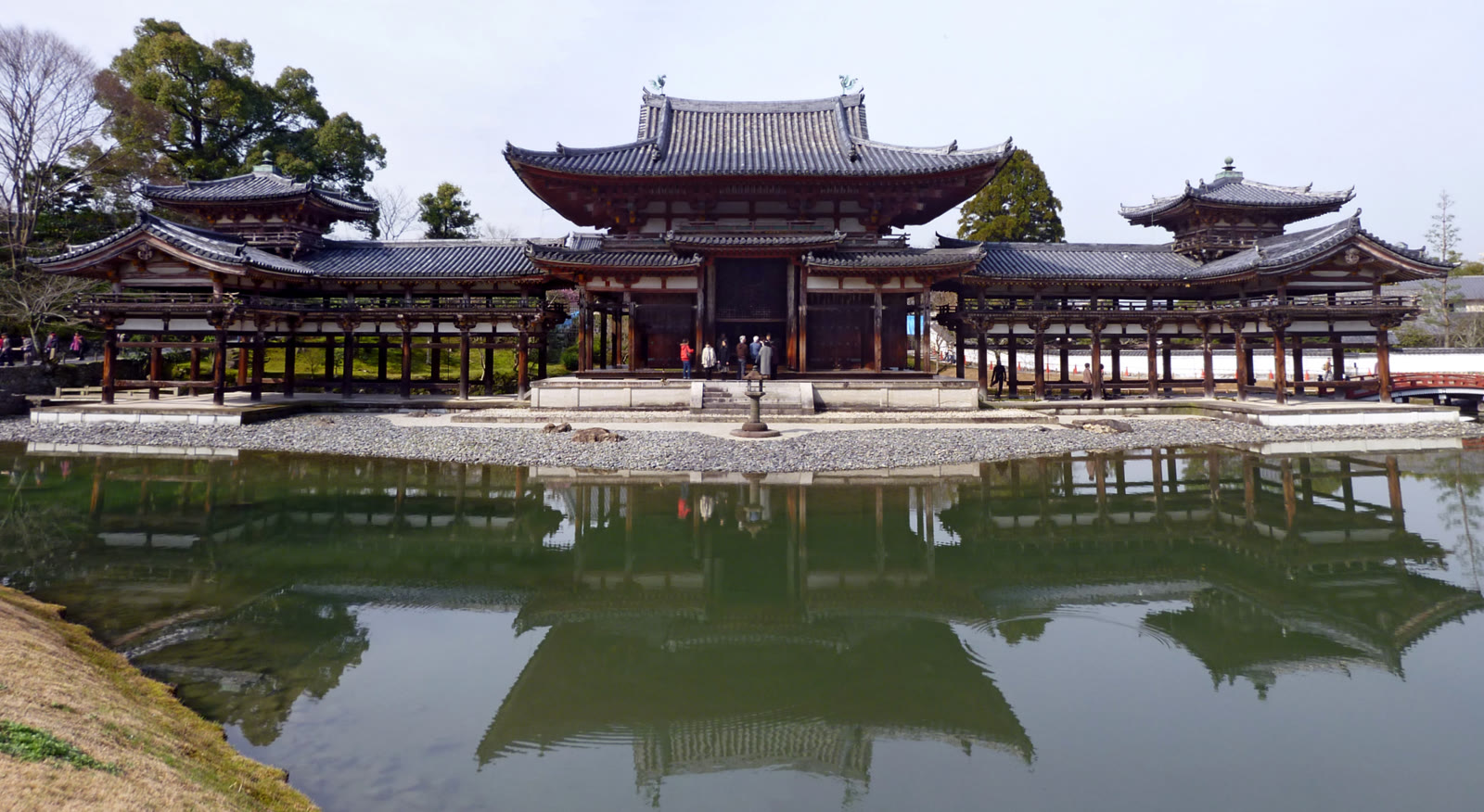
Byodo-in
0.6 km · straight line
 小池 隆 / CC BY 3.0
History · Kyoto★★
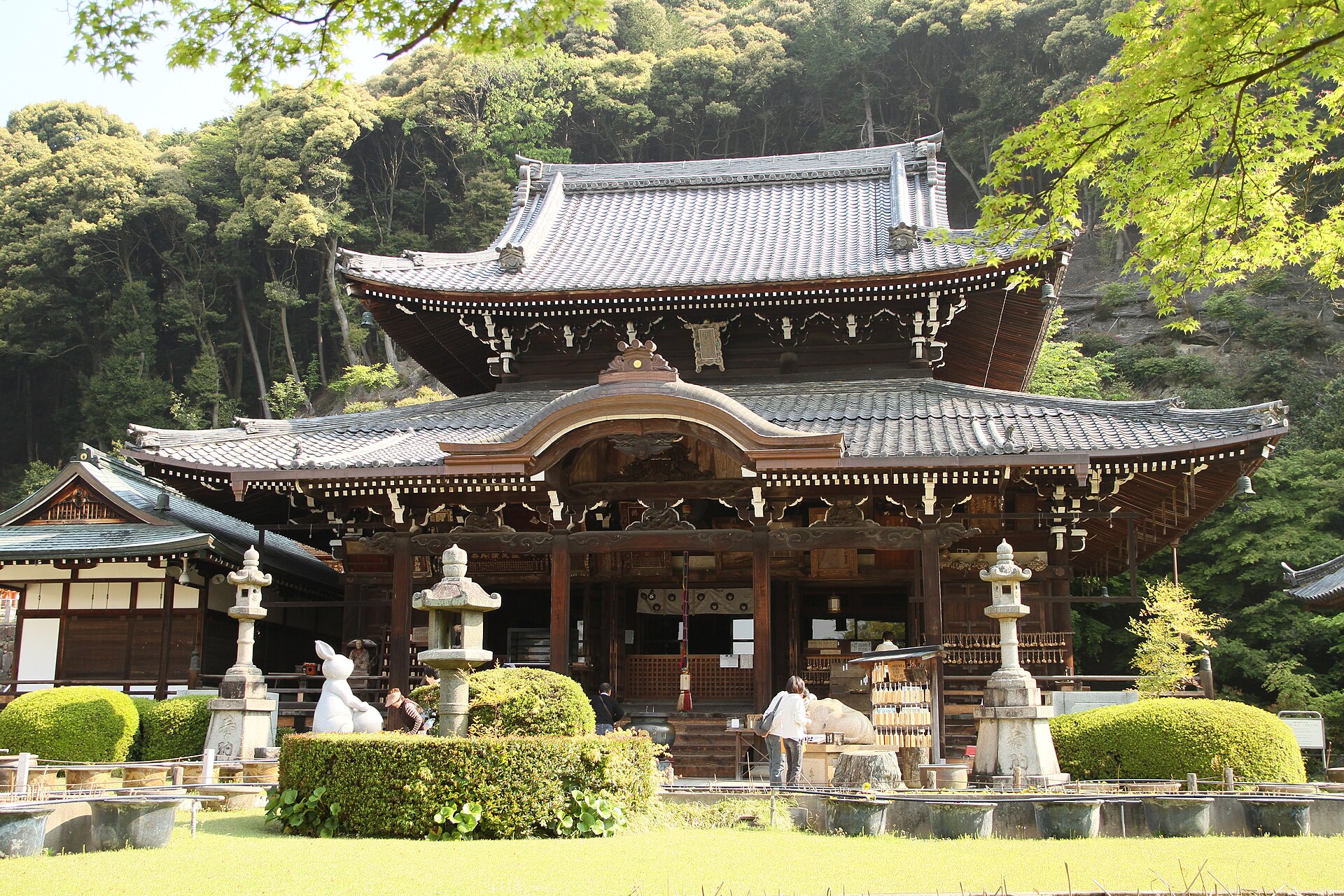
Mimuroto-ji
1.1 km · straight line
On a curated routeTwo Banks and a Canal →
Distances are straight lines on the map, not travel times.