Uji · south Kyoto Pref.No.308★Open in map →
Uji's matcha street
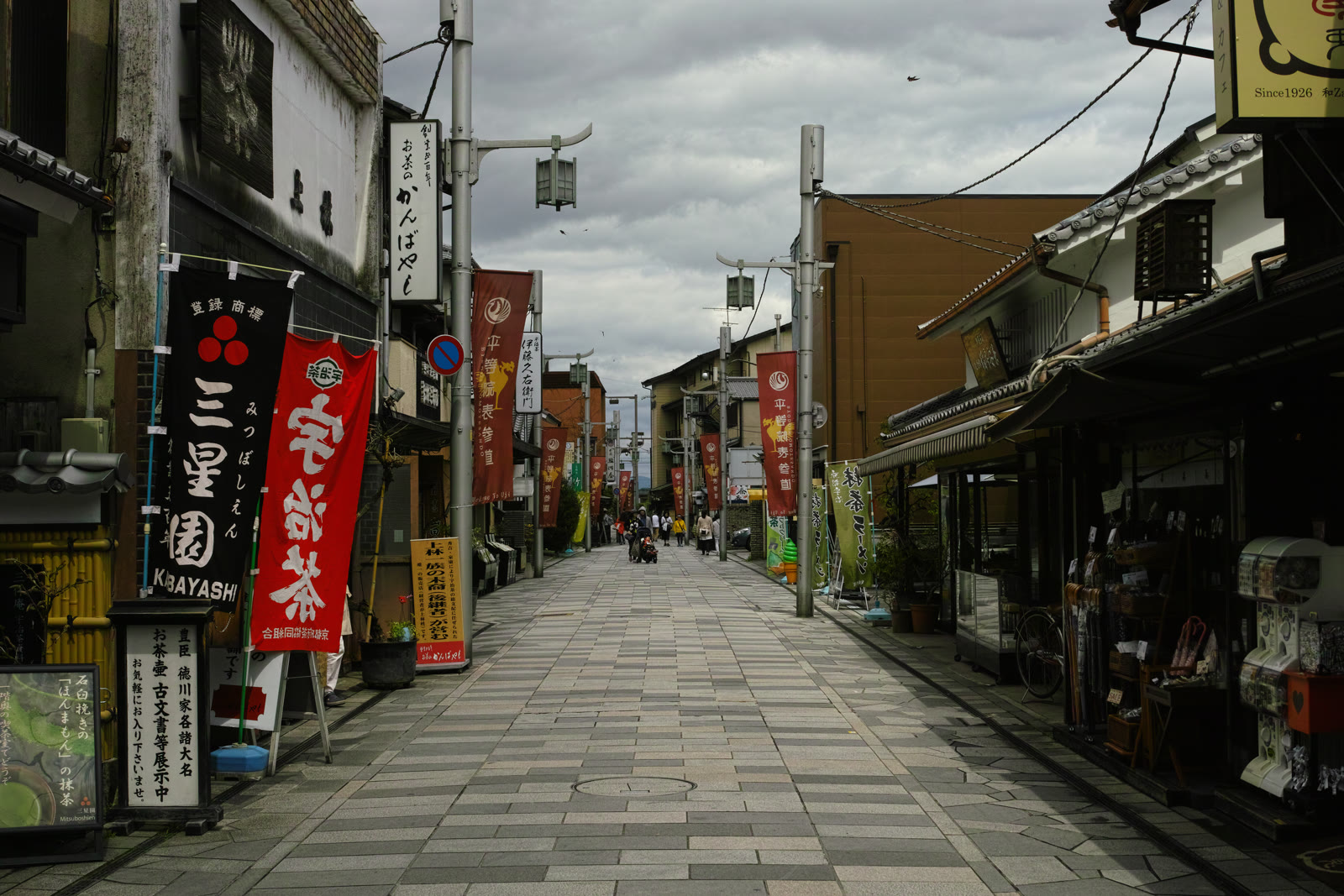
The roughly 160-metre approach street from the Uji Bridge to Byodo-in's gate, lined almost entirely with Uji tea merchants and matcha dessert counters. The Ministry of the Environment listed it among Japan's 100 Fragrant Landscapes for the smell of roasting tea.
- FromKyoto Stn
- ~20 minJR / Keihan (frequent)
- Get off atUji Station (JR Nara Line)
- On foot
- Uji's matcha street
The sweet spot
Almost every visitor treats this street as the corridor to Byodo-in and walks it at speed. The non-obvious point is the order of operations: the temple has a timed interior ticket that eats an afternoon, and the tea rooms here run out of the seasonal matcha desserts before closing. Eat first, or at least reserve your seat first, then go to the temple.
Where it is
90 more notes in Kyoto · open the map →What to look for
- The 160 m of the approach streettea merchants, tea rooms and dessert counters end to end, with the roasting smell that got the street onto a national list
- Tsuen at the Uji Bridgea tea house that dates its founding to 1160, still sitting where the road meets the river
- Matcha dessertsparfaits, soft serve and matcha soba, made with tea ground on site rather than shipped in as flavouring
- The Uji Bridge and riverthe top of the street opens onto the bridge, and the tea rooms on that side look out over the current
How to actually get there
- Kyoto Stn → Uji Stn (JR Nara Line rapid, ~17-20 min)
- Uji Stn → Uji Bridge / top of Byodoin Omotesando (walk, ~10 min)
- JR Nara Line, then a short walk
- Kyoto Stn →(JR Nara Line rapid, ~17-20 min)→ Uji Stn →(walk, ~10 min east then south along the river)→ the Uji Bridge and the top of the approach street. Trains are frequent all day, so no departure to catch.
- Same way, or out via Keihan
- Walk back to JR Uji Stn and return on the JR Nara Line to Kyoto (~17-20 min). Alternatively cross the Uji Bridge to Keihan Uji Stn and take the Keihan Uji Line to Chushojima, changing there for the Keihan Main Line — useful if you are heading to Fushimi or Osaka rather than Kyoto Station.
About the place
Byodoin Omotesando is the approach street running from the Uji Bridge down to the gate of Byodo-in, the World Heritage temple whose Phoenix Hall appears on Japan's 10-yen coin. The shopping association covers about 160 metres of it, and almost every frontage is tea: long-established Uji tea merchants, sit-down tea rooms, matcha dessert counters and shops selling leaf by weight. What makes the street unusual is the smell. Tea is roasted on the premises here, and the Ministry of the Environment selected the street for its national list of 100 Fragrant Landscapes on the strength of that scent alone. At the Uji Bridge end stands Tsuen, which gives its founding as 1160 — the tea trade on this stretch of river predates the tourist route by many centuries.
How to enjoy it
Walk the whole 160 metres once before committing to a shop — the street is short enough that a full pass costs you five minutes and shows you every queue. Sit down for one proper bowl or one dessert rather than grazing at three counters; the sit-down tea rooms are where the difference in leaf quality actually registers. Then enter Byodo-in, whose gate is at the end of the street, and buy the timed interior ticket on arrival.
Background & history
Uji has been the name that matters in Japanese tea for centuries, and this street is where the trade meets the road. Tsuen, at the east end of the Uji Bridge, gives its founding as 1160 in the Eiryaku era, which would make it one of the oldest continuously operating tea businesses in the country; it still faces the bridge and the river. The approach street itself owes its shape to Byodo-in, converted from an aristocratic estate into a temple in the eleventh century — the pilgrim traffic to the gate is what put shops along the road in the first place. The modern shopping association formalised that arrangement, and the Ministry of the Environment's Fragrant Landscapes listing recognised what the street had been doing all along: roasting tea in public, at the roadside.
Before you go
- Cash
- The bigger tea houses take cards and IC, but several of the smaller counters and stalls are cash only. Carry a few thousand yen in notes.
- Good to know
- This is a working shopping street. Most tea shops close in the late afternoon and the street empties well before dinner, so it is a daytime destination, not an evening one.
- Another way
- Keihan Uji Station sits at the far end of the Uji Bridge and is a shorter walk to the street than JR Uji — about 5 minutes rather than 10 — if you are already on the Keihan network.
- After you get off
- From JR Uji Station, head east to the river, then follow the bank south to the Uji Bridge; the approach street begins at the bridge's west end and runs to the temple gate. About 10 minutes on flat ground.
Nearby notes
 Saigen Jiro / CC0
History · Kyoto★★★
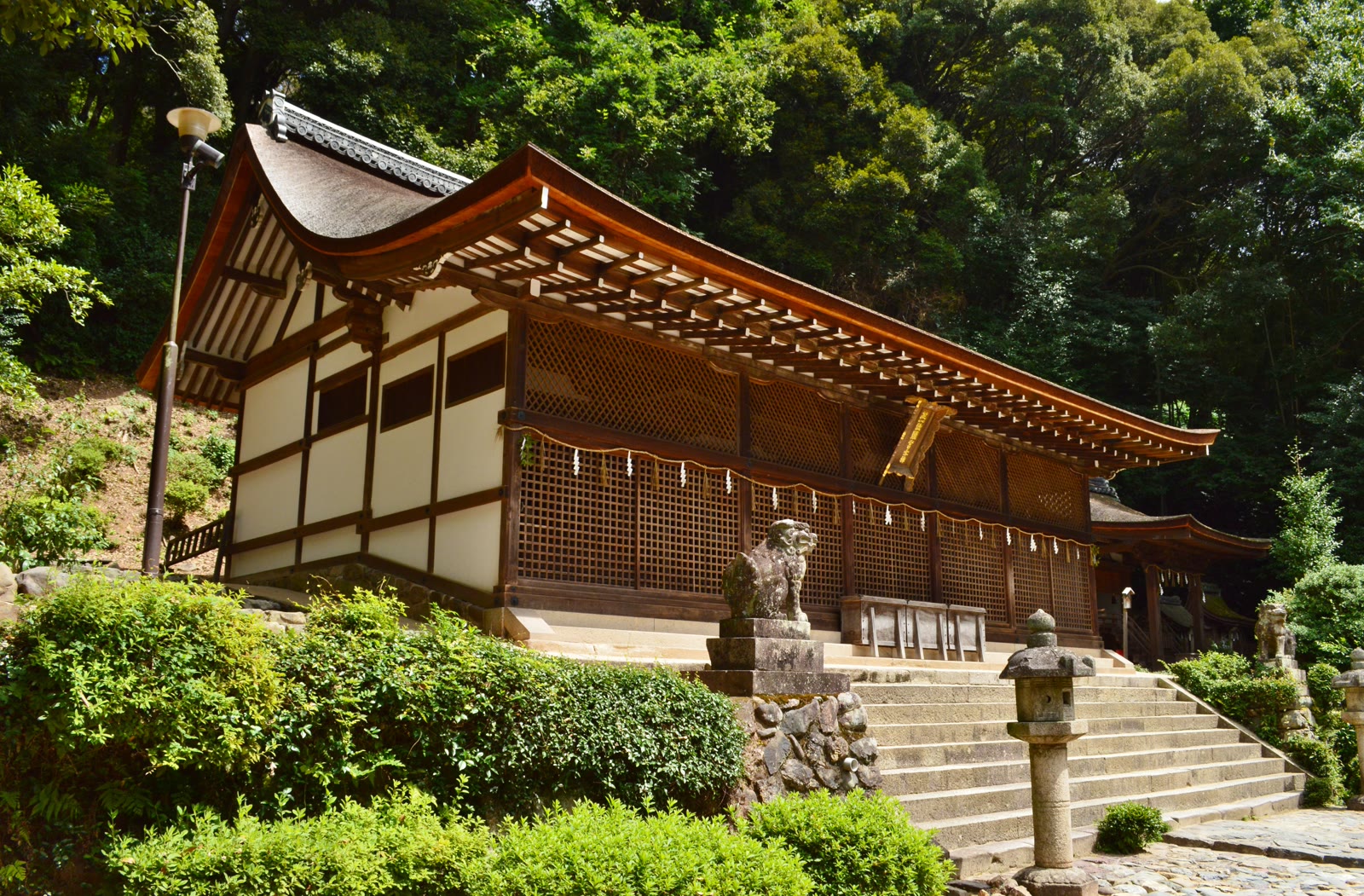
Ujigami Shrine
0.3 km · straight line
 Oilstreet (talk) / CC BY-SA 3.0
History · Kyoto★★★
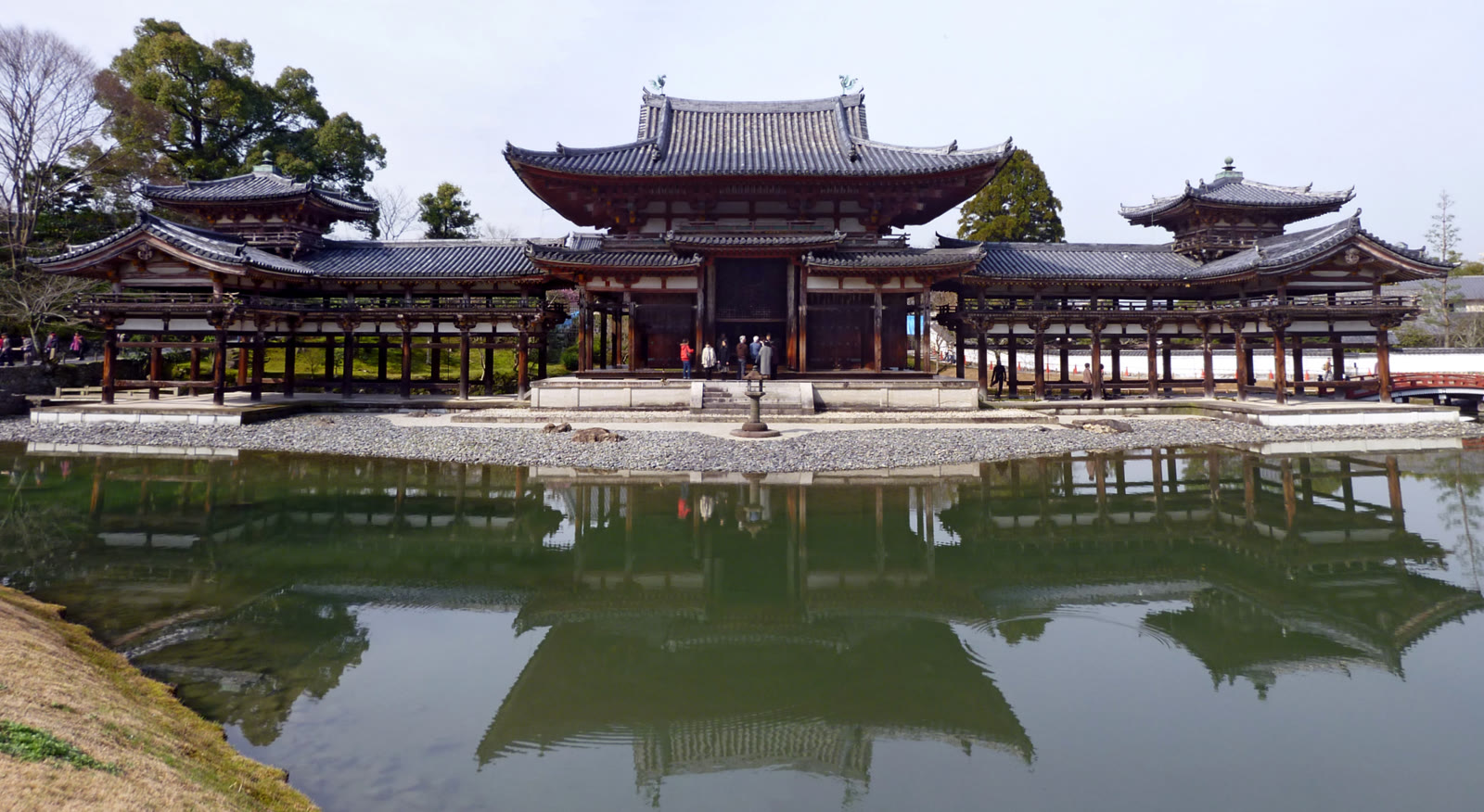
Byodo-in
0.3 km · straight line
 Vitalie Ciubotaru (talk) 16:39, 4 March / CC BY-SA 3.0
History · Kyoto★
Eshin-in
0.5 km · straight line
 小池 隆 / CC BY 3.0
History · Kyoto★★
Mimuroto-ji
1.6 km · straight line
On a curated routeTwo Banks and a Canal →
Distances are straight lines on the map, not travel times.