Uji · South Kyoto Pref.No.260★★★Open in map →
Ujigami Shrine
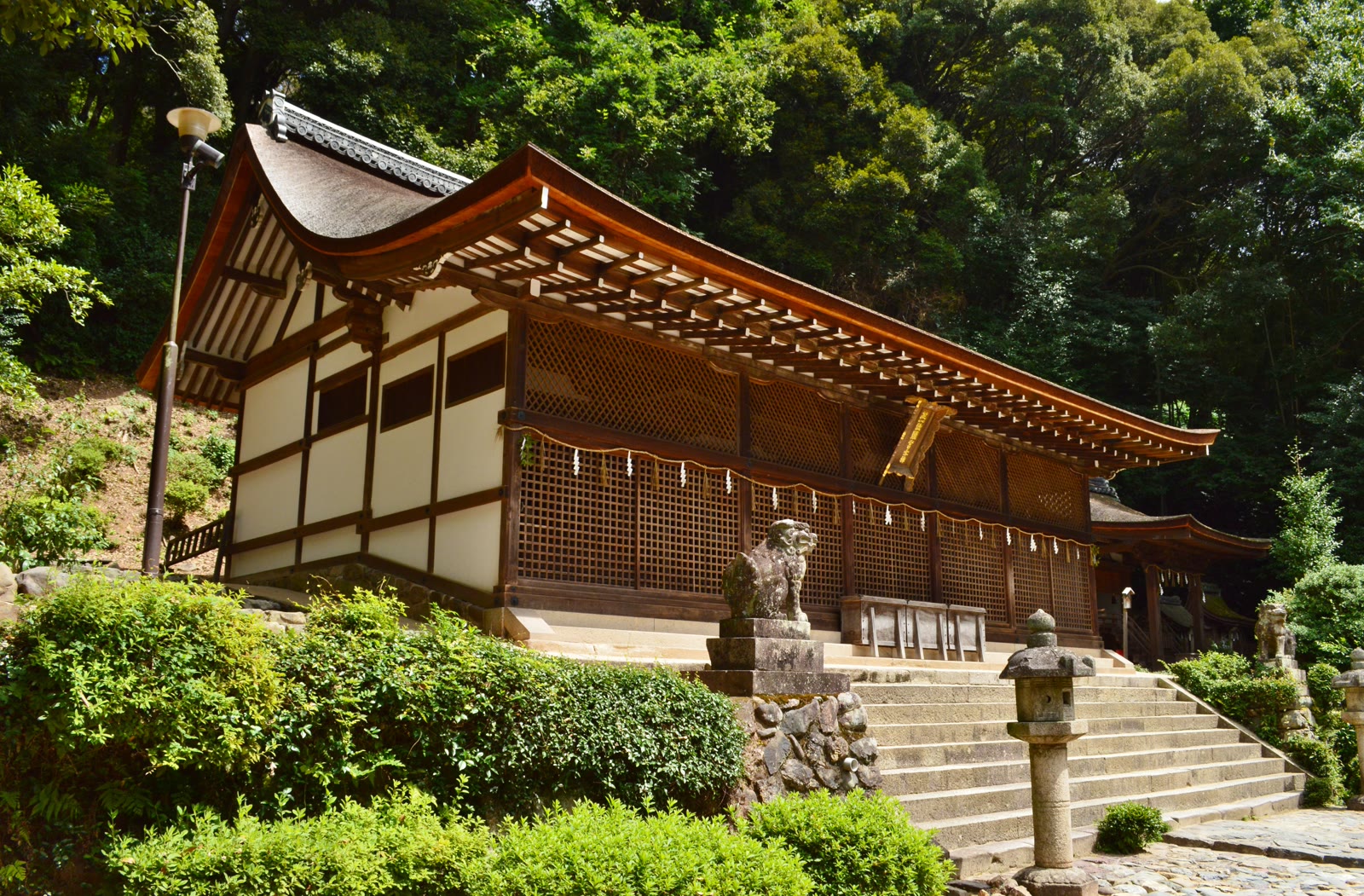
The main hall of Ujigami Shrine, built in the late Heian period (late 11th century), is the oldest surviving Shinto shrine structure in Japan — a National Treasure and UNESCO World Heritage site. It stands across the Uji River from the equally famous Byodoin Temple.
- FromKyoto Stn
- ~30 minJR Nara Line or Kintetsu
- Get off atUji Station (JR Nara Line), then 8 min walk
- On foot
- Ujigami Shrine
Where it is
90 more notes in Kyoto · open the map →What to look for — in walking order
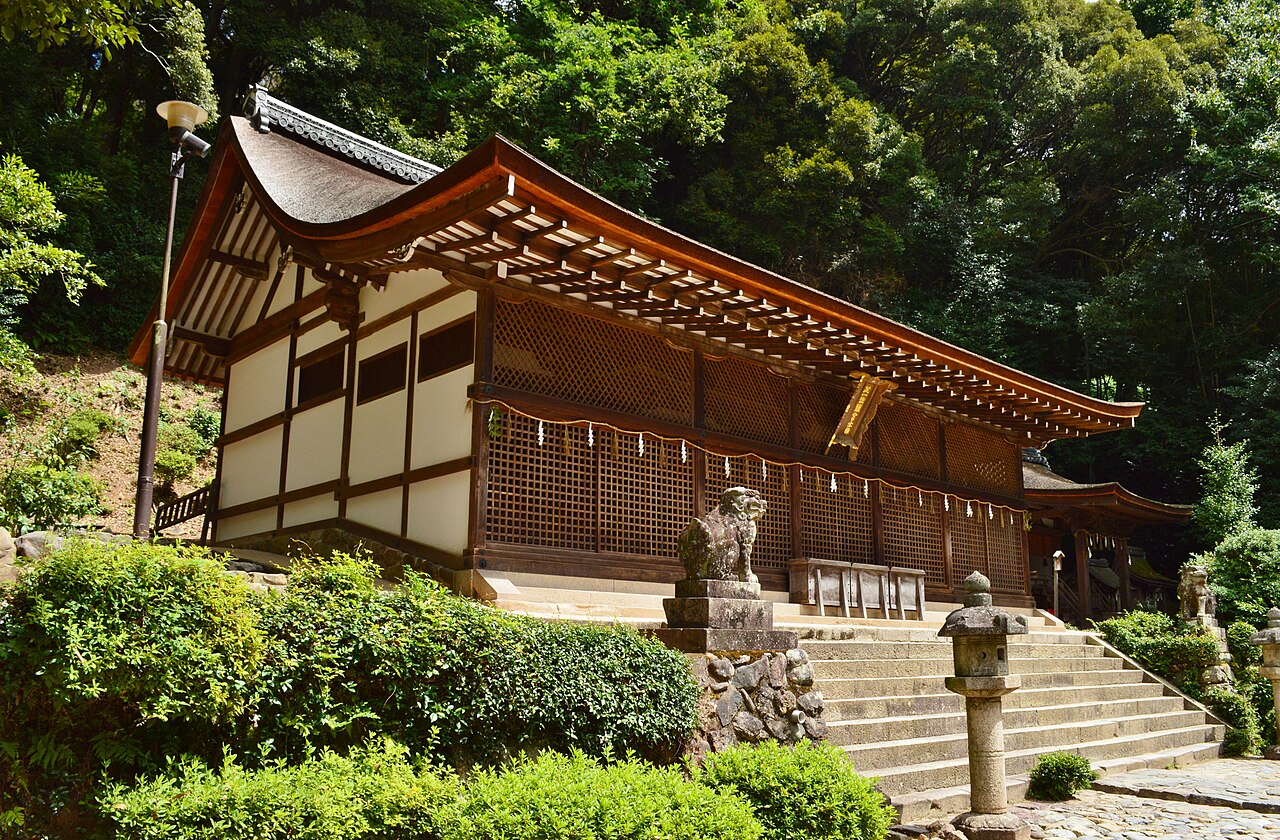
- Honden (main hall)three inner shrines under one cypress-bark roof; dated to around 1060 — Japan's oldest extant shrine building; National Treasure
- Haiden (worship hall)the front reception hall, Kamakura-period construction, also a National Treasure
- Kiri-no-Shimizu springa natural spring inside the precinct, one of the 'seven springs of Uji'; water from it was historically used in the tea ceremony
- View back to the Uji Riverthe approach from the river frames the forested hillside and the scale of the shrine's quiet setting
How to actually get there
- Kyoto Station → JR Nara Line → Uji Station (~17 min).
- Uji Station → cross Uji Bridge heading east → walk north along east bank of Uji River (~8 min) → shrine entrance.
- Haiden (worship hall) → Honden (main hall) → Kiri-no-Shimizu spring.
- JR Nara Line from Kyoto Station
- Kyoto Station → (JR Nara Line Rapid or Local, southbound, ~17 min) → Uji Station. From Uji Station, cross the Uji River eastward and walk about 8 minutes along the river path to the shrine. Total about 30 minutes. Alternatively, Kintetsu Kyoto Line from Kintetsu Kyoto Station to Kintetsu Uji Station (~25 min), then walk about 15 minutes.
- JR from Uji Station to Kyoto
- Walk back to JR Uji Station (about 8 min from the shrine) and take the Nara Line rapid back to Kyoto Station (~17 min). Trains run frequently throughout the day.
About the place
On the eastern bank of the Uji River, behind a hillside covered in trees, stands a building over 1,000 years old. Ujigami Shrine's honden — the inner sanctuary — was built during the late Heian period, its wood dated by specialists to around 1060. It is the oldest Shinto shrine building standing in Japan. The structure is small and low to the ground, its nagare-zukuri roof curving gently forward over the entrance. Three inner shrines sit side by side under a single roof. The spring in the precinct was historically used to prepare tea for ceremonies — appropriate in Uji, whose hillsides have been terraced with tea fields for centuries and whose tea is considered among the finest in Japan. Across the river, the golden phoenix of the Byodoin's Phoenix Hall catches the afternoon light.
How to enjoy it
Open daily 9:00–16:30; admission is free. The shrine is compact — the main hall, worship hall, and spring are within a short walk of the gate. Combine with Byodoin Temple (10–15 minutes on foot, across the Uji River) for a fuller picture of Uji's Heian-period heritage. Uji is Japan's most famous matcha-growing area; tea shops and matcha soft-serve line the streets between the station and the shrines. The approach path passes through a small wooded hillside.
Background & history
Ujigami Shrine and the adjacent Uji Shrine were historically a single complex, serving as the guardian shrine for the Byodoin Temple across the river; the two were separated during the Meiji period reforms of 1868–1912. The main shrine building (honden) is dated by dendrochronology to around 1060, in the late Heian period — the oldest confirmed shrine structure in Japan. The haiden (front worship hall) is thought to have been built in the Kamakura period (12th–14th century). The shrine enshrines the deified spirit of Prince Uji-no-Wakiiratsuko along with Emperor Ojin and Emperor Nintoku. The site was inscribed as a UNESCO World Heritage Site in 1994 as part of the Historic Monuments of Ancient Kyoto.
Before you go
- Cash
- Admission to Ujigami Shrine is free. JR and Kintetsu accept IC cards (ICOCA, Suica) and cash. Byodoin Temple, if combined, charges admission (700 yen for adults).
- Good to know
- Open daily 9:00–16:30. No regular closures. The forested hillside path is exposed; the haiden and honden approach are covered.
- Another way
- From Osaka (Namba area), take the Kintetsu Osaka Line to Yamato-Yagi and transfer, or take the more direct Kintetsu Kyoto Line from Kyoto — check the route on the day as transfer options vary.
- After you get off
- JR Uji Station is the nearest station. From the station, walk east across the Uji Bridge (Ujibashi) and follow the river north along the east bank for about 8 minutes to the shrine entrance.
Nearby notes
 bethom33 / CC BY-SA 2.0
Food · Kyoto★
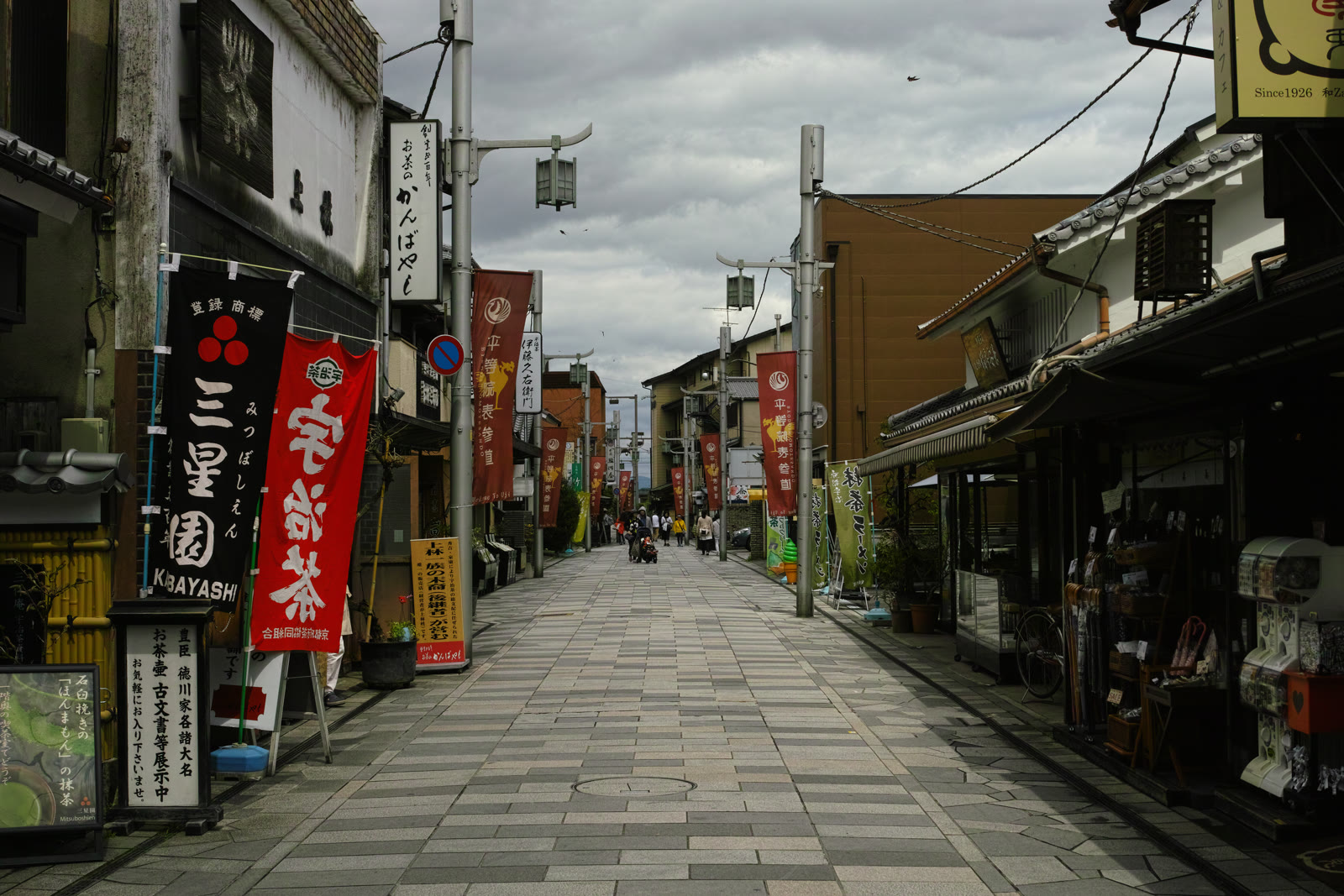
Uji's matcha street
0.3 km · straight line
 Vitalie Ciubotaru (talk) 16:39, 4 March / CC BY-SA 3.0
History · Kyoto★
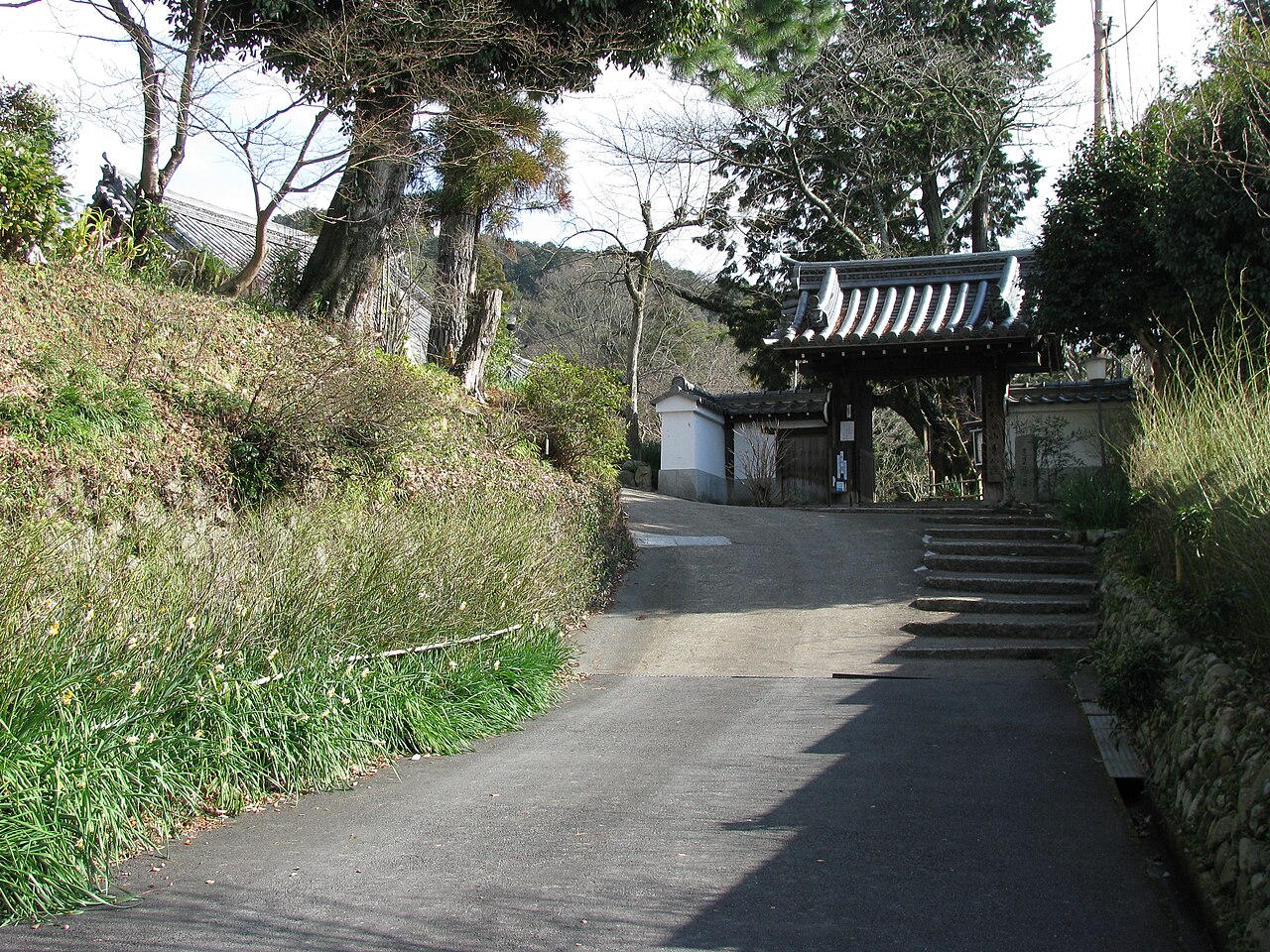
Eshin-in
0.3 km · straight line
 Oilstreet (talk) / CC BY-SA 3.0
History · Kyoto★★★
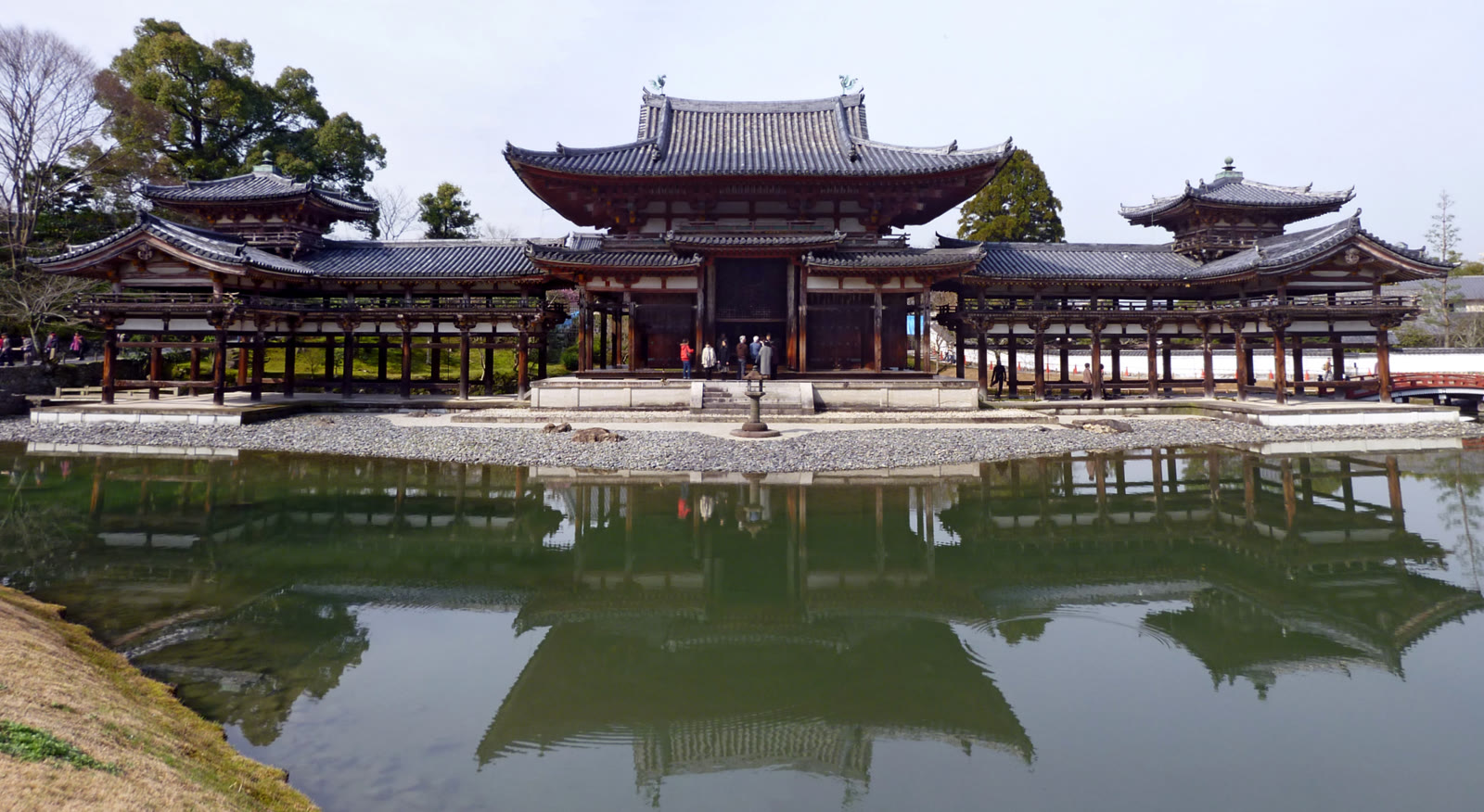
Byodo-in
0.3 km · straight line
 小池 隆 / CC BY 3.0
History · Kyoto★★
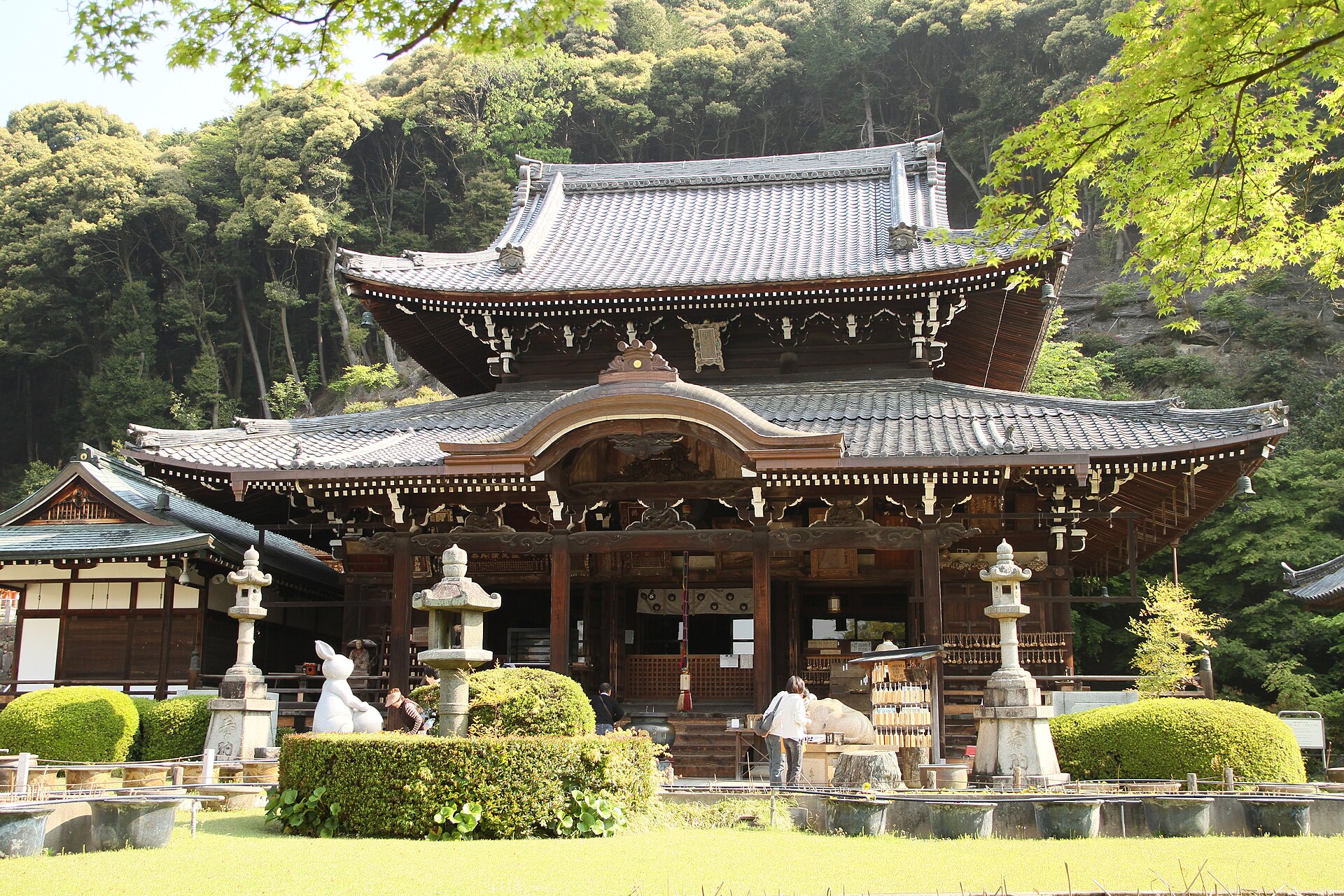
Mimuroto-ji
1.4 km · straight line
On a curated routeTwo Banks and a Canal →
Distances are straight lines on the map, not travel times.