Southeast Kyoto · DaigoNo.218★★★Open in map →
Daigo-ji Temple
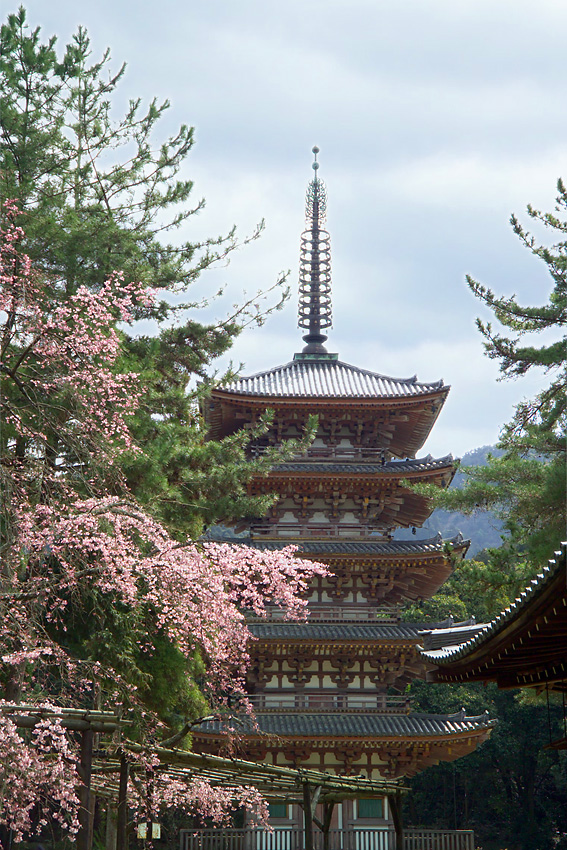
A UNESCO World Heritage temple in the hills south-east of Kyoto, with a five-storey pagoda completed in 951 — the oldest wooden structure in the Kyoto region and one of the finest cherry blossom sites in the city.
- FromKyoto Stn
- ~25 minsubway ~25 min
- Get off atDaigo Station (Tozai Subway Line)
- From there
- Daigo-ji Temple
Where it is
90 more notes in Kyoto · open the map →What to look for — in walking order
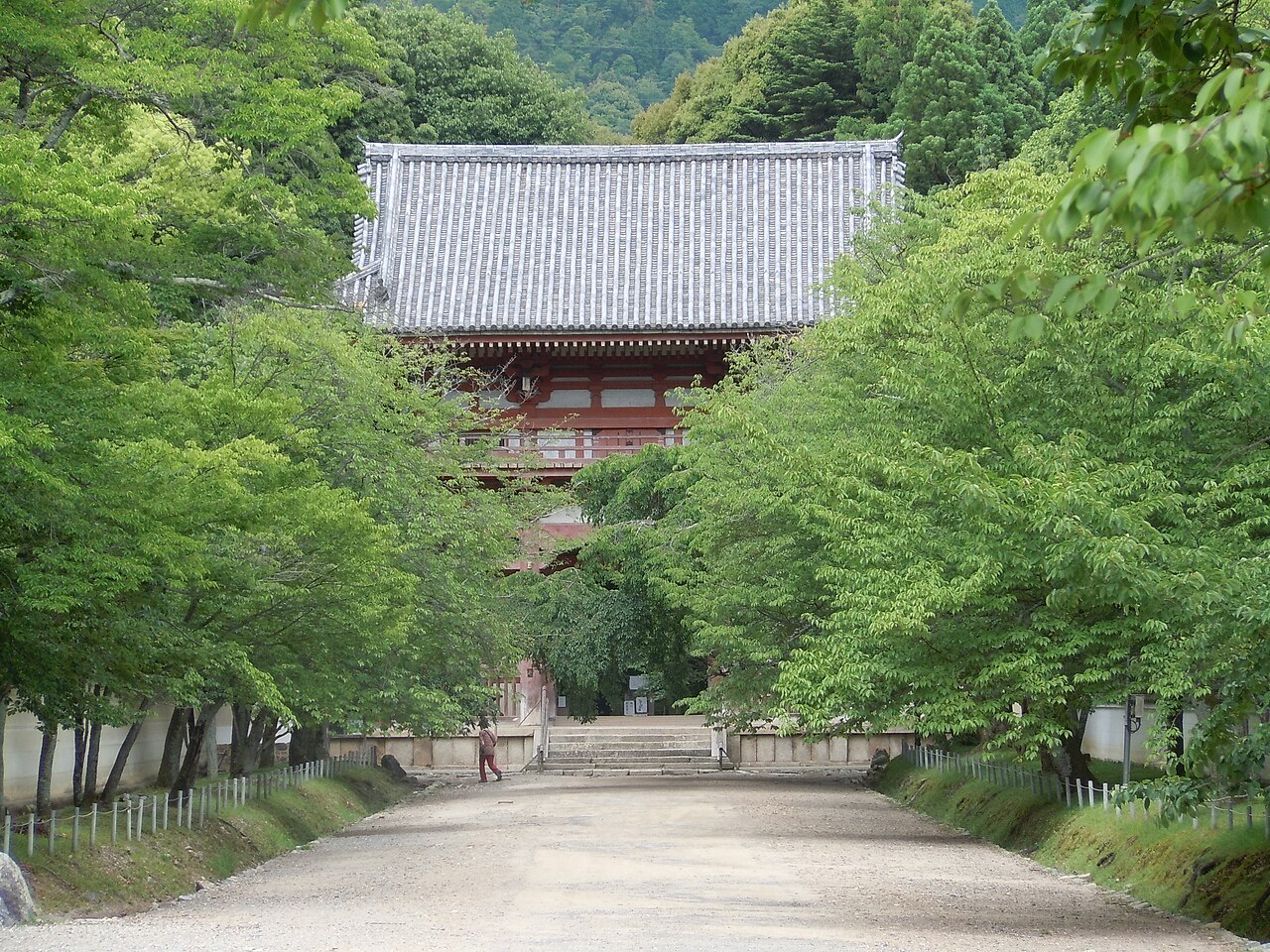
- Niomon Gatethe main entrance gate guarded by two wooden guardian figures
- Five-storey Pagodabuilt in 951, the oldest wooden structure in Kyoto Prefecture; National Treasure
- Sanboin Gardena garden redesigned by Toyotomi Hideyoshi himself in 1598; National Historic Site
- Cherry blossom walkthe stone-paved approach lined with trees in late March and early April
How to actually get there
- Kyoto Station → Karasuma-Oike (Karasuma Subway Line, 1 stop north) → transfer to Tozai Line east → Daigo Station Exit 2. About 25 min.
- Daigo Station Exit 2 → walk north-east about 10 min → Niomon Gate.
- Through the gate → Sanboin Garden → stone approach → Five-storey Pagoda.
- Tozai Subway Line from Kyoto Station
- Kyoto Station → (Karasuma Subway Line north 1 stop to Karasuma-Oike) → (transfer to Tozai Subway Line east, about 15 min, to Daigo Station, Exit 2) → walk north-east about 10 min to the temple gate. Total about 25 min. Trains run frequently.
- Return same route to Kyoto
- Walk back to Daigo Station, take the Tozai Line westbound, transfer at Karasuma-Oike to Karasuma Line south to Kyoto Station. Total about 25 min. Trains run frequently all day.
About the place
Daigo-ji spreads across a hillside in eastern Kyoto, with a lower precinct of grand halls and a steep trail leading to the upper mountain shrines. At its centre stands the five-storey pagoda, built in 951 and unchanged in its exterior since — making it the oldest wooden structure in the Kyoto region. The wide stone approach is lined with cherry trees descended from those Toyotomi Hideyoshi planted in 1598 for his legendary blossom-viewing party, when he invited some 1,300 guests to celebrate the peak of spring. In late March and early April, the blossoms over the pagoda remain one of the most photographed scenes in Kyoto.
How to enjoy it
The Shimo-Daigo (lower precinct) with the pagoda is open year-round; admission covers the pagoda grounds and Sanboin. In late March and early April the cherry blossoms along the approach are among the finest in Kyoto. The Kami-Daigo (upper precinct) requires a longer steep walk up the hill and is a separate experience best suited to those who want a quieter, more physical visit.
Background & history
Daigo-ji was founded in 874 by the monk Shobo, who received a revelation on this hill and began building a complex that would eventually spread across the hillside. The five-storey pagoda, completed in 951 during the reign of Emperor Murakami, is the oldest surviving wooden structure in Kyoto Prefecture. The temple became closely associated with Toyotomi Hideyoshi, the warlord who unified Japan in the late sixteenth century; in 1598, just months before his death, he held an elaborate cherry-blossom viewing party here, planting some 700 trees to mark the occasion. The temple holds the UNESCO World Heritage designation as part of the Historic Monuments of Ancient Kyoto.
Before you go
- Cash
- IC cards (ICOCA, Suica) on the subway. Temple admission is paid at the gate; current fees at daigoji.or.jp (combined tickets for Shimo-Daigo precinct available).
- Good to know
- The Kami-Daigo upper precinct involves a steep 1-hour climb each way; wear proper shoes if going up. Peak cherry blossom (late March to early April) is very crowded.
- Another way
- Kyoto City Bus or Keihan Bus routes also serve the Daigoji-mae stop near the temple, if the subway is not convenient.
- After you get off
- From Daigo Station Exit 2, walk north-east about 10 minutes along a paved road to reach the Niomon Gate of Daigo-ji.
Nearby notes
 Gryffindor / CC BY-SA 4.0
Craft · Kyoto★★★
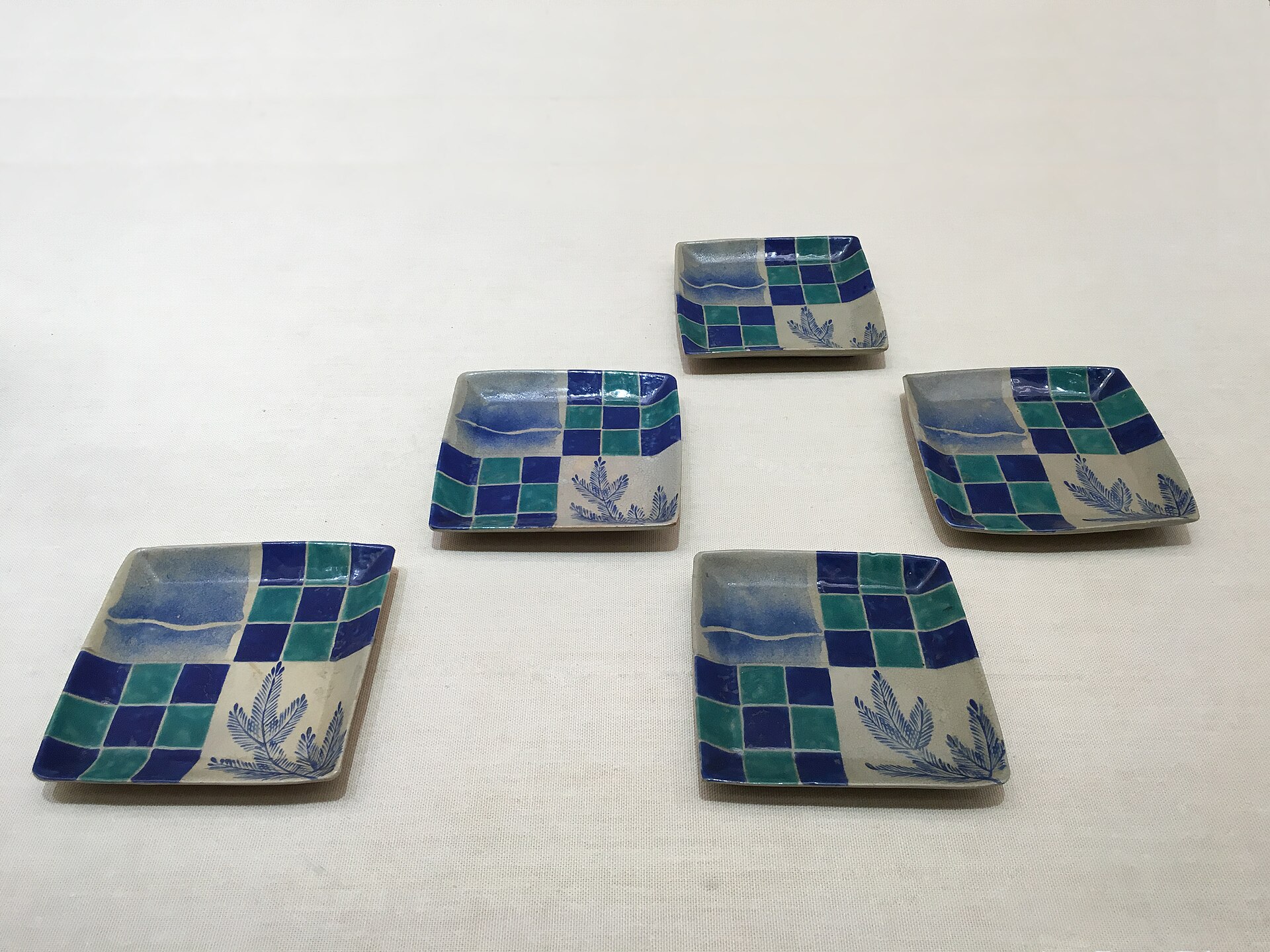
Kyo-yaki and Kiyomizu-yaki
3.9 km · straight line
 Balon Greyjoy / CC0
History · Kyoto★★★
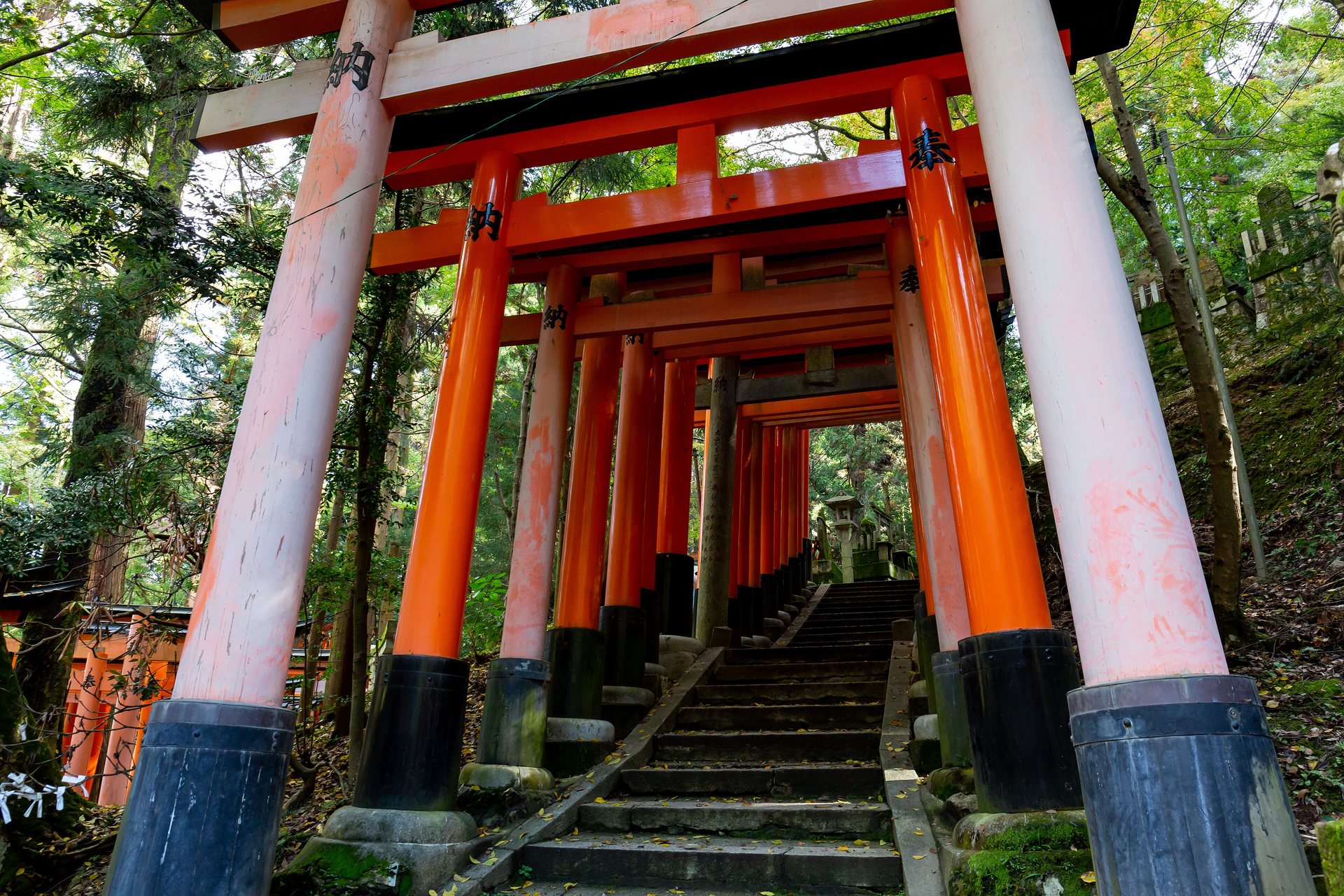
Fushimi Inari Taisha
4.9 km · straight line
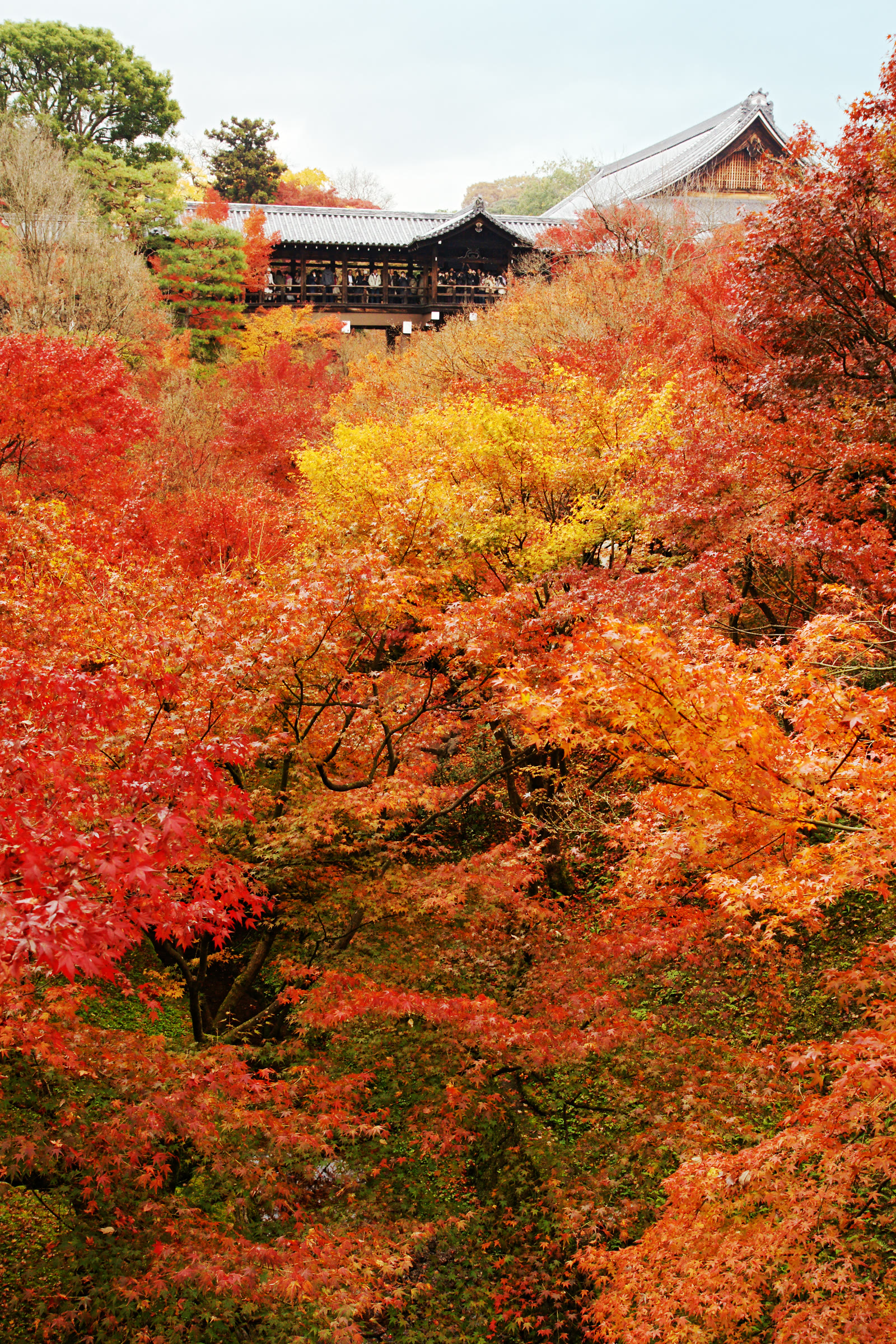 663highland / CC BY 2.5
History · Kyoto★★★
Tofuku-ji
5.1 km · straight line
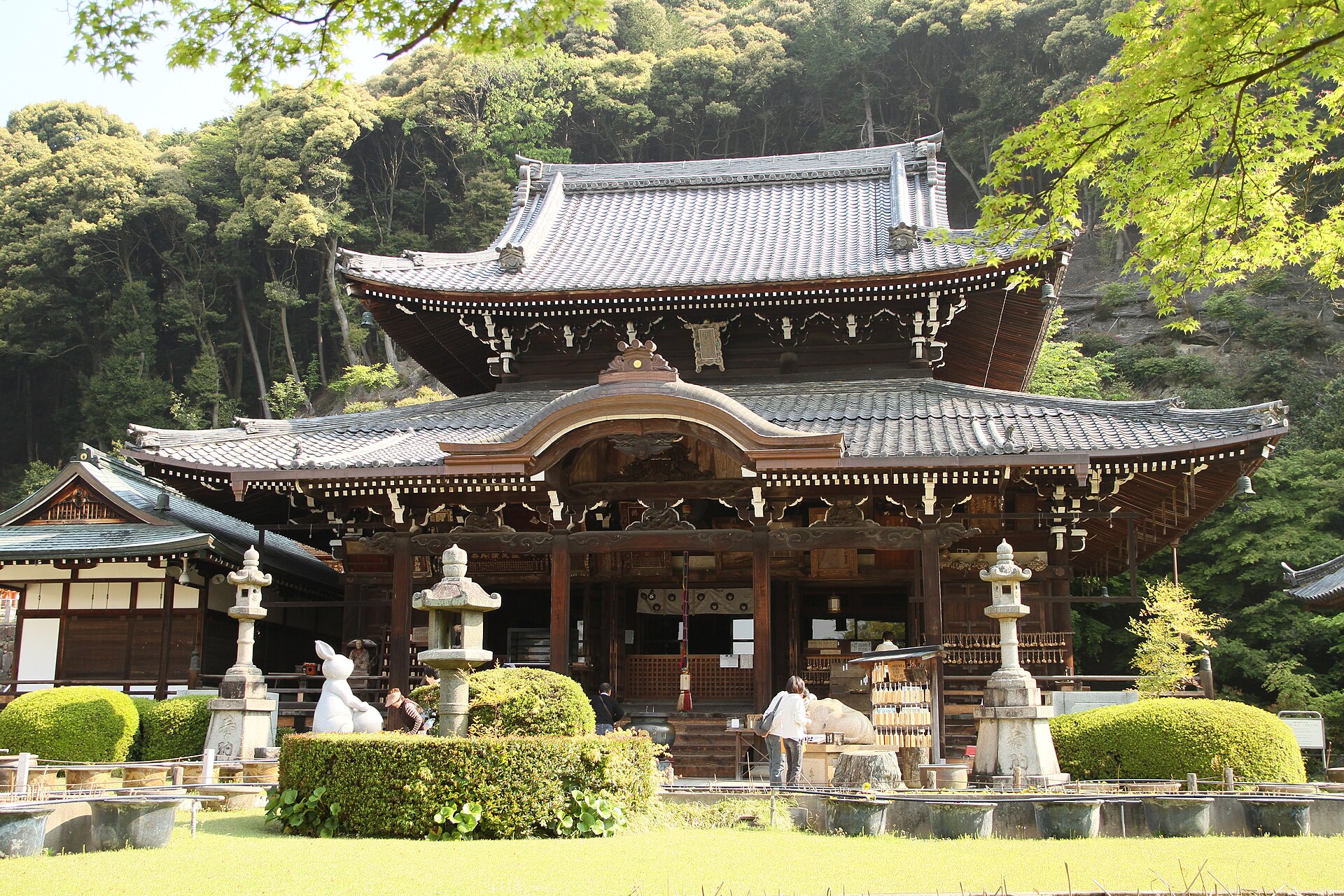 小池 隆 / CC BY 3.0
History · Kyoto★★
Mimuroto-ji
5.8 km · straight line
Distances are straight lines on the map, not travel times.