South Kyoto · HigashiyamaNo.178★★★Open in map →
Tofuku-ji
— a Zen temple over a maple ravine
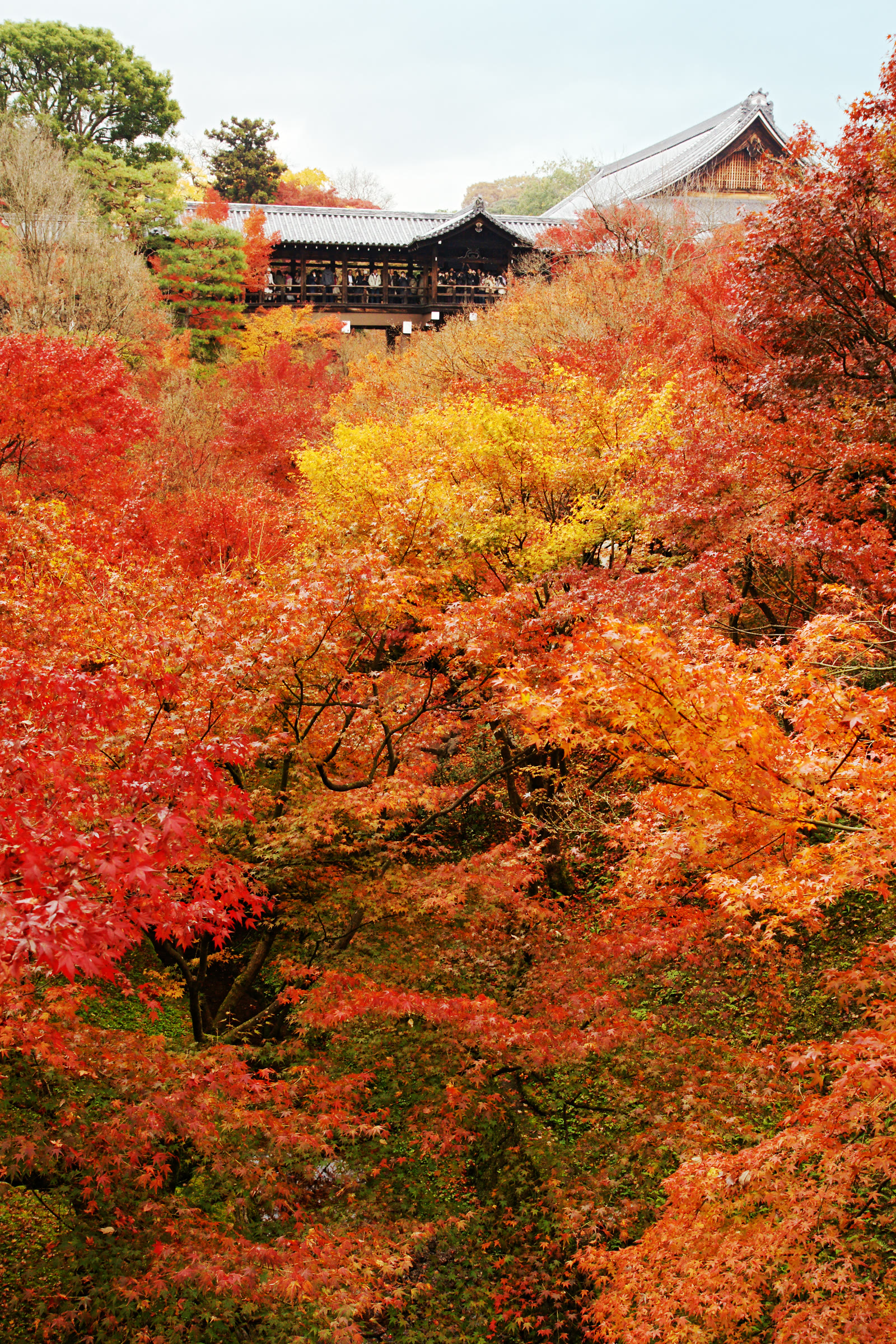
One of Kyoto's Five Great Zen temples, founded in 1236. The covered wooden Tsutenkyo Bridge spans a steep ravine filled with around 2,000 Japanese maple trees — the sight that draws visitors from across Japan each November.
- FromKyoto Stn
- ~10 minJR / Keihan (frequent)
- Get off atTofukuji Station (JR Nara Line / Keihan Main Line)
- On foot
- Tofuku-ji
Where it is
90 more notes in Kyoto · open the map →What to look for — in walking order
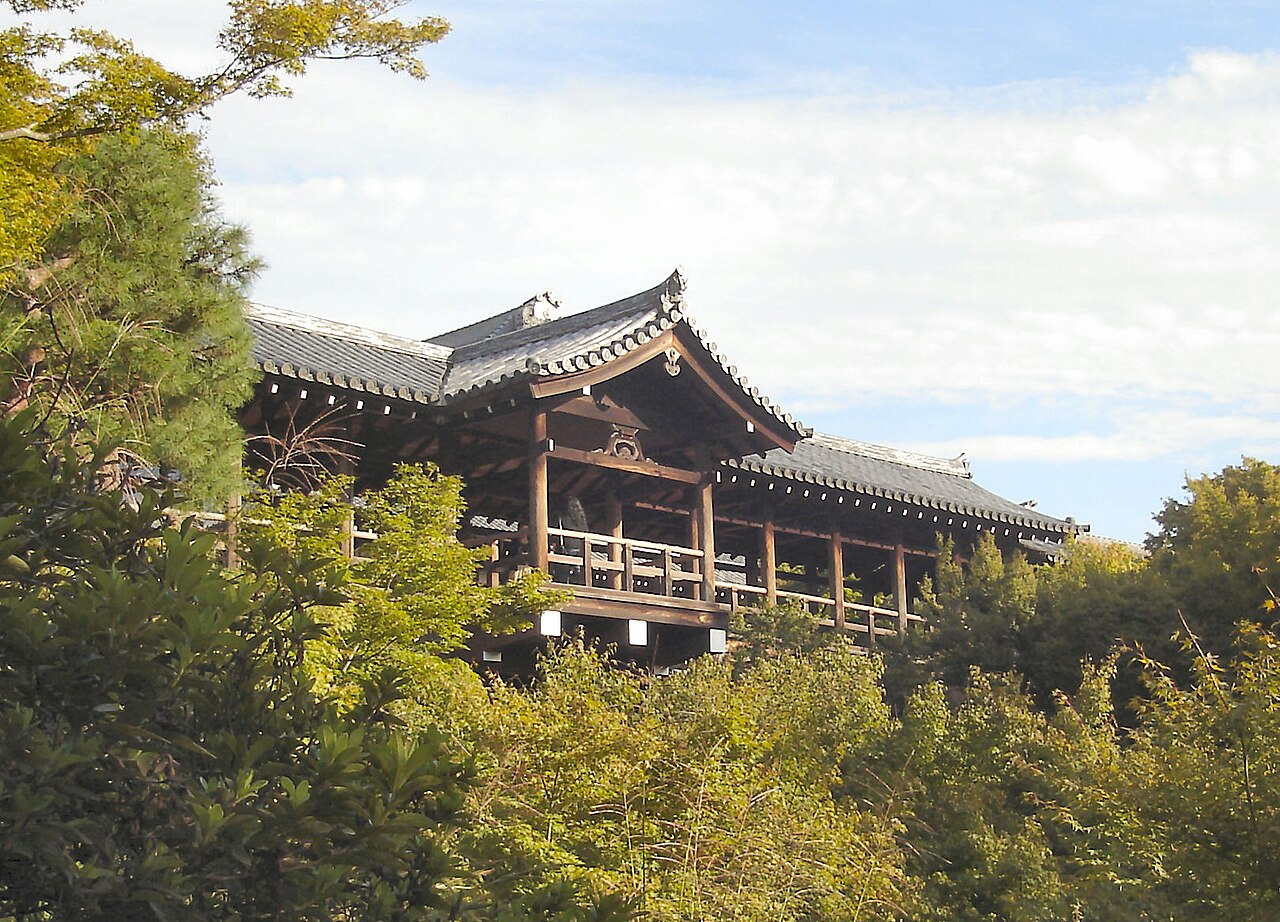
- Tsutenkyo Bridgethe covered wooden corridor bridge spanning the ravine — the primary vantage point for the autumn maple display
- Sengoku-en ravinethe steep maple-filled gorge below and around Tsutenkyo; accessible from both the bridge and the Garyuo Bridge (Garyuro) at the far end
- Hojo gardens (four sides)Mirei Shigemori's 1939 redesign surrounds the abbot's quarters with four distinct karesansui gardens, including the famous checkerboard moss-and-stone north garden
- Main Hall (Hondo)one of the oldest surviving Zen main halls in Japan, housing a large seated Buddha figure
How to actually get there
- Kyoto Station → Tofukuji Station (JR Nara Line local train, ~3 min, 1 stop).
- From the station, walk south then east for about 10 minutes to the temple main gate.
- Enter, walk through the grounds to Tsutenkyo Bridge, and cross it for the ravine view; then visit the Hojo gardens on the return.
- Kyoto Station → Tofukuji Station (JR Nara Line)
- From Kyoto Station (JR Nara Line platform, track 8–10 area), take a local JR Nara Line train — 1 stop, about 3 minutes — to Tofukuji Station. From the JR exit, follow signs south and then east along the road for about 10 minutes to the temple gate. (Keihan Railway also stops at Tofukuji Station on the Keihan Main Line: from Gion-Shijo or Sanjo, take the Keihan Main Line to Tofukuji, also about 10 minutes' walk to the gate.)
- Return from Tofukuji Station any time
- Walk back to Tofukuji Station (about 10 minutes). Take the JR Nara Line back to Kyoto Station (1 stop, ~3 min) or the Keihan Main Line onward to Gion-Shijo or Sanjo. During the autumn foliage peak, trains from Kyoto Station fill up in the morning — the return journey in the afternoon is usually easier.
About the place
Tofuku-ji was founded in 1236 by the imperial regent Kujo Michiie, who commissioned the monk Enni to establish a temple that would rival the great temples of Nara and Kamakura. The name itself draws characters from Todai-ji (東大寺) and Kofuku-ji (興福寺) in Nara as a deliberate statement of ambition. The complex covers over 25 hectares and once included 49 sub-temples, many of which still operate. The ravine garden Sengoku-en, crossed by the Tsutenkyo Bridge, is the centrepiece — its name, 'Washing Jewel Ravine', refers to the stream below. Each autumn, the roughly 2,000 maples planted across the ravine slopes create one of the most photographed seasonal scenes in Kyoto. The temple's modern gardens, redesigned in 1939 by landscape architect Mirei Shigemori around the main Hojo hall, are considered a milestone in 20th-century Japanese garden design.
How to enjoy it
The Tsutenkyo Bridge and Kaisan-do garden area requires admission (600 yen, rising to 1,000 yen in the peak mid-November to early December foliage season). The Hojo gardens are priced separately (500 yen; combined 1,000 yen outside peak). The temple opens at 9:00 (8:30 in November), closes at 16:30 (last entry 16:00). In the foliage peak, the bridge viewing platform becomes extremely crowded from mid-morning through the afternoon — arriving at 9:00 opening time allows you to see the maple colours at their richest with the fewest people. Outside autumn, the Hojo gardens are generally uncrowded and offer a very different, more contemplative visit.
Background & history
Construction of Tofuku-ji began in 1236 under the patronage of Kujo Michiie. The temple took 19 years to complete and its main hall was then one of the largest in Japan. Much of the original complex was destroyed in fires over subsequent centuries; the current main structures date largely from the Muromachi period (14th–15th century). The Hondo (main hall) is one of the oldest surviving Zen temple halls in Japan. The modern karesansui (dry rock) gardens in the Hojo courtyard were created by Mirei Shigemori in 1939 and are designated a Place of Scenic Beauty.
Before you go
- Cash
- Tsutenkyo Bridge area (includes Kaisan-do): 600 yen (1,000 yen Nov 15–Dec 7 foliage peak). Hojo gardens: 500 yen (same price year-round). Combined 1,000 yen outside peak. JR and Keihan accept IC cards (ICOCA, Suica, PiTaPa).
- Good to know
- During the foliage peak (mid-November to early December), the bridge area can become dangerously crowded by mid-morning. Arrive at opening (8:30 in November) for the best experience. The upper trail can be slippery after rain.
- Another way
- From Fushimi Inari (Inari Station), take the JR Nara Line one stop north to Tofukuji Station. Combined with Fushimi Inari early morning, Tofukuji makes a logical same-day pairing.
- After you get off
- From Tofukuji Station (JR or Keihan exit), walk south then follow the road east for about 10 minutes — the temple's large main gate (Sanmon) marks the entrance.
Nearby notes
 Balon Greyjoy / CC0
History · Kyoto★★★
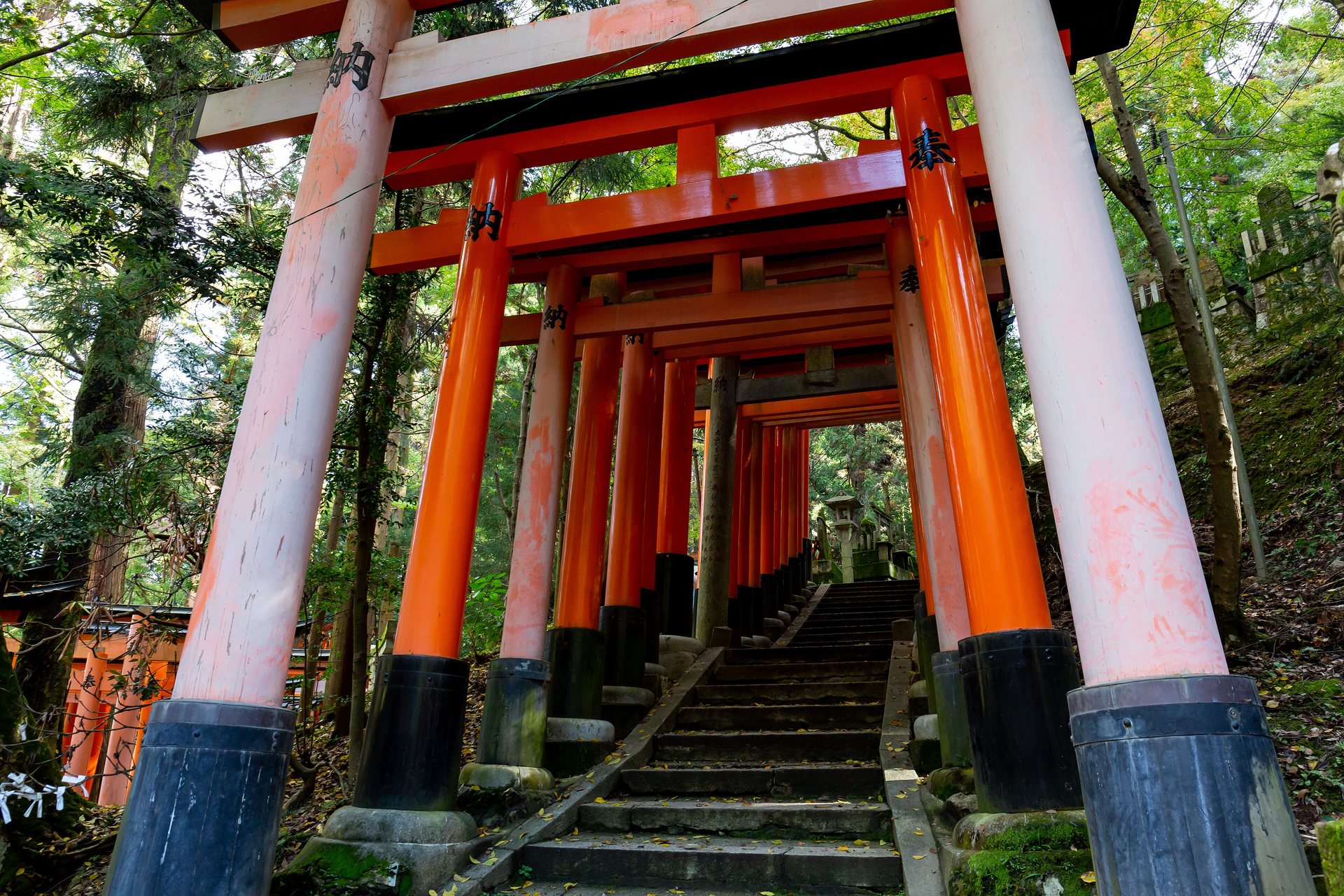
Fushimi Inari Taisha
0.9 km · straight line
 Bamse / CC BY-SA 3.0
History · Kyoto★★★
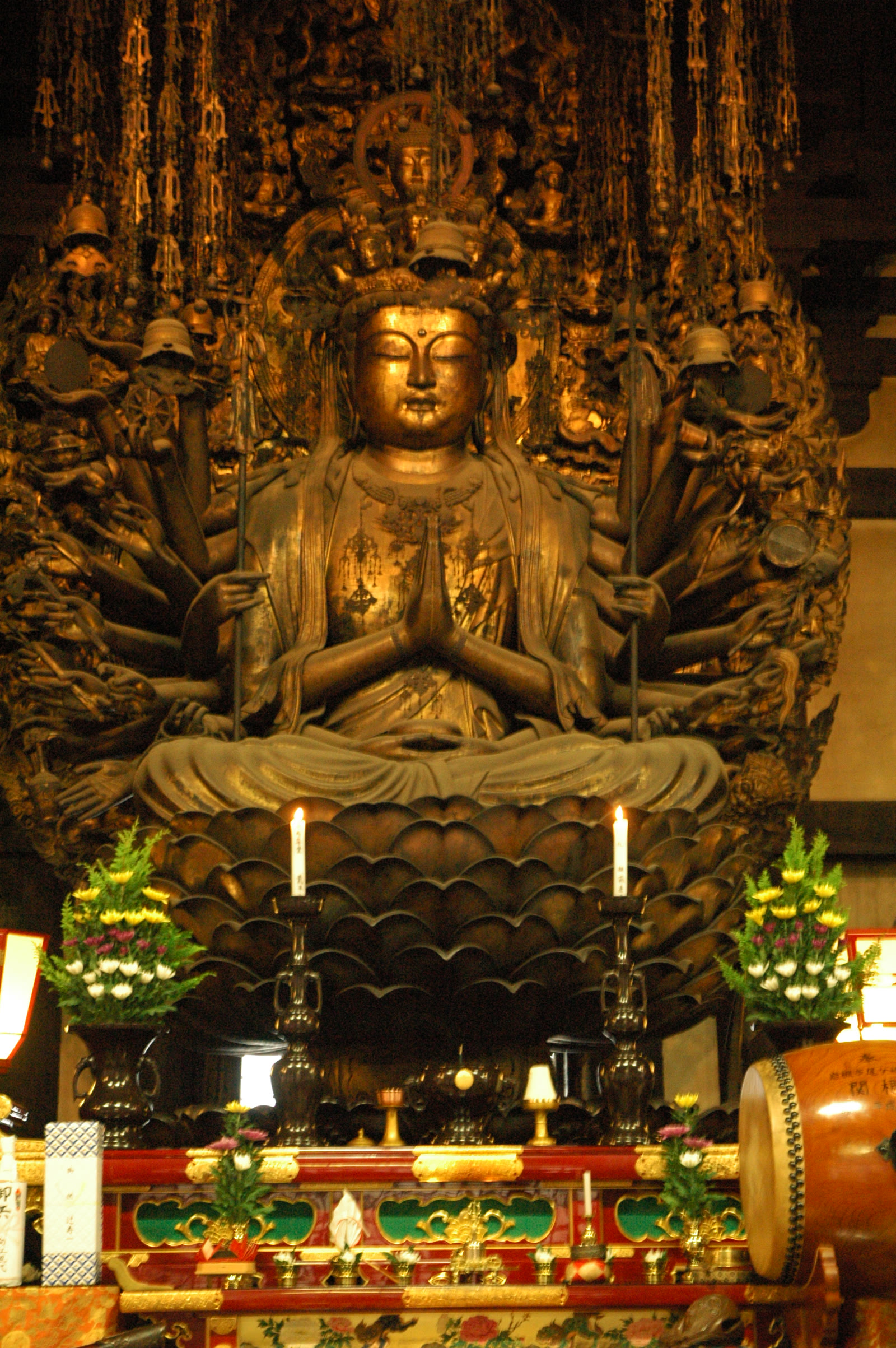
Sanjusangendo
1.4 km · straight line
 663highland / CC BY-SA 4.0
Culture · Kyoto★★
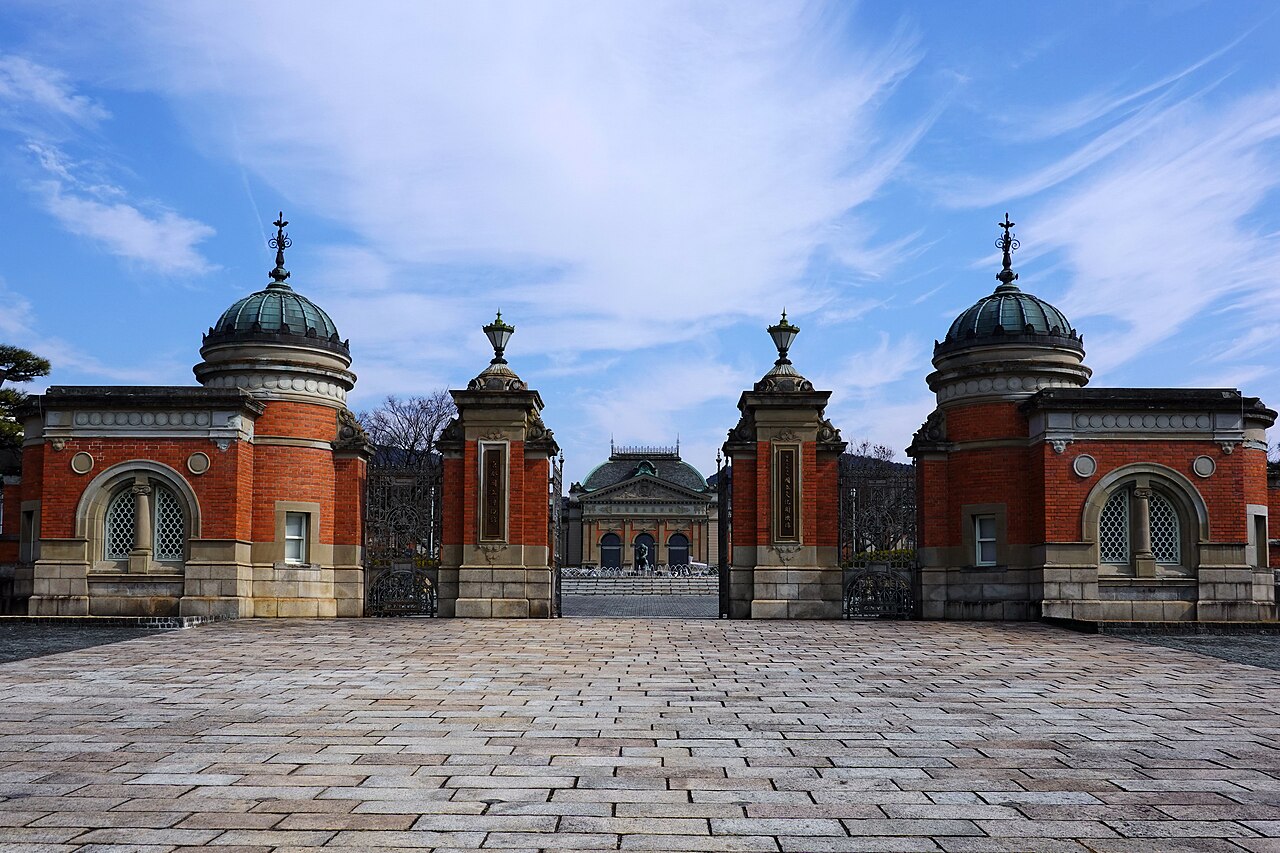
Kyoto National Museum
1.5 km · straight line
 663highland / CC BY-SA 4.0
Culture · Kyoto★★
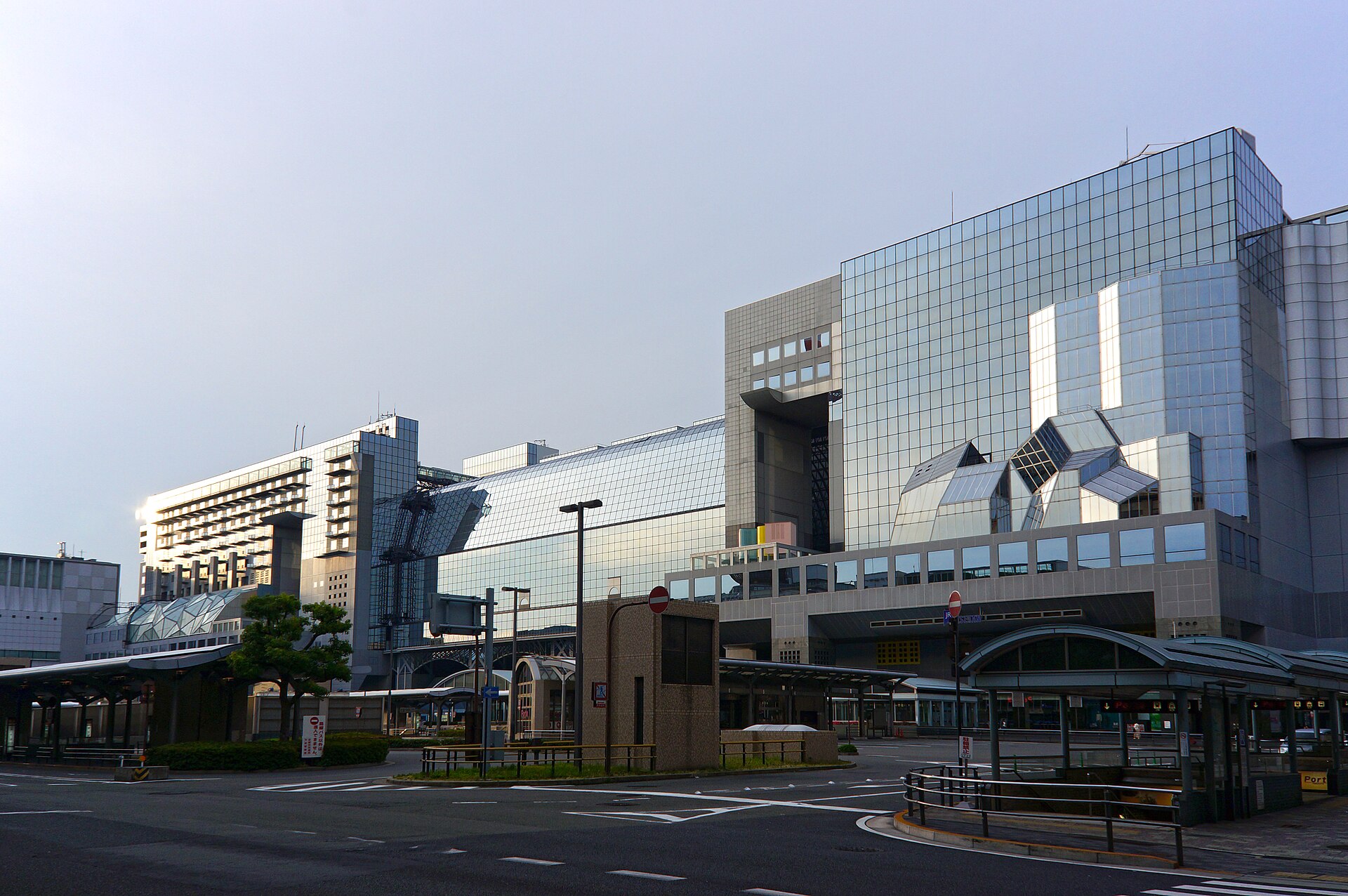
Kyoto Station Building
1.8 km · straight line
Distances are straight lines on the map, not travel times.