Kyoto · HigashiyamaNo.204★★★Open in map →
Sanjusangendo
— the hall of 1,001 golden Kannon
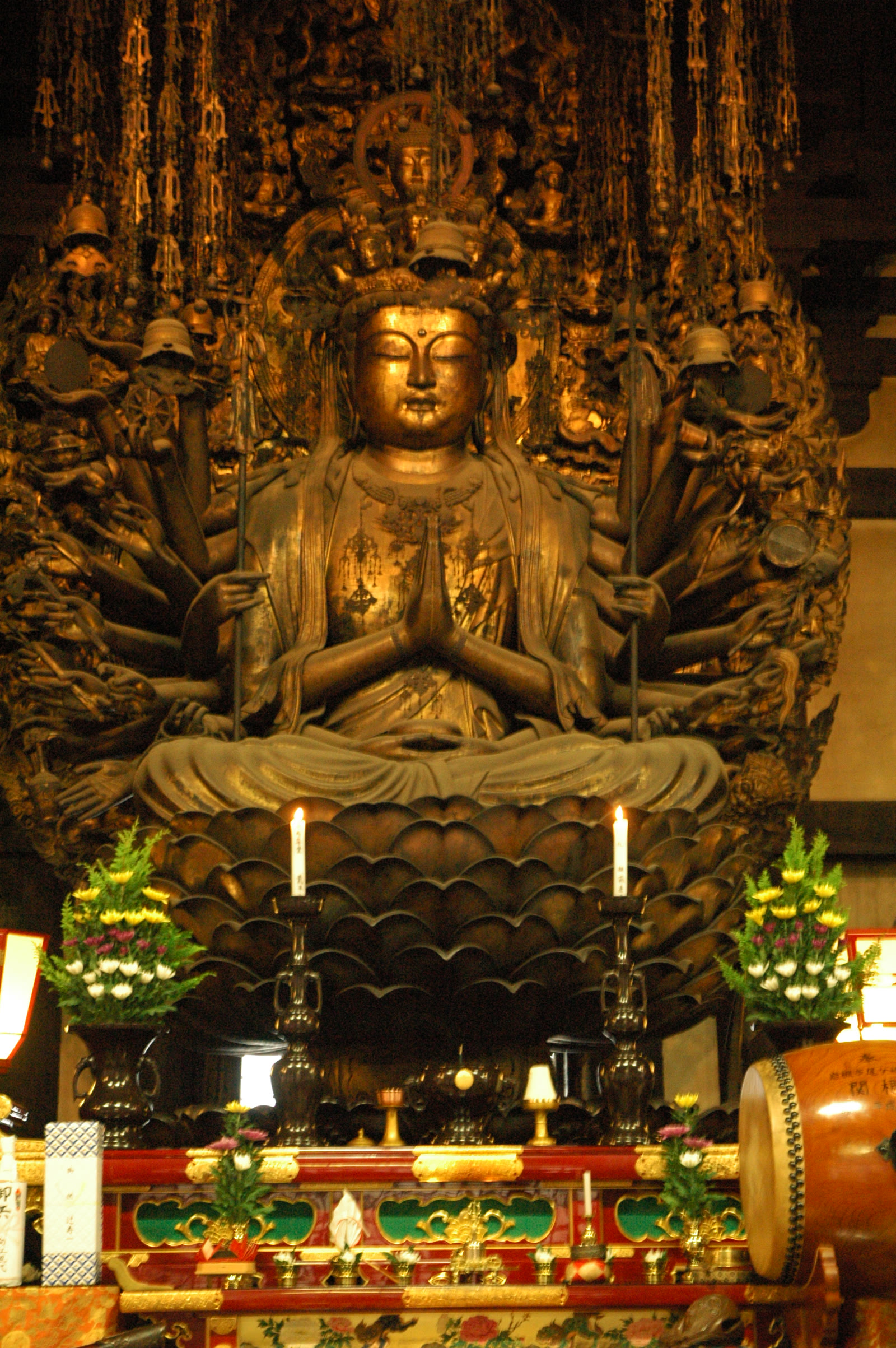
A Buddhist temple hall in Higashiyama, Kyoto, officially called Rengeo-in. The hondo — 125 metres long and a National Treasure — shelters 1,001 gilded statues of Senju Kannon (Thousand-Armed Kannon), plus 28 guardian figures carved in the 13th century.
- FromKyoto Stn
- ~10 mincity bus (~10 min)
- Get off atHakubutsukan-Sanjusangendo-mae Bus Stop (City Bus 100/206/208)
- From there
- Sanjusangendo
Where it is
90 more notes in Kyoto · open the map →What to look for — in walking order
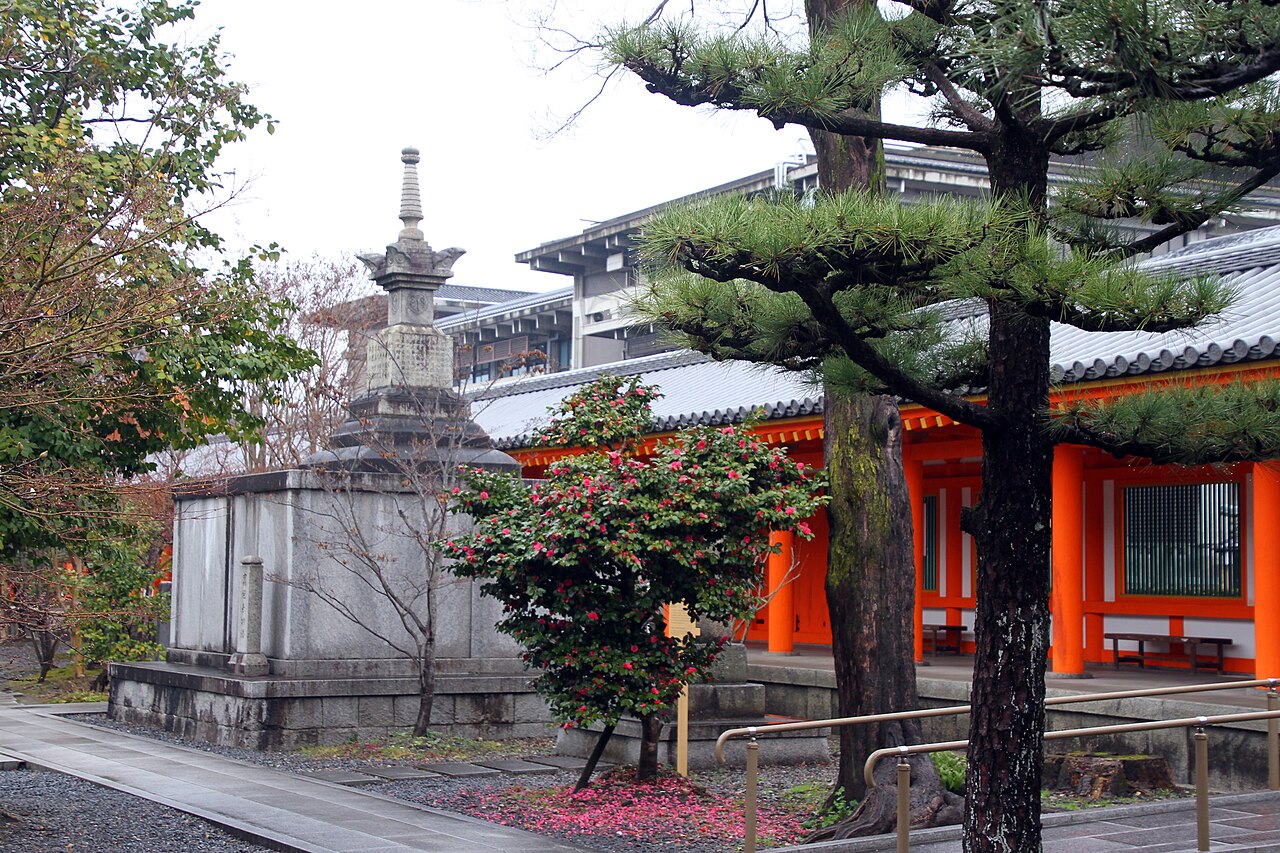
- Main hall veranda (outer)the long covered veranda on the west side; site of the January Toshiya archery competition
- 1,001 Senju Kannon statuesthe full length of gilded figures, walked from one end of the hall to the other
- 28 guardian deities (Nijuhachi Bushu)individual attendant figures standing in front of the Kannon rows; expressions and poses vary throughout
- Central Senju Kannon by Tankei (1254)the large seated figure at the hall's midpoint, a National Treasure carved by the master sculptor Tankei
How to actually get there
- Kyoto Station Bus Terminal (D2/D3 platform) → Hakubutsukan-Sanjusangendo-mae (City Bus 100/206/208, ~10 min, 230 yen).
- Walk ~1 min to the temple gate.
- Walk the full 125-metre length of the hall, past all 1,001 statues.
- Kyoto Stn → Hakubutsukan-Sanjusangendo-mae (city bus)
- From Kyoto Station Bus Terminal (D2 or D3 platform on the Karasuma exit side), take City Bus No. 100, 206, or 208 and get off at Hakubutsukan-Sanjusangendo-mae bus stop (about 10 minutes, 230 yen). The temple gate is about a 1-minute walk from the stop. Buses run every few minutes through the day.
- Same bus back to Kyoto Station
- Take City Bus 100, 206, or 208 from the same stop back to Kyoto Station — about 10 minutes, very frequent. No booking needed. Alternatively, if you walk about 7 minutes west, Keihan Shichijo Station connects to Gion and Osaka.
About the place
The main hall is the longest wooden structure in Japan: 125 metres from end to end, divided into 33 bays — sanjusan means 'thirty-three' — and containing a world that takes time to absorb. Down the length of the hall stand 1,000 life-size gilded statues of Senju Kannon, arranged in ten rows on either side of a central seated figure carved by Tankei in 1254. Twenty-eight attendant deities stand in front of the rows: figures of wind, thunder, and other forces rendered in extraordinary detail. The statues are ranked as National Treasures; the hall itself is a National Treasure. No photography is permitted inside the hall.
How to enjoy it
Go when the hall opens (8:30 April to November 15; 9:00 November 16 to March). Walk the entire length of the hall — the experience is cumulative and rushing shortens it. No photography is allowed inside. Admission is 600 yen for adults. The hall is close to Kyoto Station by bus (about 10 minutes on buses 100, 206, or 208) and pairs well with a visit to the Kyoto National Museum, directly opposite.
Background & history
The temple was founded in 1164 by the warrior lord Taira no Kiyomori at the request of the cloistered Emperor Go-Shirakawa, on a site that was then part of a large retired-emperor's palace complex. The original hall burned in 1249 and was rebuilt, completed in 1266. Despite fires, earthquakes, and the passing of seven and a half centuries, the rebuilt hall and the great majority of its statues have survived to the present day. Each January, the temple hosts a traditional archery competition called Toshiya, in which archers shoot the full length of the hall's veranda.
Before you go
- Cash
- Admission: 600 yen for adults, 400 yen for middle and high school students, 300 yen for children. Cash only — IC cards are not accepted at the gate. Buses from Kyoto Station accept IC cards (Suica, ICOCA, etc.). Bus fare is 230 yen.
- Good to know
- Open year-round. April 1 to November 15: 8:30–17:00; November 16 to March 31: 9:00–16:00 (last admission 30 min before closing). Not exceptionally crowded but can be busy on weekends and during school trip season (spring and autumn).
- Another way
- Keihan Shichijo Station (exit 2) is about a 7-minute walk west of the temple and connects to Osaka (Yodoyabashi) and northern Kyoto (Gion-Shijo, Sanjo). A useful option if continuing to or from those areas.
- After you get off
- Hakubutsukan-Sanjusangendo-mae bus stop is on Shichijo-dori just north of the temple, about a 1-minute walk from the gate.
Nearby notes
 663highland / CC BY-SA 4.0
Culture · Kyoto★★
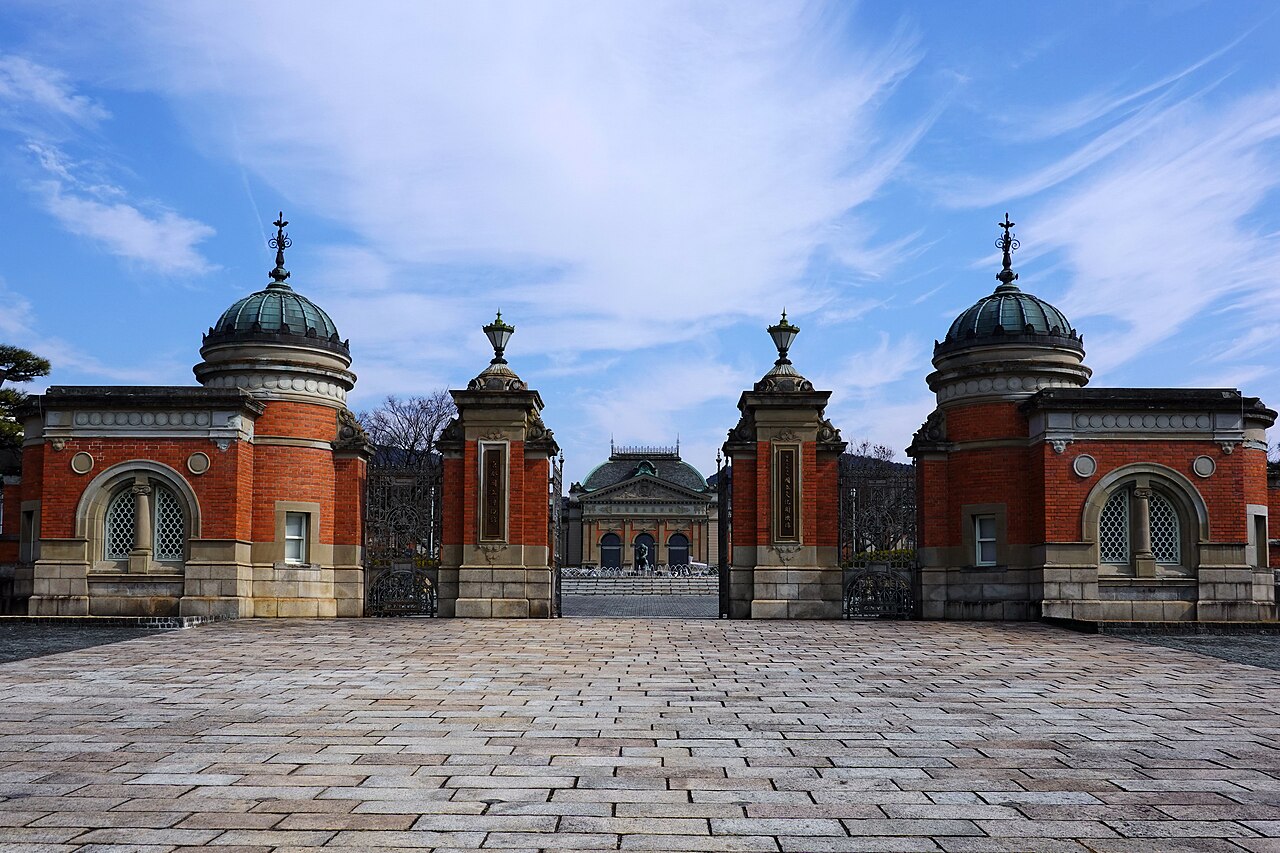
Kyoto National Museum
0.2 km · straight line
 Basile Morin / CC BY-SA 4.0
History · Kyoto★★★
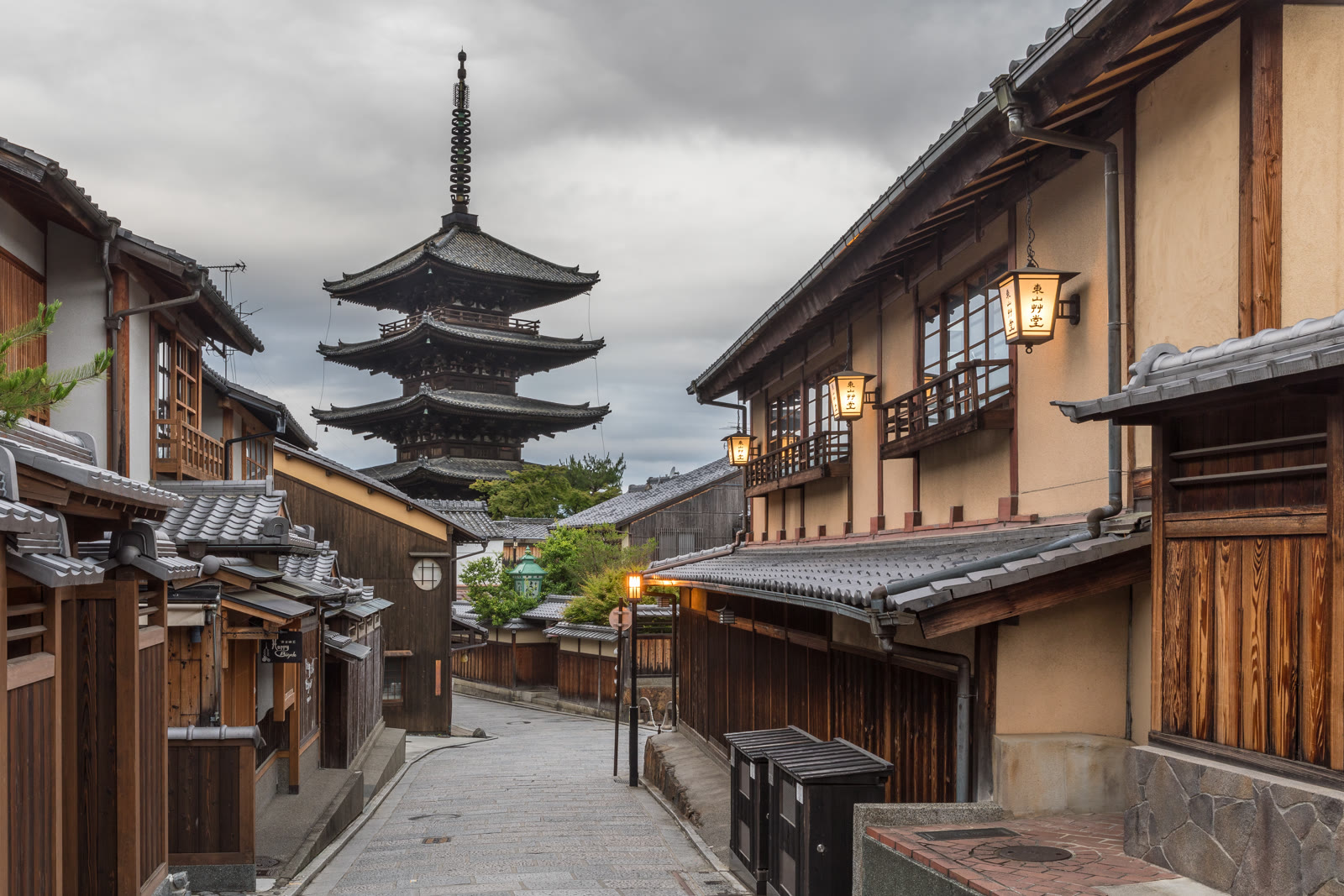
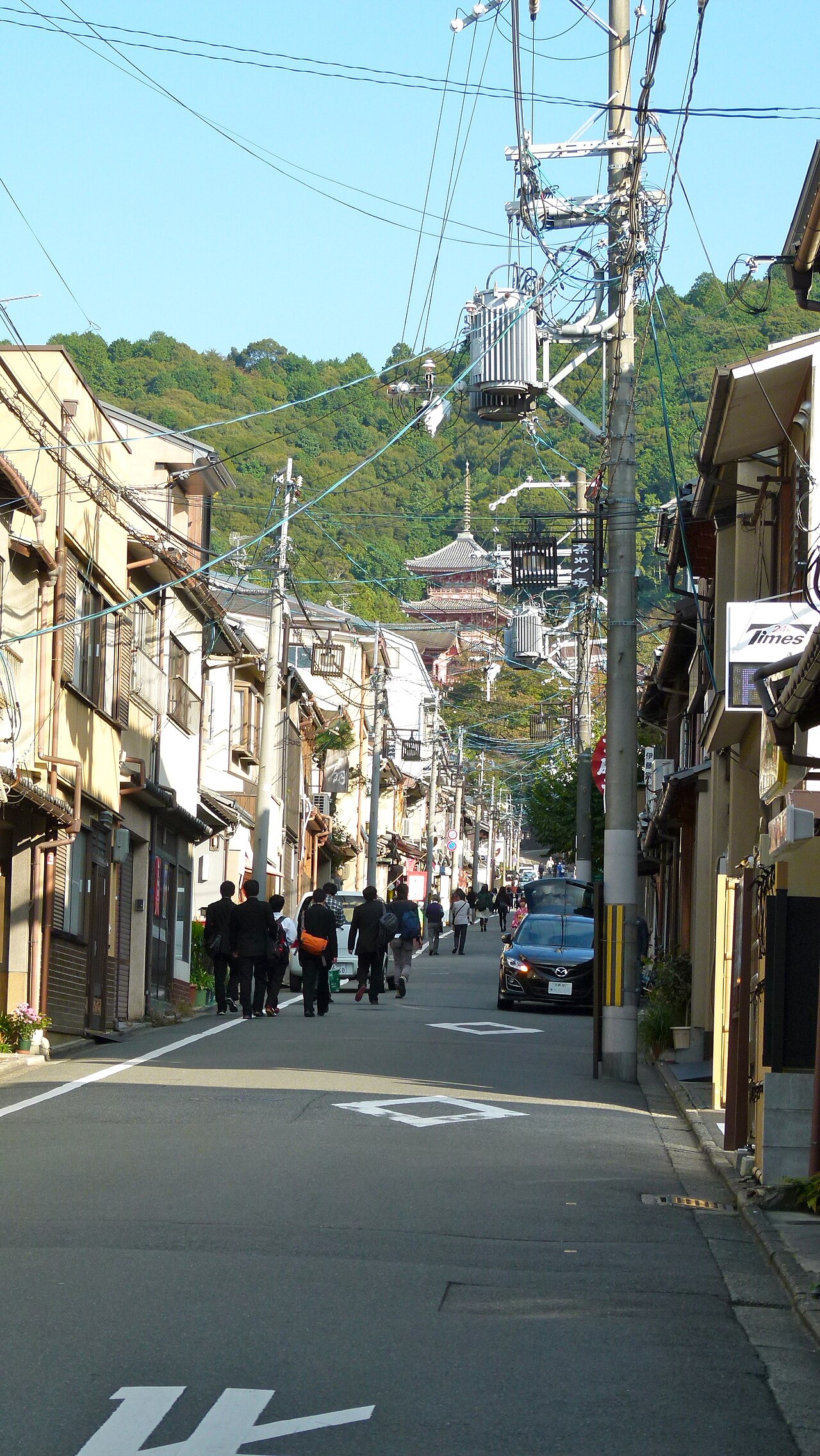
The Yasaka Pagoda
1.3 km · straight line
 CoCreatr / CC BY-SA 2.0
History · Kyoto★★★
Kiyomizu-dera
1.3 km · straight line
 Zairon / CC BY-SA 4.0
History · Kyoto★
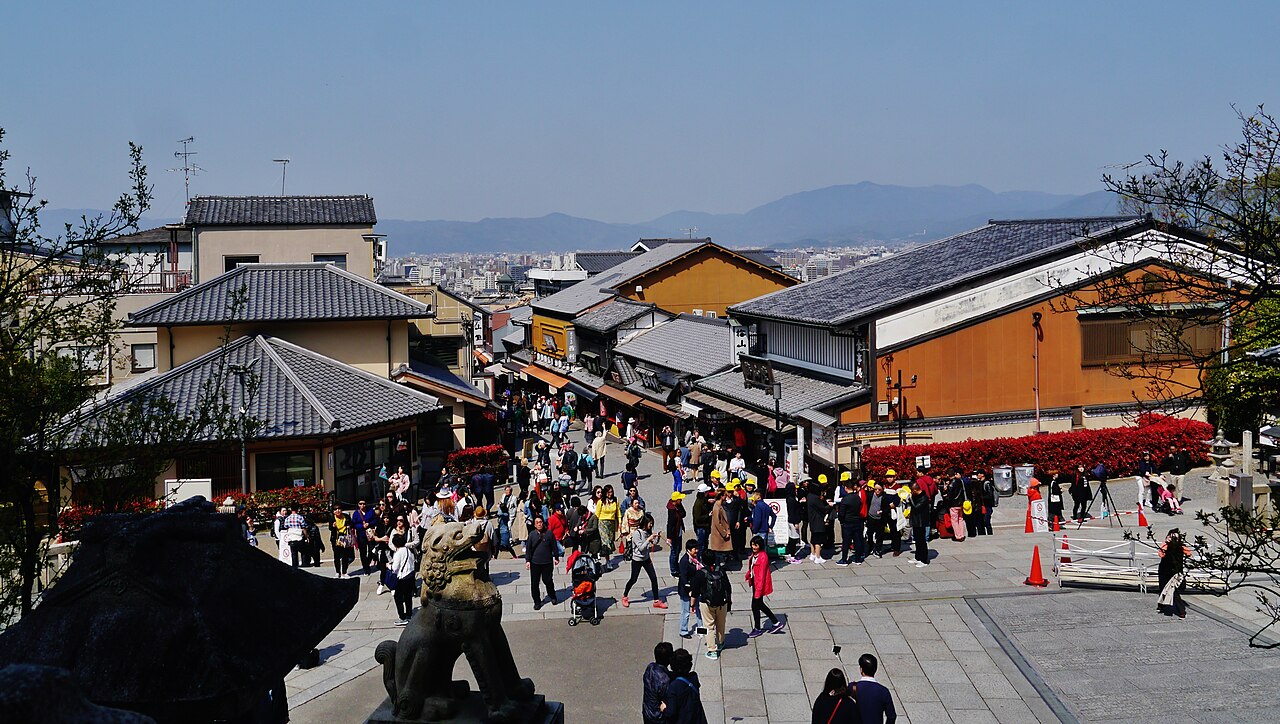
Sannenzaka and Ninenzaka
1.3 km · straight line
Distances are straight lines on the map, not travel times.