East Kyoto · HigashiyamaNo.122★★★Open in map →
Kiyomizu-dera
— Kyoto's cliffside temple and its wooden stage
A UNESCO World Heritage temple in the Higashiyama hills, famous for the broad wooden stage that juts out over a wooded slope. The approach on foot, up the old pottery lanes, is part of the experience.
- FromKyoto Stn
- ~25-30 minbus (frequent)
- Get off atGojozaka bus stop
- On foot
- Kiyomizu-dera
Where it is
90 more notes in Kyoto · open the map →What to look for — in walking order
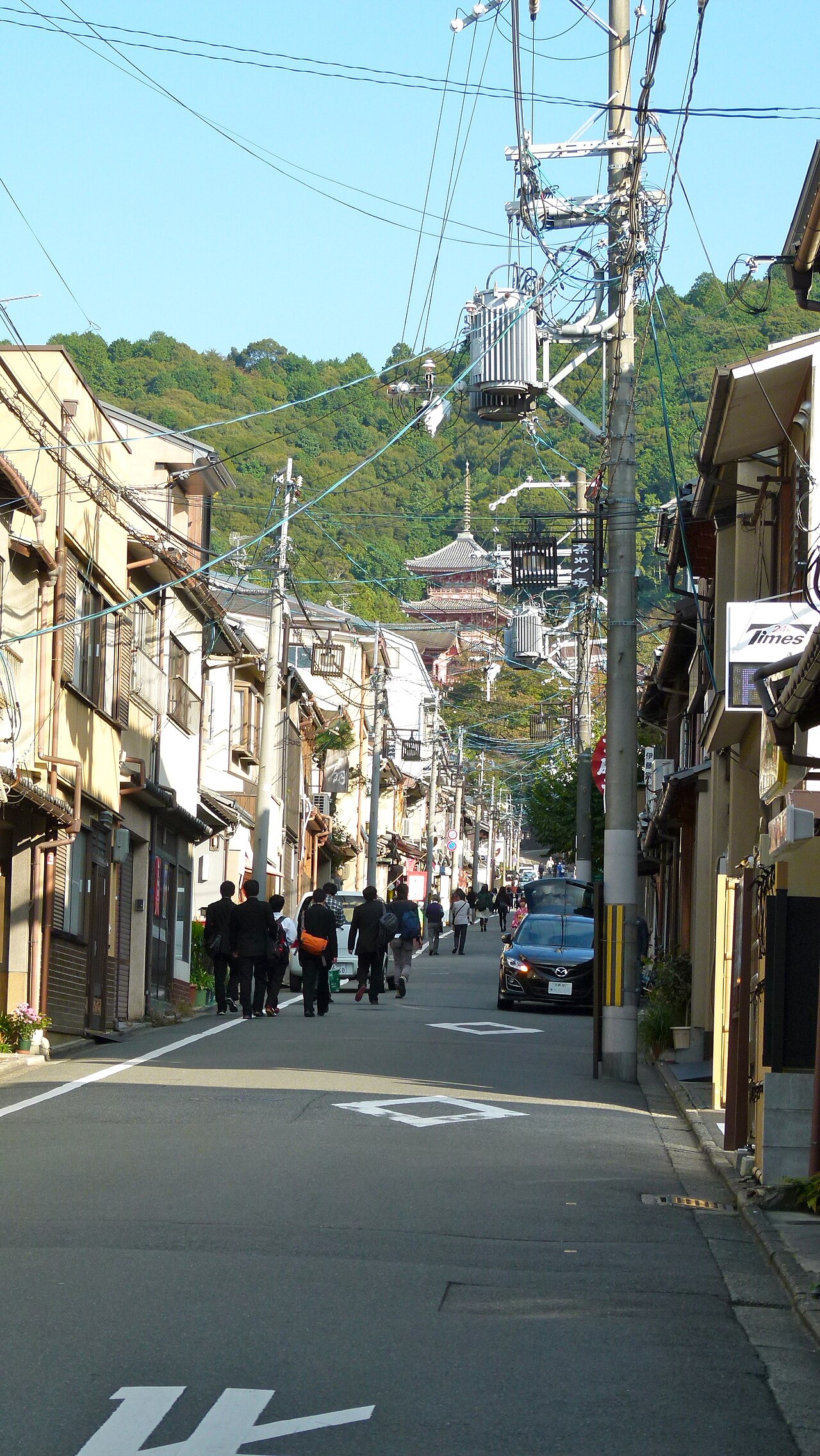
- Chawanzaka pottery lanethe old approach lined with Kiyomizu-yaki ceramic shops, leading up to the gate
- The wooden stagethe main hall's platform, projecting about 13 metres out over the hillside
- Nail-free joinerytall wooden pillars and beams locked together with traditional carpentry instead of nails
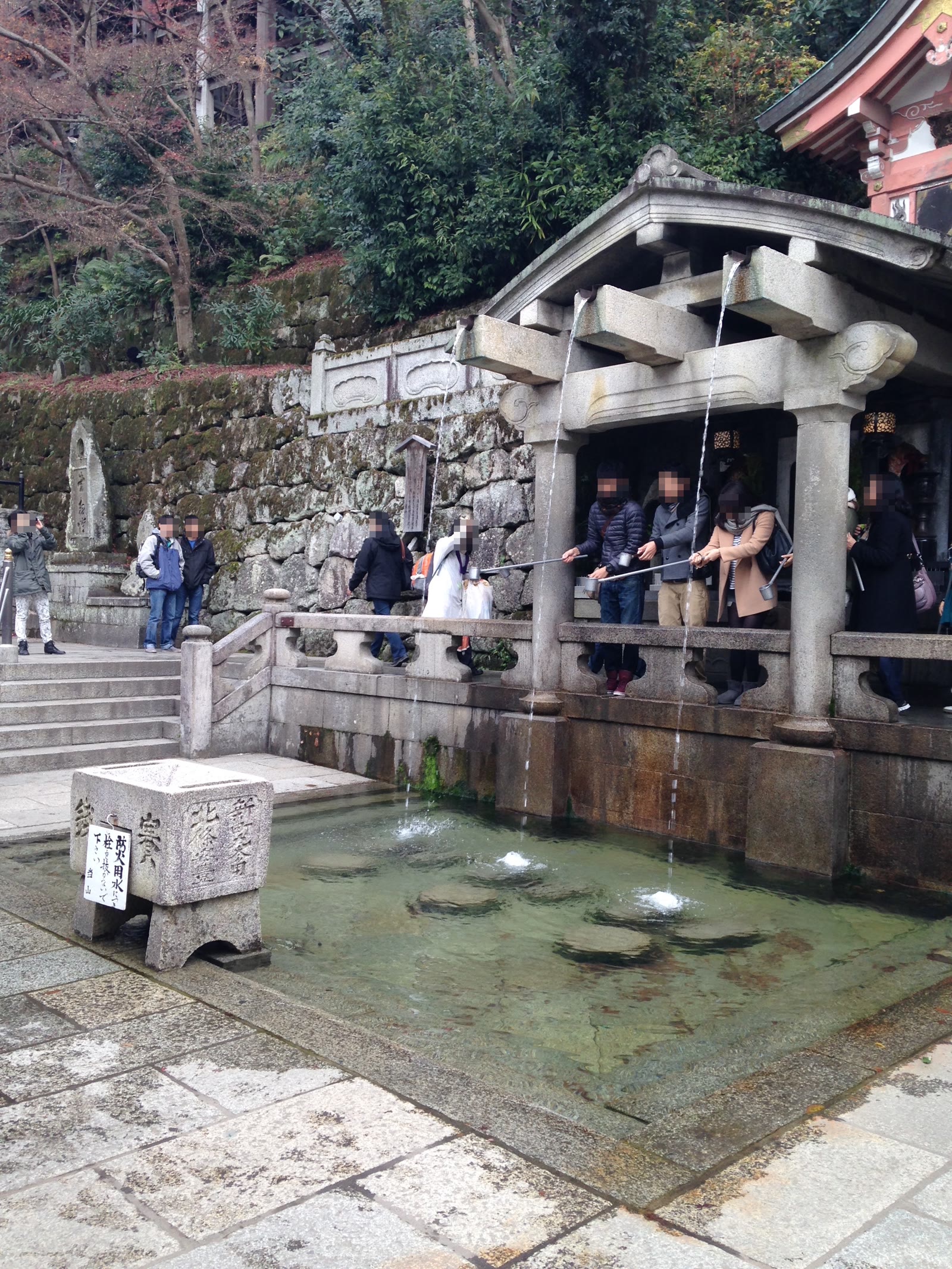
- Otowa waterfallthe spring that gives the temple its name, flowing at the foot of the main hall
How to actually get there
- Kyoto Station → Gojozaka bus stop (Kyoto City Bus #100 or #206, ~15 min).
- Gojozaka stop → Chawanzaka lane: walk uphill and turn right before Sannenzaka (~10 min on foot).
- Chawanzaka → temple gate → the wooden stage is straight ahead.
- Kyoto Stn → City Bus #100 or #206 → Gojozaka stop → walk
- From Kyoto Station, take Kyoto City Bus #100 or #206 to the Gojozaka bus stop (about 15 min). From the stop, walk east and uphill about 10 min: go up the slope, then bear right onto Chawanzaka, the pottery-shop lane, which leads to the temple gate. Total about 25-30 min. Buses run often (roughly every 7-15 min) but can be crowded and slowed by traffic.
- Return by the same bus, or on foot to a nearby station
- Return on bus #100 or #206 to Kyoto Station from the same Gojozaka stop. City buses run until late evening, but check the return times at the stop when you arrive. As an alternative you can walk about 25 min downhill to Keihan Kiyomizu-Gojo Station.
About the place
Kiyomizu-dera stands on a hillside in eastern Kyoto's Higashiyama district. Its main hall carries the famous butai — a broad wooden stage projecting about 13 metres over the slope, supported by tall pillars locked together with traditional joinery and no nails. One of the walking approaches is Chawanzaka, the "tea-bowl lane," long associated with Kiyomizu-yaki and Kyo-yaki ceramics, running parallel to the main approach toward the temple gate.
How to enjoy it
The temple opens at 6:00 in the morning, well before the crowds arrive. Walk up through the pottery shops of Chawanzaka, reach the gate, then step onto the wooden stage for a clear view across the Higashiyama slopes toward the city. The approach itself — ceramics, old shopfronts, the climb — is as much the visit as the stage at the top.
Background & history
Temple tradition places the founding in 778, taking its name "pure water" from the Otowa spring on the site. The temple is an independent foundation of the Kita-Hosso school of Buddhism. In 1994 it was inscribed as part of the UNESCO World Heritage listing "Historic Monuments of Ancient Kyoto."
Before you go
- Cash
- IC cards (such as Suica or ICOCA) are accepted on Kyoto city buses. Temple admission (¥500 adult, ¥200 child) is paid in cash or by card at the gate.
- Good to know
- The wooden stage and grounds get very crowded from around 9:00 AM on weekends and public holidays. The cherry-blossom season in spring and the autumn-foliage season are the busiest times.
- Another way
- You can also take the Keihan Line to Kiyomizu-Gojo Station and walk about 25 min uphill — useful if you are combining the visit with a morning walk in the Gion district.
- After you get off
- From the Gojozaka bus stop, walk up Higashioji-dori (the main street), then turn right onto Chawanzaka, the lane lined with pottery shops, which leads straight to the temple gate — about 10 min uphill on a paved street.
Nearby notes
 Zairon / CC BY-SA 4.0
History · Kyoto★
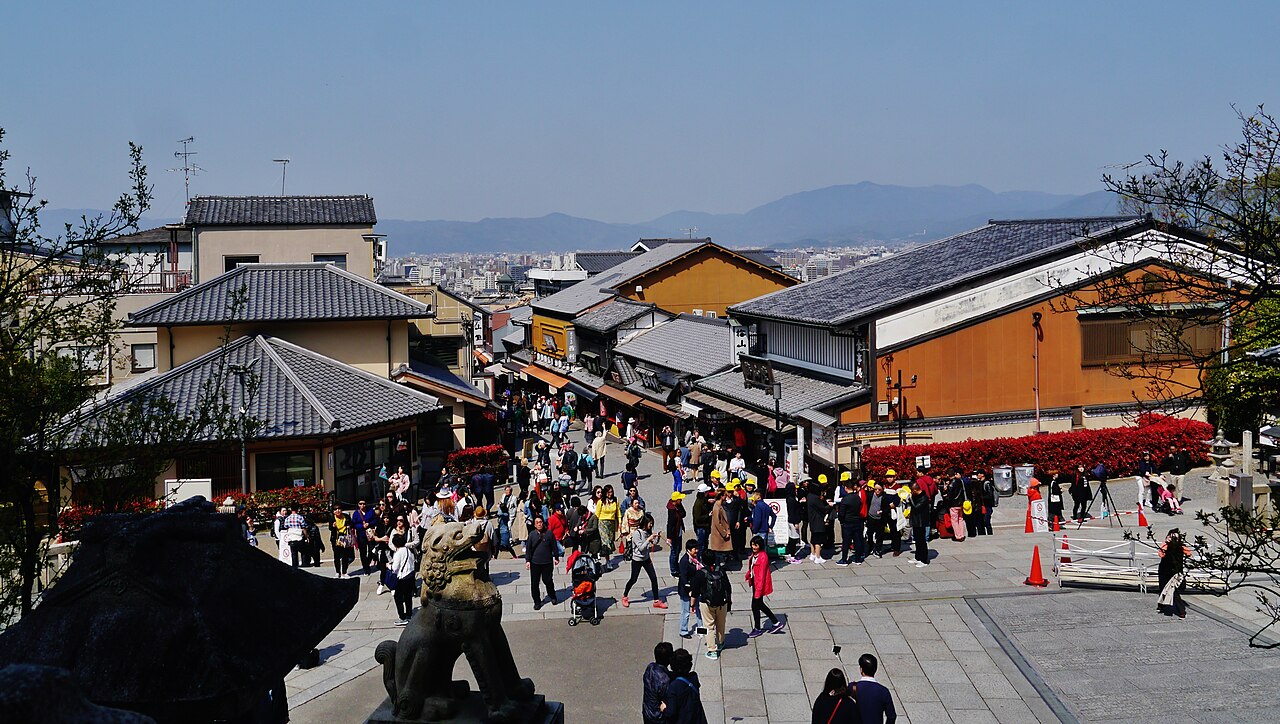
Sannenzaka and Ninenzaka
0.6 km · straight line
 Basile Morin / CC BY-SA 4.0
History · Kyoto★★★
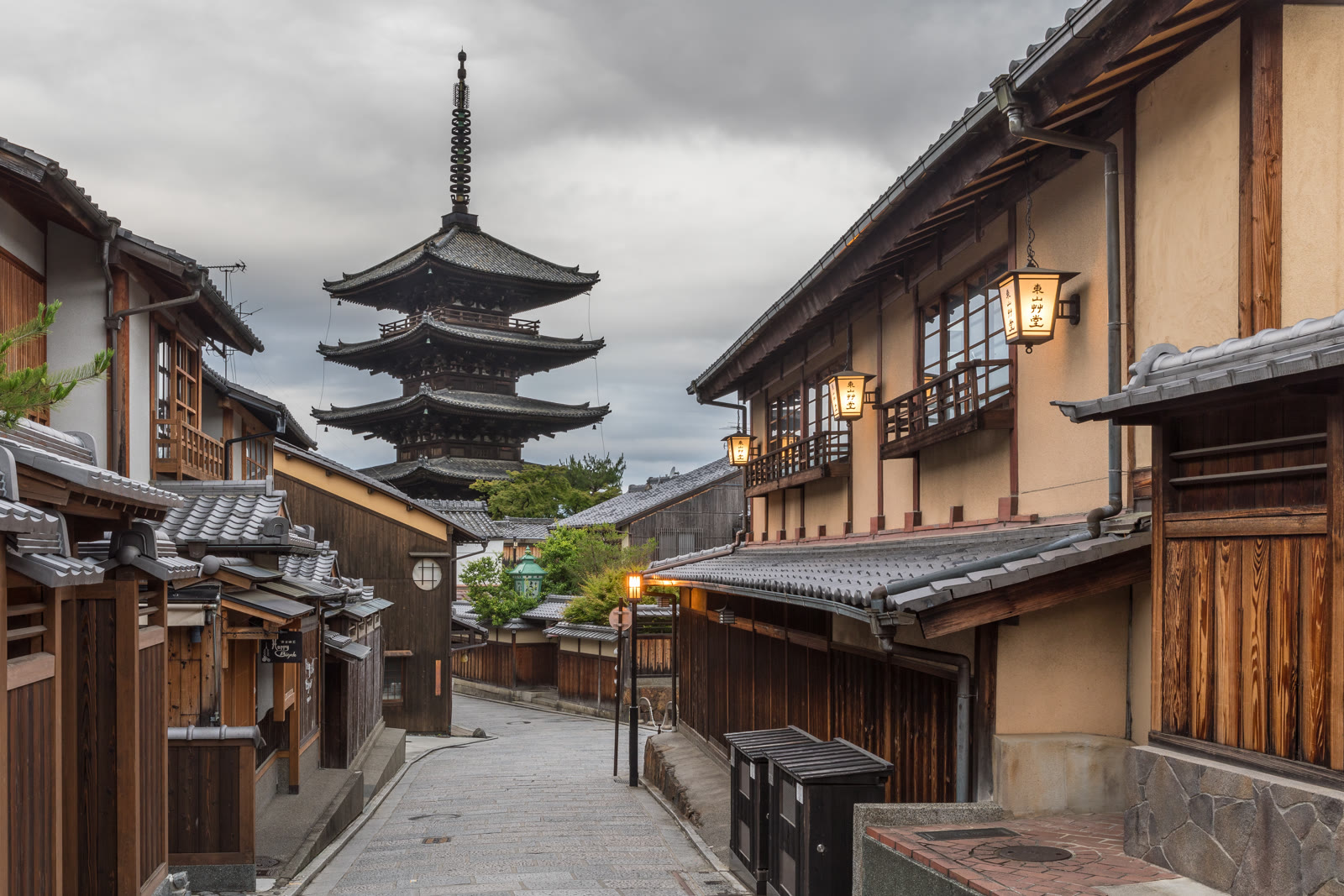
The Yasaka Pagoda
0.7 km · straight line
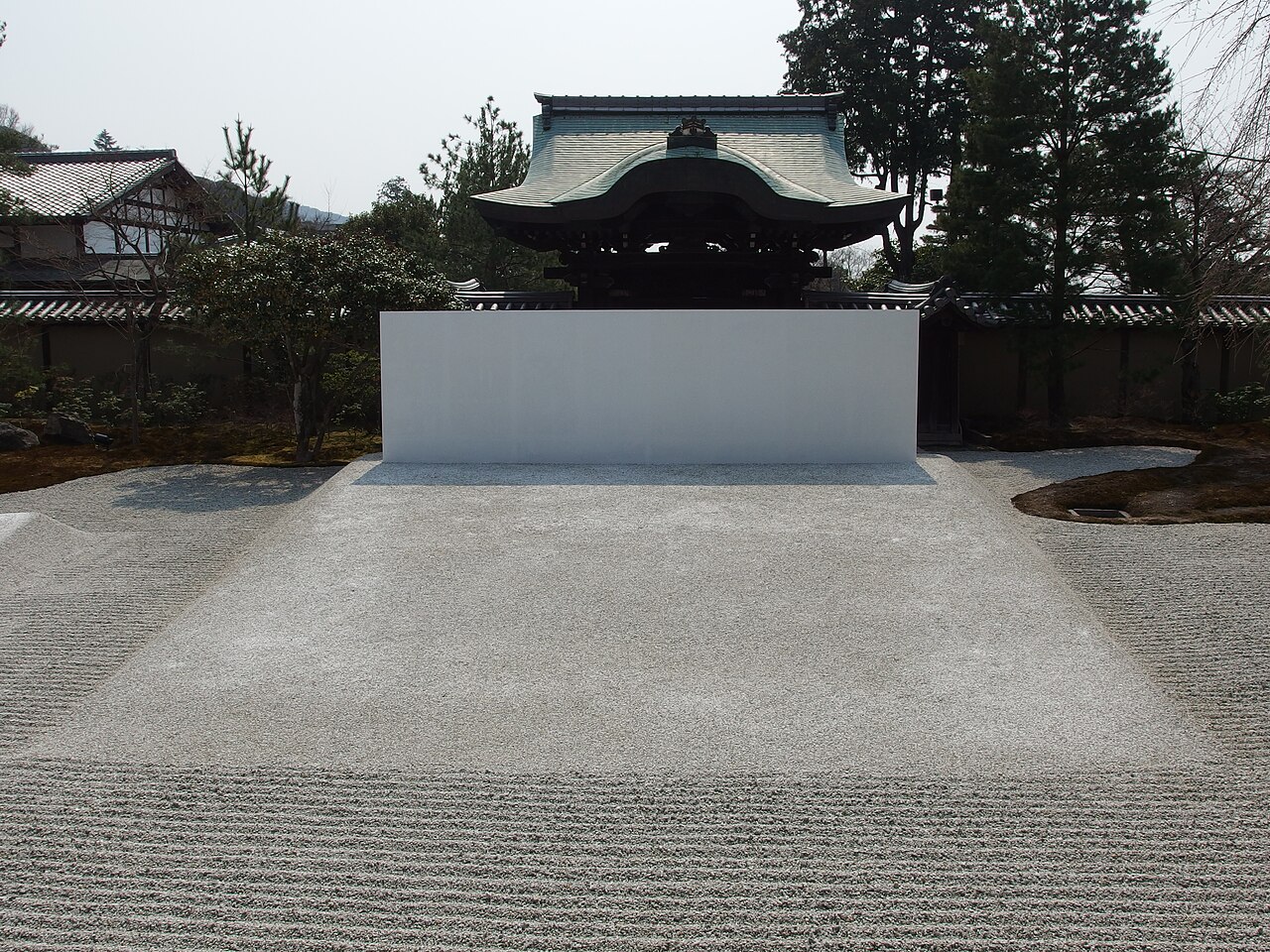 Guilhem Vellut from Annecy, France / CC BY 2.0
History · Kyoto★
Kodai-ji
0.7 km · straight line
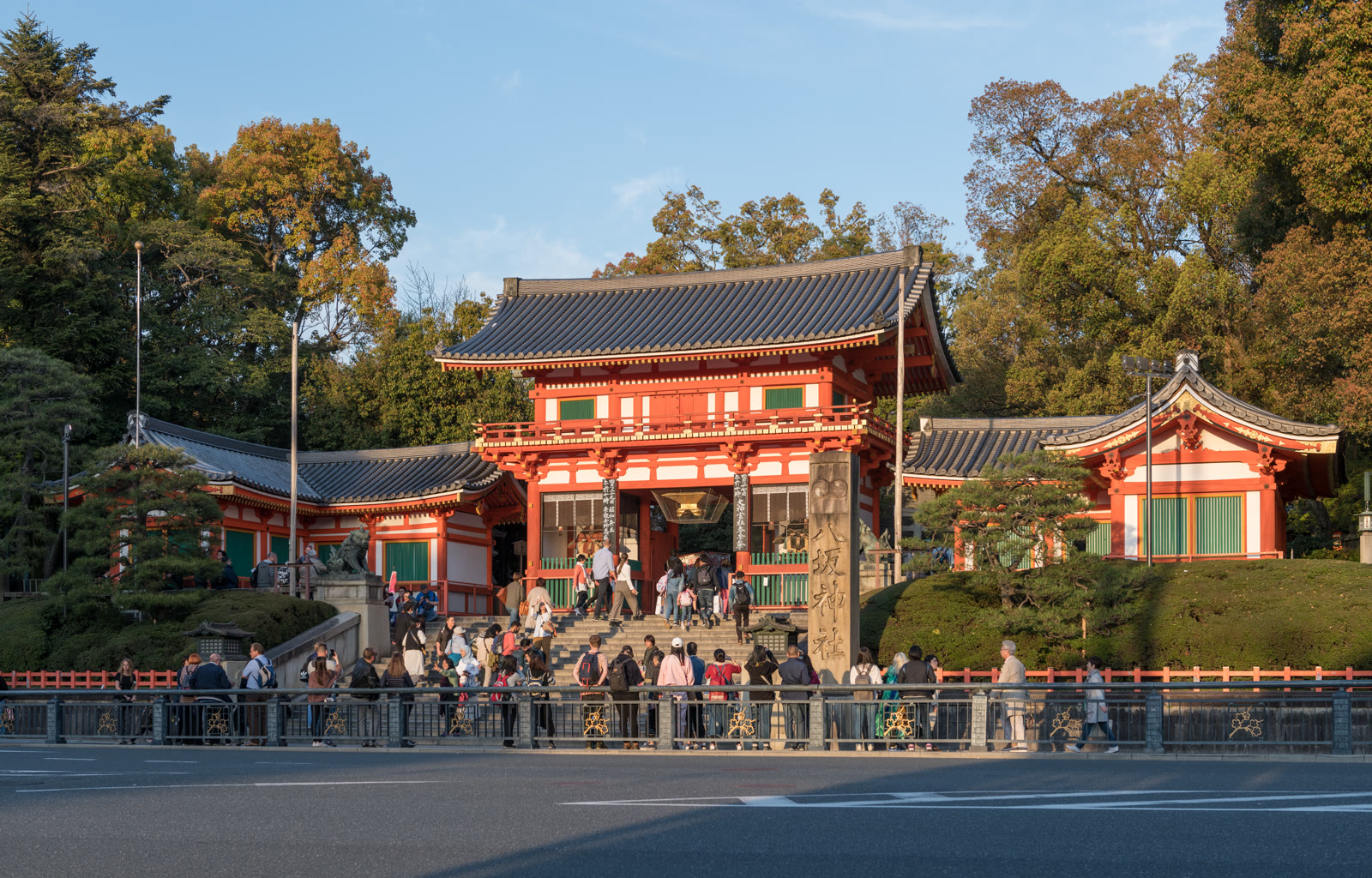 DXR / CC BY-SA 4.0
History · Kyoto★★★
Yasaka Shrine
1.1 km · straight line
On a curated routeKyoto Before the Crowds →
Distances are straight lines on the map, not travel times.