Kyoto east · HigashiyamaNo.297★Open in map →
Kodai-ji
— the temple Nene built for Hideyoshi
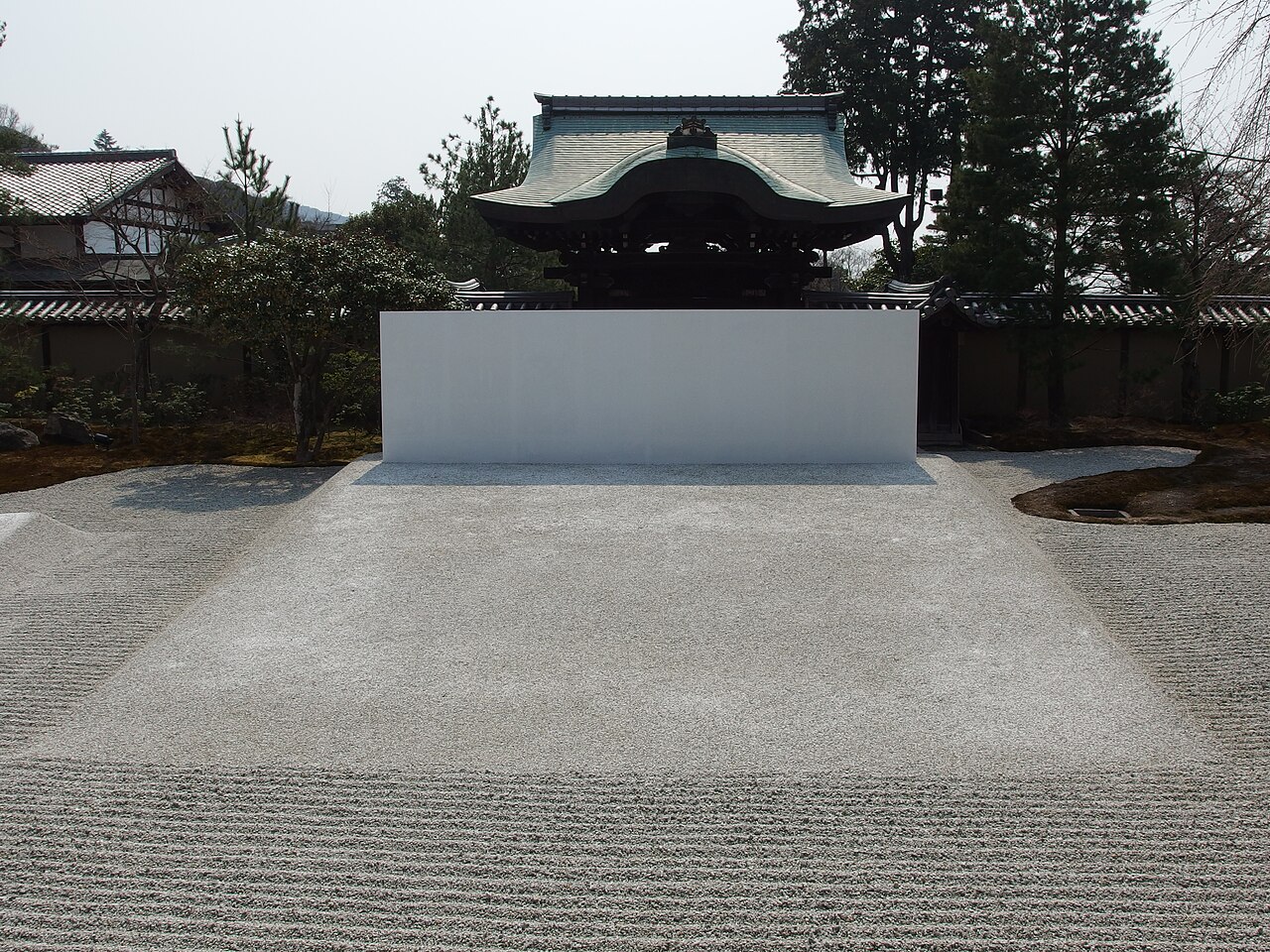
A Rinzai Zen temple founded in 1606 by Hideyoshi's widow Nene, known for Kodai-ji maki-e lacquer, a Kobori Enshu garden, and seasonal night illuminations.
- FromKyoto Stn
- ~30 minbus + walk
- Get off atHigashiyama-Yasui bus stop
- On foot
- Kodai-ji
The sweet spot
It sits one lane off the Kiyomizu approach, but its register is entirely different: this is one woman's grief made permanent in gold, on a hillside, in a Zen temple she ran for nearly two decades. The night viewings in spring and autumn are the version worth planning a whole evening around.
Where it is
90 more notes in Kyoto · open the map →What to look for
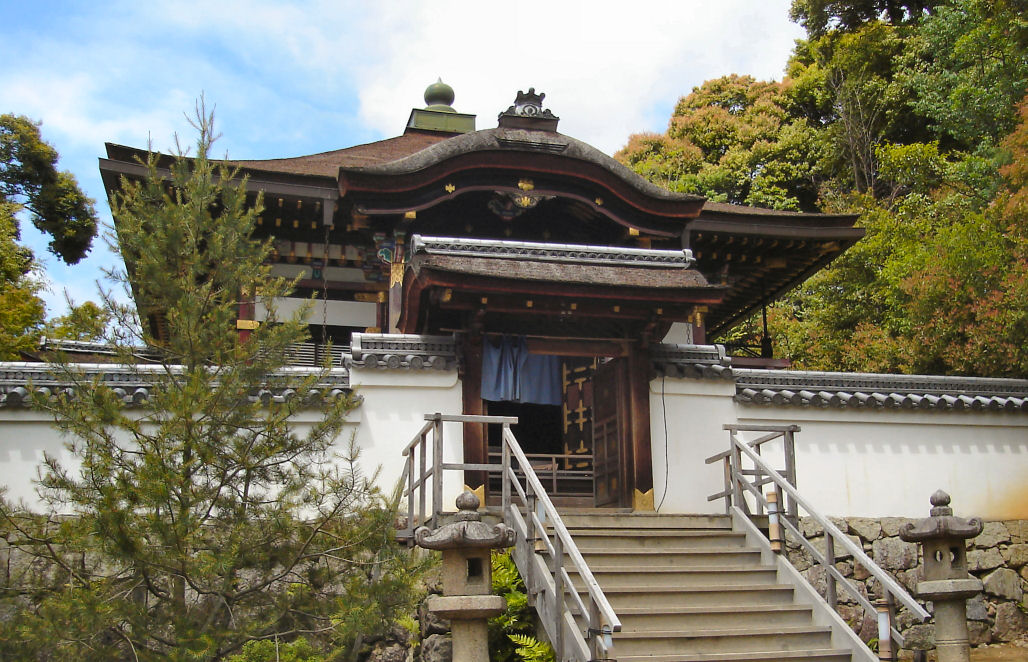
- The OtamayaNene's burial hall, where a seated figure of Hideyoshi is enshrined and the altar platform and cabinet are covered in Kodai-ji maki-e.
- Kasa-tei and Shigure-teiTwo tea houses on the slope above the garden, brought here from Fushimi Castle; Kasa-tei's ceiling opens out like the ribs of an umbrella.
- The Kobori Enshu gardenA pond-and-stroll garden either side of the Kaisando, designated both a Historic Site and a Place of Scenic Beauty.
- KangetsudaiA roofed platform built for viewing the moon over the pond, listed as an Important Cultural Property.
- The bamboo pathA short bamboo corridor behind the tea houses on the way back down — the quiet, unqueued version of the Arashiyama grove.
How to actually get there
- Kyoto Stn → Higashiyama-Yasui bus stop (Kyoto City Bus 206, ~20 min).
- Higashiyama-Yasui → Kodai-ji (walk uphill via Daidokoro-zaka, ~5 min).
- City bus 206 from Kyoto Station
- Kyoto Stn →(Kyoto City Bus 206 via Higashiyama-dori toward Kitaoji Bus Terminal, ~20 min)→ Higashiyama-Yasui stop →(walk east and uphill, ~5 min)→ Kodai-ji. Total about 30 minutes. The bus fills quickly; boarding at Kyoto Station is the way to get a seat.
- Bus back, or walk down through Gion
- Take bus 206 back from Higashiyama-Yasui, or walk about 15 minutes downhill through Nene-no-michi and Gion to Keihan Gion-Shijo Station — the better choice in the evening after a night viewing, when the buses are packed.
About the place
Hideyoshi died in 1598. His wife — known formally as Kita-no-Mandokoro, and by her name, Nene — took Buddhist orders as Kodai-in Kogetsu-ni and founded this temple in 1606 to pray for his soul. Tokugawa Ieyasu, who had by then taken power, funded the work generously; the temple's own history is candid that this was political calculation as much as piety, and that the result was a complex of unusual splendour. Buildings were carried over from Fushimi Castle, where the couple had lived, and set into the slope. Nene is buried here herself, in the Otamaya, under the lacquer she had made for her husband.
How to enjoy it
Come up Daidokoro-zaka from Nene-no-michi rather than from the Kiyomizu side; the approach is half of it. An hour covers the garden, the Otamaya and the tea houses at an unhurried pace. The temple holds special night viewings in spring and autumn when the garden and bamboo are lit after dark — that is the version to build an evening around, and it pairs naturally with a walk back down through Gion. Entoku-in, across the lane, is a small sub-temple with its own garden and a combined ticket.
Background & history
Kodai-ji belongs to the Kennin-ji branch of the Rinzai Zen school and was founded in 1606, eight years after Hideyoshi's death, by his widow after she took orders as Kodai-in Kogetsu-ni. Tokugawa Ieyasu's financial backing made the complex lavish. The Kaisando, the Otamaya, the Kasa-tei and Shigure-tei tea houses, the main gate and the Kangetsudai moon-viewing platform survive today and are designated Important Cultural Properties. Inside the Otamaya, the altar platform and the shrine cabinet are covered in gold-on-black lacquer known as Kodai-ji maki-e, taken as the representative decorative art of the Momoyama period. The pond garden spreading east and west of the Kaisando is attributed to the daimyo and tea master Kobori Enshu and is nationally designated as both a Historic Site and a Place of Scenic Beauty.
Before you go
- Cash
- Admission is ¥800 for adults and ¥400 for junior and senior high school students; primary-age children and younger enter free when accompanied by an adult. Combination tickets with the neighbouring Entoku-in are sold at the gate. Bring cash.
- Good to know
- Photography is restricted inside the Otamaya, where Nene is buried. During the spring and autumn night viewings the temple stays open into the evening and the queue at the gate can be long — go at opening or well after the first wave.
- Another way
- From Keihan Gion-Shijo Station it is about a 15-minute walk through Gion and up Nene-no-michi; from Hankyu Kyoto-Kawaramachi, roughly 20 minutes.
- After you get off
- From the Higashiyama-Yasui stop, head east and uphill for about five minutes. The final approach is Daidokoro-zaka, a stone slope that climbs to the temple gate.
Nearby notes
 Zairon / CC BY-SA 4.0
History · Kyoto★
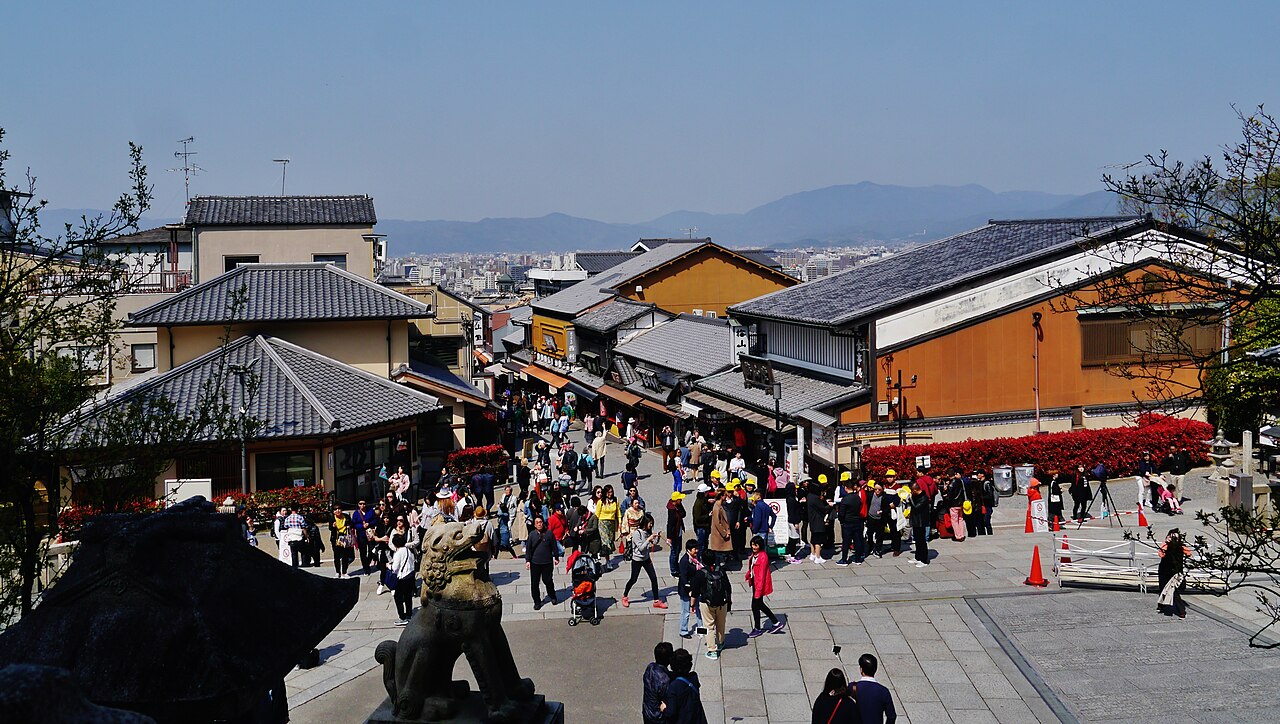
Sannenzaka and Ninenzaka
0.1 km · straight line
 Basile Morin / CC BY-SA 4.0
History · Kyoto★★★
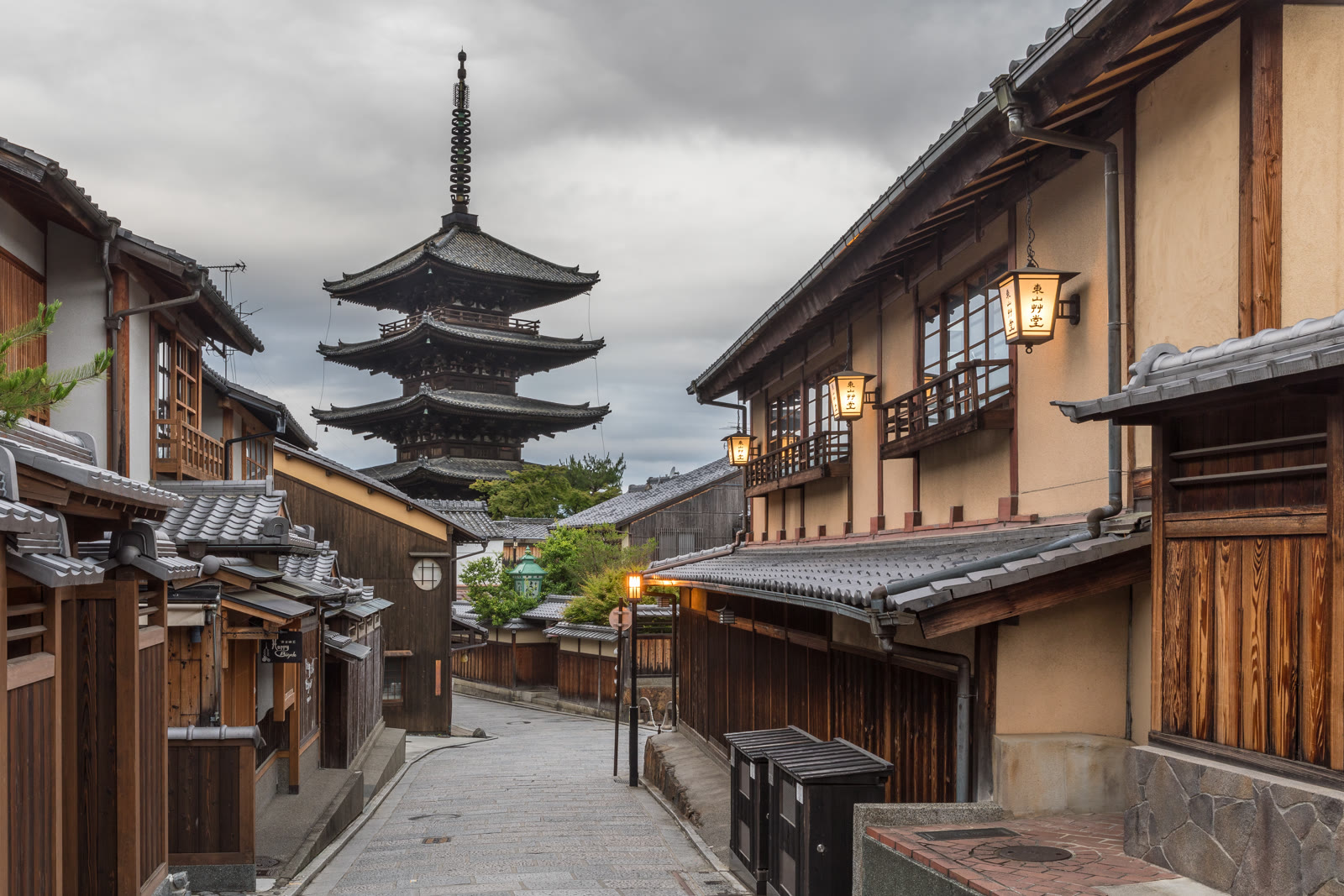
The Yasaka Pagoda
0.2 km · straight line
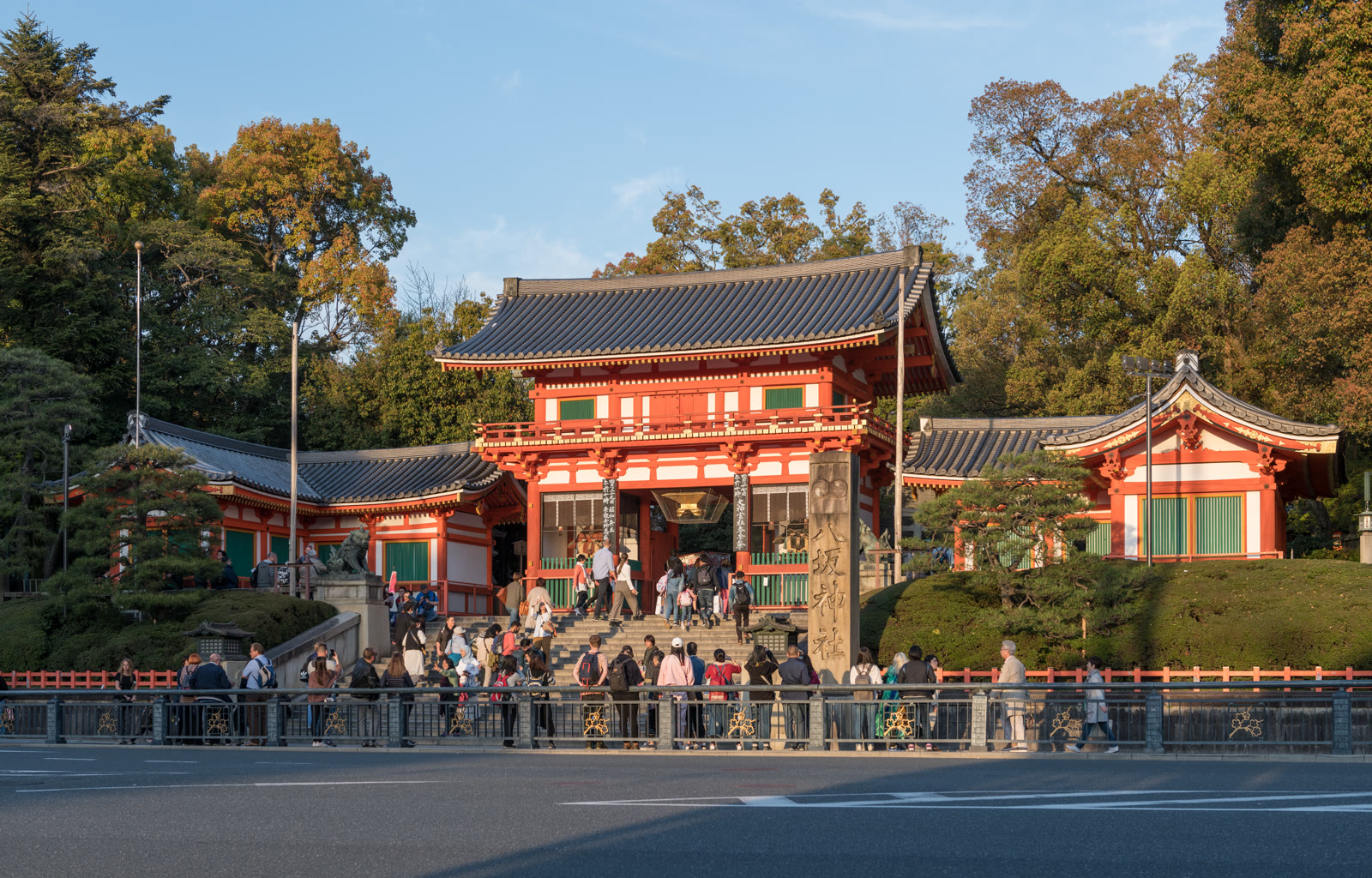 DXR / CC BY-SA 4.0
History · Kyoto★★★
Yasaka Shrine
0.5 km · straight line
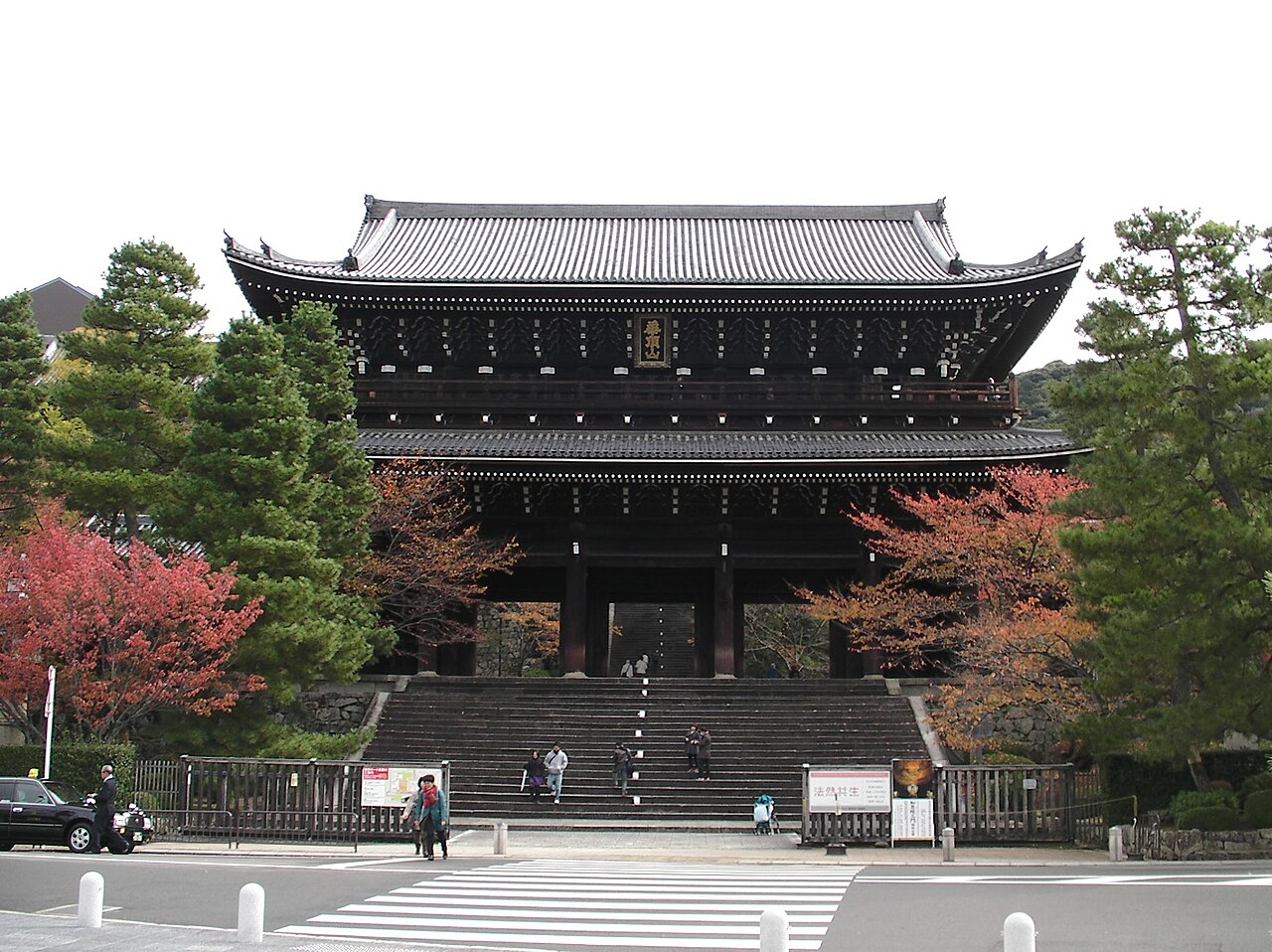 ONO Masanobu / CC0
History · Kyoto★
Chion-in
0.6 km · straight line
Distances are straight lines on the map, not travel times.