Kyoto east · HigashiyamaNo.296★Open in map →
Chion-in
— Japan's largest wooden temple gate
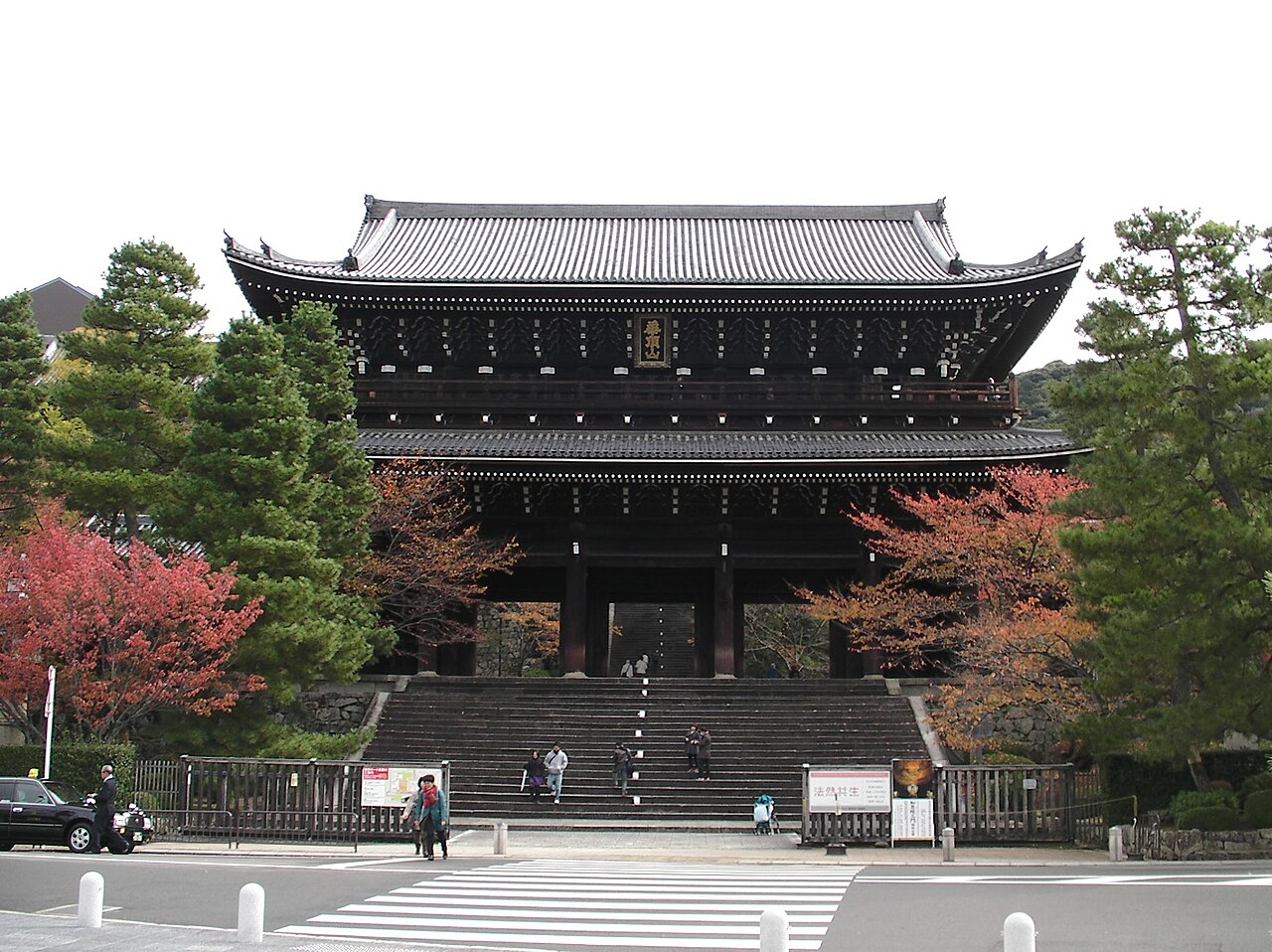
The head temple of Japan's Pure Land school, with a National Treasure gate of 1621 and a vast main hall reopened in 2020 after nine years of restoration.
- FromKyoto Stn
- ~25 minsubway + walk
- Get off atHigashiyama Stn (Tozai Line)
- On foot
- Chion-in
The sweet spot
It is a short walk from Gion and free to enter, yet most visitors move along Higashiyama's souvenir lanes without ever climbing the stone steps behind the gate. The gate is visible from the street; almost nobody turns.
Where it is
90 more notes in Kyoto · open the map →What to look for
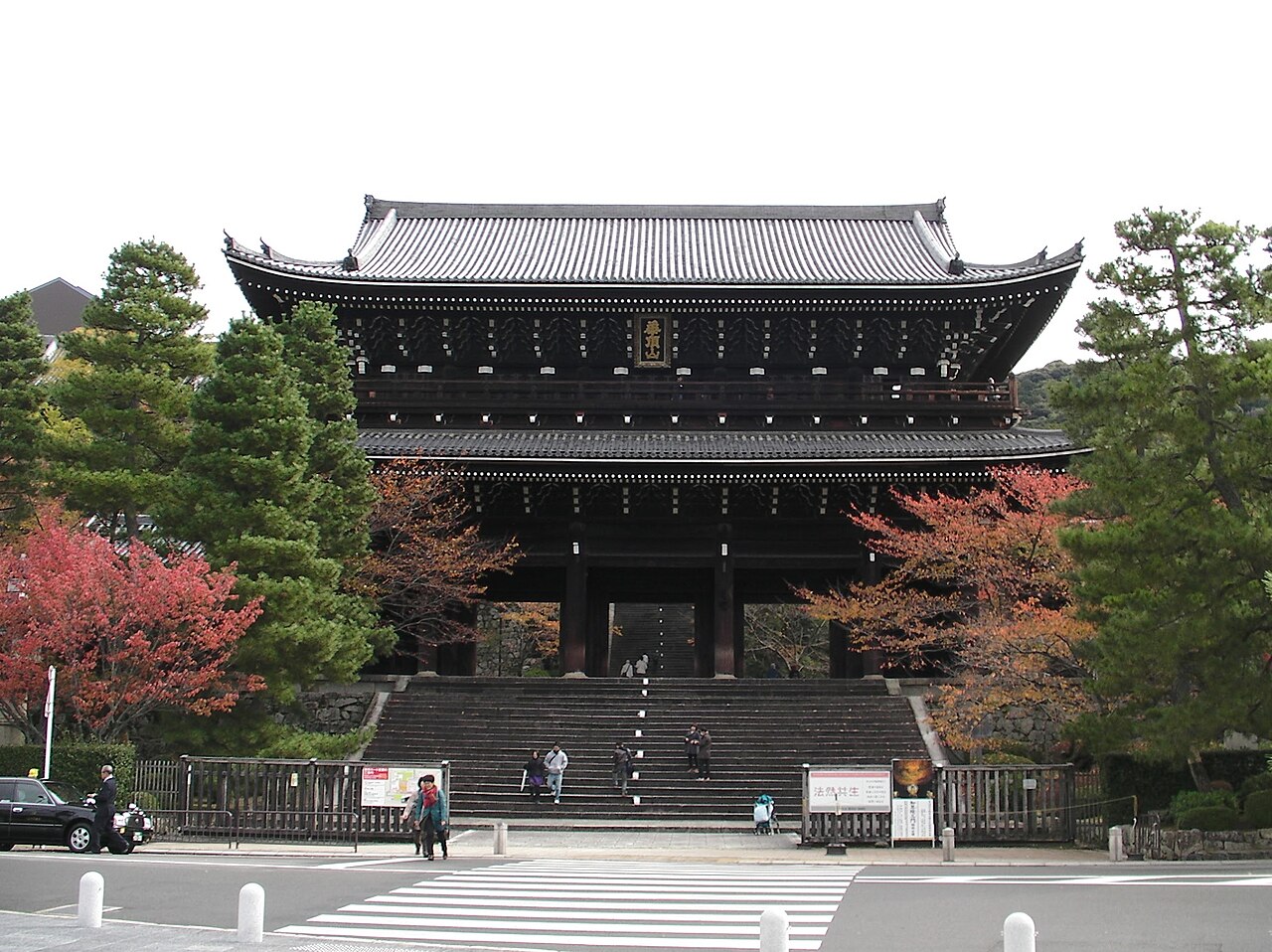
- The Sanmon gateAbout 24 metres high, a National Treasure of 1621, approached up a steep flight of stone steps that is the temple's signature view.
- The MiedoA National Treasure hall roughly 45 by 35 metres, reopened in April 2020 after a nine-year restoration.
- The nightingale corridorA 550-metre floor running from the Miedo to the abbot's quarters that chirps underfoot — one of the temple's traditional 'seven wonders'.
- The great bellCast in 1636 and weighing around 70 tonnes; on New Year's Eve seventeen monks ring it together, one on the main rope and sixteen on the pulls.
- Yuzen-en gardenA paid garden of dry landscape and pond, entered separately from the free precincts.
How to actually get there
- Kyoto Stn → Karasuma-Oike (Karasuma subway line, ~5 min).
- Karasuma-Oike → Higashiyama Stn (Tozai subway line, ~4 min).
- Higashiyama Stn → Chion-in Sanmon (walk, ~8 min).
- Two subway lines from Kyoto Station
- Kyoto Stn →(Karasuma subway line, ~5 min)→ Karasuma-Oike →(change to the Tozai subway line, ~4 min)→ Higashiyama Stn →(walk south-east, ~8 min)→ the Sanmon gate. Total about 25 minutes, the last stretch gently uphill.
- Same route, or walk down into Gion
- Reverse the subway route from Higashiyama Station. Better, walk about 14 minutes downhill to Keihan Gion-Shijo Station, which drops you into Gion at the end of the visit; Hankyu Kyoto-Kawaramachi is about 15 minutes.
About the place
Chion-in traces itself to Yoshimizu, the hillside where the monk Honen built a hermitage in the twelfth century and taught that reciting the Buddha's name was a path open to anyone, regardless of learning or rank. The temple stands on the site where he died, and became the head temple of the Jodo school he founded. What fills the grounds now, though, is largely Tokugawa work: the shoguns rebuilt Chion-in on a scale that was as much a statement of power as an act of devotion. The Sanmon gate went up in 1621 under the second shogun, Tokugawa Hidetada; the Miedo, the hall enshrining Honen's image, was rebuilt in 1639 by his son Iemitsu. The result is a complex whose scale belongs less to Kyoto's small famous temples than to the great halls of Nara.
How to enjoy it
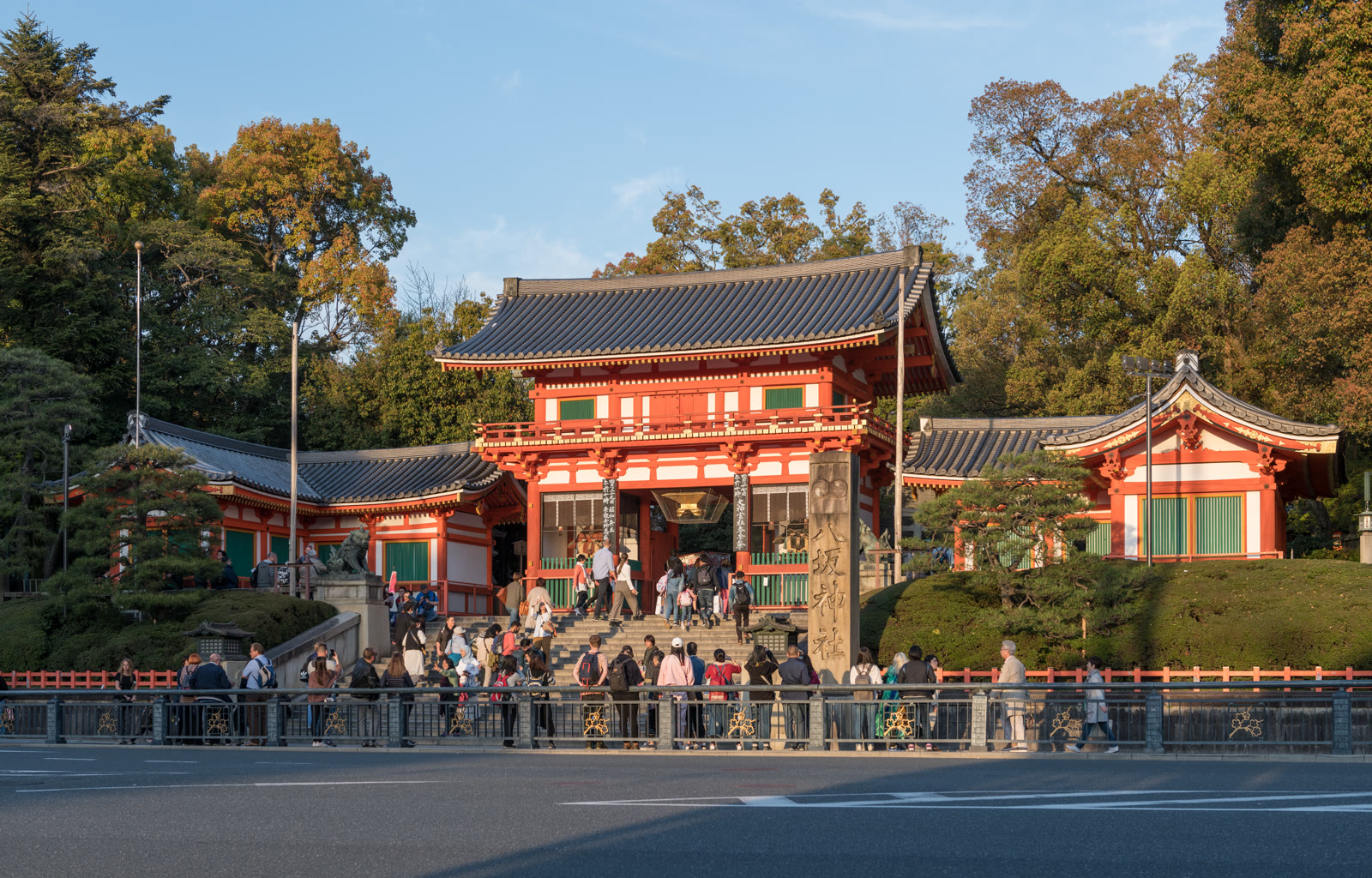
Walk in free through the Sanmon, give the Miedo twenty unhurried minutes, and only then decide whether a garden ticket is worth it. Chion-in sits between Maruyama Park and Shoren-in, so it chains naturally into a Higashiyama walk: Yasaka Shrine, Maruyama Park, Chion-in, Shoren-in, then down into Gion. If you are in Kyoto on 31 December, the bell here is the one worth queueing for.
Background & history
The Sanmon, raised in 1621 at the order of Tokugawa Hidetada, stands about 24 metres high and is described as the largest wooden gate of its kind surviving in Japan. The Miedo, rebuilt in 1639 by the third shogun Iemitsu, measures roughly 45 metres across and 35 metres deep — a single timber hall on the scale of a small stadium. It emerged in April 2020 from a semi-dismantling restoration that had run for about nine years, which means the structure now standing was taken apart, repaired and reassembled within living memory. The temple's great bell, completed in 1636, weighs some 70 tonnes and is counted among the three great temple bells of Japan.
Before you go
- Cash
- The precincts, including the Sanmon gate and the Miedo, are free. The two gardens are paid and cash is simplest: Yuzen-en ¥300 and the Hojo garden ¥400 for adults, half for primary and junior-high students.
- Good to know
- Garden reception runs 9:00–16:00, with the Hojo garden closing at 15:50. This is a working head temple with services through the day — keep your voice low inside the halls and follow the posted rules on photography.
- Another way
- Kyoto City Bus to the Chion-in-mae stop leaves about a 5-minute walk, and the Kyoto Okazaki Loop bus stops directly at Chion-in Sanmon-mae.
- After you get off
- From Higashiyama subway station, walk south along Jingu-michi and then east; the gate rises above the street and the walk takes about 8 minutes, ending on a flight of stone steps.
Nearby notes
 DXR / CC BY-SA 4.0
History · Kyoto★★★
Yasaka Shrine
0.4 km · straight line
 Guilhem Vellut from Annecy, France / CC BY 2.0
History · Kyoto★
Kodai-ji
0.6 km · straight line
 Yanajin33 / CC BY-SA 4.0
History · Kyoto★★★
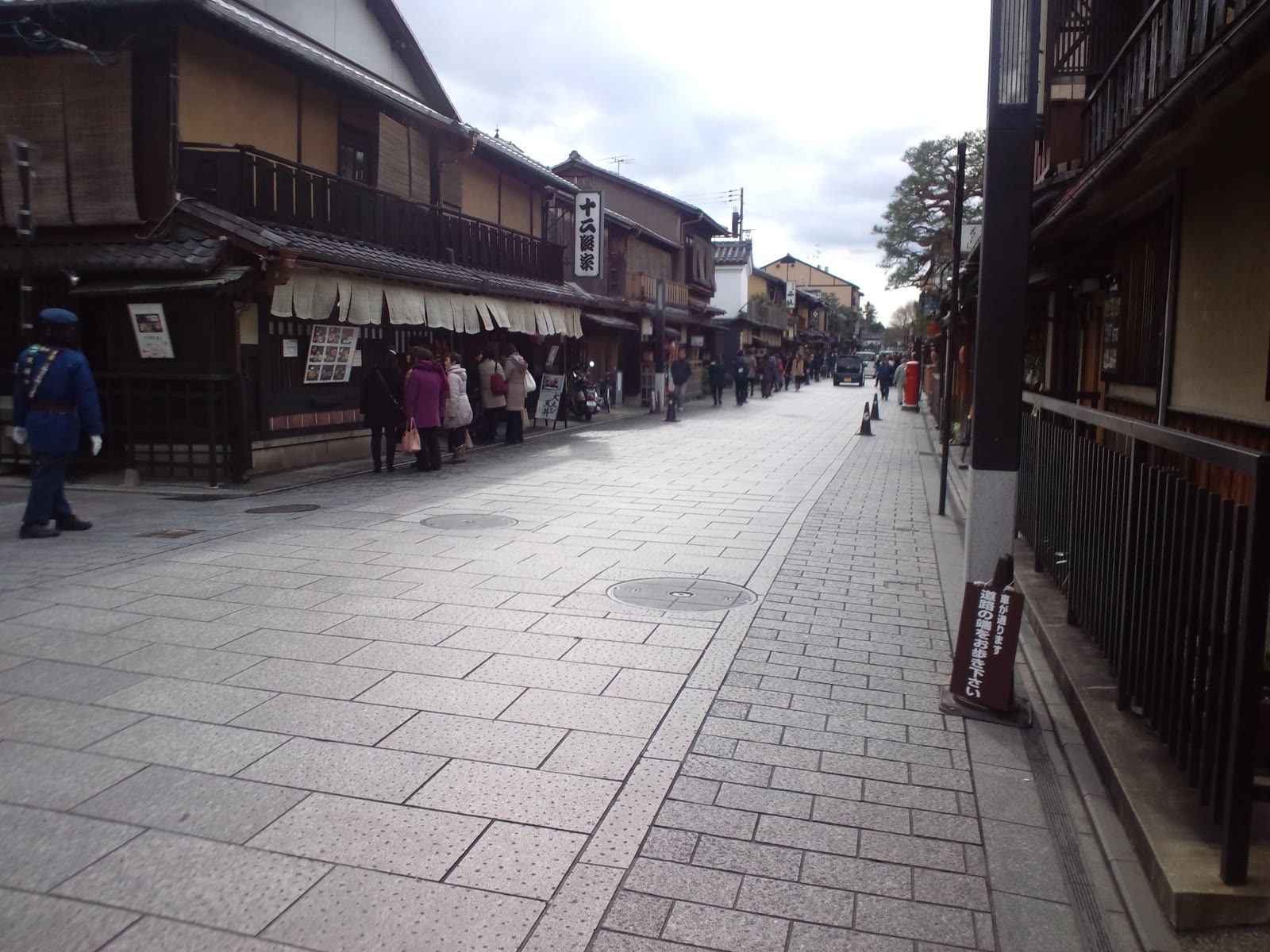
Gion
0.7 km · straight line
 Zairon / CC BY-SA 4.0
History · Kyoto★
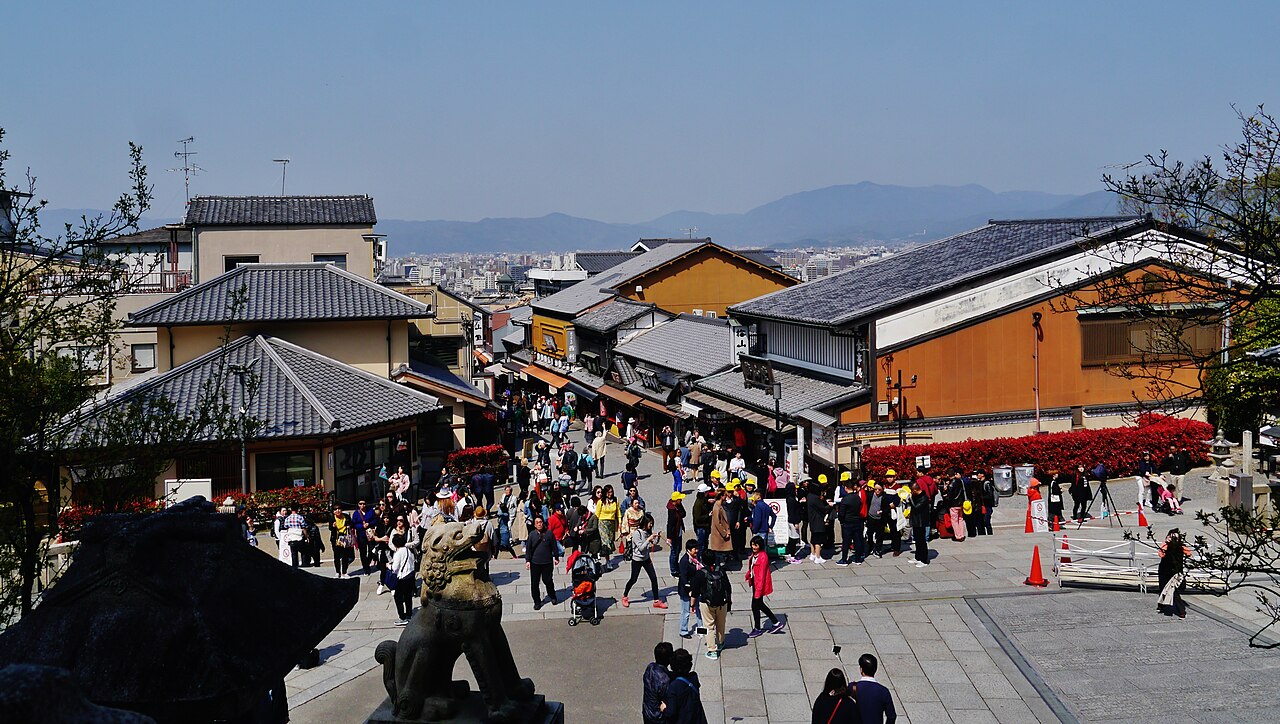
Sannenzaka and Ninenzaka
0.8 km · straight line
Distances are straight lines on the map, not travel times.