Kyoto · GionNo.392★★★Open in map →
Yasaka Shrine
Known locally as Gion-san, this is the head shrine of some 2,300 Yasaka and Gion shrines across Japan. Its grounds are open at all hours and free to enter, which makes it the one major Kyoto site you can visit before anything else opens.
- FromKyoto Stn
- ~20 minKeihan, then a 5-min walk
- Get off atGion-Shijo Station (Keihan Main Line)
- On foot
- Yasaka Shrine
Where it is
90 more notes in Kyoto · open the map →What to look for — in walking order
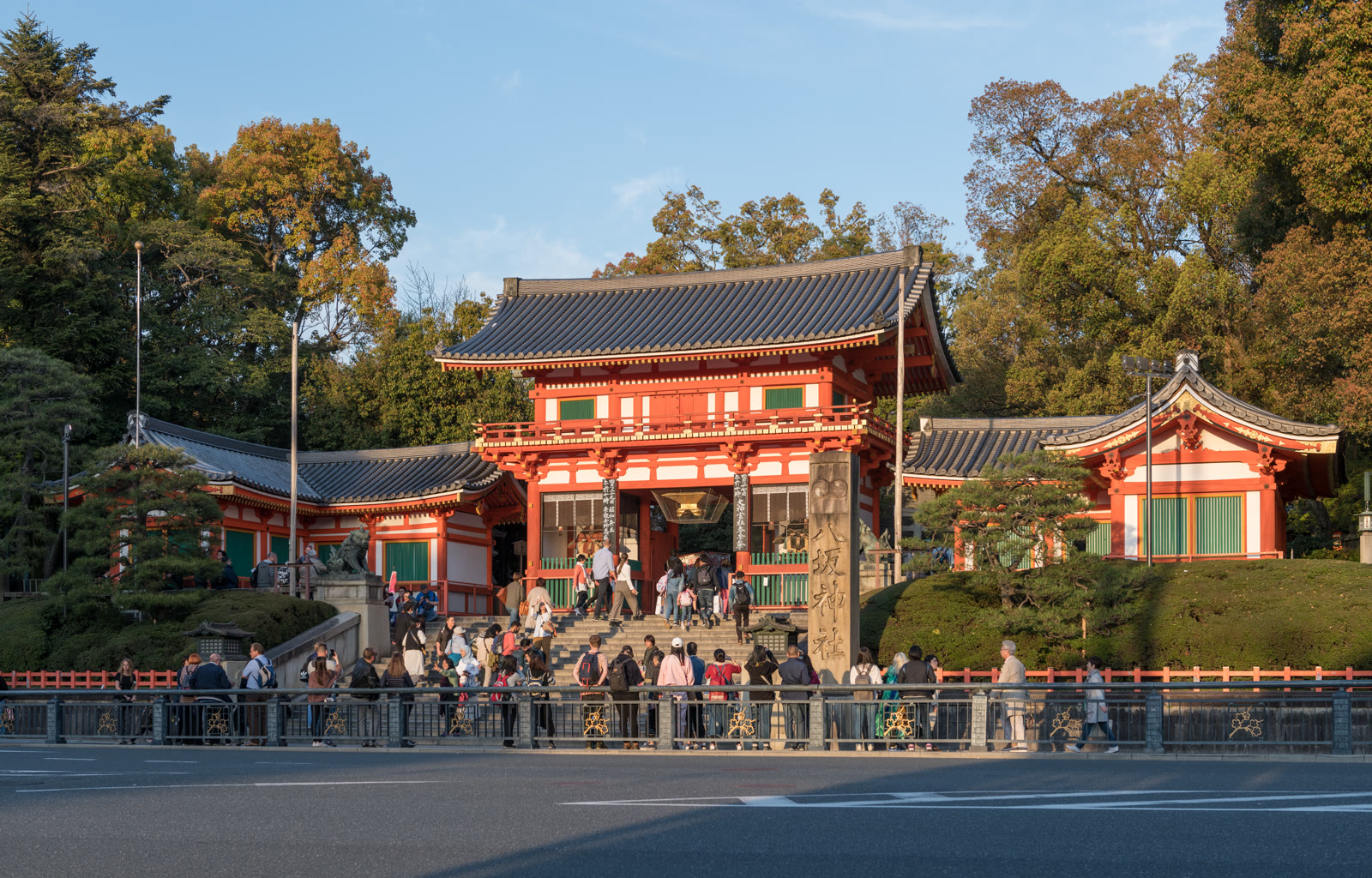
- The West Gatethe vermilion two-storey gate at the end of Shijo street, raised above the junction — the image most people already have of this shrine before arriving
- The main hall (Gion-zukuri)a National Treasure since 2020, built in 1654, with the worship hall and inner sanctuary unusually placed beneath one continuous roof
- The lantern courtrows of paper lanterns carrying the names of local businesses, lit after dark and the reason the grounds are worth visiting at night
- Maruyama Parkdirectly behind the shrine, Kyoto's oldest public park and its best-known cherry tree, reached without leaving the grounds
How to actually get there
- Kyoto Stn → Tofukuji Stn (JR Nara Line, ~3 min), change to the Keihan Main Line.
- Tofukuji Stn → Gion-Shijo Stn (Keihan Main Line, ~5 min).
- Walk east along Shijo street to the west gate (~5 min), then through the grounds to the main hall and on into Maruyama Park.
- Kyoto Stn → Gion-Shijo Stn, then walk east along Shijo
- From Kyoto Station take the JR Nara Line one stop to Tofukuji, change to the Keihan Main Line and ride to Gion-Shijo — about 15 minutes in total. From the station, walk east along Shijo street for roughly 5 minutes and the shrine's west gate closes the far end of the street. City bus 206 from Kyoto Station to the Gion stop is a single-vehicle alternative but is slow and often full.
- Gion-Shijo Stn → Kyoto Stn
- Walk back west along Shijo to Gion-Shijo Station and reverse the route via Tofukuji. Late in the evening the Keihan runs well past the last temple closing, which is another argument for visiting the shrine at night.
About the place
Yasaka Shrine closes the eastern end of Shijo street, and its vermilion west gate is the thing you walk toward for the whole length of Gion. Locals call it Gion-san. It is the head shrine of roughly 2,300 Yasaka and Gion shrines nationwide, and it enshrines Susanoo-no-Mikoto, the storm deity, alongside his consort and offspring — which is why the shrine draws prayers both for warding off misfortune and for matchmaking. Its most important export is the Gion Matsuri, held through July and one of the three great festivals of Japan, which began as a rite to appease the deities during an epidemic. The practical point for a visitor is that the grounds have no gate to close and no admission to pay. In a city where the famous temples open at nine and are full by ten, Yasaka is somewhere you can stand at six in the morning with the lanterns still lit and almost nobody there. It also sits directly against Maruyama Park, so the shrine and the park read as one continuous walk.
How to enjoy it
Use the fact that it never closes. Arrive before seven and walk up through Gion while the lanes are empty, or come after dark when the lantern court is lit — both are better than the middle of the day, when this becomes the busiest corner in Kyoto. From the shrine you can continue on foot to Kiyomizu-dera through the Sannenzaka lanes in about 20 minutes, which is the classic Higashiyama walk and is far more pleasant done early. In July the Gion Matsuri takes over the whole district; if you are not there for the festival, avoid the 17th and 24th unless crowds are what you came for.
Background & history
The shrine's founding is traditionally placed in the seventh century, and for most of its history it was known as Gion-sha, the Gion shrine, under a syncretic Shinto-Buddhist identity. It took the name Yasaka in the Meiji period, when the state separated Buddhism from Shinto and shrines with Buddhist associations were renamed. The Gion Matsuri traces to 869, when a rite was performed to quell an epidemic then attributed to angry deities; it has been held, with interruptions, ever since. The present main hall dates from a 1654 rebuilding and is unusual in placing the worship hall and the sanctuary under a single roof, a form known as Gion-zukuri. It was designated a National Treasure in 2020.
Before you go
- Cash
- The grounds are free and open at all hours; there is no ticket gate. Carry coins for the offering box and for omikuji fortunes. The Keihan and city buses take IC cards (ICOCA, Suica and others).
- Good to know
- The grounds never close, but the shrine office and amulet counter keep daytime hours only. Photography of people in rented kimono is common in Gion but the surrounding private lanes have strict no-photography rules — stay on the main streets with a camera.
- Another way
- The Hankyu Kyoto Line to Kyoto-Kawaramachi puts you about 10 minutes' walk west of the shrine along the same street. From Osaka, the Keihan runs direct to Gion-Shijo without changing in Kyoto.
- After you get off
- Gion-Shijo Station exits onto Shijo street. Turn east, away from the river, and walk straight for about 5 minutes; the gate is directly ahead at the top of the rise.
Nearby notes
 Yanajin33 / CC BY-SA 4.0
History · Kyoto★★★
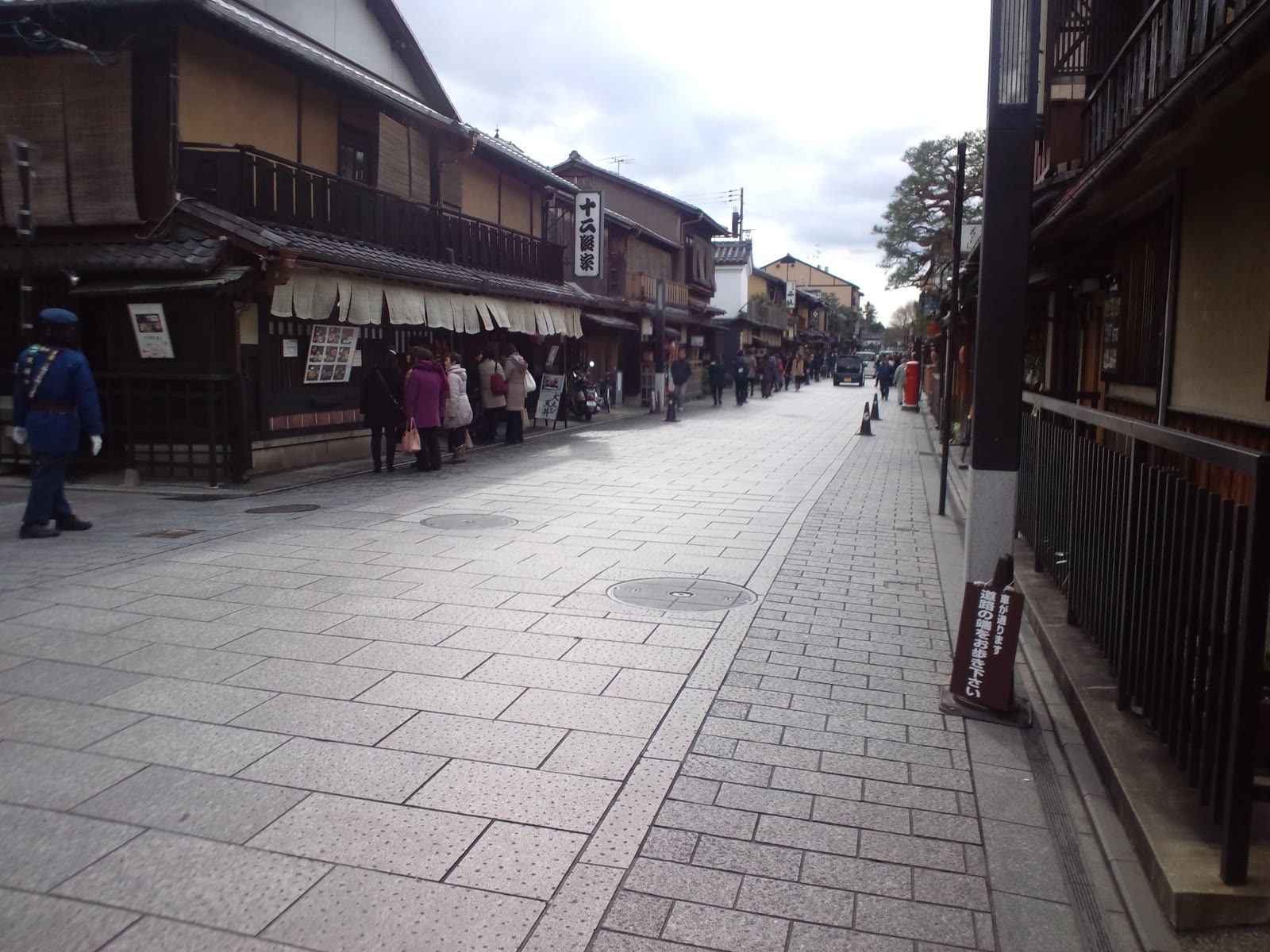
Gion
0.3 km · straight line
 ONO Masanobu / CC0
History · Kyoto★
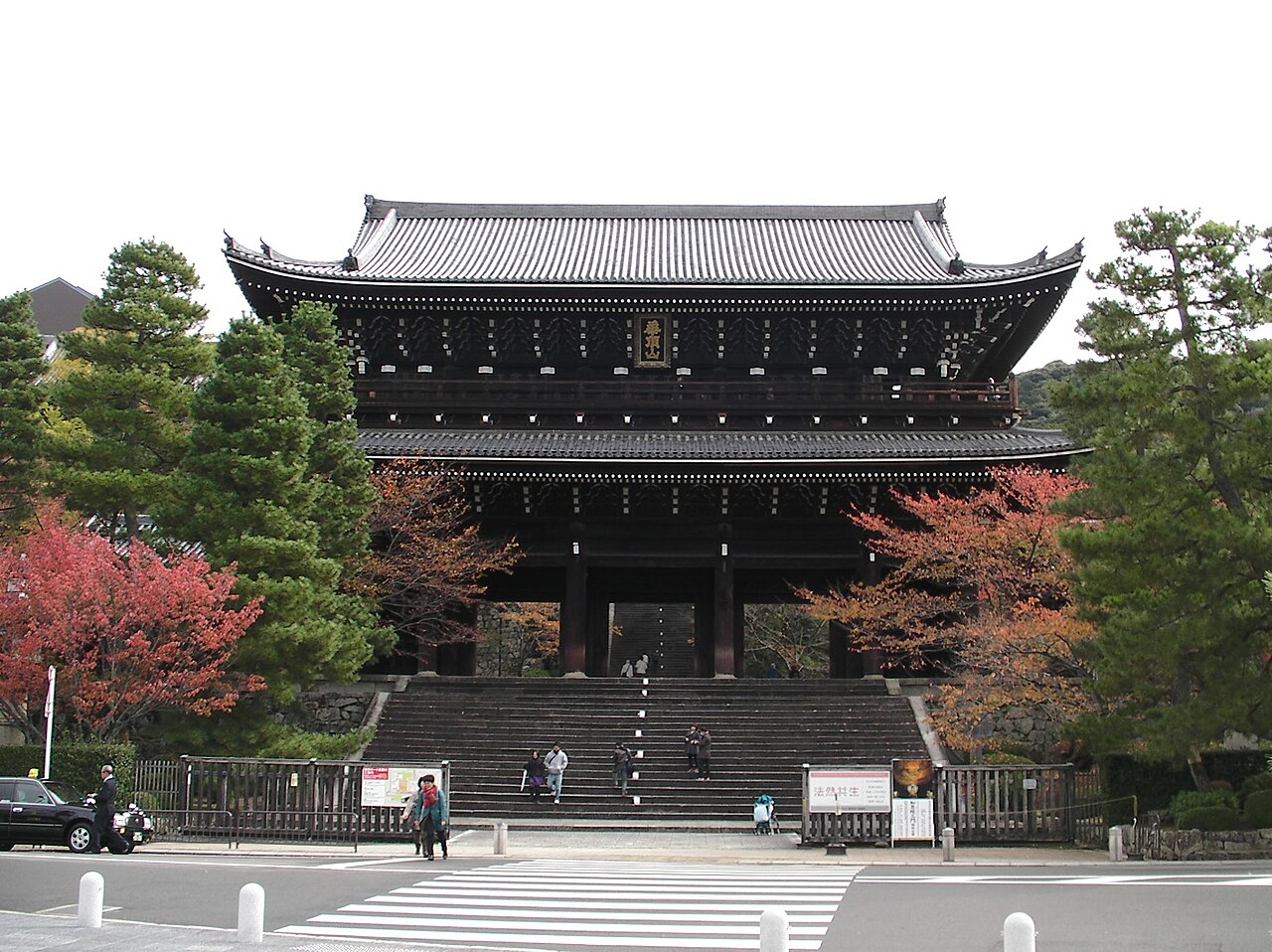
Chion-in
0.4 km · straight line
 Guilhem Vellut from Annecy, France / CC BY 2.0
History · Kyoto★
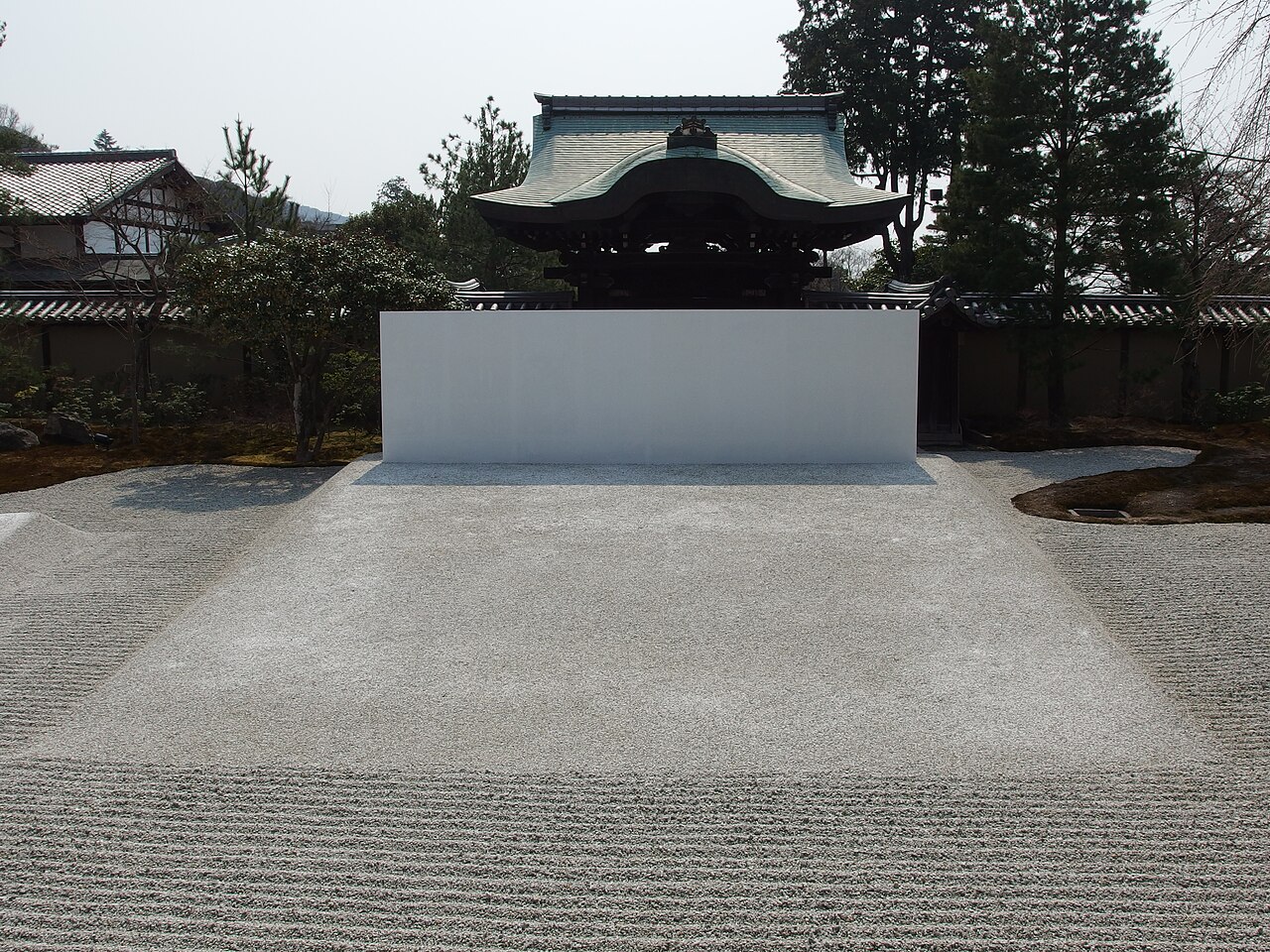
Kodai-ji
0.5 km · straight line
 Asturio Cantabrio / CC BY-SA 4.0
History · Kyoto★★★
Kenninji
0.5 km · straight line
Distances are straight lines on the map, not travel times.