Kyoto · GionNo.407★★★Open in map →
Kenninji
— a quiet Zen temple in Gion
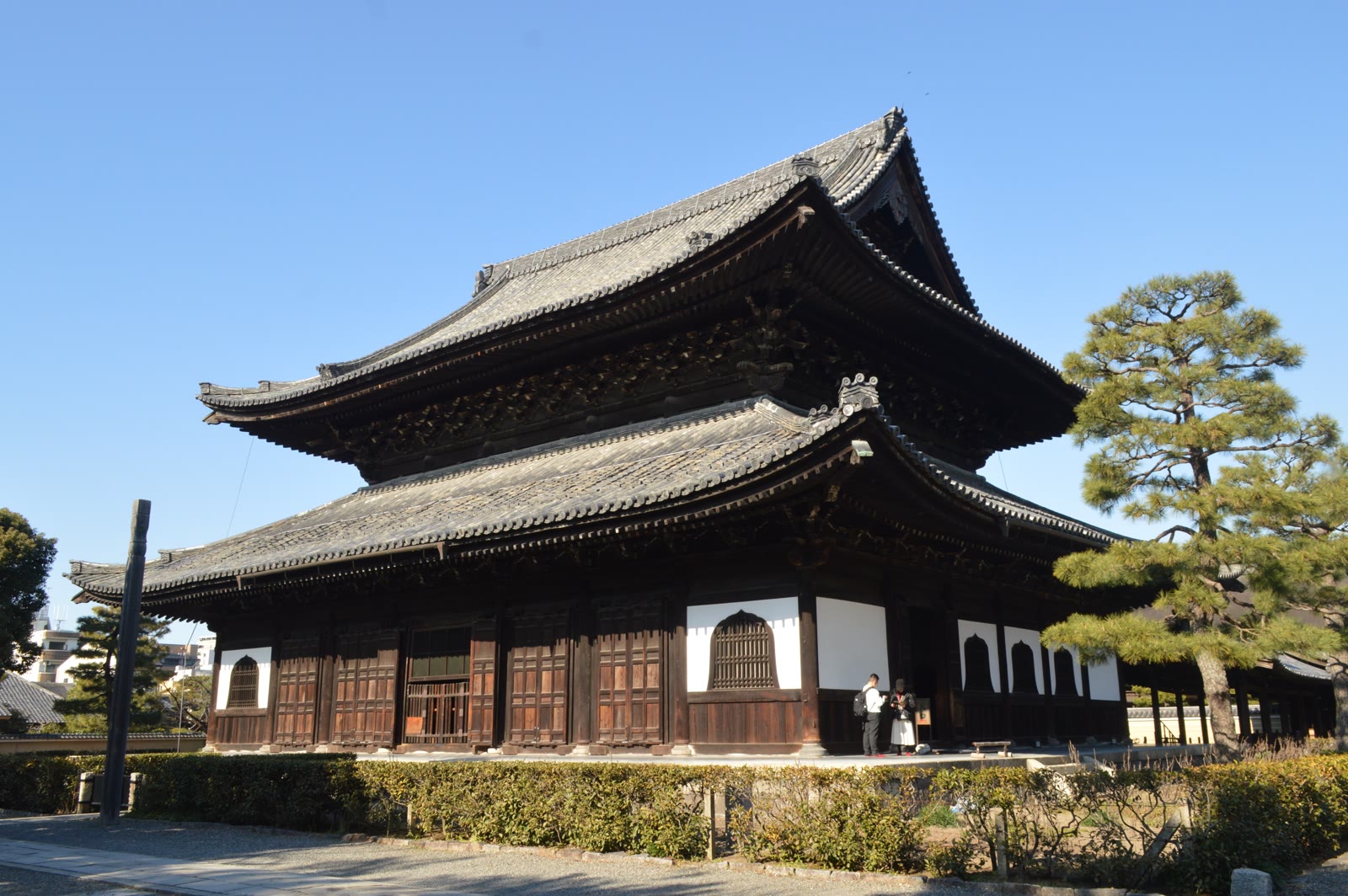
Founded in 1202 by the monk Eisai, Kenninji is the oldest Zen temple in Kyoto and sits directly at the southern end of Gion's Hanamikoji. Its ceiling dragons were painted in 2002, and the famous Wind and Thunder Gods screen it is known for is a facsimile.
- FromKyoto Stn
- ~20 minKeihan, then a 5-min walk
- Get off atGion-Shijo Station (Keihan Main Line)
- On foot
- Kenninji
Where it is
90 more notes in Kyoto · open the map →What to look for — in walking order
- The twin dragonsKoizumi Junsaku's ceiling painting filling the Dharma hall, dedicated in 2002 for the temple's 800th anniversary — modern, and none the worse for it
- The Wind and Thunder Gods facsimilea reproduction of Sotatsu's screen, viewable close up; the original is on deposit at the Kyoto National Museum and is not normally shown
- Choontei gardenthe moss and stone courtyard at the centre of the main hall, designed to be sat beside from the surrounding verandas
- Maru-Sankaku-Shikaku gardencircle, triangle and square rendered in a small dry garden, laid out by Kitayama Yasuo in 2006
How to actually get there
- Kyoto Stn → Tofukuji Stn (JR Nara Line, ~3 min), change to the Keihan Main Line.
- Tofukuji Stn → Gion-Shijo Stn (Keihan, ~5 min).
- Walk east on Shijo, then south down Hanamikoji to its end (~5-8 min).
- Dharma hall dragons → Choontei garden → Maru-Sankaku-Shikaku garden.
- Kyoto Stn → Gion-Shijo Stn, then walk down Hanamikoji
- From Kyoto Station take the JR Nara Line one stop to Tofukuji, change to the Keihan Main Line and ride to Gion-Shijo, about 15 minutes in total. From the station walk east along Shijo, turn south down Hanamikoji, and follow it to the end — roughly 5 to 8 minutes. The temple gate closes the far end of the lane.
- Gion-Shijo Stn → Kyoto Stn
- Walk back up Hanamikoji to Shijo and west to Gion-Shijo, then reverse via Tofukuji. The Keihan runs late into the evening, which suits pairing the temple with dinner in Gion or Pontocho afterwards.
About the place
Kenninji closes the southern end of Hanamikoji, the lane every visitor to Gion walks. Most of them turn around before reaching it, which is why the temple is calm at hours when the street outside is not. It was founded in 1202 by Eisai, the monk who brought Rinzai Zen and tea cultivation from China, and it is the oldest Zen temple in Kyoto. It is often described as the first Zen temple in Japan; that is not correct — Shofukuji in Hakata holds that position, and Kenninji's claim is to Kyoto. Two things inside are worth getting right before you go. The twin dragons filling the ceiling of the Dharma hall are magnificent and are not ancient: Koizumi Junsaku painted them in 2002 for the temple's 800th anniversary. And the Wind and Thunder Gods screen by Tawaraya Sotatsu, the work most people associate with Kenninji, is on deposit at the Kyoto National Museum and not normally on public display — what you see at the temple is a facsimile screen and a ceramic-panel reproduction. Knowing that in advance turns a disappointment into a fair trade, because the reproduction can be viewed close up in the room it was made for.
How to enjoy it
Use it as the quiet end of a Gion walk rather than a destination in itself: come down Hanamikoji from Shijo, and where the teahouse fronts stop, the temple gate begins. It admits visitors through the day for a modest fee, and because most Gion foot traffic never reaches it, the verandas around Choontei are usually calm even in the afternoon. Sit rather than circulate — the gardens here are designed to be looked at from a fixed point. Yasaka Shrine is ten minutes north and the Yasaka Pagoda ten minutes east, so this fits naturally into the Higashiyama line without adding a detour.
Background & history
Eisai founded Kenninji in 1202 with the patronage of Minamoto no Yoriie, the second Kamakura shogun, at a time when Zen was still establishing itself in Japan against the older Kyoto schools. The temple therefore began as a mixed institution, teaching Tendai and Shingon alongside Zen, and only later became purely Rinzai; it is now the head temple of the Kenninji branch. The Dharma hall ceiling received its twin dragons in 2002, painted by Koizumi Junsaku and dedicated on 14 April that year for the 800th anniversary. The garden called Maru-Sankaku-Shikaku — circle, triangle, square — was laid out in 2006 by Kitayama Yasuo, making the temple a place where very old and quite recent work sit in the same precinct.
Before you go
- Cash
- A modest admission is charged at the entrance, payable in cash. The Keihan and city buses take IC cards. Photography is generally permitted in the halls and gardens, but check the signs at each room.
- Good to know
- Opening hours run through the day and the last admission is before closing; confirm the season's times before a late visit. Shoes come off for the halls, so wear something easy to remove. The original Sotatsu screen is not on display here — do not plan a visit around seeing it.
- Another way
- City buses 206 and 100 stop at Gion, northeast of the temple. From Kyoto-Kawaramachi on the Hankyu line the walk is about 10 minutes east.
- After you get off
- From Gion-Shijo Station walk east along Shijo, turn right down Hanamikoji, and continue to the end of the lane — about 5 to 8 minutes. The temple gate is directly ahead.
Nearby notes
 Yanajin33 / CC BY-SA 4.0
History · Kyoto★★★
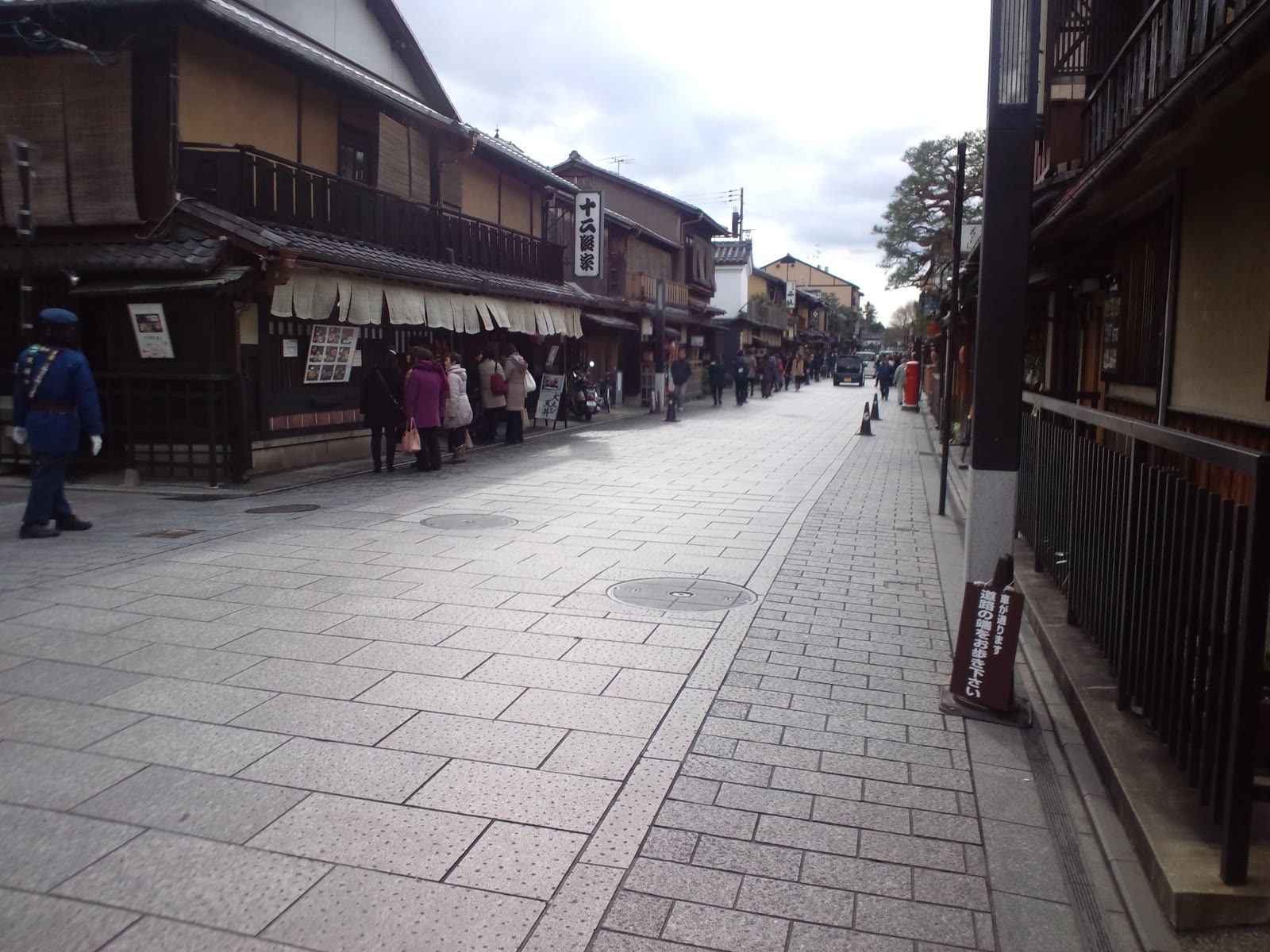
Gion
0.4 km · straight line
 DXR / CC BY-SA 4.0
History · Kyoto★★★
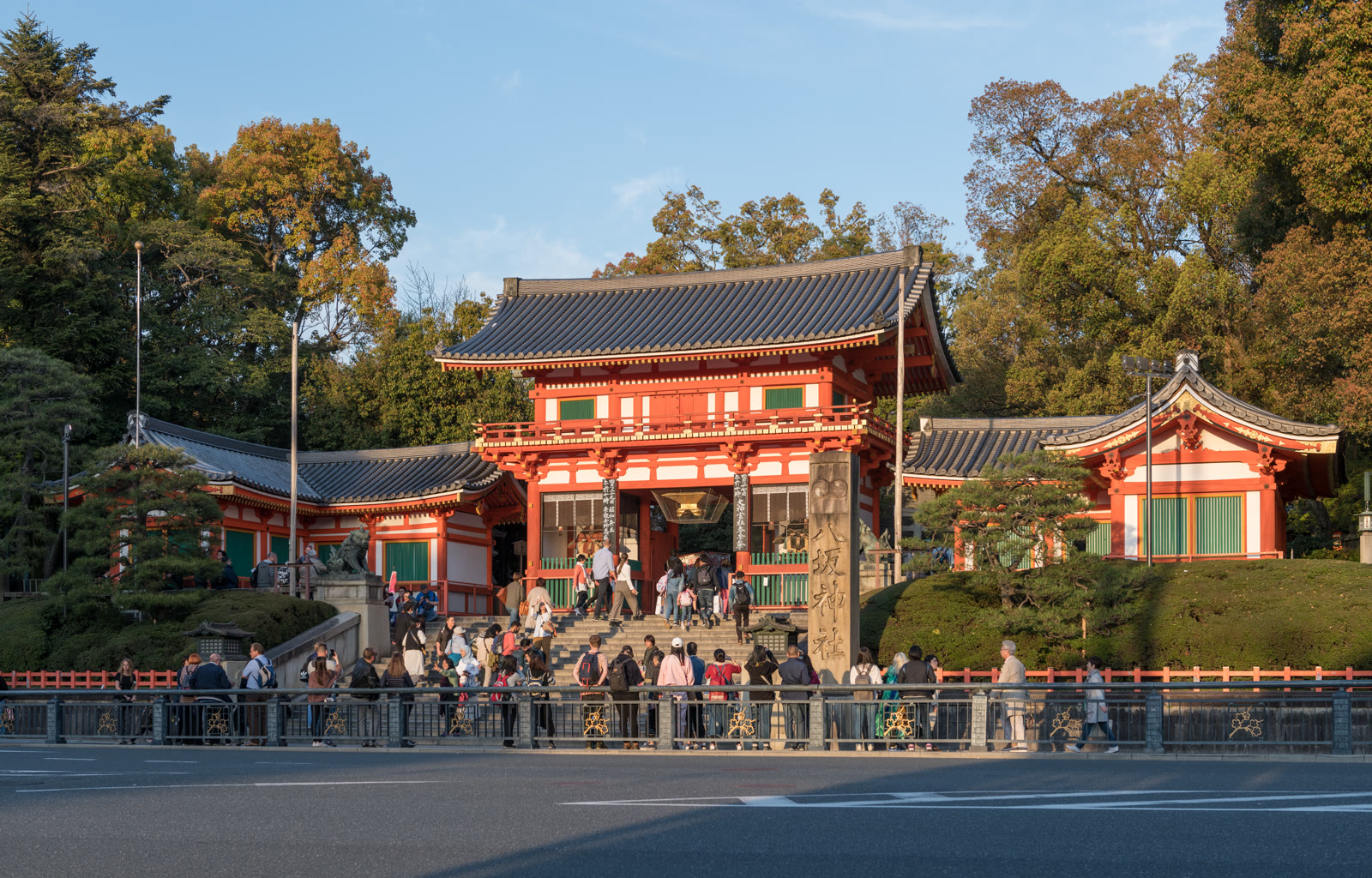
Yasaka Shrine
0.5 km · straight line
 Basile Morin / CC BY-SA 4.0
History · Kyoto★★★
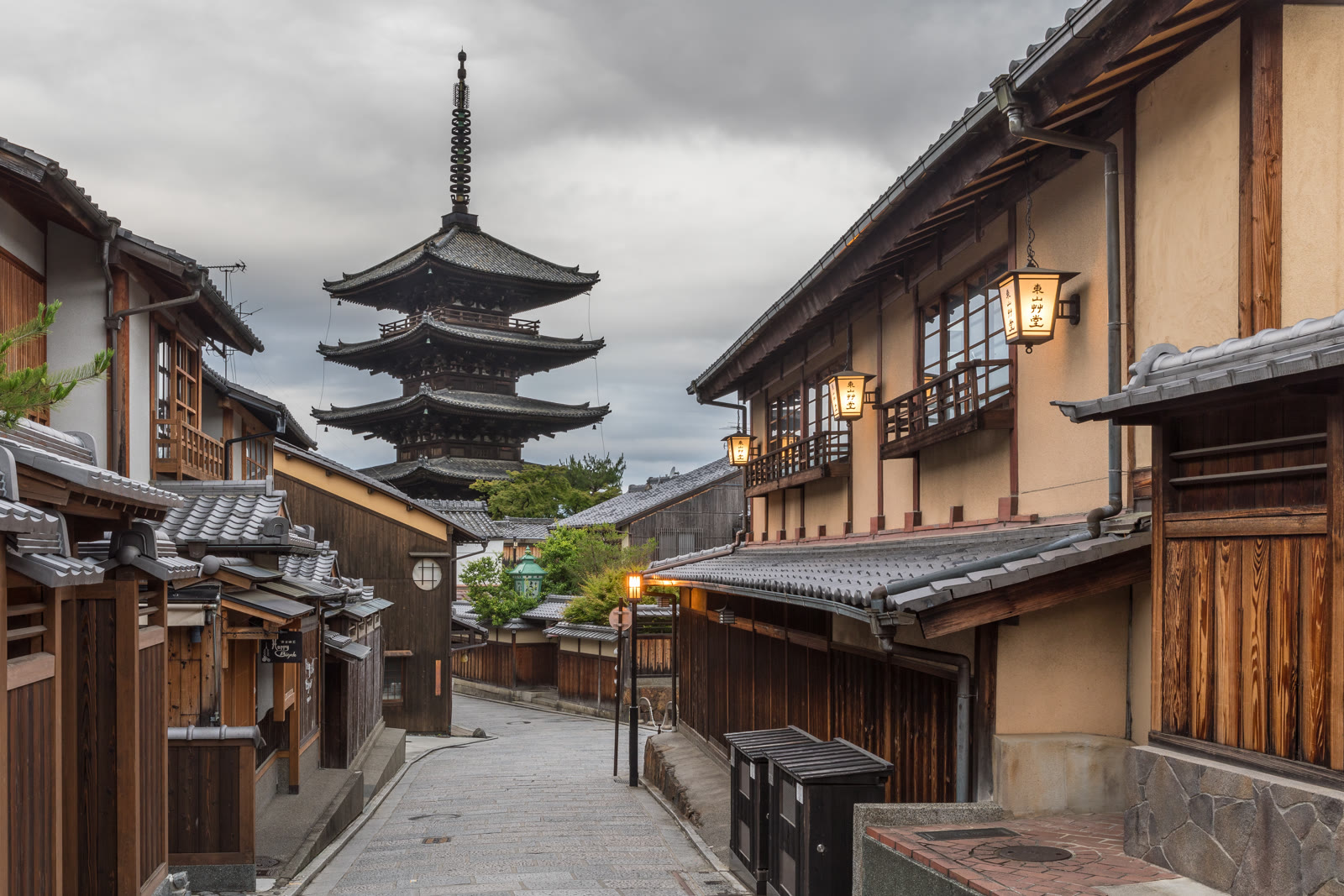
The Yasaka Pagoda
0.6 km · straight line
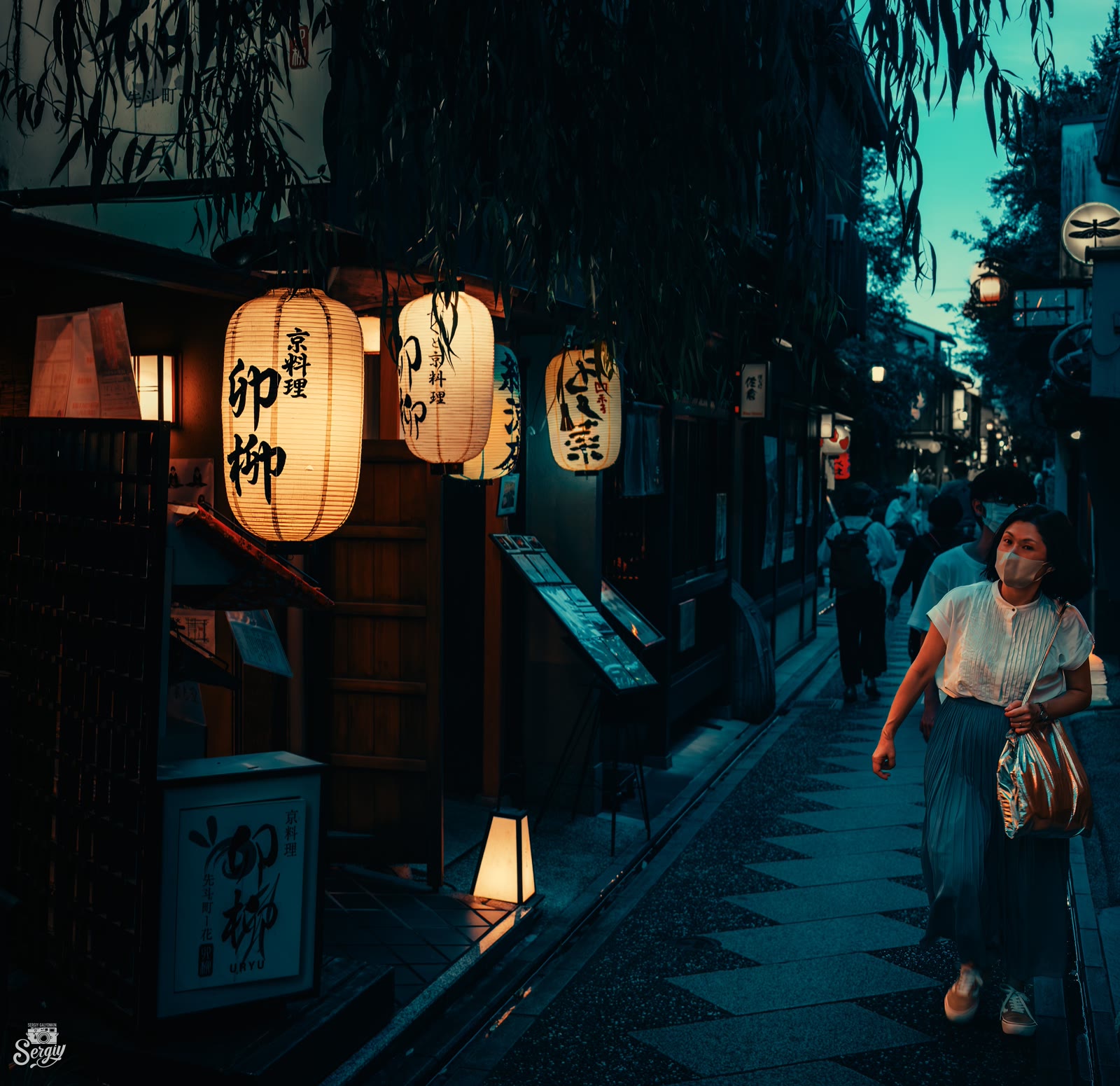 Sergiy Galyonkin from Raleigh, USA / CC BY-SA 2.0
Local life · Kyoto★★★
Pontocho
0.6 km · straight line
Distances are straight lines on the map, not travel times.