Kyoto · Gion / HigashiyamaNo.191★★★Open in map →
Gion
— Kyoto's teahouse quarter
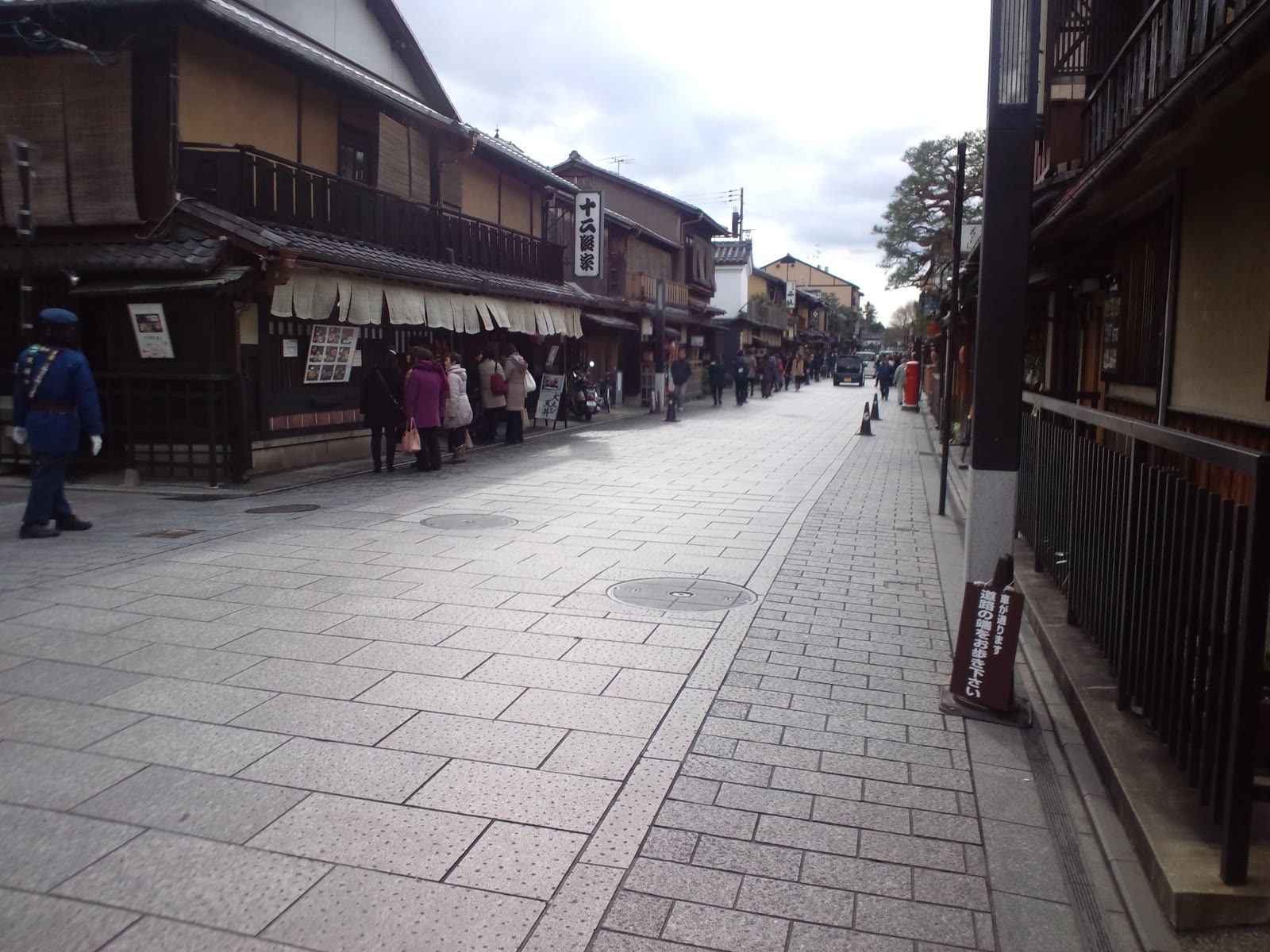
Kyoto's most famous geisha district, in the Higashiyama area east of the Kamo River. The southern half of Hanamikoji Street is a preservation district lined with ochaya teahouses; the Shirakawa canal banks are another face of the neighbourhood.
- FromKyoto Stn
- ~3 minKeihan (frequent)
- Get off atGion-Shijo Station (Keihan Main Line, KH40)
- On foot
- Gion
Where it is
90 more notes in Kyoto · open the map →What to look for — in walking order
- Shijo-dori crossing (north end of Hanamikoji)start here and walk south: the street changes character quickly as the ochaya district begins
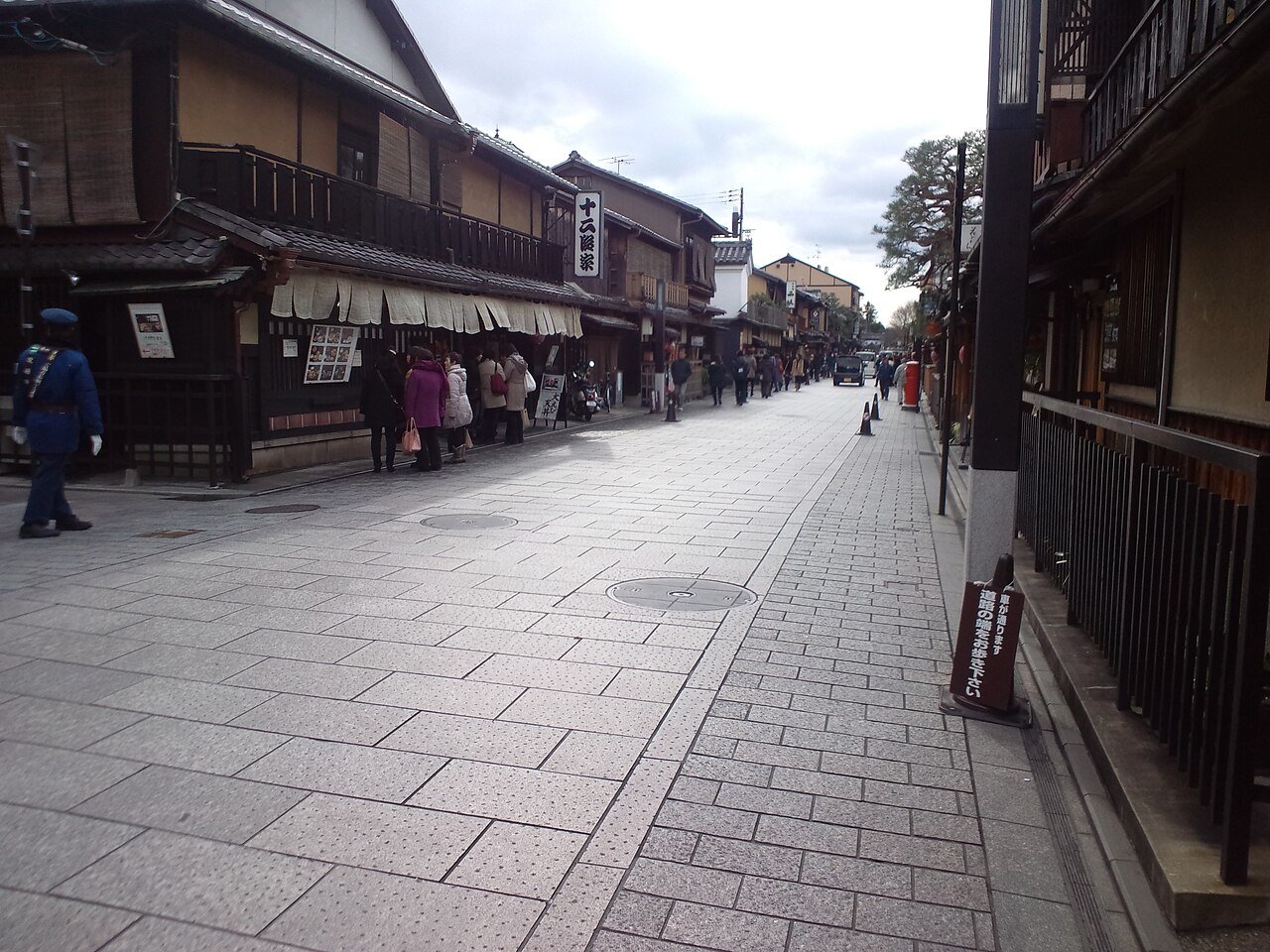
- Hanamikoji-dori (south half)the preservation streetscape of latticed teahouses; the section south of Shijo-dori has the densest historic frontage
- Shirakawa canal and willow banksa narrow waterway north of Shijo lined with weeping willows, best in early spring when the trees are in leaf
- Tatsumi-bashi bridgea small stone bridge over the Shirakawa canal, frequently photographed as a Gion icon
How to actually get there
- Kyoto Station → Tofukuji Station (Kintetsu, 1 stop, ~2 min) → Gion-Shijo Station (Keihan, 1 stop, ~2 min).
- Exit 6 → walk east along Shijo-dori ~3 min to Hanamikoji intersection.
- Walk Hanamikoji south toward Kennin-ji; then cross to the Shirakawa canal (5 min north of Shijo).
- Keihan Main Line to Gion-Shijo Station
- From Kyoto Station, take the Kintetsu Line to Tofukuji Station (1 stop, ~2 min), then change to the Keihan Main Line one stop to Gion-Shijo Station (total ~10 min). Alternatively, bus routes 100, 206, and others run directly from Kyoto Station to the Gion bus stop on Shijo-dori in about 15–20 minutes. From Gion-Shijo Station, the Hanamikoji intersection is about a 3-minute walk east along Shijo-dori.
- Return from Gion-Shijo Station
- Keihan trains run frequently from Gion-Shijo Station back to Tofukuji (for JR connection to Kyoto Station) or directly toward Osaka (Yodoyabashi/Namba) — a useful exit if your next stop is the Osaka side. No advance booking needed.
About the place
Gion developed as an entertainment district outside the gates of Yasaka Shrine, one of Kyoto's major shrines, over several centuries from the Edo period onward. Today the district is divided into two parts: Gion-Kobu, the larger of the two, covers the area around Hanamikoji and the Shirakawa canal, while Gion-Higashi sits just to the north. The southern half of Hanamikoji-dori, from Shijo-dori to Kennin-ji temple, is a legally protected streetscape where the traditional machiya townhouses, many now operating as ochaya (teahouses that host geisha entertainments for private clients), have not been replaced. Spotting a geiko (the Kyoto term for a geisha) or maiko (an apprentice) on the street is more likely in the early evening, when they move between engagements. Photographing or following people on the designated private lanes is prohibited by district rules and signs.
How to enjoy it
Walk Hanamikoji from Shijo-dori south toward Kennin-ji in the late afternoon or early evening, when the streetlamps are lit and the ochaya lanterns glow. The Shirakawa canal, a short walk north of Shijo, is best seen in the morning before the crowds. Follow the lane signs: private alleys marked with wooden signs asking visitors not to enter are exactly that — private working streets, not tourist pathways.
Background & history
Gion's origins lie in the activities that grew around Yasaka Shrine — stalls and lodgings for pilgrims and visitors to the annual Gion Matsuri festival. By the Edo period it had become one of Kyoto's five officially licensed entertainment quarters. The ochaya system — in which the teahouse acts as an intermediary arranging banquets with geisha — has continued without break to the present day, making Gion one of the only places in Japan where it still functions at scale. The Shirakawa waterway, a branch of the Kamo River, was historically used for washing and irrigation; the willow-lined canal banks visible today were shaped into a formal promenade during the Meiji and Taisho periods.
Before you go
- Cash
- There is no admission charge for walking the public streets of Gion. Ochaya engagements require advance connection through a Japanese introducer — walk-in is not available. Kennin-ji temple at the south end of Hanamikoji charges a small admission.
- Good to know
- The streets are public and accessible at any hour, but some private lanes within the district display bilingual signs prohibiting photography or entry — please respect them. Kyoto city ordinances prohibit photo harassment of geiko and maiko.
- Another way
- Keihan Shijo Station is an older name for the same Gion-Shijo Station. From central Osaka on the Keihan line it is a direct 40-minute ride to this station with no transfer needed.
- After you get off
- From Gion-Shijo Station Exit 6, walk east along Shijo-dori about 3 minutes to reach the Hanamikoji intersection.
Nearby notes
 DXR / CC BY-SA 4.0
History · Kyoto★★★
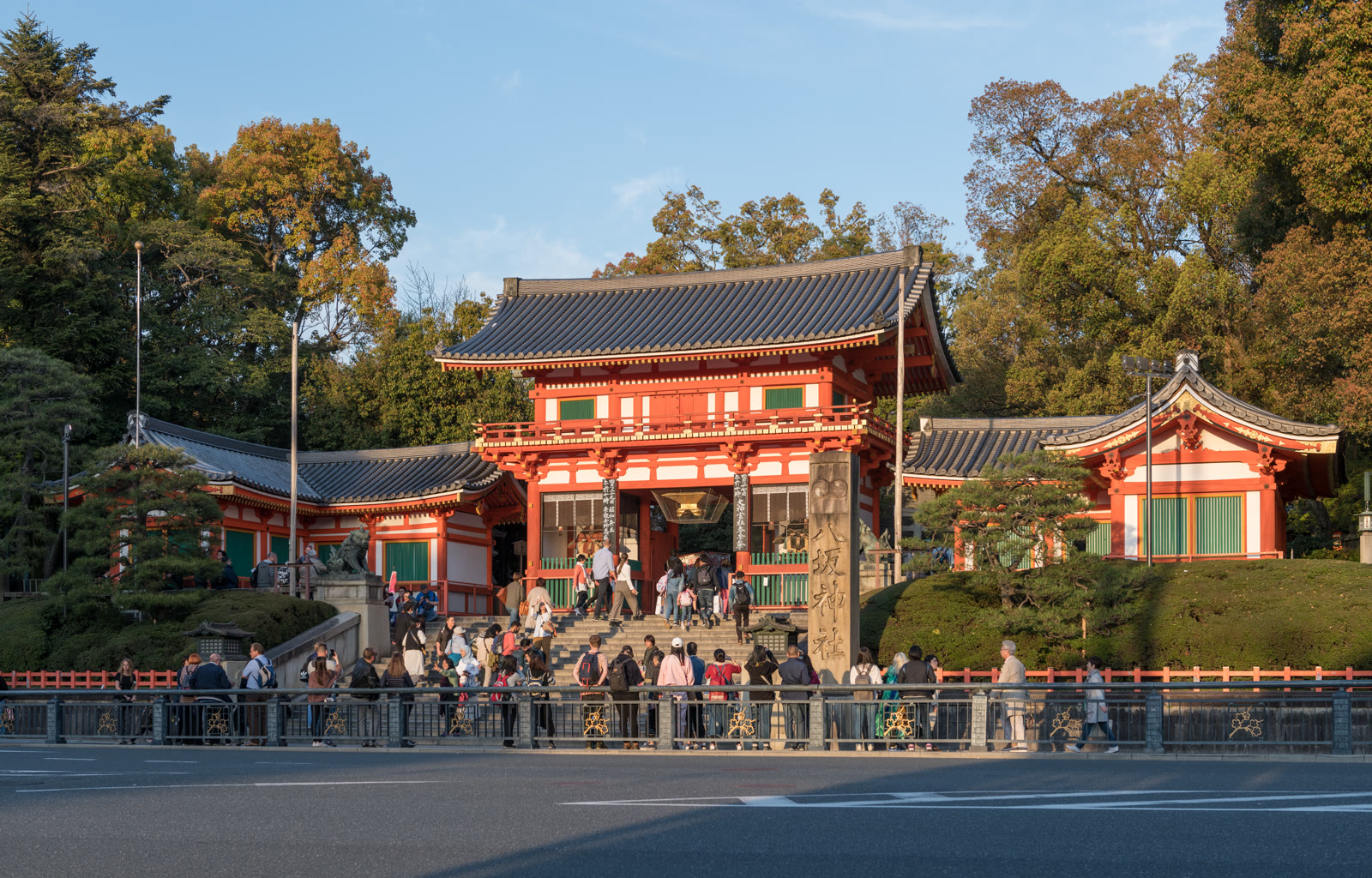
Yasaka Shrine
0.3 km · straight line
 Asturio Cantabrio / CC BY-SA 4.0
History · Kyoto★★★
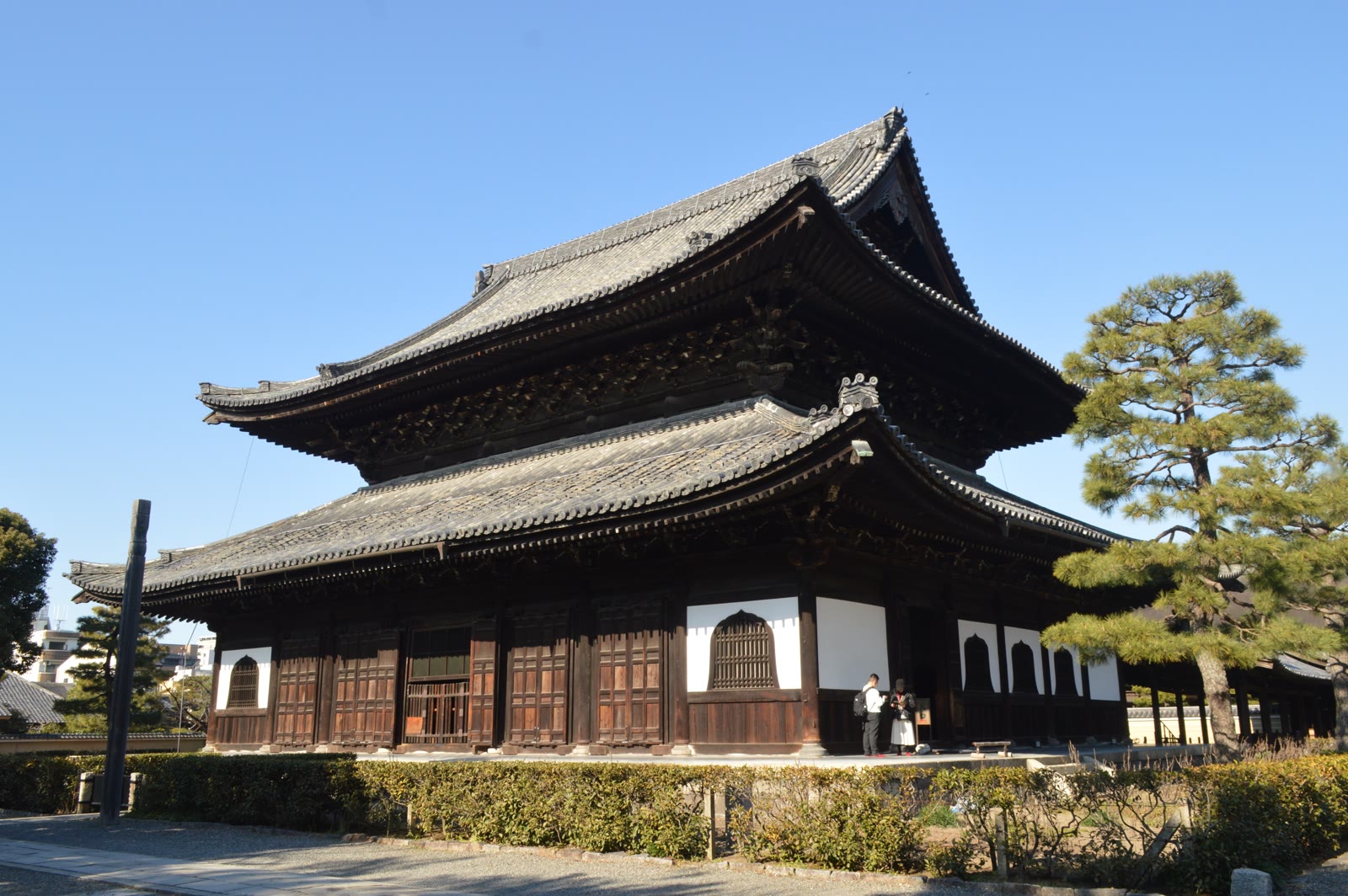
Kenninji
0.4 km · straight line
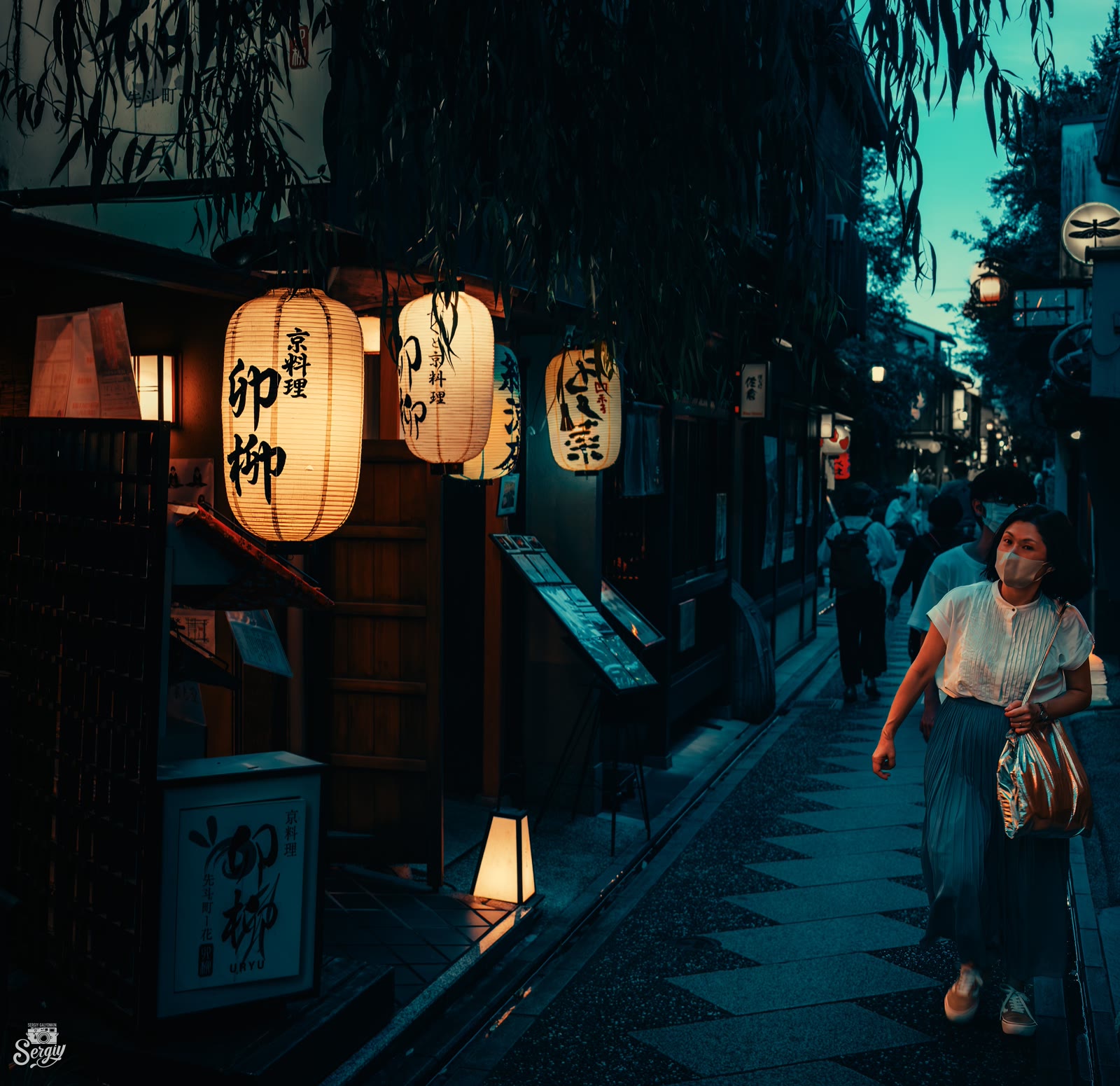 Sergiy Galyonkin from Raleigh, USA / CC BY-SA 2.0
Local life · Kyoto★★★
Pontocho
0.6 km · straight line
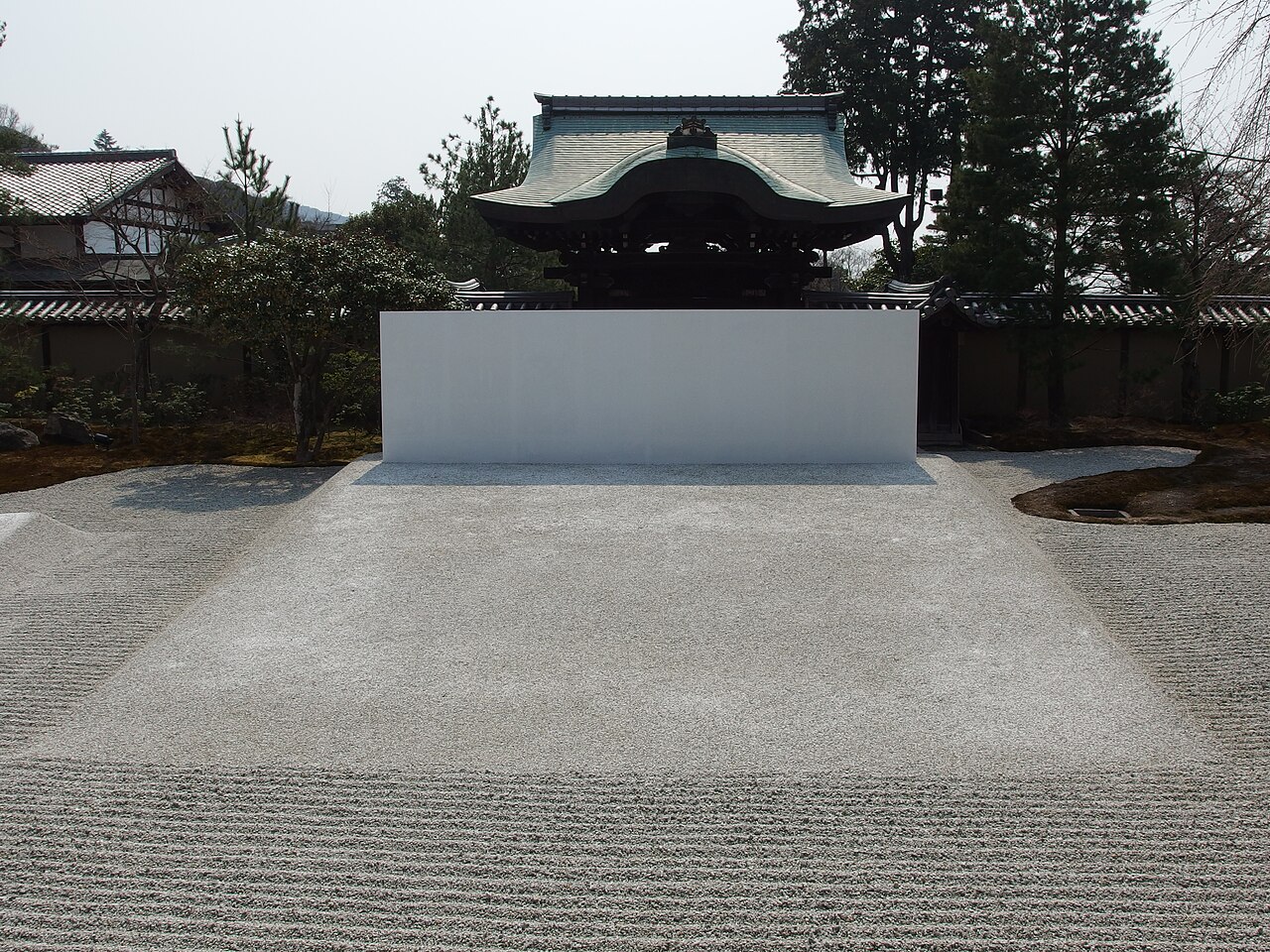 Guilhem Vellut from Annecy, France / CC BY 2.0
History · Kyoto★
Kodai-ji
0.7 km · straight line
Distances are straight lines on the map, not travel times.