Central Kyoto · NakagyoNo.249★★★Open in map →
Pontocho
— the narrow riverside alley of lanterns
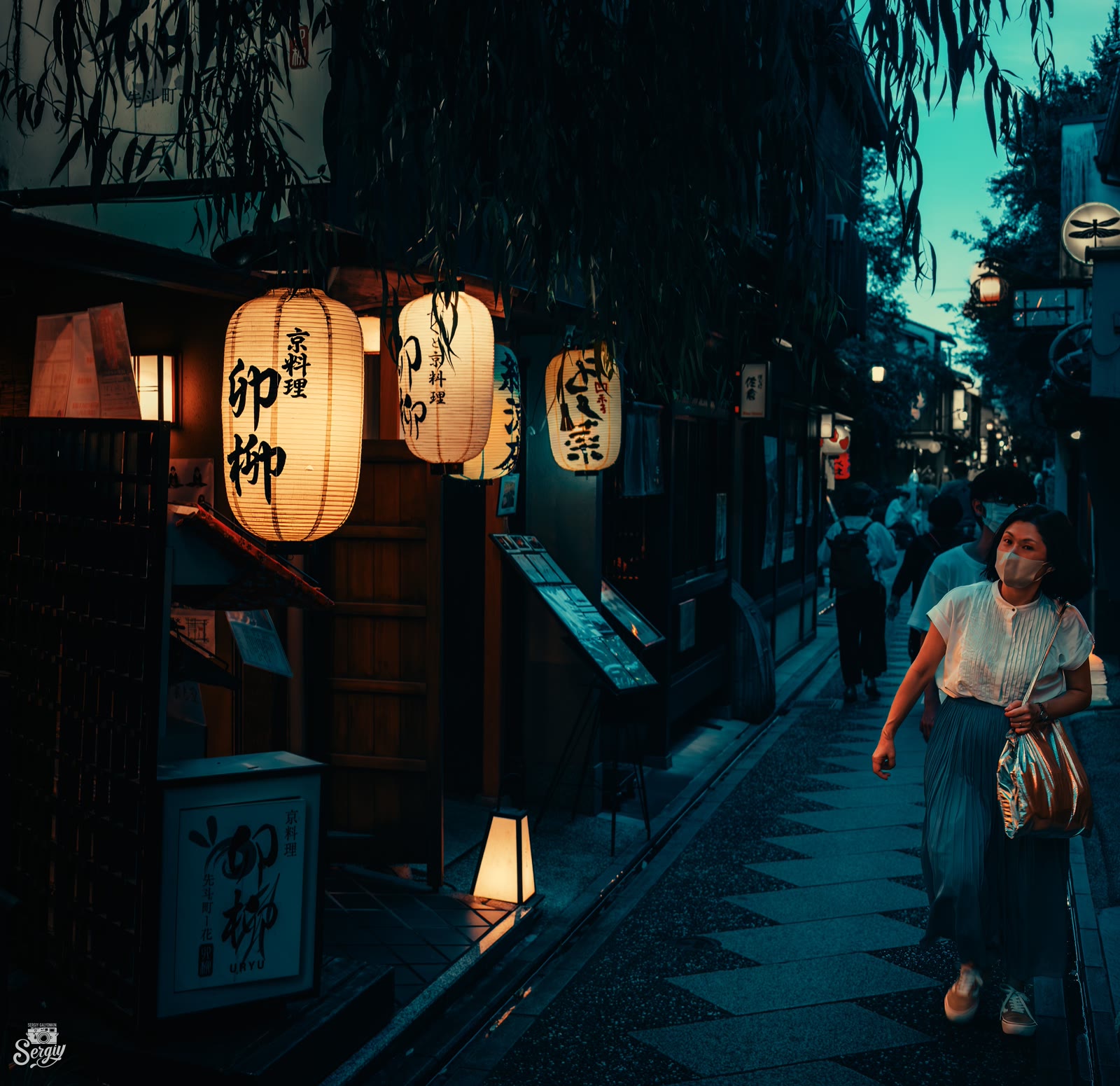
A 490-metre stone-paved lane, one block west of the Kamo River, lined with traditional restaurants, tea houses, and the occasional glimpse of a maiko. One of Kyoto's five geisha districts, and one of its most recognisable streetscapes.
- FromKyoto Stn
- ~20 minKeihan to Gion-Shijo
- Get off atGion-Shijo Station (Keihan Main Line) or Kawaramachi Station (Hankyu)
- On foot
- Pontocho
Where it is
90 more notes in Kyoto · open the map →What to look for — in walking order
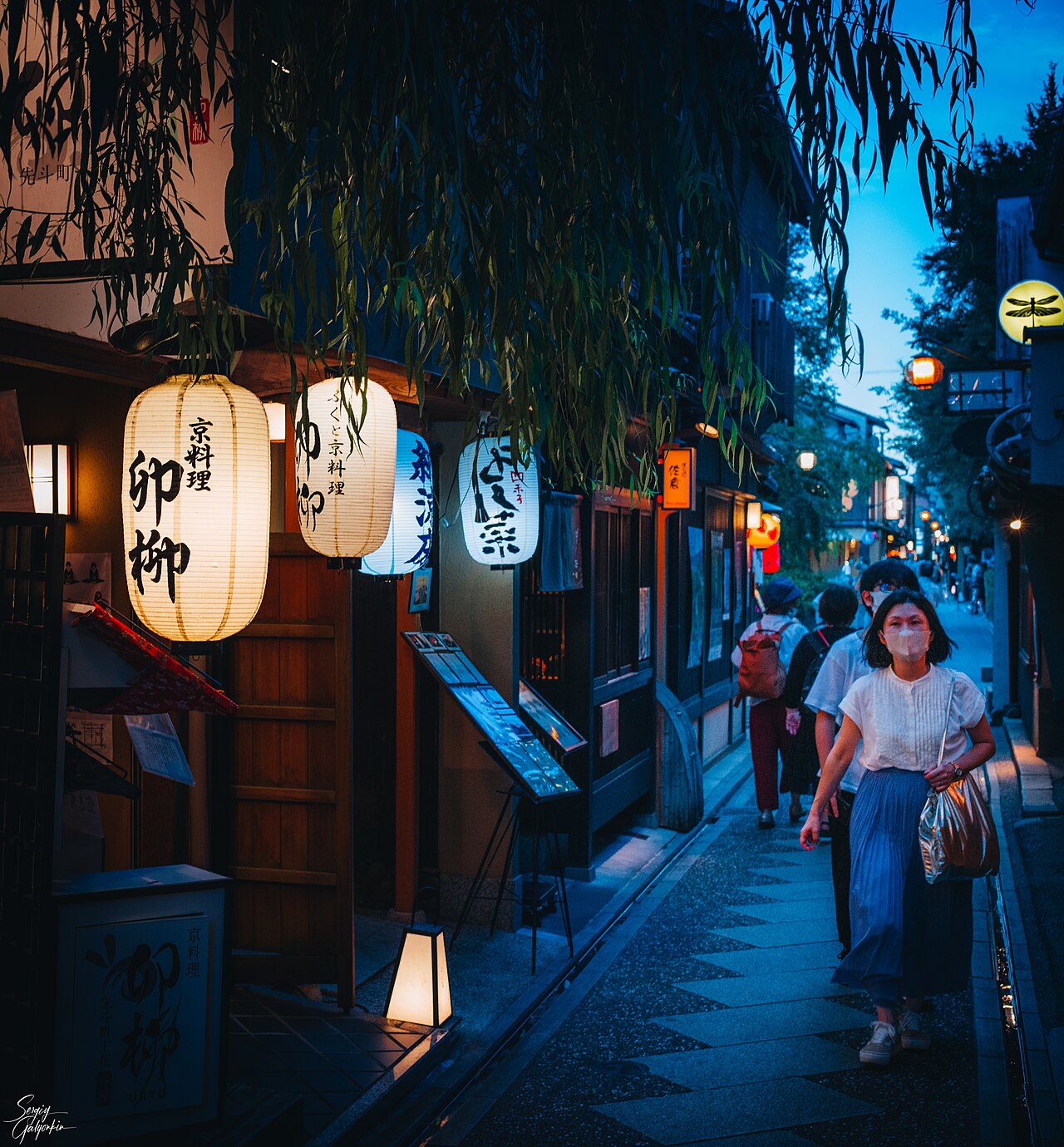
- The main alleythe narrow 490-metre lane between Shijo and Sanjo, stone-paved and lit by paper lanterns at night
- Kamo River side (east)several restaurants open to the river; from May to September, kawayuka platforms are built over the water for riverside dining
- Pontocho Kaburenjo theatrea traditional performance hall inside the district hosting the Kamogawa Odori dance in spring (usually May)
- Side lanes and machiyashort perpendicular lanes branch off the main alley; traditional townhouse facades line both sides
How to actually get there
- Kyoto Station → Tofukuji Station (JR Nara Line, one stop) → Keihan Main Line to Gion-Shijo Station.
- Gion-Shijo Station → walk west across Kamo River → south entrance of Pontocho (~5 min).
- Walk the 490-metre lane north from Shijo-dori to Sanjo-dori; restaurant terraces face the Kamo River on the east side.
- Keihan Main Line to Gion-Shijo Station
- Kyoto Station → (JR Nara Line one stop to Tofukuji) → transfer to the Keihan Main Line → (Keihan to Gion-Shijo Station) → exit and walk west about 5 minutes to Pontocho. Or: Subway Karasuma Line north from Kyoto Station to Shijo, then walk about 1 km east along Shijo-dori to the south entrance. Total 15–20 minutes. Alternatively, Hankyu Kyoto Line to Kyoto-Kawaramachi Station (exit 1), the south entrance of Pontocho is 5 minutes' walk.
- Keihan from Gion-Shijo or Hankyu from Kawaramachi
- From the south end of Pontocho, Gion-Shijo Station (Keihan) is about 5 minutes' walk east. Kyoto-Kawaramachi (Hankyu) is just west of the alley's south entrance. Both connect back to Kyoto Station in under 20 minutes.
About the place
Pontocho occupies a thin strip of reclaimed land between the Kamo River and Kiyamachi Street. The lane is narrow enough that you can almost touch the walls on both sides; the wooden machiya facades are uninterrupted except for the occasional swinging noren curtain marking a restaurant entrance. After dusk the paper lanterns light up, the sound of shamisen comes through a wall somewhere, and the lane becomes the most compressed version of Kyoto's idea of the evening. In summer, the restaurants at the river end open their back platforms — kawayuka — over the water, and you can eat with the Kamo River a metre below you and the Higashiyama hills across the city turning purple. Maiko still walk this alley, though less frequently than the images suggest; what the alley reliably offers is the lantern light and the geography.
How to enjoy it
Restaurants in Pontocho generally open after 17:00; the alley comes fully alive from dusk. The lane itself is public and free to walk at any hour — daytime has fewer crowds and lets you see the architecture. If you want to try kawayuka dining (riverside platform seating from May to September), reservations are typically needed well in advance. Walking from Shijo-dori at the south end to Sanjo-dori in the north takes about 10 minutes; exit onto Kiyamachi Street to continue north or south along the canal. Budget dining options exist but many restaurants in Pontocho are mid to high range.
Background & history
Pontocho's history begins with land: the district stands on ground reclaimed from the Kamo River by embankment work completed in 1670, creating a new strip of habitable land along the western bank. Its name is said to derive from the Portuguese word 'ponte' (bridge) combined with the Japanese 'cho' (town), reflecting the early influence of Portuguese traders in Kyoto. Geisha culture in Pontocho developed through the Edo and Meiji periods, and today the district remains one of Kyoto's five kagai (officially designated geisha districts), alongside Gion, Miyagawa-cho, Kamishichiken, and Shimabara. The Pontocho Kaburenjo theatre within the alley hosts the Kamogawa Odori dance performances each spring.
Before you go
- Cash
- Walking the alley is free. Restaurants range from mid to high range; most accept IC cards but some traditional establishments prefer cash — check in advance. Kawayuka dining typically requires a reservation.
- Good to know
- The alley is a public street and can be walked at any time. Restaurants and tea houses are generally open from 17:00 and close by 22:00–23:00. Kamogawa Odori performances at the Kaburenjo theatre run in May each year.
- Another way
- From Osaka (Kyobashi or Yodoyabashi), take the Keihan Main Line directly to Gion-Shijo Station — about 50 minutes — without any transfer.
- After you get off
- Gion-Shijo Station (Keihan) is the most convenient. Exit via Exit 4 (north side) and walk west along Shijo-dori, cross the Kamo River bridge, and the south entrance of Pontocho is one block further west.
Nearby notes
 Pitan / CC BY-SA 3.0
Food · Kyoto★★★
Nishiki Market
0.4 km · straight line
 Yanajin33 / CC BY-SA 4.0
History · Kyoto★★★
Gion
0.6 km · straight line
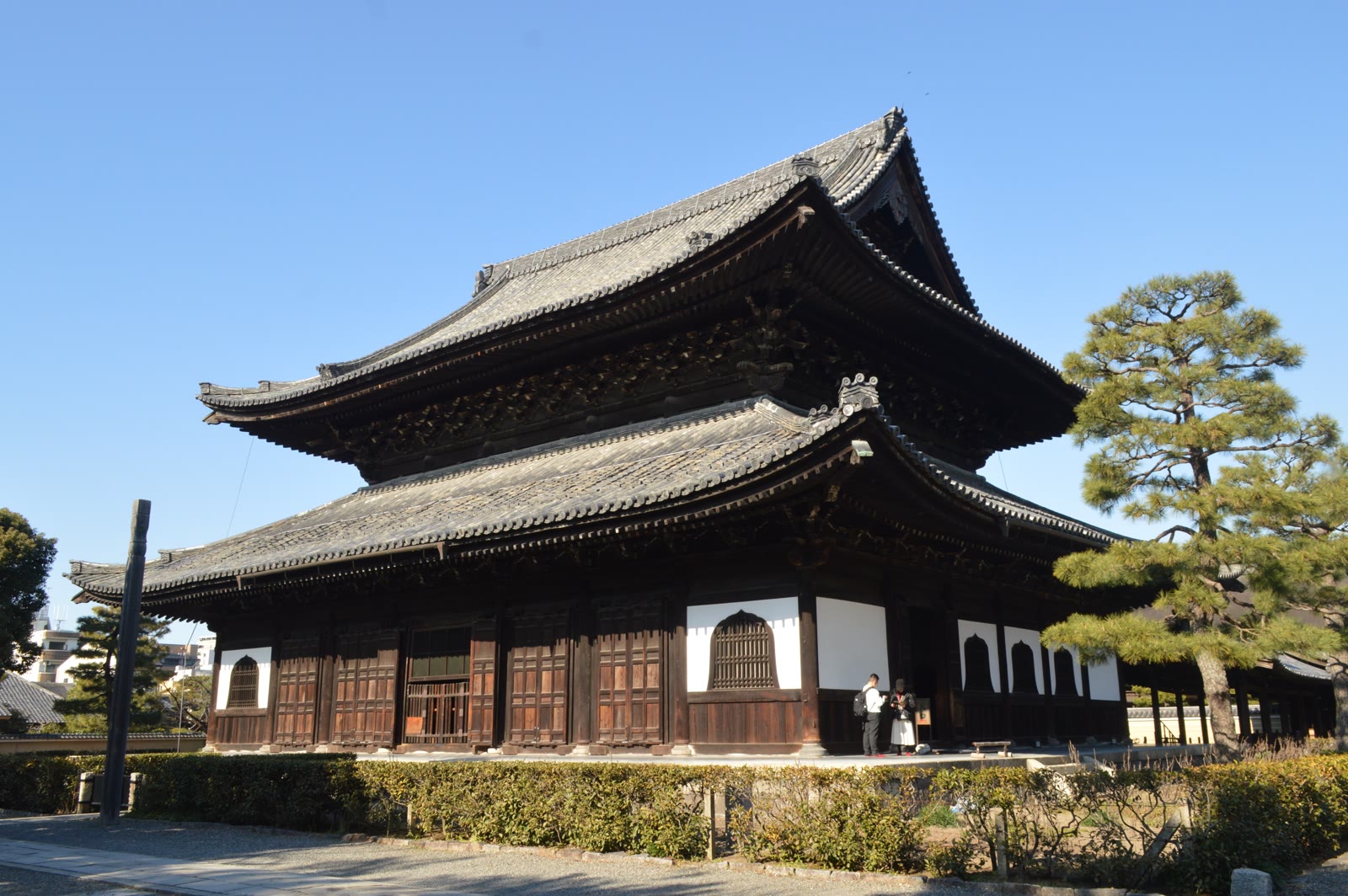 Asturio Cantabrio / CC BY-SA 4.0
History · Kyoto★★★
Kenninji
0.6 km · straight line
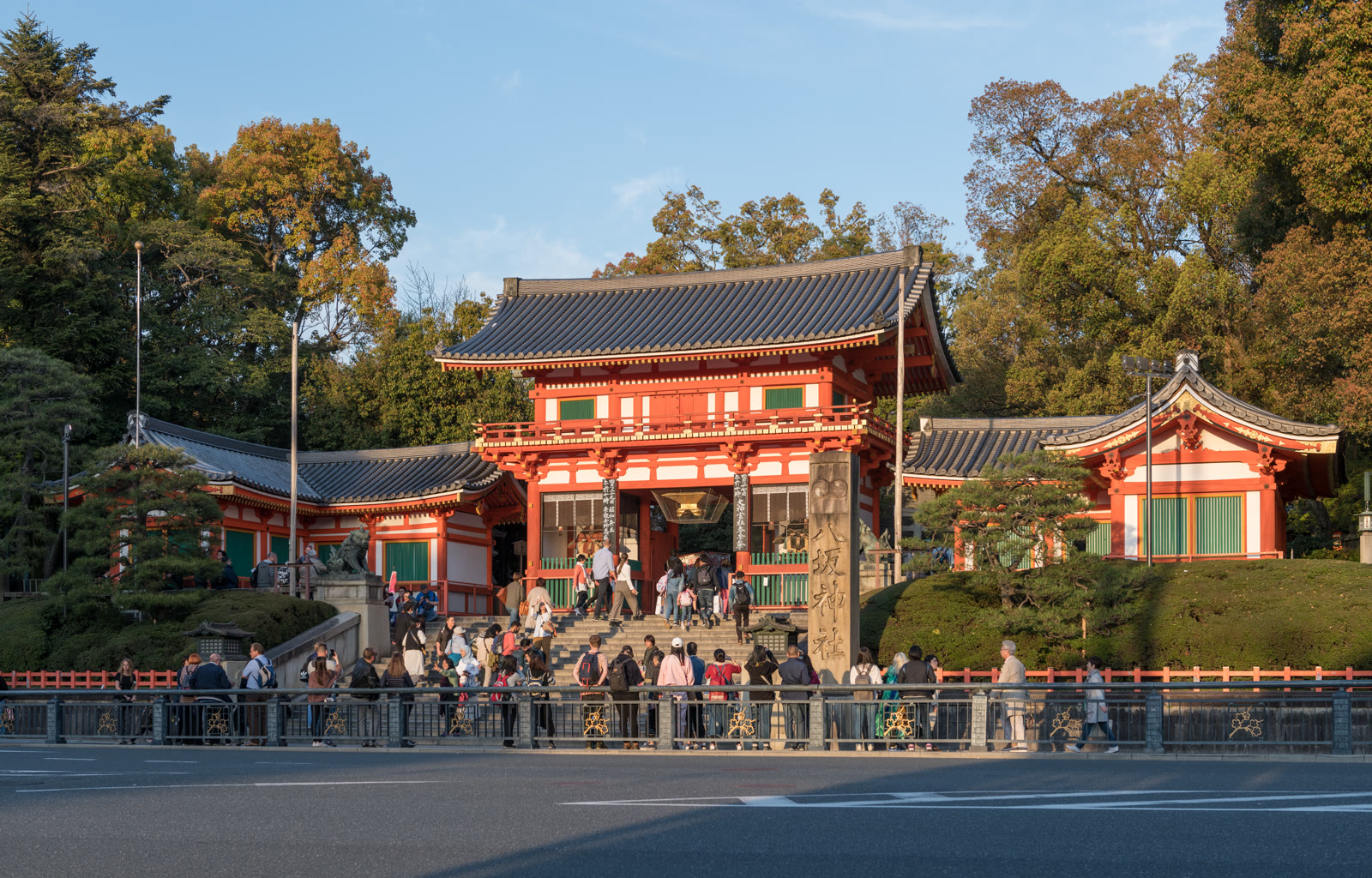 DXR / CC BY-SA 4.0
History · Kyoto★★★
Yasaka Shrine
0.9 km · straight line
Distances are straight lines on the map, not travel times.