Kyoto · Higashiyama-shichijoNo.385★★Open in map →
Kyoto National Museum
Japan's national museum for Kyoto-connected art, founded 1897, showing a rotating permanent collection in a restrained 2014 building by Taniguchi Yoshio.
- FromKyoto Stn
- ~15 minKeihan + walk
- Get off atShichijo Station (Keihan Main Line)
- On foot
- Kyoto National Museum
The sweet spot
Visitors come for Sanjusangendo and walk straight past the museum gate directly opposite. Yet this is where a large share of Kyoto's temple art is actually deposited — it is the one building where you can see, in a single afternoon, the objects the temples themselves own but cannot safely display. Admission is also free for anyone under 18 or over 70, which few visitors realise.
Where it is
90 more notes in Kyoto · open the map →What to look for — in walking order
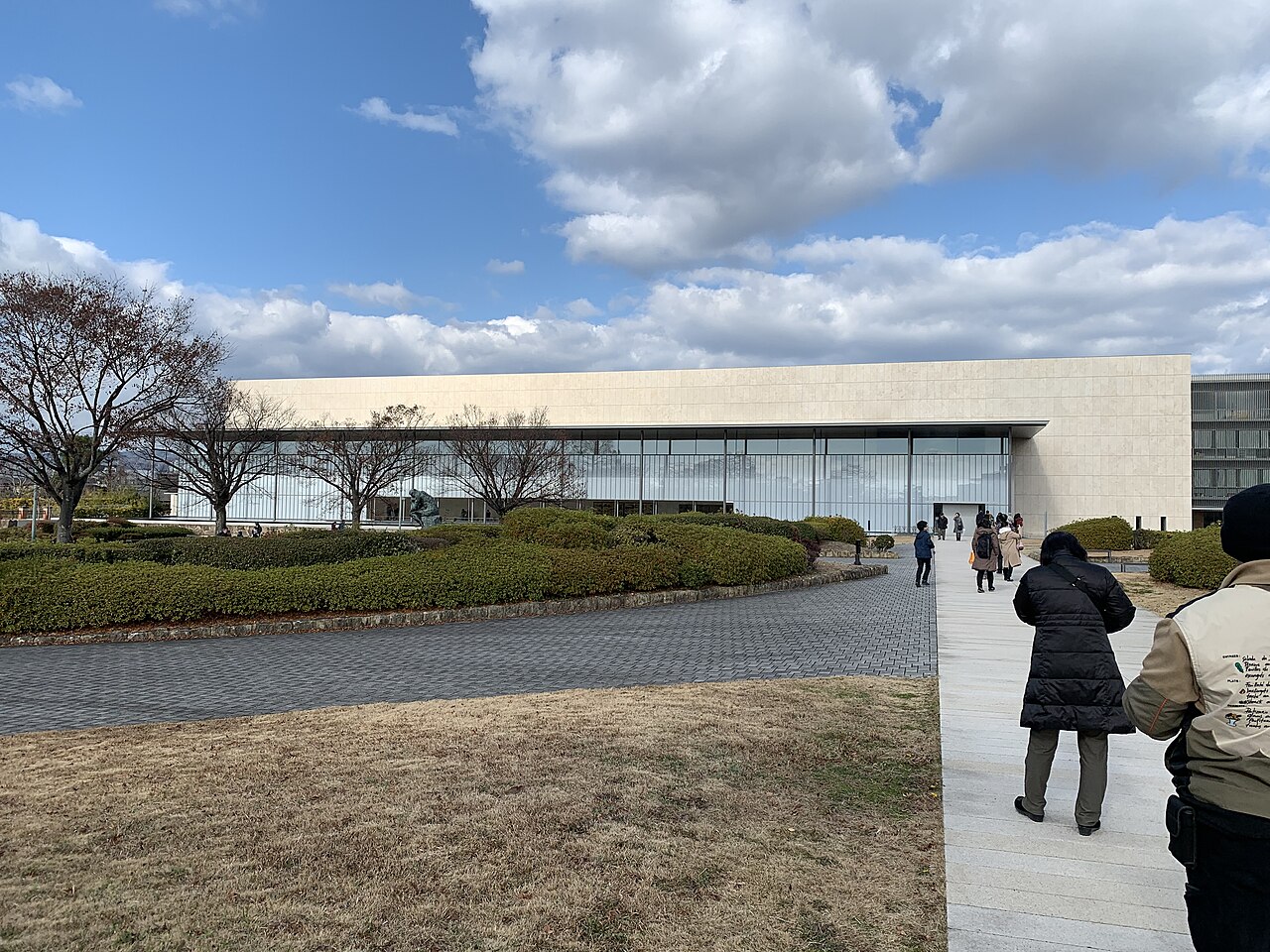
- Heisei Chishinkanthe 2014 exhibition hall by Taniguchi Yoshio — long grey horizontals and a reflecting pool, designed to disappear behind the objects
- Meihin Gallery rotationsthe permanent display, changed by field every few months; sculpture, painting, ceramics, calligraphy, textiles, lacquer and metalwork all take their turn
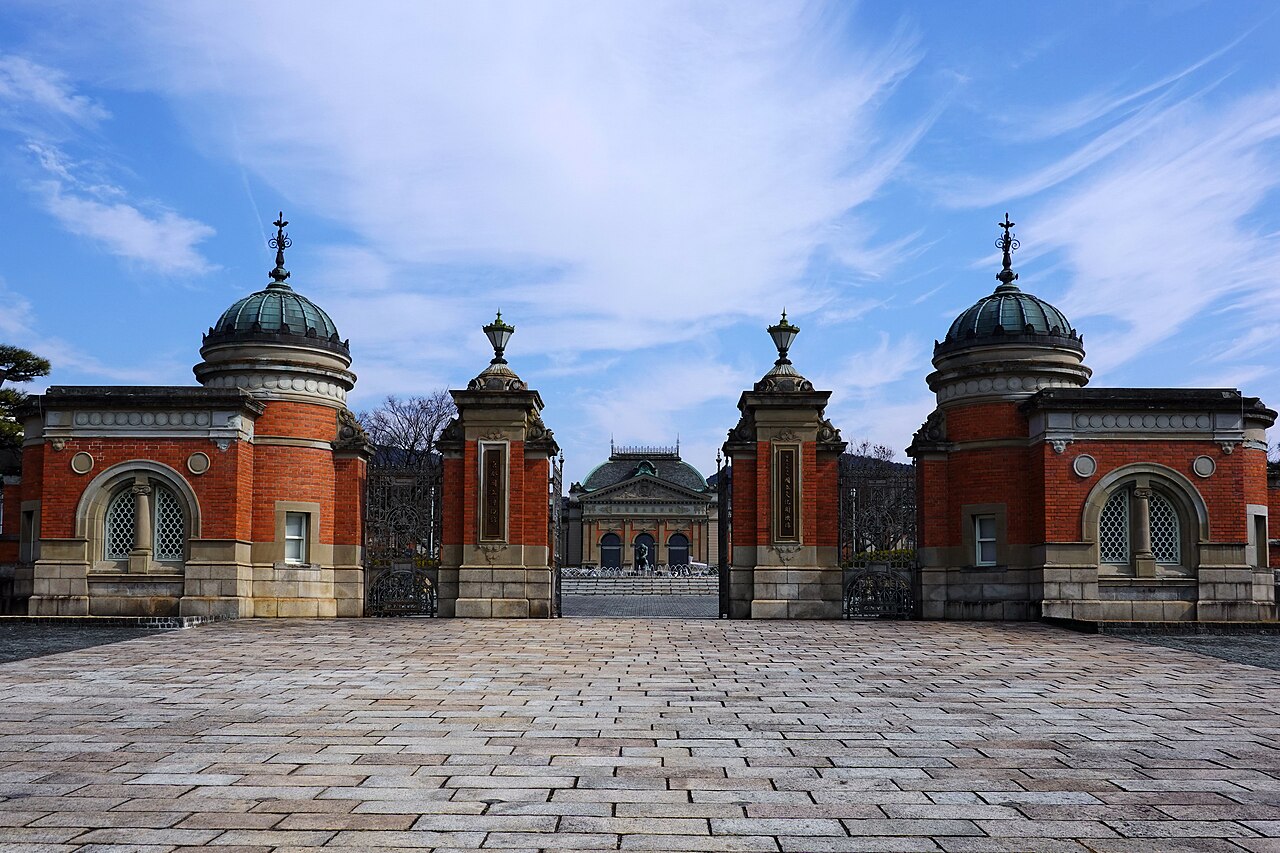
- Meiji Kotokanthe original 1895 red-brick hall by Katayama Tokuma, an Important Cultural Property; closed for structural work and opened only for occasional special viewings
- The forecourt and gardena cast of Rodin's Thinker and a sculpture garden sit between the two buildings, free to walk through on garden-only days
How to actually get there
- Kyoto Stn → Tofukuji (JR Nara Line, ~3 min) → Shichijo Stn (Keihan, 1 stop).
- Walk east along Shichijo street about 7 min to the museum gate.
- See the Meihin Gallery in the Heisei Chishinkan, then cross the road to Sanjusangendo.
- Kyoto Stn → Shichijo Stn (Keihan), then walk
- Kyoto Stn →(JR Nara Line to Tofukuji, ~3 min, then Keihan Main Line one stop north to Shichijo, ~3 min)→ Shichijo Stn → walk east about 7 minutes along Shichijo street to the museum gate. Total about 15 minutes. Alternatively take city bus 100, 206 or 208 from Kyoto Station directly to the Hakubutsukan-Sanjusangendo-mae stop, about 10 minutes.
- Walk back to Shichijo Stn or take the bus
- Return west along Shichijo street to Keihan Shichijo Station (7 min) and ride to Gion-Shijo for the evening, or take bus 100 / 206 / 208 back to Kyoto Station from the stop outside the museum. Buses run frequently through the day.
About the place
Kyoto's temples own an enormous amount of art they cannot safely show — sculpture, hanging scrolls, sutras, lacquer, textiles, all of it fragile and much of it seasonal. The Kyoto National Museum is where a great deal of it ends up on deposit, which gives the collection a character no private museum has: it is not one collector's taste but the accumulated holdings of an entire city's religious institutions, roughly 12,500 items counting deposits. The permanent display, called the Meihin Gallery, rotates through it by field — ceramics, archaeology, painting, sculpture, calligraphy, textiles, metalwork, lacquer — so the building shows a different museum every few months. It occupies the 2014 Heisei Chishinkan by Taniguchi Yoshio, a low, grey, deeply calm building of long horizontals and a reflecting pool, deliberately restrained so that the objects carry the room. Across the forecourt stands the original 1895 brick main building, the Meiji Kotokan, an Important Cultural Property that has been closed to the public for years pending seismic work and opens only for occasional special viewings.
How to enjoy it
Treat it as half of a pair. Sanjusangendo is directly across the street, and doing the two together gives you the sculpture in its own hall and then the wider context of Kyoto religious art in a single afternoon — the bus stop between them is named for both for a reason. Check what is actually on before you go: the permanent gallery closes between installations, and a special exhibition can occupy the whole building at a different price. Allow around two hours for the Meihin Gallery. English labelling is good on principal works and thinner on the rotating minor ones.
Background & history
The museum was established in 1897 as the Imperial Kyoto Museum, one of the trio of national museums set up in the Meiji period to keep the country's religious and courtly art from being dispersed or destroyed during the anti-Buddhist upheavals and the sell-offs that followed the fall of the shogunate. Its first building, designed by Katayama Tokuma — the same architect who built the Akasaka Detached Palace — is the red-brick French-Renaissance hall that still faces Shichijo street. Sanjusangendo, the 1266 hall of a thousand Kannon statues, stands directly opposite the museum gate and was historically part of the same religious precinct; the bus stop between them is still named for both.
Before you go
- Cash
- The Meihin Gallery (permanent collection) is 700 yen for adults. Admission is free for high school students and under, anyone under 18, and visitors aged 70 and over. When the gallery is closed and only the garden is open, entry is 300 yen. Special exhibitions are priced separately and are often considerably more. Cards are accepted at the ticket office.
- Good to know
- Closed Mondays — or the following Tuesday when a Monday falls on a public holiday — and over the New Year period. The gallery also closes between installations, which can catch visitors out; check the official site before making the trip. The Meiji Kotokan is not normally open to the public.
- Another way
- City buses 100, 206 and 208 from Kyoto Station stop directly outside at Hakubutsukan-Sanjusangendo-mae (about 10 minutes). Walking from Kyoto Station takes around 25 minutes east along Shichijo street.
- After you get off
- From Keihan Shichijo Station, walk east along Shichijo street for about 7 minutes; the museum's brick gate is on the right, with Sanjusangendo opposite.
Nearby notes
 Bamse / CC BY-SA 3.0
History · Kyoto★★★
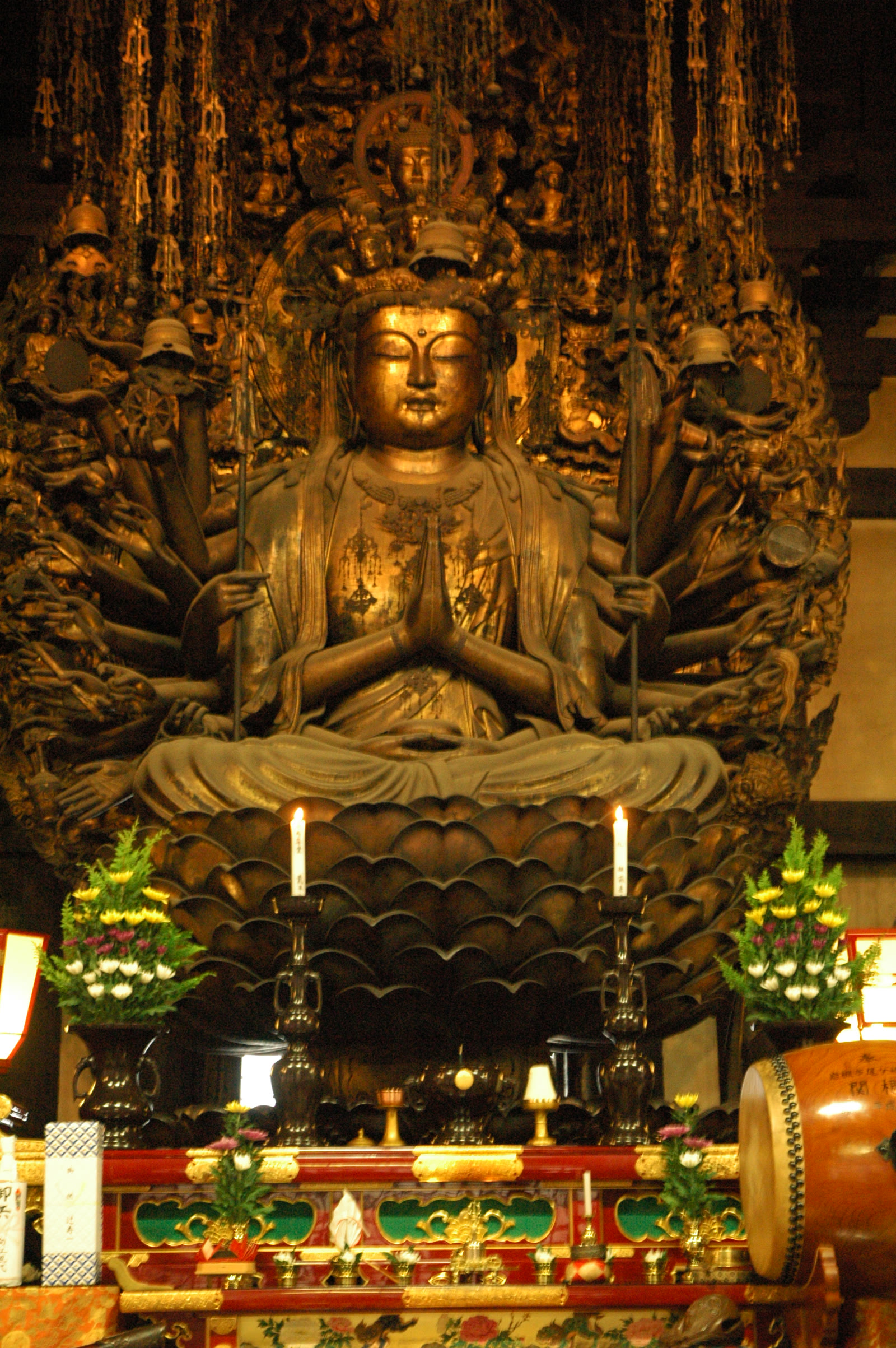
Sanjusangendo
0.2 km · straight line
 Basile Morin / CC BY-SA 4.0
History · Kyoto★★★
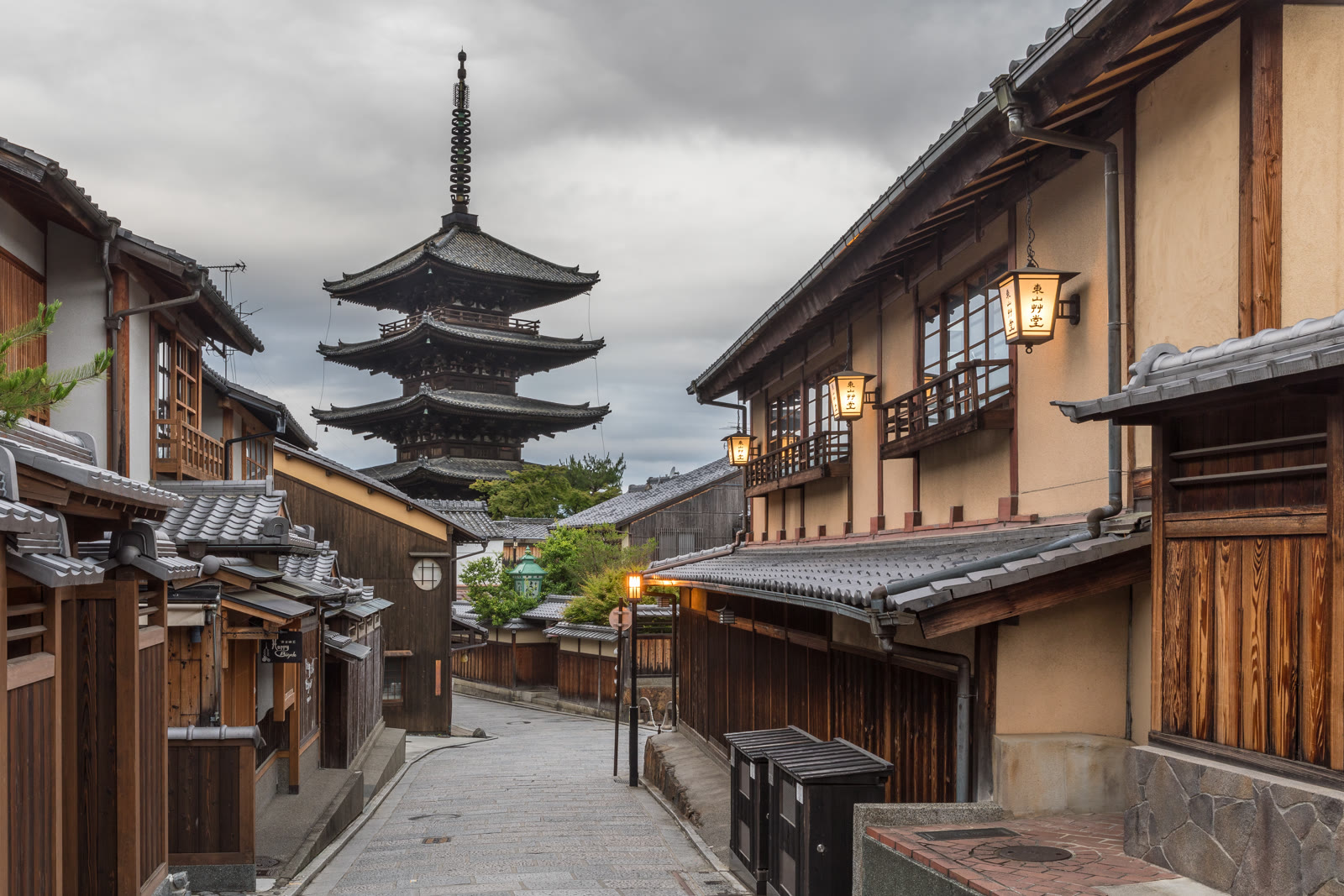
The Yasaka Pagoda
1.1 km · straight line
 Zairon / CC BY-SA 4.0
History · Kyoto★
Sannenzaka and Ninenzaka
1.2 km · straight line
 CoCreatr / CC BY-SA 2.0
History · Kyoto★★★
Kiyomizu-dera
1.2 km · straight line
Distances are straight lines on the map, not travel times.