Kyoto south · UjitawaraNo.014★Open in map →
Shoju-in
— the heart-window temple in the tea hills
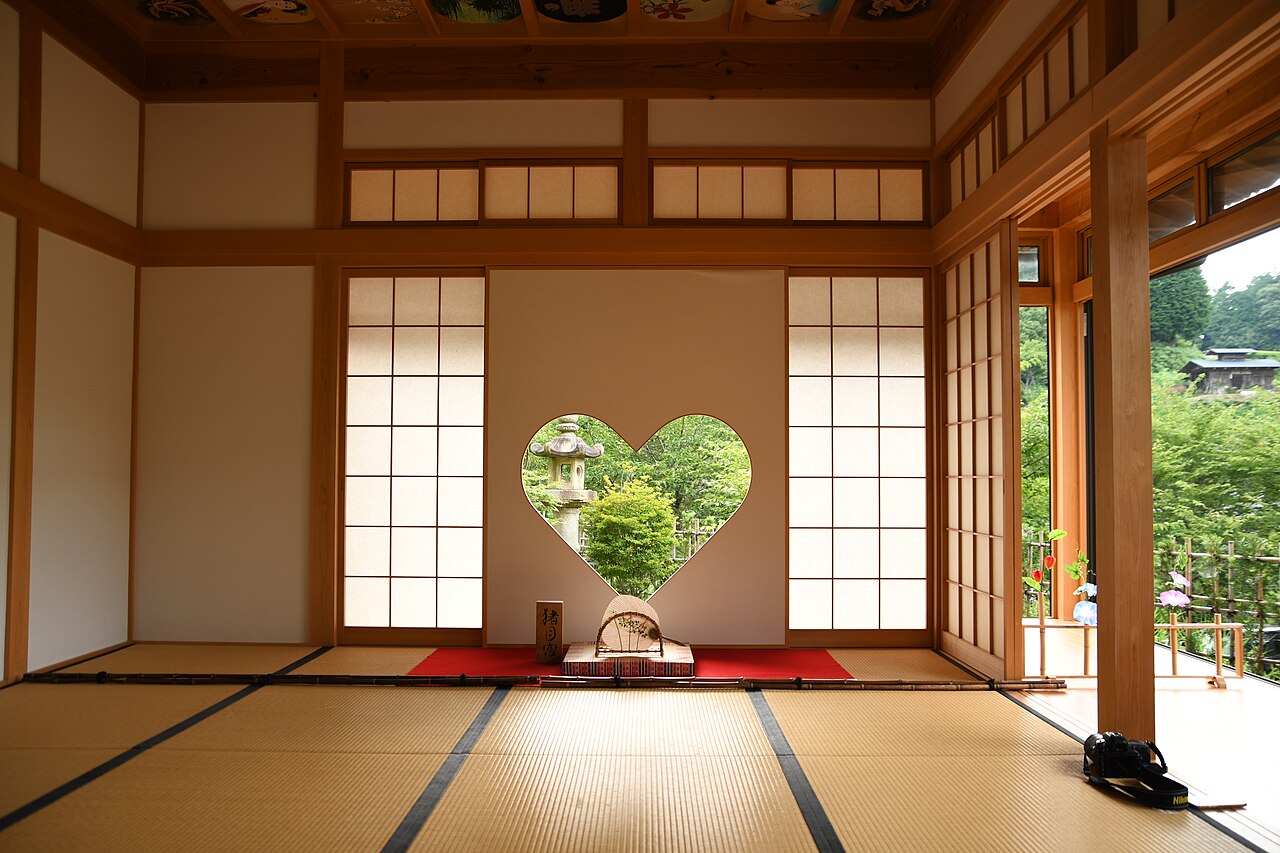
A small Shingon temple up a valley in the tea hills of southern Kyoto, where a heart-shaped window frames the seasons of a Japanese garden and 160 painted panels cover the ceiling above.
- FromKyoto Station
- ~75-80 minbus (weekends only)
- Get off atOkuyamada Shojuin-guchi
- From there
- Shoju-in
The sweet spot
It stays quiet because it is well off the main Kyoto tourist route: the temple sits deep in the rural tea hills of Ujitawara, the trip needs a train, a bus and a walk, and the direct bus only runs on weekends and holidays.
Where it is
90 more notes in Kyoto · open the map →What to look for — in walking order
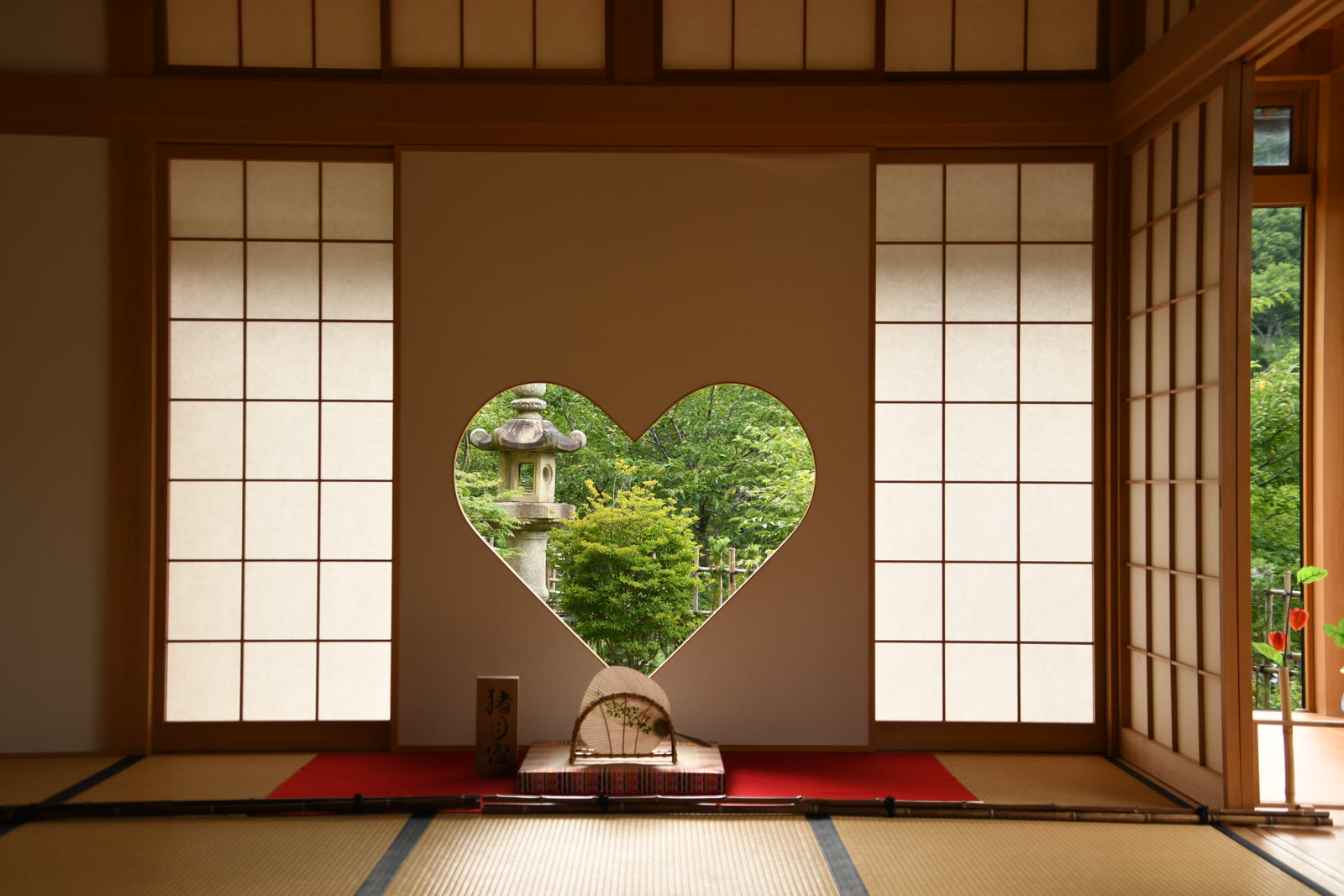
- The inome windowa heart-shaped window in the guest hall that frames seasonal views of the garden
- The flower ceiling160 painted wooden panels of flowers and Japanese landscapes covering the ceiling above
- Summer wind chimesover 2,000 small wind chimes hung across the grounds from June 1 to September 30
- Kaikei's Fudo Myo-oa seated statue of the guardian deity, attributed to Kamakura sculptor Kaikei; nationally designated Important Cultural Property
How to actually get there
- 1. Kyoto Stn → JR Uji Stn (JR Nara Line, ~16-22 min)
- 2. JR Uji Stn → Okuyamada Shojuin-guchi stop (Uji-cha Bus route 186, weekends/holidays only, ~40 min)
- 3. Okuyamada Shojuin-guchi → the temple (walk, ~17-20 min uphill, ~1 km)
- JR Nara Line + Uji-cha Bus (weekends)
- Kyoto Stn →(JR Nara Line, ~16-22 min)→ JR Uji Stn →(seasonal Uji-cha Bus, route 186, ~40 min)→ Okuyamada Shojuin-guchi stop →(walk, ~17-20 min uphill)→ the temple. Total ~75-80 min. This direct bus runs only on Saturdays and holidays and only a few times a day — check the day's timetable before you leave. On weekdays there is no direct bus: take Keihan Bus route 180 from JR Uji to Ijenmae stop (~30 min), then a taxi for the last stretch (~10-20 min).
- Return the same way
- Return the same way: walk down to Okuyamada Shojuin-guchi and take the Uji-cha Bus back to JR Uji, then the JR Nara Line to Kyoto. The direct bus is seasonal (weekends and holidays) and finishes by early evening, so check the last return time posted at the stop when you arrive.
About the place
Shoju-in sits up a narrow valley in the tea hills of Ujitawara, a rural town south of Kyoto. Its guest hall is famous for the inome-mado — a heart-shaped window — that frames the garden's changing seasons: cherry blossoms, fresh green, autumn colour, snow. The ceiling of the same room is a 'flower ceiling' of 160 painted wooden panels showing flowers and Japanese scenes, made by around a hundred artists and art students. On a clear day the window can cast a heart-shaped patch of light onto the tatami floor. The inome heart shape itself is an old temple-and-shrine motif said to be roughly 1,400 years old, predating any modern trend.
How to enjoy it
The wind-chime season (roughly June through September) fills the grounds with the sound of over 2,000 chimes and is the liveliest time to visit. Come on a bright day for the best chance of seeing the window's heart-shaped light on the floor. The temple also offers hands-on activities — sutra copying, tracing a Buddha image, making prayer beads, yoga — some of which need advance reservation.
Background & history
Shoju-in belongs to the Koyasan Shingon school of Buddhism and traces its history to around the Kamakura period (12th–14th century), with a later revival in the early modern era. Among its treasures is a seated statue of Fudo Myo-o (a fierce guardian deity of Buddhism), attributed to the leading Kamakura-period sculptor Kaikei, and designated a nationally Important Cultural Property. The main image is an eleven-headed Kannon normally kept hidden, shown to the public only on rare occasions.
Before you go
- Cash
- Rural buses here are often cash-only or accept an IC card only on some services — carry coins and small notes just in case.
- Good to know
- The temple is open to visitors during daytime hours; check the current opening hours and the wind-chime dates on the temple's official site before you go.
- Another way
- On weekdays, or if the seasonal bus is not running, a taxi from JR Uji Station (about 30 min) or from Ijenmae bus stop is the most reliable option.
- After you get off
- Okuyamada Shojuin-guchi (奥山田正寿院口), the seasonal Uji-cha Bus stop; from there it is about a 17-20 minute walk uphill (about 1 km) to the temple.
Nearby notes
 Hunini / CC BY-SA 4.0
Craft · Kyoto★
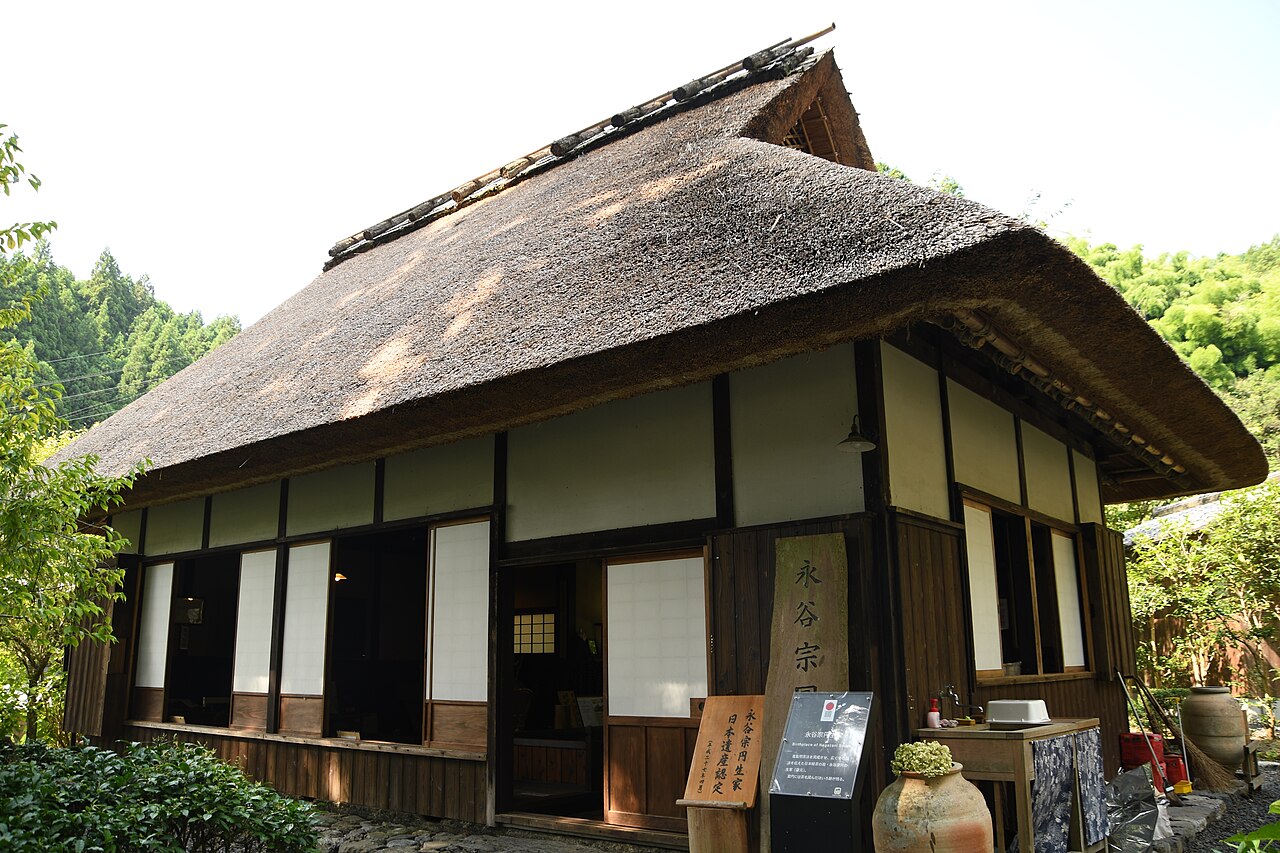
Nagatani Soen's Birthplace
1.6 km · straight line
 vera46 / CC BY 2.0
Nature · Kyoto★
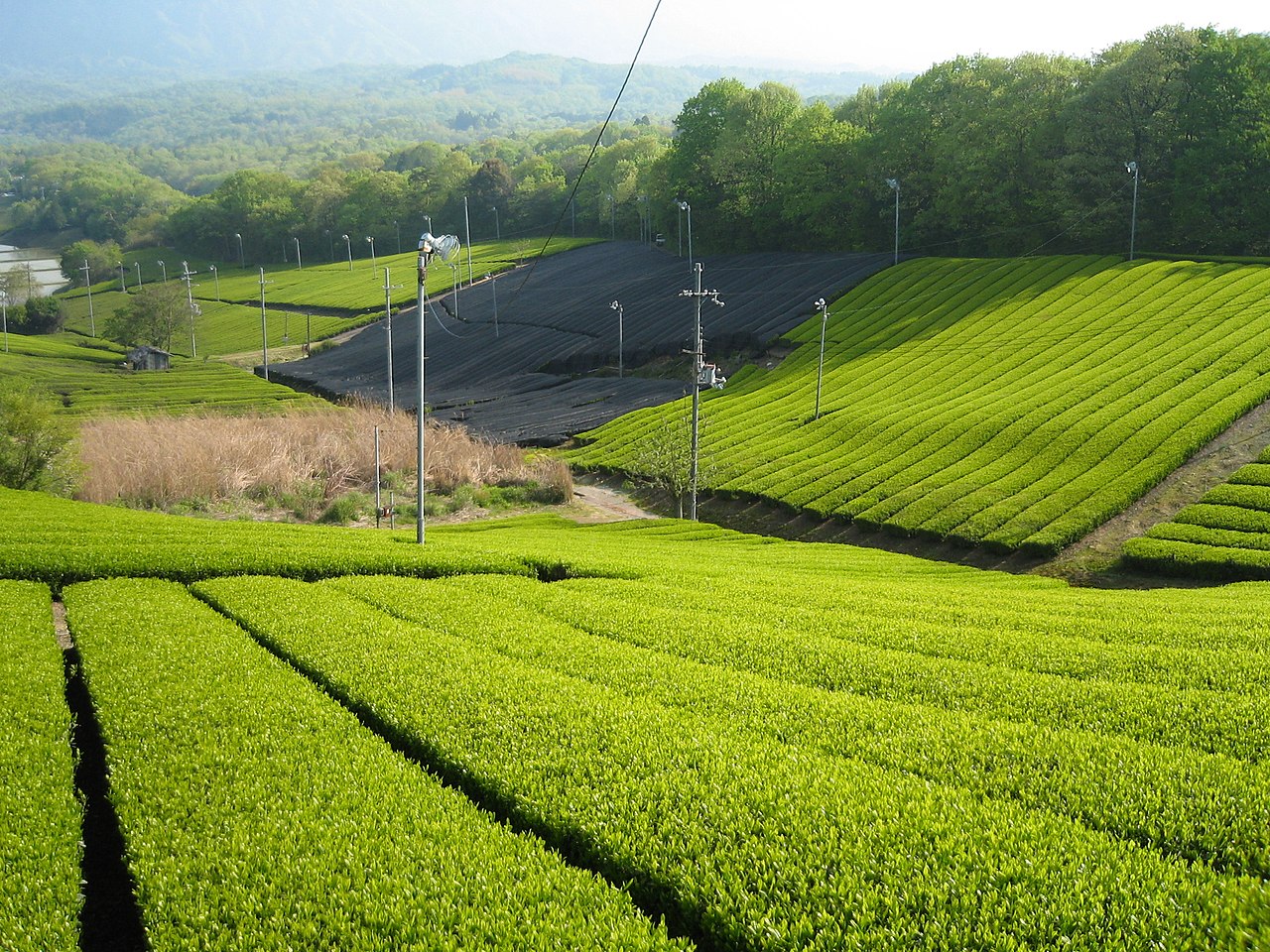
Dosenbo
7.1 km · straight line
 Nytm / CC BY-SA 4.0
Local life · Kyoto★
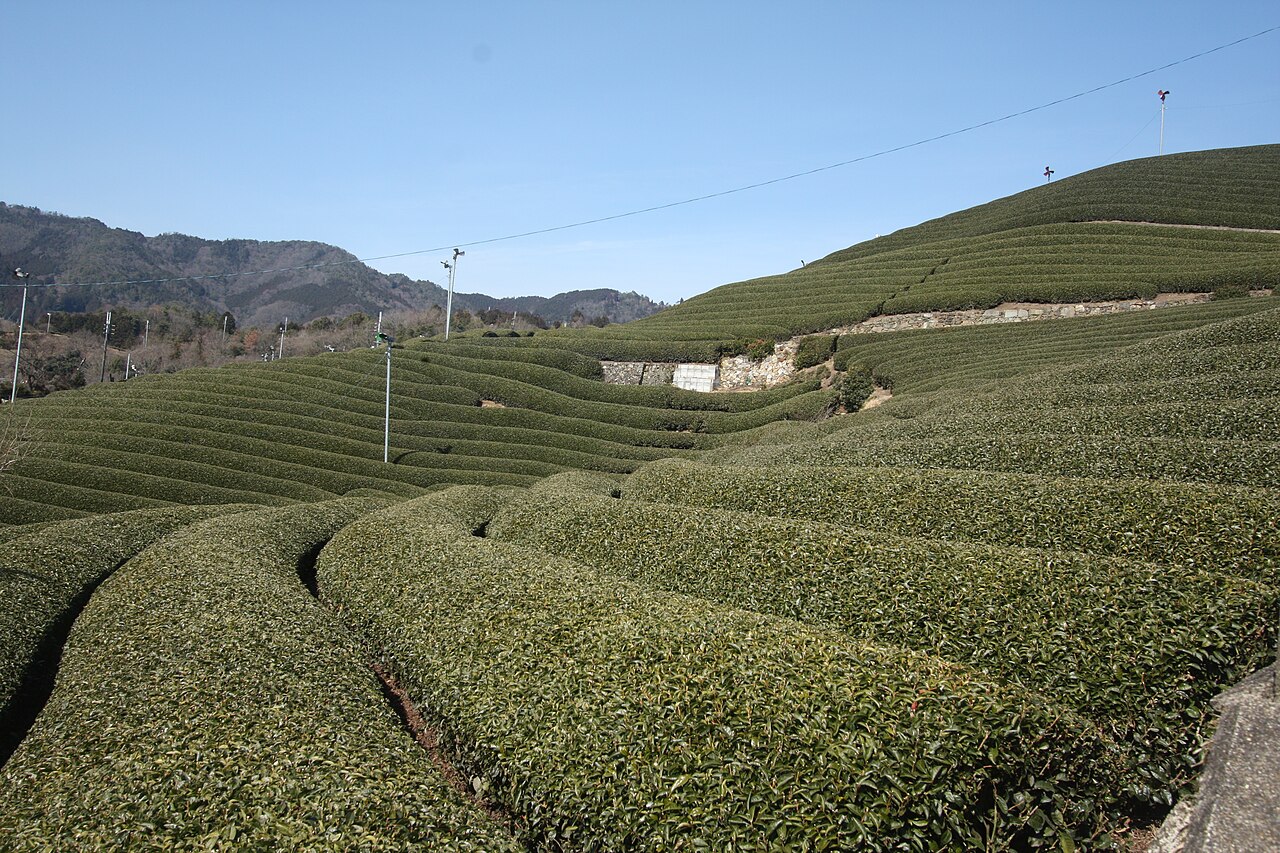
Wazuka Ishitera Tea Fields
8.0 km · straight line
 Wikiwikiyarou / CC BY-SA 3.0
History · Kyoto★
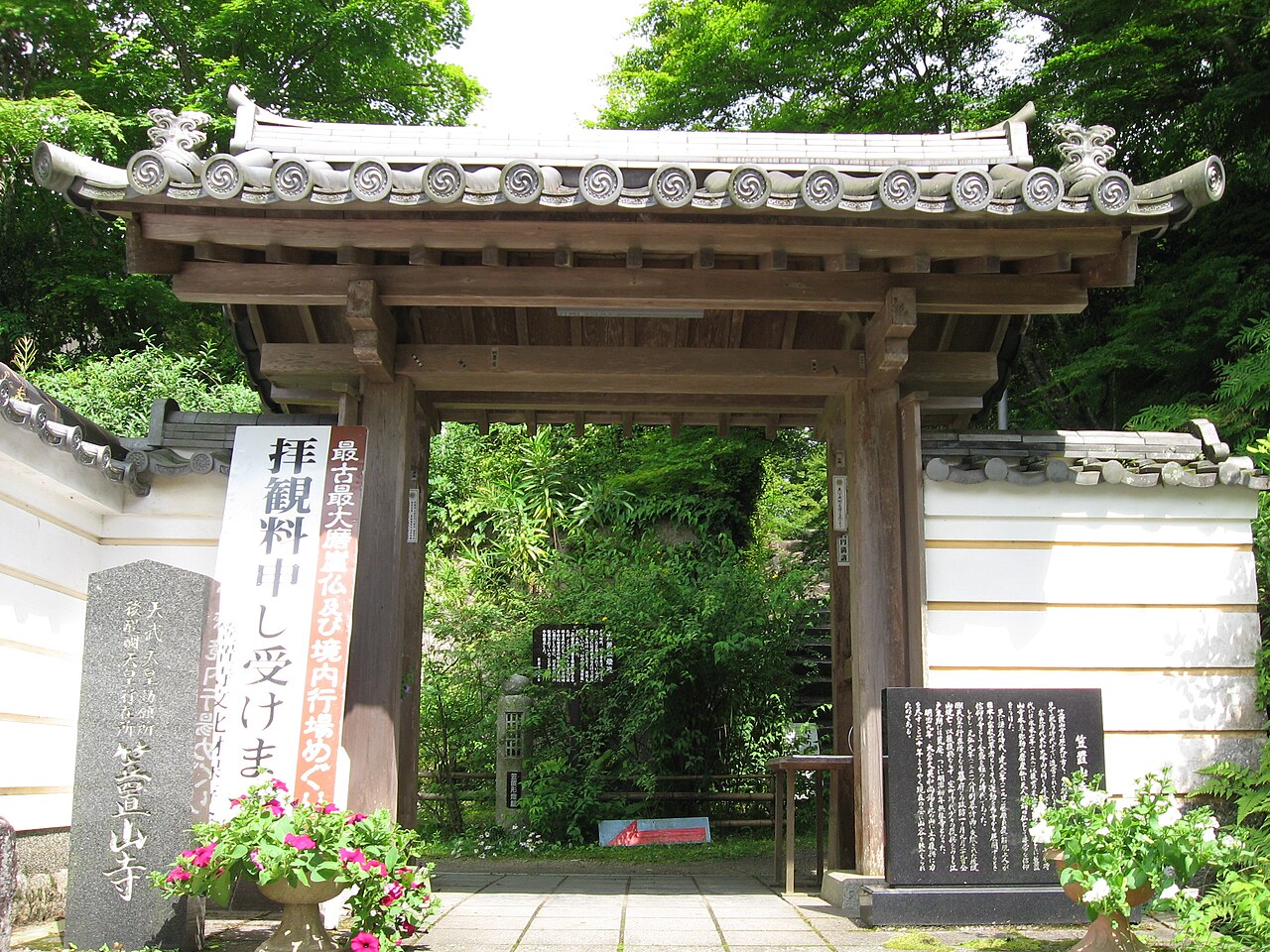
Mount Kasagi & Kasagi-dera
10.8 km · straight line
On a curated routeThe Tea Valley Line →
Distances are straight lines on the map, not travel times.