Kyoto south · Minami-YamashiroNo.018★Open in map →
Dosenbo
— the tea-and-paddy plateau in Yamashiro
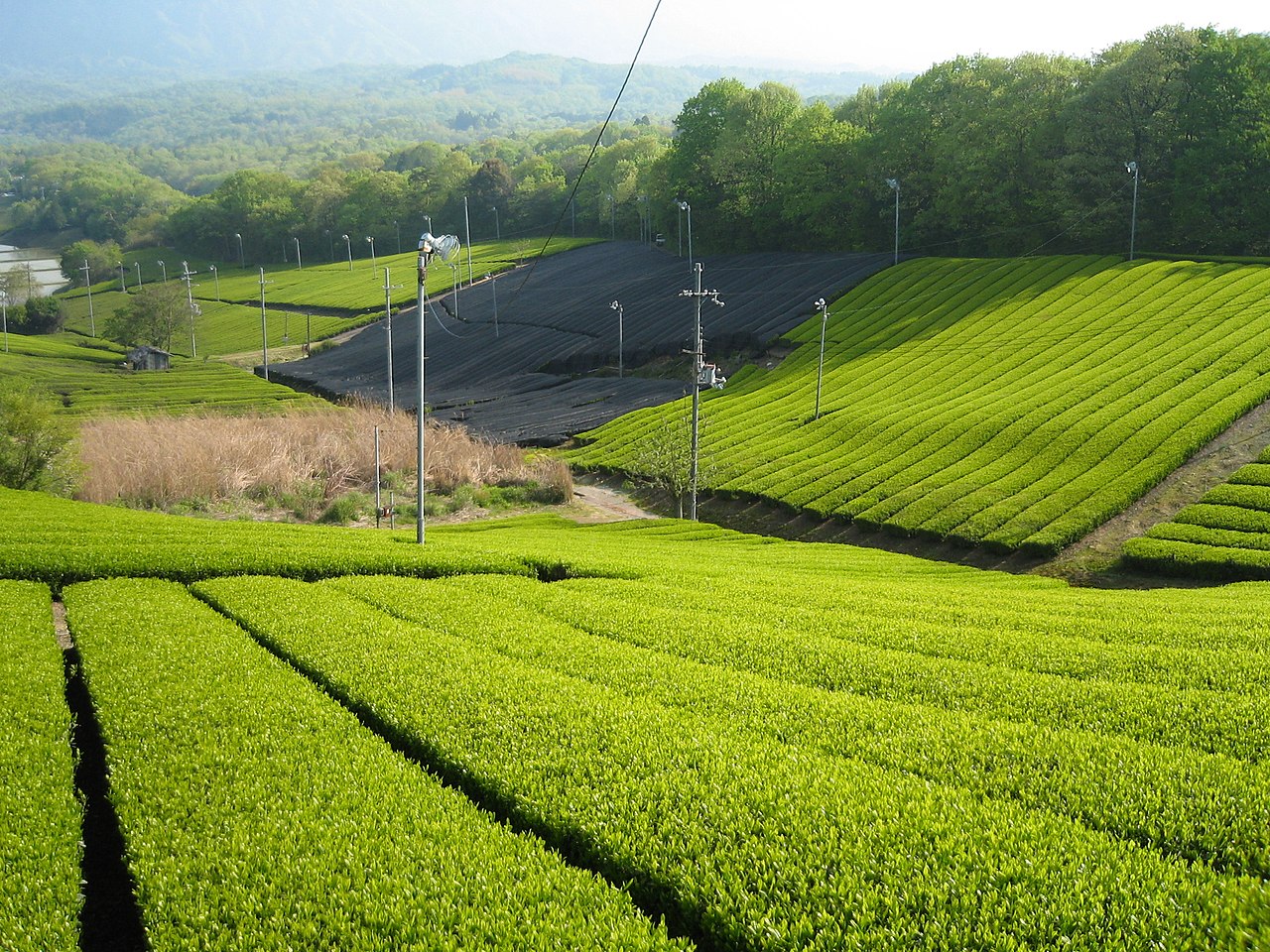
A highland farming settlement at about 500 metres in Minamiyamashiro — the only place still officially called a village in all of Kyoto Prefecture, settled by pioneers in 1869.
- FromKyoto Stn
- ~80-90 mintrain (hourly) + car
- Get off atJR Okawara Stn
- From there
- Dosenbo
The sweet spot
There is very little English information about it, and getting up to the plateau takes real effort — a country train to a small station, then a car or taxi up a narrow mountain road. It sits well off the usual Kyoto day-trip routes, so almost no one comes without a reason to.
Where it is
90 more notes in Kyoto · open the map →What to look for — in walking order
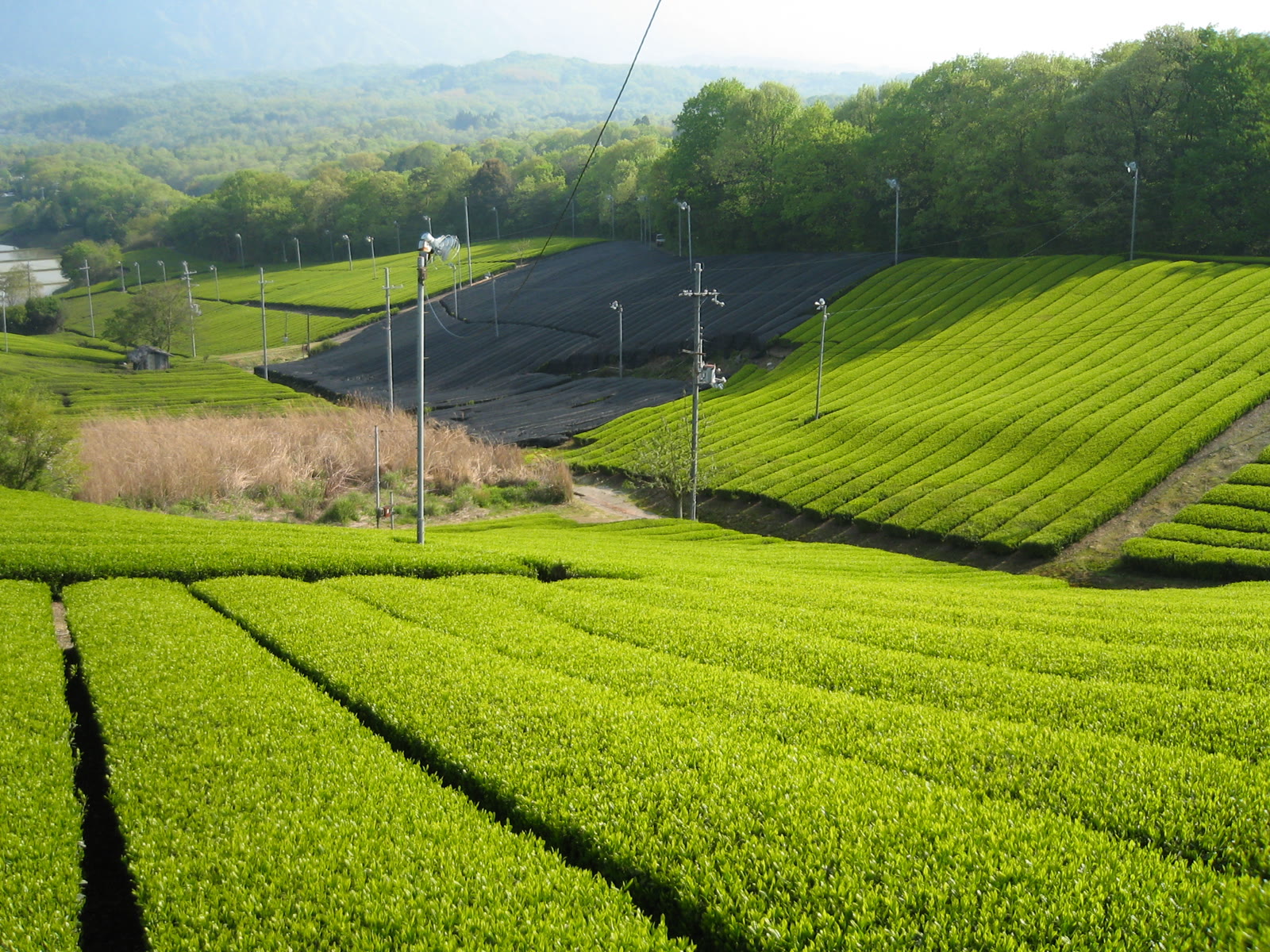
- Tea and paddies togethertea fields and rice paddies laid side by side across the plateau's slopes and flats
- Frost-fan fieldstall electric fans standing over the tea rows — a visible sign of how frost-prone the highland is
- Cool highland airat about 500 metres, noticeably cooler than the valleys below
- Pioneer monumenta stone marker raised in 1969 for the 100th anniversary of the settlement
How to actually get there
- Kyoto Stn → Kizu Stn (JR Nara Line, ~45 min)
- Kizu Stn → Kamo Stn (JR Yamatoji Line, ~6 min)
- Kamo Stn → Okawara Stn (JR Kansai Main Line, ~17 min)
- Okawara Stn → Dosenbo plateau (car or taxi uphill, ~20 min)
- JR Nara Line → Yamatoji Line → Kansai Main Line, then car up
- Kyoto Stn →(JR Nara Line, ~45 min)→ Kizu Stn →(JR Yamatoji Line, ~6 min)→ Kamo Stn →(JR Kansai Main Line toward Kameyama, ~17 min)→ Okawara Stn. Riding time is about 70 min; with two transfer waits allow ~80-90 min. Then it is a ~20 min car or taxi ride up the mountain road to the plateau — the station sits far below it (the walk up is about 140 min, so a car is the sensible choice). The Kamo-to-Okawara leg runs only about once an hour, so check the connection time before you leave.
- return via the same route
- Return the same way: car or taxi back down to Okawara Station, then the Kansai Main Line to Kamo and change there. Trains on this country line run only about once an hour and thin out in the evening — check the return departures on the station board when you arrive, and arrange your ride down in advance, as taxis do not wait at the plateau.
About the place
Dosenbo is a highland farming settlement in Minamiyamashiro, the only village in all of Kyoto Prefecture. It sits at roughly 500 metres, where sharp day-to-night temperature swings favour the tea that shares the gentle slopes and flats with rice paddies. Because of the altitude, the harvest here runs about a week later than in the valleys below, and tall electric frost fans stand over the rows as a marker of how cold it can get. There are no resorts or single landmarks to aim for — just fields, farmhouses and clean upland air, which is why locals have long half-jokingly called it the Karuizawa of Yamashiro.
How to enjoy it
Come for the landscape rather than any single sight: the plateau reads best as a slow drive or walk among the tea fields, paddies, and farmhouses. The tea fields are working private farmland, so keep to the public lanes and ridge paths.
Background & history
The plateau was cleared as a government land-reclamation project started by Kyoto Prefecture in 1869, when former samurai who had lost their positions — and later recruited settlers — were brought in to work the wasteland. By 1871 the community numbered about 162 households and 560 people, and Dosenbo village was formally established. Life at altitude was hard and the population thinned over the decades, but the settlement endured. In 1969 a stone monument was raised to mark a century since the first pioneers arrived. The tea fields here are counted among the sites in the Japan Heritage story 'Japanese Tea: 800 Years of History.'
Before you go
- Cash
- IC cards (ICOCA / Suica) work on the trains. Up on the plateau, farm-gate tea and farm inns are likely cash only, and rural taxis are often cash only too, so carry enough cash and coins.
- Good to know
- It is a lived-in farming village with no ticket gate or set hours — the fields are private, so stay on the public lanes and do not enter them.
- Another way
- Staying overnight at a farm inn lets you see the plateau at dawn without the long same-day climb up and back.
- After you get off
- Okawara Station sits far below the plateau. There is no bus up, so a car or taxi for the final ~20 min climb is genuinely the practical way.
Nearby notes
 Wikiwikiyarou / CC BY-SA 3.0
History · Kyoto★
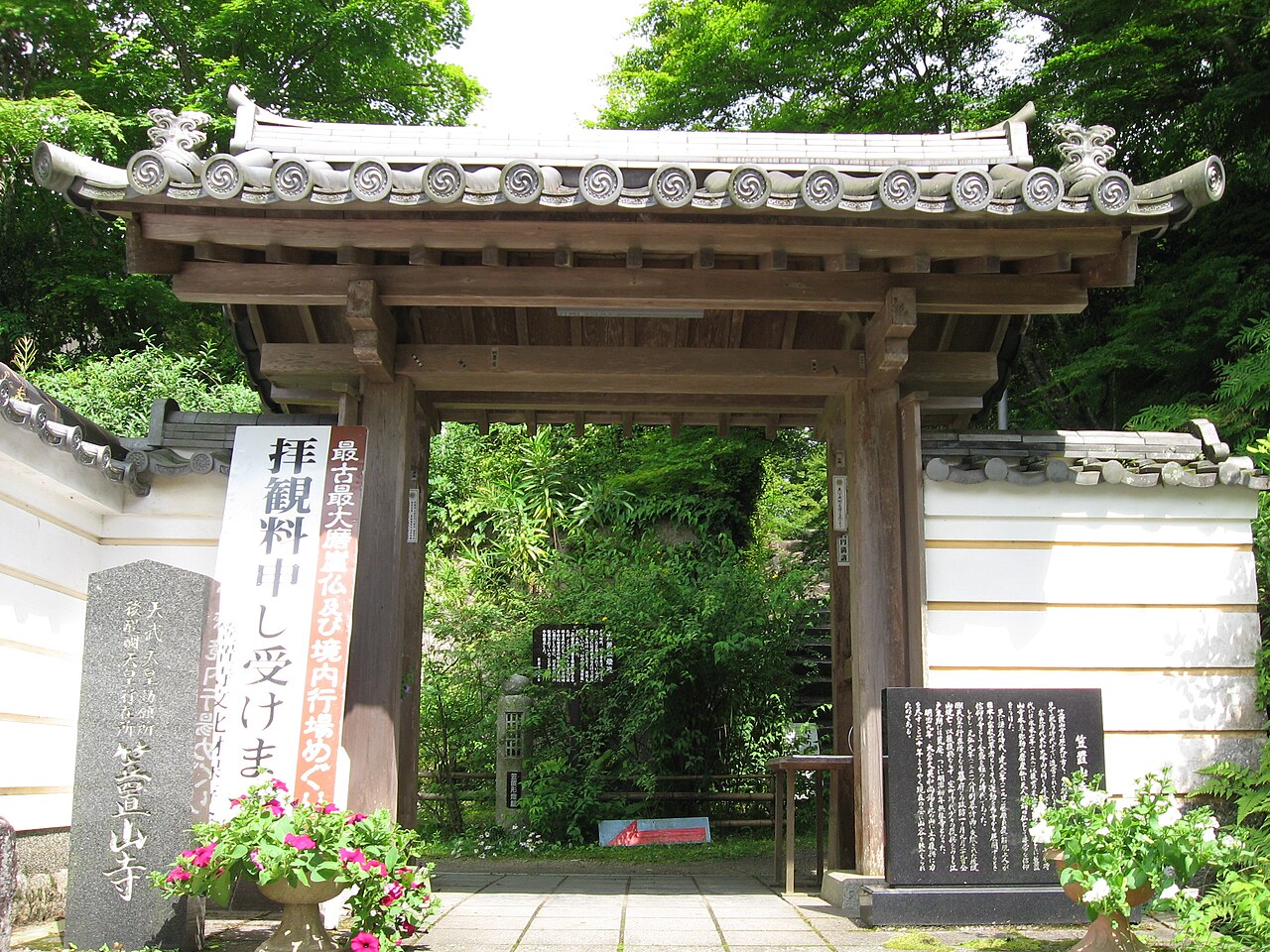
Mount Kasagi & Kasagi-dera
6.1 km · straight line
 Hunini / CC BY-SA 4.0
History · Kyoto★
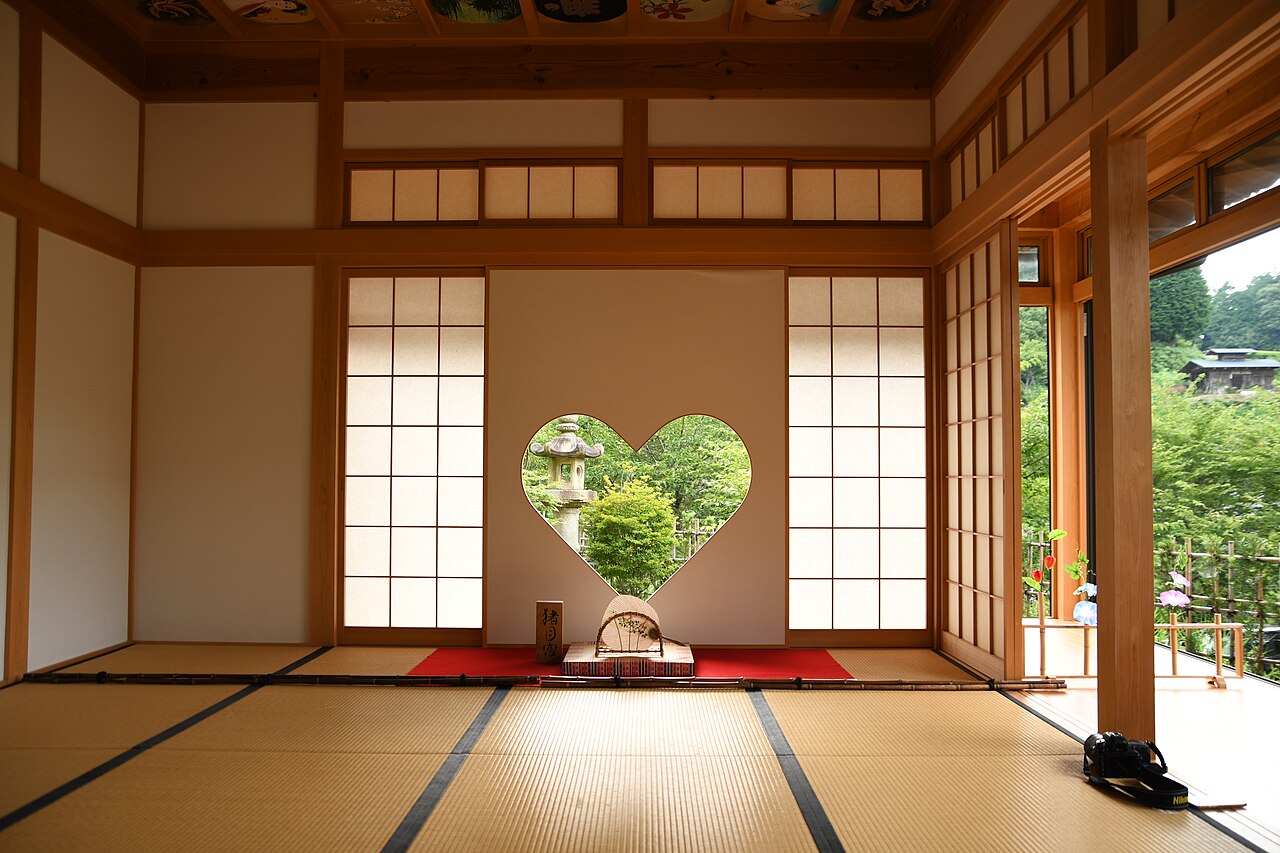
Shoju-in
7.1 km · straight line
 Hunini / CC BY-SA 4.0
Craft · Kyoto★
Nagatani Soen's Birthplace
8.2 km · straight line
 Nytm / CC BY-SA 4.0
Local life · Kyoto★
Wazuka Ishitera Tea Fields
8.5 km · straight line
On a curated routeThe Tea Valley Line →
Distances are straight lines on the map, not travel times.