Kyoto south · WazukaNo.001★Open in map →
Wazuka Ishitera Tea Fields
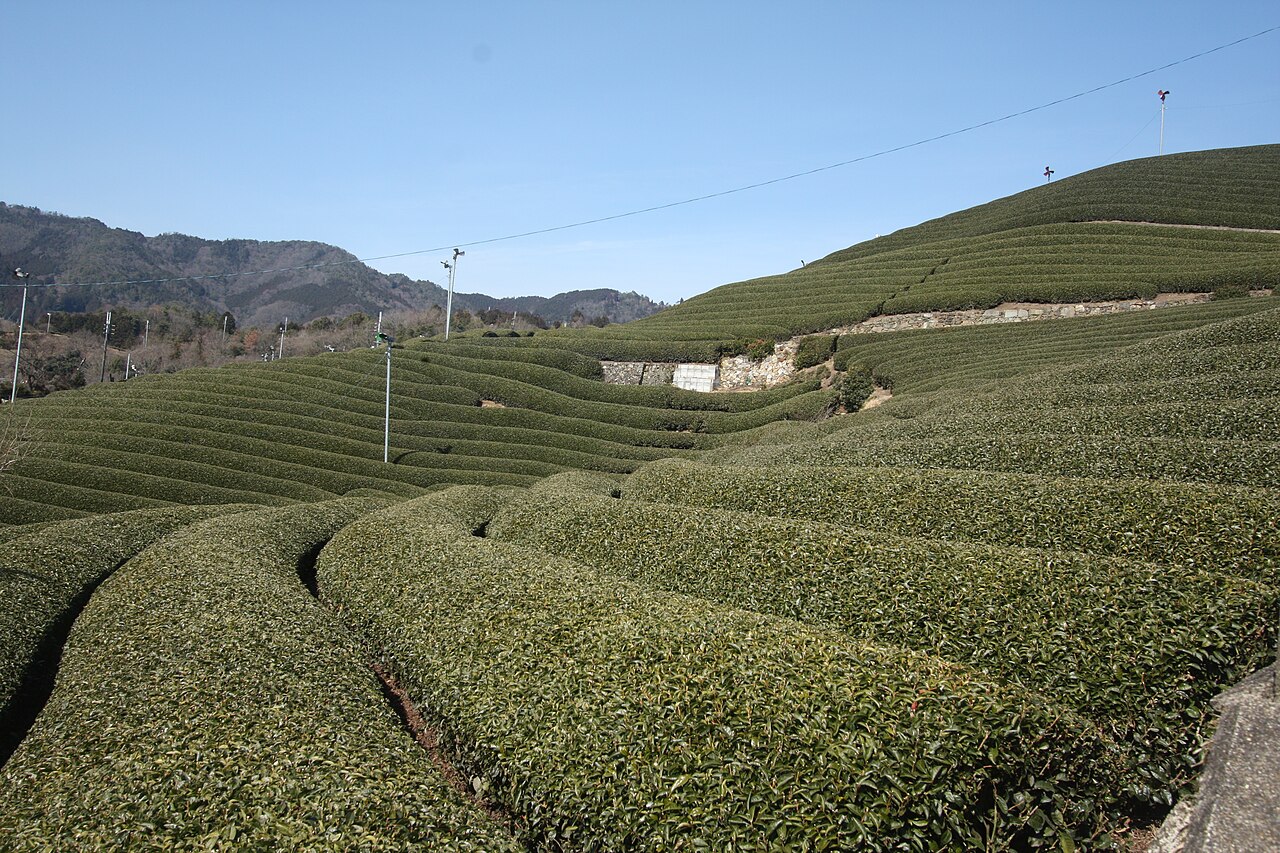
Terraced green-tea slopes above the village of Wazuka in southern Kyoto, viewed from a signed public lookout at the edge of the working fields.
- FromKyoto Stn
- ~80 minbus (hourly)
- Get off atWazuka-Takahashi bus stop
- On foot
- Wazuka Ishitera Tea Fields
The sweet spot
It stays quiet because there is little information in English, it takes effort to reach (a train, a transfer, and an infrequent local bus), and it sits well off the main Kyoto tourist route rather than on the usual day-trip lists.
Where it is
90 more notes in Kyoto · open the map →What to look for — in walking order
- Viewpoint facilityparking, restrooms and railed paths at the edge of the fields, completed after construction began in 2022
- Signed lookoutmarked viewpoint with signboards and benches overlooking the hillside
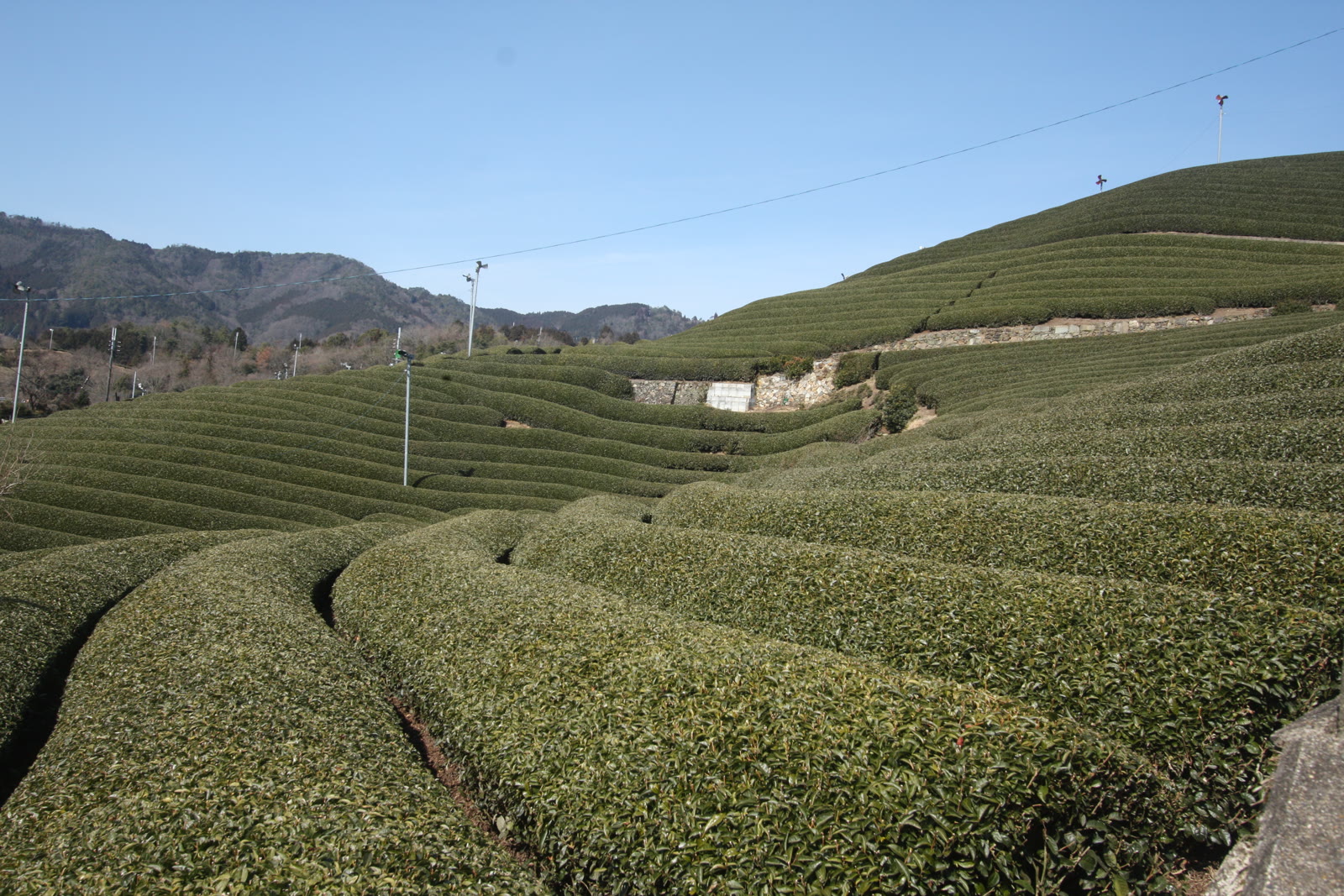
- Ishitera hillsidecurving rows of clipped tea bushes with farmhouses set among them
- Wazuka tea traila roughly 6.5 km marked walking route passing several tea-field viewpoints
How to actually get there
- Kyoto Station → Kizu Station (JR Nara Line, Miyakoji Rapid, part of ~60 min).
- Kizu Station → Kamo Station (JR Kansai Line rapid, a few min).
- Kamo Station → Wazuka-Takahashi (Nara Kotsu bus route 65 toward Wazuka-cho Harayama, ~9 min).
- Wazuka-Takahashi → Ishitera lookout (on foot, ~10-15 min uphill on a paved lane).
- JR (transfer at Kizu) + Nara Kotsu bus
- Kyoto Station →(JR Nara Line, Miyakoji Rapid toward Nara, part of ~60 min)→ transfer at Kizu Station →(JR Kansai Line rapid, to)→ Kamo Station. From Kamo Station →(Nara Kotsu bus route 65, bound for Wazuka-cho Harayama, ~9 min)→ Wazuka-Takahashi stop. Total about 75-80 min. The bus runs only about once an hour, with no service around midday — check the day's timetable before leaving.
- same route back to Kyoto
- Return by Nara Kotsu bus from Wazuka-Takahashi to Kamo Station, then JR back to Kyoto (transfer at Kizu). The bus is roughly hourly and the last departure is in the early evening, so check the return times posted at the bus stop when you arrive. Trains from Kamo run into the evening.
About the place
Ishitera is the best-known of Wazuka's tea landscapes: rows of neatly clipped tea bushes following the curve of a small hill, farmhouses and huts set among them. It reads as a working farm rather than a manicured park, and that lived-in quality is exactly what earned it recognition. The fields are private property, so visitors view the scene from a public lane and a dedicated lookout facility — with parking, restrooms and railed paths — built after construction began in 2022.
How to enjoy it
From the signed lookout and the public lane, take in the full sweep of the hillside — the rows run cleanest on a clear morning, and the new-leaf season around late April shows the terraces at their most vivid green. The tea fields are private property, so keep to the marked areas.
Background & history
Tea has been grown in Wazuka since the Kamakura period (1185–1333). By local tradition, a monk from the nearby temple of Kaijusen-ji planted tea near Mount Jubu at that time, giving the area a history of roughly 800 years. Wazuka is now one of the main growing areas of Uji tea, Kyoto's premium green tea, and produces a large share of the prefecture's crop. In 2008 the tea-field scenery at Ishitera and neighbouring Shirasu became the first landscape registered as a Scenic Asset by Kyoto Prefecture. The area was later named one of Japan's Most Beautiful Villages and, in 2015, included in the national Japan Heritage story titled 'Japanese Tea: Eight Centuries of Tradition.'
Before you go
- Cash
- Rural buses like this are often cash-only and may not accept IC cards such as ICOCA or Suica, so carry some coins. Viewing the fields from the public lookout is free.
- Good to know
- This is a working farm, so keep off the rows of tea bushes and view only from the lookout and the public lane. The quietest time is early morning; the tea terraces are greenest in spring.
- Another way
- By car it is about 10 minutes from Kamo Station to the Ishitera area; there is parking at the viewpoint facility.
- After you get off
- From the Wazuka-Takahashi bus stop it is a short walk (about 10-15 minutes) uphill on a paved lane to the Ishitera lookout.
Nearby notes
 Wikiwikiyarou / CC BY-SA 3.0
History · Kyoto★
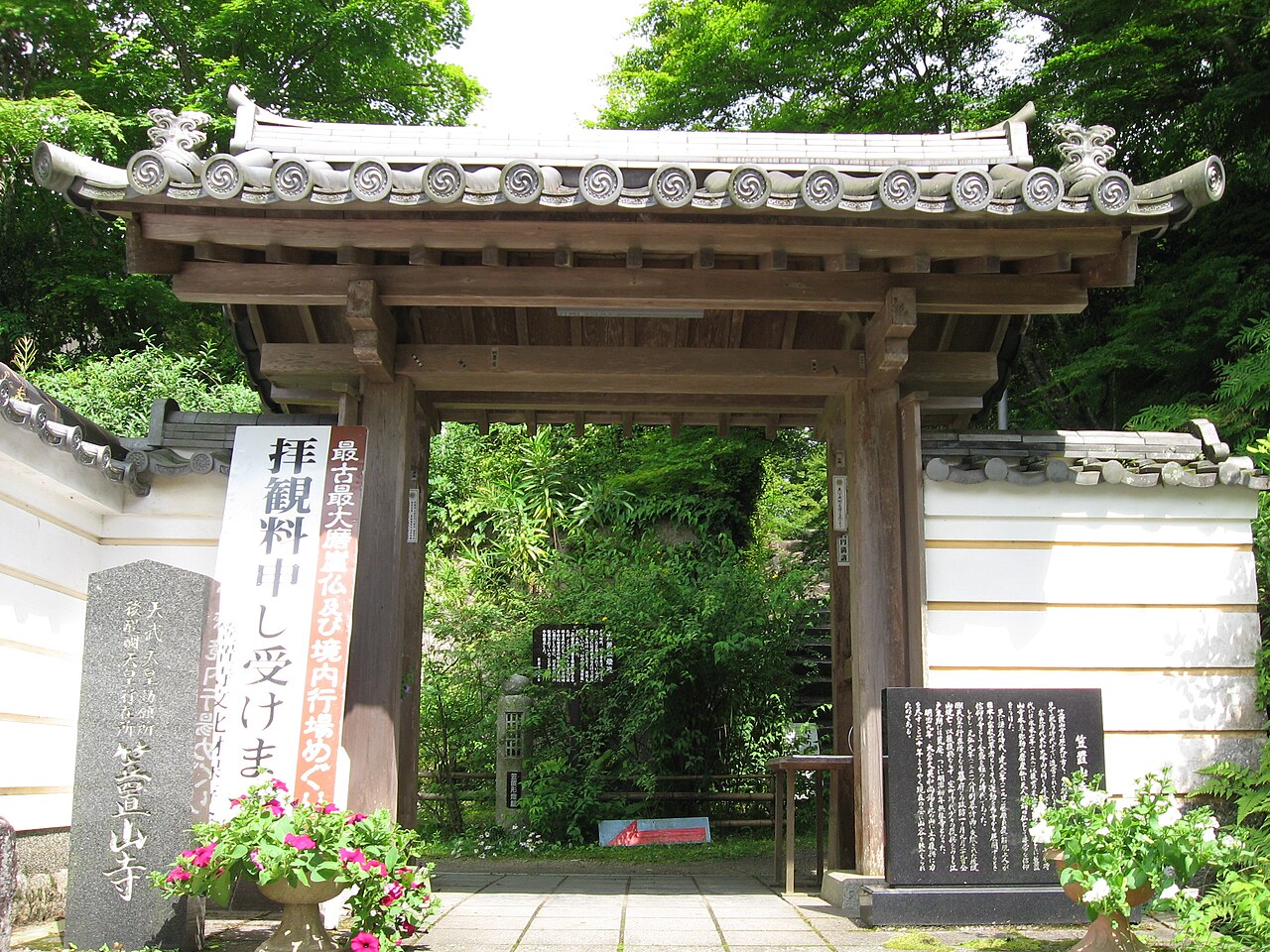
Mount Kasagi & Kasagi-dera
6.5 km · straight line
 Hunini / CC BY-SA 4.0
Craft · Kyoto★
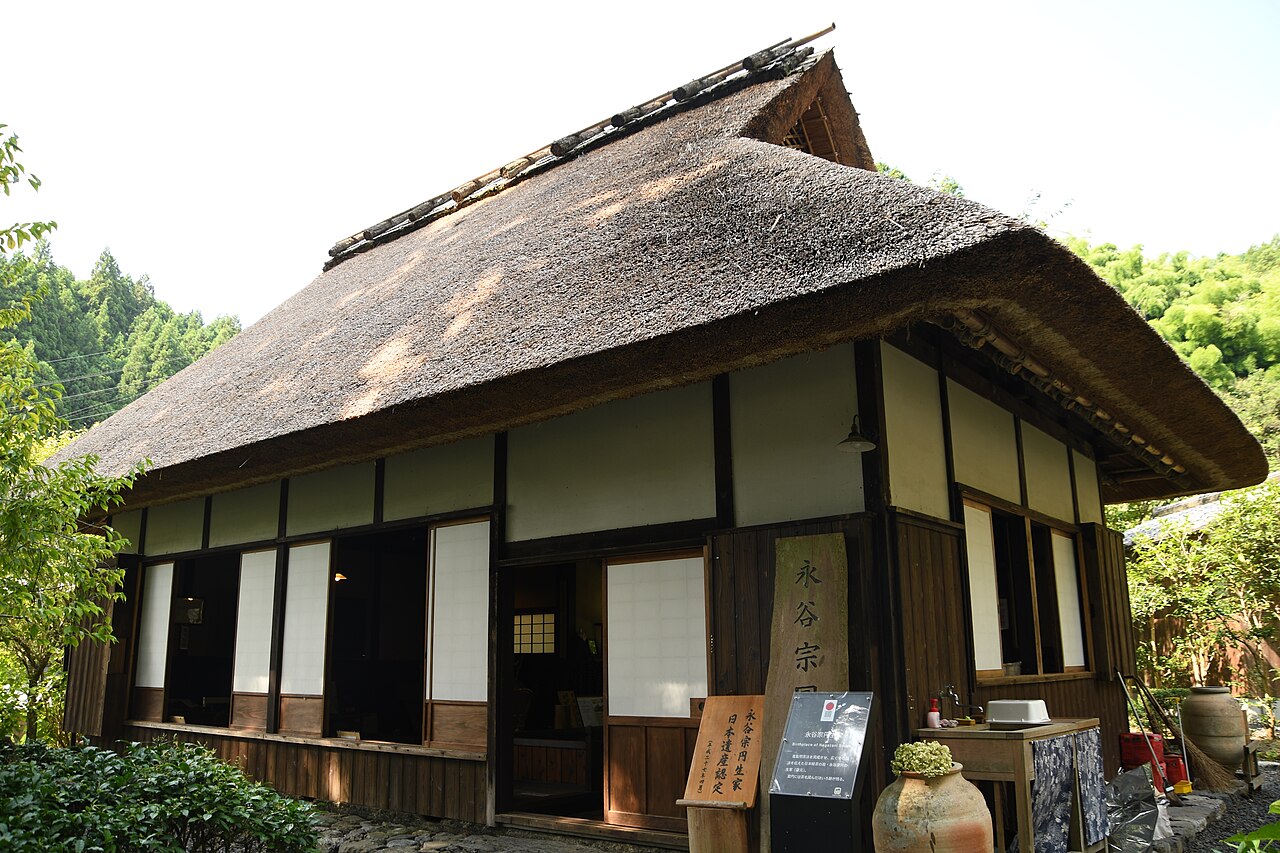
Nagatani Soen's Birthplace
7.3 km · straight line
 663highland / CC BY 2.5
History · Kyoto★
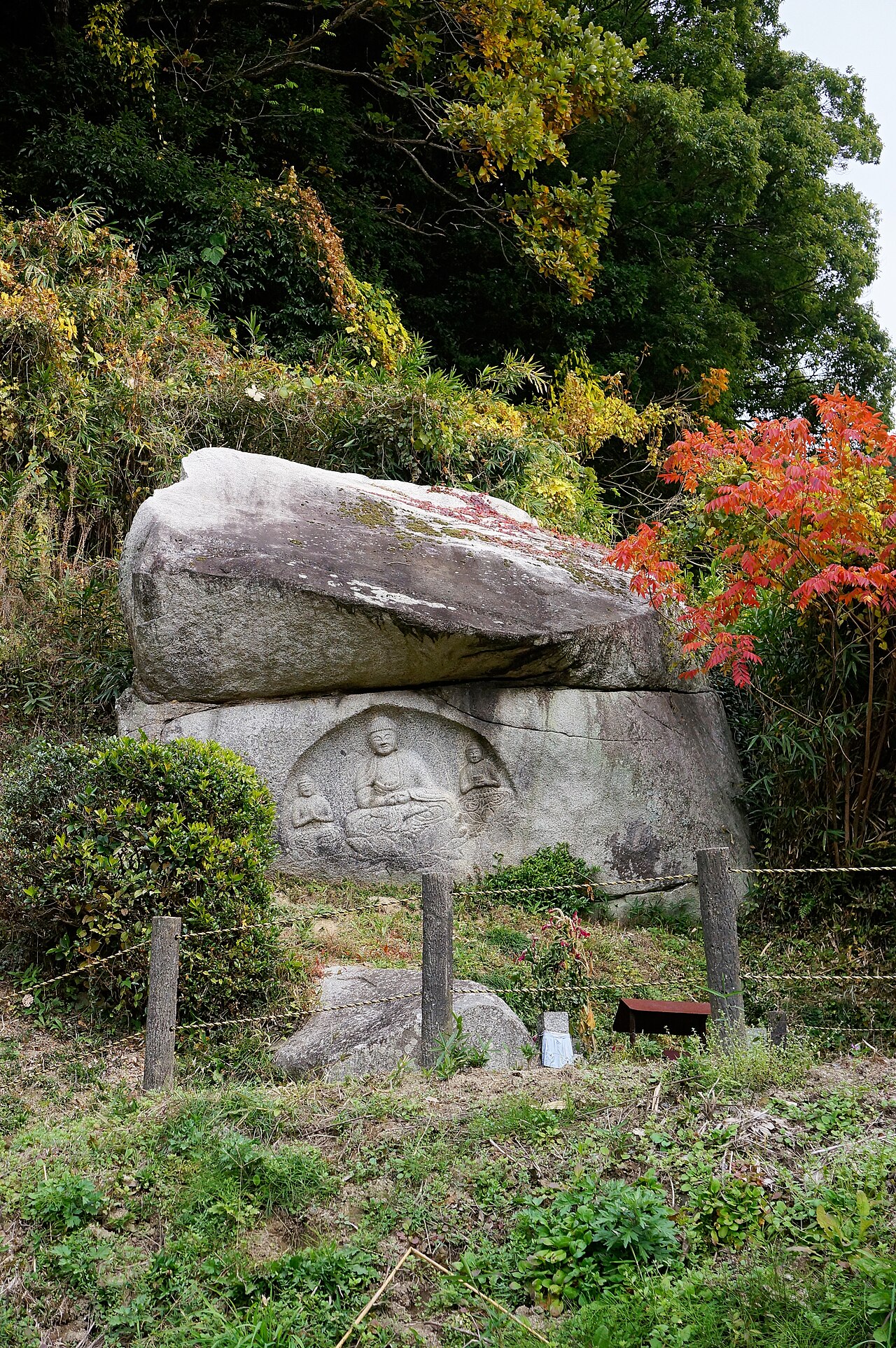
Tono Stone Buddha Walk
7.4 km · straight line
 Hunini / CC BY-SA 4.0
History · Kyoto★
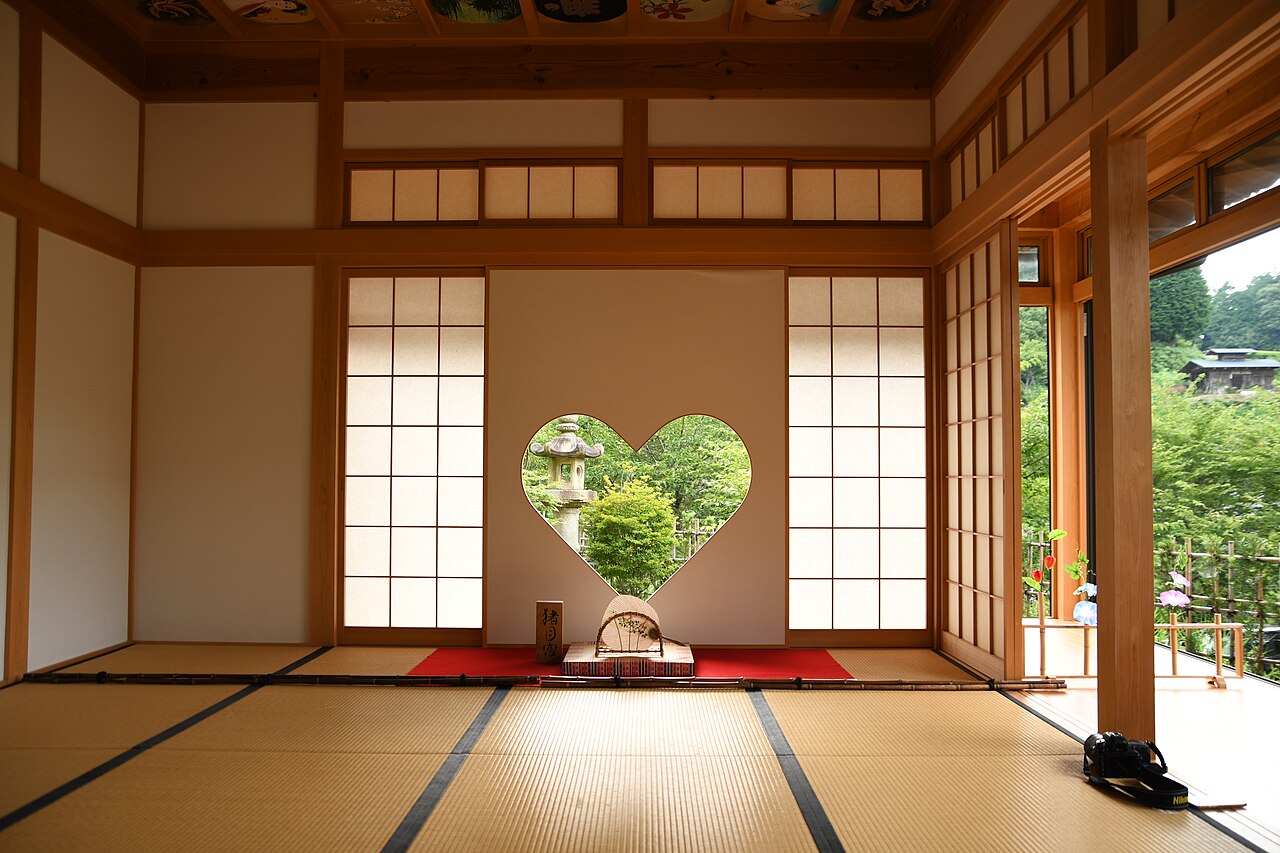
Shoju-in
8.0 km · straight line
On a curated routeThe Tea Valley Line →
Distances are straight lines on the map, not travel times.