Kyoto south · Kizugawa · TonoNo.015★Open in map →
Tono Stone Buddha Walk
A short country walk south of Kyoto linking two old temples — Gansenji and Joruriji — along a downhill lane dotted with medieval Buddhist figures carved into the rock.
- FromKyoto Stn
- ~85 minbus (infrequent)
- Get off atGansenji bus stop
- On foot
- Tono Stone Buddha Walk
The sweet spot
The walk sits well off the main Kyoto tourist flow, reached only by an infrequent country bus, and the carvings have little English signage — so most visitors never make the trip out here.
Where it is
90 more notes in Kyoto · open the map →What to look for — in walking order
- Gansenji templethe temple at the high end of the walk, the usual starting point of the route
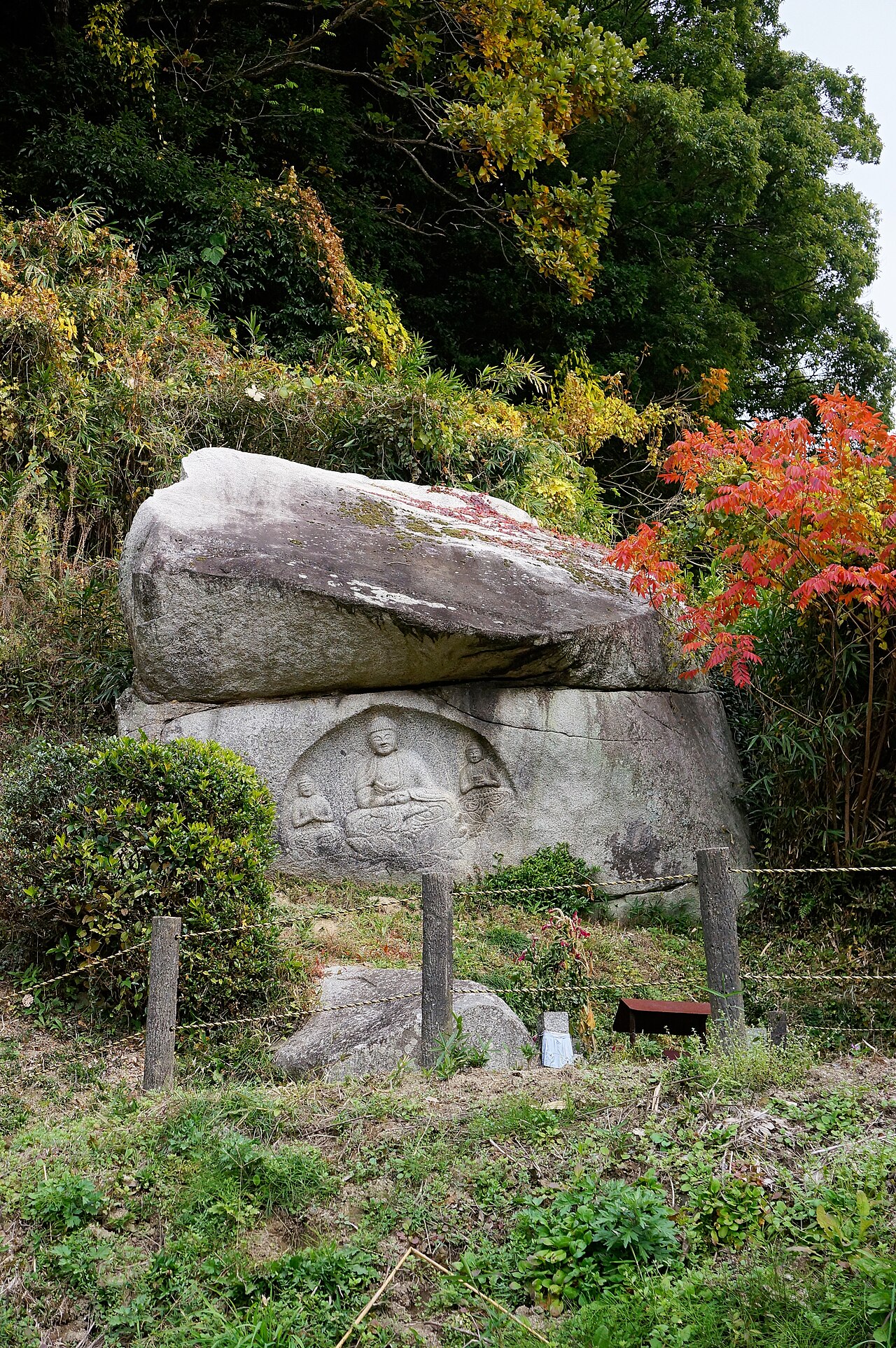
- Warai-botoke (the laughing Buddha)the 1299 Amida triad carved into a granite boulder, known for its gentle smile
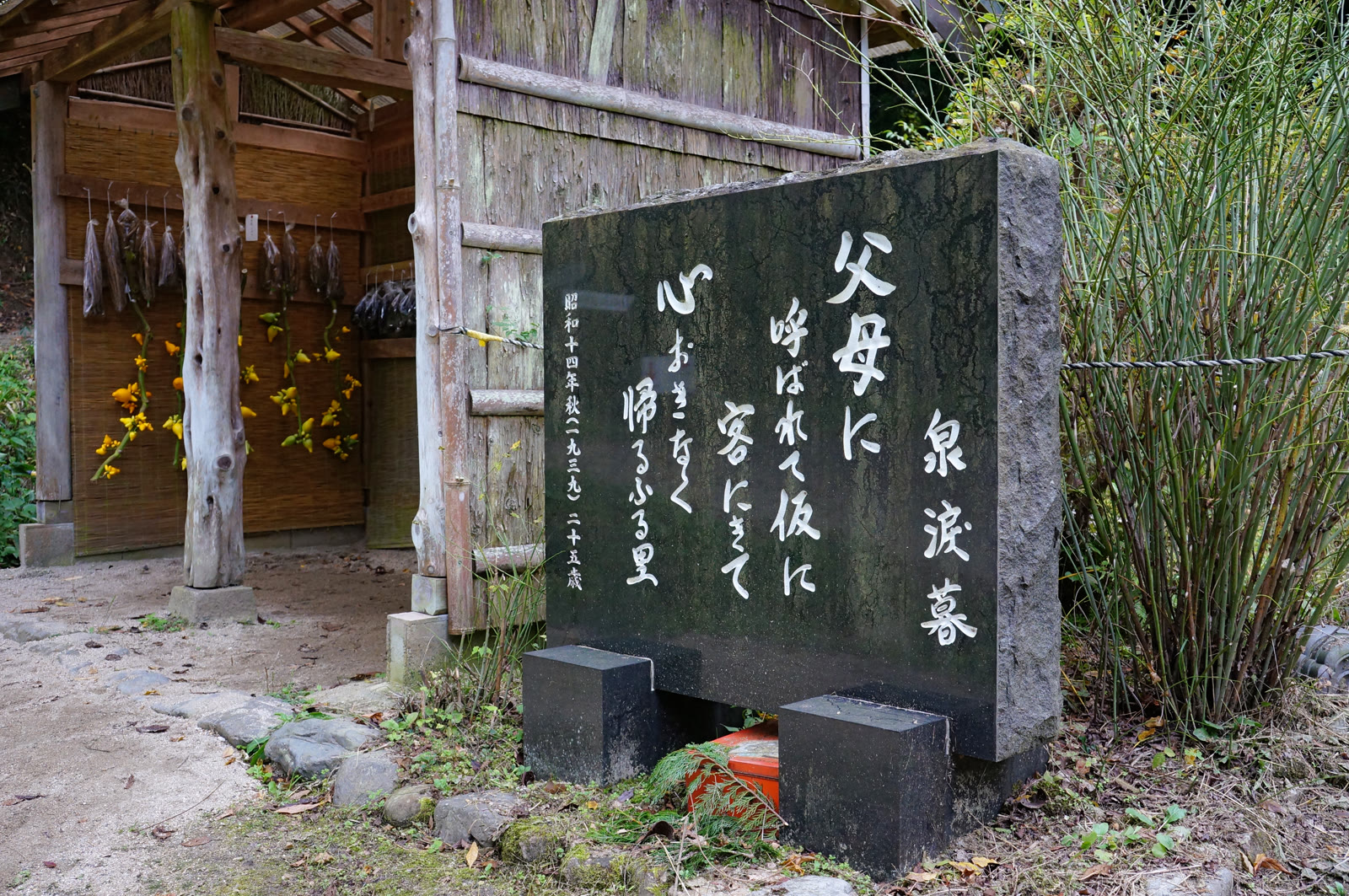
- Path of the Stone Buddhasa well-maintained, mostly gentle downhill lane linking the two temples over roughly 2 to 3 km
- Joruriji templethe temple at the lower end, where the downhill route finishes
How to actually get there
- Kyoto Stn → Kizu Stn (JR Nara Line, Miyakoji Rapid, ~55 min)
- Kizu Stn → Kamo Stn (JR Yamatoji Line, ~6 min)
- Kamo Stn → Gansenji stop (Kizugawa community bus, ~16 min)
- Gansenji → Joruriji (walk the stone-Buddha lane, ~45 min)
- JR rail + Kizugawa community bus, then walk
- Kyoto Stn →(JR Nara Line, Miyakoji Rapid, ~55 min)→ Kizu Stn →(transfer to JR Yamatoji Line, ~6 min)→ Kamo Stn →(Kizugawa community bus toward Kamoyamano-ie, ~16 min)→ Gansenji stop. Total about 80–85 min. The bus runs only about 8 times a day and is often an hour apart — check the day's timetable before you leave.
- Return by the same bus
- Ride the same community bus from Joruriji back to Kamo Stn, then the trains back to Kyoto. There are only a handful of buses a day and they finish in the afternoon — when you arrive, check the return times posted at the stop, and keep about two hours for the walk so you do not miss the last one.
About the place
Tono is a quiet upland district of tea fields and old temples above the Kizugawa river, south of Kyoto. The classic route starts high at Gansenji temple, then follows a well-kept path known as the Path of the Stone Buddhas (Sekibutsu no Michi) downhill to Joruriji — roughly two to three kilometres, covered by most walkers in about an hour. Along the way, more than a dozen Buddhist figures from the 13th and 14th centuries stand carved into boulders and cliff faces, cut by monks and local worshippers. The best known is the warai-botoke, the laughing Buddha, whose gentle smile has drawn walkers along this lane for centuries. The walk is built around noticing what is set into the rocks beside the path.
How to enjoy it
Walk downhill from Gansenji to Joruriji so the route runs mostly downslope, and allow around an hour plus time to stop. The path is gentle and manageable in ordinary walking shoes. Slow down at the boulders — the reward is in spotting weathered faces and carved details set into the rock at the side of the path.
Background & history
The stone Buddhas of Tono were carved mainly in the Kamakura and Nanbokucho periods (13th–14th centuries), when the two temples anchored a small community of monks and worshippers. The laughing Buddha is formally named the Iwafune Amida Sanzon Magaibutsu — a cliff carving of the Amida triad, meaning the Amida Buddha flanked by attendant bodhisattvas Kannon and Seishi — and bears an inscription dated 1299. Other documented carvings along the route include standing figures of Fudo Myoo, a fierce guardian deity of Buddhism.
Before you go
- Cash
- Rural community buses in Japan are often cash-only, so carry coins; the temple entry fees are small and also best paid in cash.
- Good to know
- The lane runs through working tea and vegetable fields — stay on the path and take nothing.
- Another way
- If the bus timing suits you better, you can walk the route in reverse, uphill from Joruriji to Gansenji.
- After you get off
- From the Gansenji bus stop, start at the temple, then follow the downhill lane toward Joruriji — about 45 minutes of easy walking.
Nearby notes
 Christophe95 / CC BY-SA 4.0
Nature · Nara★★★
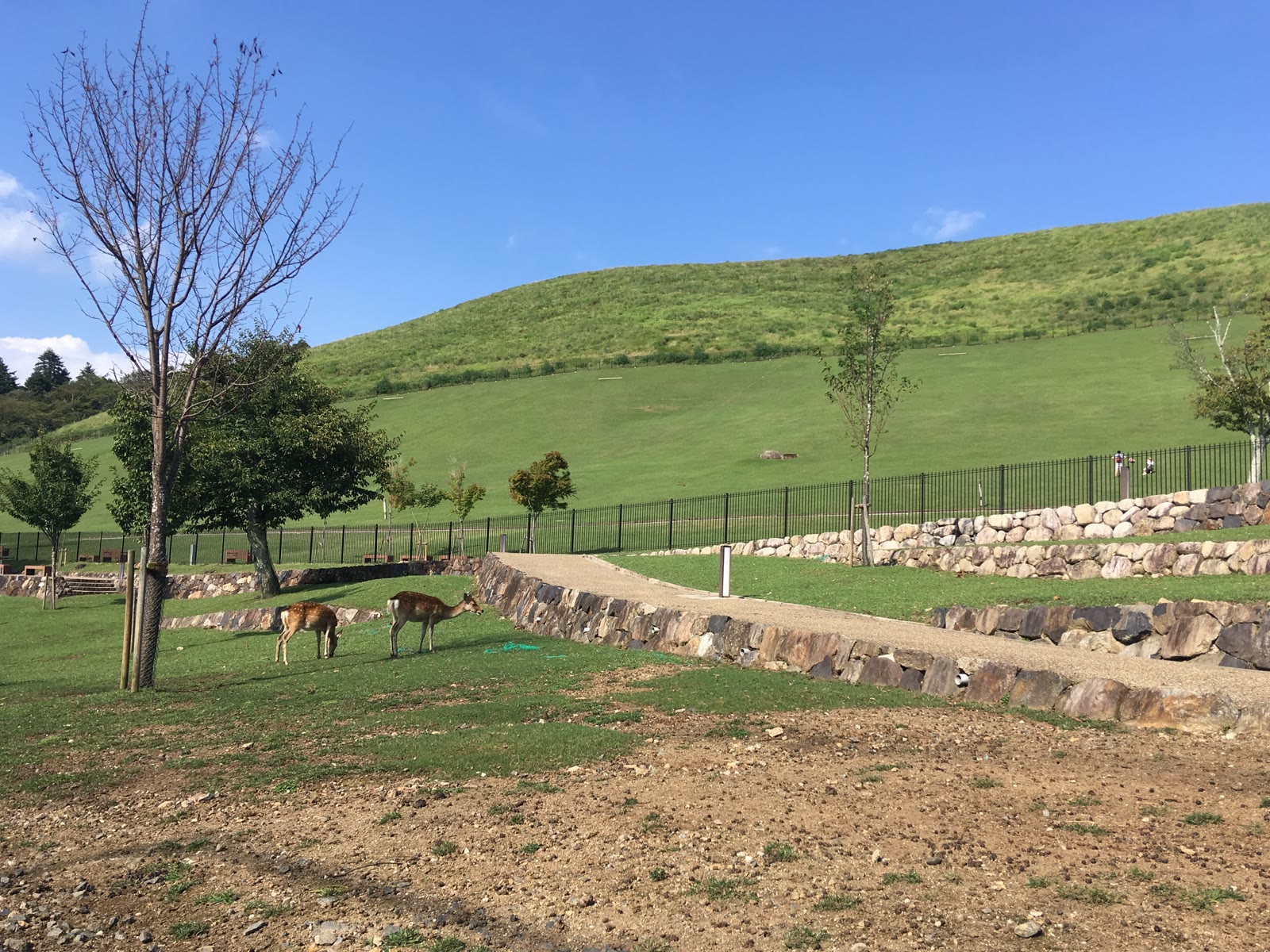
Mount Wakakusa
4.8 km · straight line
 Nekosuki / CC BY-SA 4.0
History · Nara★★★
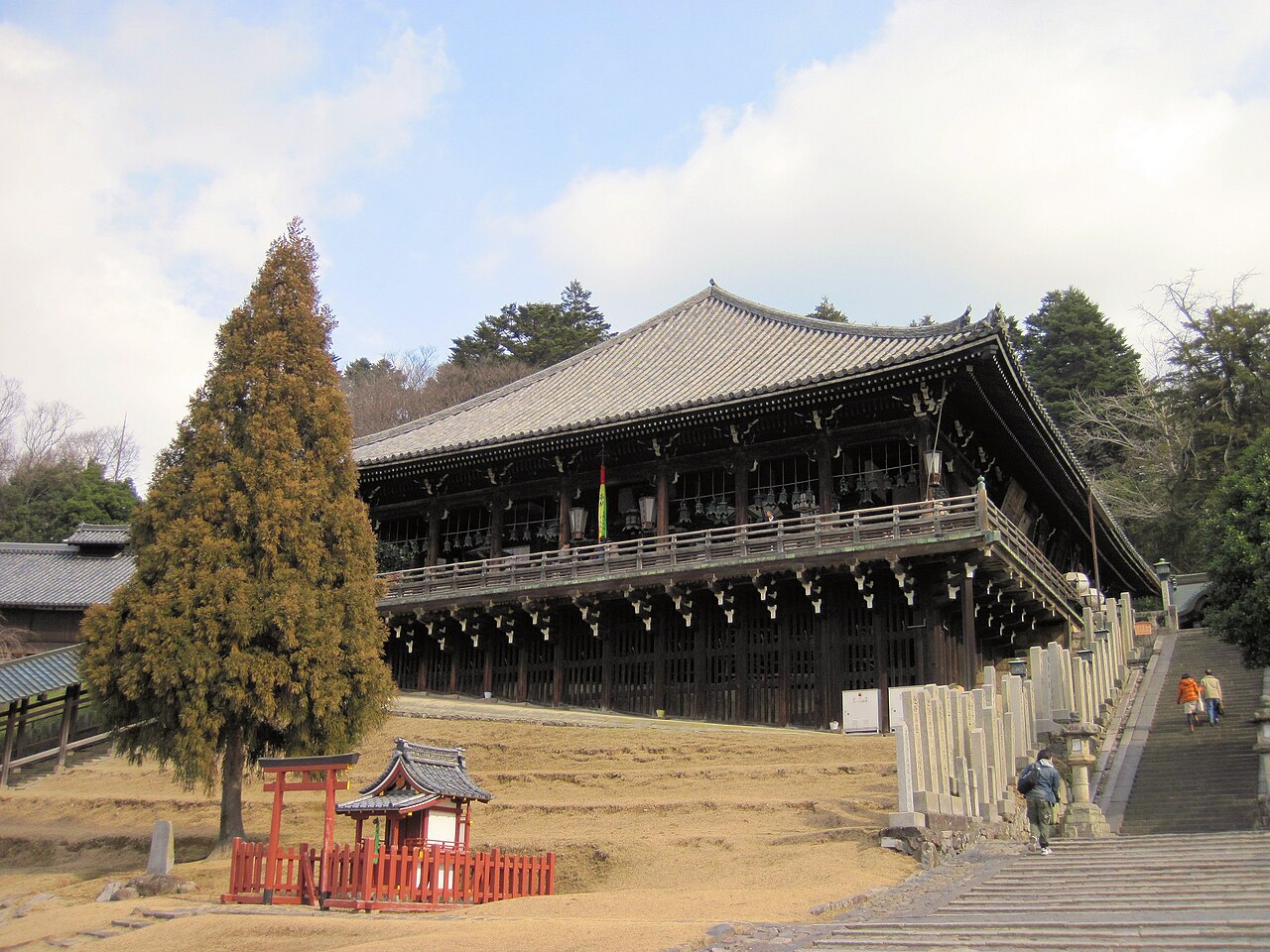
Nigatsudo Hall
4.8 km · straight line
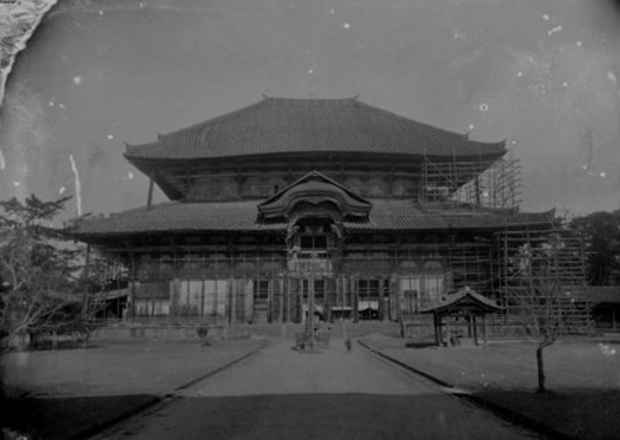 Kudō Risaburō 工藤利三郎 (1848 – 1929) / Public domain
History · Nara★★★
Todai-ji and Nara Park
5.2 km · straight line
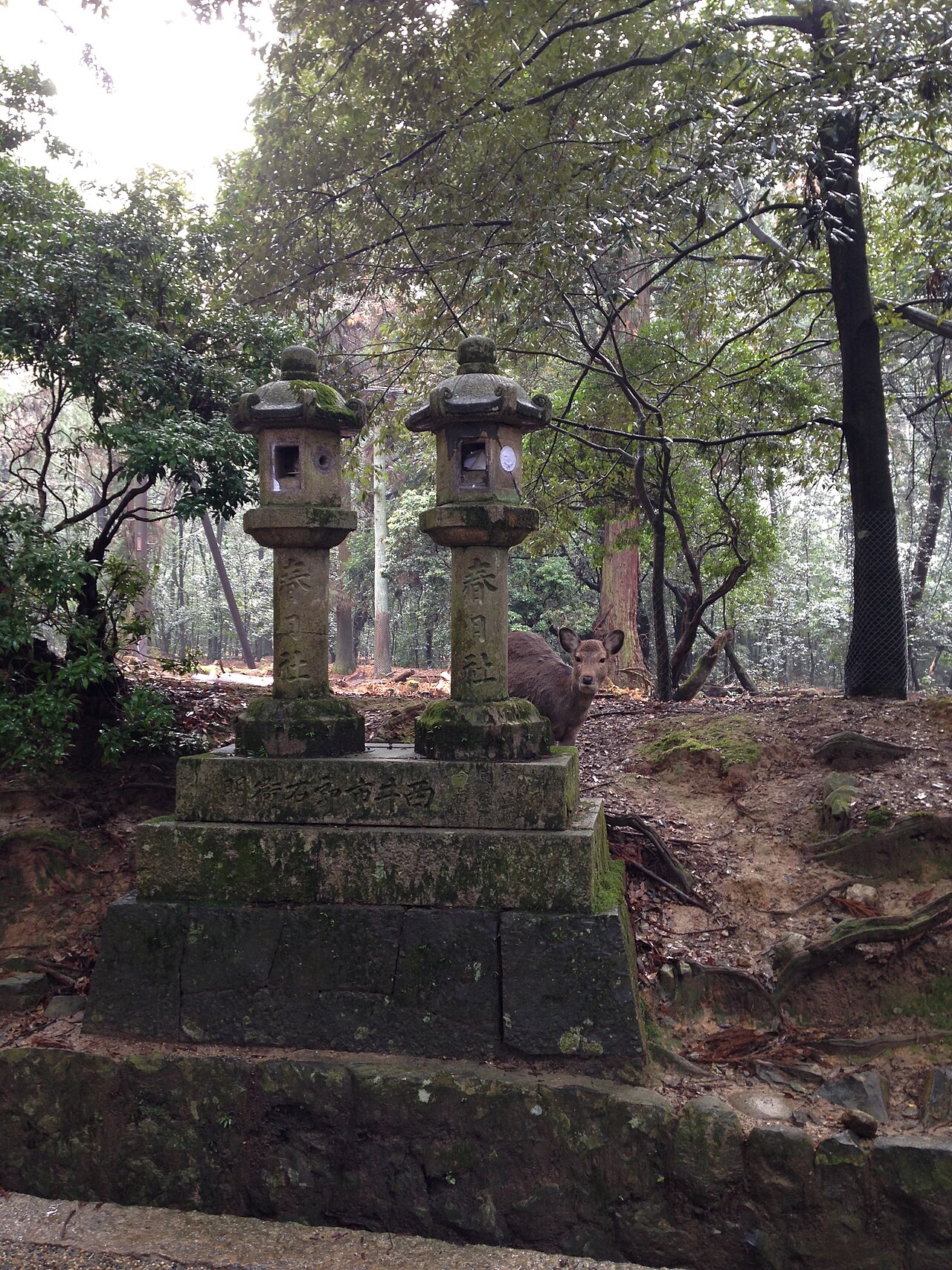 そらみみ / CC BY-SA 3.0
History · Nara★★
Kasuga Taisha
5.2 km · straight line
Distances are straight lines on the map, not travel times.