Nara · Nara ParkNo.398★★★Open in map →
Mount Wakakusa
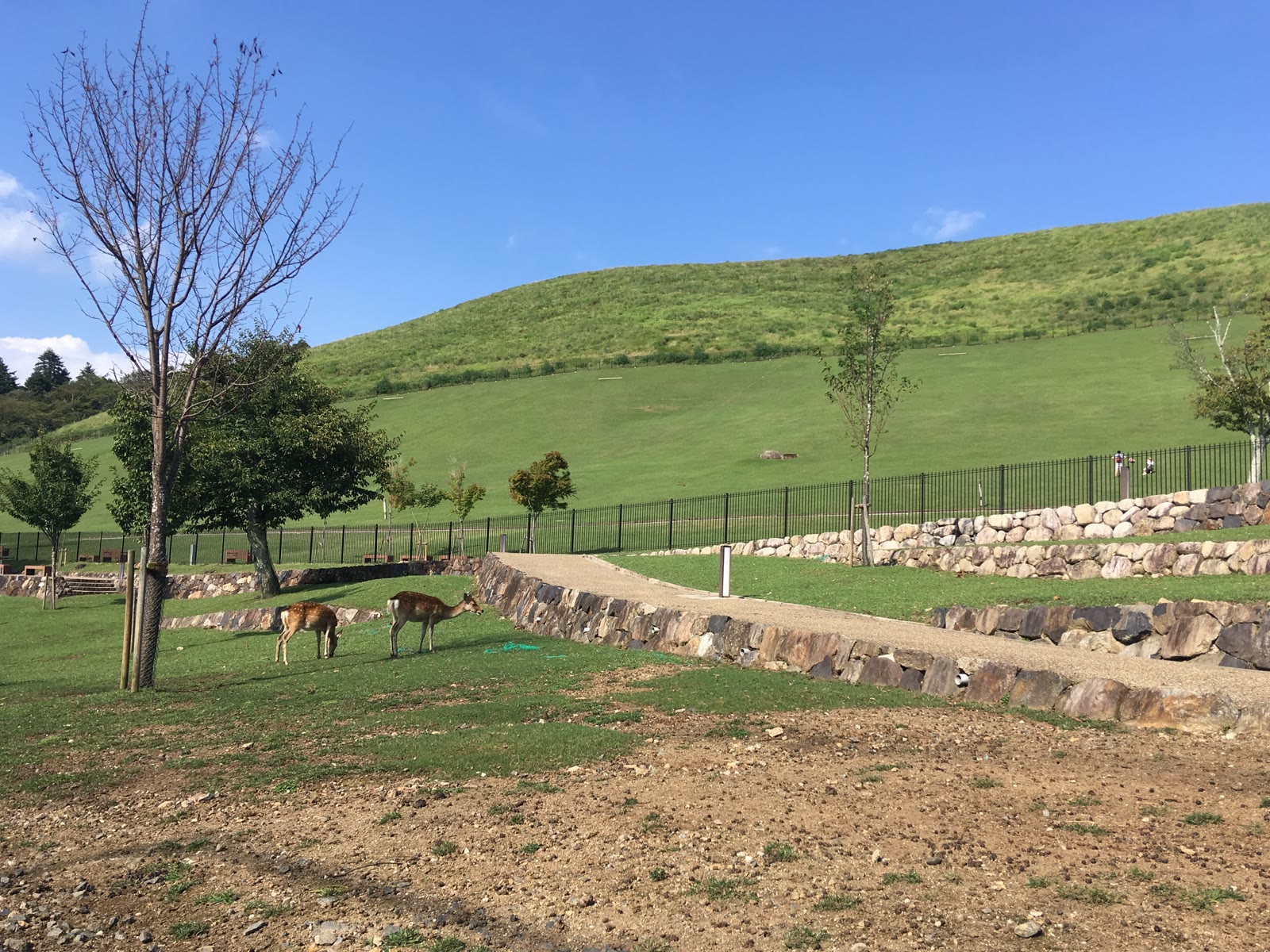
A three-tiered hill covered entirely in turf on the eastern edge of Nara Park, also known as Mikasayama. From the summit the Great Buddha Hall and the whole Nara basin lie below, and the hill is burned each January.
- FromKyoto Stn
- ~50 minwalk from Nara Park
- Get off atKintetsu-Nara Station
- From there
- Mount Wakakusa
Where it is
32 more notes in Nara · open the map →What to look for — in walking order
- The third tier summitthe actual top, above the two false summits most visitors stop at; the whole Nara basin opens out from here
- Todaiji from abovethe Great Buddha Hall seen from directly above and behind, which no other viewpoint in Nara gives you
- The turf slope itselfgrass from base to summit with no tree cover, grazed by the park deer, and open enough to sit on anywhere
- Uguisuzuka tumulusa keyhole-shaped burial mound on the summit tier, easy to walk past without noticing it is a tomb
How to actually get there
- Kyoto Stn → Kintetsu-Nara Stn (Kintetsu Kyoto Line limited express, ~35 min).
- Station → east through Nara Park past Todaiji → Wakakusayama entrance (walk, ~20-25 min).
- Entrance → first tier → second tier → third tier summit (walk, ~30-40 min).
- Kyoto Stn → Kintetsu-Nara Stn, then walk through Nara Park
- From Kyoto Station take the Kintetsu Kyoto Line limited express to Kintetsu-Nara Station, about 35 minutes. From the station walk east through Nara Park past Todaiji, roughly 20 to 25 minutes, and the Wakakusayama entrance gate is at the far end beyond the Nigatsudo approach.
- Wakakusayama → Kintetsu-Nara Stn → Kyoto Stn
- Walk back down through the park to Kintetsu-Nara Station, about 25 minutes, and reverse the Kintetsu route. Buses also run along the park's northern road back to the station area if your legs have had enough.
About the place
Wakakusayama rises immediately behind Nara Park and is covered from bottom to top in turf rather than forest, which is what makes it unusual: there is nothing between you and the view at any point on the climb. It is built in three distinct steps, and Japanese descriptions refer to the first, second and third tiers; many people stop at the first and assume they have arrived, but the summit is the third. The older name, Mikasayama, comes from the shape — three sedge hats stacked. Deer from the park graze the slope, so the climb is usually done in their company. From the top the view runs across the entire Nara basin: Todaiji's Great Buddha Hall directly below, the roofs of the old capital, and the Ikoma range on the far side. The hill is best known nationally for Yamayaki, the ceremony in January when the whole grass slope is deliberately set alight after dark and the hill burns above the city. Unlike almost everything else in Nara Park, Wakakusayama is not open year-round — it closes for the winter and reopens in spring.
How to enjoy it
Climb it at the end of a Nara Park day rather than the start: Todaiji, then Kasuga Taisha, then up the hill for the view back over both. The walk from the entrance to the summit takes roughly 30 to 40 minutes at an easy pace and needs no equipment beyond shoes that cope with grass. There is a small entry fee and an opening season — the hill closes for the winter and reopens in spring, so confirm before making it the centrepiece of a day. Late afternoon is the best light, and the deer are still on the slope. If you cannot manage the climb, a toll road reaches a car park near the summit from the far side.
Background & history
The hill's alternative name Mikasayama, 'three sedge hats', describes its three-tiered profile and appears in classical poetry about the old capital. The turf cover is maintained rather than natural, and the annual Yamayaki burning in January is the practice that keeps it that way; the ceremony's origins are variously explained as boundary dispute settlement between temples, pest control, and grassland management, and the modern event is run as a formal ritual with fireworks. A closed season through the winter protects the regrowth of the grass, which is why the hill has an opening and closing date at all.
Before you go
- Cash
- There is a small entry fee at the gate, payable in cash. Nara Park itself and Todaiji's outer grounds are free. IC cards work on Kintetsu and the city buses.
- Good to know
- The hill has a closed season through the winter and set opening hours during the season — check the Nara City Tourist Association site before travelling, as this is the one major Nara Park site that can simply be shut. Do not feed the deer on the slope, and note that the turf is slippery after rain.
- Another way
- JR Nara Station is roughly 1 km further west on foot; city bus routes run from both stations to the Todaiji and Kasuga area. The Shin-Wakakusayama Driveway toll road reaches a car park near the summit from the eastern side.
- After you get off
- From Kintetsu-Nara Station walk east through Nara Park, past Todaiji and below Nigatsudo; the entrance gate is at the base of the open grass slope.
Nearby notes
 そらみみ / CC BY-SA 3.0
History · Nara★★
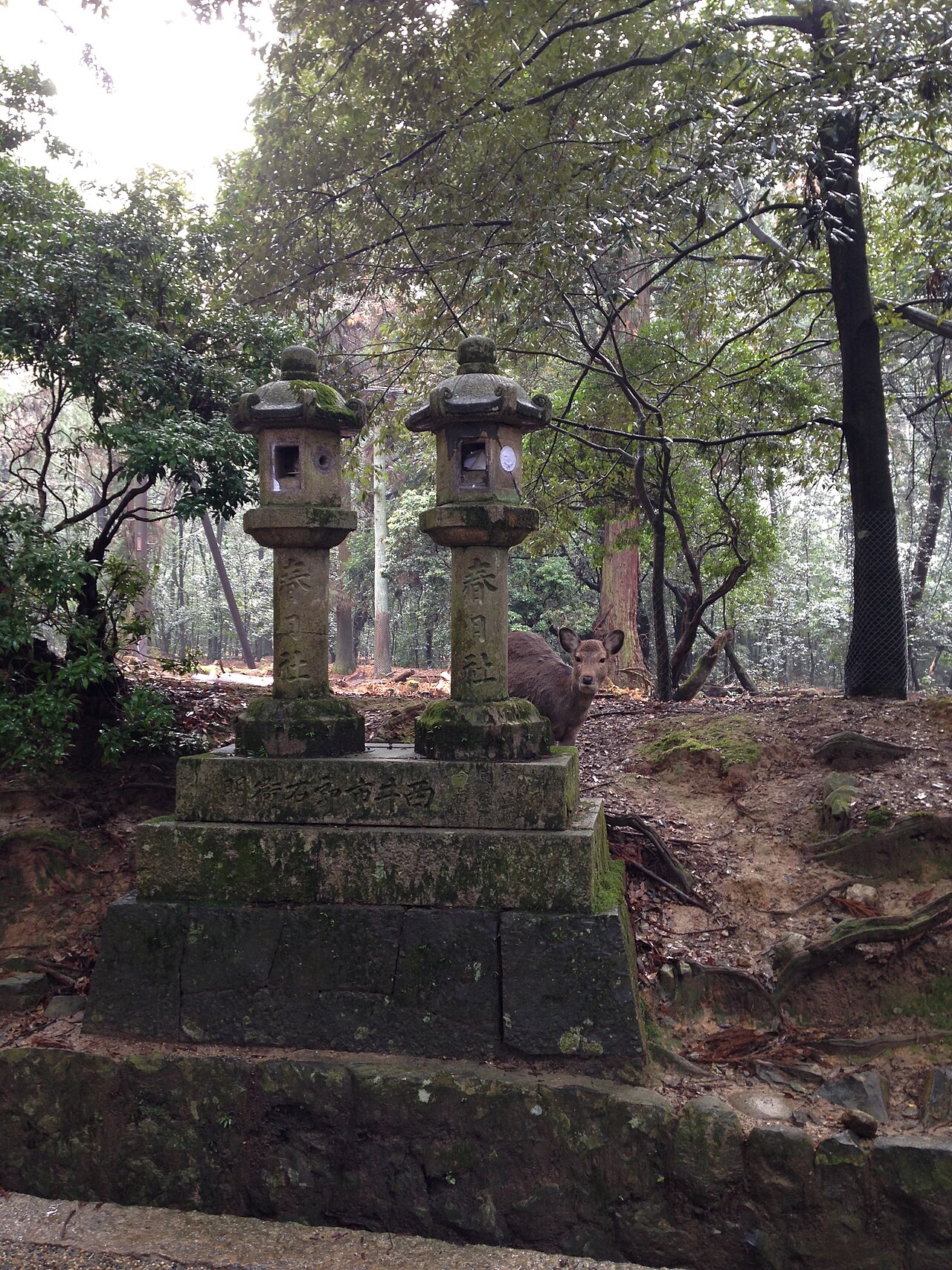
Kasuga Taisha
0.5 km · straight line
 Nekosuki / CC BY-SA 4.0
History · Nara★★★
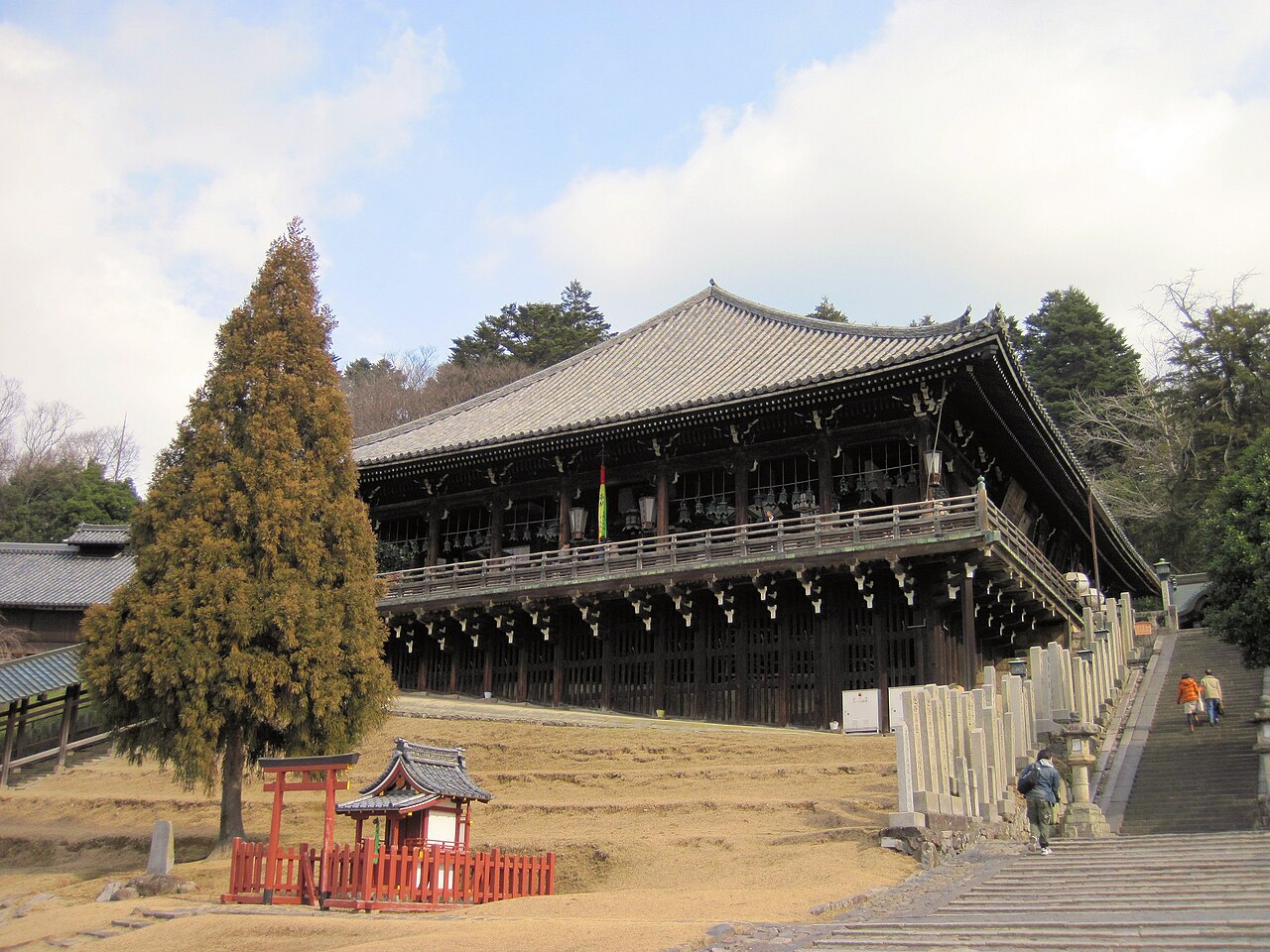
Nigatsudo Hall
0.7 km · straight line
 Kudō Risaburō 工藤利三郎 (1848 – 1929) / Public domain
History · Nara★★★
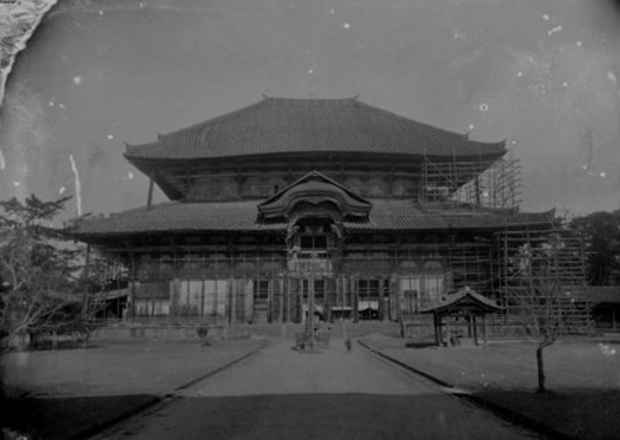
Todai-ji and Nara Park
1.0 km · straight line
 Kimon Berlin (Gribeco) / CC BY-SA 4.0
Culture · Nara★★
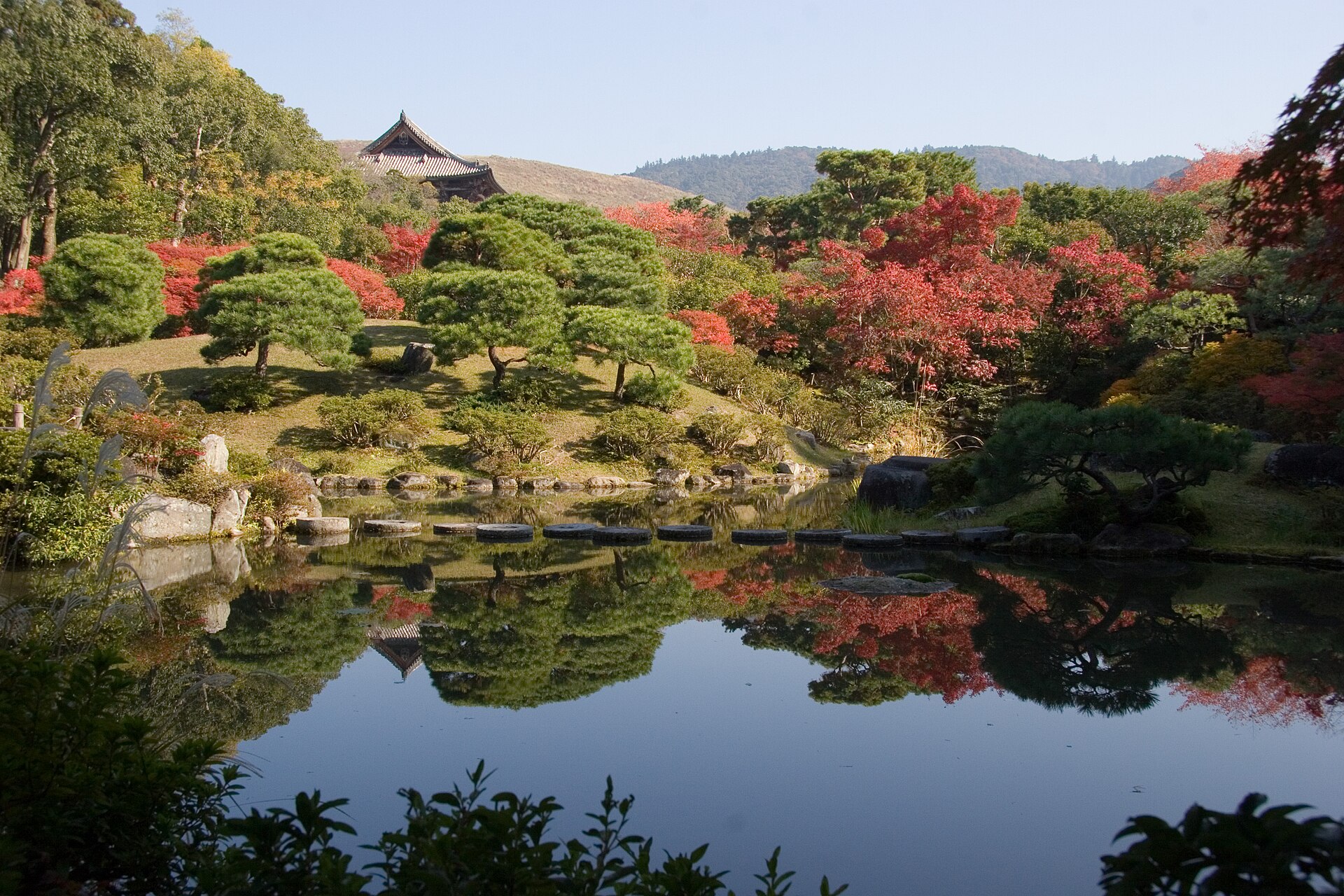
Isuien Garden
1.1 km · straight line
Distances are straight lines on the map, not travel times.